VI
VI


Cambodian cuisine has absorbed and been influenced by many culinary styles from neighboring countries, especially India and China. Regardless of the cooking method, any dish uses a lot of spices (similar to Indian cuisine) and is rich and fatty (similar to Chinese food). However, above all, Cambodian culinary culture still maintains its own unique characteristics and impressions, satisfying even the most discerning diners.
From familiar dishes to Southeast Asian tourists such as rice, sticky rice cooked in bamboo tubes, and various fish, meat, and vegetable dishes, Cambodian meals also include fermented fish paste (mắm bồ hóc). Unlike the fermented fish paste from Châu Đốc in Vietnam, the fermented fish paste here is quite salty, yet has a rich, savory flavor from the fish meat.
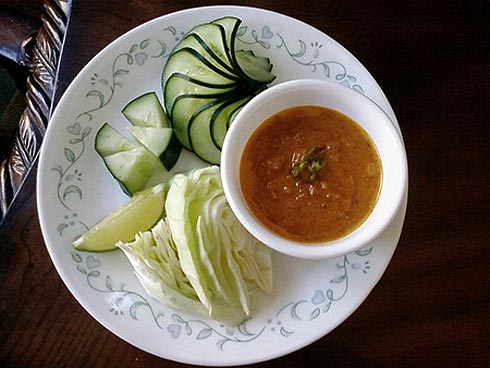
Fermented fish paste
The salty taste of this fish paste comes from the multiple salting processes. The fish caught from Tonle Sap Lake, in excess, are brought back, cleaned, and salted. After a few months, they are washed again, salted, and stored for later use. The fish, with their firm, delicious, and rich flesh, are gradually infused with salt, resulting in an incredibly flavorful dish. For the Cambodian people, this is an indispensable part of their diet. This fish paste is even added to broths in upscale restaurants to enhance the flavor, leaving many foreign diners wanting more…
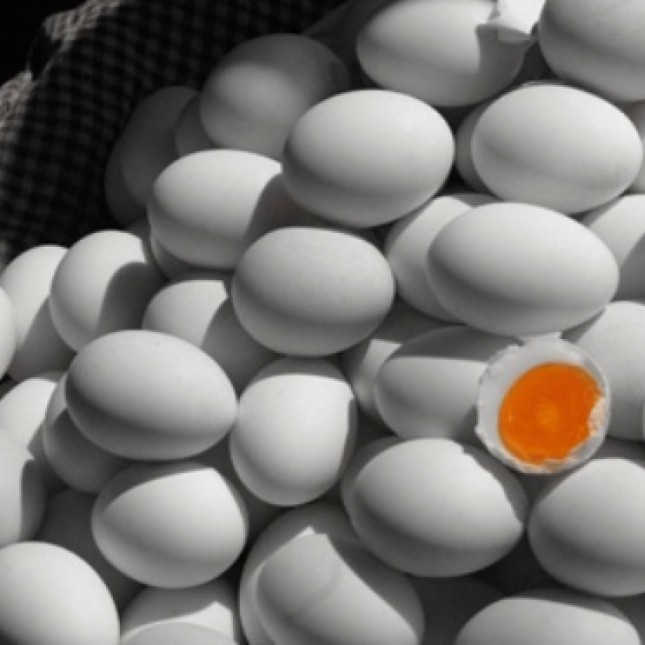
Besides fermented fish paste (mắm bồ hóc), tourists in Cambodia can easily find many places selling boiled duck eggs, which are not expensive but very delicious. Furthermore, dishes made from Cambodian chicken and duck also have many distinctive characteristics. Raised naturally without artificial feed, the chicken and duck meat is naturally tender and flavorful. Duck eggs, with more yolk than white, are boiled to a runny, reddish yolk, with a rich, chewy texture that few visitors can resist.
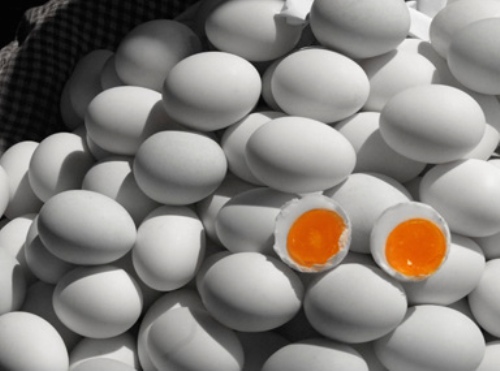

Cambodian chicken eggs
A distinctive feature of Cambodian cuisine is the refreshing sweetness of palm sugar. Living in a hot, dry climate, the palm tree is a hardy plant deeply intertwined with the lives of the Cambodian people. Palm leaves are used for building houses, and palm sap is used to make sugar and as a seasoning in dishes. The sweet, refreshing taste of palm sugar is almost indispensable in Cambodian soups and desserts. Palm sugar rice cakes have been passed down through generations and have become a specialty dish that tour guides introduce to tourists.
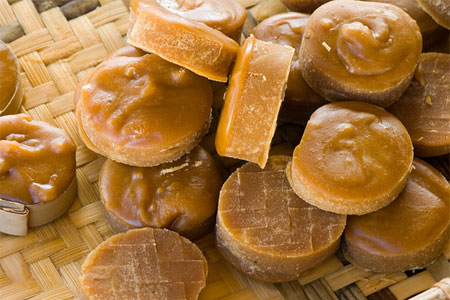
Palm sugar
A popular drink in Cambodia is palm sap. The sap is harvested directly from the tree and drunk immediately; its coolness soothes the throat and deeply calms the body, relieving the dry heat of the country. Palm sap is also used to make sour wine, considered a specialty that no tourist visiting Cambodia fails to ask to buy as a souvenir.
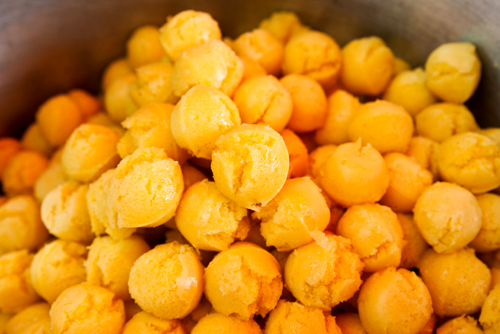
Palm sugar rice cake
Besides the delicious dishes that many tourists enjoy, Cambodia also has no shortage of "unique" foods that many diners wouldn't dare try: insects. The insect markets here sell a wide variety of dishes, from spiders and crickets to ant eggs and giant water bugs. The giant water bug (a beneficial insect that lives abundantly in Cambodian rice paddies) is particularly popular, known for its spicy and aromatic flavor.
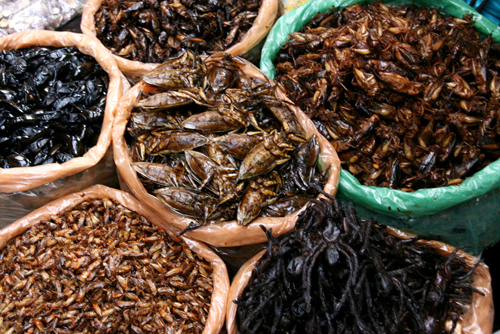
Insect market
In addition, many tourists come here to enjoy a fried spider with a glass of Angkor beer to truly experience the taste of the "Land of Temples". Putting a crispy fried black spider in your mouth and chewing, you might feel a little scared at first, but the rich, sweet, and fragrant taste of the head and body, mixed with the fatty flavor of the entire intestine, gradually spreads and permeates your taste buds, creating an irresistible appeal for tourists...
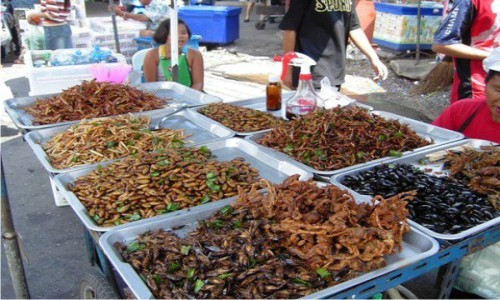
Traveling hundreds of kilometers on a multi-day trip to Cambodia, besides the fascinating attractions and world cultural heritage sites, Cambodian cuisine also leaves an indescribable impression on tourists.
Cambodian cuisine shares similarities and blends elements from neighboring countries, making it accessible to visitors from afar while still retaining its own unique characteristics that delight them. Coming here and taking home a taste of the sweet aroma of palm sugar, the savory flavor of fish sauce, the rich creaminess of duck eggs, and the intriguing flavors of insects is like bringing home a piece of Cambodia…