VI
VI


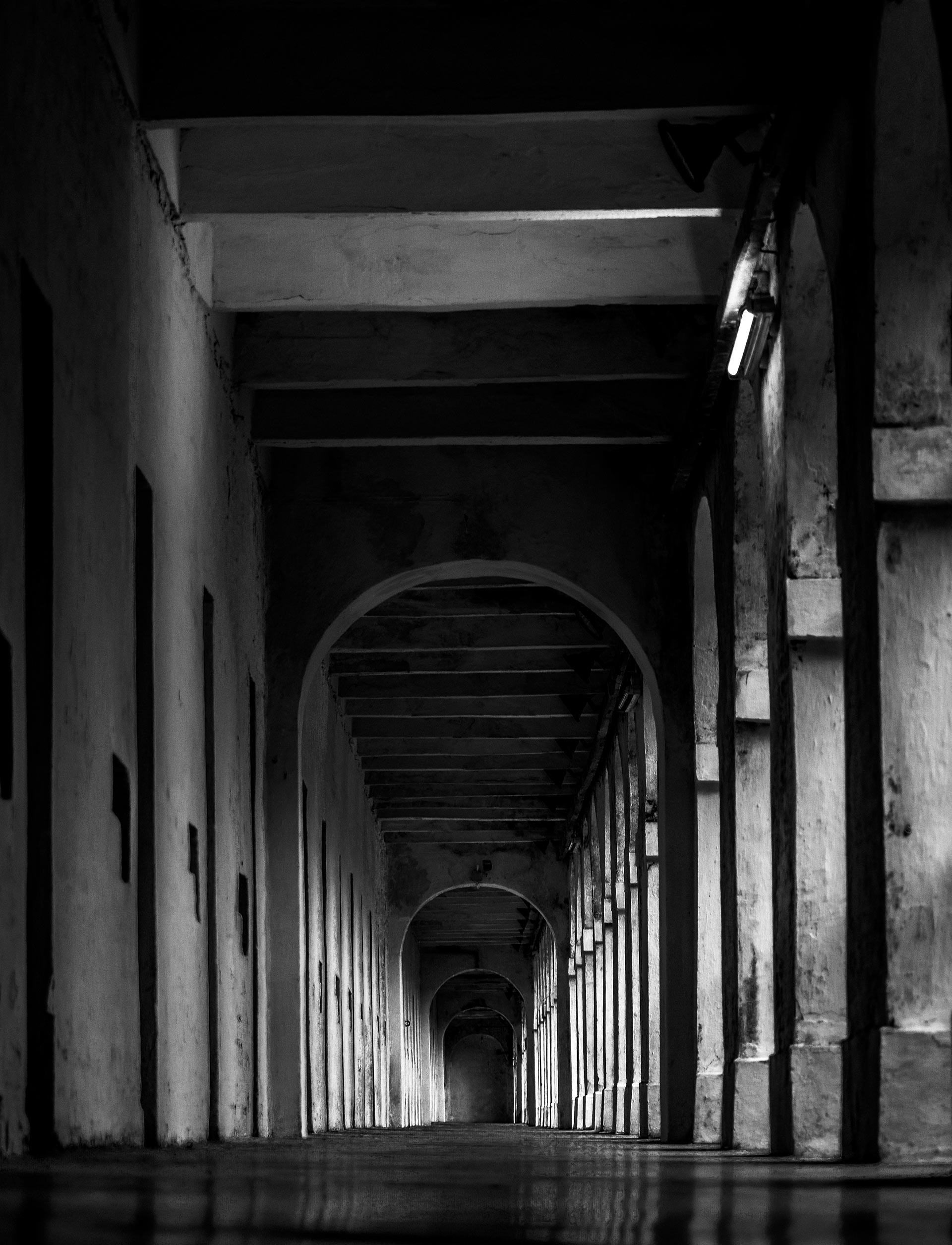
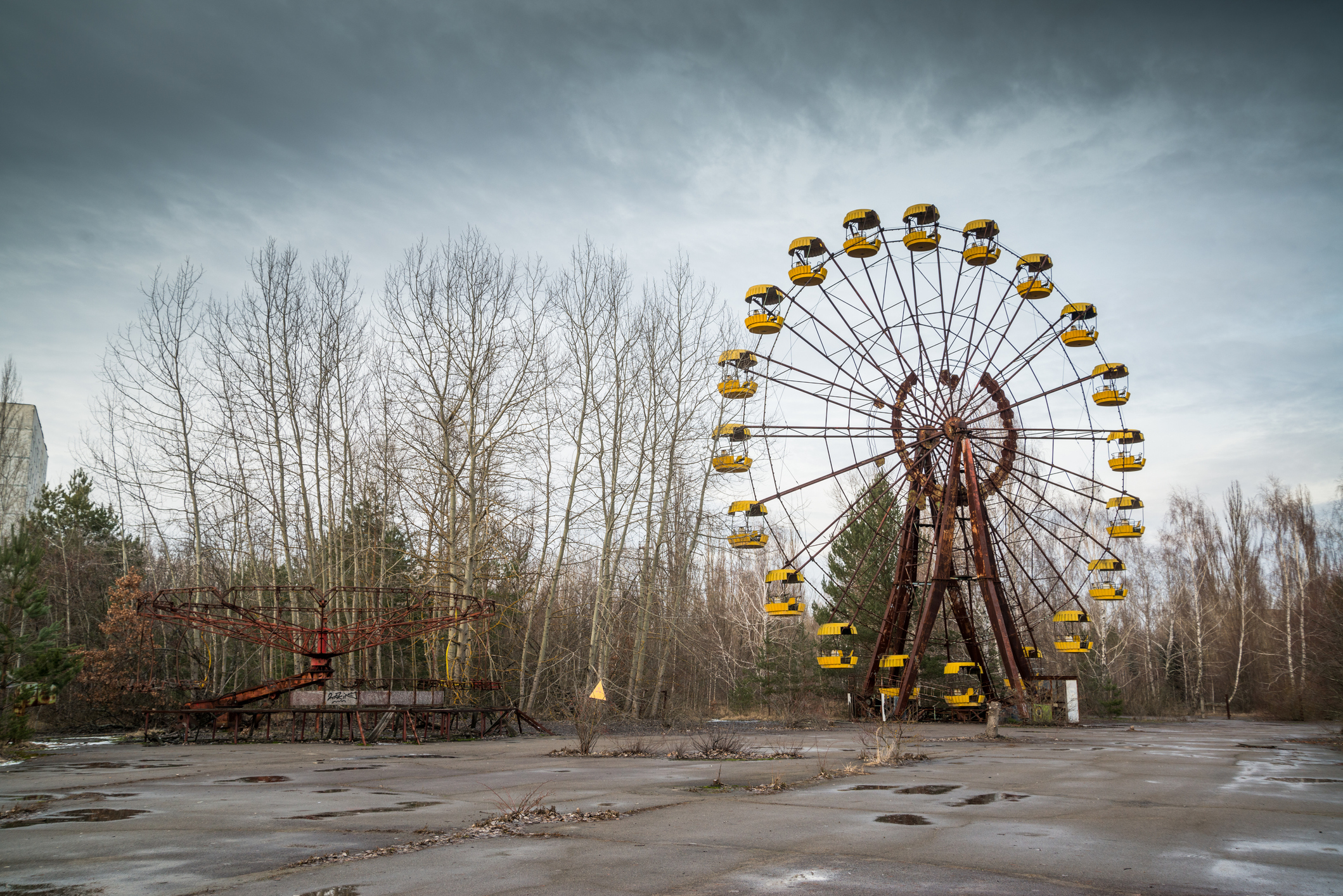
Fear is a feeling that most of us probably don't want to experience. Yet, many people are willing to venture into the darkest corners of human history, viewing it as an exploratory experience despite the haunting and imminent danger. This form of tourism is known as Dark Tourism. So what makes these experiences so appealing, overshadowing even the basic human fear? What controversies surround it? Let's explore this in the article below.
Near-death experiences
Dark tourism is defined as exploring locations where dark secrets or events have occurred or are currently taking place. It can include areas of intense conflict, regions devastated by natural disasters, places that witnessed brutal historical crimes, or locations where gruesome events have become legendary.
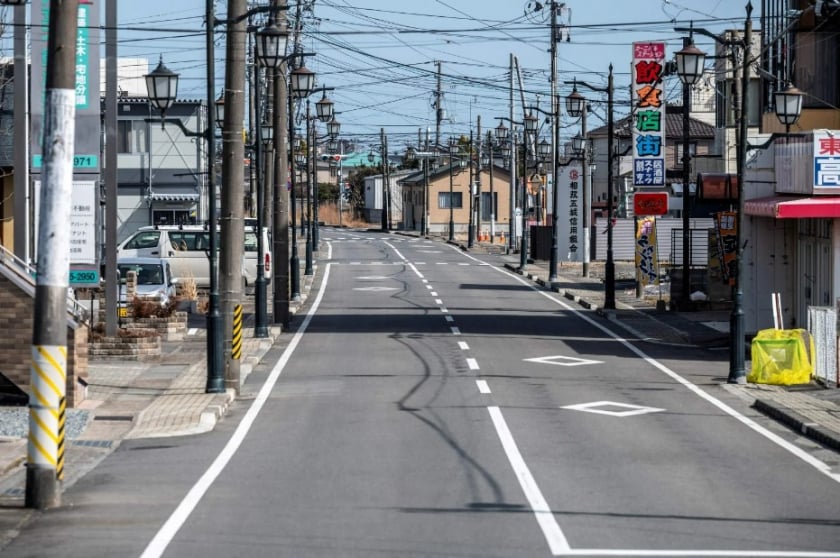
Fukushima City, which once suffered devastating earthquakes and tsunamis.
Fukushima City, which suffered a devastating earthquake and tsunami in 2011 leading to a radioactive leak, is a prime example of modern-day "dark tourism." Eleven years later, although the number of people returning to rebuild their lives has increased, the area remains divided into green, orange, and red zones, severely restricting access to high-radiation areas. However, some bus tours allow visitors access to these restricted zones. Radiation masks and detectors are provided to help people understand and manage the dangers they are facing.
Another example is the type of experience offered in areas experiencing intense conflict, such as Israel. Before participating, everyone must undergo training to master the use of walkie-talkies, self-defense, and first aid so they can react to any situation. Many have been injured or witnessed firsthand the horrific gunfights and bombings during these dangerous tours.
So what is it about these journeys that attracts explorers so much?

For thousands of years, people have been drawn to dark and somewhat sensational events. They flocked to witness bloody battles in the Colosseum, observed public executions, or even followed the legendary Battle of Waterloo, despite the danger of being drawn into the conflict.
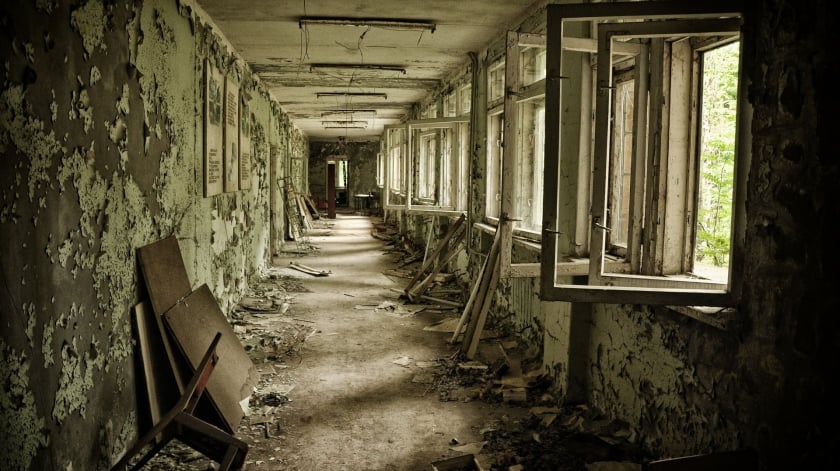
Dark tourism is becoming increasingly popular thanks to its unique experiences.
Today, although there are no precise statistics on the number of people participating in dark tourism tours, we can still observe an upward trend as more and more services designed to offer these experiences open up in many places around the world. Perhaps, curiosity about dark events remains, to some extent, inherent in human nature, whether in the past or present. On the other hand, the rapid development of information technology also gives people more opportunities to access the intriguing and mysterious stories of the past, fueling the human instinct to explore.
A check-in trend or a reflection on history?
When the trend of "dark tourism" emerged, it not only raised concerns about safety but also sparked a heated discussion about its ethics. Images of tourists posing provocatively at historically significant sites like the Auschwitz concentration camp or the ruins of the Chernobyl disaster left many disappointed and questioning the true purpose of these trips. Was it merely a means of self-expression?
In fact, in most cases, dark tourism isn't inherently bad. Within certain safe limits, witnessing the hidden aspects of history firsthand is a way for people to understand the past, appreciate the present, and contemplate the future. The issue lies in the intentions of each individual behind their decision to participate in these experiences.
While some seek out dark tourism as a way to satisfy their curiosity and sense of adventure, many others see it as a meaningful journey to truly understand the weight of hidden aspects of life and history that are difficult to grasp deeply through online news alone.
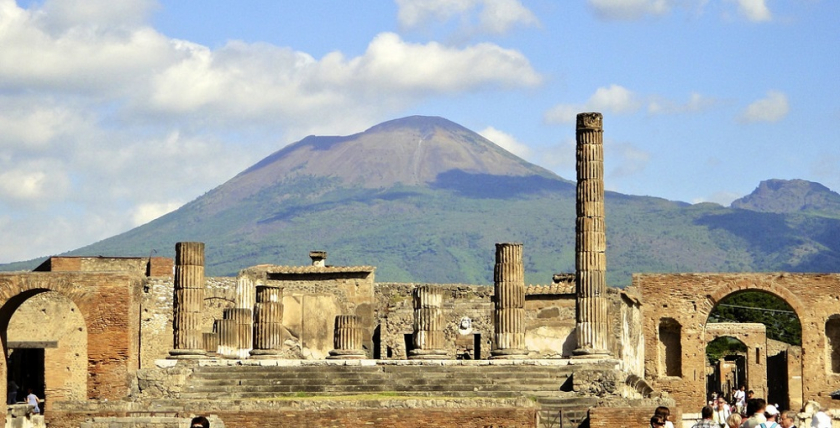
The city of Pompeii, Italy, is an attractive destination for those who enjoy dark travel.
Thuc Trang, a designer in Hanoi, recounts her trip to Pompeii – the site of a catastrophic volcanic eruption in 79 AD that left the entire city in ruins:
"Amidst the ruins and thousands of bodies still buried beneath layers of lava, I gained a deeper understanding of the hidden aspects of this place's history, from the widening gap between rich and poor, the social turmoil, to the catastrophe that wiped out an entire prosperous civilization. Therefore, although initially hesitant due to the somewhat frightening nature of the location, I still found this trip very educational. From my observations, most visitors maintained a respectful attitude. They took photos of the space but didn't overdo it and still showed respect for a historical site with a tragic past."
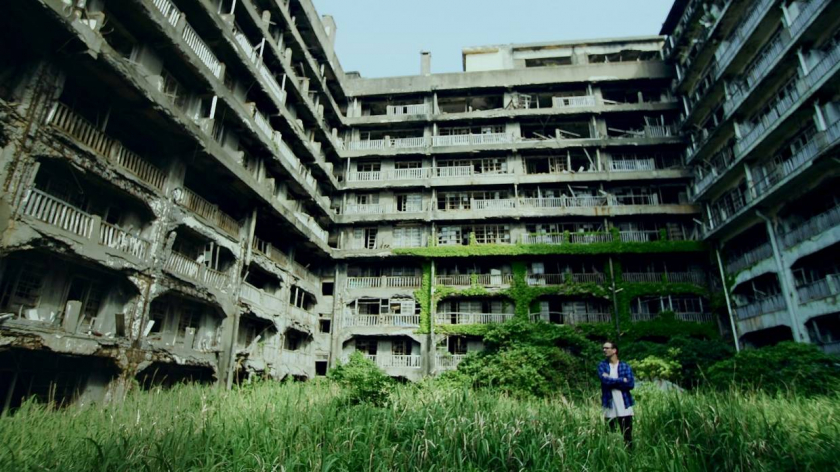
Dark travel is becoming a meaningful experiential trend for young people.
Perhaps every civilization contains its dark sides. Turning away from history or the hidden aspects of the present to keep travel experiences positive isn't always the best approach. Ultimately, what people seek in exploration is truth and, more profoundly, intellectual enlightenment. Of course, this should be done within safe limits.