VI
VI



Shrimp paste
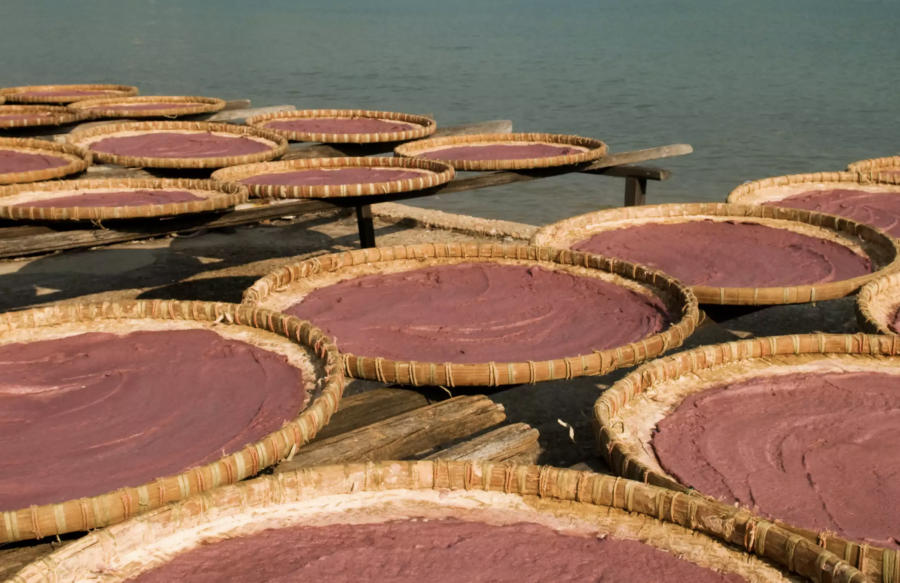
It is calledTerasiin Indonesia,BelacanIn Malaysia, Bagoong in the Philippines, shrimp paste/shrimp paste/krill paste in Vietnam.KapiIn Cambodia and Laos, this spice is made by fermenting shrimp with salt. It is used in cooking or as a dipping sauce. The pungent smell and salty taste of this spice sometimes make those unfamiliar with it run away.
Shrimp paste originated in southern Thailand in the 8th century, during the time when it was still under the rule of the Srivijaya kingdom of Malaysia. Freshly harvested shrimp were mixed with salt, spread on bamboo mats, and dried in the sun. In its dried form, the shrimp could be preserved for months. Today, shrimp paste production remains an important industry in Southeast Asia.
Shrimp paste is made from various types of shrimp, most commonly mollusks and small shrimp with thin, transparent shells. When using larger shrimp, the maker needs to grind them until the ideal texture is achieved before mixing them into a mixture for fermentation.
Some types of finished shrimp paste can be eaten immediately. For this reason, people in Southeast Asia are very fond of eating green mangoes with shrimp paste. In some other places, shrimp paste is also used as a dipping sauce or dressing for salads.
Malaysian dried shrimp paste, "belacan," requires processing before it can be used. The necessary amount of paste is crushed or chopped and then mixed with flavorings during the cooking process.
Fish sauce

In Southeast Asian cuisine, fish sauce is added to dishes while they are cooking or kept in condiment jars on the table for seasoning according to individual taste.
This is also a product of the fermentation process. Fish sauce is made by marinating fish with salt, storing this mixture in earthenware jars, and fermenting it for 9 months to 1 year. The salt will "cook" the fish, and the resulting liquid is pure fish sauce.
Commercial fish sauce varies in color, aroma, flavor, and price. The best quality, produced using the methods described above, typically has a distinct, pale yellow color. Darker, spicier, and saltier varieties are second and third-grade fish sauces made by adding salt to fish and then boiling the mixture.

In the Philippines, the quality of both "regular" and "special" fish sauces is regulated by law.
Vinegar
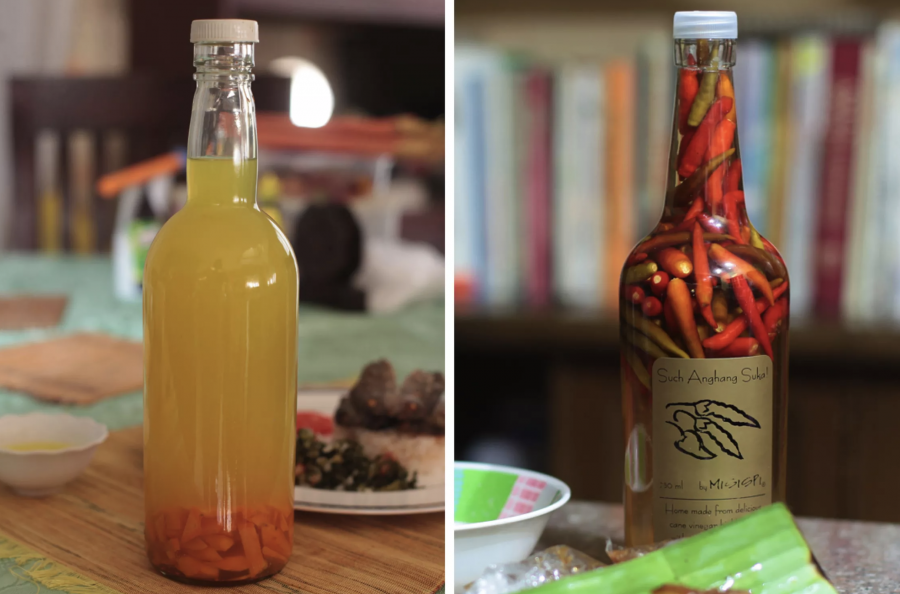
On the left is vinegar made from palm sugar infused with turmeric powder, while on the right is sugarcane vinegar infused with chili peppers.
Traditional vinegar in Southeast Asia is made from sugarcane, palm sap (flower sap or nectar), or rice. Palm species used to produce vinegar include coconut palm, nipa palm, and sugar palm. Non-traditional vinegars are made from cashew nuts.
Similar to fish sauce, the flavor, color, and price of vinegar vary depending on the main ingredients and production method. The best vinegars are produced through a lengthy process, taking months at the slowest and several years at the longest. Cheaper vinegars can sometimes be produced in less than 24 hours by culturing bacteria.
In a typical Southeast Asian kitchen, it's not uncommon to find several different types of vinegar. More expensive varieties like rice vinegar are used for marinating and cooking, while cheaper (often spicier) types are used for pre-processing, such as rinsing fish before cooking. Vinegar, when mixed with spices and flavorings, becomes a dipping sauce for cooked foods.
Soy sauce
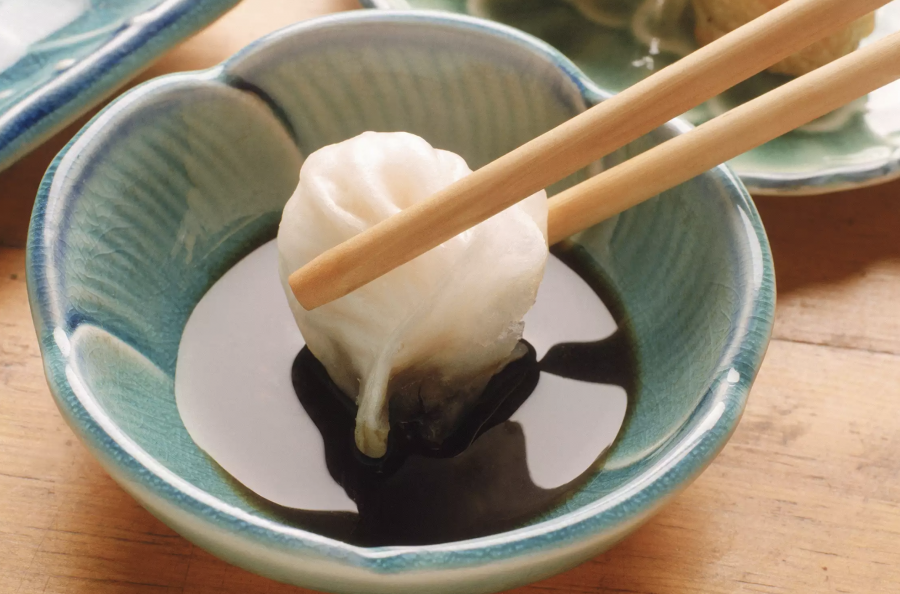
Soy sauce holds a very important and seemingly irreplaceable place in Chinese and Japanese cuisine. They use this dipping sauce when eating dumplings, sashimi, and sushi rolls. However, soy sauce is equally popular in Southeast Asian countries. This condiment is often used as a dipping sauce or marinade for food.
Soy sauce was first produced in China between the 3rd and 5th centuries. Made from soybeans, traditional soy sauce is produced through a process that includes soaking and cooking soybeans, culturing (adding mold), fermentation, pressing, and pasteurization.
In traditional methods, soy sauce is stored in large earthenware jars and fermented in the sun. Production time can be shortened by allowing the soybeans and mold to ferment in a temperature and humidity-controlled environment.
In Indonesia, soy sauce is calledkecapThis is the general name for fermented sauces and is classified into three types: Kecap Asin (low-salt soy sauce), Manec Kecap (sweet soy sauce), and Kecap manis Sedang (slightly sweet soy sauce). In the Philippines, soy sauce is called...toyoMalaysians and Singaporeans who speak Chinese call soy sauce...probuyóuwhile the local Malaysians call itkicap.
Tamarind sauce
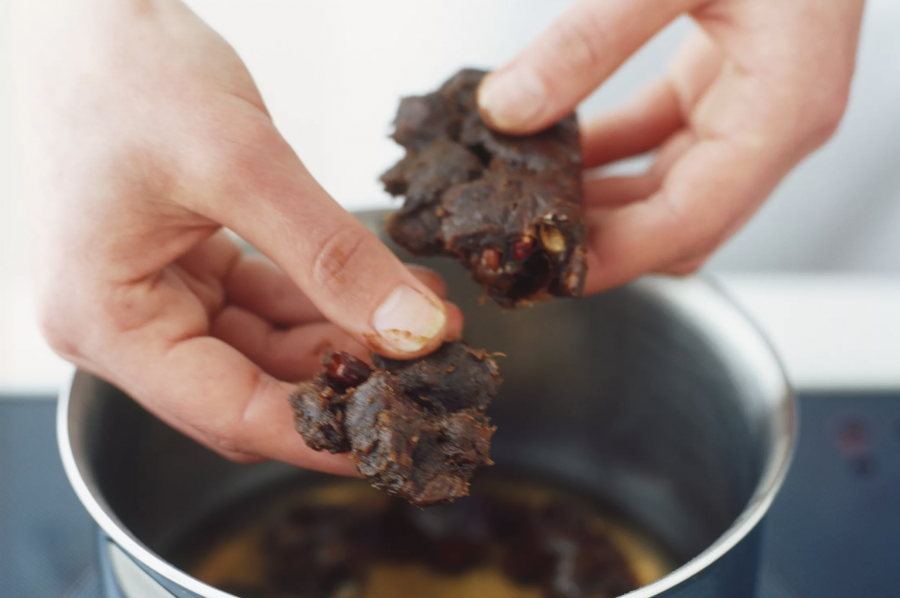
Both tamarind fruit and leaves can be used to add sourness to dishes. Young tamarind fruit is usually very sour, while ripe tamarind can be processed into many products such as jam, juice, ice cream, and candy.
In everyday cooking, tamarind juice is used to flavor soups, stews, and sauces. To extract tamarind juice, fresh tamarind is boiled in a little water until the peel breaks and the pulp becomes mushy. The tamarind is then crushed and pressed through a sieve to separate the pulp from the liquid tamarind juice, keeping the seeds and inedible peel separate. Pre-mixed pastes are also available, and users simply need to strain the mixture before use.
Some places sell ready-made tamarind powder. While convenient and quick, the flavor of these jars of tamarind powder is quite bland. The ingredients on the label indicate that pure tamarind is seasoned with spices and flavorings, then diluted and processed to create the finished product.
Some dishes that use tamarind paste or tamarind juice include: Sayur Asem (Indonesian vegetable soup cooked with tamarind juice); Vietnamese chicken with tamarind and lemongrass; Sinigang na Sugpo (shrimp cooked in a tamarind broth); Papes Ikan (Indonesian grilled fish wrapped in banana leaves, served with tamarind sauce); Ayam goreng (Malaysian fried chicken served with tamarind sauce).
Juice from citrus fruits
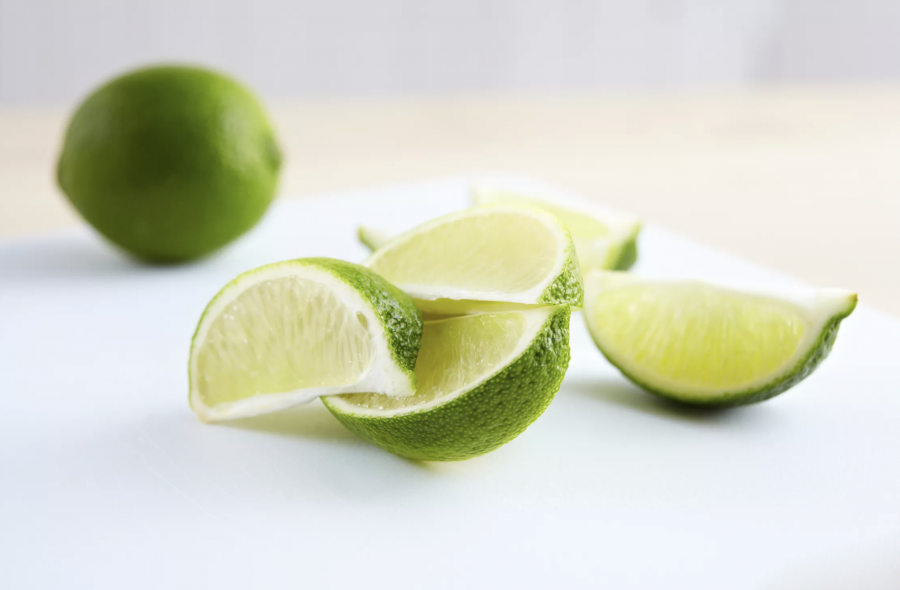
Citrus fruits and their juices have been essential components of traditional Southeast Asian cuisine for centuries. While Western dishes often use yellow lemons, Southeast Asian dishes typically use limes or calamondin (a hybrid fruit of kumquat and mandarin).
So what flavor can citrus juice add to a dish? Unlike vinegar, which can be intensely sour, this juice has a pleasant aroma. In Southeast Asia, citrus juice is not only used to enhance dishes but is also a dipping sauce and an ingredient in many hot and cold drinks.
Another citrus fruit that plays a significant role in Southeast Asian cuisine is the kariff lime. With its thick, rough peel, the juice of the kariff lime is actually not much different from that of regular limes. However, the kariff lime leaves are used extensively in cooking.