VI
VI


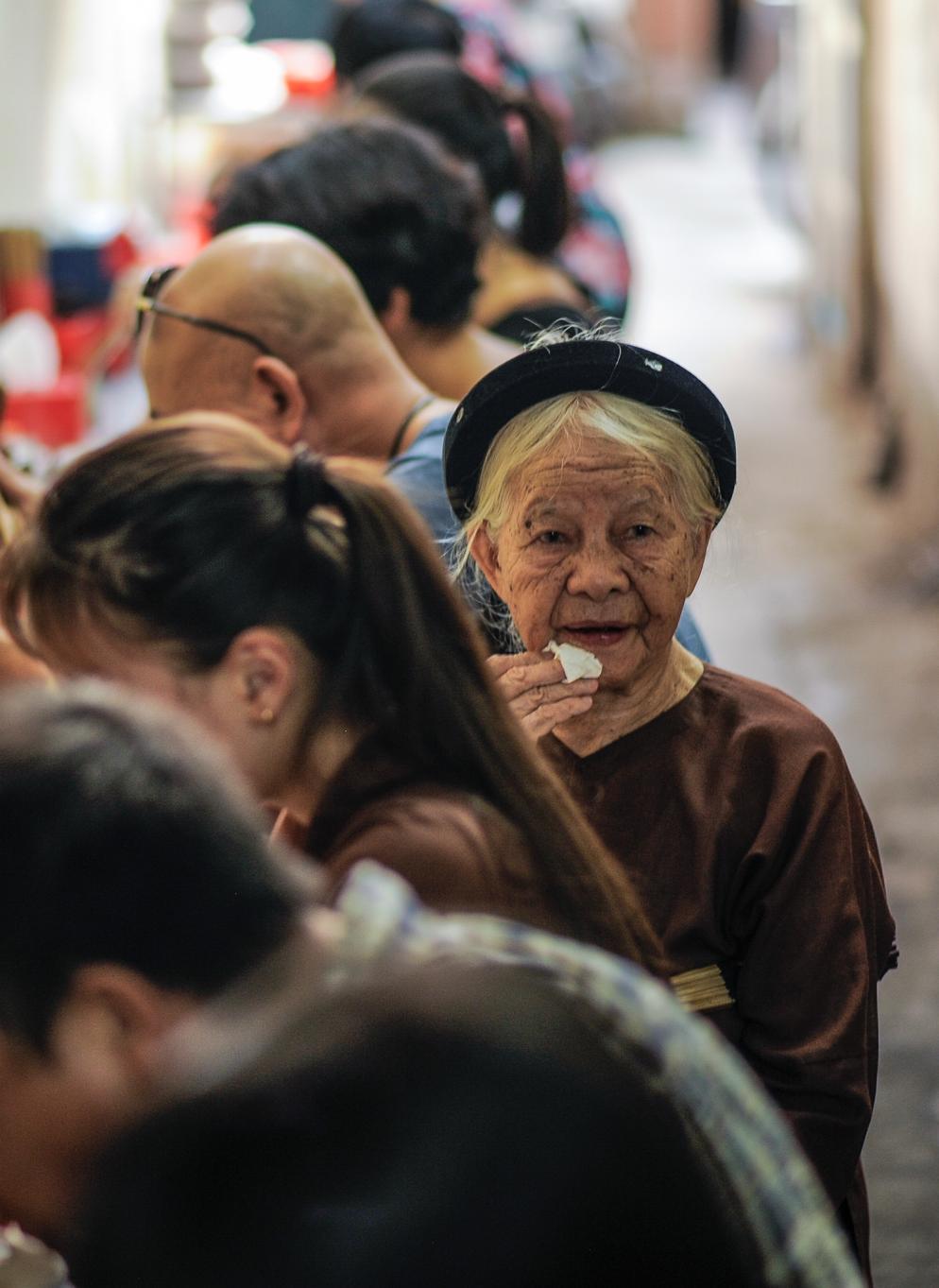
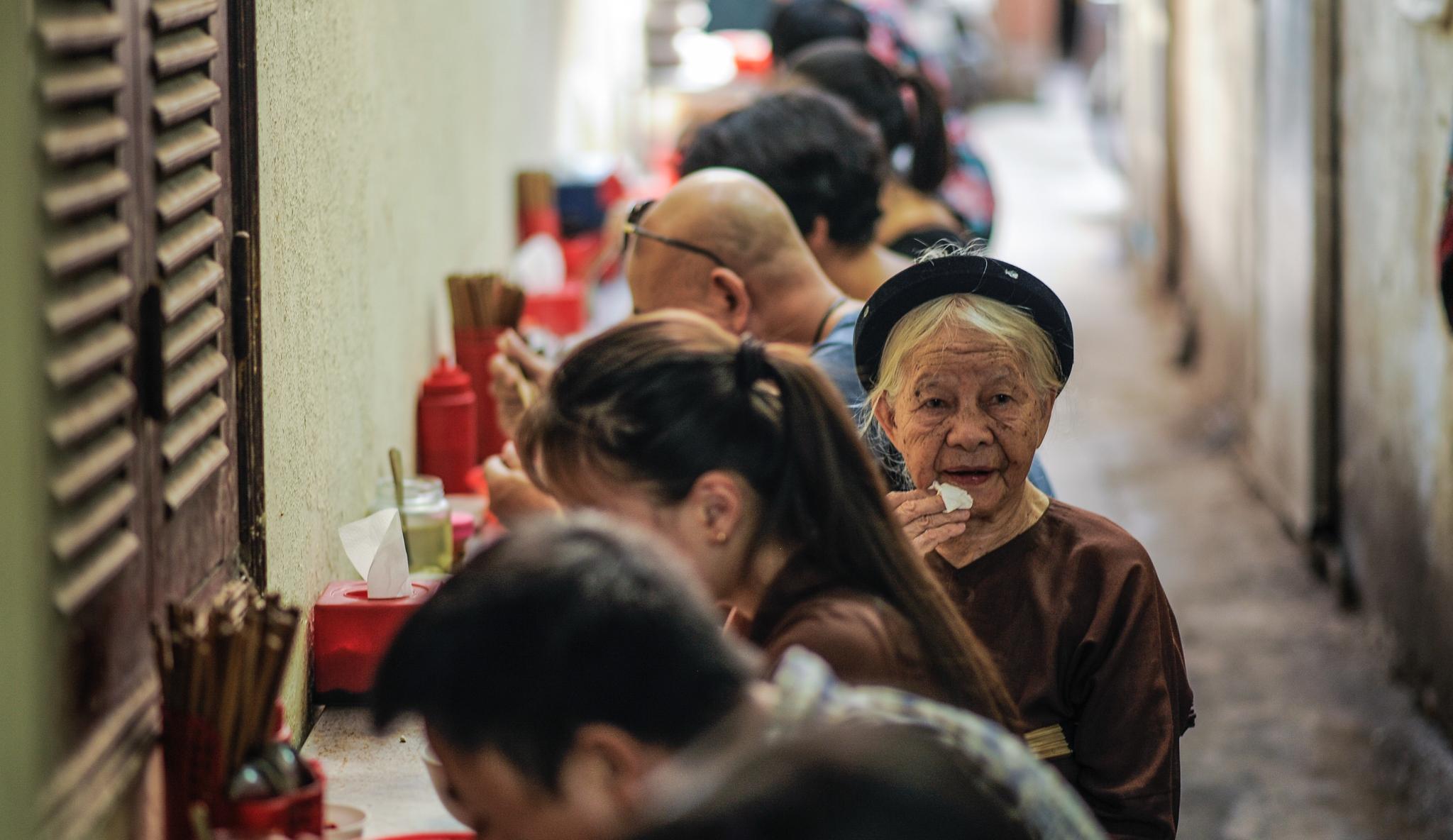
It sounds reasonable at first glance, but upon closer examination, it's strangely "snobbish"—you can only truly enjoy Hanoi food in Hanoi. To be more precise, only Hanoi cuisine tastes good and is truly authentic when eaten in Hanoi. Hanoi absolutely refuses to "accept" specialties from other regions. You can't simply nod in satisfaction at Hanoi's banh xeo, nem lui, com tam, or banh canh. Conversely, in Saigon, it's very difficult to find a truly authentic Hanoi bun rieu or bun cha.
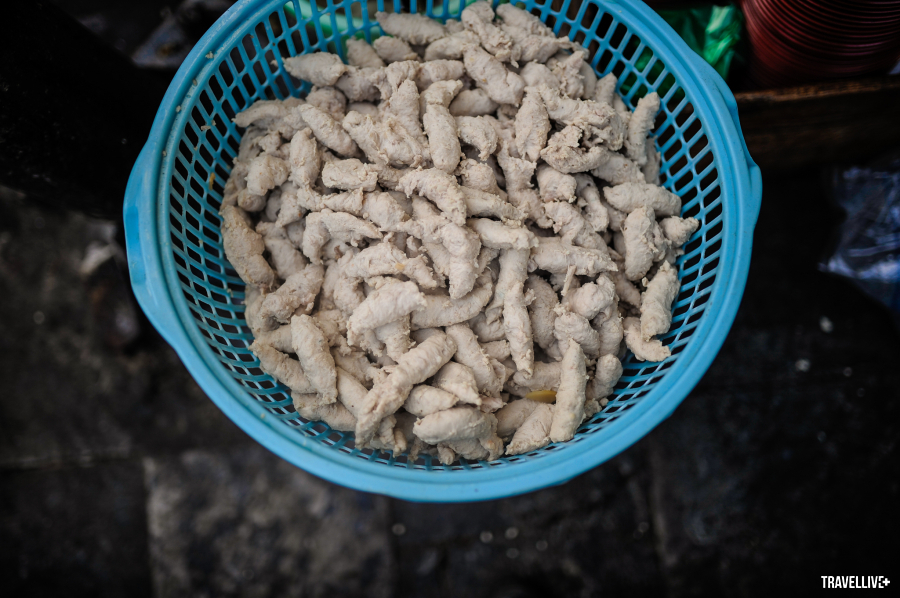
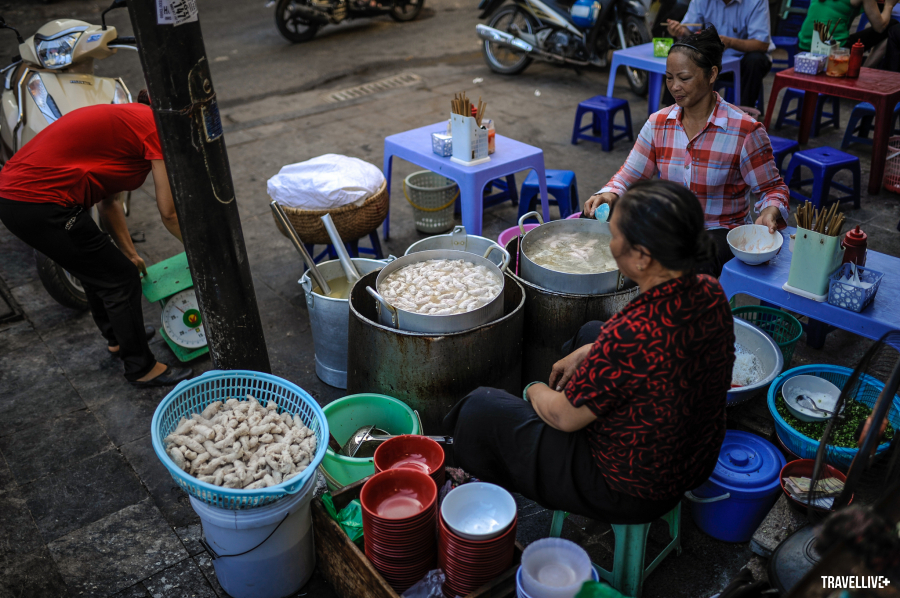
Hanoi's cuisine is unchanging, with dishes suited to each season and time of day, harmoniously blending with nature and the earth, offering a leisurely and joyful experience. You can eat vermicelli with tofu and shrimp paste in Saigon at 8 am – something almost impossible in Hanoi. Some vermicelli dishes can be enjoyed throughout the day, while others are only suitable for midday, but fundamentally, Hanoians aren't accustomed to eating vermicelli in the evening. Now that everyone is focused on maintaining their figure and losing weight, and dinners are light and simple, vermicelli finally has a chance to shine.
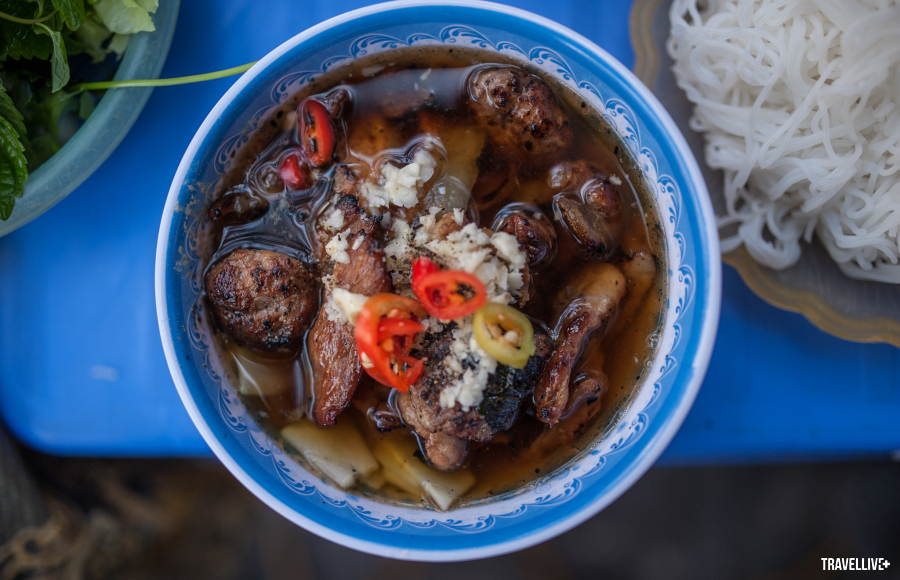
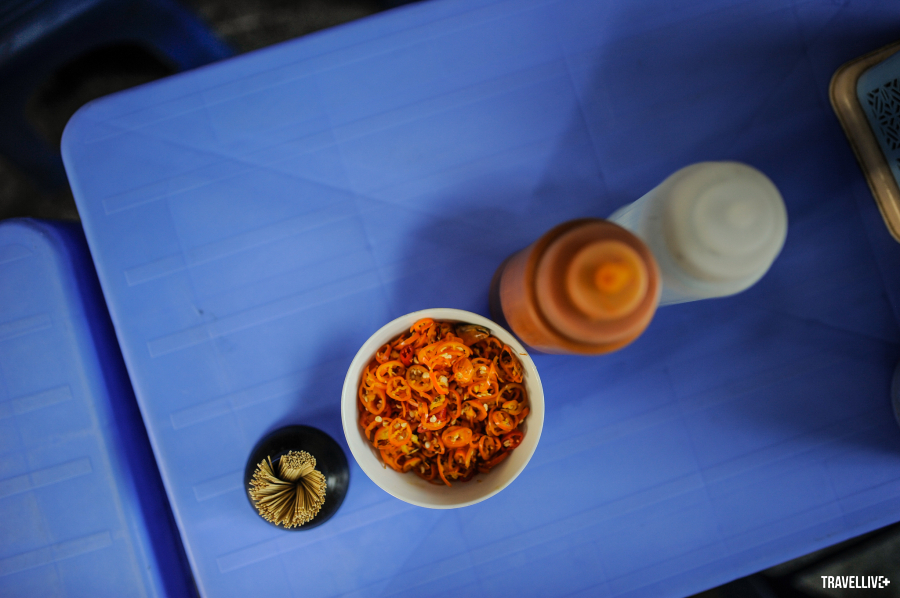
Recently, a "secret tip" has suddenly become popular online again.50 etiquette rules at the Vietnamese dinner table.Oh my, what a mess! But after reading through it all, it turns out they're all basic etiquette rules for meals in Northern Vietnam in general, and Hanoi in particular, that have been in place for a long time. (Actually, if I wanted to, I could add at least 10 more etiquette rules for meals in the Old Quarter to this "list of names"). I once had the opportunity to travel/work in the South, and while having a meal with a friend's family, I, being used to Hanoi customs, invited each person to eat individually.eat riceThis caused the whole family, who had been relaxed and cheerful, to suddenly fall silent and become tense and serious—a truly memorable regional "conflict" moment.
It's as simple as inviting someone to a meal; if you wanted to, you could easily write a long article about it, perhaps a whole page long.eatWhen to use and the wordeatWhen should it be used, and absolutely never should young people be invited with the perfunctory phrase "Please, everyone, have dinner" - because that would be... impolite.
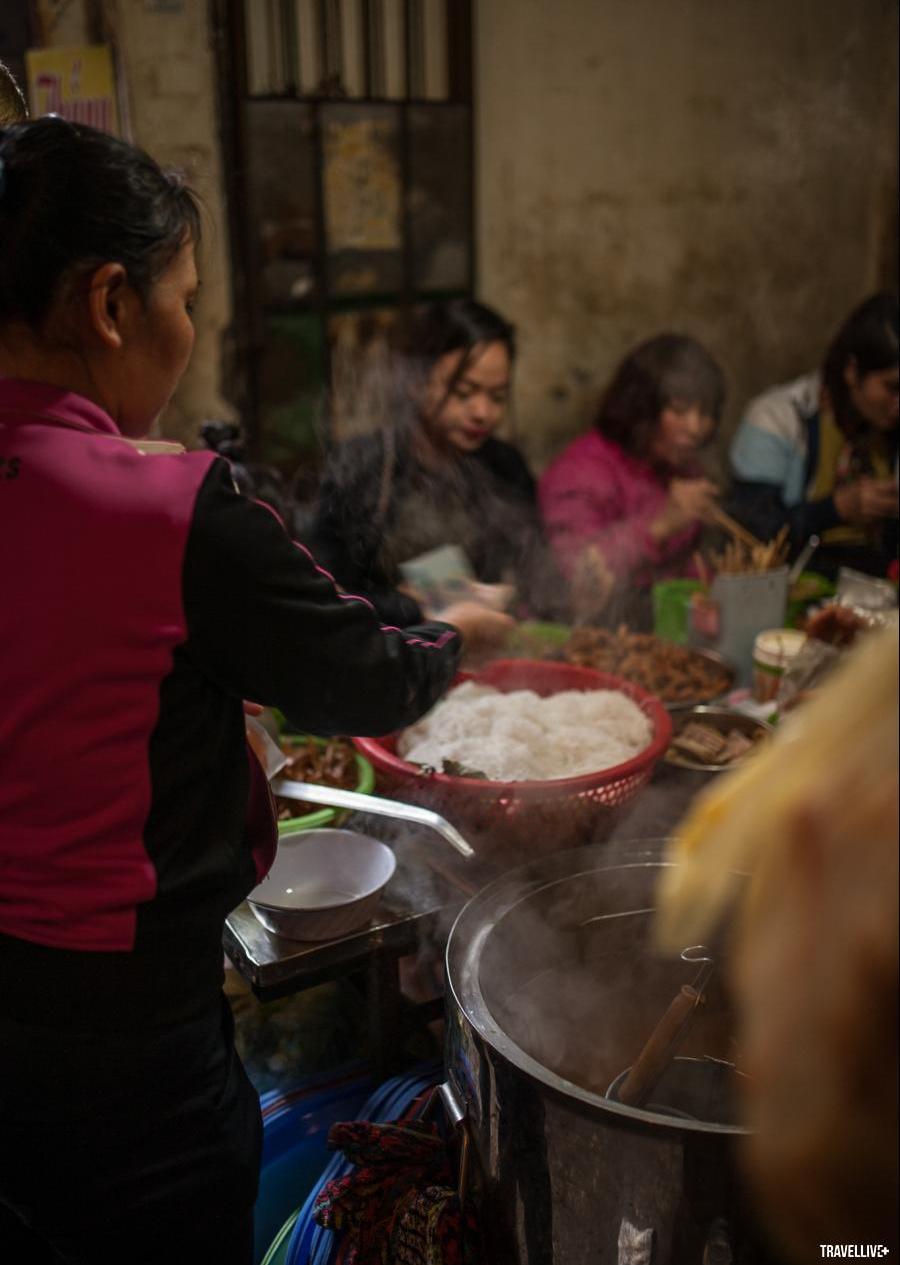
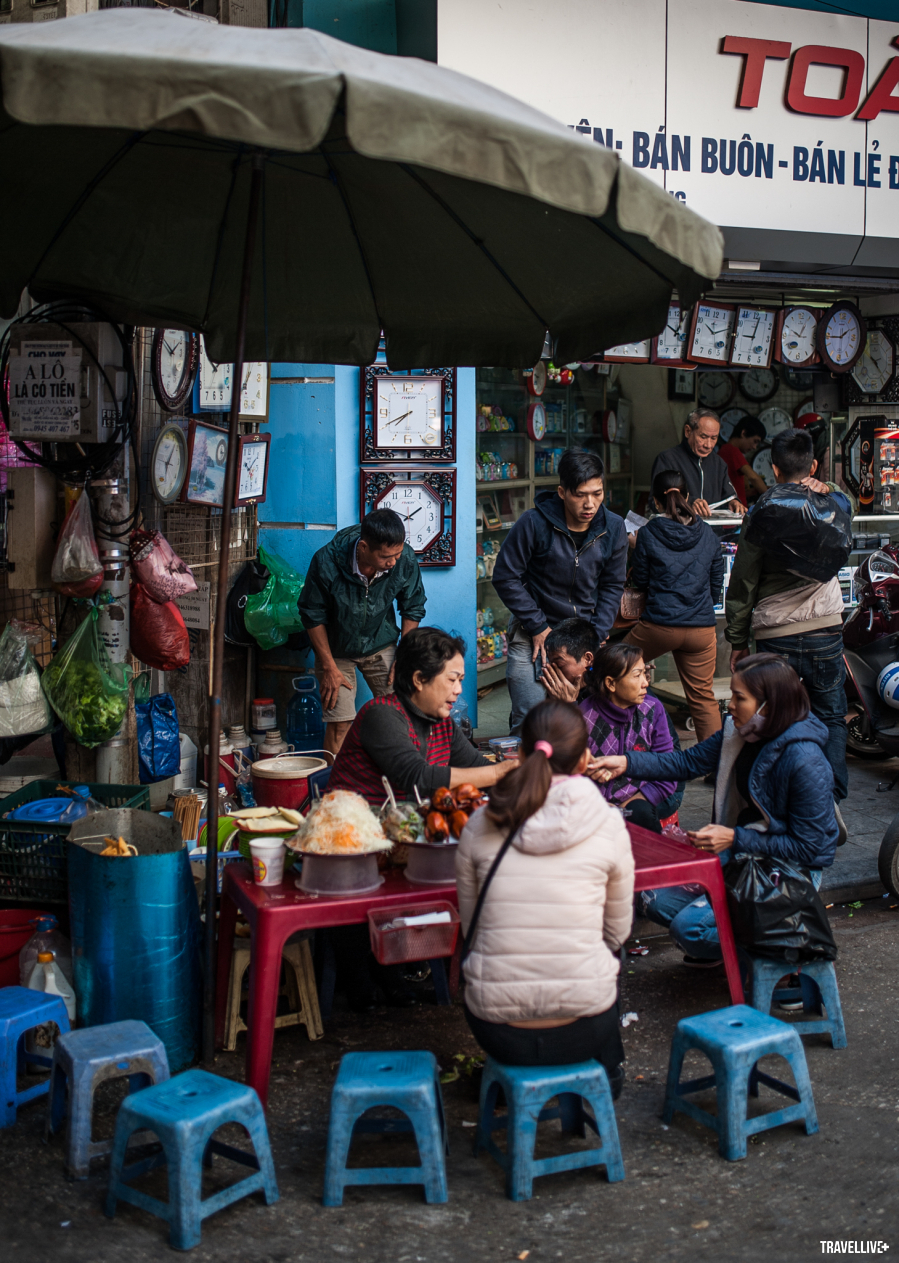
Speaking of minor "clashes" related to inviting someone to a meal, it brings to mind the heated debate over who invented pho – North, Central, or South Vietnam – and which region's pho is the most authentic and delicious. This sense of pride was taken to an "extreme" and "rigorous" level when many highly educated figures, such as doctors and professors, also joined this fierce culinary "battle."

To light a fire, in French it's "Feu". Besides the hypothesis that pho originated in Hanoi's Old Quarter near the Red River, then in Nam Dinh, then in Guangdong, China, pho is also related to...feuIn short, it's a dish created by Vietnamese people in France in the early 20th century who lit fires every morning and then made it.pot - au - feuIt consists of beef broth with various seasonings to suit Vietnamese tastes. Now, all debate is superfluous; pho has been recognized worldwide as the national dish of Vietnam, and similar to Japanese ramen, this delicious dish has flourished in various styles, depending on the soil conditions and regional tastes of each country, resulting in variations and adjustments that evoke fond memories.
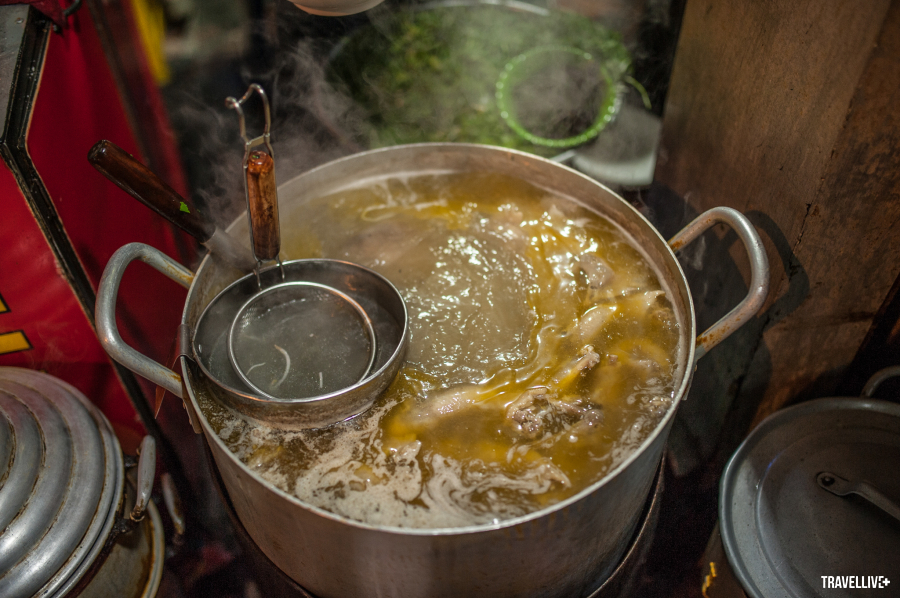
Beef pho is arguably the most common and famous. However, in Hanoi, you can also enjoy a pho dish that is far more elaborate and "aristocratic" than beef pho: chicken pho. Although both are pho, the two toppings, beef and chicken, are incompatible. Chicken pho came into existence after beef pho because there were times when Hanoi lacked beef, so people substituted it with chicken. From then on, in the 1930s, the rules for cooking chicken pho gradually formed. While beef pho is "commonplace," with its rich broth infused with various herbs and fragrant beef bones, chicken pho is different. Any pho restaurant that uses the same broth for both beef and chicken pho will inevitably be sloppy and mediocre. Chicken pho has a clear, fragrant, and delicate broth, with chicken bones simmered until tender, revealing a subtle layer of chicken fat – not the "meaty" or "heavy-smelling" broth of beef pho. Chicken pho has gradually risen to become a "luxury" delicacy in Hanoi's Old Quarter. However, no matter what kind of pho it is, temperature is crucial. Many people idolize pho so much that they absolutely refuse to use a spoon when eating it, because scooping broth from the bowl with a spoon cools it down considerably, diminishing its flavor and essence.
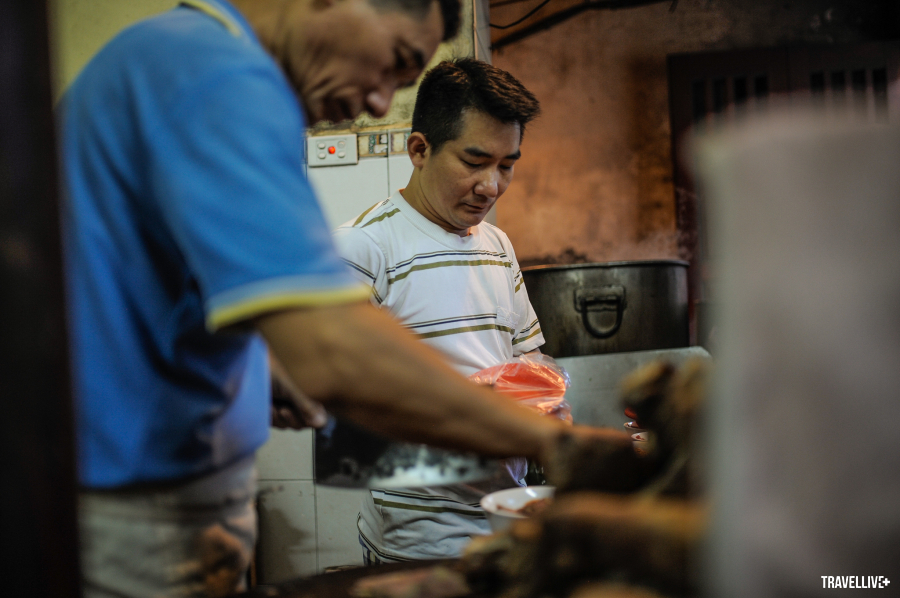
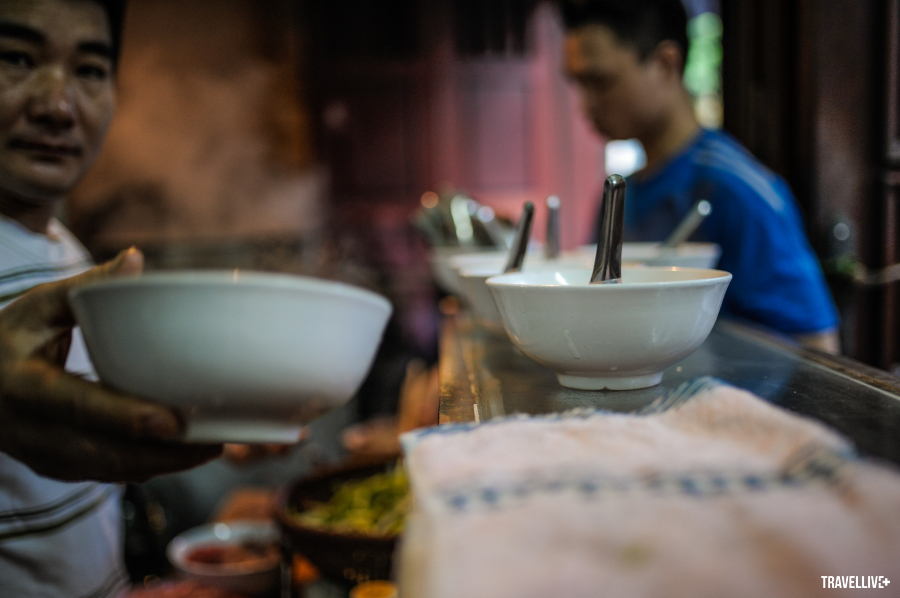
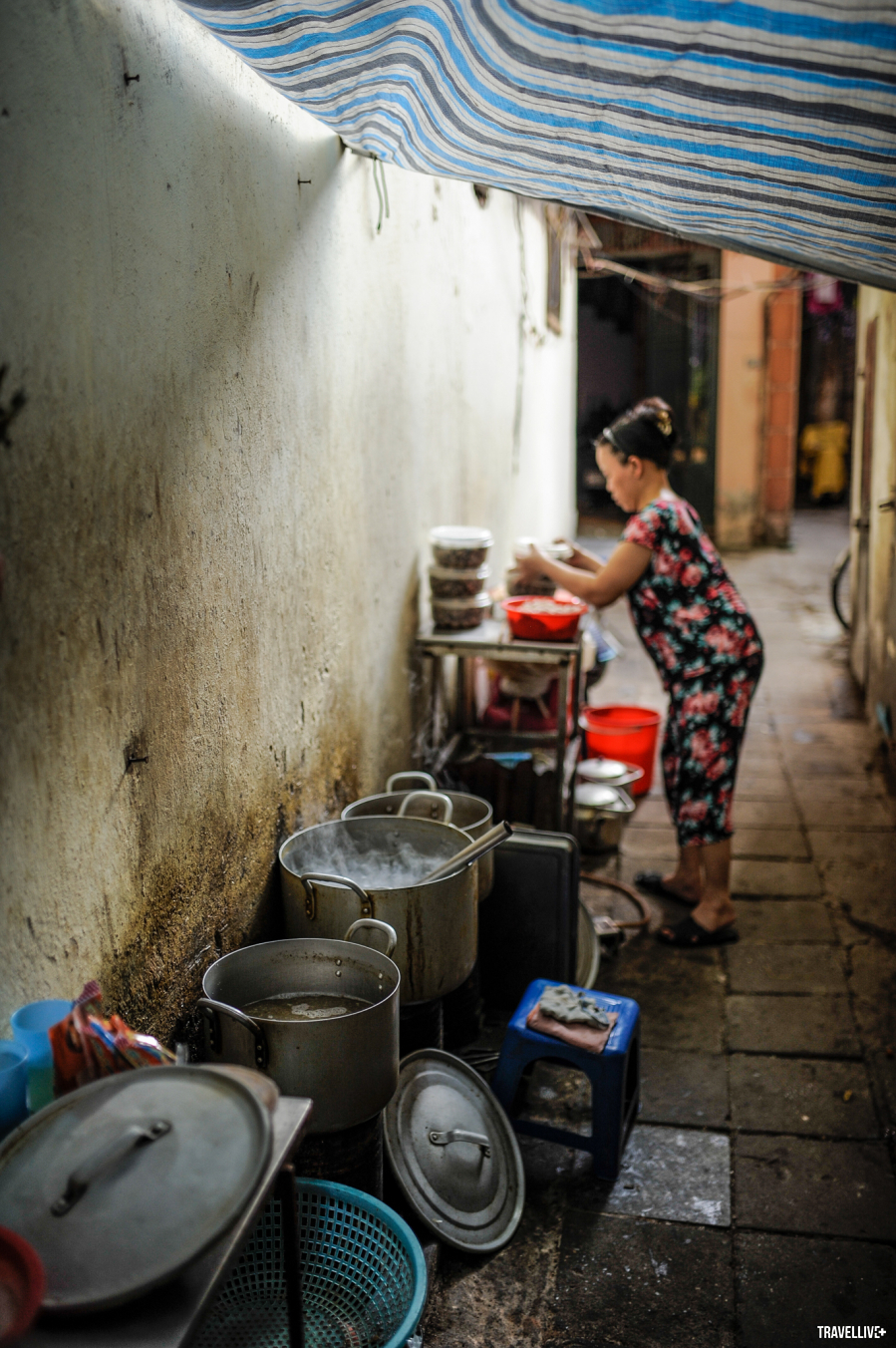
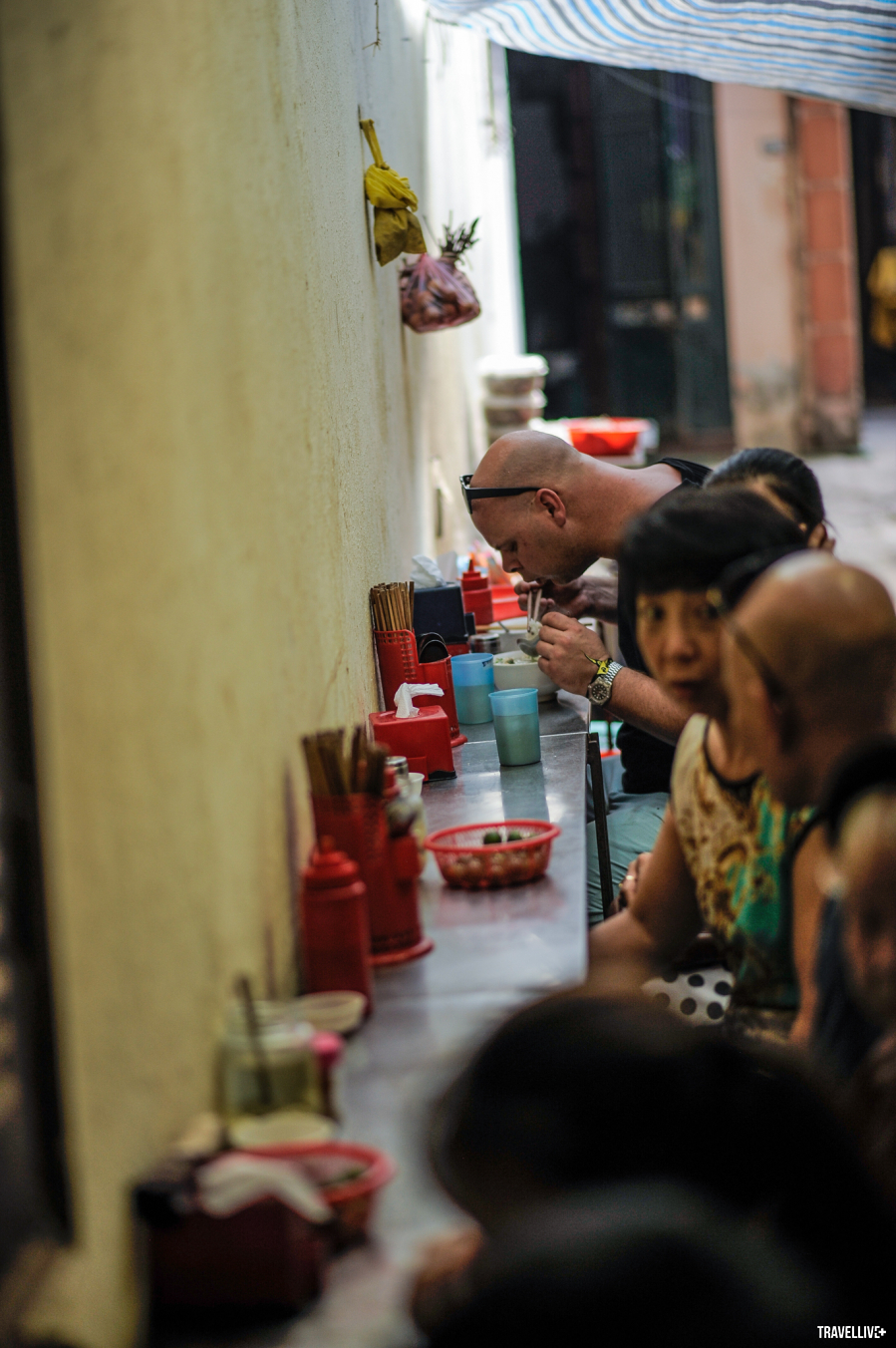
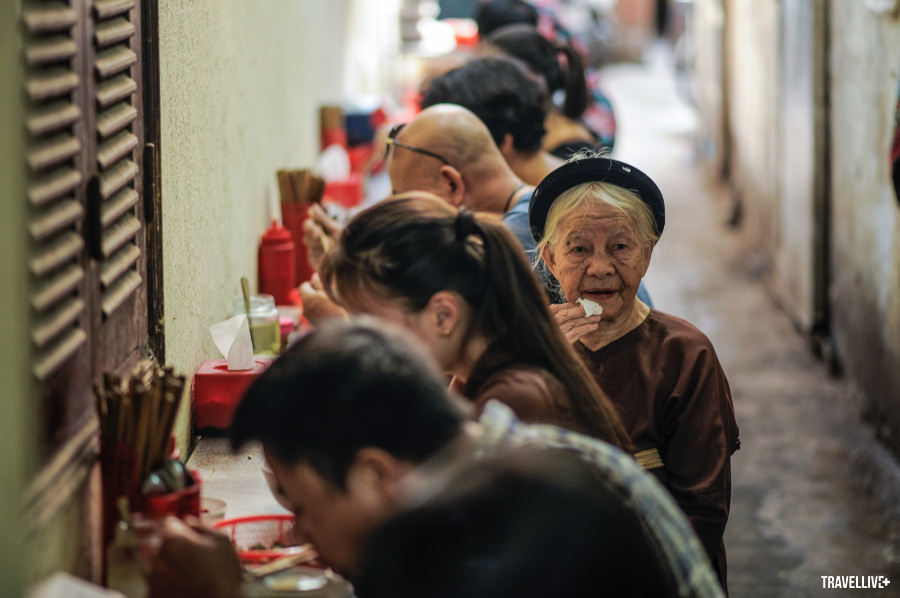
Hanoi pho has remained the same since the time Vu Bang wrote about it.Delicious dishes of HanoiFrom 1952 to the present day, 69 years later, Hanoians still diligently line up every morning to enjoy a bowl of exquisitely delicious pho, eaten with chopsticks instead of spoons. And Hanoi is not just about pho; it evokes fond memories. Join us in admiring the soul of Hanoi through these photographs of this familiar and beloved dish (though temporarily absent these days), captured by photographers.Vu Bao Khanh.
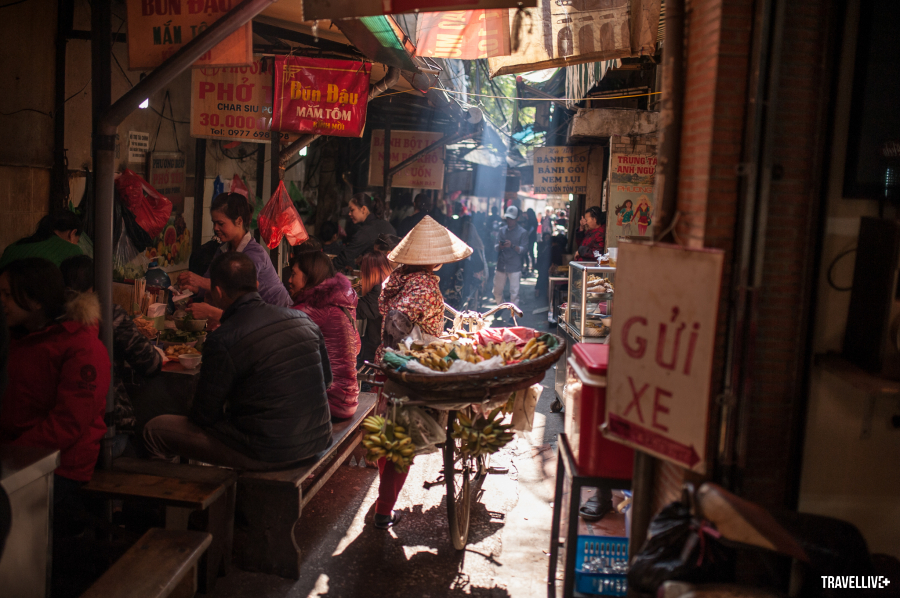
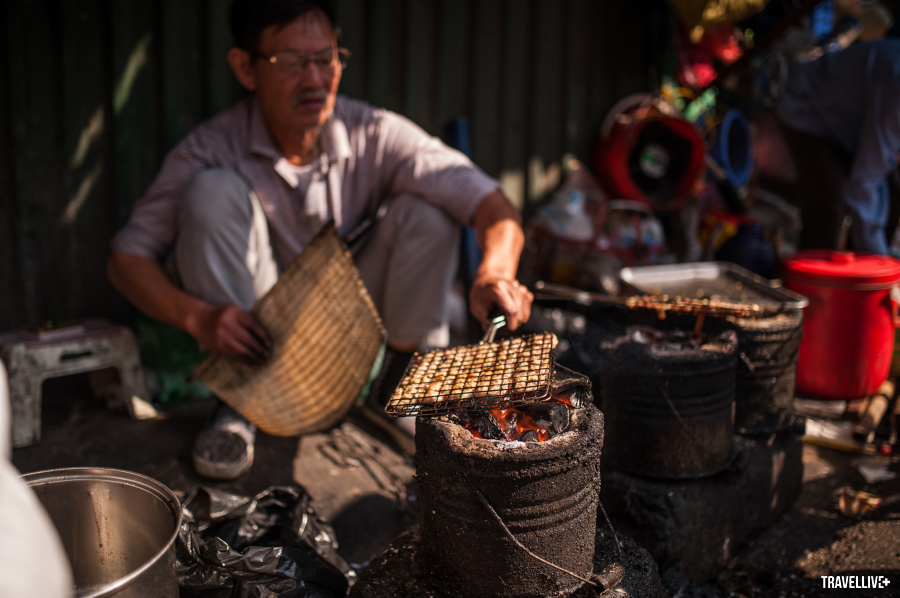
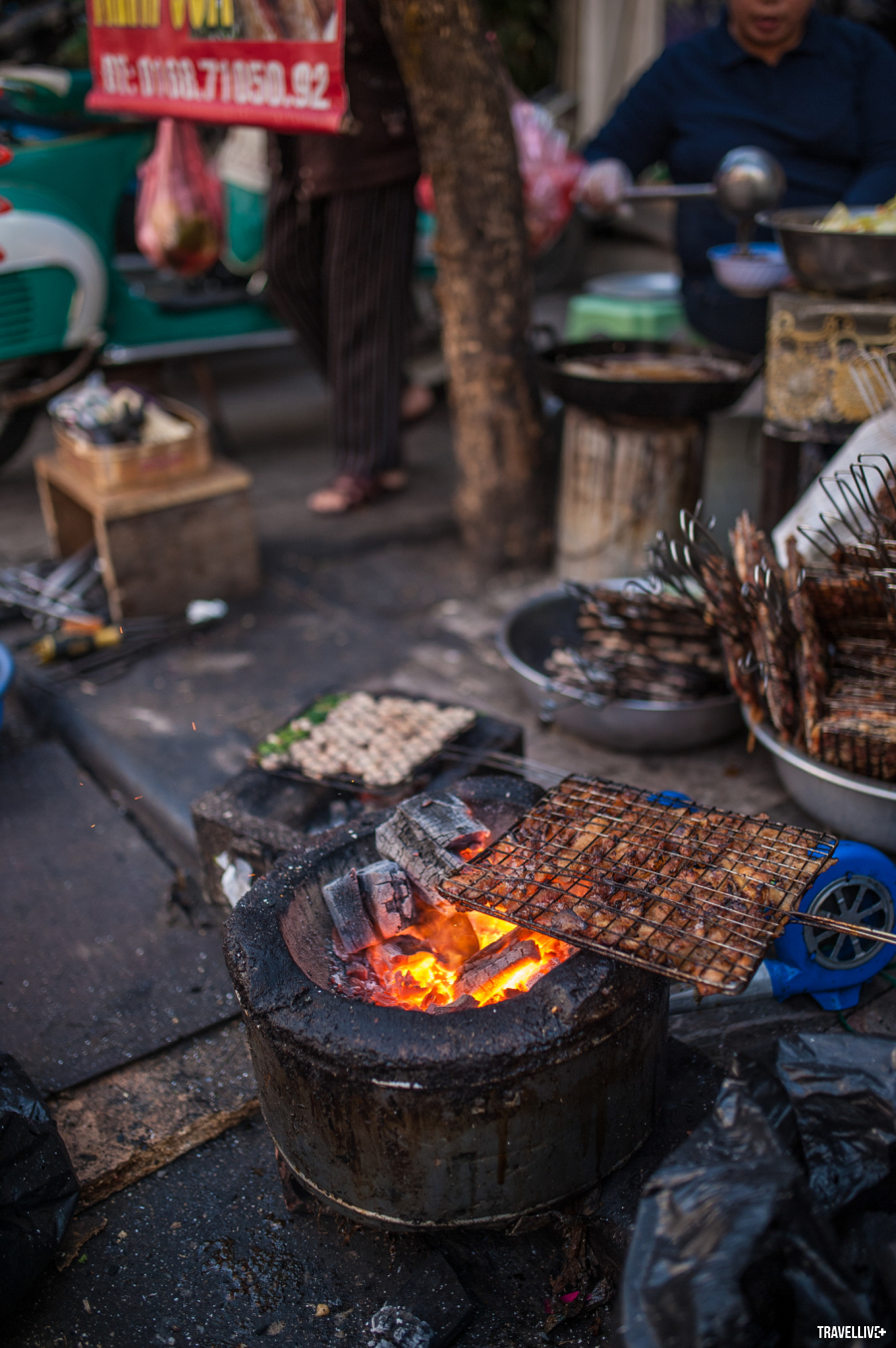
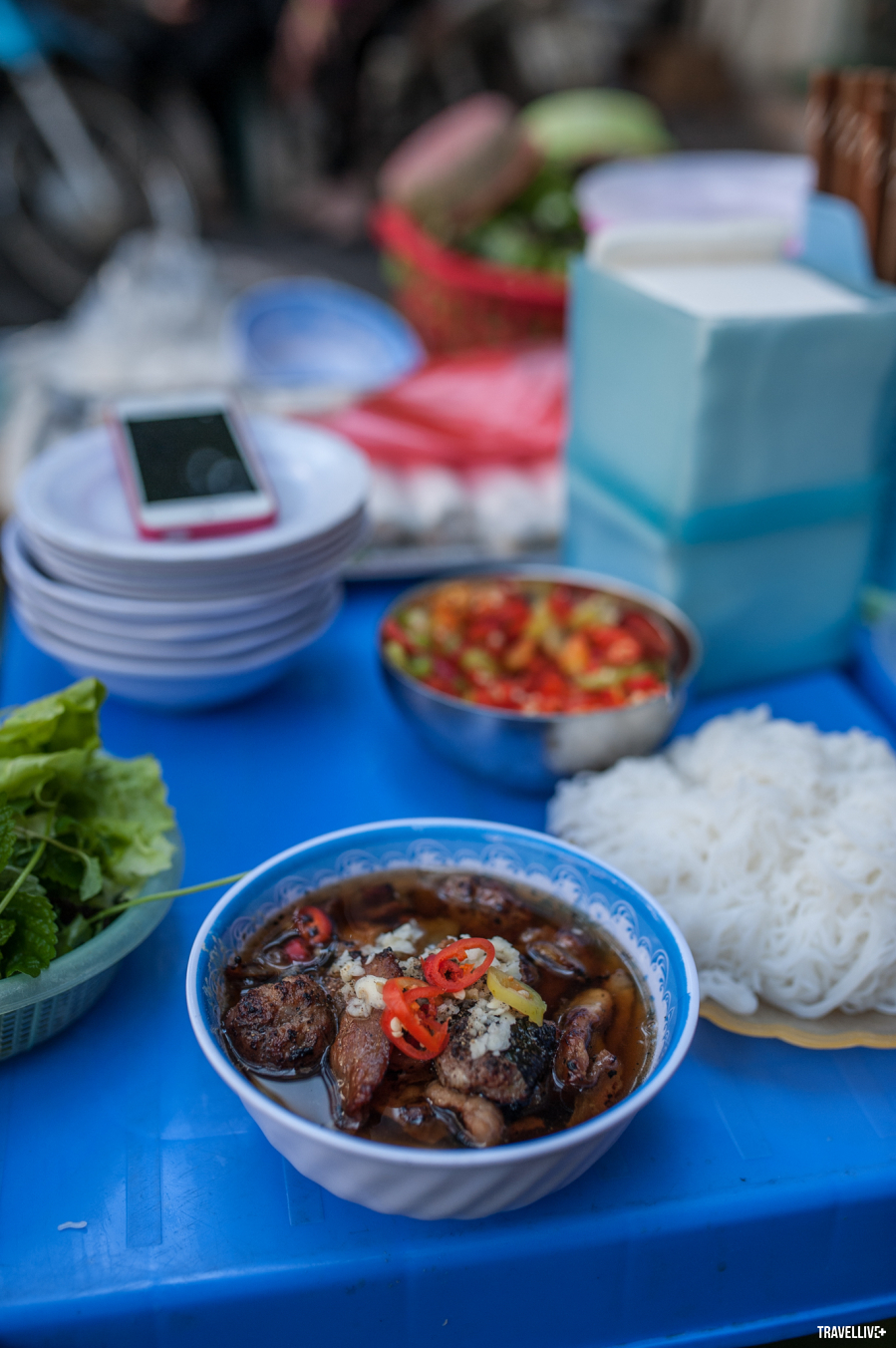
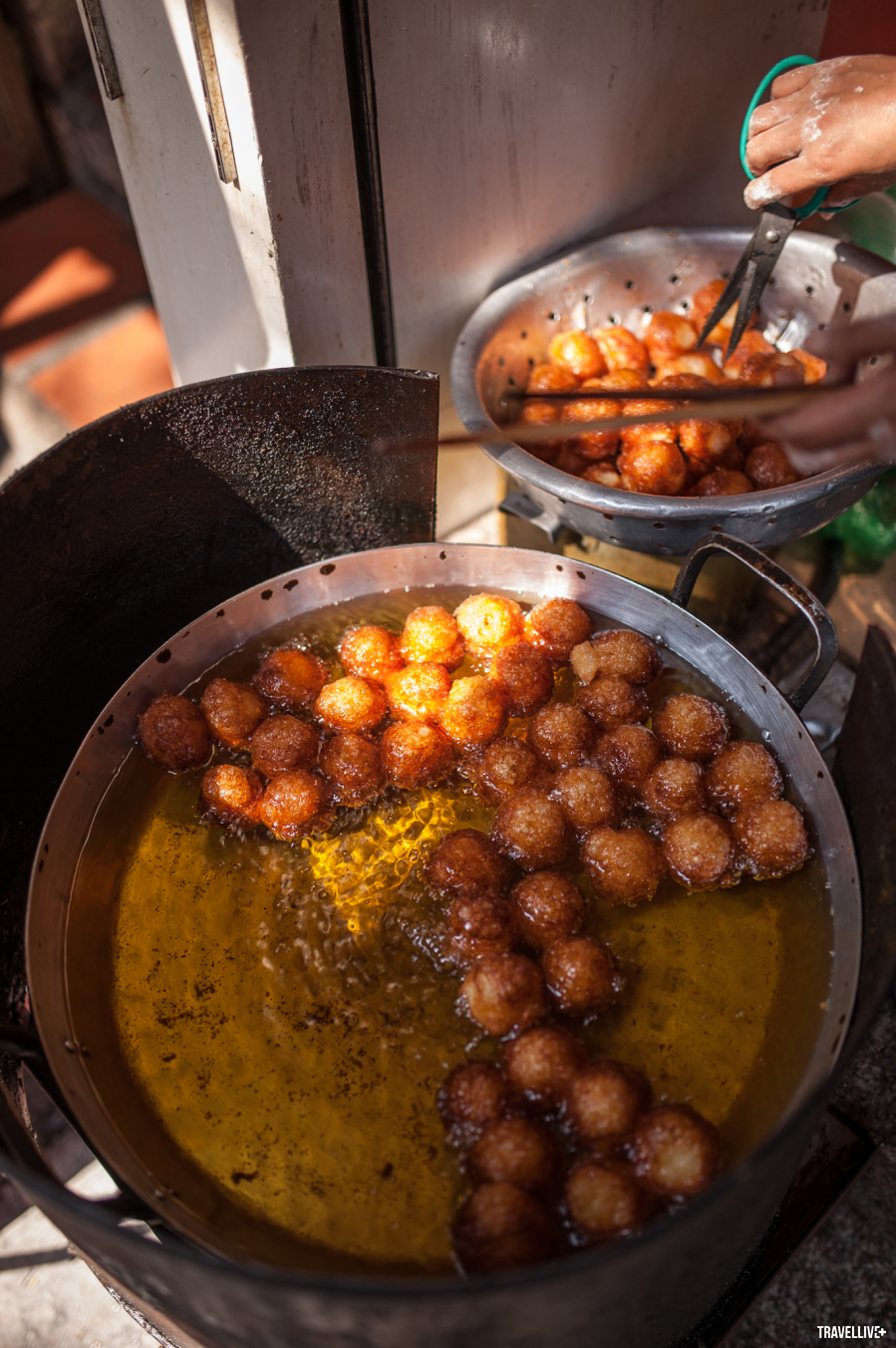
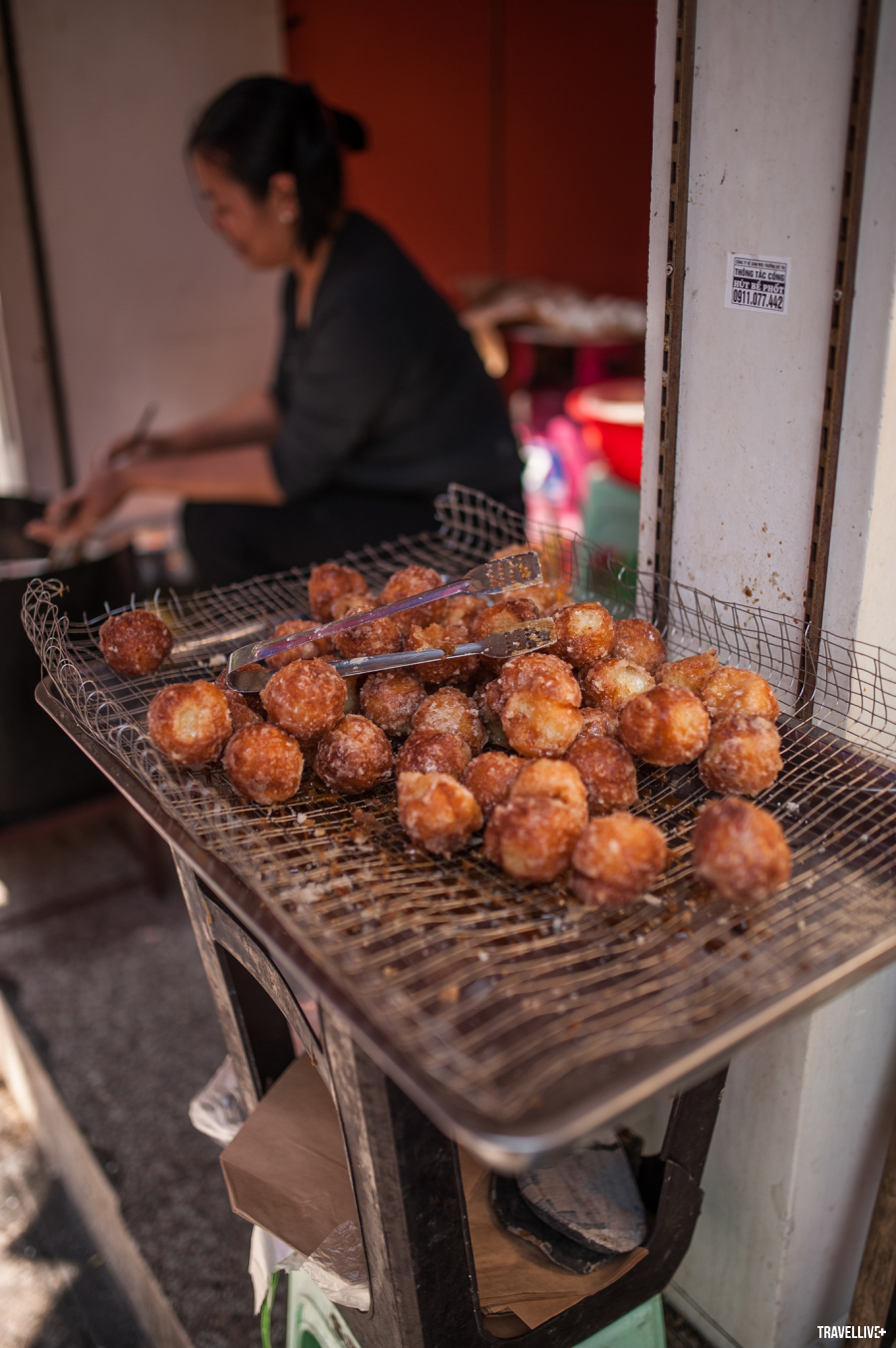
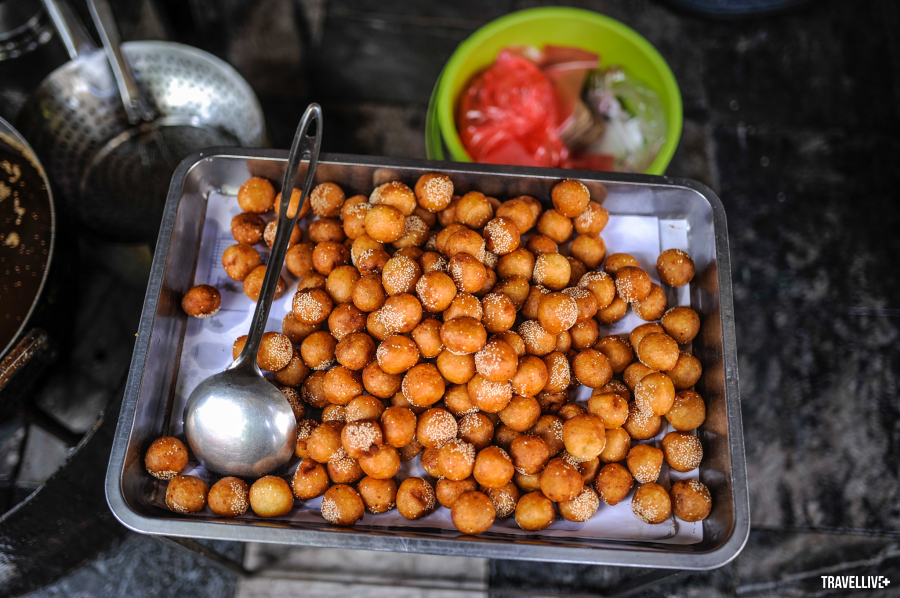
Bun cha, bun moc, bun rieu..., these are dishes you can enjoy at any time of day, morning, noon, or night, and they're easy to find in the Old Quarter. Don't forget to buy a few golden, round fried donuts at the old-fashioned price of just two (or three) thousand dong for a hot, sweet bite.
While beef pho enthusiasts often seek out family-run restaurants, choosing a place to eat chicken pho is easier. There are no family-run chicken pho restaurants in Hanoi; instead, many chicken pho stalls can be found in the Old Quarter – from large and small restaurants to those set up on the sidewalks (but not all of them offer mixed chicken pho).
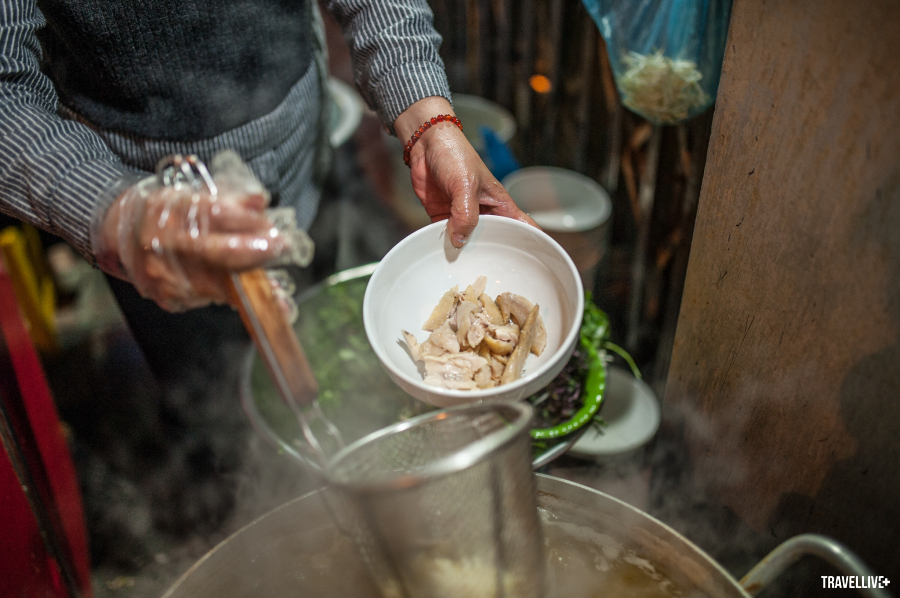
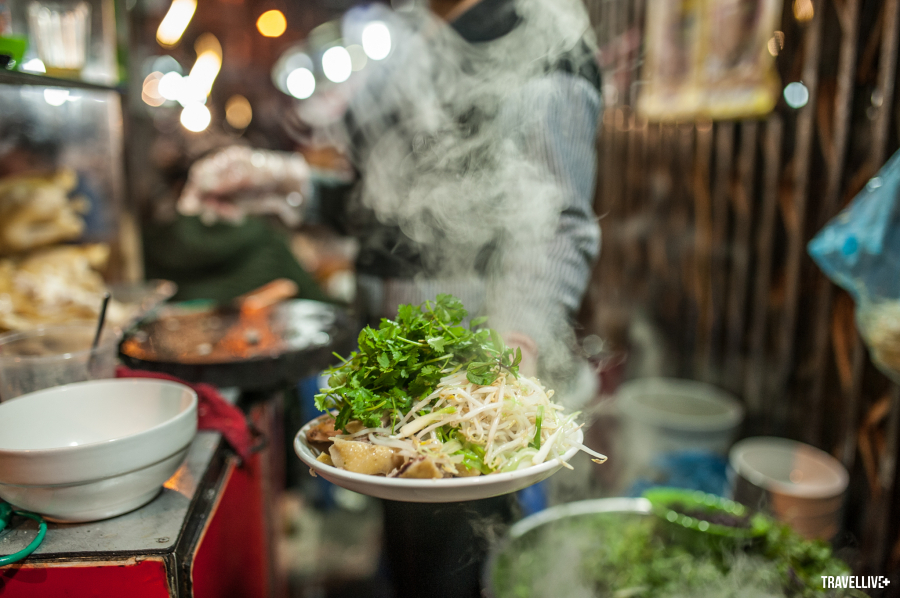
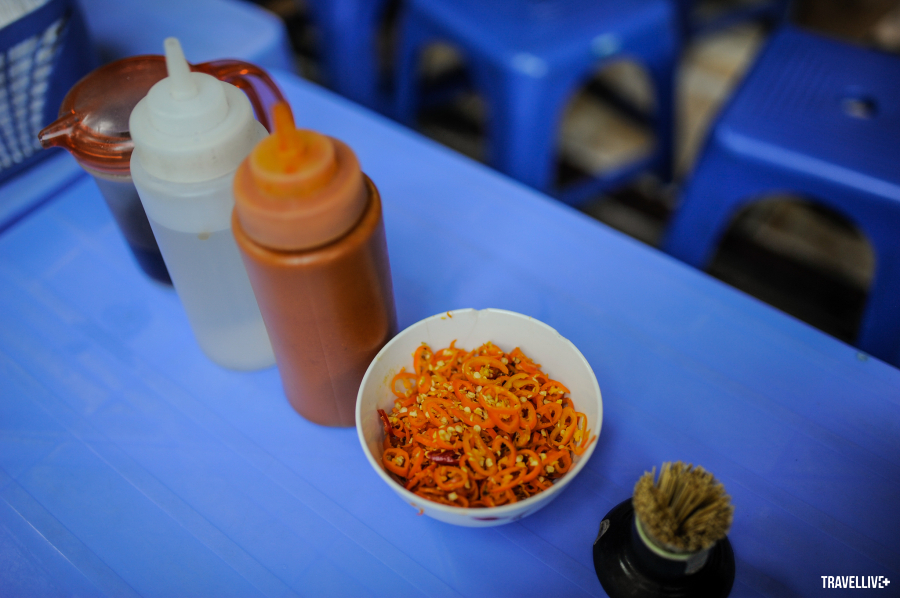
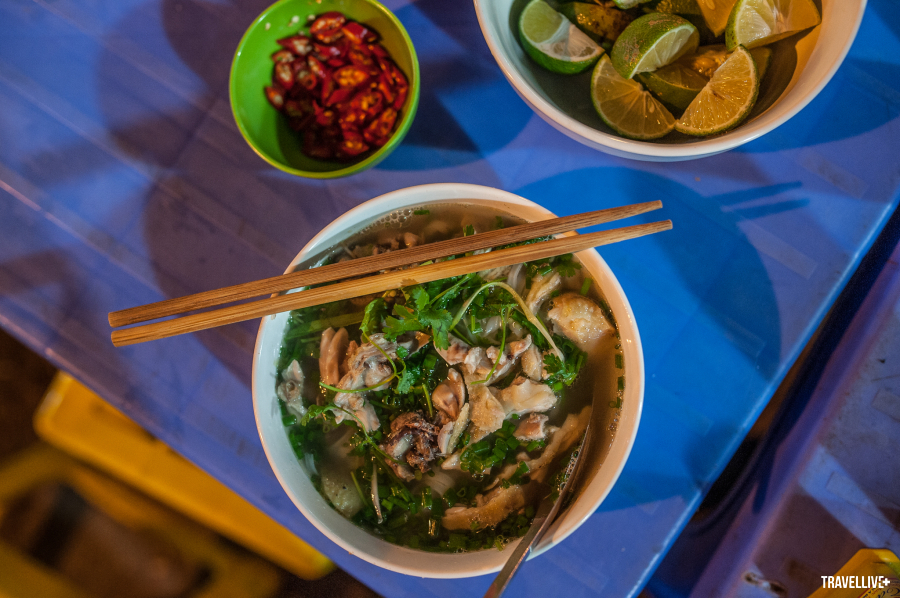
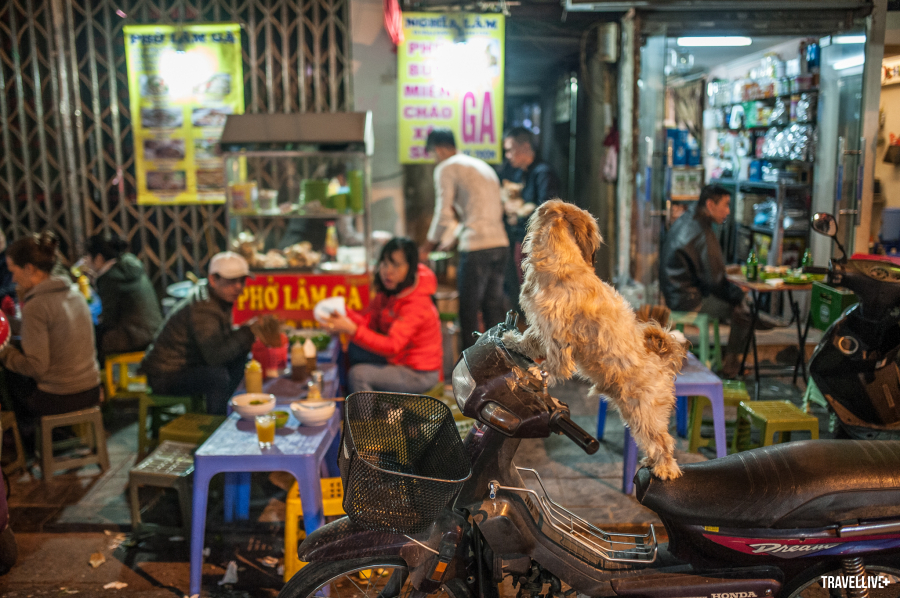
What is this dish that makes the people of Hanoi so excited and patient?
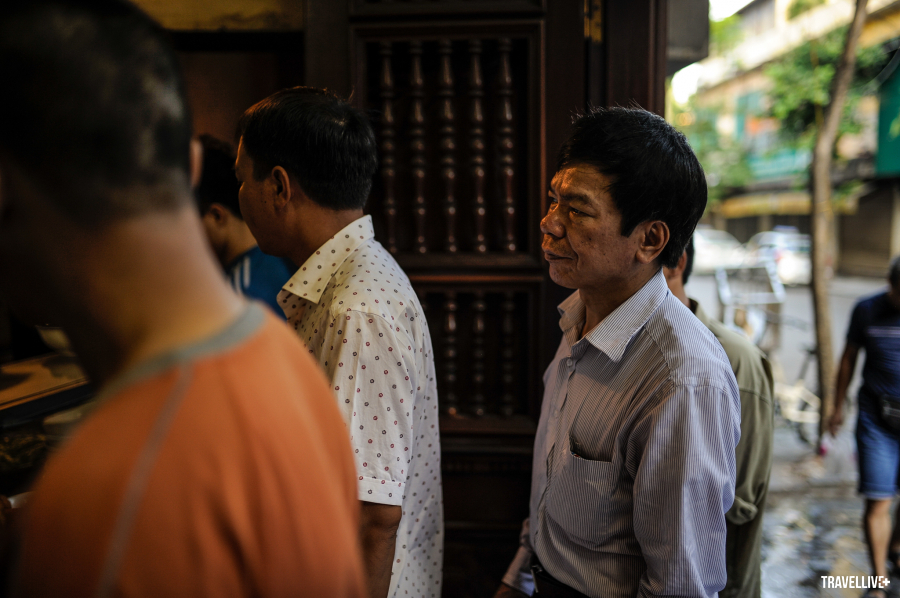
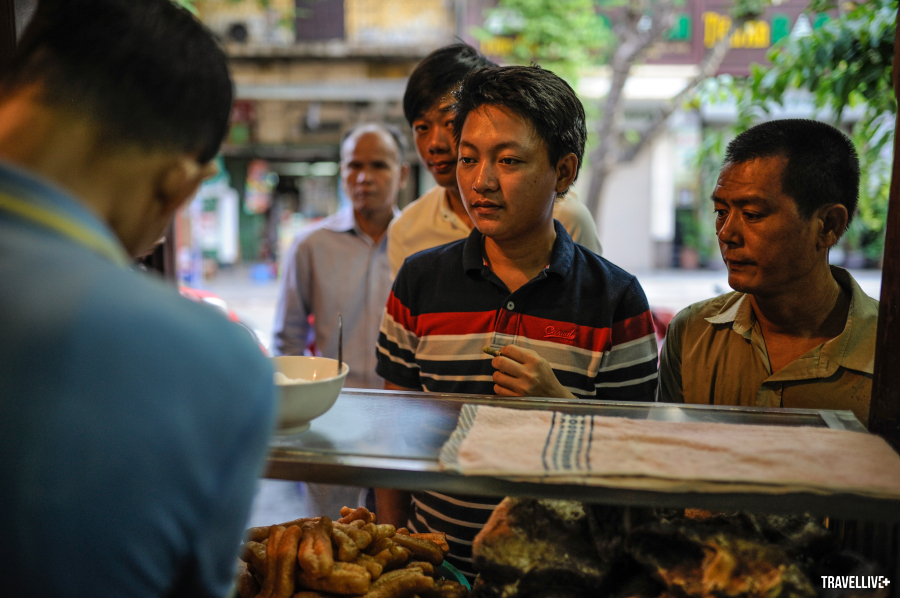
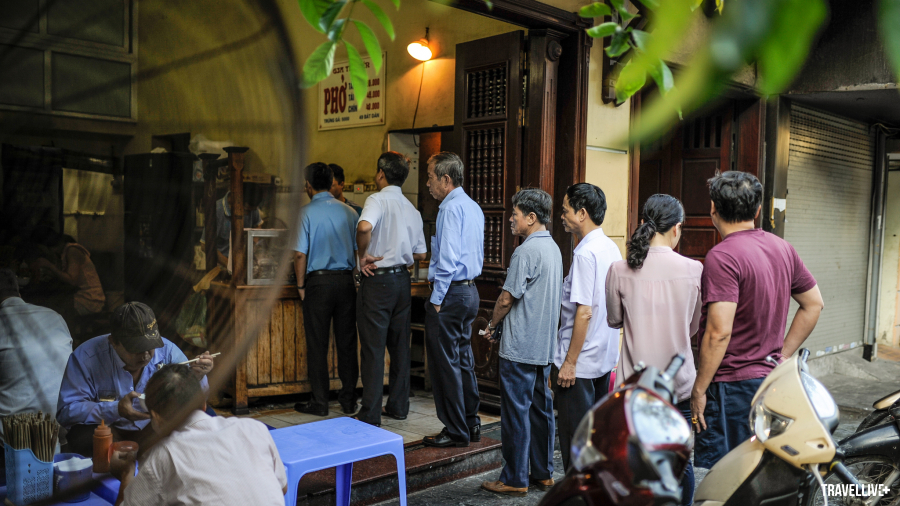
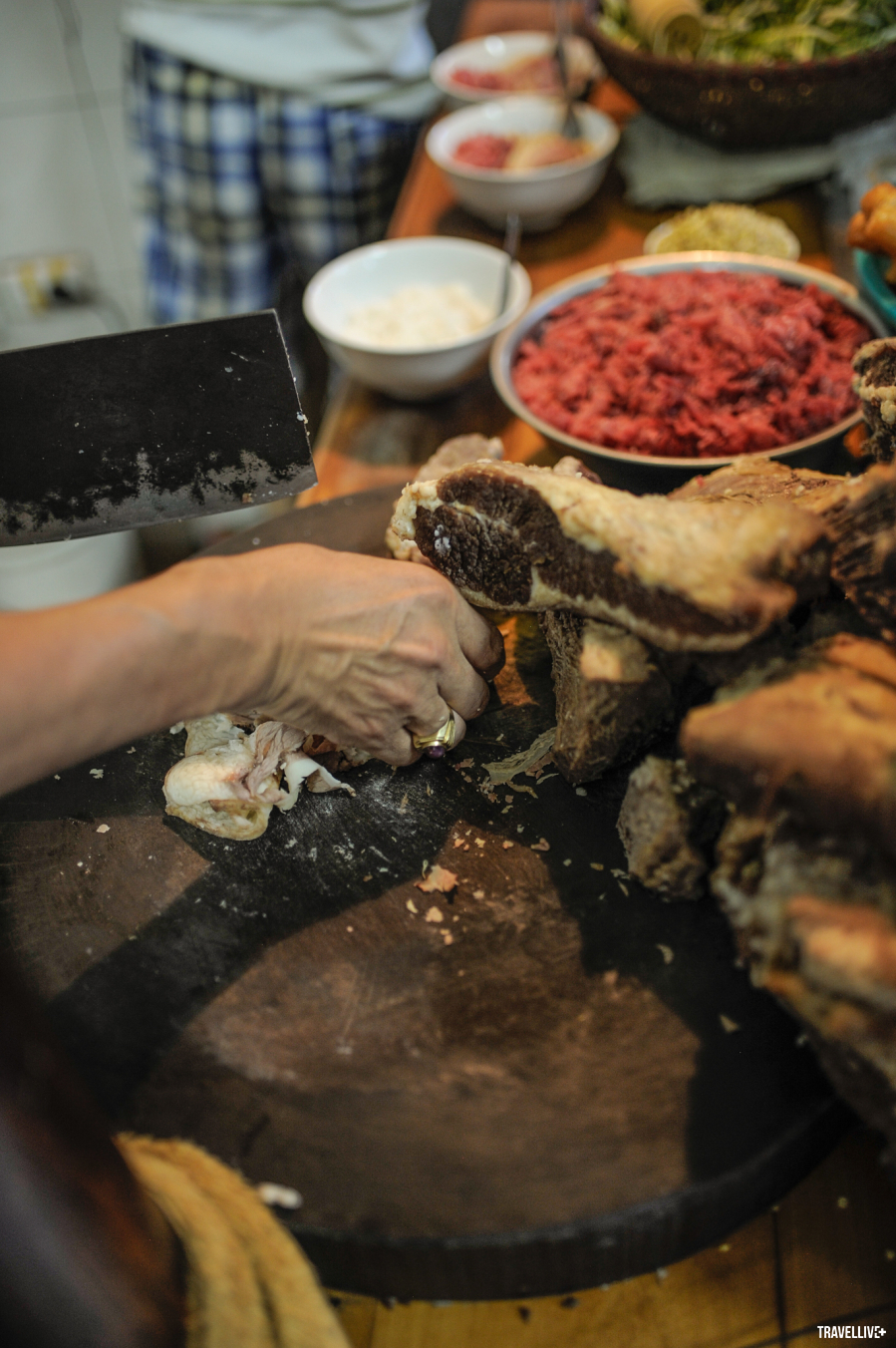
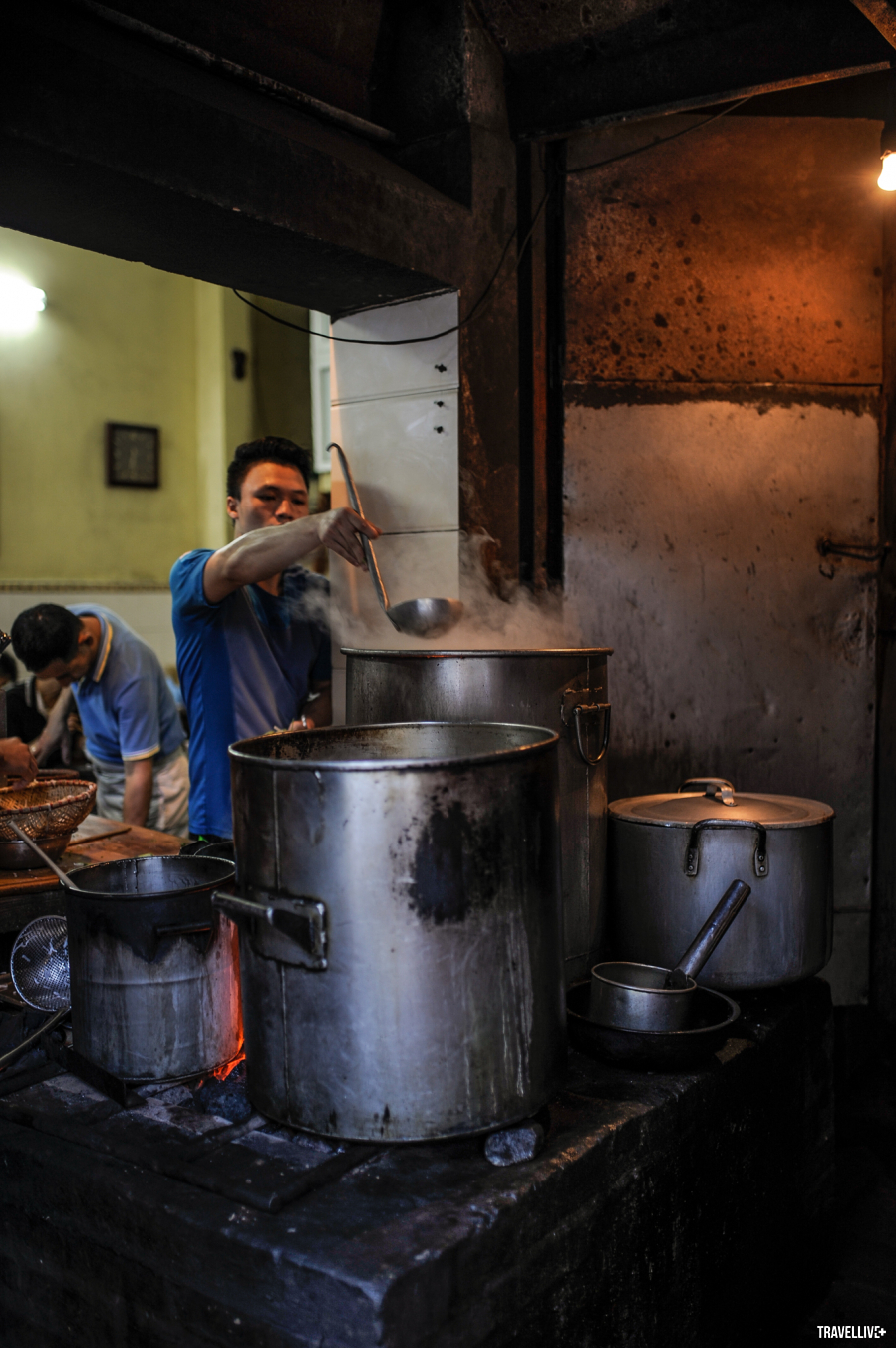
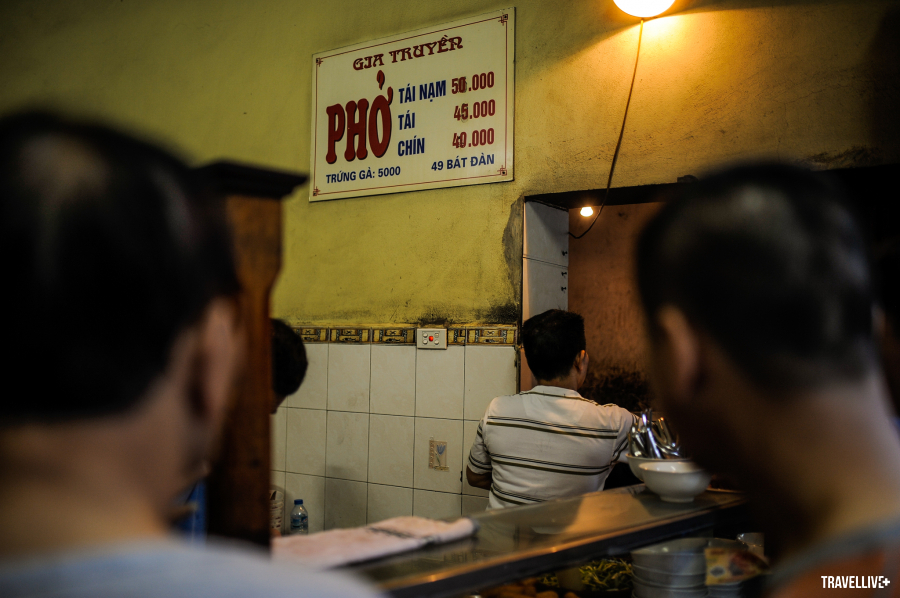
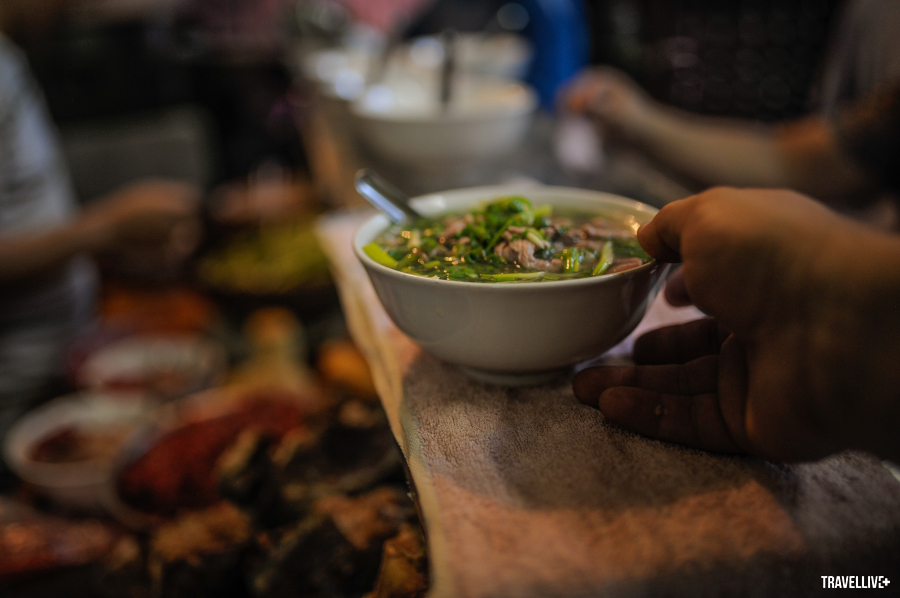
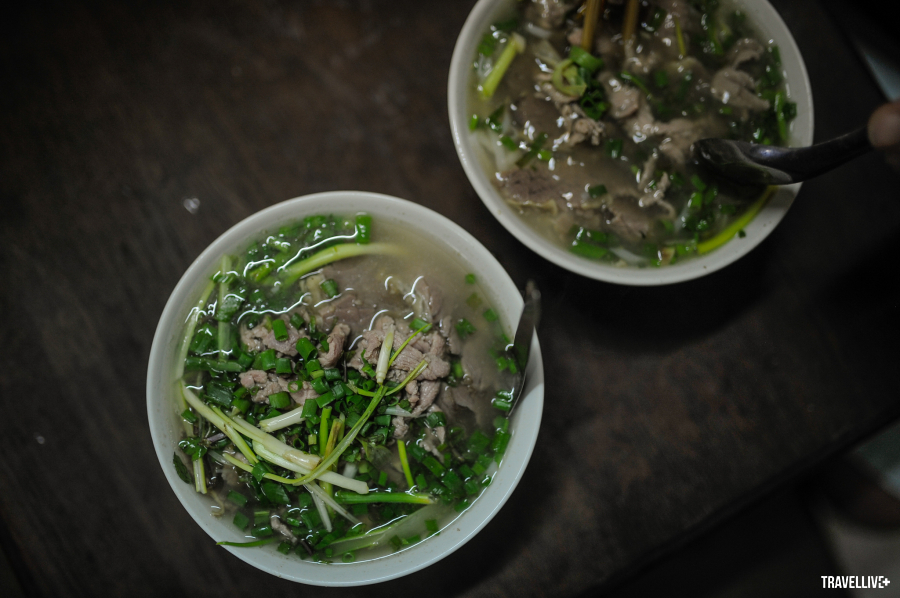
The only thing that could tempt Hanoians so much is beef pho, of course.
If you've just had a meal in the Old Quarter and are still searching for a delicious egg coffee, is Dinh the first name that comes to mind?
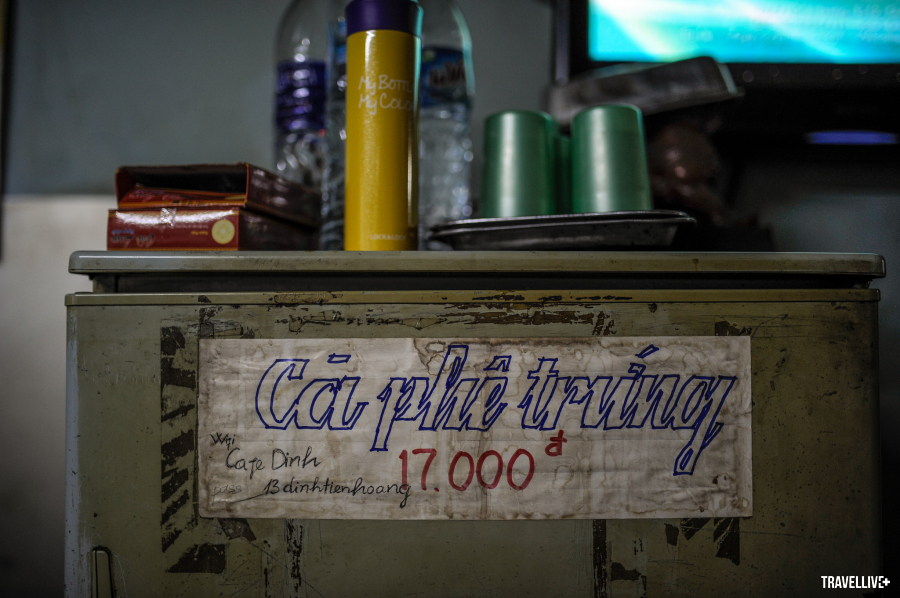
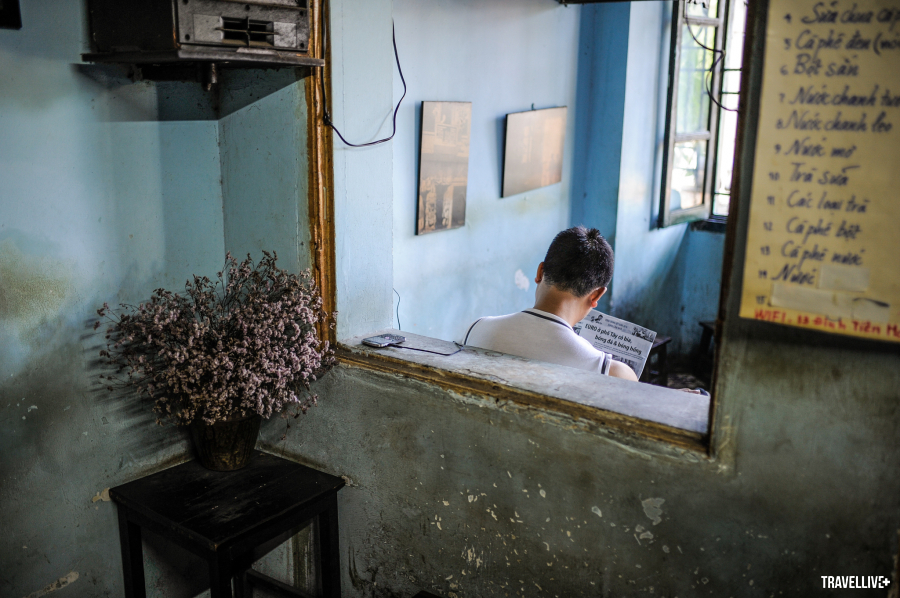
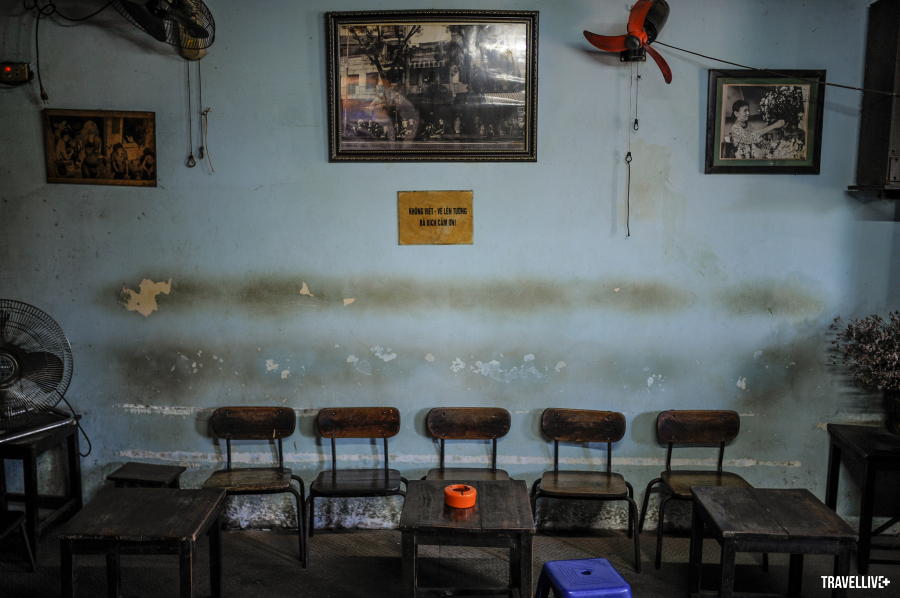
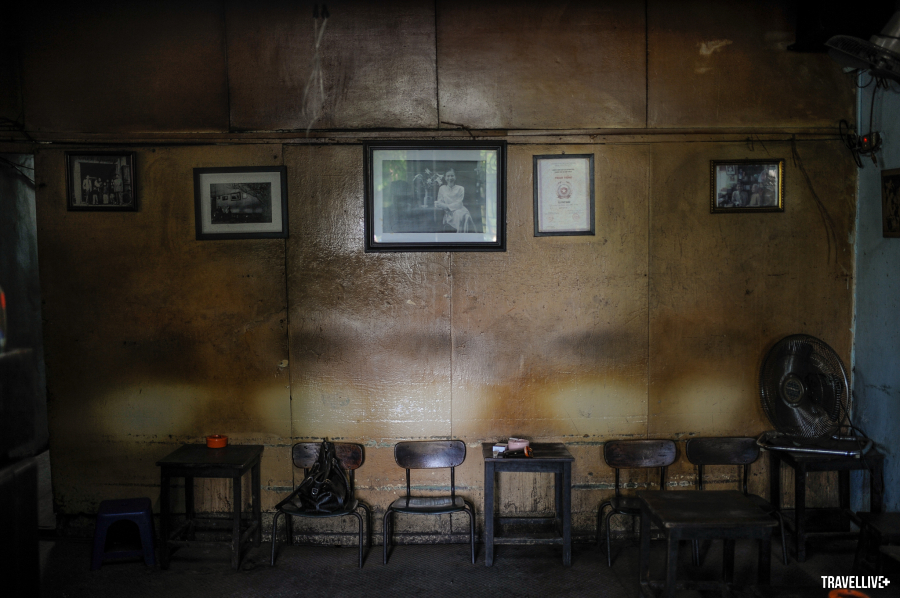
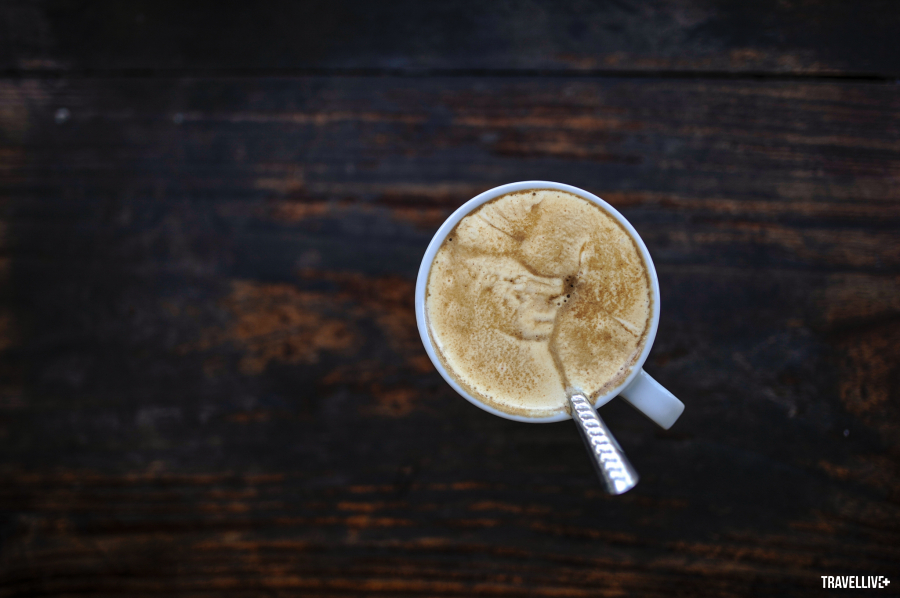
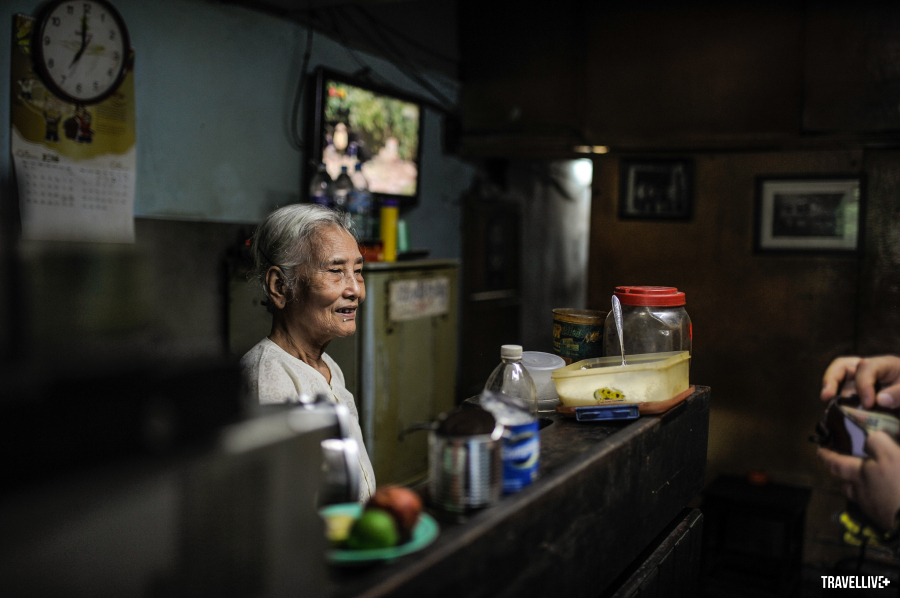
"Aunt Bich's" coffee shop on Dinh Tien Hoang Street has existed from the 1980s until now.
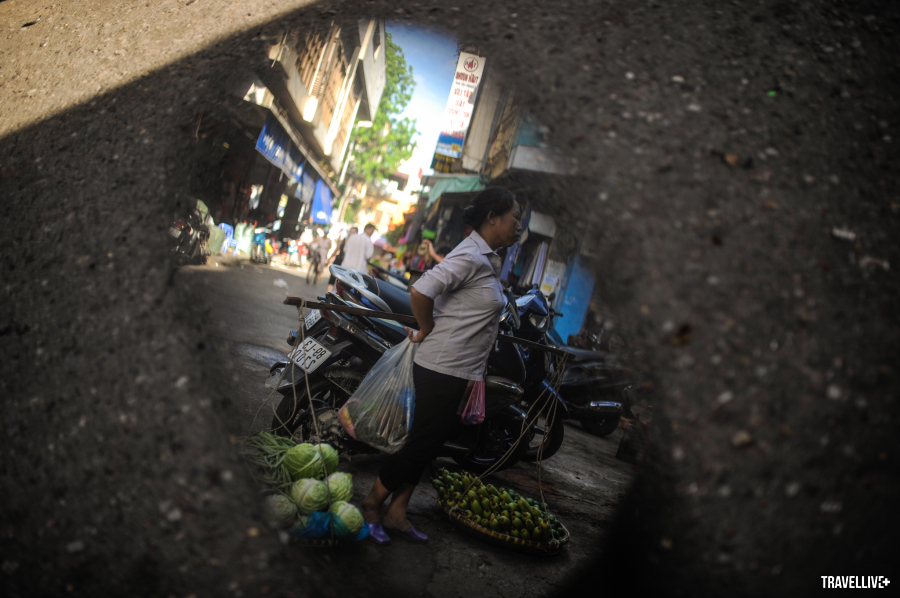
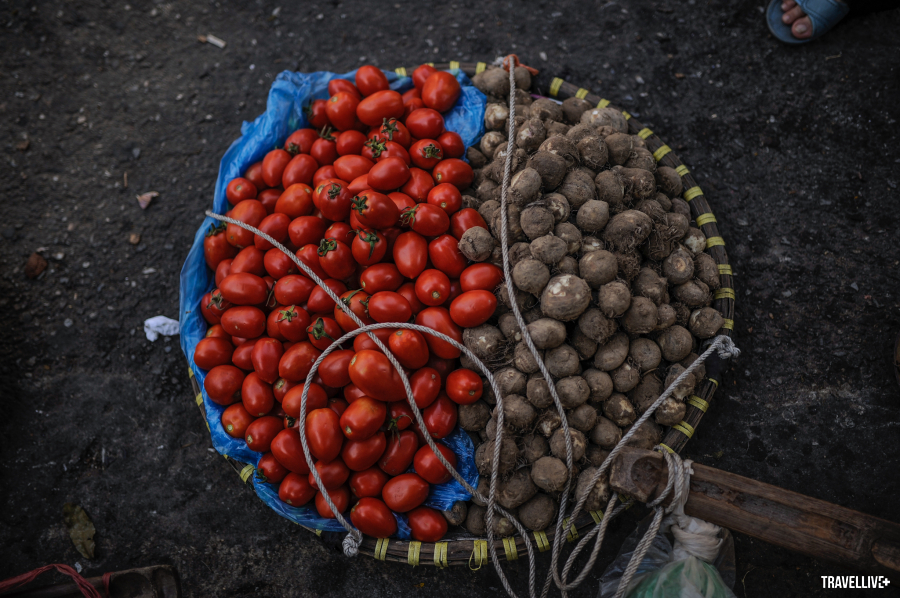
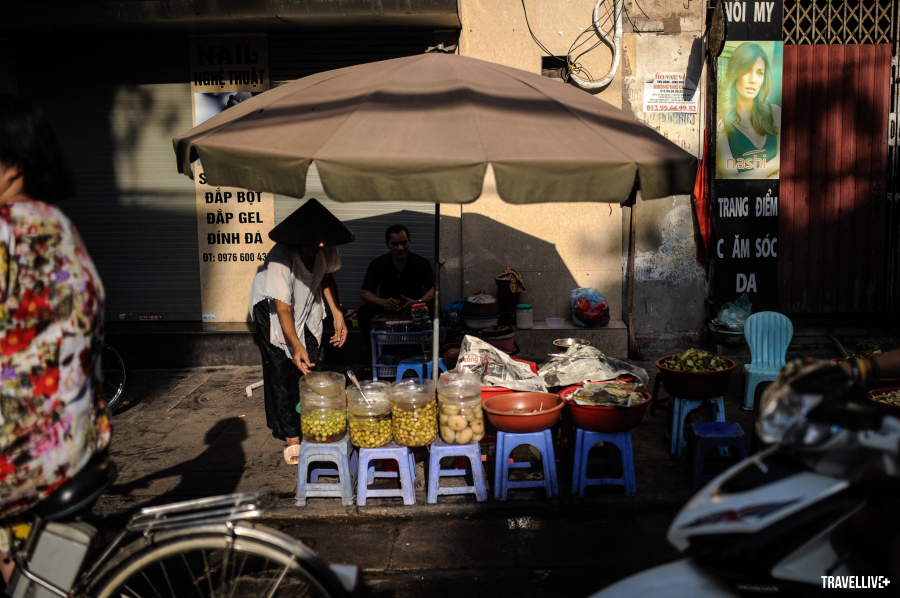
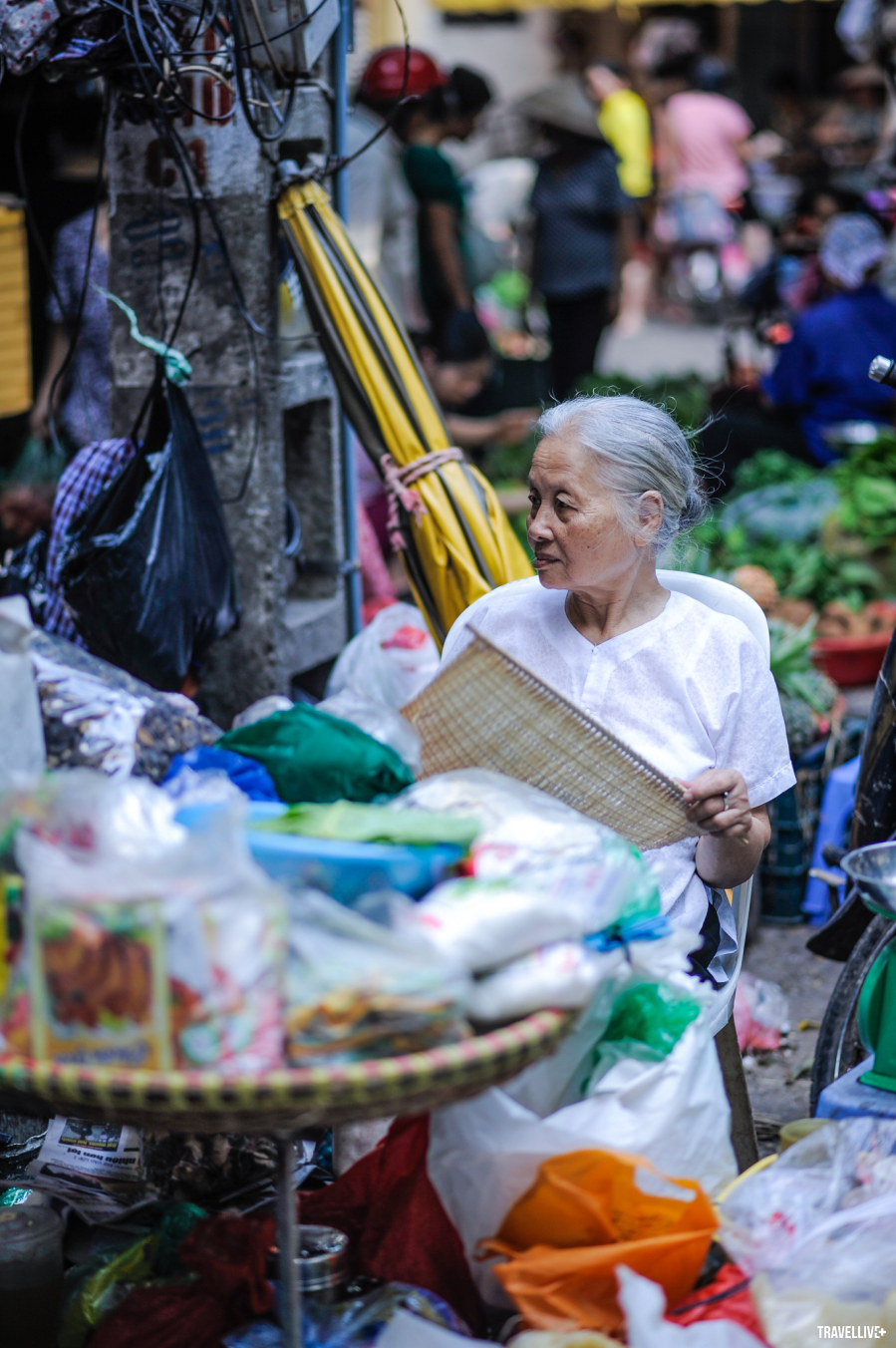
The most captivating aspect of Hanoi's Old Quarter isn't the food stalls, but the vendors. Whether they sell pho, vermicelli, vegetables, or flowers, they all unintentionally carry within them a lively, vibrant, and cheerful demeanor, yet also a sense of "old-fashioned" depth and profoundness. So don't worry about accidentally eating at a terrible stall, because the taste of the food itself, in that atmosphere, is rich and flavorful. Just take your time; it's Hanoi, after all, no need to rush.