VI
VI


One of Ibaraki's most unique destinations is Kairakuen Park, dating back to the Edo period, and also the second largest city park in the world after Central Park in New York City.

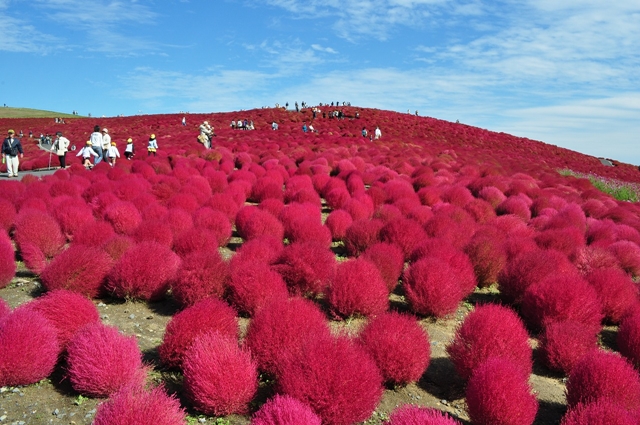
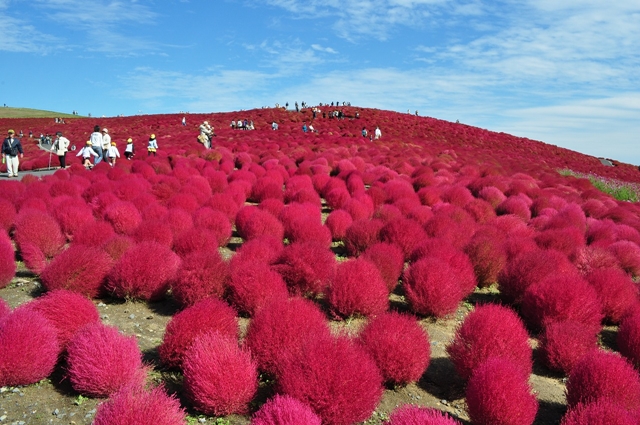
Ibaraki's stunning scenery is further enhanced by a series of other breathtaking landmarks such as: the four-tiered Fukuroda Waterfall; Hitachi Seaside Park, where Nemophila flowers bloom in May and Kokia flowers burst into color in October, creating stunning hillsides brimming with vibrant hues; and Lake Kasumigaura, often used to reenact traditional fishing scenes on sailboats with their sails billowing in the wind—a scene also selected as one of Japan's 100 most beautiful landscapes.
Visitors to Ibaraki also have the opportunity to admire the most modern aerospace equipment available today and experience working with robots when visiting Tsukuba Science Research Park, which houses approximately 300 research companies with over 20,000 employees.
Ibaraki attracts visitors of all ages and interests. Families and adventurous travelers alike will be delighted by Japan's largest aquarium, home to over 50 species of sharks.

.jpg_0.jpg)
Adventure-seeking travelers certainly won't want to miss the opportunity to experience bungee jumping at Japan's highest altitude, right in the heart of the northern mountainous region of Ibaraki.
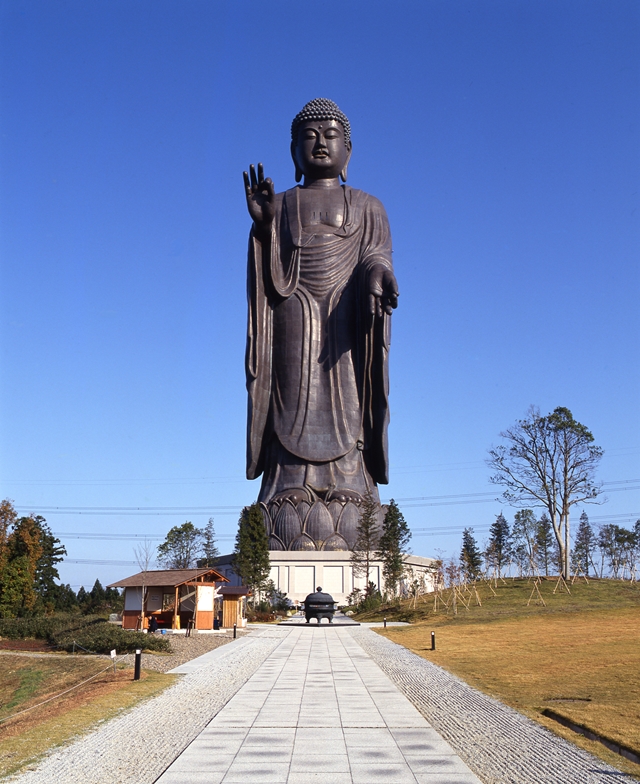
Ibaraki boasts a blend of tradition and modernity, preserving historical relics spanning thousands of years. Most notably, the Kashima Shinto Shrine, built before Christ, is a sacred site throughout eastern Japan. It houses the longest and oldest Shinto sword in Japan. Ibaraki is also famous for the Ushiku Buddha statue, the world's largest standing bronze Buddha statue.

It would be remiss to mention Ibaraki without also mentioning its ancient architecture: Koudoukan, the largest school in Japan, built in 1841 at the end of the Edo period; granaries and shops with a well-preserved Edo-era city layout; and, annually, from February to March, locals decorate for the Girls' Festival, placing traditional dolls in front of the old houses. The hexagonal pagoda, situated in a location overlooking the Pacific Ocean, is known as a landmark that has inspired many famous authors and artists who have contributed significantly to modern Japanese art.
With 180km of coastline, Ibaraki has a highly developed fishing and agriculture industry, attracting tourists with its delicious and affordable seafood markets at the ports.

Ibaraki Prefecture is also famous for its traditional crafts. Yukitsumugi silk is a high-quality silk fabric with the longest history in Japan; in 2010, it was recognized as an intangible cultural heritage by UNESCO. Kimonos made from Yukitsumugi silk are among the most luxurious items. In Yuki City, besides purchasing exquisite textiles, you can also participate in hands-on experiences with traditional looms and the indigo dyeing process.

Kasama pottery, along with Mashiko pottery from Tochigi Prefecture, is known for its wide variety of products, ranging from everyday items to works of art.
With its advantages in science and technology and beautiful natural scenery, Ibaraki is rapidly rising to become a major tourist attraction in Japan.