VI
VI


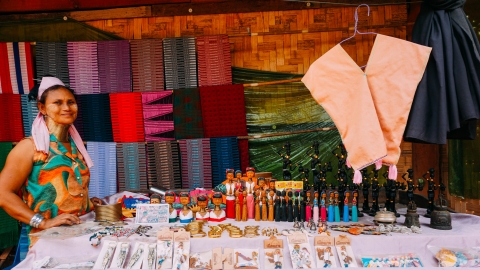
Ten years ago, Myanmar appeared as an open, youthful, and vibrant country. After a decade of ups and downs, Yangon remains Yangon, its air thick with the smoky scent of motorbikes mingling with the aroma of milk tea every morning. Women in longyi go to the market, and street vendors huddle under old awnings. The city hasn't changed much in appearance, but the atmosphere is different. The pace of life has slowed down, becoming less hurried, as if Yangon has traveled a long road and learned to slow down.


Ten years ago, Myanmar appeared as an open, young, and vibrant country.

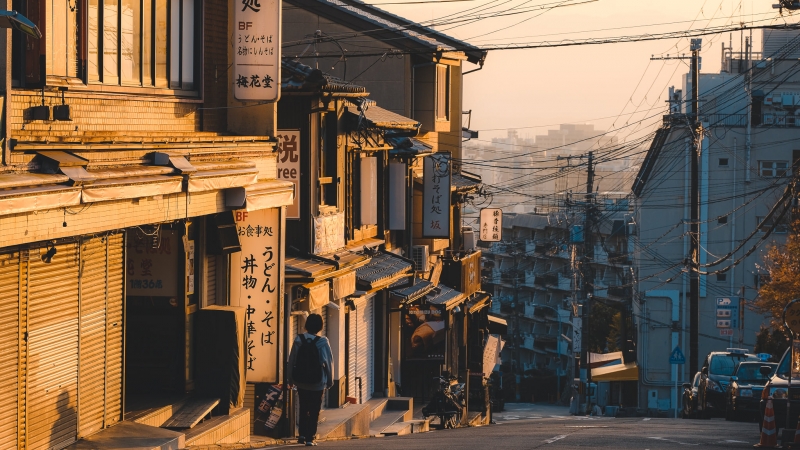
Walking through the old quarter feels like stepping into a living museum, where history isn't displayed but continues to be used daily. People in Yangon today speak more slowly. They laugh less loudly, but their eyes remain gentle. In the roadside cafes, conversations often revolve around everyday life. Electricity is sometimes interrupted, the cost of living is rising, but the habits of visiting temples, offering flowers, drinking tea, and chatting remain. Over the past 10 years, society has changed, but spiritual life hasn't been disrupted. It has simply settled down, becoming deeper and more discreet.

BAGAN PLAINS AFTER THE EARTHQUAKE
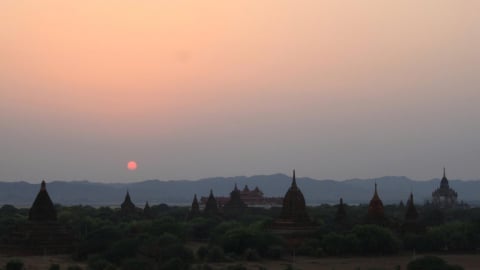
Bagan, situated along the Ayeyarwady River, is one of Asia's most important ancient Buddhist complexes. From approximately the 11th to the 13th centuries, it served as the capital of the Pagan Kingdom, a period that laid the foundation for Myanmar's culture and religious life. Over two thousand brick-built pagodas, stupas, and monasteries spread across the hot, dry plains, creating a rare and continuous spiritual landscape.


The religious architecture in Bagan embodies the characteristic restraint of Theravada Buddhism. The structures utilize simple forms, modest proportions, low domes, and narrow corridors, guiding pilgrims into an introspective space. Interiors are often dark, with light filtering only through small openings, creating a slow and tranquil experience. Ancient murals, though faded with time, still recount stories of the Buddha's past lives and the cycle of reincarnation.

The major earthquake of 2025 damaged many religious structures in Myanmar, with Bagan being particularly affected. Some towers cracked, their tops collapsed, and many decorative details fell off. However, the overall landscape of Bagan did not lose its value. On the contrary, the physical damage further highlighted the historical depth of the complex. Conservation efforts focused on reinforcing structures, stabilizing foundations, and accepting the presence of historical traces as an inseparable part of the heritage.


Local people continue their religious rituals, monks go on their alms rounds each morning, and children play among the ancient pagoda foundations.


Remarkably, religious life in Bagan continues peacefully. Local people continue to perform their rituals, monks go on their morning alms rounds, and children play among the ancient pagodas. Bagan has not become a static monument, but remains a living space where faith and community life coexist. The peace of this land does not come from avoiding events, but from the ability to accept and continue living with them.


The peace of this land does not come from avoiding events, but from the ability to accept and continue to live with them.
GOLDEN ARCHITECTURE AND SPIRITUAL LIFE OF THE PEOPLE OF YANGON
Back in Yangon, the Shwedagon Pagoda remains an irreplaceable spiritual landmark. According to Buddhist tradition, the pagoda was built over two millennia ago and is believed to house the relics of four Buddhas. Over the centuries, Shwedagon has been not only a religious symbol but also the center of the city's spiritual life.


The central stupa, nearly a hundred meters tall and covered in gold leaf, is surrounded by dozens of smaller stupas, shrines, and ceremonial courtyards. The overall architecture is organized in a gradually increasing height, guiding pilgrims from the everyday living space to the sacred area. Lighting plays a particularly important role. The golden hue of the stupa changes with each moment of the day, giving the structure a constant sense of movement with time.
After 10 years and despite the country's many upheavals, from natural disasters to social changes, Shwedagon has remained largely unchanged in its role. The 2025 earthquake did not seriously damage the main structure of the pagoda, although some auxiliary structures needed reinforcement. These efforts were largely accomplished through the contributions of the Buddhist community, demonstrating the strong connection between the pagoda and social life.


Temples are not only places of prayer, but also community spaces where people can find a sense of stability amidst external changes.
Every day, Shwedagon continues to welcome a steady stream of visitors. Elderly people visit the temple, young families offer flowers, and young people meditate in silence. The temple is not only a place of prayer, but also a community space where people find a sense of stability amidst external changes. In a changing society, Shwedagon continues to serve as a steadfast spiritual anchor, where architecture, religion, and life intertwine naturally.