VI
VI


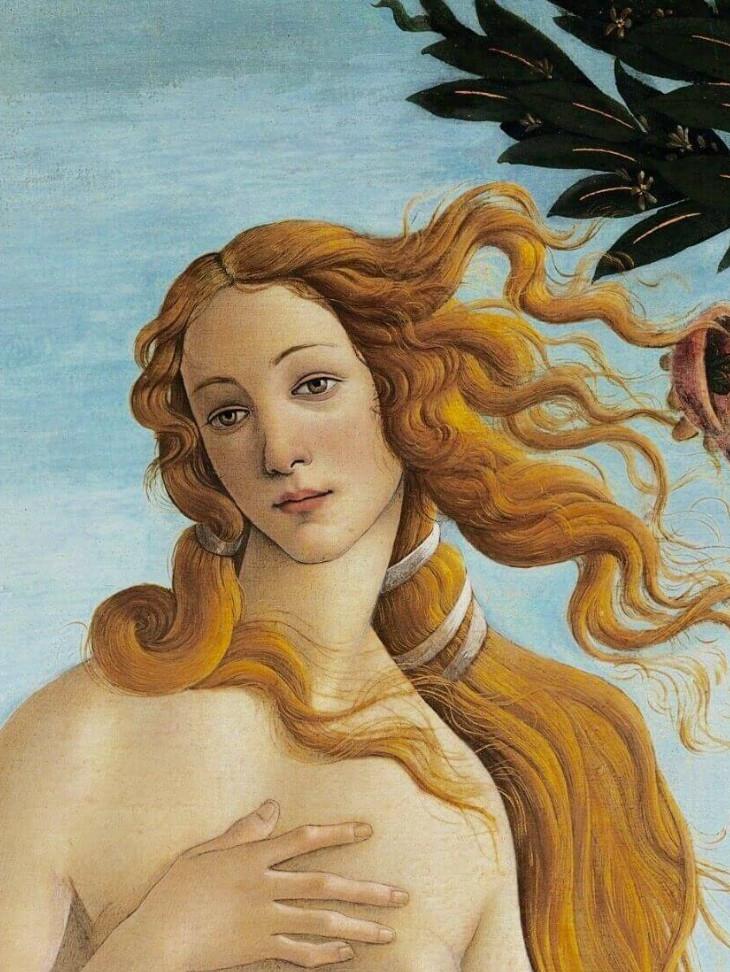
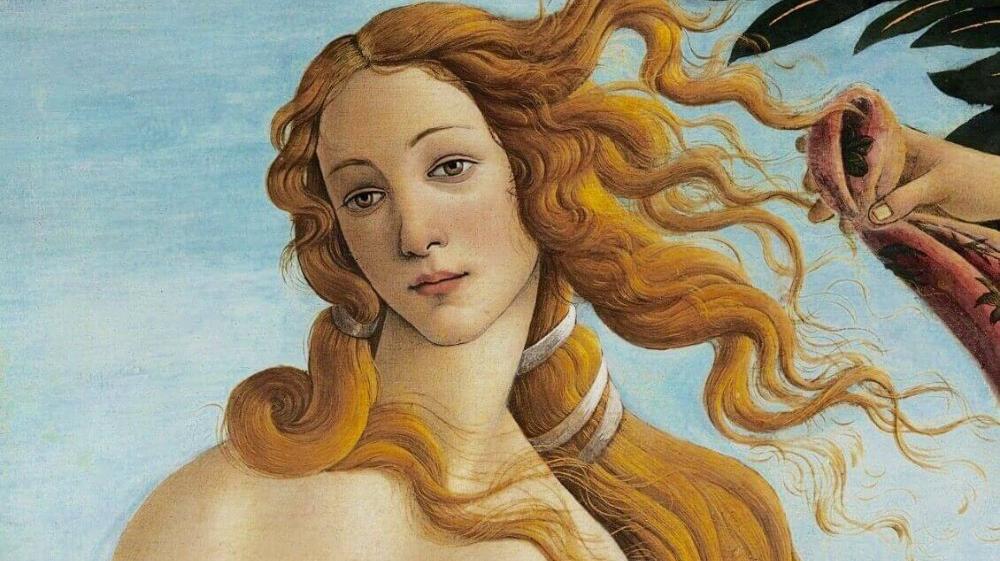
If you've ever been captivated by the masterpieces of Renaissance painting, you're probably curious about the beautiful woman who appeared in a series of classic works such as...The Birth of Venus, Primavera, Venus and Mars...That was Simonetta Vespucci - the stunning beauty of Italy, and also the most famous muse of 15th-century art.
As the opening act of the #MusesInArt series, join Travellive in exploring the stories surrounding this legendary muse of Renaissance painting.
When beauty is sought after by an entire era.
The 15th century is considered the "Golden Age" in Florence thanks to the strong economic, social, and artistic development under the rule of the prestigious Medici family. Starting as a merchant family, the Medici family ventured into banking and from there seized political power, becoming the wealthiest and most powerful family in Europe for a century. They controlled the world's largest bank at the time and had connections with many important figures such as the Pope, kings, and nobles.
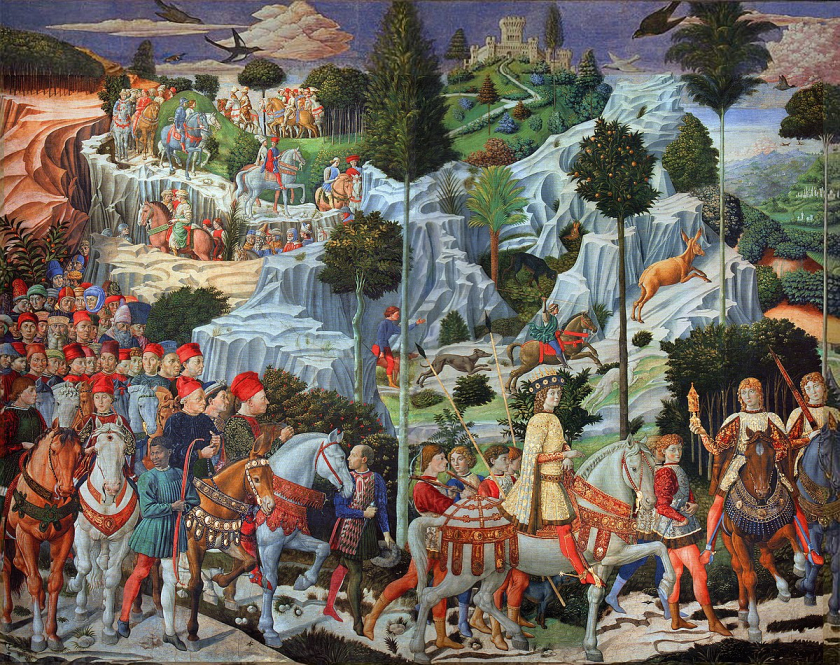
The work Journey of the Magi (c. 1459-62) by Benozzo Gozzoli
At that time, culture and art were central to establishing the status and influence of a dynasty. With immense economic power and influence, the Medici family invested in and patronized a series of top-tier artists such as Sandro Botticelli, Leonardo da Vinci, and Michelangelo, bringing Florentine art to the peak of the Renaissance. These names shouldered the noble responsibility of recreating the essence of a golden age and simultaneously shaping the standards of beauty for the era.
Throughout this process, artists constantly searched for an embodiment of perfect female beauty, and the appearance of Simonetta was the answer they longed for.
From aristocratic lady to Florentine muse
Simonetta Cattaneo, born in 1453, was the daughter of a noble family in Genoa, a city 250 km from Florence. At the age of 15, she married Marco Vespucci, also from a prestigious family closely related to the great Medici family. They met in a church, and Marco quickly fell in love with the young woman's innocent and pure beauty. Their wedding was held in Florence, and Simonetta's name quickly gained widespread attention.
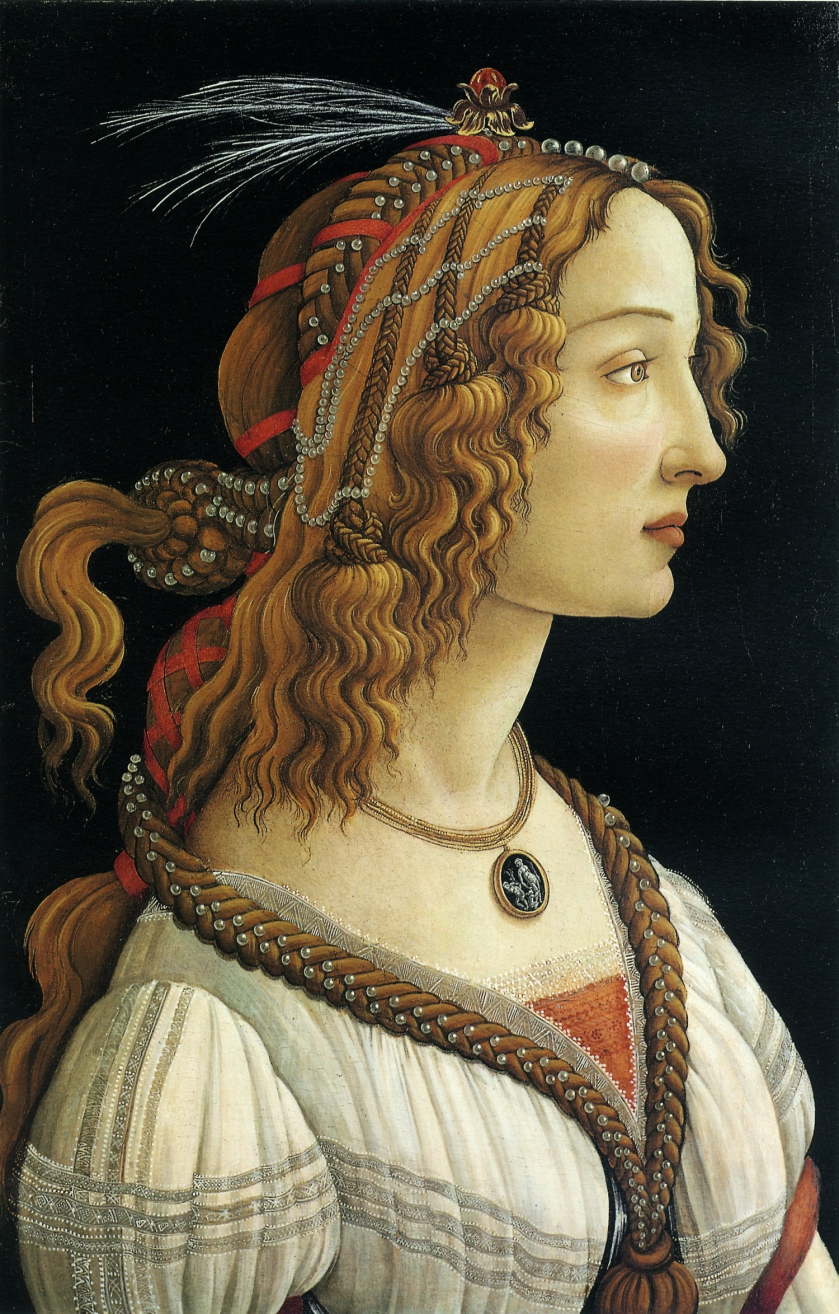
Idealized Portrait of a Lady (c.1480-1485) - Sandro Botticelli
Coming from an aristocratic background and receiving a thorough education, as well as being the wife of one of the most important figures, Simonetta gradually developed connections within the elite and established herself in Florence's high society.

Possessing the ideal beauty that artists were seeking—long, golden hair, fair skin, rosy lips, a long neck, and a healthy physique—Simonetta became a model for many famous painters, most notably Sandro Botticelli and Piero di Cosimo.
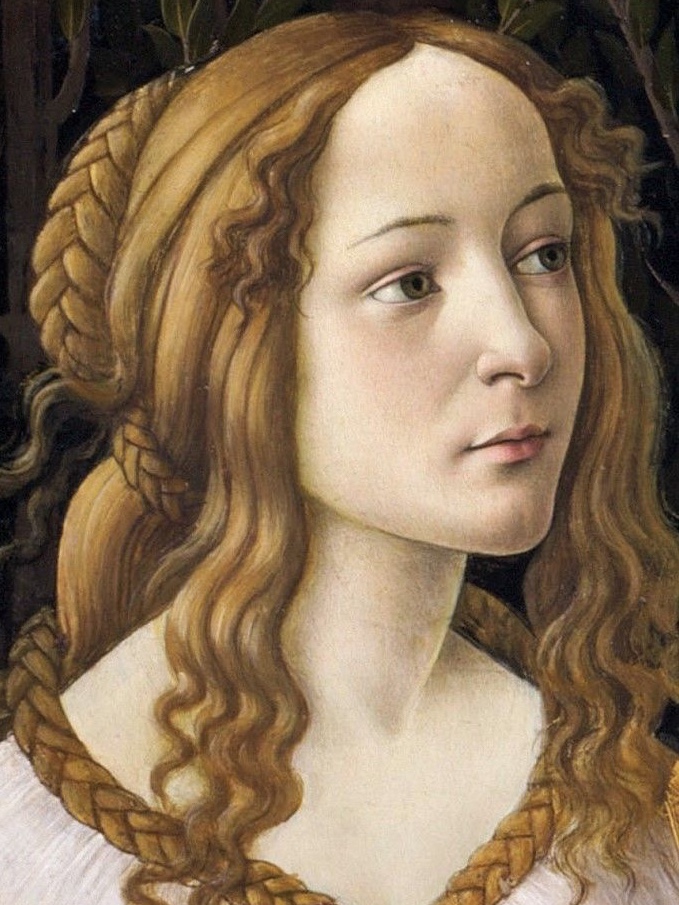
Simonetta in Venus and Mars (c.1485) - Sandro Botticelli
Art historian John Ruskin asserts that many depictions of gods and goddesses in the works of the great painter Botticelli share characteristics with Simonetta. These works are still preserved and appreciated as priceless masterpieces today.The Birth of Venus, Portrait of Simonetta Vespucci as Nymph, Venus and Mars,...
Love or the worship of beauty?
Simonetta's beauty led people to affectionately call her "La Bella Simonetta" (Beautiful Simonetta). Despite marrying early, she was pursued by countless nobles. They frequently sent gifts, composed paintings, poems, and songs about her, hoping to win the heart of the most beautiful woman in Florence. However, the relationship between Simonetta and Giuliano Medici – the younger brother of Lorenzo Medici, the head of the Medici family at the time – received the most attention.
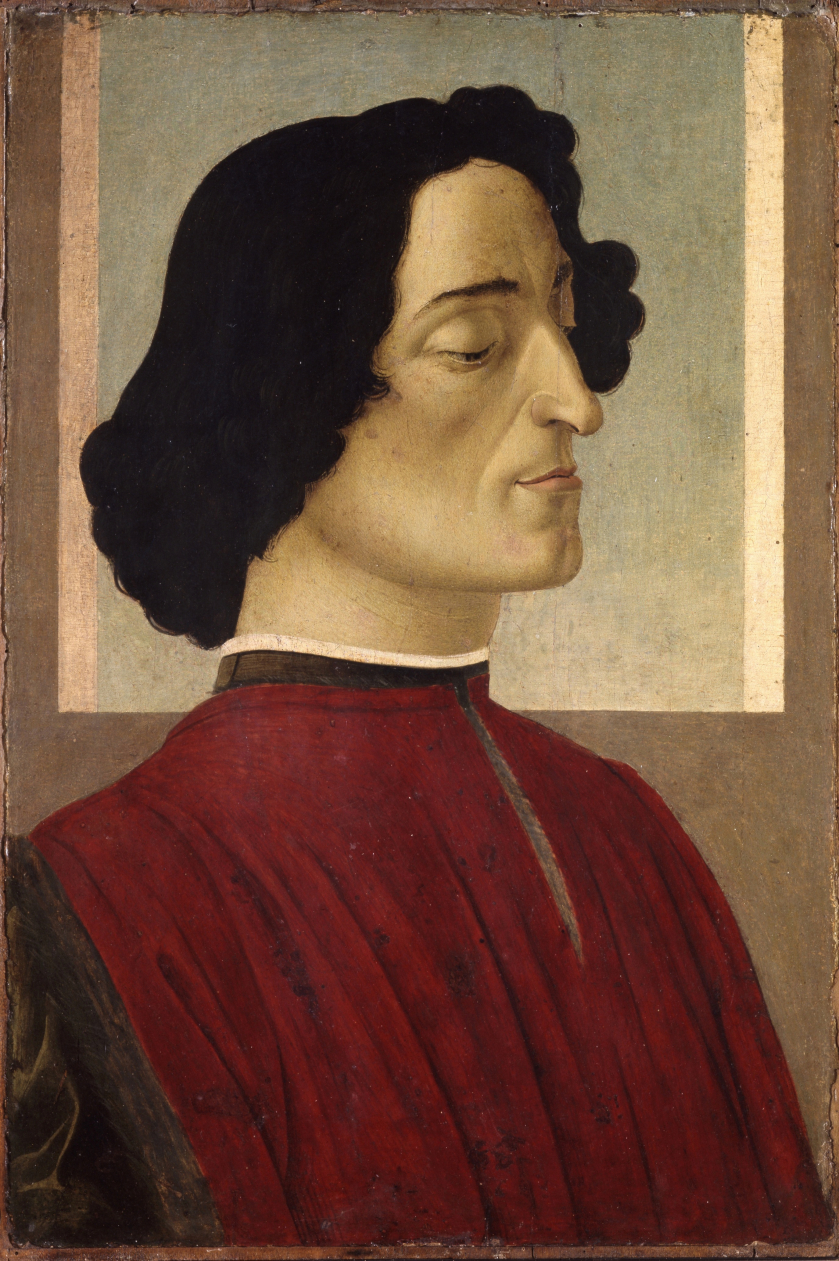
Giuliano de' Medici (c.1478/1480) - Sandro Botticelli
There is no concrete evidence of a romantic relationship between these two figures. The only information available is that they were the models for an erotic work by the renowned painter Sandro Botticelli.Venus and Mars.
According to Roman mythology, the goddess Venus and the god of war Mars had a romantic relationship that defied conventional norms, as Venus was the wife of the god of fire, Vulcan. The subject of the painting.Venus and MarsIt also revolves around this forbidden love, with the image of the gentle goddess Venus gazing at the sleeping god Mars.
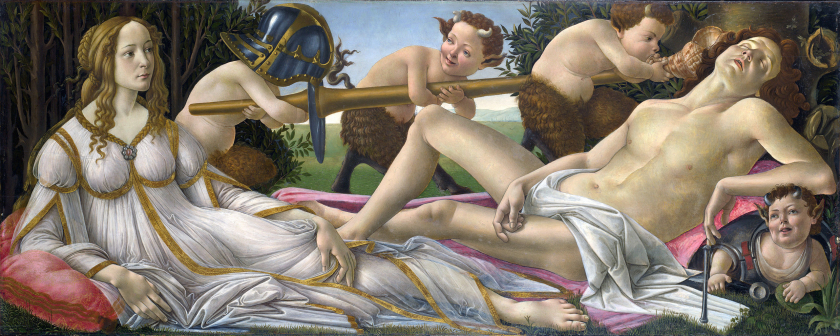
The work Venus and Mars (c. 1485) - Sandro Botticelli
Could this be the reason why many people are skeptical about a real-life romance developing between Simonetta and Giuliano? But it doesn't stop there.
In the doubles tournament (La Gioistra) held in the center of Florence, Giuliano appeared with a banner featuring an image of the goddess Minerva (Athena in Greek mythology) painted in the likeness of Simonetta, along with the inscription...La Sans Pareille(The Unrivaled). Giuliano later became the champion, and Simonetta was also honored with the title of Beauty Queen at the event. This was seen as a public display of affection from the nobleman for the beauty. This handsome couple's relationship also inspired the romantic love story in the second part of the film.Medici: The Magnificenton the Netflix platform.
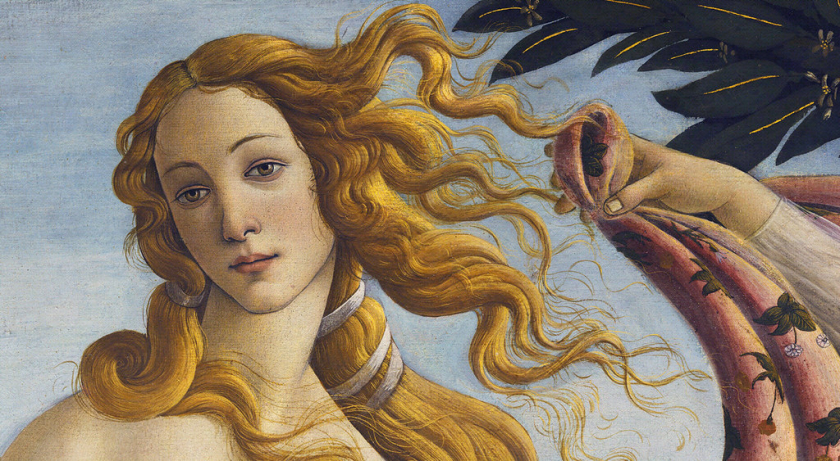
Venus (believed to be Simonetta) in The Birth of Venus.
Simonetta is also considered the most important muse of the great Italian painter Sandro Botticelli. He adored her beauty, incorporating her image into some of the most successful works of his career.
Many even believe that the painter Botticelli was one of the many men who fell in love with the beautiful muse. After Simonetta died at the age of 22 from tuberculosis, he decided to leave a will to be buried near her at the Ognissanti Parish Church in Florence.
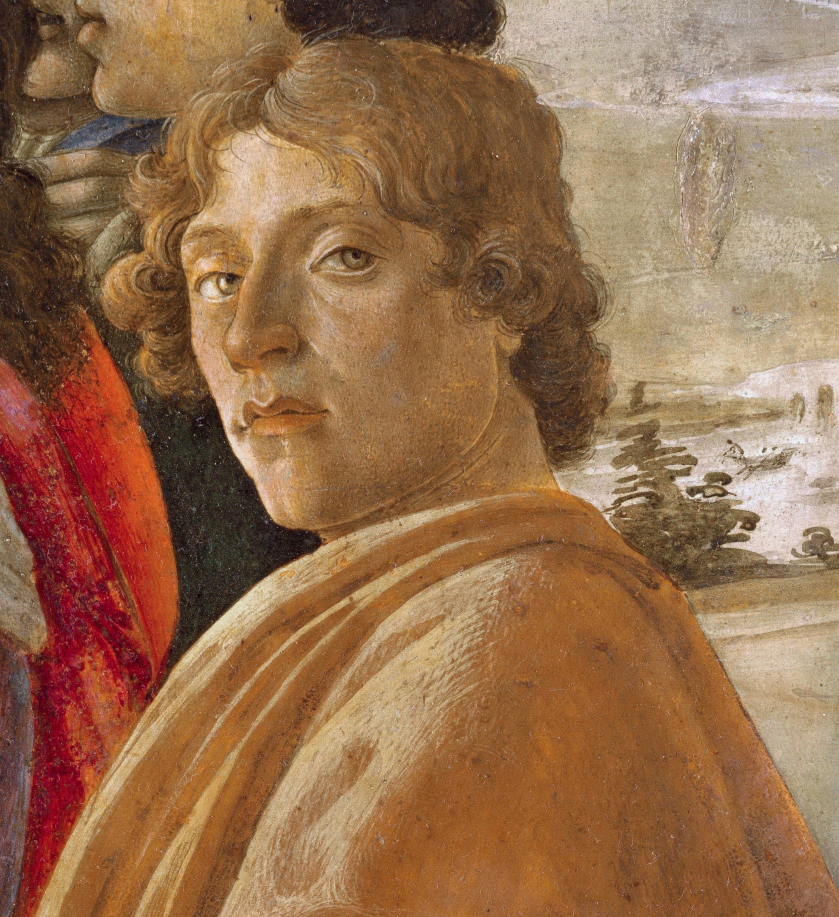
Sandro Botticelli's self-portrait in the work *Adoration of the Magi*
In any case, whether Botticelli's feelings for the Renaissance muse were love or adoration—we can only speculate. The only thing we can be certain of is that Simonetta's quintessential beauty became the inspiration for the artist's creation of priceless, timeless masterpieces.
Some works of art inspired by the beautiful Simonetta Vespucci:
- Title of work: Idealised Portrait of a Lady (Portrait of Simonetta Vespucci as Nymph)
- Year of composition: c. 1480-1485
- Author: Sandro Botticelli
- Currently on display at: Städel Museum, Frankfurt, Germany
- Entrance fee: 14-16 euros
- Title of the artwork: Venus and Mars
- Year of composition: c.1485
- Author: Sandro Botticelli
- Currently on display at: The National Gallery, London, England
- Admission fee: Free
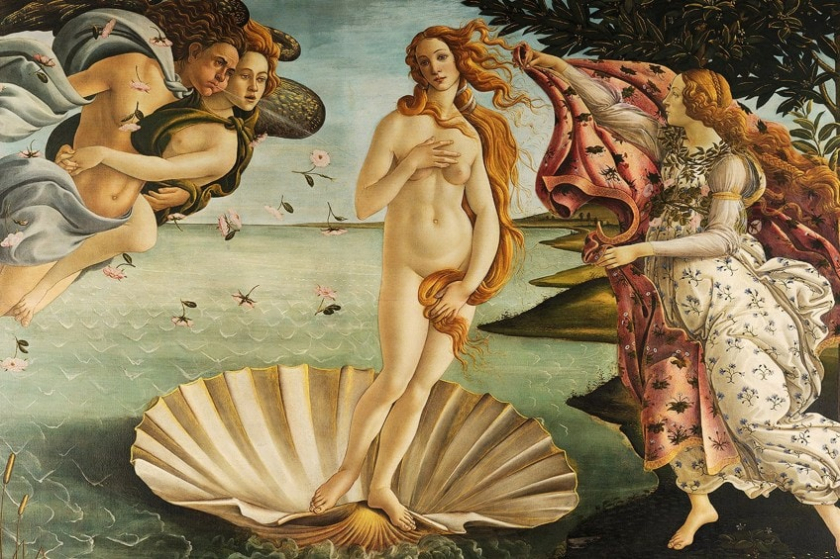
- Title of the work: The Birth of Venus
- Year of composition: c. 1485-1486
- Author: Sandro Botticelli
- Currently on display at: Uffizi Gallery, Florence, Italy
- Entrance fee: 20 euros
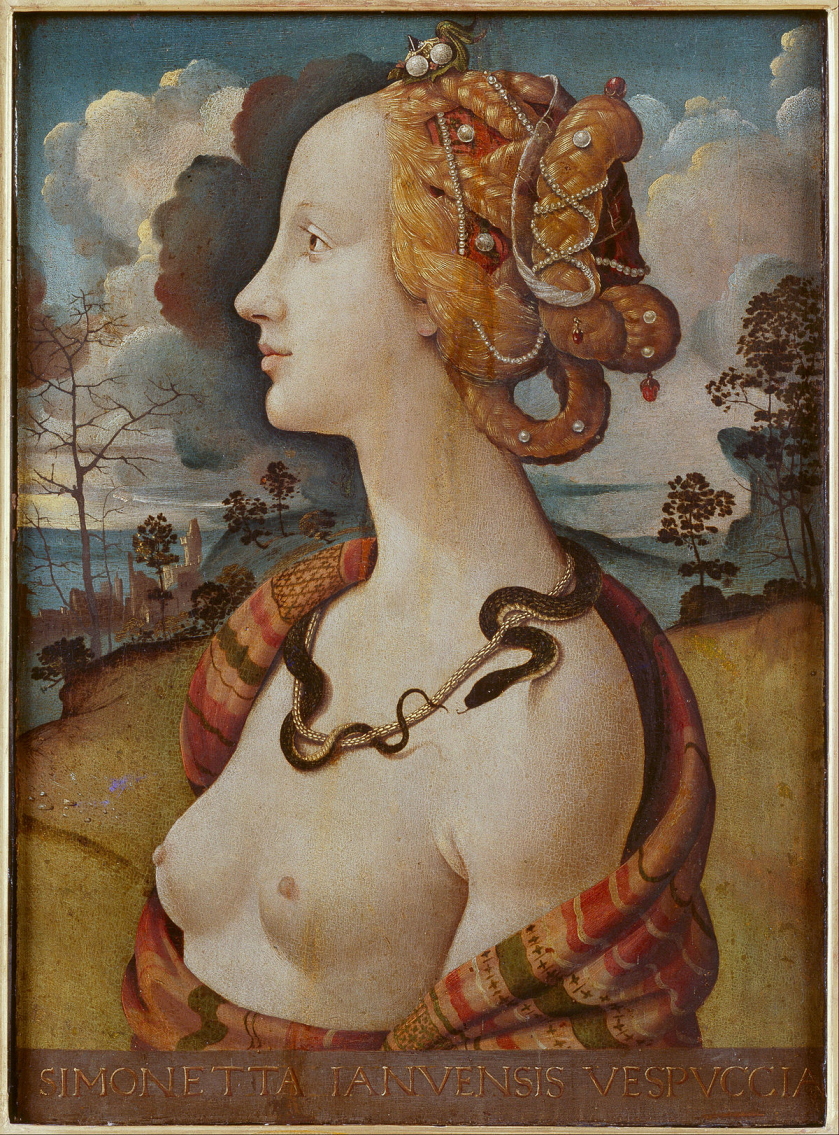
- Title of the artwork: Portrait of Simonetta Vespucci
- Year of composition: c.1480
- Author: Piero di Cosimo
- Currently on display at: Musée Condé, Chantilly, France
- Entrance fee: 17 euros