VI
VI


Maasai, Kenya, and Tanzania
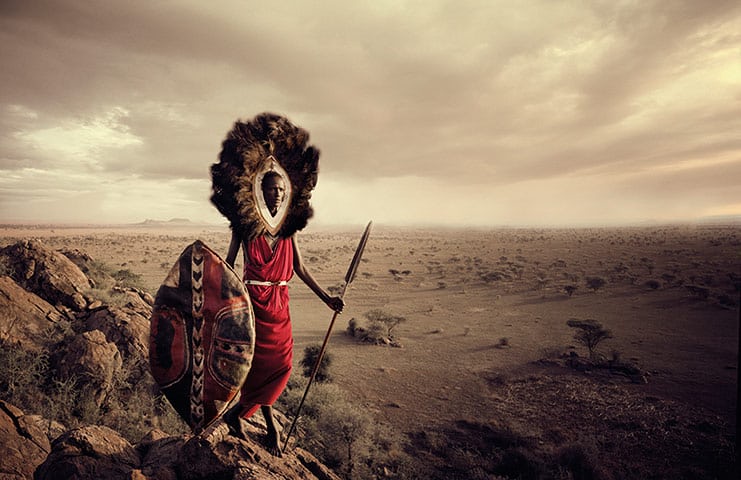
The semi-nomadic Maasai people of East Africa live in southern and northern Kenya and Tanzania along the Great Rift Valley. The Maasai inhabit an area of approximately 160,000 square kilometers, with a population of nearly one million. To be a Maasai is to be born into one of the world's last great warrior cultures. From childhood to adulthood, Maasai men begin to learn and perfect the responsibilities of a man and a warrior. The Maasai are famous for the adumu dance, performed by the men of the village, who leap into the air to demonstrate their strength and endurance as tribal warriors.
Nenets, Russia
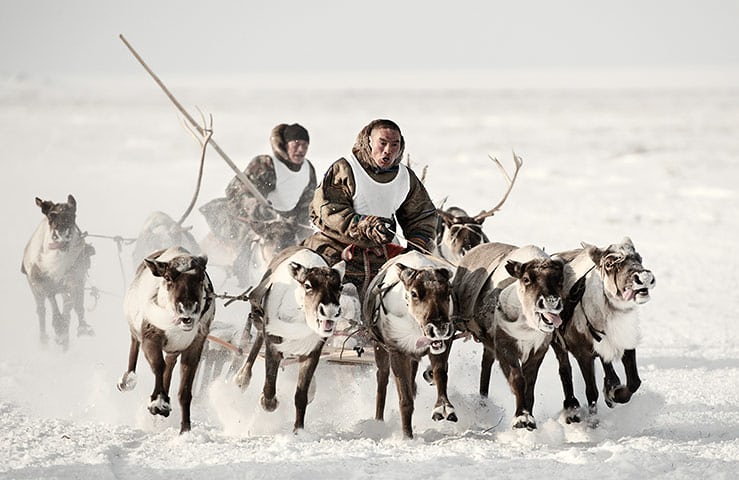
The Nenets, a nomadic tribe of reindeer herders from Northern Siberia, migrate across the Yamal Peninsula, where the Ob River and Ural Mountains meet the Arctic Circle. The Nenets have thrived for over a millennium in one of the harshest environments on Earth, where temperatures can drop below -50°C in winter and rise to 35°C in summer. Each year, they migrate over 1,000 km, moving their reindeer herds from the summer pastures in the north to the winter pastures just south of the Arctic Circle.
Mursi, Ethiopia
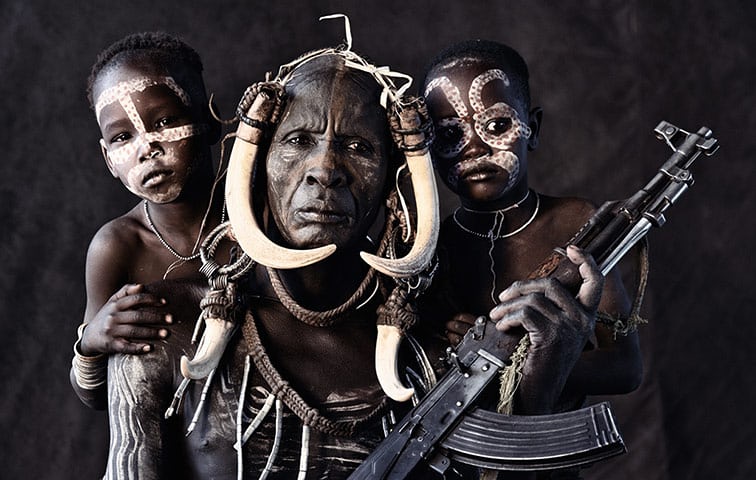
The Mursi tribe lives in the lower Omo Valley, located in the Great Rift Valley of Africa, southwest Ethiopia. The Mursi, numbering around 4,000, are a nomadic herding tribe that has faced threats to their livelihoods in recent decades. Prolonged droughts have made it difficult for many Mursi families to sustain themselves through traditional livestock farming and agriculture. Furthermore, the establishment of a national park with fences and roads has further restricted the tribe's living space and threatened their natural resources.
Drokpa, India/Pakistan
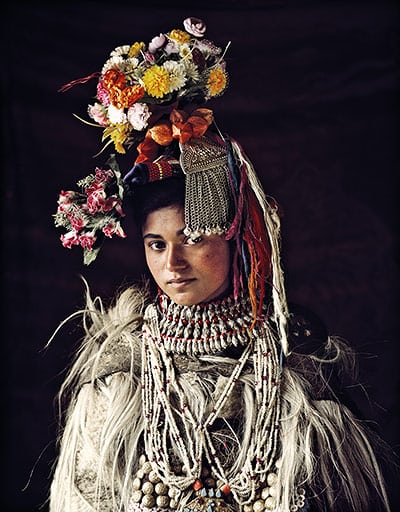

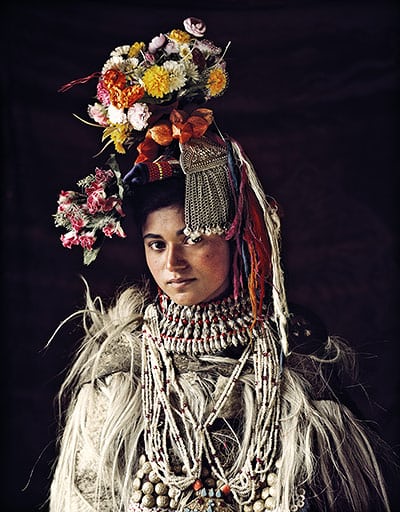
The Drokpa tribe currently has a population of approximately 2,500 people, living in three small villages: Dhahnu, Darchik, and Garkun in Ladakh. This region lies between Jammu and Kashmir, where a border dispute persists between India and Pakistan. Historians have identified the Drokpa as the only true descendants of the Aryans in India. For centuries, the Drokpas have been quite open about public displays of affection and may even exchange wives with others. The Dhahnu people wear elaborate and sophisticated clothing, evident in their annual festivals, especially the Bonano festival at the end of summer. On this day, all members of the tribe dance, sing, and drink together to celebrate the most important holiday of the year. The Drokpa are known for their striking appearance. Unlike other ethnic groups living in Ladakh, both men and women have attractive faces, high noses, large eyes, and thick eyebrows. Living in a valley with favorable soil conditions, the Drokpa people rely on farming and livestock raising. In addition, they also have other sources of income such as trading grapes, walnuts, and various green vegetables.
Ni-Vanuatu, Vanuatu
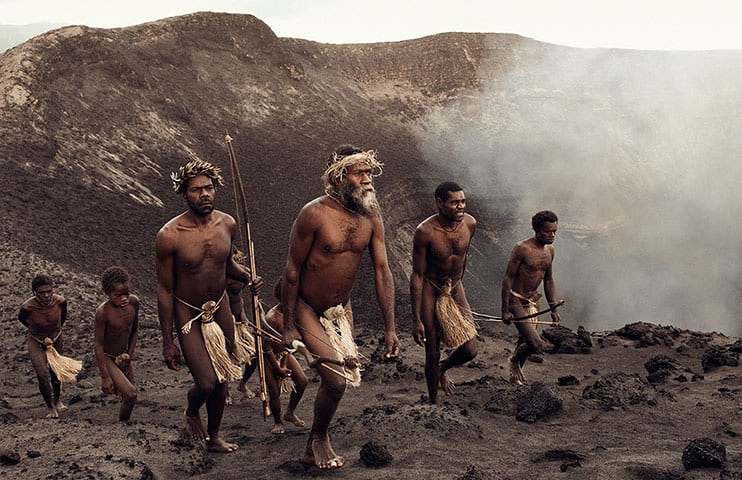
The Ni-Vanuatu tribe belongs to the Republic of Vanuatu, one of a chain of 83 islands in the Southwest Pacific, formerly New Hebrides, which gained independence from Britain and France in 1980. Espiritu Santo is the largest island. Today, all the inhabited islands have their own languages (over 100 different languages spoken) and traditional customs. Ni-Vanuatu men are the heads of the family, often responsible for hunting for food, and are very skilled at fishing.
Ladakhi, India
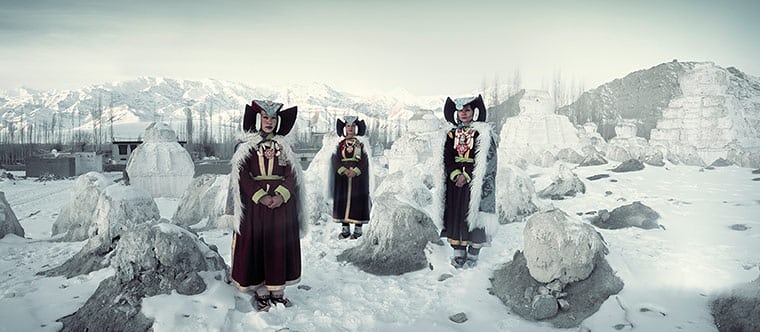
The name Ladakhi means "land of mountain passes." The Ladakhi people live in the mountain valleys between the Himalayas and the Karakoram. They are primarily farmers, working tirelessly for four months during the summer, and then dedicating the remaining eight months of winter to continuous celebrations.
Rabari, India

For nearly 1,000 years, the Rabari people roamed the deserts and plains that are now western India. Now found primarily in Gujarat and Rajasthan, they are believed to have migrated from the Iranian highlands over a millennium ago. Rabari means 'outsider' and their tradition is camel herding. Rabari men spend most of their days tending and caring for the herds. The women stay at home embroidering, sewing, managing the household, and handling all financial matters. Rabari women typically wear long black headscarves (lobadi) and heavy, distinctive copper earrings, and have mystical symbols tattooed on their necks, chests, and arms.
Gauchos, Argentina
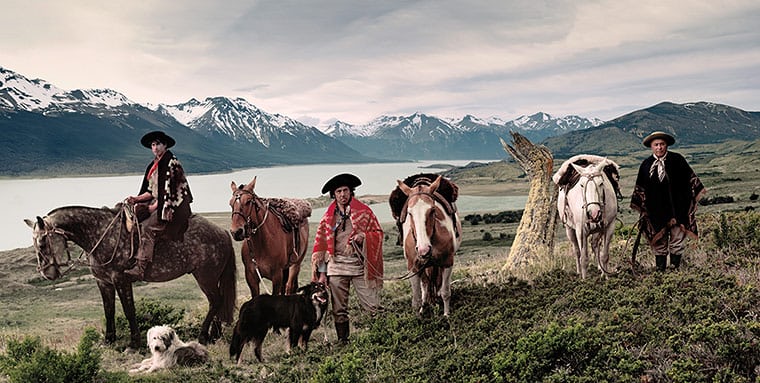
The Gauchos were a nomadic horse-riding tribe in Argentina who roamed the South American steppes since the 1700s. Their favorite pastimes included drinking, playing guitar, and singing songs about their hunting and horsemanship skills. Their knowledge of the land and their equestrian abilities proved invaluable in the Wars of Independence (1810-1816) and the subsequent civil war.
Lopa, Mustang, Nepal
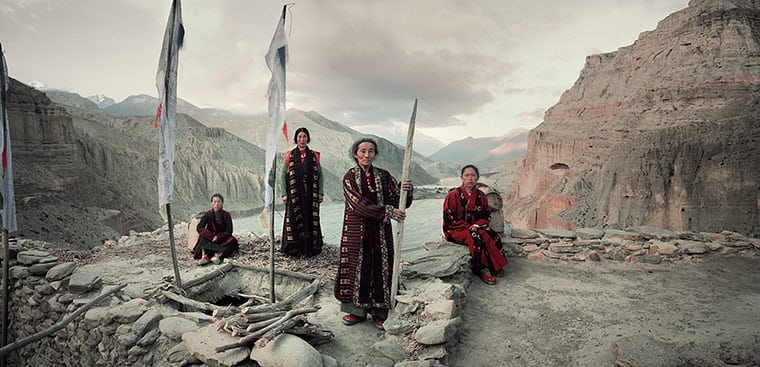
Mustang (meaning "fertile plain" in Tibetan) is the former Lo Kingdom, situated on a windswept plateau between northwestern Nepal and Tibet, in one of the most remote regions in the world. Although Mustang has religious, cultural, and historical ties to Tibet, it is politically part of Nepal. At a time when Tibetan culture in Tibet is in danger of disappearing, Mustang is one of the last remaining Tibetan cultures. The Lo people are called Lopa, their language is a dialect of Tibetan, and their religion is Tibetan Buddhism.
Huli, Papua New Guinea
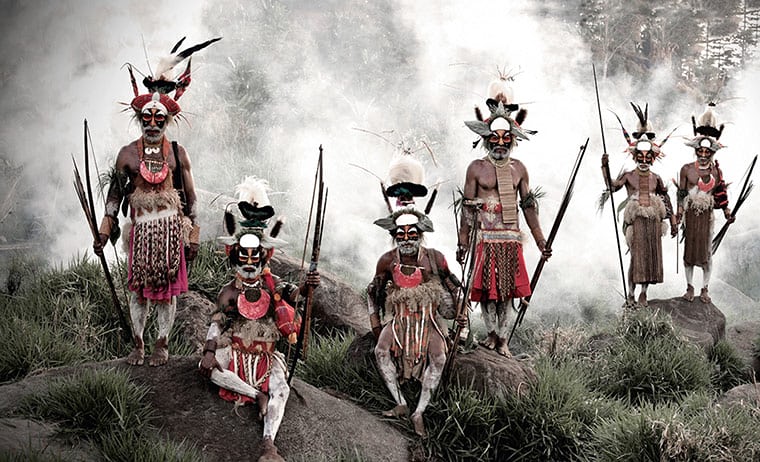
The eastern half of New Guinea, the world's second-largest island, gained full independence from Australia in 1975, when the nation of Papua New Guinea was established. Its indigenous population is the most ethnically diverse in the world. Several different tribes are scattered across the highlands, surrounded by mountain ranges. The Huli people paint their faces yellow, red, and white. They make wigs from their own hair, resembling feathered headdresses, and elaborately decorate them with bird feathers.
Ngoc Anh (According to The Guardian)