VI
VI


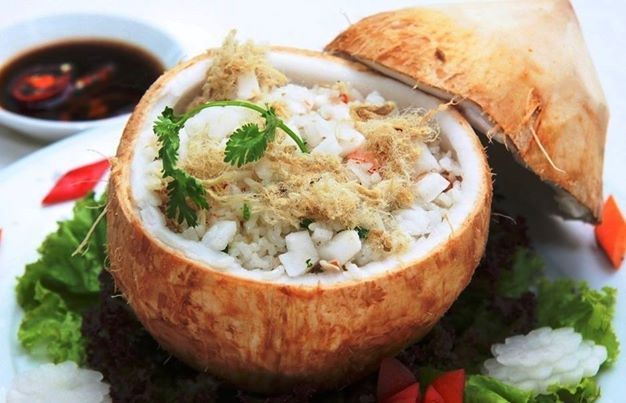
Coconut rice
To make coconut rice, people use good quality rice, which, after being washed thoroughly with coconut water and drained, is placed inside a coconut and steamed. The coconut used for cooking must be a Siamese coconut. After selecting a suitable coconut, the inside is left untouched, only trimmed to give it an attractive shape. Next, a section of the top of the coconut is cut off to drain the water, and this cut piece is used as a lid to cover the "coconut rice pot." Then, the chef skillfully adds the rice to the coconut, pours in enough fresh coconut water, and closes the lid.
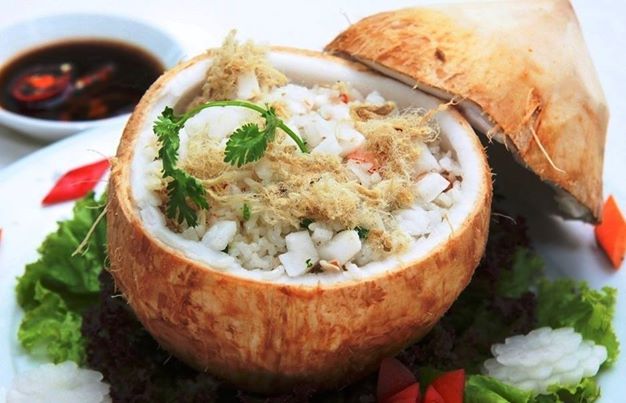
The most difficult part of cooking coconut rice is ensuring the coconut milk and rice are in the right proportion. If there's too much milk and too little rice, or vice versa, the coconut rice will be mushy or hard, ruining the flavor. Coconut rice is best eaten hot. If left for too long, the pristine white rice grains will absorb more oil from the coconut and turn a pale yellow. Coconut rice is best enjoyed with shrimp fried in coconut milk. Fresh prawns (such as river prawns, tiger prawns, and green prawns) are cleaned, marinated, and seasoned with sugar, salt, and MSG for a while to absorb the flavors. Frying in coconut milk is simple; after adding the prawns to the pan, coconut milk is added and simmered over low heat. When the prawns absorb the coconut milk and turn a deep red color, the dish is ready. At this point, the prawn meat will have a chewy and crispy texture.
Visiting Ben Tre without stopping to try coconut rice and shrimp fried with coconut is considered an incomplete trip to the land of coconuts.
Coconut candy
In Southern Vietnam, many places produce coconut candy, but the most delicious is still Ben Tre coconut candy, and especially Mo Cay coconut candy. That's why there's a folk saying passed down through generations: "Mo Cay Market is famous for its candy."
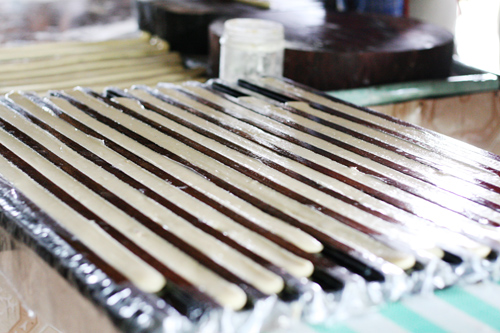

The first and indispensable ingredient for making coconut candy is coconuts. However, to create the authentic flavor of Ben Tre coconut candy, one must rely on the unique techniques of the craft. In the eyes of the locals, the process of making Ben Tre coconut candy is an art form. First, the selection of ingredients must be meticulous. The glutinous rice used for malting must be spring harvest rice, with large, evenly ripened grains. The coconuts used for making candy are also carefully selected. They are coconuts that are beginning to dry to have the most characteristic coconut flavor, sweet and refreshing coconut milk, and a unique richness. The raw sugar used for making candy must also be of good quality, fresh, with a bright yellow color like turmeric, and a certain degree of elasticity... All of this, combined with skill, experience, and the masterful art of candy-making, creates batches of delicious, rich candy that consistently satisfy even the most discerning customers.
Coconut wine
Coconut wine is a unique specialty of Ben Tre. Unlike other types of wine, coconut wine doesn't intoxicate, but rather leaves the drinker feeling pleasantly tipsy and with a lingering, very special aftertaste. It's not as intoxicating as rice wine, not as spicy as Bau Da wine, and not as tart, salty, and sweet as apple wine. Coconut wine has the rich, earthy flavor of the people and the coconut trees of the homeland. Drinking coconut wine isn't about getting drunk on alcohol, but about being captivated by the feeling, something subtle yet full of lasting impression. The wine has a sweet, cool taste with the distinctive aroma of the local coconut, both intense and delicate, gentle and refined.
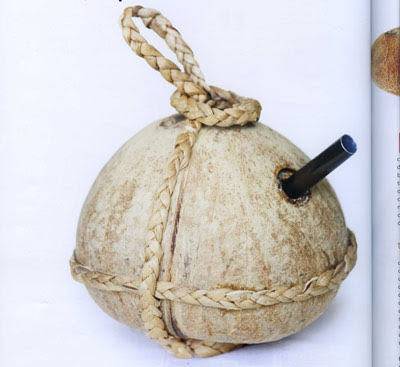
Coconut wine has now become a commercial product. These charming, coconut-shaped "jars" of wine, packaged in small mesh bags, have become elegant gifts, imbued with the spirit of the coconut homeland, and are being introduced throughout the country. Along with this, coconut wine is contributing to the promotion of Ben Tre's specialty and adding to the rich repertoire of Vietnamese wines.
Coconut beetle larvae
Coconut beetle larvae – one of Ben Tre's specialties – is the name given to a type of coconut beetle larva. This dish is definitely not for the faint of heart, as just looking at those plump larvae, few people have the courage to try it.
From coconut beetle larvae, people can prepare many different dishes, such as battered and fried larvae, grilled larvae, or even eat them raw.
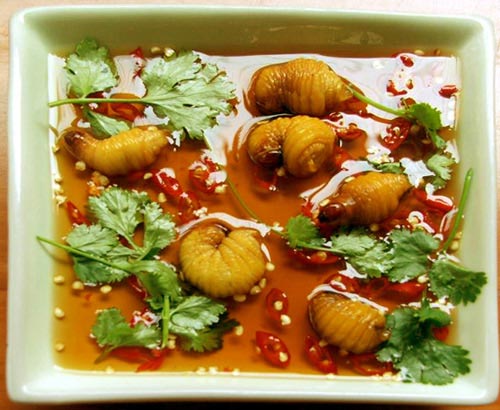
The writer Vu Bang, a connoisseur of Vietnamese cuisine, also acknowledged that coconut beetle larvae are a delicacy considered "superb," far surpassing other foods. Therefore, coconut beetle larvae don't need any accompanying dishes like vegetables; simply eating them plain is already very satisfying.
Coconut palm heart
The heart of the coconut, or coconut palm, is the tenderest part at the top of the coconut tree. It is sweet, refreshing, and a highly nutritious food that is very good for health.
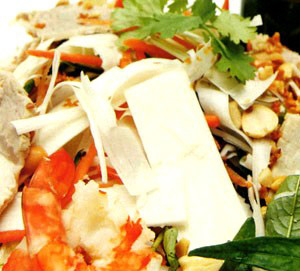
Since ancient times, people have known how to peel the outer layer to get the most delicious part, processing it into countless attractive and tempting dishes. These include stir-fried coconut palm heart with chicken gizzards, fried coconut palm heart in pancakes, stir-fried coconut palm heart with shrimp, coconut palm heart salad, coconut palm heart soup with shrimp and meat, coconut palm heart salad, coconut palm heart soup with meatballs, or simply eating it raw…
All the essence of nature and the bounty of the plant are revealed in this dish. The sweet yet crunchy texture, the freshness, and the juicy flesh of each piece of palm heart make the dish easily digestible and suitable for many people.