VI
VI


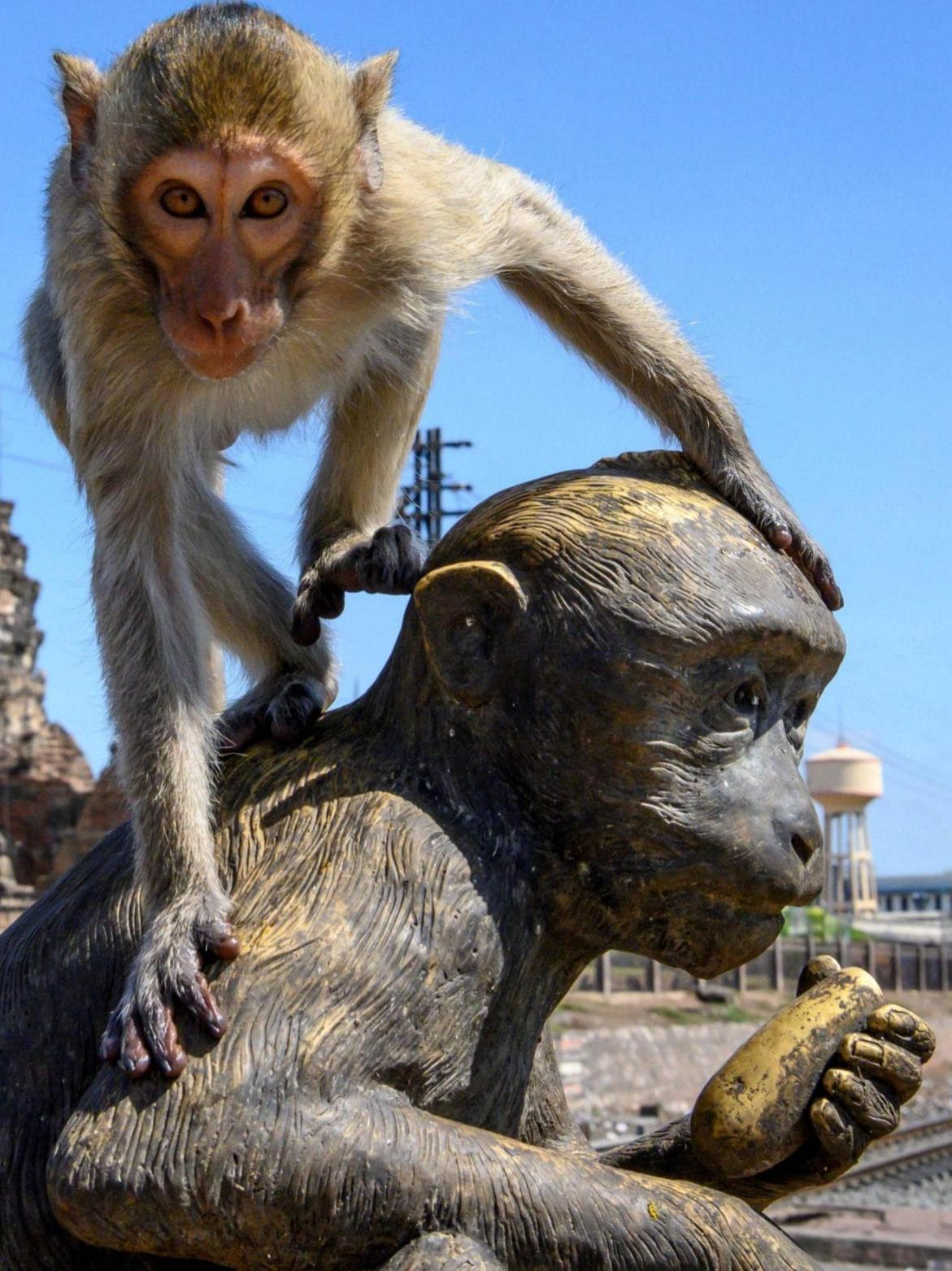
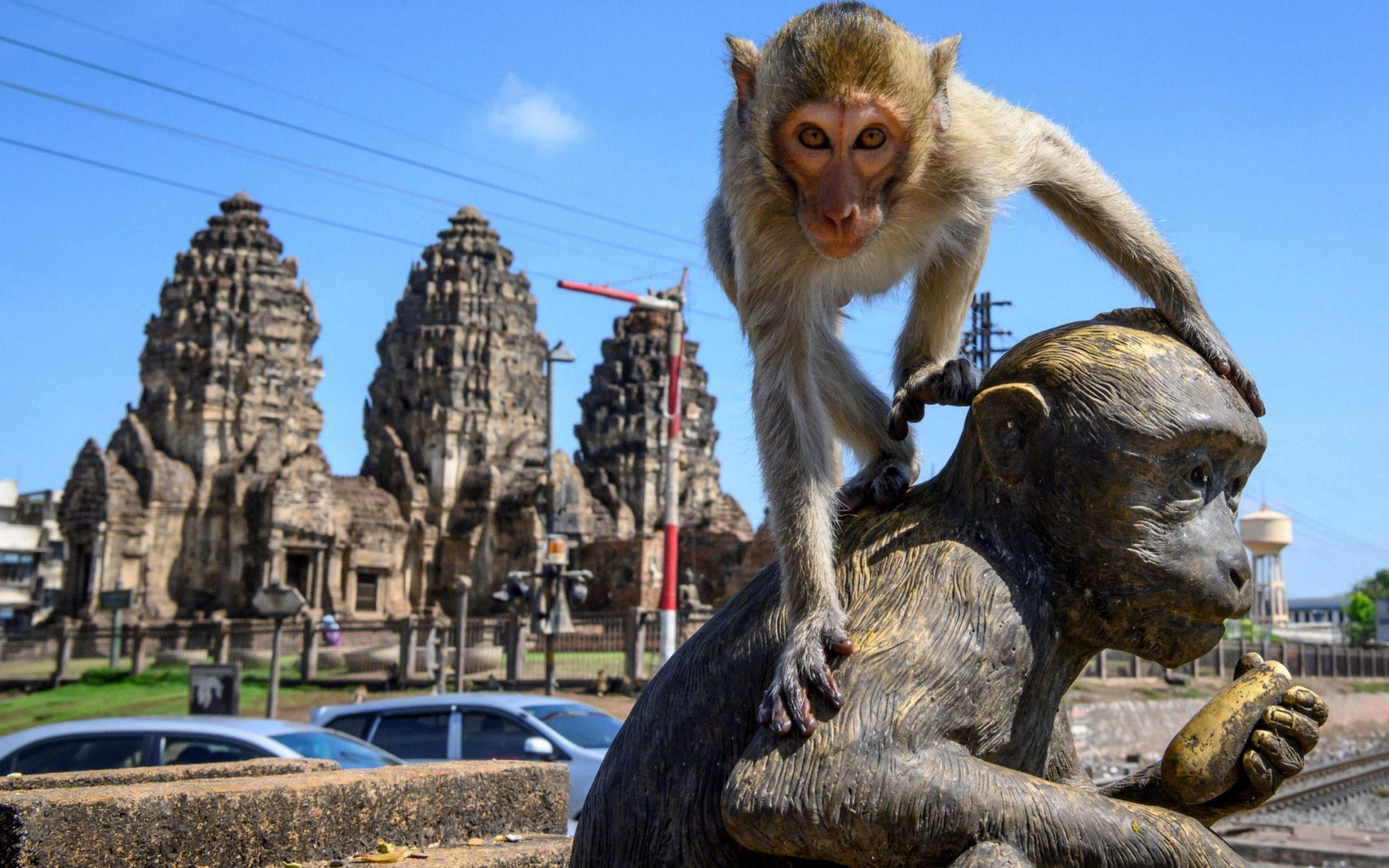
Located about 150 km northeast of Bangkok, Lopburi is known to tourists as the "kingdom of monkeys," a place where many species of monkeys live alongside humans. The city boasts a population of up to 6,000 monkeys, while the population is 750,000. The monkeys attract many tourists, who are willing to pay for fruit to feed them and take pictures. However, lockdowns preventing tourists from visiting the city have led to food shortages for the monkeys. They have become aggressive, causing local authorities to struggle to control them.
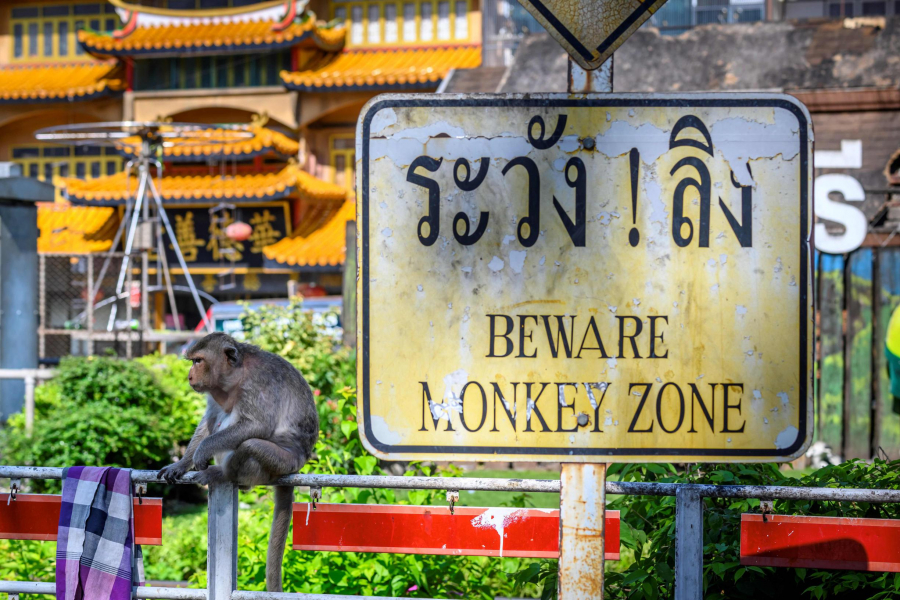
City residents have to fence off their homes and avoid entering restricted areas where conflicts frequently occur between monkey troops. Pointing to the wire mesh fence around her roof, Kuljira Taechawattanawanna shared that she feels like a prisoner in her own home. "We live in a cage while the monkeys are outside. Their droppings are everywhere and the smell is unbearable, especially when it rains," Taechawattanawanna said.
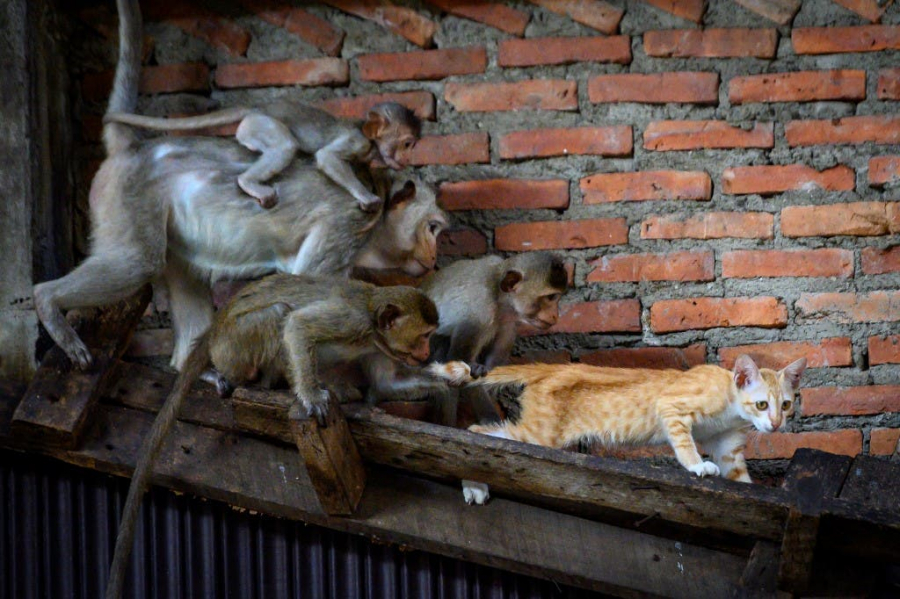
Monkeys grabbing cats' tails
Bold monkeys have virtually taken over the streets surrounding the Prang Sam Yod temple in central Lopburi, patrolling walls and grabbing rubber mats from car doors. Scenes of hundreds of monkeys battling for food on the streets went viral on social media in March 2020. The monkey population has doubled in three years. Some areas of the city have been completely overrun by the monkeys.
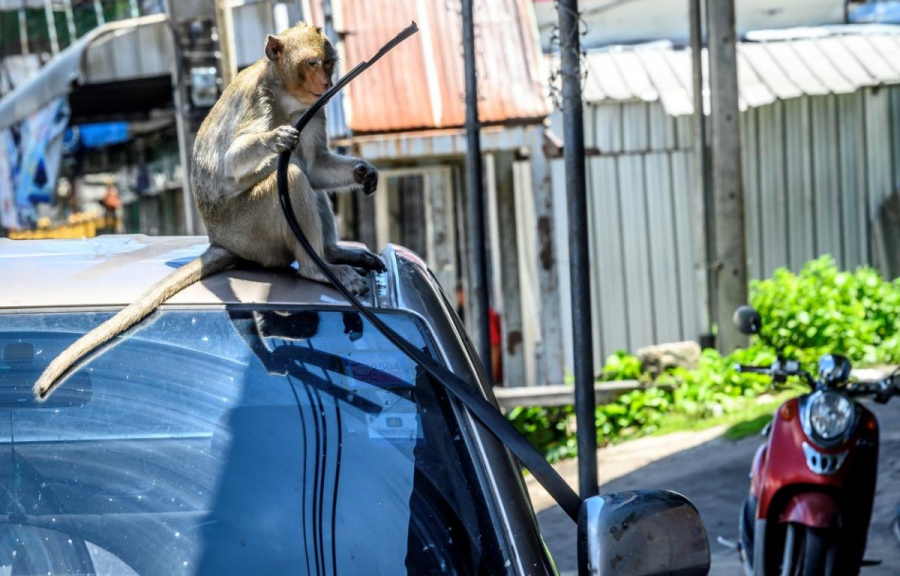
Monkeys snatch rubber door seals from car doors.
The monkeys were once accepted by locals as a highlight attracting tourists to the city. However, a disinfection campaign implemented by the government during the Covid-19 pandemic caused an unexpected change in their behavior. The absence of foreign tourists also meant a decrease in the number of bananas the monkeys received. They became more aggressive and ventured into the streets to forage for food more often.

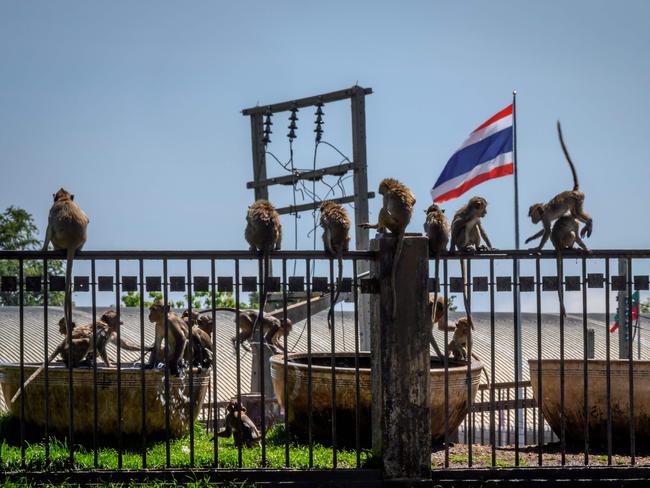
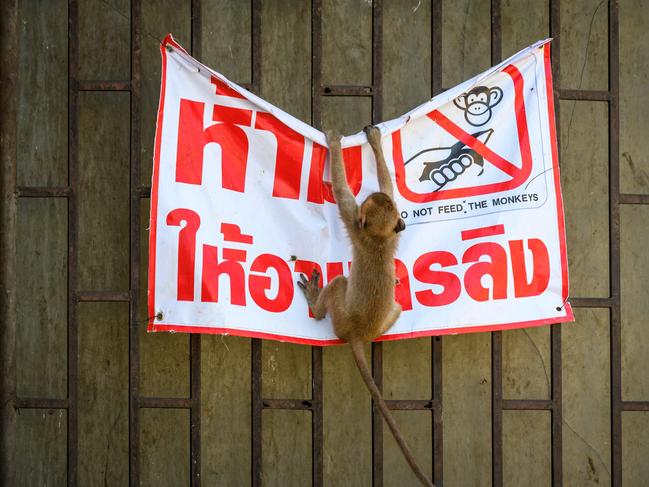
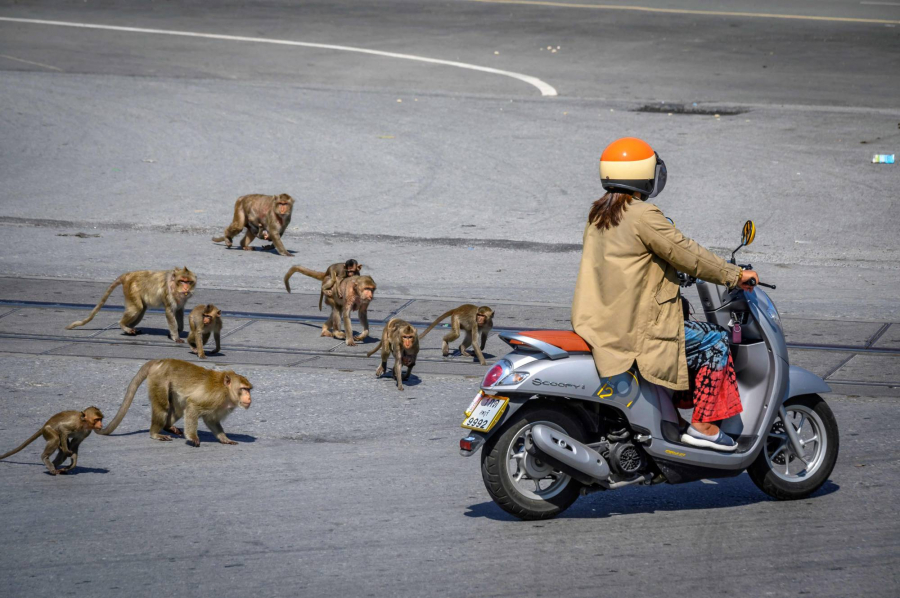
An abandoned movie theater has become both a base and a graveyard for a troop of monkeys. The monkeys place the corpses of their fellow monkeys in the back screening room, and anyone who approaches is attacked. Nearby, a paint shop has to display stuffed tigers and crocodiles to scare away the monkeys, who frequently steal cans of spray paint.
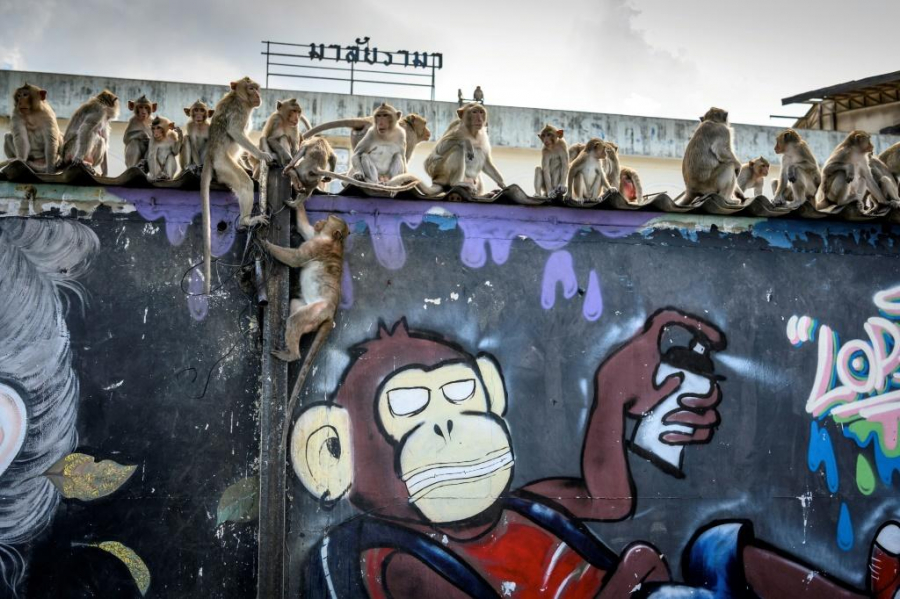
Residents try to feed the monkeys to prevent them from fighting. But a diet high in sugar, with soda, cereals, and candy, makes the monkeys reproduce more vigorously. "The more they eat, the more energy they have and the more they reproduce," said Pramot Ketampai, who manages the shrines surrounding the Prang Sam Yod temple.
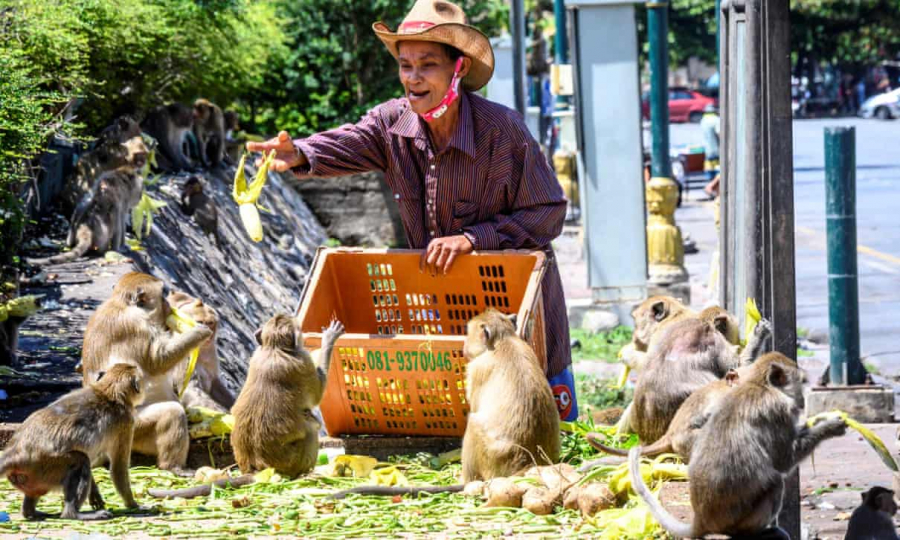
Eating a lot of sweets encourages monkeys to reproduce more vigorously.
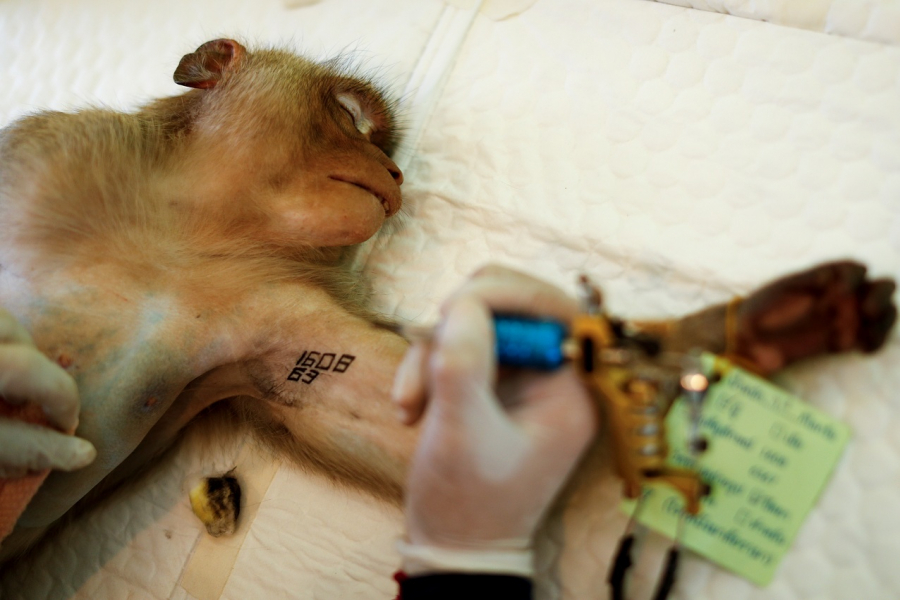
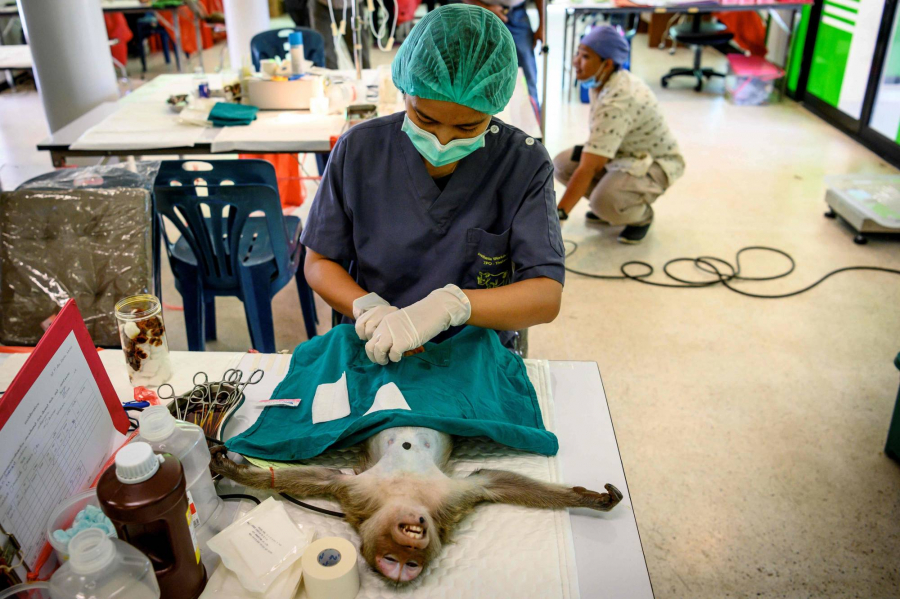
The monkeys' rampage attracted the attention of local authorities. Officials decided to restart the sterilization program in June 2020 after a three-year hiatus. Wildlife officials used fruit to lure the monkeys into cages and take them to a clinic. There, they anesthetized, sterilized, and tattooed them as markers. They planned to sterilize approximately 500 monkeys by June 26th.
But this campaign may not be enough to reduce the monkey population. The wildlife agency is planning a long-term solution: building a sanctuary elsewhere in the city. However, the plan is likely to face opposition from local residents. "I'm used to seeing the monkeys roaming around, playing in the streets. If they're all moved away, I'll definitely feel lonely," Srisaguan shared.