VI
VI


The imagery of horses in the exhibition is approached by the artist with contemporary artistic thinking, exploring emotional depth and symbolic meaning. The works are presented in various materials: lacquer, acrylic, paintings on antique wood, ceramic plates, wooden trays, each piece serving as a narrative about vitality, freedom, and abundant energy.
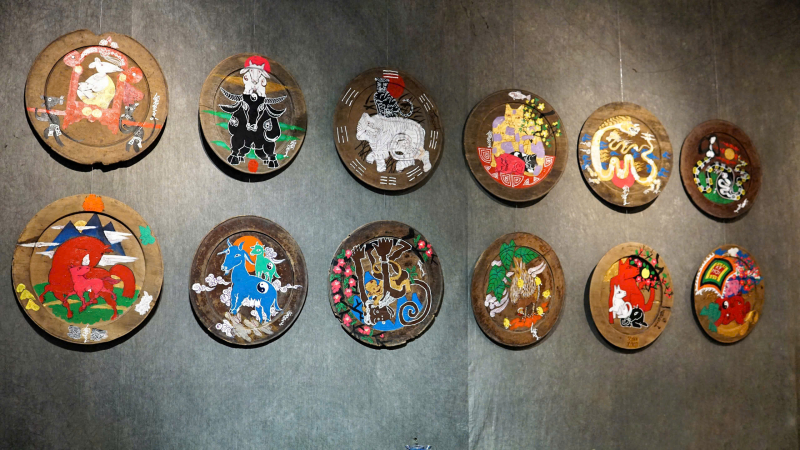
The depiction of the horse shows its hooves galloping.
In the Vietnamese psyche, horses are associated with expansionist journeys, heroic battles, and numerous historical legends. Artist Le Tri Dung once shared that the image of horses is deeply ingrained in his childhood memories, from hearing the story of Saint Giong – the hero who rode an iron horse to defeat foreign invaders, a symbol of strength and self-reliance.

Over 100 artworks represent the artistic endeavors of painter Le Tri Dung, focusing on the image of the horse – a memorable milestone in his career.


Artist Le Tri Dung shares his creative journey and the concept behind the image of the horse.
Speaking about his creative journey, the artist said that the image of the horse has been an obsession for him for decades. “I always picture horses in motion, accumulating energy and ready to take flight. When a horse stands still for too long, my creative inspiration also stagnates,” he expressed. According to him, each work is a way of releasing emotions, reflecting the yearning for freedom and the spirit of liberation forged through memories, life experiences, and personal beliefs.

The abstract artwork depicts the movement of a horse, a powerful and free-spirited image.

Artist Le Tri Dung poses for a commemorative photo with friends and colleagues in the exhibition space.
Through powerful visual language, the artworks depict horses as galloping hooves, brimming with energy and ready to break free. The artist calls these figures "sacred horses," as a testament to the desire to reach further, overcome limitations, and simultaneously reflect personal reflections and national spirit.

Horses serve as an "excuse" for artists to wield their brushes.
The exhibition clearly demonstrates the connection between tradition and modernity. Images of horses, which have appeared in Dong Ho folk paintings and traditional sculptures, are reinterpreted in a contemporary style, with bold lines and a free-flowing emotional expression.

This approach broadens the perception of the horse's image, transcending its role as an animal associated with daily life to become an aesthetic catalyst, through which the artist conveys reflections on human existence and creative prowess. According to art critic Phan Cam Thuong, horses in Le Tri Dung's paintings serve as a pretext for him to wield his brush, revealing the depth of his soul with profound, rebellious, and disillusioned nuances.


Visitors carefully observe every detail of the horse painting.

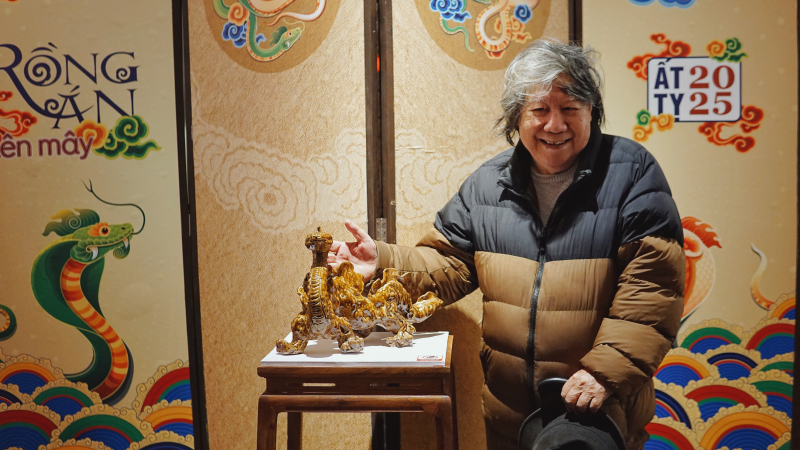
Historian Le Van Lan poses for a commemorative photo with the horse symbol in the exhibition space.
Visitors to the exhibition were impressed by the diverse nuances and expressions of the horse imagery. Some lingered before each painting, appreciating the forceful strokes; others debated the emotional expression and the profound artistic meaning conveyed. These responses demonstrate that the works evoked distinct feelings in the viewing experience.
The exhibition space, with its rugged, powerful paintings contrasting with the free-spirited, soaring horses, creates a rich visual experience. The artworks are arranged rhythmically, guiding viewers through a range of emotions, from past memories and present feelings to future prospects.

Each of his horse paintings is a symphony of form, expressing a wealth of emotions.


In addition to the exhibition itself, the exhibition's integrated art strategy includes a collection of nearly 200 picture books, a large-format wall calendar, and a desk calendar. These publications help to bring the image of horses into everyday life, connecting academic art with the rhythm of modern life.
This event aimed to connect art with the experience of living alongside it, a goal highly valued by professionals and the public alike. It attracted the attention of many writers, intellectuals, art researchers, and art enthusiasts of all ages. The event created a remarkable artistic milestone in the series of cultural activities celebrating the Lunar New Year of the Horse. The exhibition delivered a powerful artistic voice, reflecting the vitality of traditional culture intertwined with modern creative thinking. It also contributed to the vibrant cultural atmosphere before the traditional Tet holiday, inspiring confidence and belief in the art-loving community.
"Holy Horse 2026" by artist Le Tri Dung will take place from January 29th to February 28th, 2026 at Artera Space, 115 Nguyen Thai Hoc, Hanoi.