VI
VI


When it comes to cheese, many people immediately think of France or Italy with their rich, creamy, and aromatic dishes like croissants, pizzas, and Camembert... However, there is another country that produces and consumes cheese in quantities comparable to its neighbors: Greece.
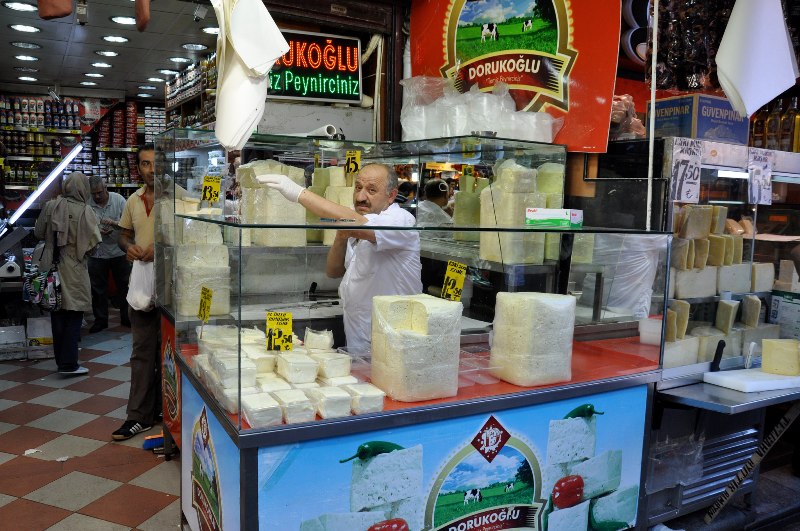
Greek cheeses are equally diverse, with hundreds of different names, encompassing a wide range of savory, sweet, and neutral varieties, and originating from a wide variety of animal milks. However, generally speaking, Greek cheeses are characterized by their white color and are made from the milk of goats and sheep, which are widely raised in Greece.
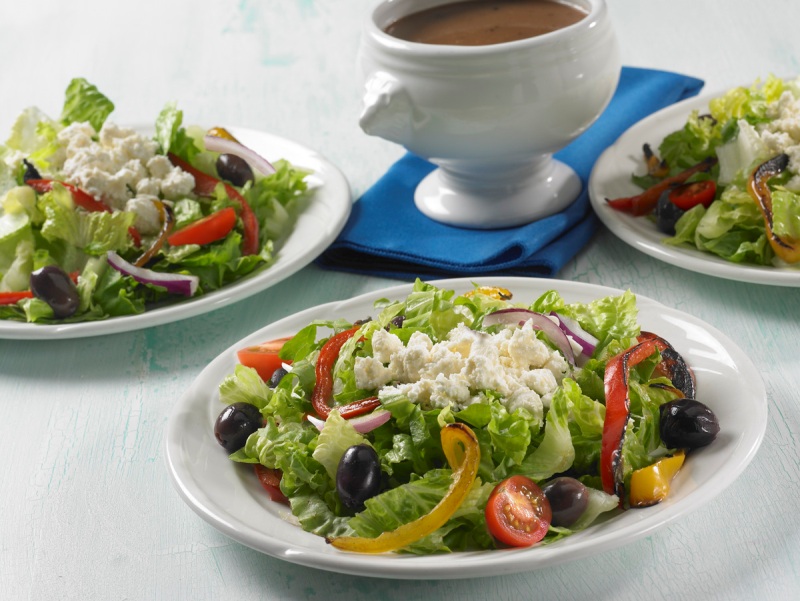
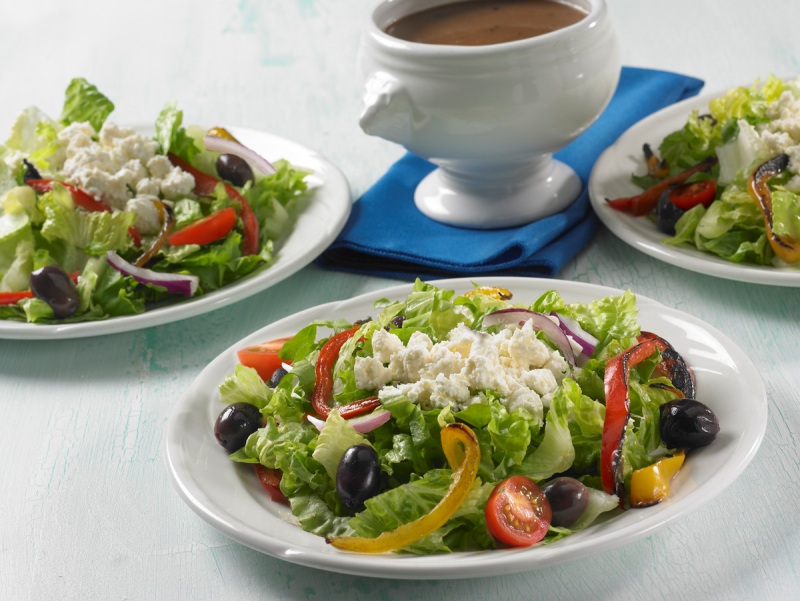
The most popular and widely available is Feta cheese, made from whole sheep's (or goat's) milk, with a distinctive salty and slightly fatty flavor. This type of cheese is readily available in supermarkets and is found almost everywhere. As a Mediterranean cheese, Feta pairs well with typical Mediterranean vegetables such as eggplant, olives (and olive oil), basil, etc.
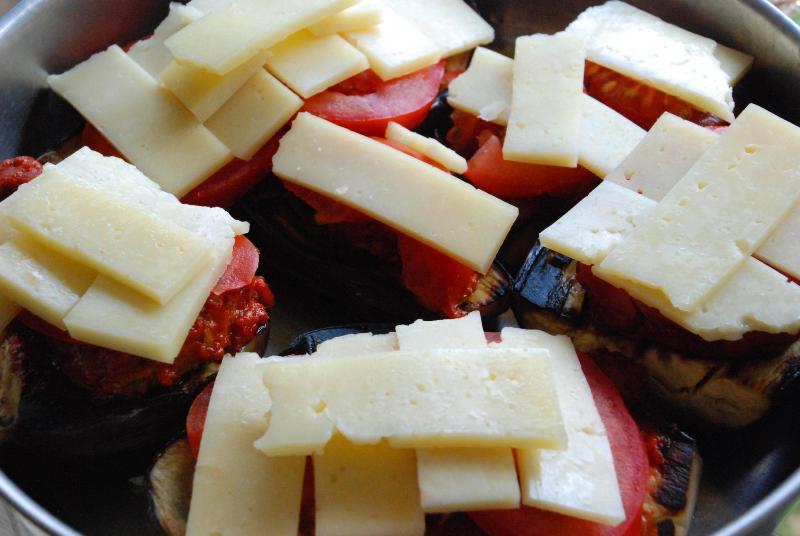

Kasseri is a light yellow cheese also made from sheep's or goat's milk. With its smooth texture and delicious flavor, this cheese can be eaten on its own, with bread, or paired with other Greek dishes.
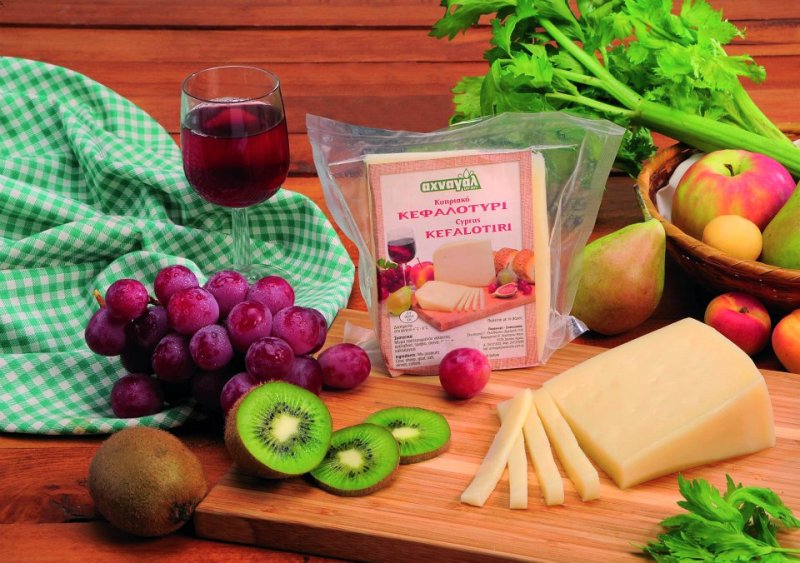
In Greece, Kefalotyri is another typical and quite popular cheese. Kefalotyri cheese is salty, suitable for main courses, but is often used as a topping for spaghetti.
Another popular type of savory cheese is Graviera. It originates from the island of Crete. Graviera, with 80-90% whole goat's milk (100% in feta), has a pale yellow color and an appealing flavor, making it suitable for pasta and pizza.
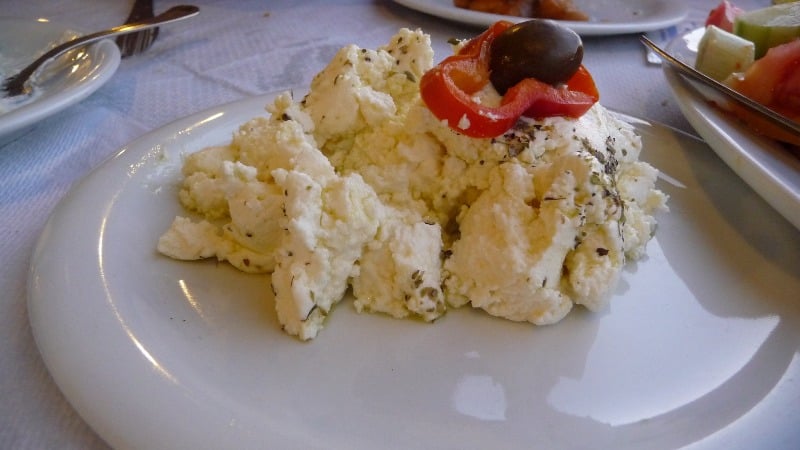
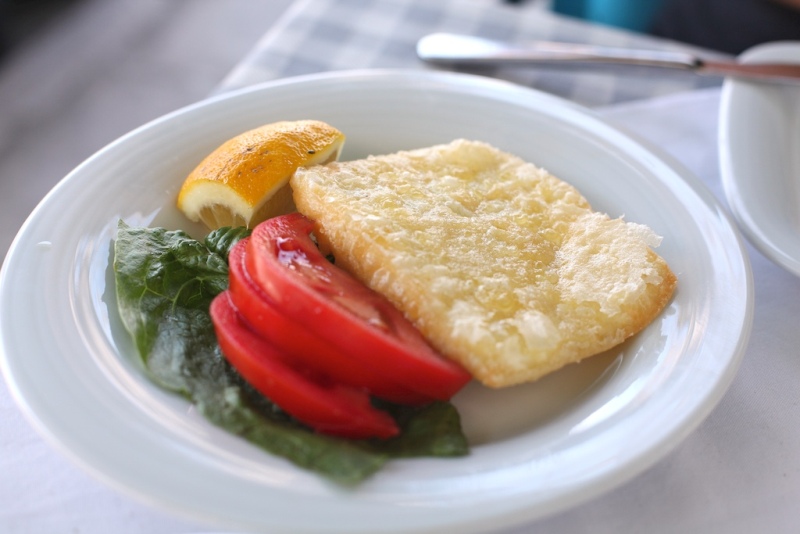
Kefalograviera is an intermediate between Kefalotyri (salty) and Graviera (less salty). It is used to prepare one of Greece's most popular dishes, Saganaki – made from thinly sliced and fried cheese, considered the French fries recipe unique to the beautiful island nation of Greece.
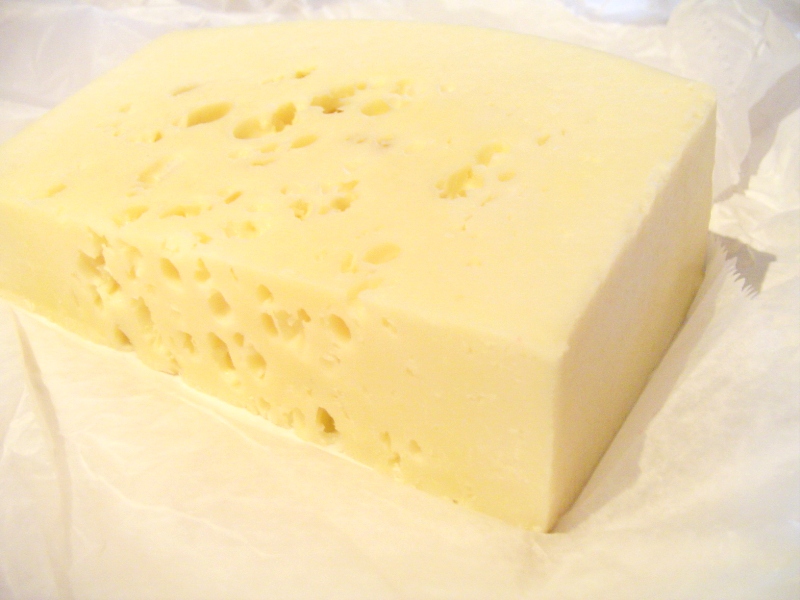
Myzithra has a pale creamy yellow color and a rich, milky aroma. Originally a specialty from the island of Crete, it's shaped into a charming, round, egg-like form. Another unique feature of Myzithra is that it's completely salt-free. Greeks enjoy Myzithra with honey or include it in mixed salads as an appetizer before meals, and it's also an ingredient in the world-famous cheesecake with many variations.