Even if we're not hunters or consumers of wild animals, do you think we are "innocent"?
One of the most encouraging pieces of news that has come our way recently is thatHanoi Circus has officially stopped using wild animals in its performances.The last remaining bears from the circus have been transferred to Tam Dao for care. This is considered a historic turning point for the Vietnamese circus industry, as well as a positive sign in the efforts to conserve wildlife in our country.
The cries for help from hundreds of animal species.
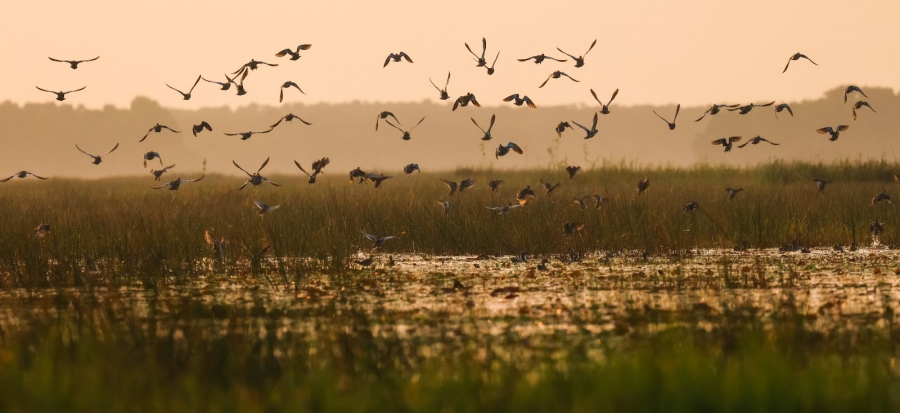
Vietnam is considered one of the 16 countries with the highest biodiversity in the world. With over 30 national parks, Vietnam possesses rich animal populations comparable to world-renowned safari parks like Kenya and Tanzania. Hundreds of previously undiscovered species of plants and animals have been found in Vietnam over the past 30 years, and more are being recorded each year.
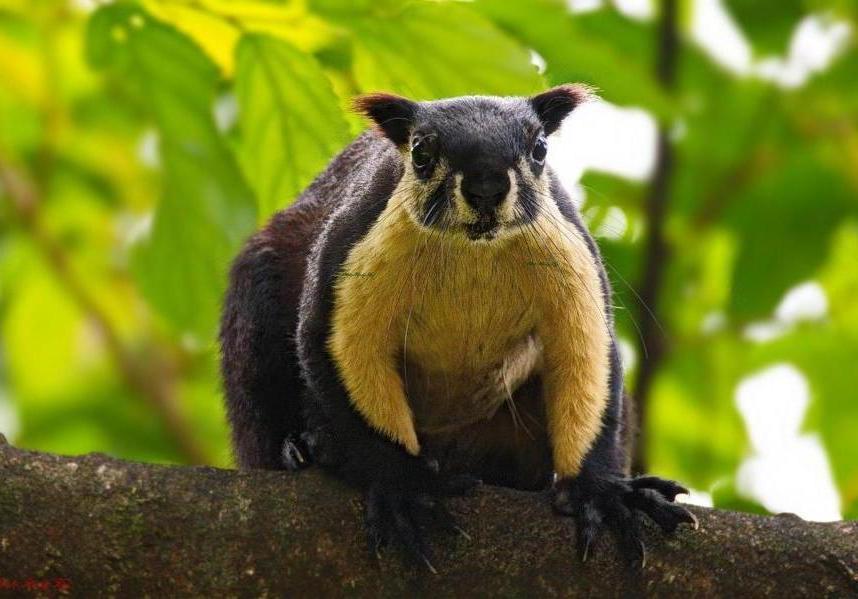
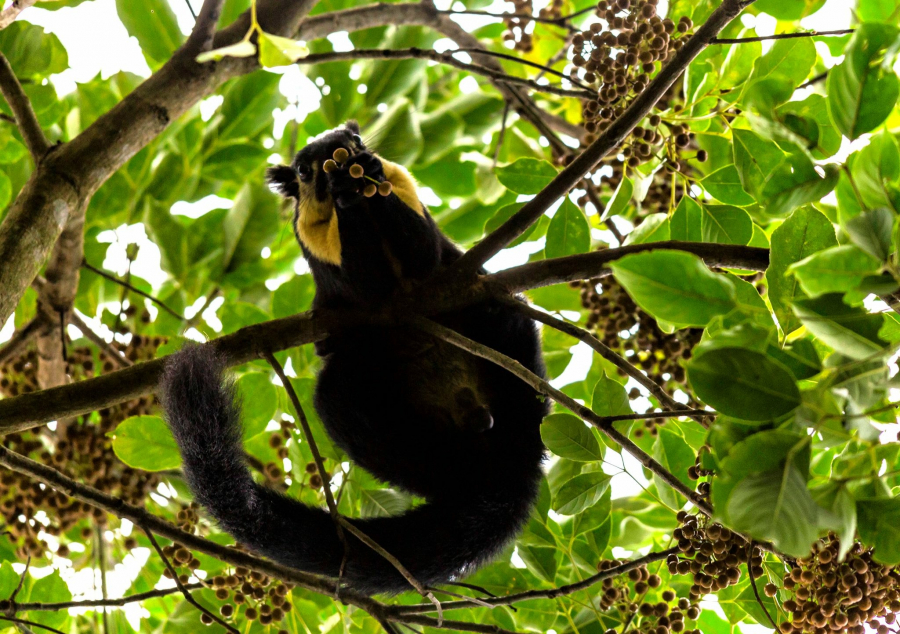
Vietnam is one of the 16 countries with the highest biodiversity in the world. (Photo: Ngo Tran Hai An)
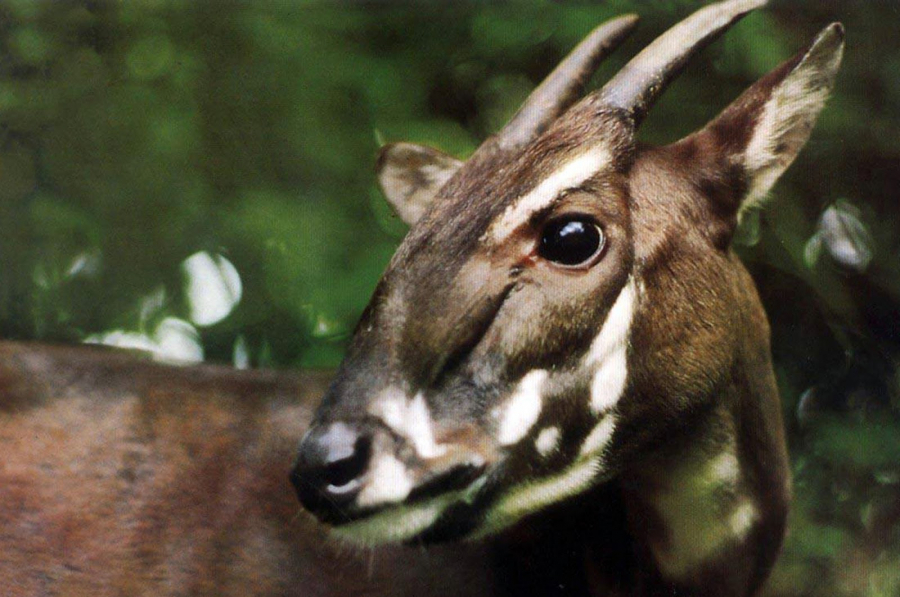
Vietnam's abundant forest resources are home to 310 species of mammals (accounting for approximately 7.7% of the world's total mammal population) and 916 species of birds (accounting for approximately 10% of the world's bird species). A prime example is the saola – one of the world's rarest mammals – found within Vietnamese territory. In addition, there are populations of long-absent species such as rhinoceroses, muntjacs, and striped rabbits. Many species of birds, fish, snakes, and frogs that were previously unknown or thought to be extinct have also appeared in Vietnam.
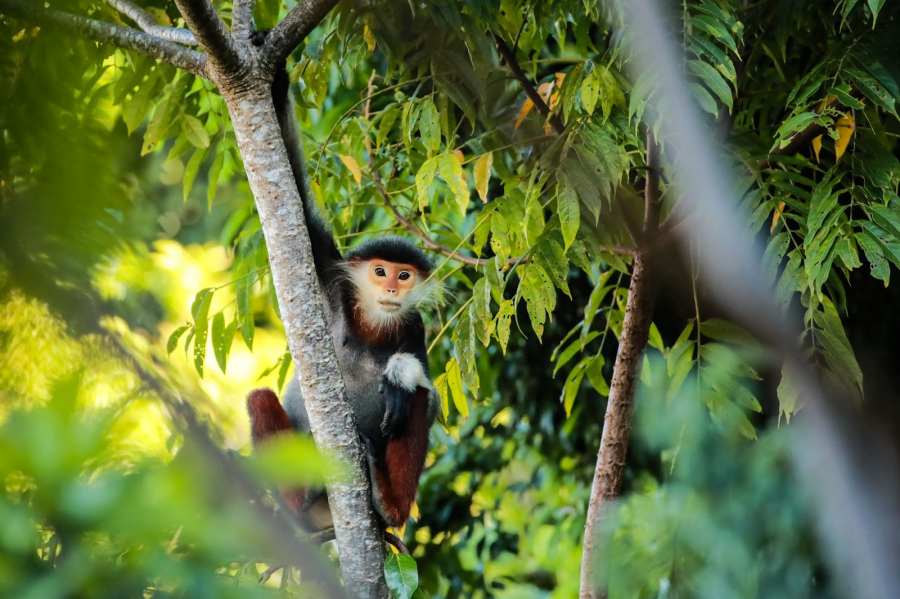
The brown-footed langur (also known as the five-colored langur), currently living on the Son Tra Peninsula (Da Nang), is one of the rare species listed in the Red Book. (Photo: Ngo Tran Hai An)
The saola – one of the world's rarest animals – is found in Vietnam. (Photo: Internet)
Despite its high biodiversity and numerous rare plant and animal species, hundreds of wild animal species in Vietnam continue to be on the verge of extinction. According to statistics, 116 species (out of 882 species listed in the Vietnam Red Book) are at risk of being wiped out.extremely criticaland 6 species moved from levelcriticalup to levelconsidered extinct(including two-horned rhinoceros, grey ox, tapir, civet, saltwater crocodile, and spotted deer). The two main causes of this situation are habitat loss and the rampant hunting/trading/consumption of wild animals in Vietnam.
However, even if we are not hunters or consumers of wild animals, do you think we are innocent?
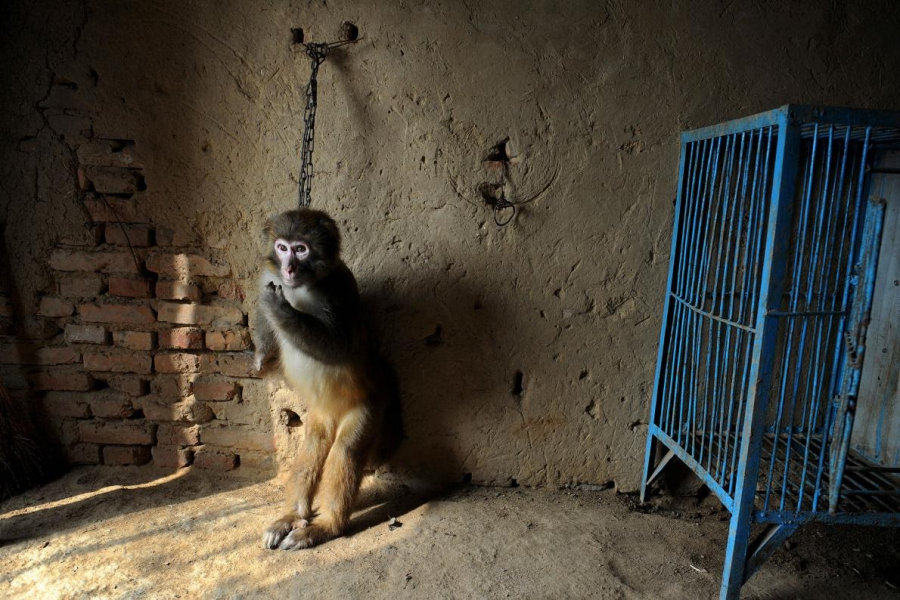
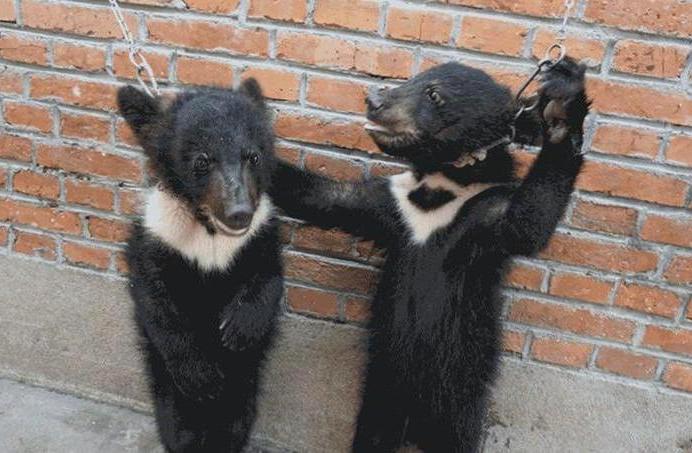
Animals living in "prison". (Photo: Nat Geo)
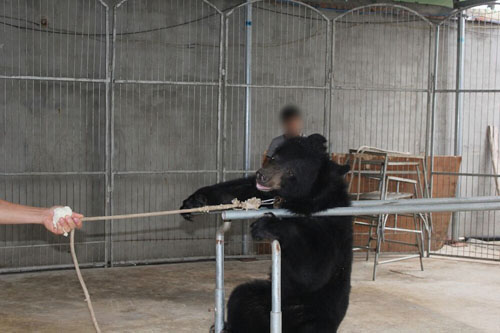
Many endangered animal species are used to perform in circuses, and they are forced to live in extremely poor conditions.
They are often "trained" and controlled through fear and threats, forced to perform unnatural behaviors under extreme stress.
The sad truth is, as long as we still crave viewing wild animals in cramped zoo cages, as long as we still want to be entertained by animal circuses, we will continue to be indirectly responsible for the miserable lives of these creatures.
THE PIONEERING ARMS
2020 marked a significant shift in the world of wildlife conservation: numerous zoos and circuses ceased using animals. Bans on the use of all wild animals in circus performances were enacted in over 20 countries. In the US, many cities even officially banned any circus that used animals.
In Vietnam, many places have stopped performing circus acts with wild animals, abandoning entertainment services that utilize the strength of animals. Most recently, the Vietnam Circus Federation announced that the Hanoi Central Circus has officially stopped performing circus acts with wild animals, gradually shifting to performing circus acts with agricultural animals.
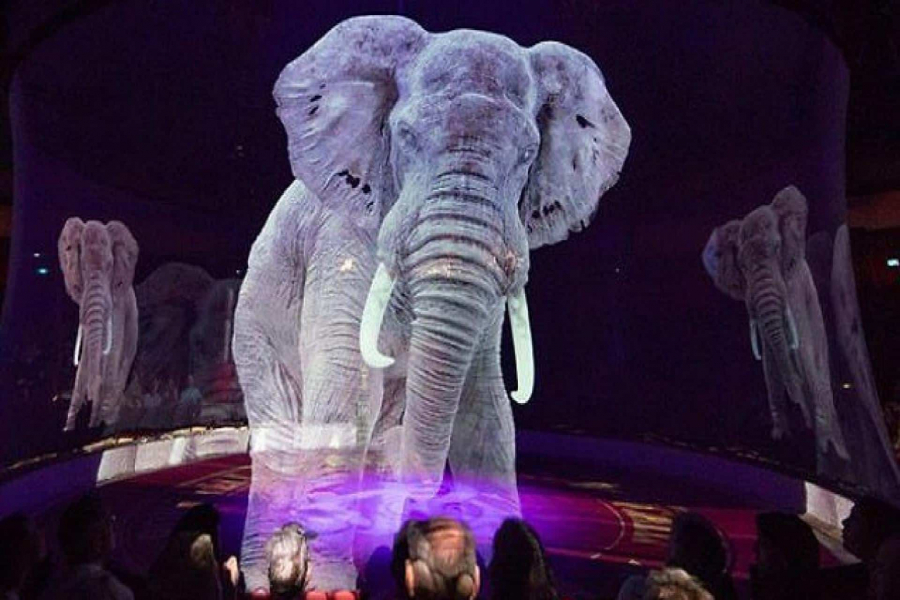
In 2019, Circus Roncalli (Germany) pioneered the introduction of 3D animal circus models instead of live animals. (Image: Internet)
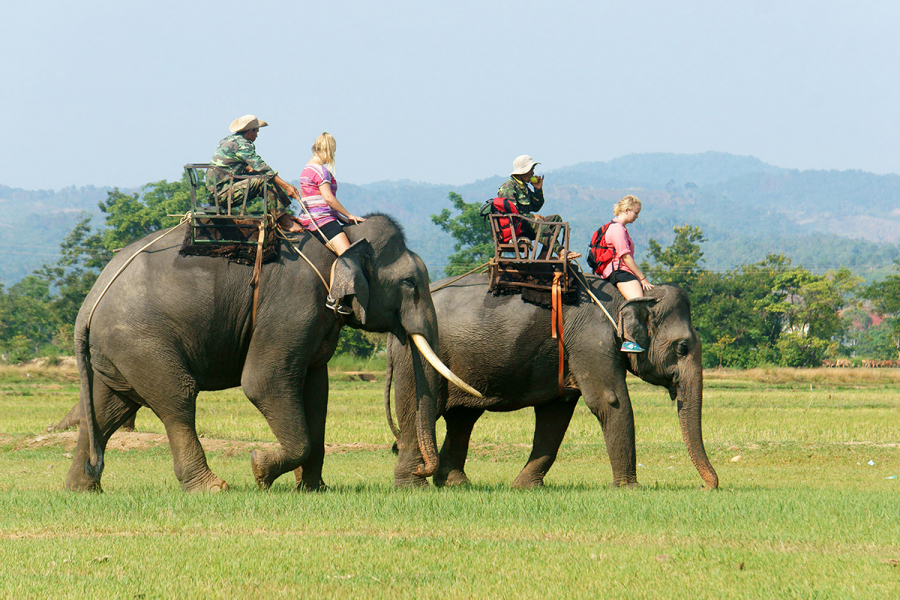
Over the past year, elephant riding tourism in Buon Ma Thuot has been discontinued, replaced by an elephant-friendly tourism model. This transition is a consequence of the rapid decline in the number of domesticated elephants and the ongoing conflicts between humans and elephants, which pose potential risks to the lives of tourists.
Vietnamese travel and tourism companies have also taken the first steps in wildlife conservation efforts, with more than 30 travel and tourism companies and conservation tourism organizations signing a commitment to support responsible tourism that respects the environment, nature, and wildlife conservation at the end of December 2020.
Buon Don officially stopped elephant riding tourism in 2020. (Photo: Internet)
They are the pioneers in wildlife conservation, but what about us – the "guests" of the green forest – when will we be ready to stop littering in nature and stop bringing noise into the pristine habitat of animals?
WHAT SHOULD THE TOURISM INDUSTRY DO TO CONSERVE WILDLIFE?
“Tourism promotes sustainable and long-term wildlife conservation. Through tourism, visitors gain knowledge, raise awareness, and then participate in conservation efforts,” said Shi Jang, an ecotourism tour operator. “At the same time, thanks to revenue from tourists, conservation areas will have the budget to support their operations and create more activities for visitors to experience.”
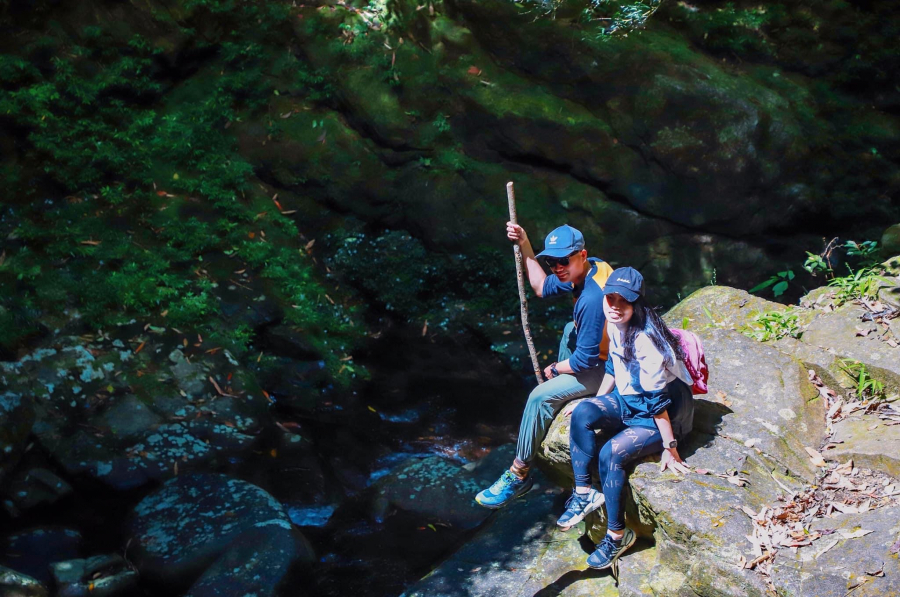
Shi Jang (left) during a trekking trip in the forest. (Photo: Shi Jang)
Known in the tourism industry as a responsible tour guide, Shi always knows how to lead tours for individual travelers or groups (5-10 people) without harming the wildlife while still keeping tourists entertained. “I will clearly explain the rules and regulations to tourists and incorporate stories about the species. It’s both a ‘warning’ and a spark of curiosity, increasing the appeal of the experience.”
One of the ways Shi most frequently contributes to wildlife conservation is by giving tourists the opportunity to interact with and "fall in love" with these fascinating animals. "To be able to 'meet' and approach them, you first need to understand and have knowledge about each species and its habitat, and then find ways to interact that are appropriate for each species' characteristics."
"For example, if you encounter a snake while walking during the day, you can yield to it, or the snake can go first, or you can go first. But if you encounter a snake at night, you should prioritize... inviting the snake to go first," Shi humorously recounted about the characteristics of his snake "friend."
The "friends" Shi met in the forest
Photo: Shi Jang
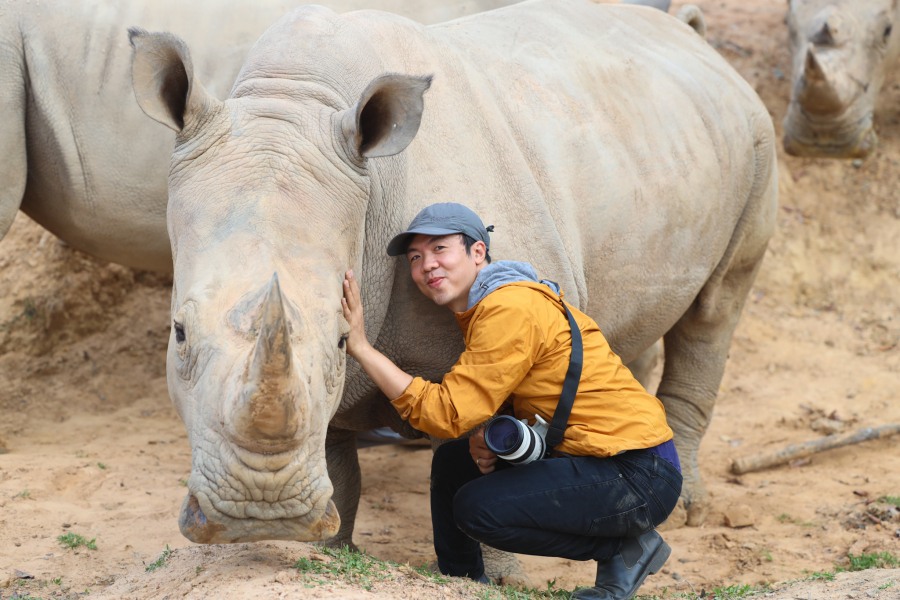
One of the most active travel bloggers promoting wildlife conservation today is probably Ngo Tran Hai An (Quỷ Cốc Tử). In the past year alone, Hai An has participated in numerous wildlife conservation projects, including: the rhino conservation campaign, the pangolin protection program by CHANGE and WildAid, and the sea turtle conservation campaign at Hon Cau Island by the International Union for Conservation of Nature (IUCN)...
Besides being a media representative, Hai An also personally visits many national parks to experience and film promotional videos about wildlife. (Photo: Hai An)
Speaking about solutions for wildlife conservation in Vietnam, Mr. An believes that human awareness is one of the key factors. “Each of us should be aware of not eating wild animals and not using products made from wild animals. In addition, we can directly visit national parks, donate to non-profit conservation organizations and funds. Sharing information and stories about wild animals on social media is also an easy way to spread the message of wildlife conservation.”
when "human consciousness is the prerequisite"
To achieve significant and comprehensive change, we need to start by changing the awareness of each individual, not only those involved in wildlife management and conservation, but also ourselves – the tourists. Are you ready to be a part of this rescue effort?
Return the animals to the wild. (Photo: Ngo Tran Hai An)
"Animals don't behave like humans. If they have to fight, they will fight; if they have to kill, they will kill. But they don't use their intelligence to devise ways to destroy or harm the lives of other creatures. They have self-respect and animal instincts."

 VI
VI