VI
VI


What is a World Biosphere Reserve?
According to UNESCO's definition, a World Biosphere Reserve is an area of coastal or terrestrial ecosystem that promotes the regulation of biodiversity conservation and sustainable development, and has outstanding, internationally recognized value. Currently, there are a total of 11 UNESCO-recognized biosphere reserves in Vietnam.
1. Can Gio Mangrove Biosphere Reserve
The Can Gio Biosphere Reserve is a diverse ecosystem of terrestrial and aquatic flora and fauna, formed on the vast delta of the Dong Nai, Saigon, Vam Co Dong, and Vam Co Tay river estuaries.
After the liberation in 1975, the mangrove forest was considered a "dead zone" due to the impact of war, bombs, and chemical weapons. By 1978, after Can Gio was merged into Ho Chi Minh City, the mangrove ecosystem began to be restored. The forest area has been reforested to over 31,000 hectares, including nearly 20,000 hectares of planted forest, over 11,000 hectares of naturally regenerated forest, and other types of forest.
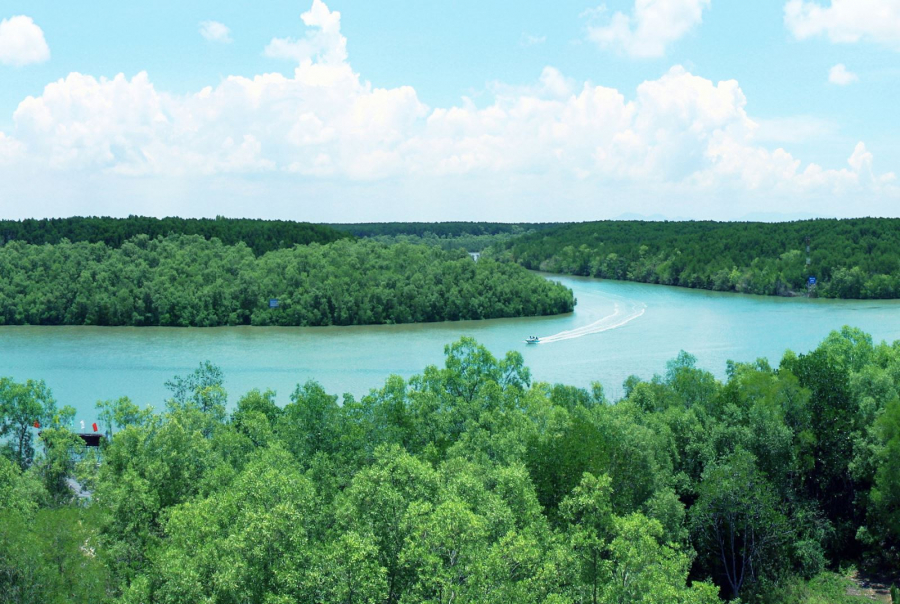
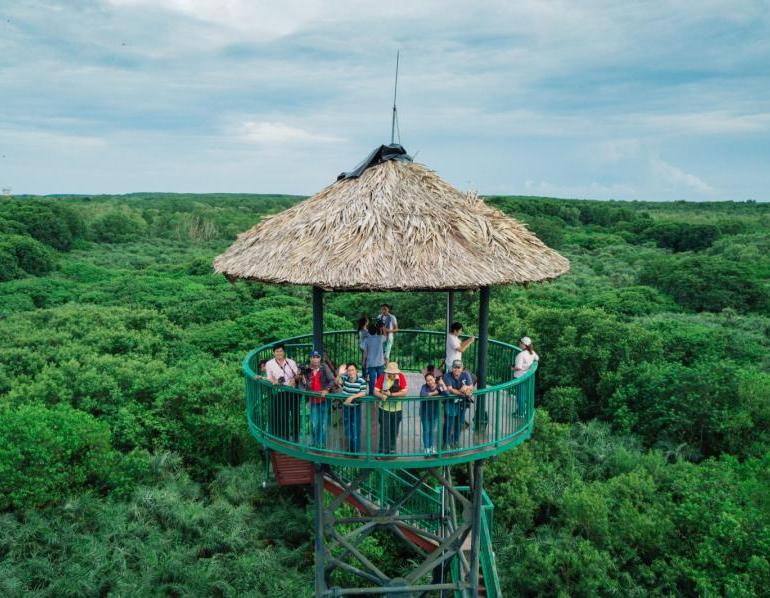
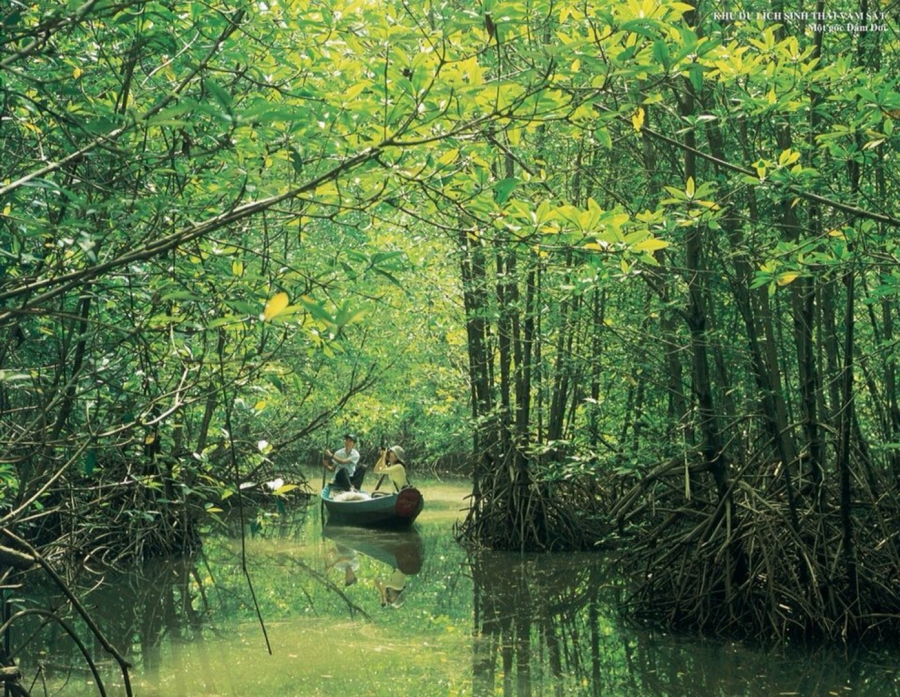
In early 2000, this area was recognized by UNESCO as Vietnam's first World Biosphere Reserve, boasting diverse flora and fauna typical of mangrove forests. Today, the area is considered a key national tourist destination. Visitors can participate in many exciting activities such as exploring the bat lagoon, taking boat trips on the river, observing wild monkeys, visiting bird sanctuaries, or climbing the 28-meter-high Tang Bong Tower to admire the panoramic view of the Can Gio mangrove forest.
2. Cat Tien Biosphere Reserve - National Park
Cat Tien National Park is a nature reserve located in the three provinces of Dong Nai, Lam Dong, and Binh Phuoc, 150 km north of Ho Chi Minh City. Characterized by its humid tropical lowland forest, it covers a total area of 71,000 hectares. The forest is home to approximately 1,700 plant species and 1,568 animal species, including many rare and endangered species such as the rufous-necked pheasant, freshwater crocodile, peacock, pheasant, and ostrich.
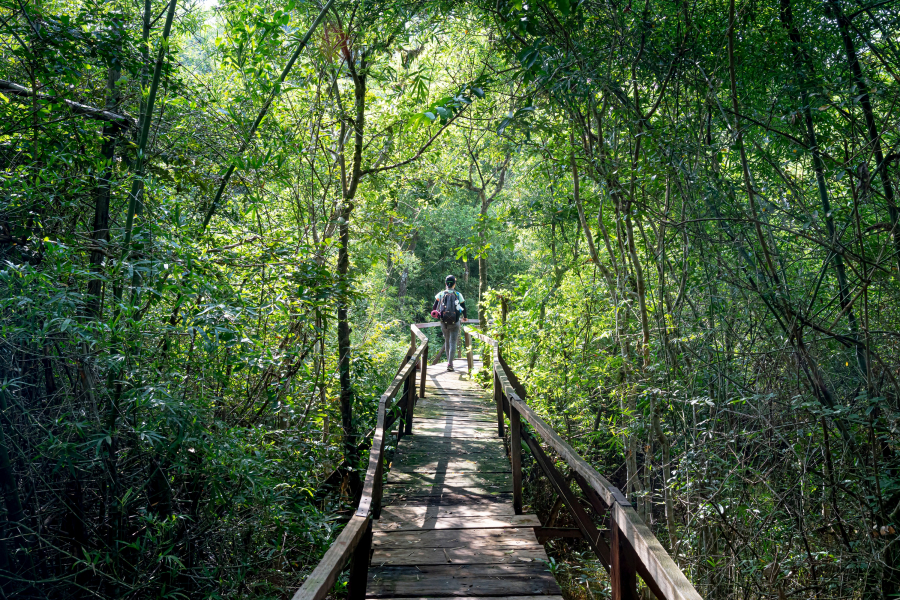
Furthermore, archaeological remains discovered within the National Park also indicate the existence of an ancient culture in the area. Historically, Cat Tien and its surrounding areas were home to many ethnic minority groups. Currently, these groups still preserve many unique cultures, beliefs, festivals, customs, traditions, and traditional crafts. In 2002, the National Park was recognized by UNESCO as a World Biosphere Reserve, and in 2012, it was classified as a Special National Monument by the Government.
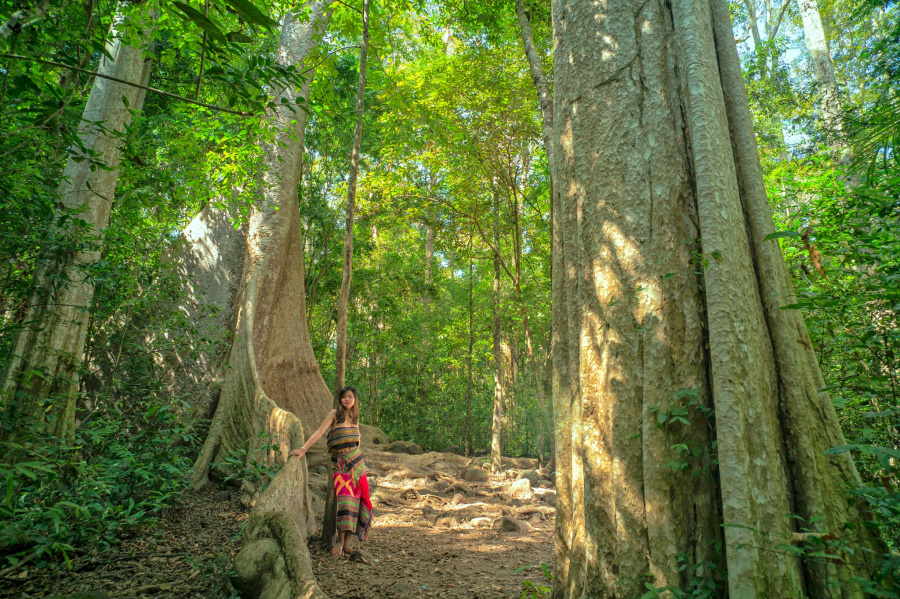
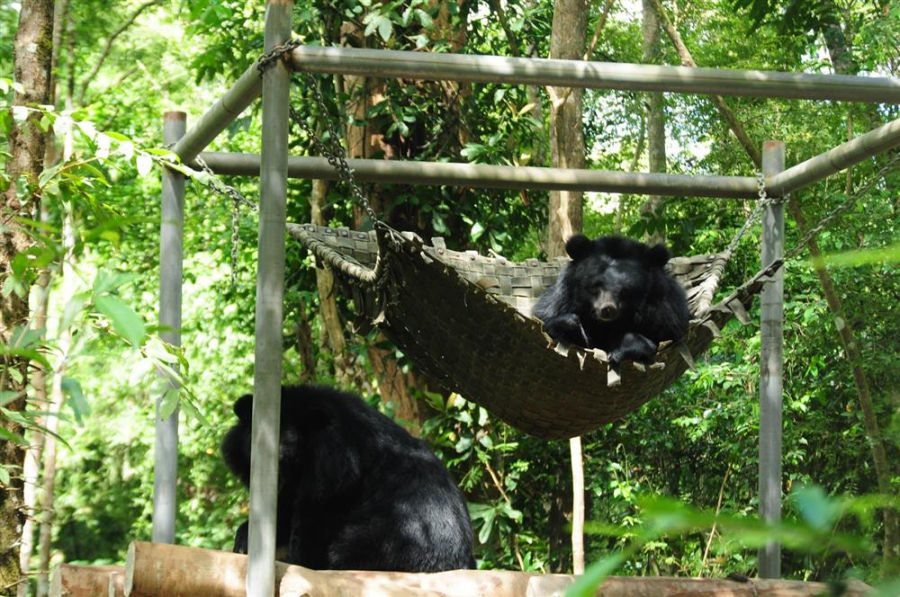
The National Park is currently a favorite destination for many tourists seeking to reconnect with nature. Unique experiences not to be missed include trekking through the forest to explore the diverse flora and fauna, taking a boat trip to see crocodiles on Bau Sau Lake, visiting Tien Island with its bear rescue station, discovering the nocturnal life of wild animals, stopping in Ta Lai village and experiencing the culture of the ethnic minorities...
3. Cat Ba Archipelago Biosphere Reserve
Located in Tran Chau commune, Cat Ba island, Cat Hai district, 60 km from the center of Hai Phong city, Cat Ba National Park was recognized by UNESCO as a World Biosphere Reserve in 2004. With its rich and unique biodiversity, it is an ideal destination for tourists to visit and relax.
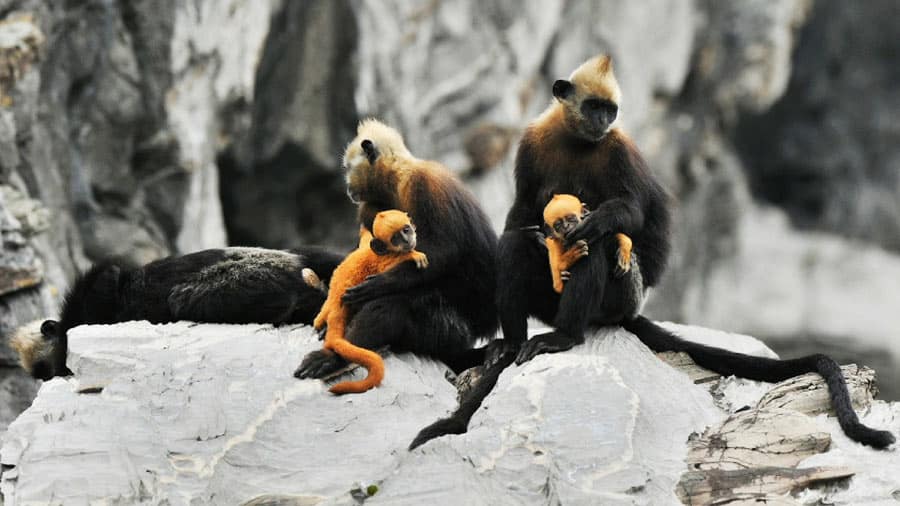
Cat Ba National Park is considered one of the most biodiverse areas in Vietnam, encompassing diverse ecosystems such as mangrove forests, forests on limestone mountains, and marine forests with coral reefs. With a total area of 15,000 hectares, Cat Ba National Park is an ideal natural habitat for over 282 species of forest animals, 538 species of bottom-dwelling animals, 196 species of marine fish, 771 species of terrestrial plants, 23 species of mangrove plants, 75 species of seaweed, and 177 different coral species. Notably, it is also home to endemic species such as the white-headed langur, the white-legged langur, the pied crow, and the black squirrel.
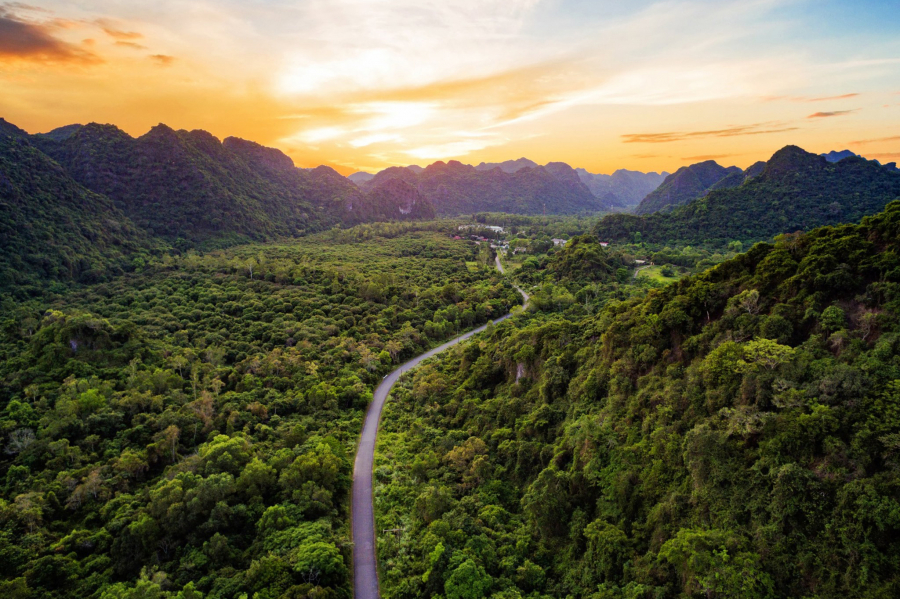
Furthermore, Cat Ba National Park attracts tourists with its historical value. Archaeological relics found here indicate that humans may have lived in this area as far back as 6,000-7,000 years ago. When exploring Cat Ba National Park, tourists can choose different routes depending on their mode of transportation and desired destinations. Activities such as forest ecotourism, bay exploration combined with snorkeling to admire coral reefs, community tourism, and learning about the lives of local fishermen will offer many interesting experiences for visitors.
4. Red River Delta Biosphere Reserve
Recognized by UNESCO as a World Biosphere Reserve in 2004, this is a coastal wetland biosphere reserve spanning three provinces in the Red River Delta: Thai Binh, Nam Dinh, and Ninh Binh.
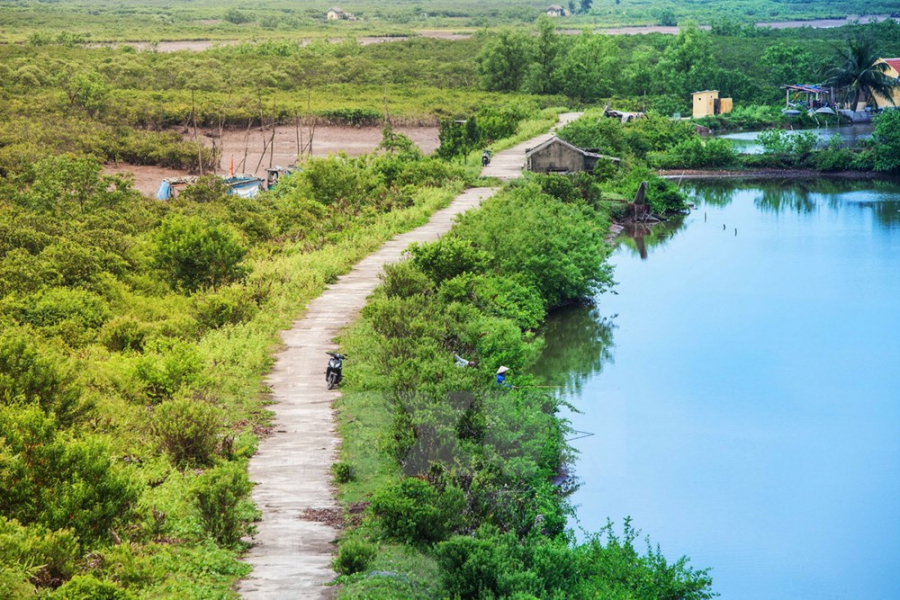
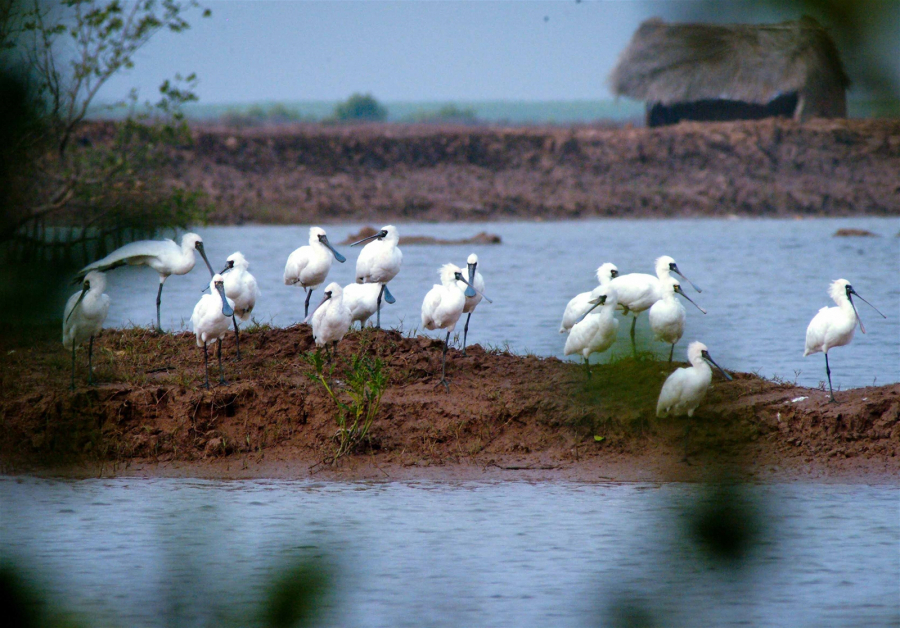
Covering an area of over 105,000 hectares, the region comprises two core zones: Xuan Thuy National Park and Tien Hai Wetland Nature Reserve, along with vast areas of alluvial plains. The biosphere reserve preserves rich biodiversity with approximately 200 bird species, including nearly 60 migratory species, 50 waterbird species, and especially rare species such as the spoonbill, gull, spoon-billed sandpiper, and northern white heron. The mangrove forests here are considered a green wall protecting sea dikes and villages from destruction by storms, rising sea levels, and even tsunamis.
The Red River Delta Biosphere Reserve has great potential for developing various forms of ecotourism, sightseeing and learning about the natural world, and rural tourism.

5. Kien Giang Coastal and Island Biosphere Reserve
With an area of over 36,000 hectares in the core zone, 172,000 hectares in the buffer zone, and 978,000 hectares in the transition zone, this is the largest biosphere reserve in Southeast Asia. In 2006, UNESCO awarded this area the title of World Biosphere Reserve.
The biosphere reserve boasts a rich and diverse landscape and ecosystem, encompassing the districts of Phu Quoc, An Minh, Vinh Thuan, Kien Luong, and Kien Hai. The area comprises three core zones: U Minh Thuong National Park, Phu Quoc National Park, and the Kien Luong-Kien Hai coastal protection forest. It is currently home to 1,500 species of vascular plants, 77 species of mammals, 222 species of birds, and 107 species of reptiles and amphibians. The flora includes 700 hectares of coral reefs and 12,000 hectares of seagrass beds, among which 10 species are food sources for rare sea turtles and dugongs.
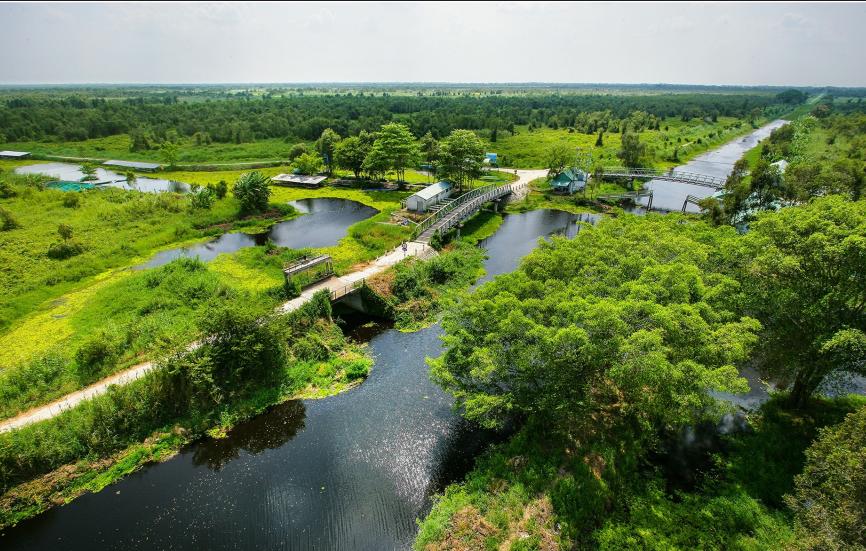
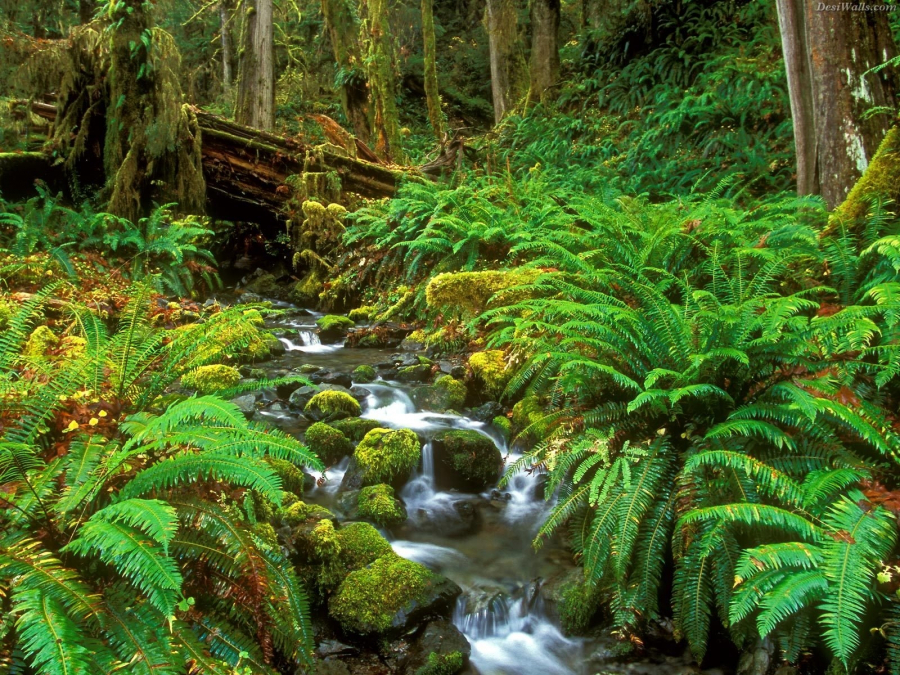
The three core zones of the Biosphere Reserve are also attractive destinations for nature-loving tourists. While the melaleuca forest on peatland is a highlight of the acidic wetland ecosystem in U Minh Thuong, Phu Quoc National Park boasts numerous rivers and streams, and long stretches of beaches along the coast. The Kien Luong-Kien Hai district is appealing because 30% of its area consists of hills and islands, possessing a unique landscape of coastal mangrove forests and seasonally flooded melaleuca forests.
6. Western Nghe An Biosphere Reserve
With a total area of 1.3 million hectares spread across 9 districts, this is the largest biosphere reserve in Southeast Asia, home to a rich diversity of flora and fauna, including 70 plant species and 80 animal species listed in the Red Book, as well as endemic species such as the saola, the brown-footed langur, the oil palm, and a wild elephant population.
The area is also a blend of geographical features, with many natural caves and waterfalls, and is the long-standing home of six ethnic groups: Thai, Dan Lai, Kho Mu, O Du, Mong, and Kinh, among which the O Du are the smallest of the 54 ethnic groups in Vietnam and live only in Nghe An.
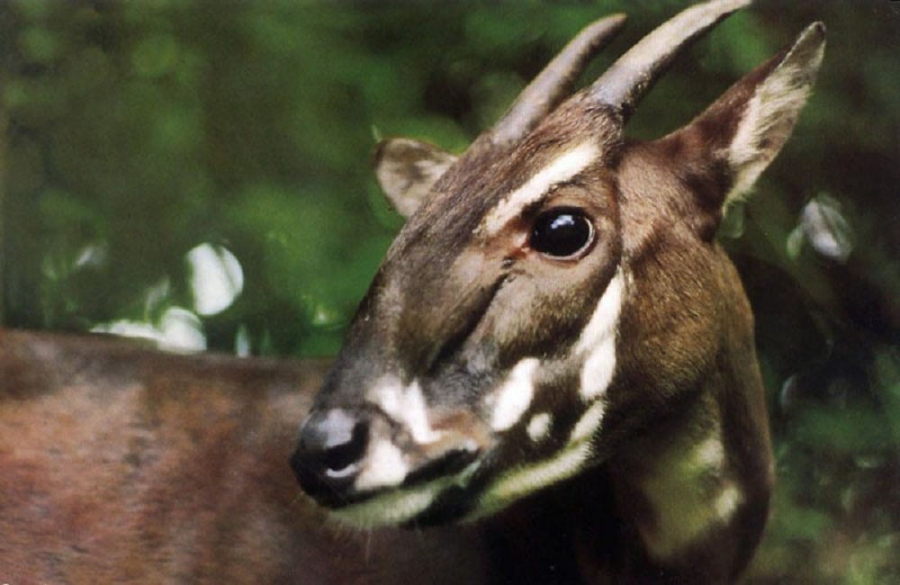
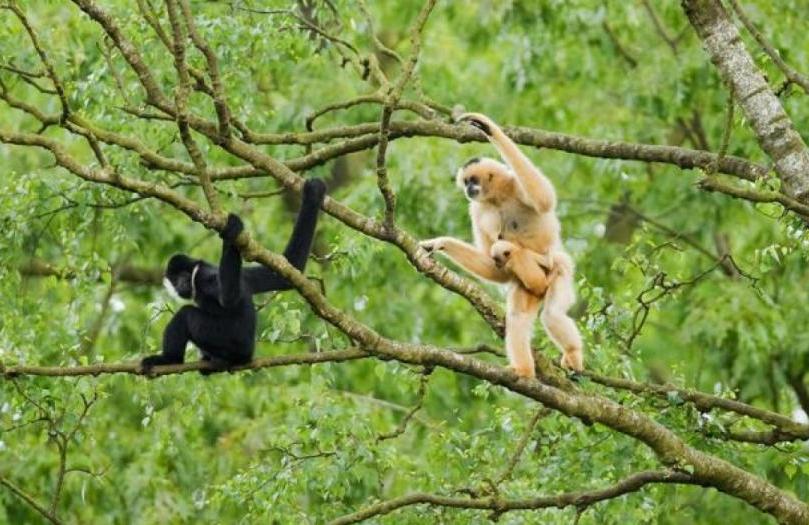
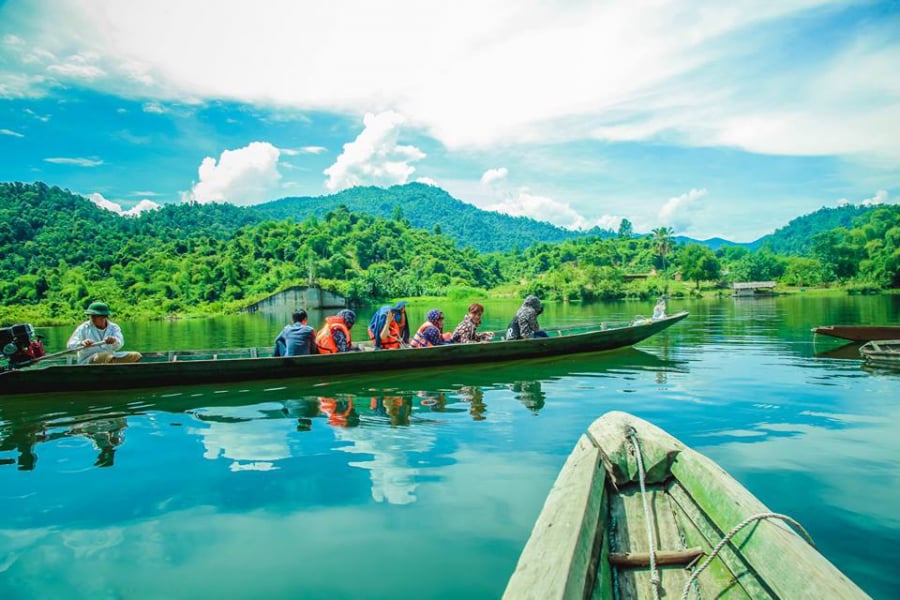
Within the biosphere reserve, Pu Mat National Park is the most important highlight, covering an area of 94,000 hectares. It boasts incredibly rich natural resources and many unique natural landscapes, including waterfalls, caves, stream systems, ancient tree communities, and primeval forests. In 2007, the area was officially recognized as a World Biosphere Reserve.
7. Ca Mau Cape Biosphere Reserve
Located approximately 120 km southwest of Ca Mau City and 400 km southwest of Ho Chi Minh City, the area covers 371,000 hectares and is divided into three zones: a core zone of 17,000 hectares, a buffer zone of 43,000 hectares, and a transition zone of 310,000 hectares. The core zone is further subdivided into three smaller areas: the strictly protected zones of Mui Ca Mau National Park, U Minh Ha National Park, and the coastal protection belt. The area boasts many unique ecosystems, including mangrove forests, Melaleuca forests on peat wetlands, and marine ecosystems. All of these preserve rich biological and geological resources with high conservation value. In 2009, Mui Ca Mau was officially included in the list of World Biosphere Reserves.
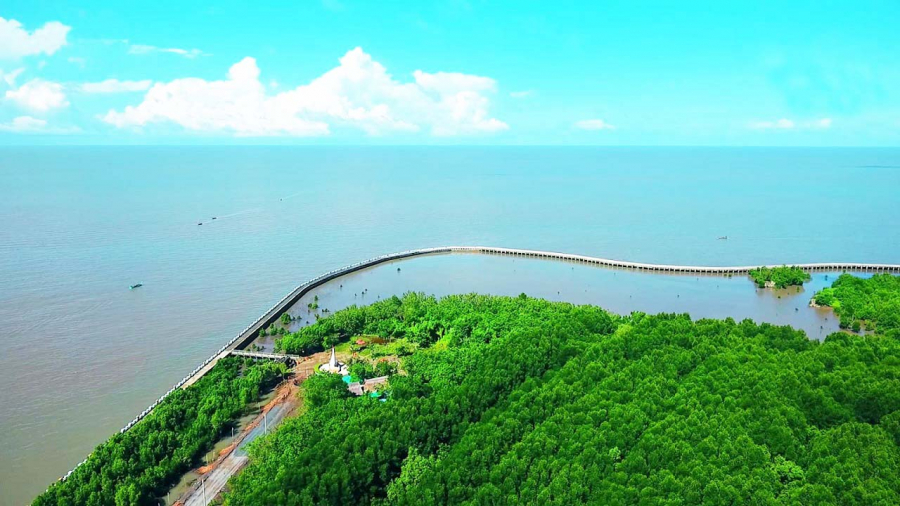
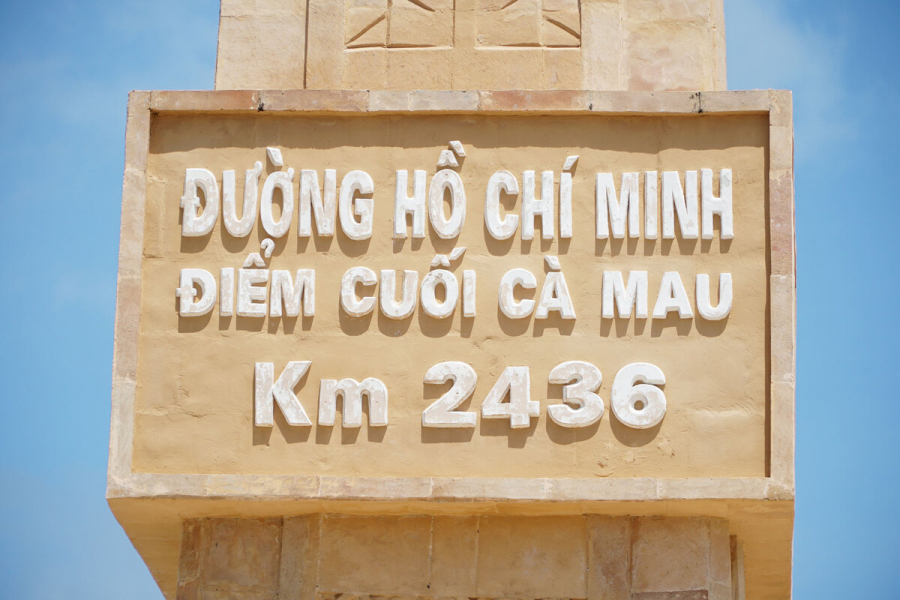
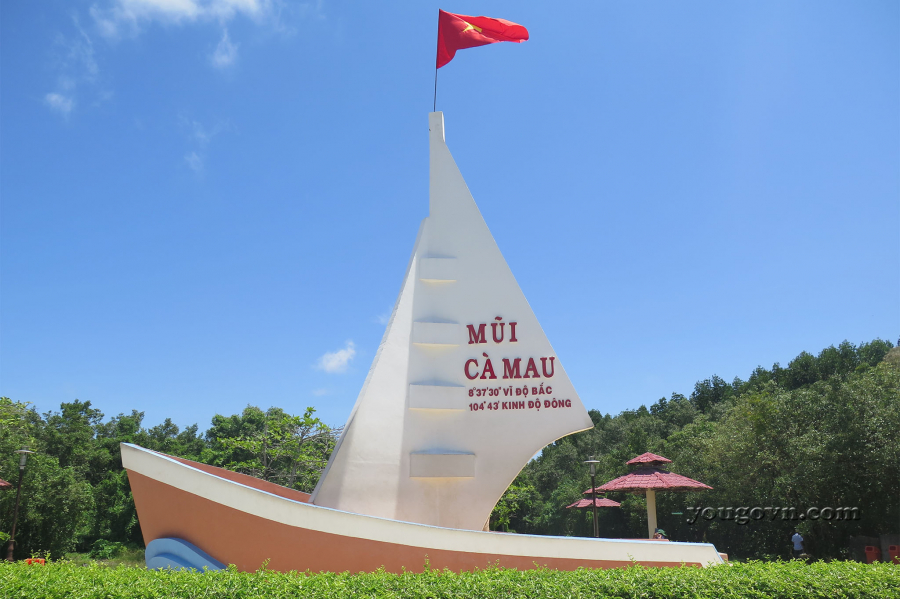
Mui Ca Mau National Park boasts a diverse range of flora and fauna, with approximately 28-32 species of mangrove trees, 26 species of mammals, 93 species of birds, 43 species of reptiles, 139 species of fish... and many saltwater species that have been recognized and listed in the Red Book of Vietnam and the world.
Here, visitors can explore unique tourist attractions and experience the distinctive features of Ca Mau Cape by visiting the Ca Mau Cape Cultural and Tourism Park, taking a boat trip through the mangrove forest, enjoying traditional folk music performances, learning about traditional crafts, and experiencing the life of the local people...
8. Cham Island Biosphere Reserve
Cu Lao Cham is an archipelago belonging to Tan Hiep commune, Hoi An, Quang Nam, located 15 km from Cua Dai beach. It boasts a pristine and peaceful beauty, making it a popular destination for tourists visiting Hoi An ancient town.
Not only does Cu Lao Cham contain a treasure trove of culture and history characteristic of a pristine island cluster, but it also boasts a complete and diverse ecosystem typical of estuaries, coastal areas, and islands. The flora and fauna here are quite rich, especially as it is home to the rare swiftlet species and many other wild animals. Underwater, numerous rocky outcrops and sparkling coral reefs create a magical "underwater palace" teeming with hundreds of thousands of tropical fish and seafood species.
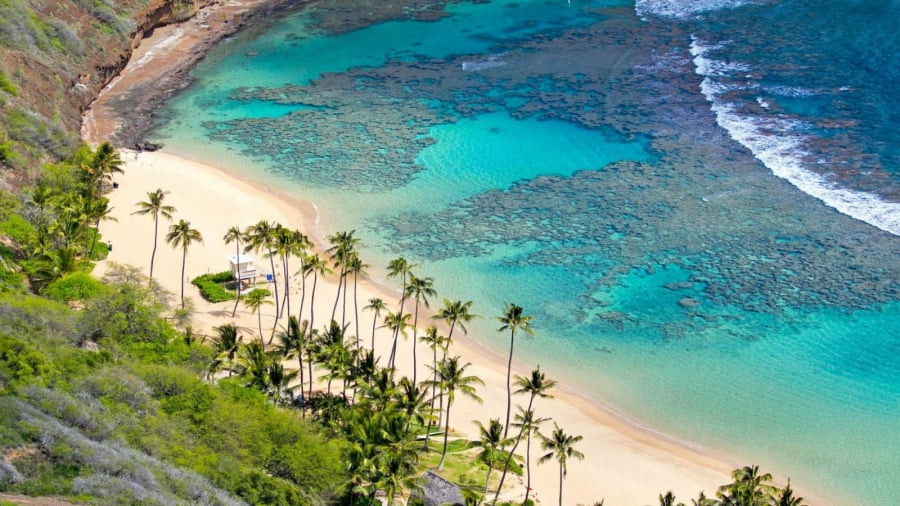
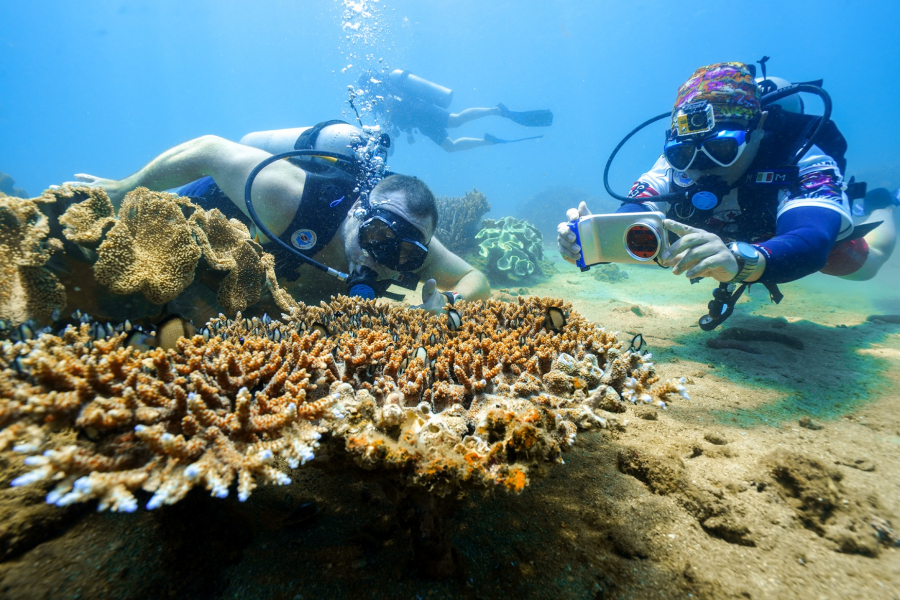
Cham Island is an ideal destination for tourists to immerse themselves in the fresh sea air, learn about the simple life of fishing villages, admire colorful coral reefs, conquer majestic mountains and hills, or enjoy local specialties. With its outstanding natural and cultural resources, Cham Island was recognized by UNESCO as a World Biosphere Reserve in 2009.
9. Lang Biang Biosphere Reserve
As the 9th UNESCO-recognized World Biosphere Reserve in Vietnam (2015), Lang Biang Biosphere Reserve is an attractive destination, especially for those who love the dreamy and romantic atmosphere of the highlands.
Covering an area of 275,000 hectares, located about 12 km north of Da Lat city, the area is named after Lang Biang mountain, the site of a romantic love story between Lang and Biang – indigenous K'Ho ethnic minority people. The area comprises a vast primeval forest with the core zone being Bidoup-Nui Ba National Park. Currently, the National Park is home to 1,923 plant species, including rare and precious species such as the flat-leaved two-needle pine, cypress, and red pine; the orchid family alone has 297 species. Regarding animal life, the core zone alone is home to 422 species. The National Park is also one of 221 endemic bird areas in the world.
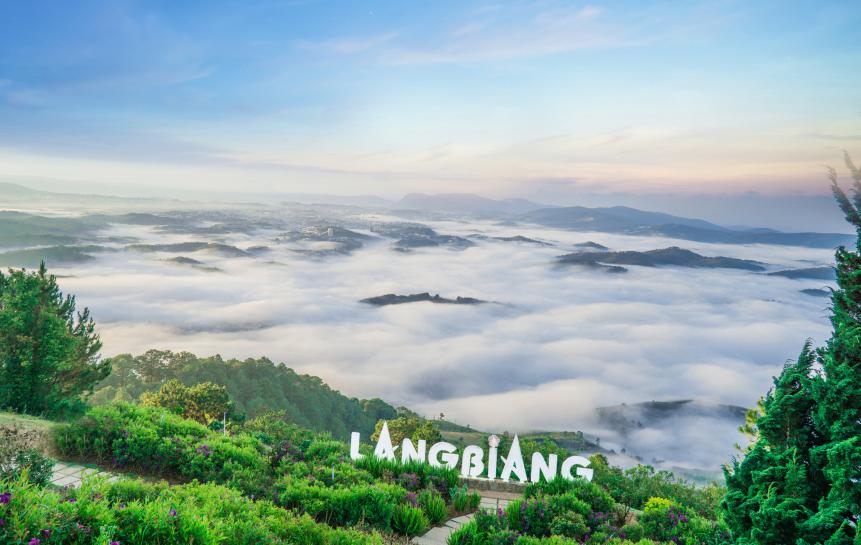
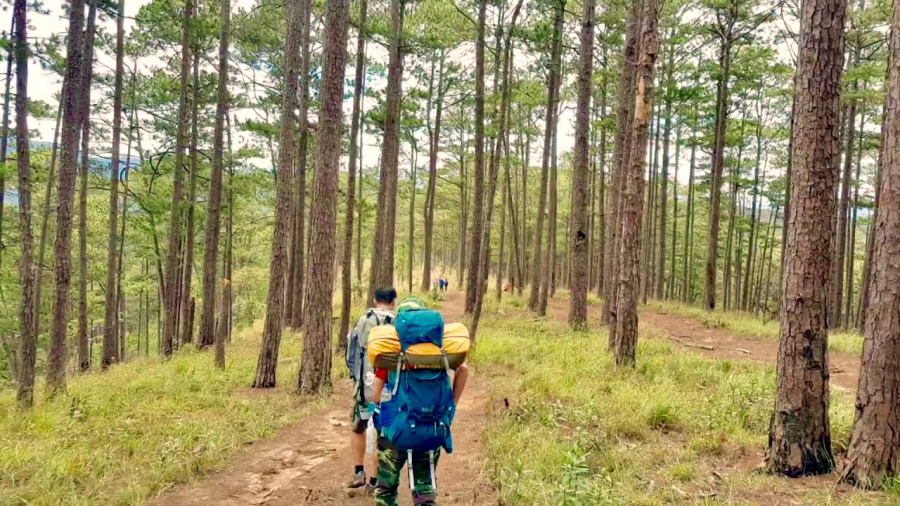
What makes Lang Biang so appealing to tourists, especially adventure enthusiasts, are its two high peaks. Bidoup is the highest, reaching 2,287 meters, while Mount Ba is 2,167 meters high. It's difficult to conquer these two peaks unless you're a professional mountaineer. The trails are steep and rugged, so every tour group needs a local guide. Besides that, the fresh air from the lush primary forest, the stunning natural scenery of the forest and streams, and the community of 8,000 ethnic minority households living here are all unique features that attract visitors to Lang Biang.
10. Nui Chua Biosphere Reserve
Covering an area of over 106,000 hectares, the Nui Chua Biosphere Reserve is a convergence of three environments: forest, sea, and semi-desert. It boasts a diverse flora and fauna, with 1,511 plant species and 765 animal species, including many rare species such as the black-footed langur, sun bear, Asian black bear, clouded leopard, and red-faced pheasant. Furthermore, the area's marine environment is home to over 350 different coral species, including 46 newly recorded and classified species in Vietnam. It is also a breeding ground for a population of sea turtles that are strictly protected.
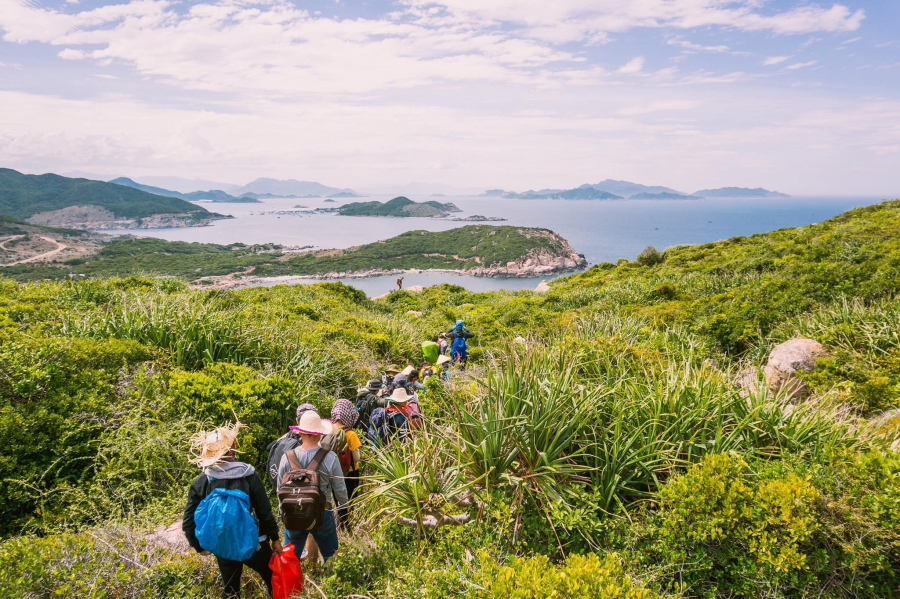
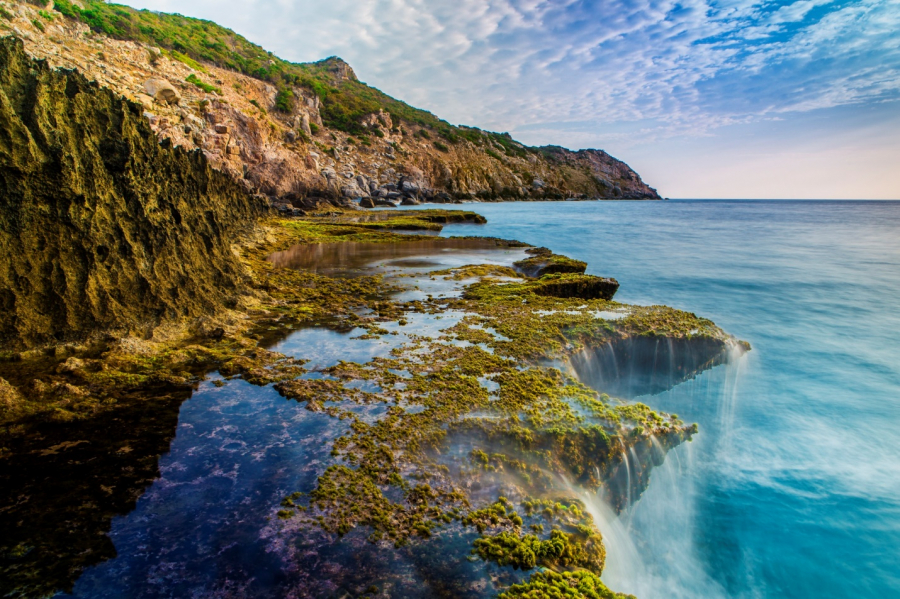
With its core being Nui Chua National Park, which has the harshest climate in Vietnam today, with hot and sunny weather year-round, the reserve is considered the only benchmark for the characteristic dry forest ecosystem of Vietnam and Southeast Asia.
Visitors to Ninh Thuan can visit Nui Chua National Park to explore the diverse natural environment with many activities such as visiting the "waterfall on the sea" Hang Rai, conquering mountain peaks over 1,000m high, snorkeling in Vinh Hy Bay, exploring vast vineyards, or experiencing the life of the Ra Glai ethnic group at the foot of Nui Chua Mountain... On September 15th, Nui Chua Mountain was recognized by UNESCO as the next World Biosphere Reserve in Vietnam.
11. Kon Ha Nung Biosphere Reserve
The Kon Ha Nung Biosphere Reserve, located in Gia Lai province, covers an area of 413,000 hectares and is representative of the forest ecosystem in the Central Highlands region, boasting a rich system of flora and fauna, including many rare and economically valuable species. The reserve is divided into three zones, with the core zone being the Kon Ka Kinh National Park and the Kon Chu Rang Nature Reserve. The biosphere reserve essentially preserves its characteristic ecosystem of dense tropical forests with broadleaf and coniferous trees, open coniferous forests, shrublands, and grasslands, exhibiting high biodiversity.
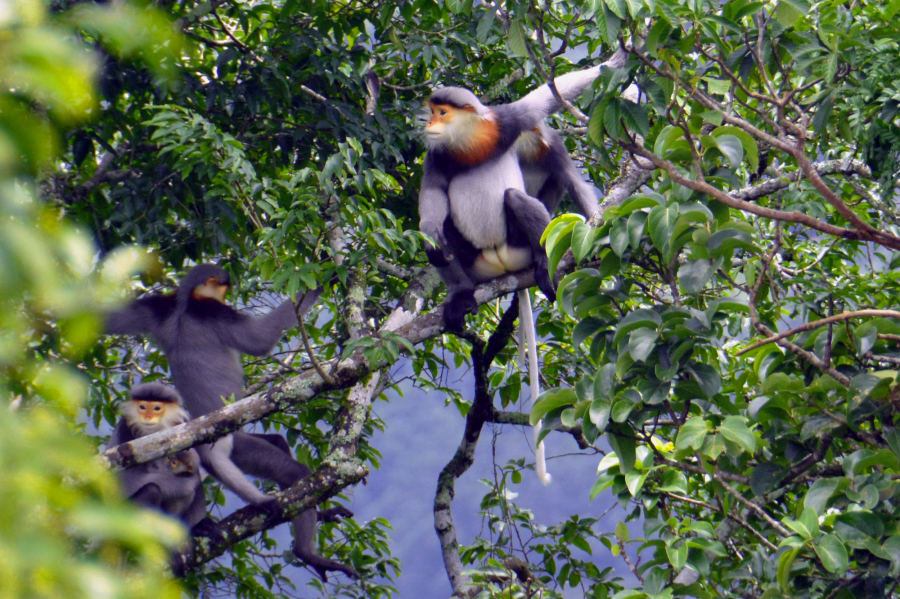
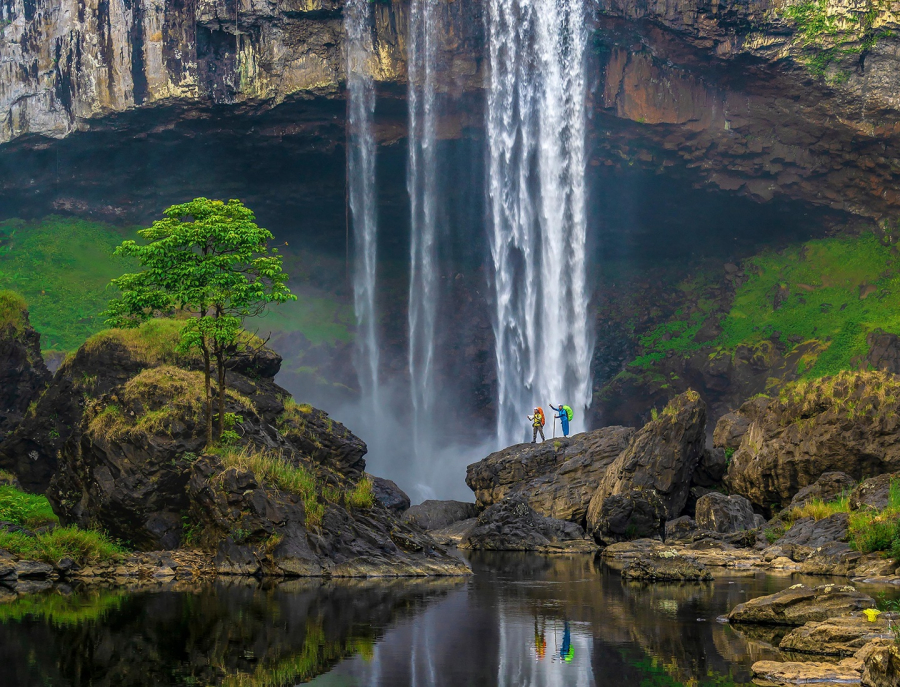
The flora and fauna in Kon Ka Kinh National Park are very diverse, with approximately 1,754 species of higher plants, 91 species of lower plants, 87 species of mammals, 326 species of birds, 77 species of reptiles, and many rare and endangered animal species. Kon Chư Răng Nature Reserve is a low-lying, evergreen tropical forest, notably located in an area inhabited by indigenous people. In particular, the reserve is home to the pristine K50 waterfall, one of the most beautiful waterfalls in the Central Highlands.
With its majestic and picturesque scenery and diverse ecosystem, Kon Ha Nung is one of the attractive ecotourism destinations for visitors to explore, relax, and conduct research. Along with Nui Chua Mountain, Kon Ha Nung was recognized by UNESCO as a World Biosphere Reserve on September 15th.