5 destinations to discover wildlife and how to meet them.
30/06/2021
Suggestions for wildlife viewing locations in Vietnam, along with advice from travel blogger Ngo Tran Hai An (Quy Coc Tu) and ecotourism tour operator Shi Jang, will help you increase your chances of encountering wildlife in the green forests.
Ranked among the countries with the highest biodiversity in the world, Vietnam boasts a rich system of flora and fauna. Below are some suggested locations where you can observe them.wildlife in VietnamAnd some tips for your trip, based on shared experiences from travel blogger Ngo Tran Hai An (Quy Coc Tu) and ecotourism tour operator Shi Jang.
The area of Thach Hoa and Dong Hoa communes (Tuyen Hoa district, Quang Binh province)
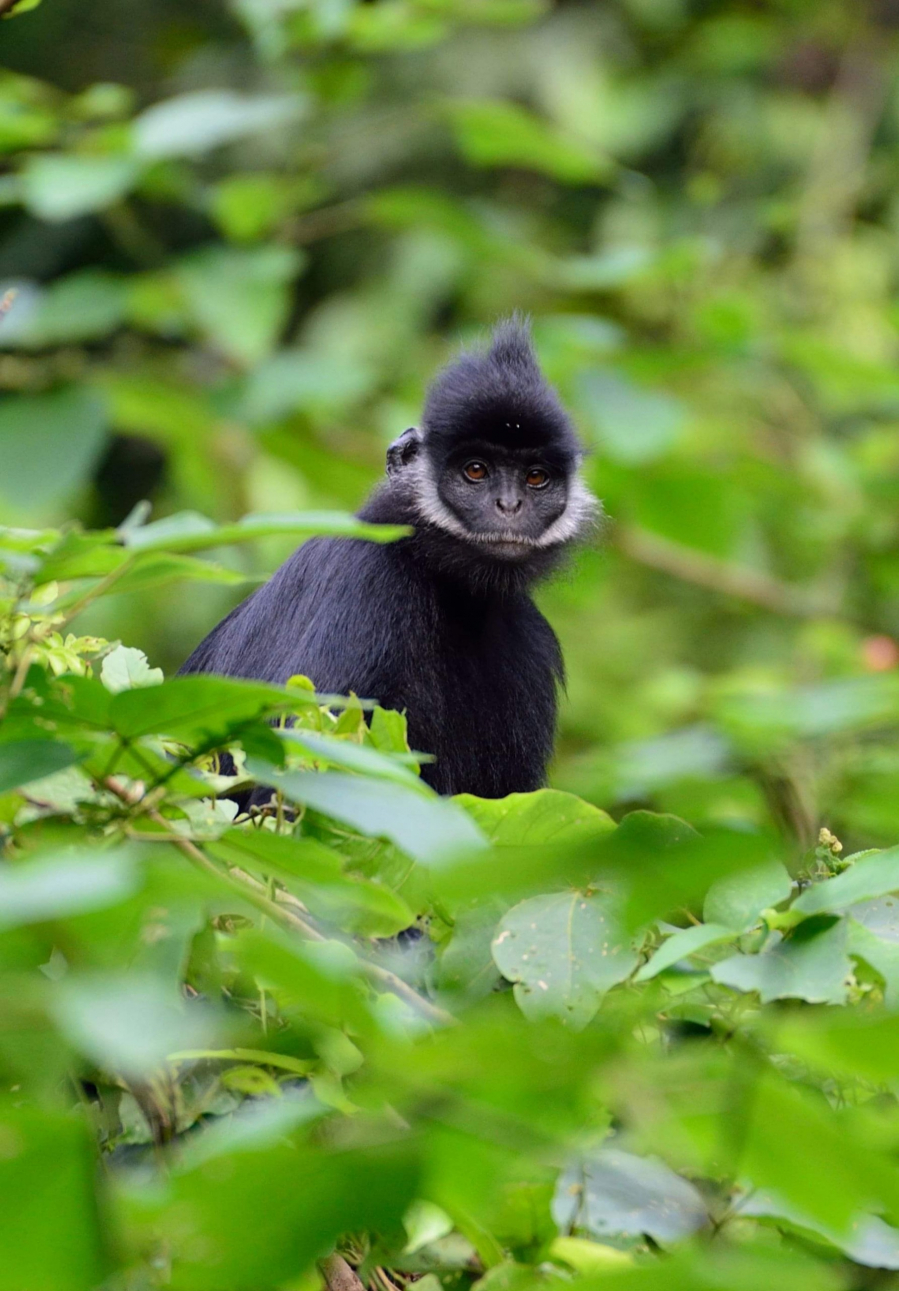
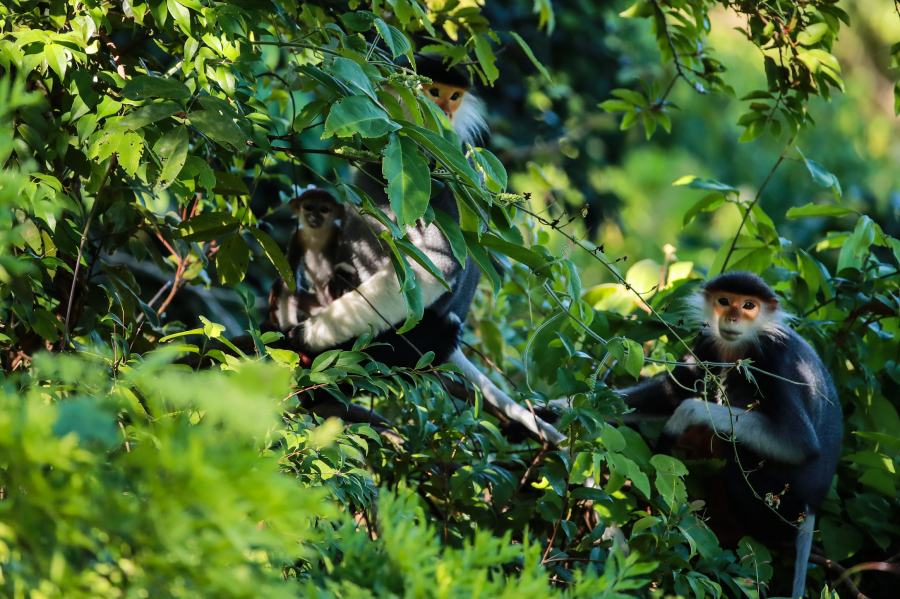
This is a newly discovered and little-known wildlife area. According to Shi Jang, this central Vietnamese residential area is now "home to many troops of white-necked langurs (also known as Ha Tinh langurs), which are easy to spot and observe."
Reportedly, 156 white-necked langurs have been discovered in Tuyen Hoa province since the beginning of this year, distributed across 22 troops living near residential areas. These langur troops are being voluntarily protected daily by local people without any source of income.
White-necked langurs are found in the habitat of Quang Binh province (Photo: Internet)
Bach Ma National Park (Thua Thien-Hue)
Located approximately 40 km from Hue city, Bach Ma National Park is an ecological forest area that attracts tourists with its magnificent natural landscapes and diverse experiences. It is the only strip of primary forest in Vietnam that stretches across the country from the East Sea to the Vietnam-Laos border.
"This is one of the places with diverse and unique natural landscapes and a perfect climate for many species of birds, insects, and wildlife to live together in harmony," said Shi Jang.
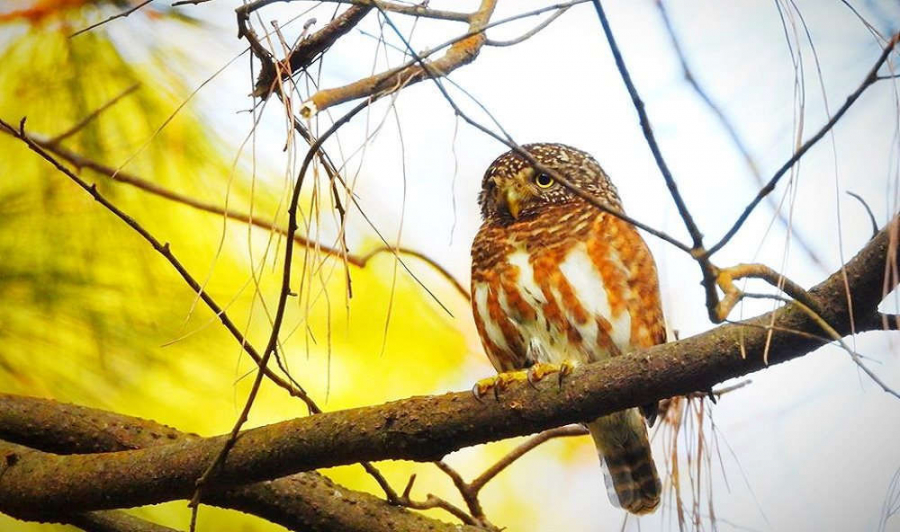
Bach Ma National Park has a rich bird fauna (Photo: Internet)
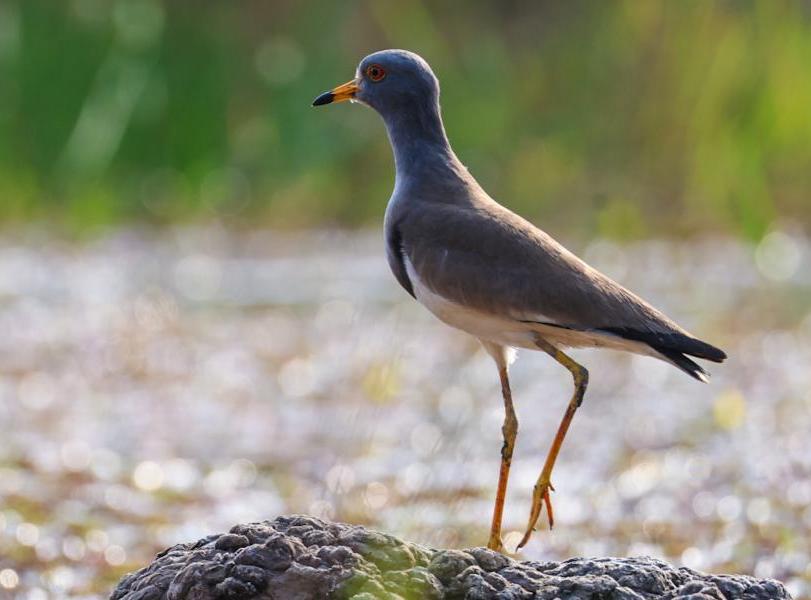
Bach Ma National Park is home to over 1,500 animal species, including 93 listed in the Vietnam Red Book and the Global Red List. Birds account for more than 40% of the total animal species in the park. Visitors have the opportunity to see many rare and precious bird species from around the world, such as the white-faced owl, the red-bellied snipe, the white-browed thrush, and the black-headed bush sparrow.
Son Tra Nature Reserve (Da Nang)
Son Tra Nature Reserve covers a total area of over 4,400 hectares and is considered the "green lung" of Da Nang, boasting a rich system of flora and fauna.
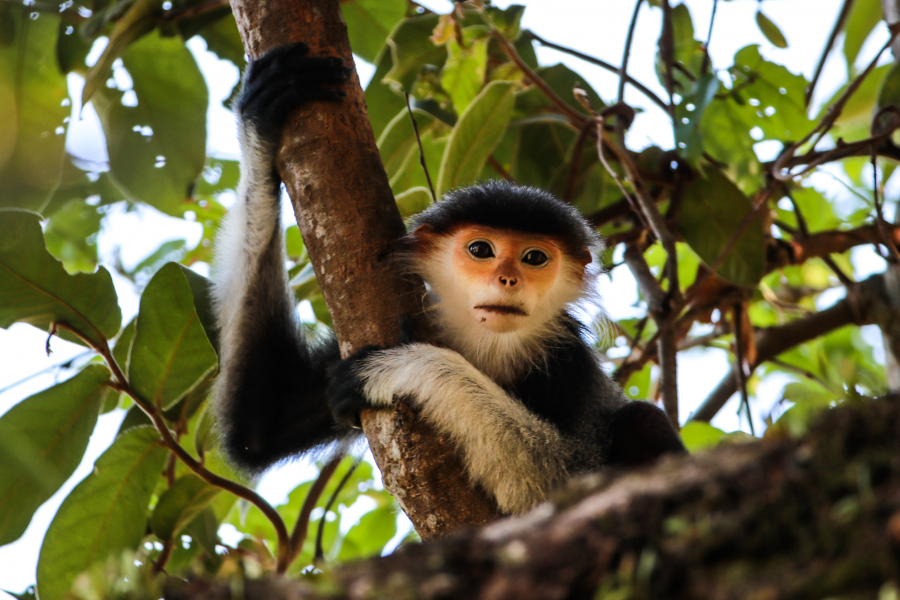
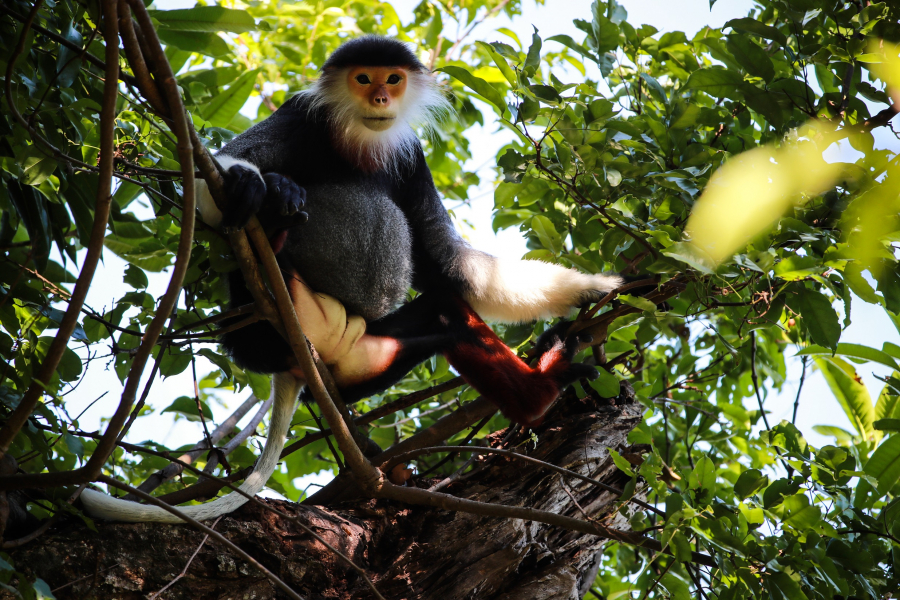
Son Tra is home to over one hundred animal species, including dozens of rare species listed in the World Red Book of endangered species such as the red-faced pheasant, the reticulated python, and aquatic animals. A special feature of this conservation area is the presence of the brown-footed langur – known as the queen of primates. More than 400 langurs live here, along with many long-tailed monkeys and golden monkeys.
Brown-footed langurs in Son Tra. (Photo: Quy Coc Tu)
Travel blogger Quy Coc Tu commented that it's very easy to observe langurs on Son Tra Peninsula. "Langurs are here all year round, almost every season," he said, adding that they are "very gentle and friendly, so they are easy to observe."
The langurs here are gentle and friendly, making them easy to observe.
(Photo: Gui Guzi)
Tram Chim National Park (Dong Thap)
With a total area of over 7,500 hectares, Tram Chim is a miniature model typical of the Dong Thap Muoi region, boasting a diverse ecosystem where visitors can explore the unique characteristics of the Mekong Delta.
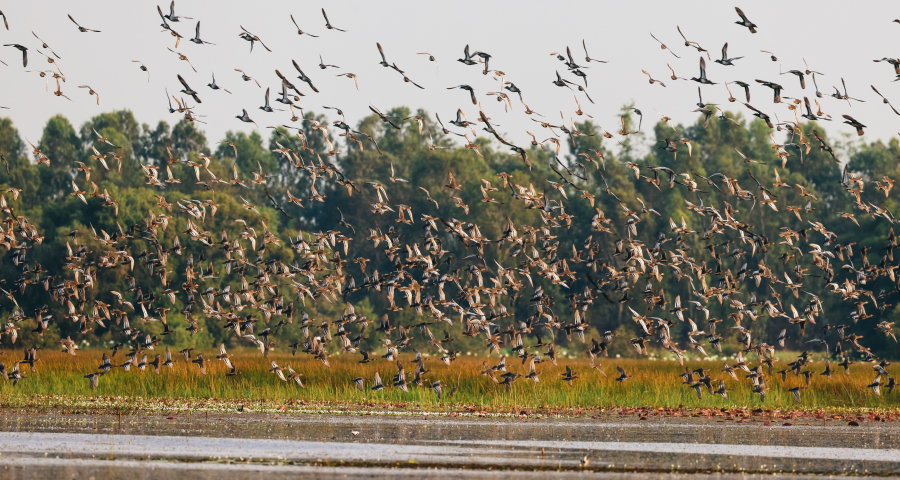
Tram Chim National Park, Dong Thap (Photo: Quy Coc Tu)
(Photo: Gui Guzi)
Red-crowned crane (Photo: Internet)
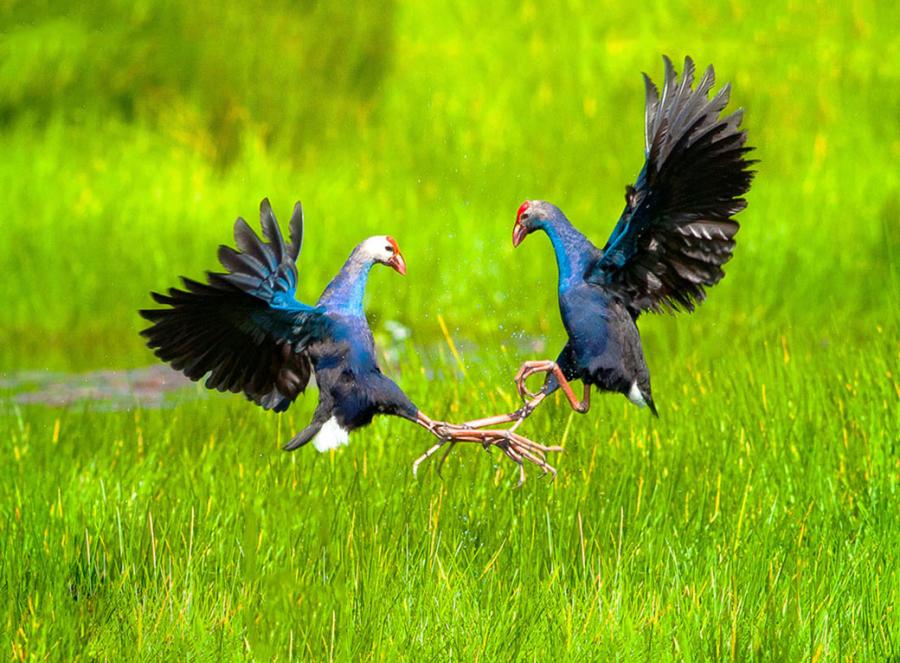
Most notably, the park boasts a rich diversity of waterfowl, comprising 233 species, 88% of which are found during the dry season, accounting for a quarter of all bird species discovered in Vietnam. It is also known as the "kingdom of the red-crowned crane"—the largest bird in the crane family and a rare species listed in the national Red Book. "Before visiting, tourists should research and contact the park management to find out which season is best for birdwatching and where the birds are most abundant," suggests Quy Coc Tu.
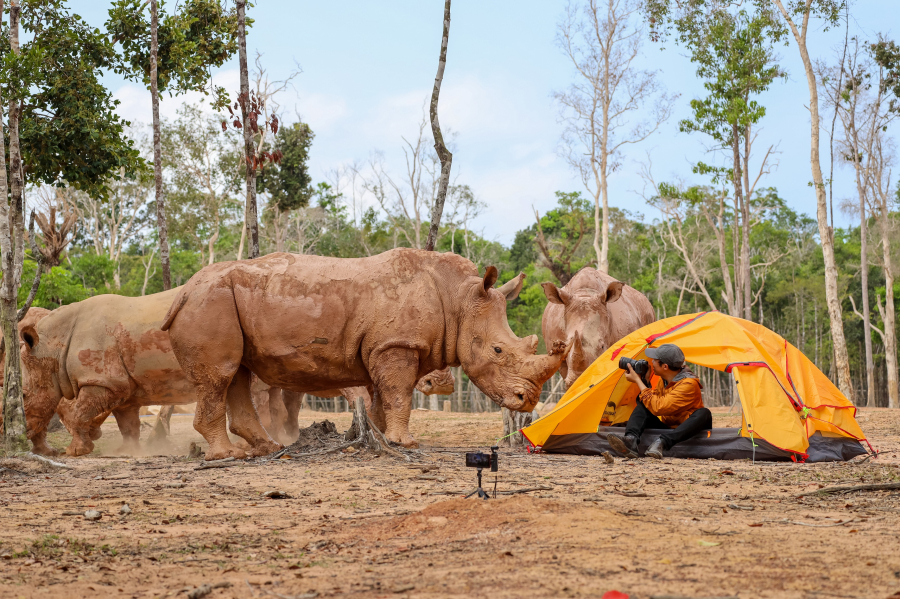
Vinpearl Safari Phu Quoc is an open-air, semi-wild zoo.
Located in a pristine forest covering approximately 380 hectares, this zoo is designed according to the world-renowned semi-wild (safari) model, and is also the first semi-wild zoo in Vietnam.
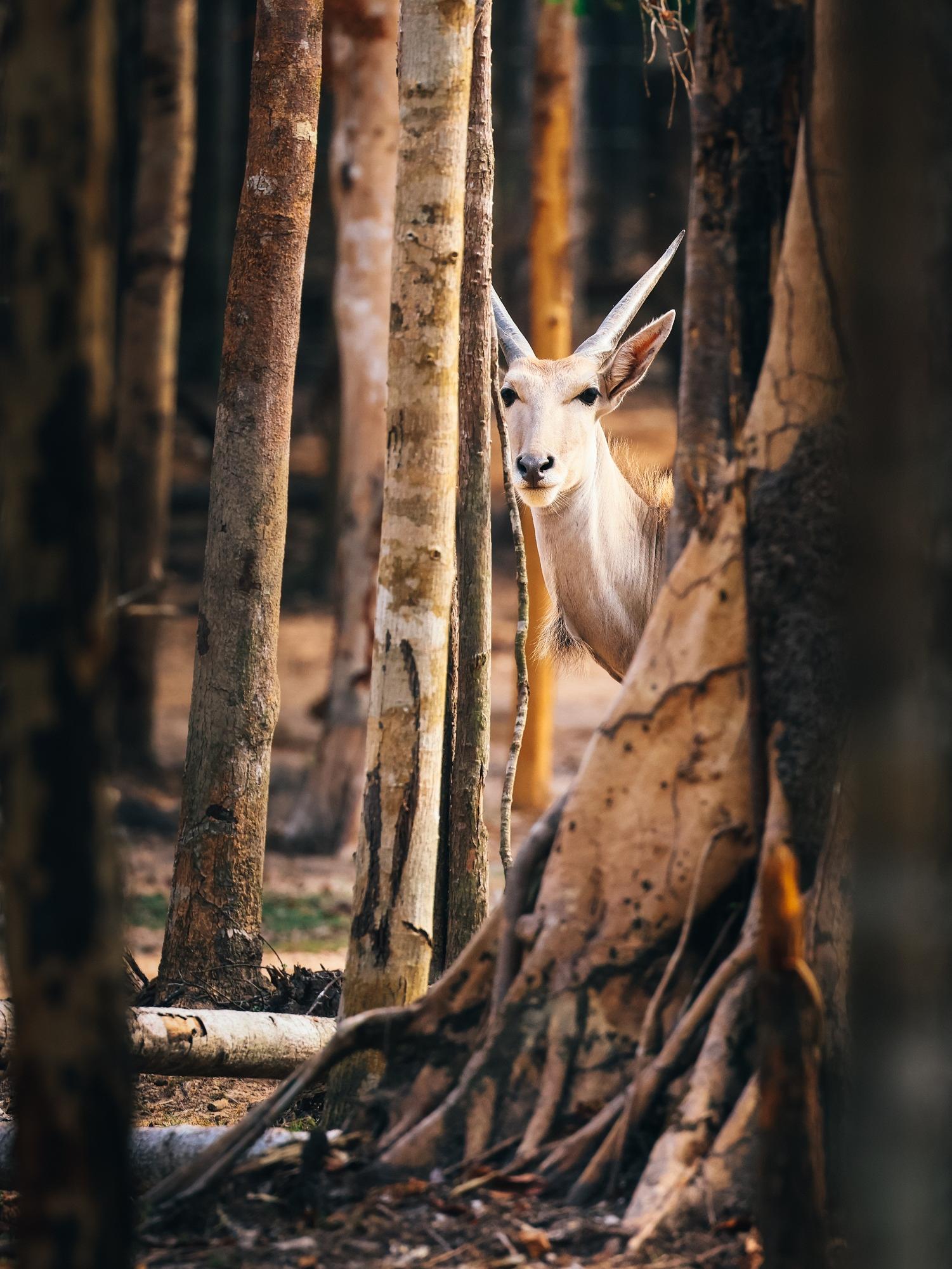
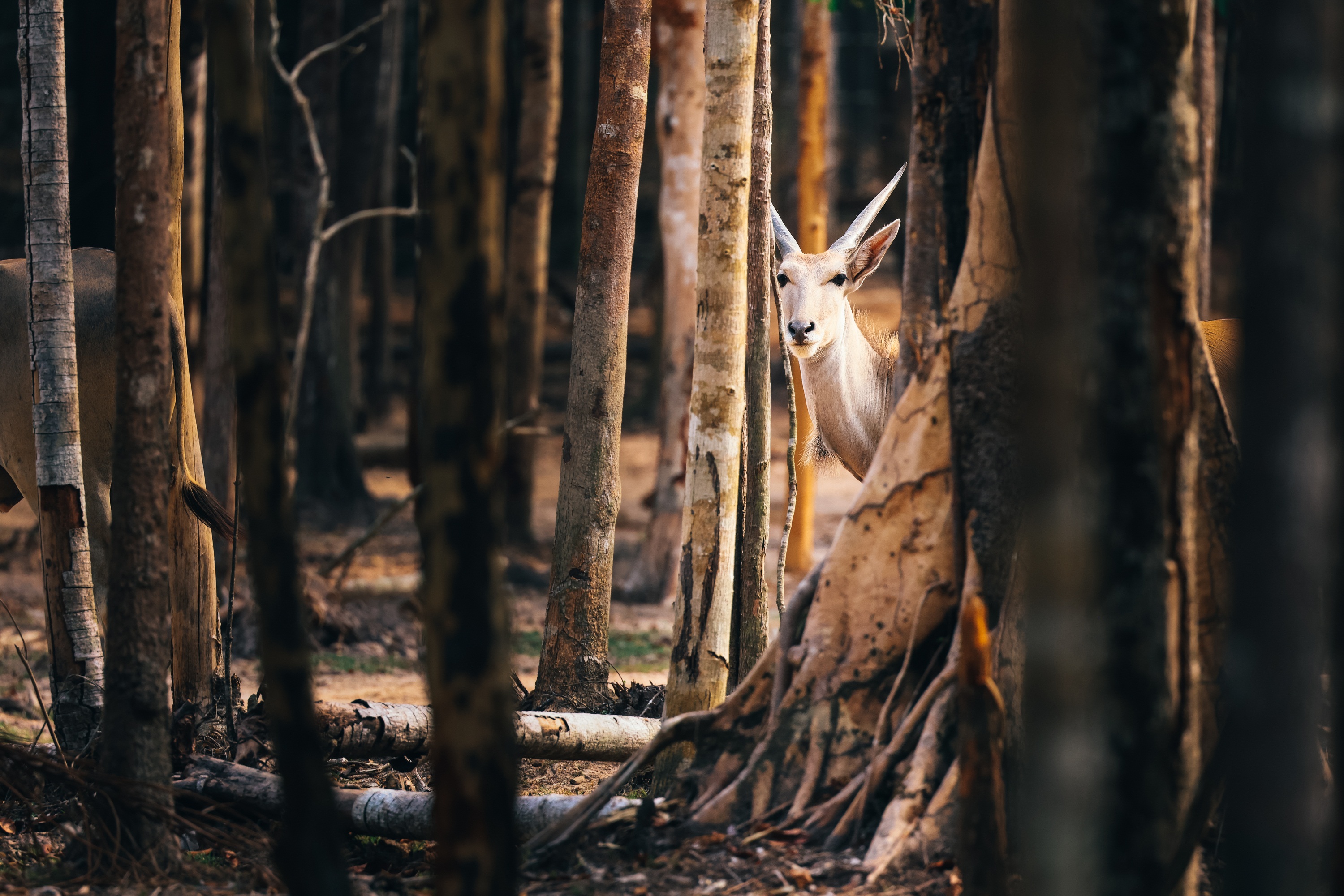
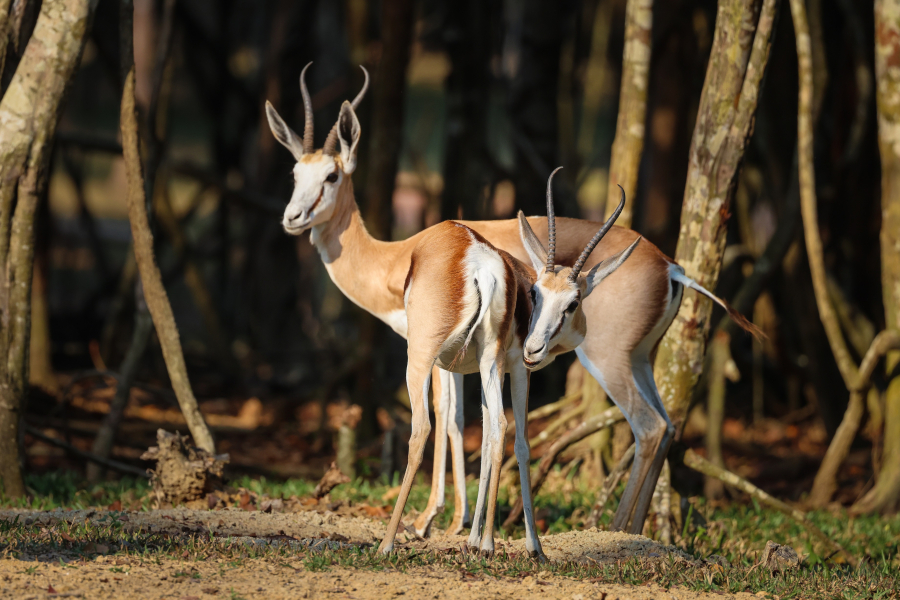
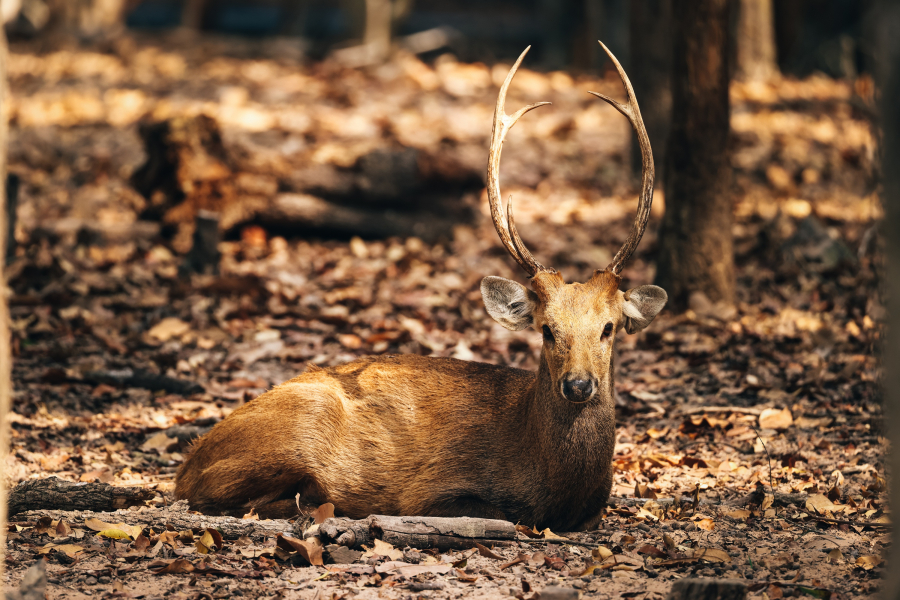
Based on his practical experience, Mr. Quy Coc Tu concluded that this is an ideal location to "observe the natural captive environment of species not found in Vietnam." The garden is home to over 3,000 individuals belonging to more than 150 different animal species from Europe, America, South Africa, and other regions. The animals here are raised according to international standards with the best possible conditions. Among them are many rare and endangered species such as cranes, Arabian scimitar-horned antelopes, and black-necked white swans.
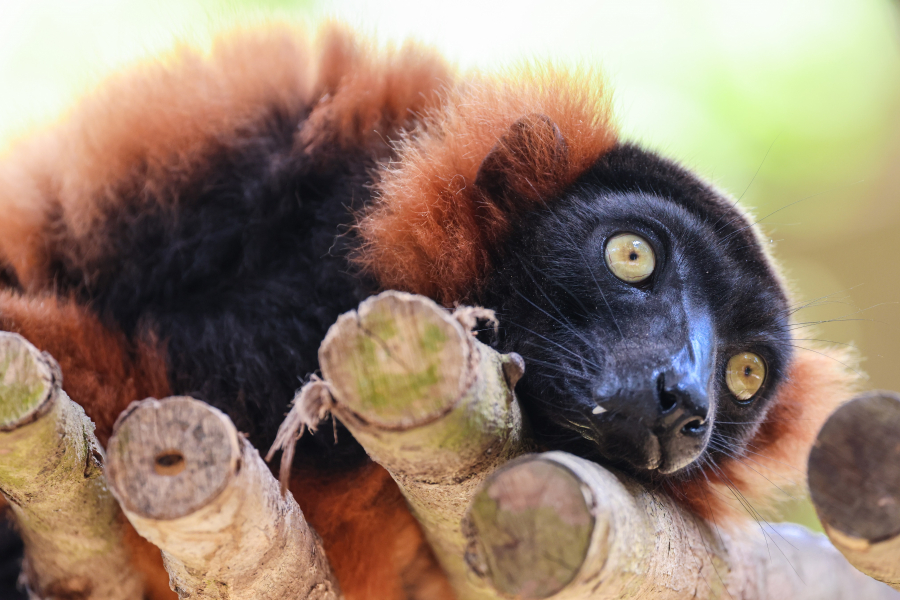
Zoos are the "common home" of many wild animal species from around the world.
(Photo: Gui Guzi)
Travel blogger Quy Coc Tu experiences Vinpearl Safari Phu Quoc semi-wild animal park (Photo: Quy Coc Tu)
How can I increase my chances of "encountering" wildlife?
The reality is that you won't easily encounter wildlife on every trip; they won't just stand there waiting for you to admire them, and they might even disappear upon noticing your presence. Here are some "tips" from Shi Jang and Gui Gu Zi.
Photo: Gui Guzi
1. Gain knowledge about wildlife.We should research the place we're going to visit beforehand, including its environment and wildlife. Learning about the characteristics of each species will help us determine the best time to observe them.
2. Listen to the instructions from the park staff.To gain knowledge about each species and follow the instructions they provide.
3. Choose clothing that is "close" to nature.Because animals tend to be shy or afraid of colors other than their natural colors, we should wear dark clothing, camouflage, or carry items that are similar in color to their natural environment, such as gray or green.
4. Avoid attracting animals with scents.Body odor is also something to consider because wildlife can often smell us before they see us, so the smell of perfume or cigarette smoke can be very disruptive, especially when the observation point is upwind.
5. Remain completely silent.Avoid talking or making noise; ensure a quiet environment to prevent scaring the animals.
6. Avoid attempting to approach or interact with animals in any way.We should not alter the natural characteristics of species through actions such as luring them with food, arranging traps, or setting snares to photograph them.
7. Patience is required.Because on some trips we'll have to wait quite a while, until it's really quiet or we feel safe, before the animals appear.

 VI
VI