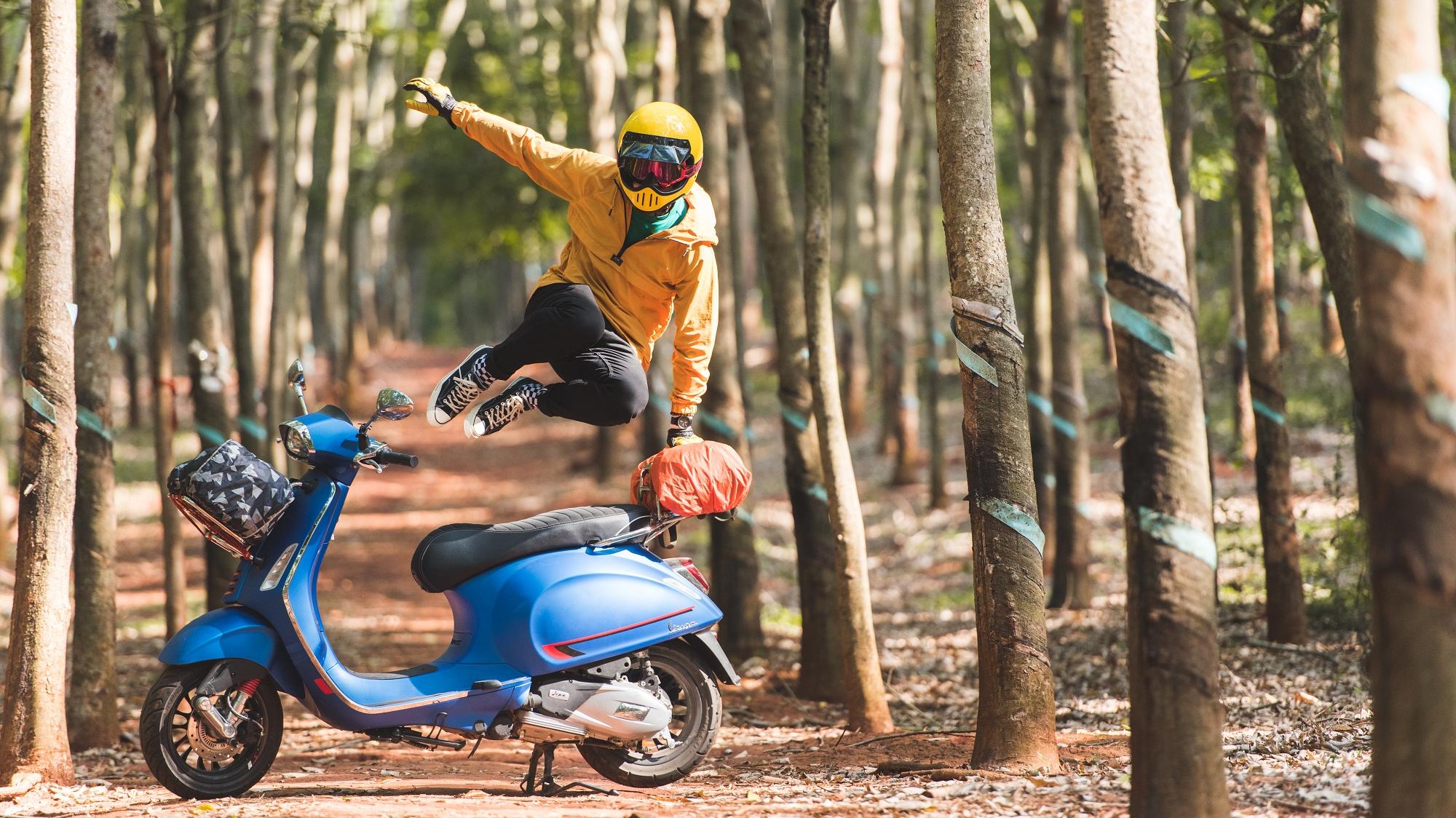
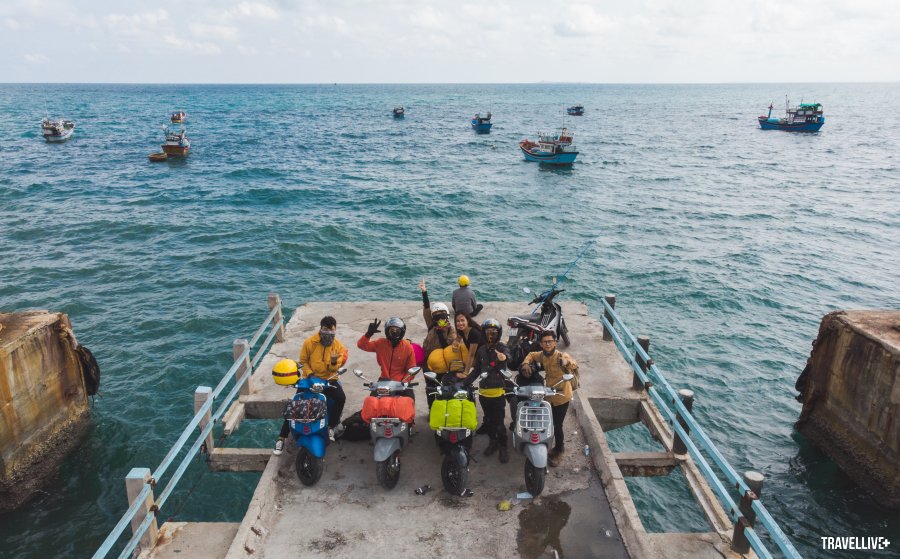
Four motorbikes, eight days, and a 1,500 km journey.
04/09/2019
Summer is the perfect time to embark on long journeys. We've traveled across our country, from the most majestic mountain passes of the Northwest to the four extreme points – a legendary destination for travelers. But if I had to name the most beautiful road in Vietnam, I would still name National Highway 1A – the road that runs along the coast. And once again, I want to relive this journey.
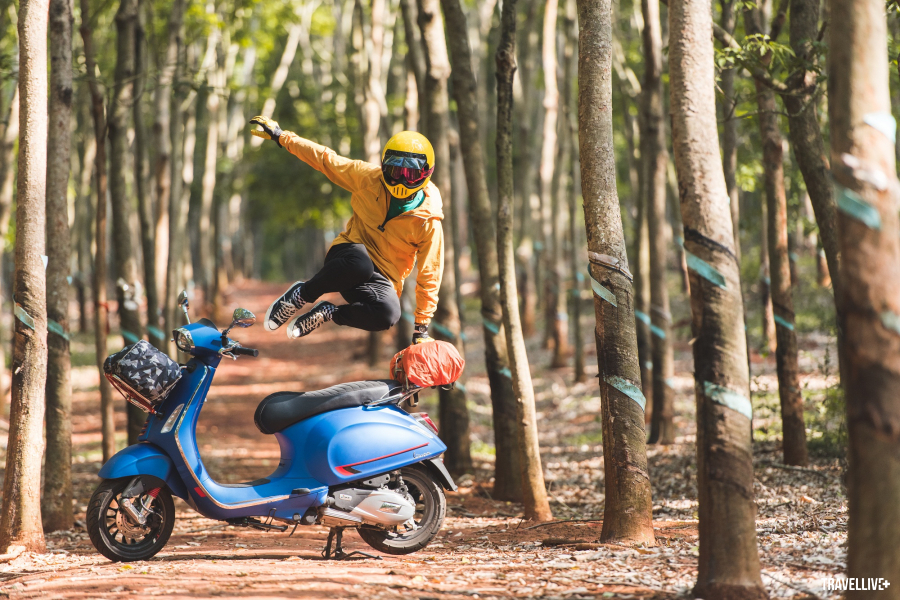
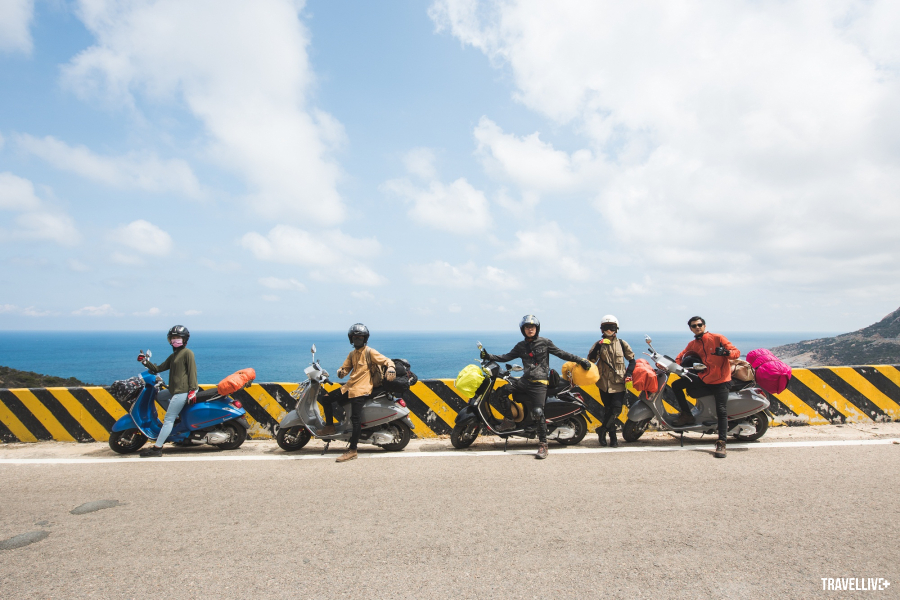
The trip lasted a mere 8 days. Accompanying me were 5 friends who shared the same passion and 4 Vespas. Let's call it a "cross-Vietnam" trip for brevity, but more accurately, it was a journey along the S-shaped territory of Vietnam, stretching from Hue to Ho Chi Minh City. The purpose of this trip was to travel at a leisurely pace, to admire the scenery, to fully experience the nature, people, and local culture, and to take some truly stylish photos. So, on a sweltering summer day, we left Hanoi for the ferry terminal, sent our Vespas to Hue, and then boarded a bus heading to the beloved Central Vietnam...
The overnight bus ride was rather uncomfortable as the sleeper bus constantly picked up passengers along the way, cramming unfortunate "guests" into the spaces between the rows of beds. They sat, they lay, they leaned their heads against the metal frames, trying to find the most comfortable resting position for the long journey of several hundred kilometers. Looking at them, I felt sorry for them, but what could I do...?
At 9 am, the bus dropped us off on the outskirts of the city, as buses weren't allowed into the city center. So we had to take a taxi to Hue Train Station. After a long, sleepless night, everyone looked exhausted. We quickly rearranged our belongings, took a few quick washes to freshen up, and then went to the depot to get our bikes. Our luggage was carefully packed and arranged on four bikes, including large backpacks, small bags, raincoats, first-aid kits… With a camera bag slung over our shoulder, we began our journey on our motorbikes.
Passing by the bougainvillea season in Da Nang
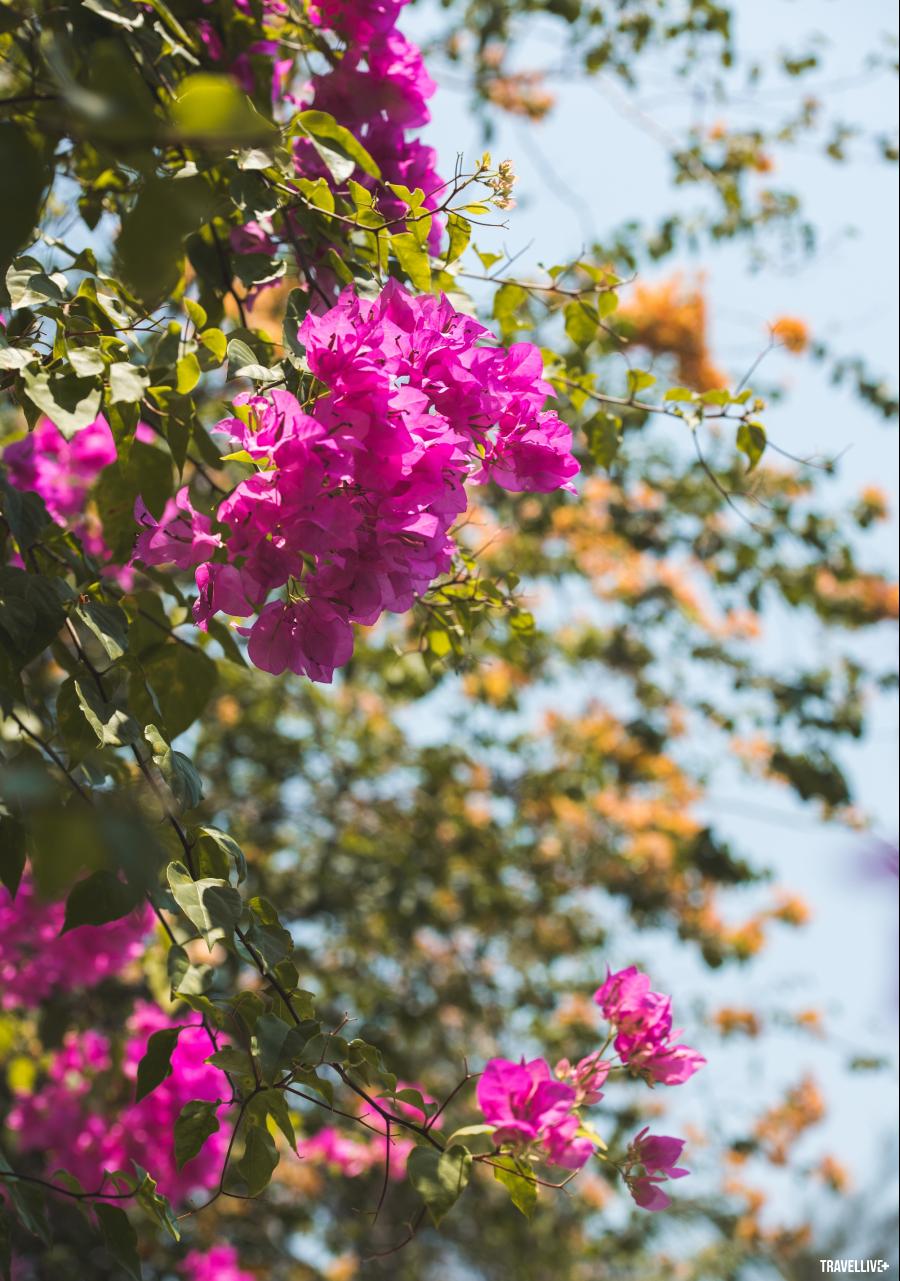
Few people realize that, besides Son Tra, Cu Lao Cham, and the amusement parks and resorts, Da Nang has another special feature: the bougainvillea season. Bougainvillea is widely planted in Da Nang, from urban planning to individual rooftops and fences. The sunshine and wind of Central Vietnam help the plants and flowers grow very well, with lush, abundant bushes, especially in the summer when the flowers are even more vibrant.
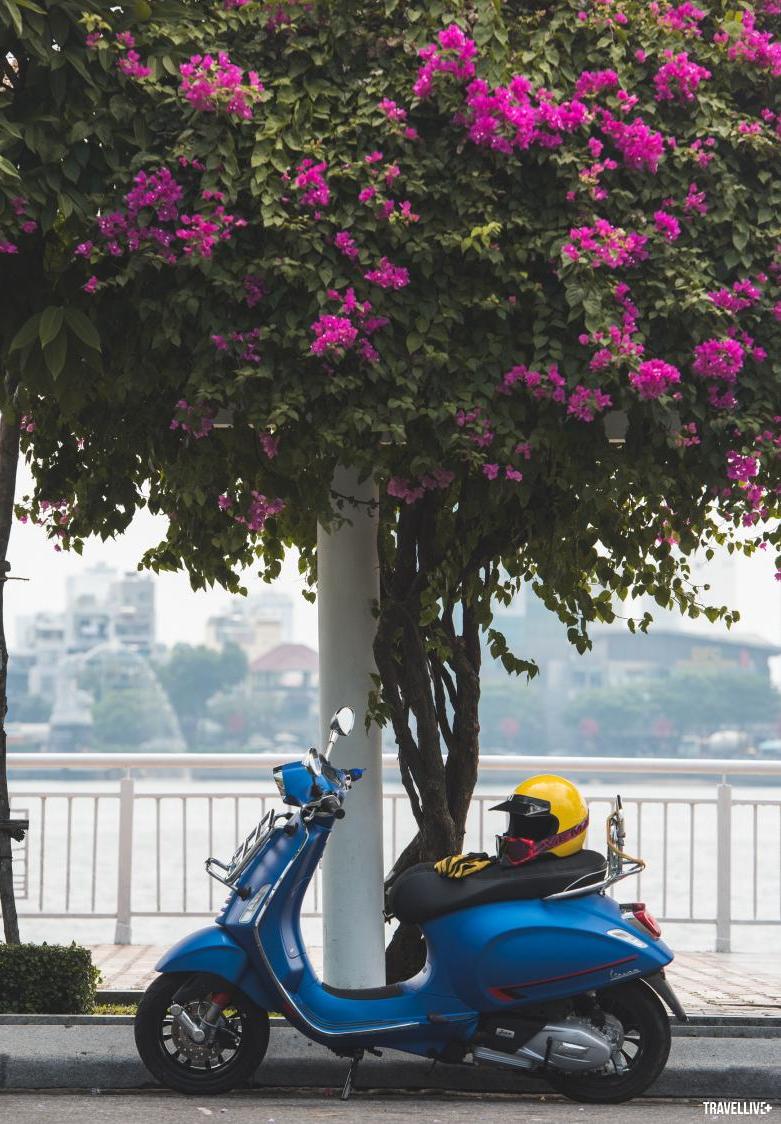
Along the sidewalk of Bach Dang Street, at each bus stop, there were giant bougainvillea bushes, their white and pink blossoms intertwined. We stopped our car, sat on a stone bench under the green canopy, and looked out at the tranquil Han River, silently flowing along with the vibrant rhythm of the city.
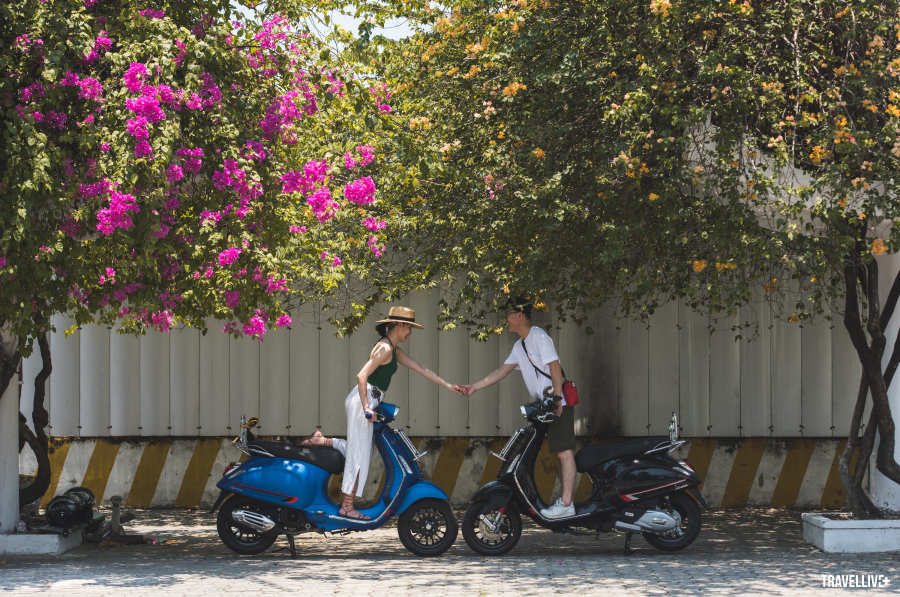
At the intersection of Nguyen Tat Thanh and Ong Ich Khiem streets, there's a bougainvillea trellis neatly arranged by the city on fixed frames, positioned high and spreading out in all directions like a cool, green canopy covering the urban landscape. Here, the bougainvillea is yellow. Although I'm no stranger to the myriad colors of this flower, seeing the clusters of yellow blossoms swaying in the hot, windy coastal sun still impressed and captivated me with its beauty, both natural and meticulously cared for by human hands.
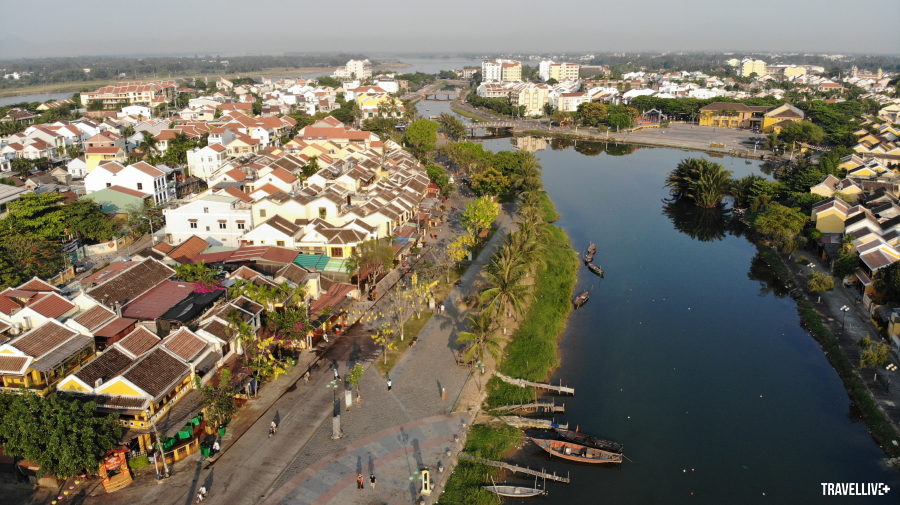
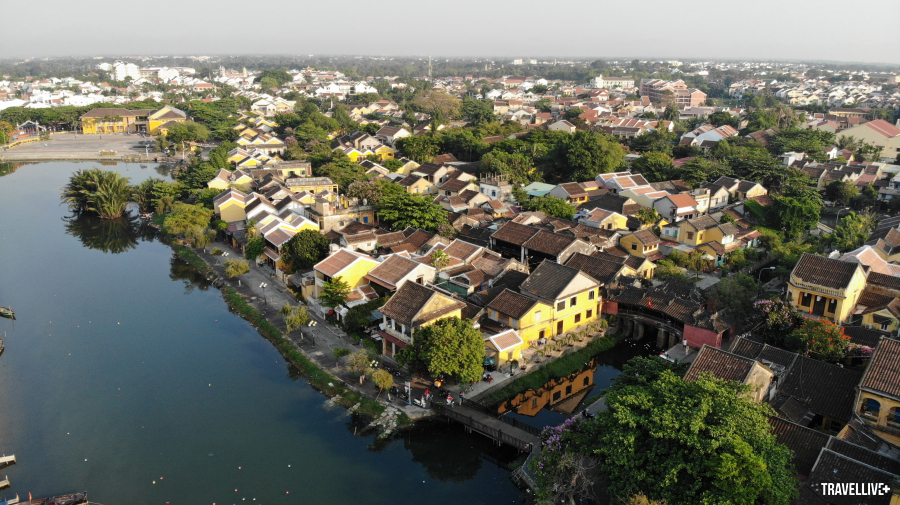
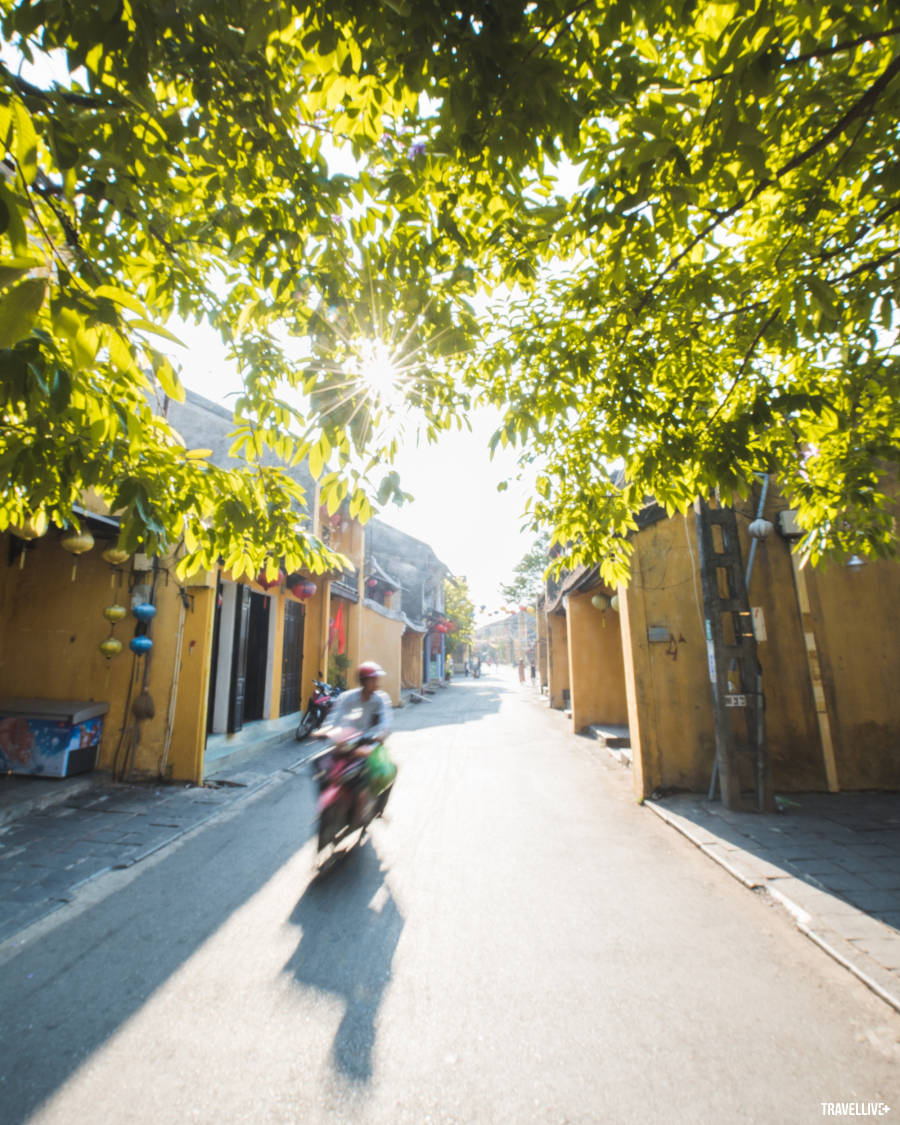
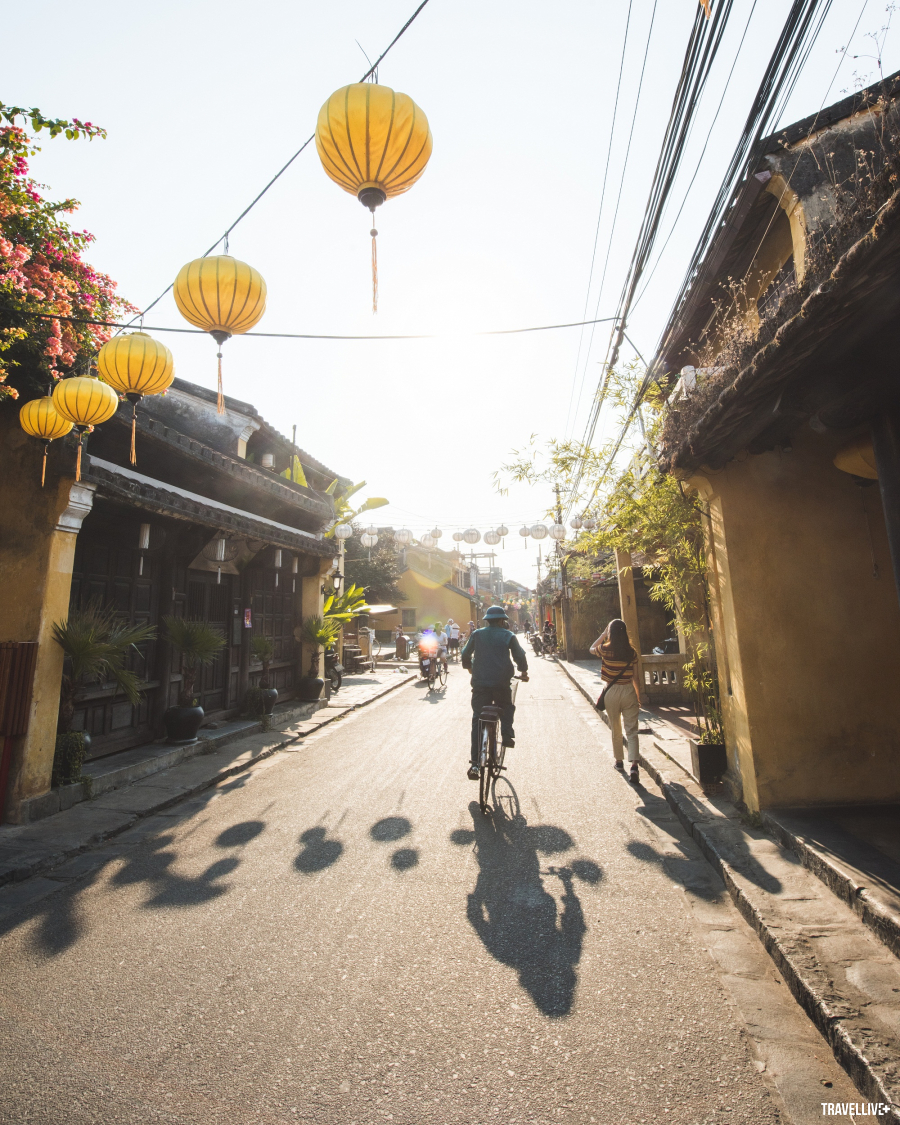
Peaceful morning in Hoi An
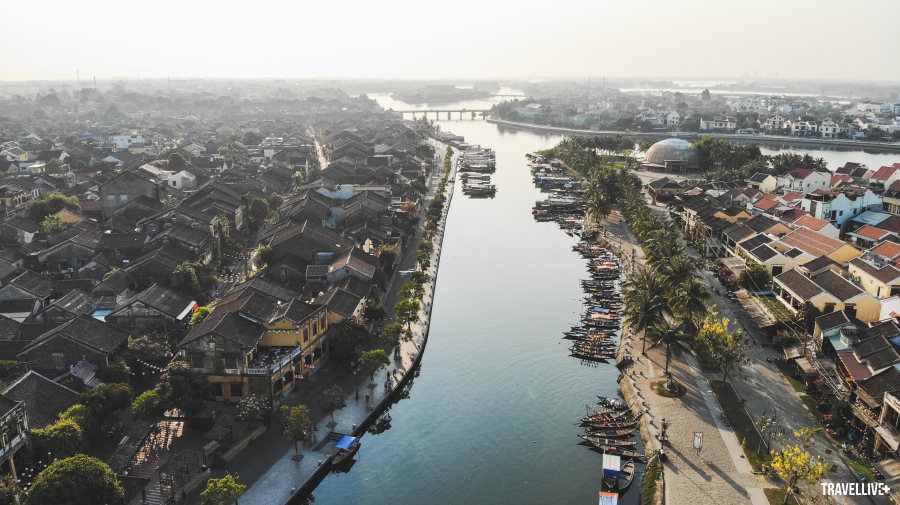
The two previous times I visited Hoi An were in the late afternoon. The streets were packed with people, crowded and stuffy. Therefore, I had a bit of a preconceived notion about this famous tourist destination. But this time it was different, very different.
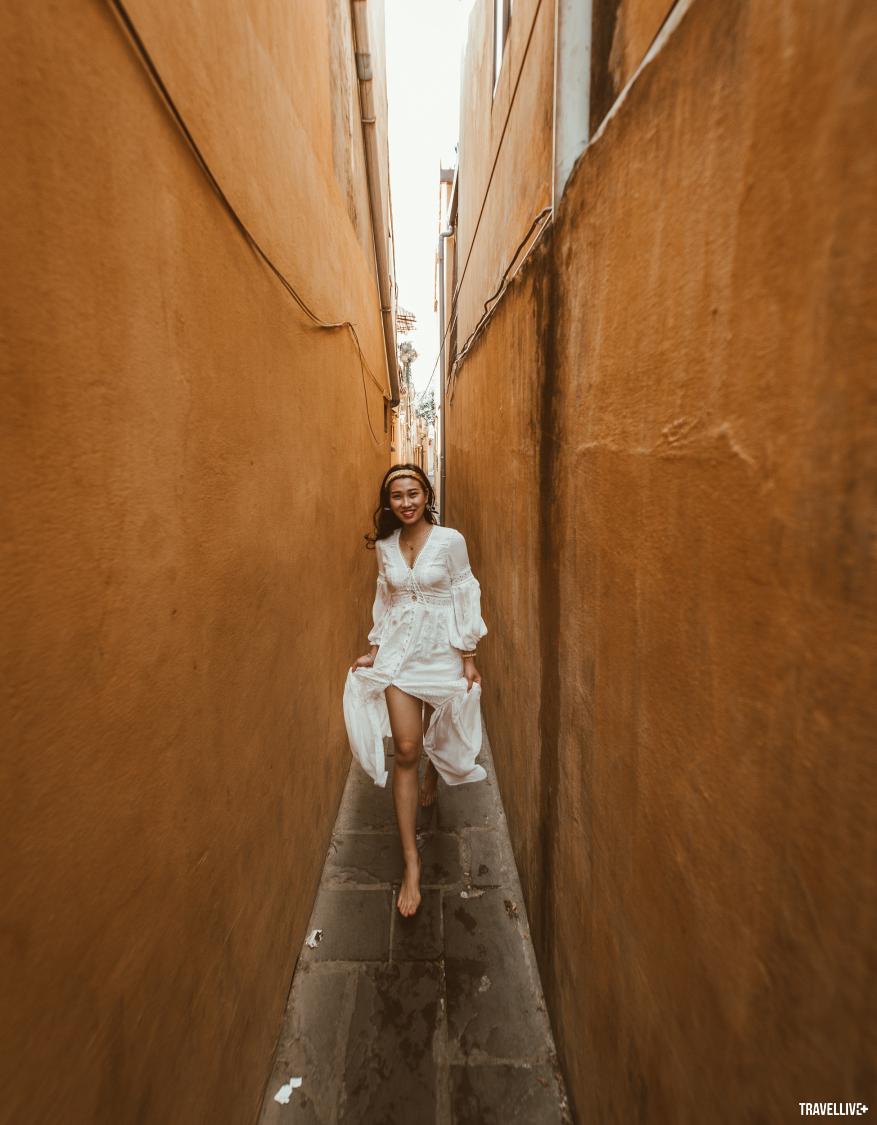
At dawn, stepping out of the hostel, I immediately felt the dreamy peace that I always imagined about Hoi An whenever I saw its name in books and newspapers. The streets were quiet, devoid of people, tourists, or even trains and buses. The sun rose gently, and I leisurely walked from one street corner to another with my camera. I sensed the new day of the Hoi An people beneath each reddish-brown tiled roof, behind each yellow wall, beginning slowly and peacefully. Simple like the street vendors selling breakfast, unhurried like the cyclo driver preparing for his first ride. In a small alley, a woman was arranging pretty souvenirs on her counter, waiting to open for business; a group of drowsy puppies were being nudged by their owner with a broom, "Move aside so I can sweep the yard"... Yes, this must be Hoi An, the thing I've been waiting for most when I set foot on this ancient land!
At 7:30 in the morning, as the early sun gradually turns hot and humid, the traveler's stomach urges them to seek out the flavors of Hoi An. Indeed, it would be a real shame to visit Hoi An and miss out on Phuong's banh mi, Ba Buoi's chicken rice, or Quang noodles and Cao Lau. So, if you have time, stroll quickly past the street food stalls, sit down at a small table, and experience the specialties unique to Hoi An, and only truly delicious when eaten there. And if you feel thirsty in the old town, head to Tran Phu Street, queue up, and enjoy a refreshing and clear glass of mot juice.
Phu Yen - the land of "golden flowers and green grass"
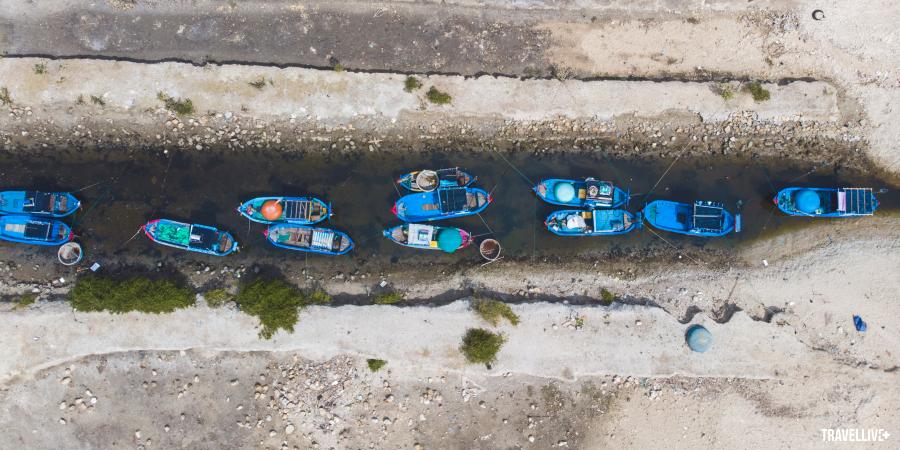
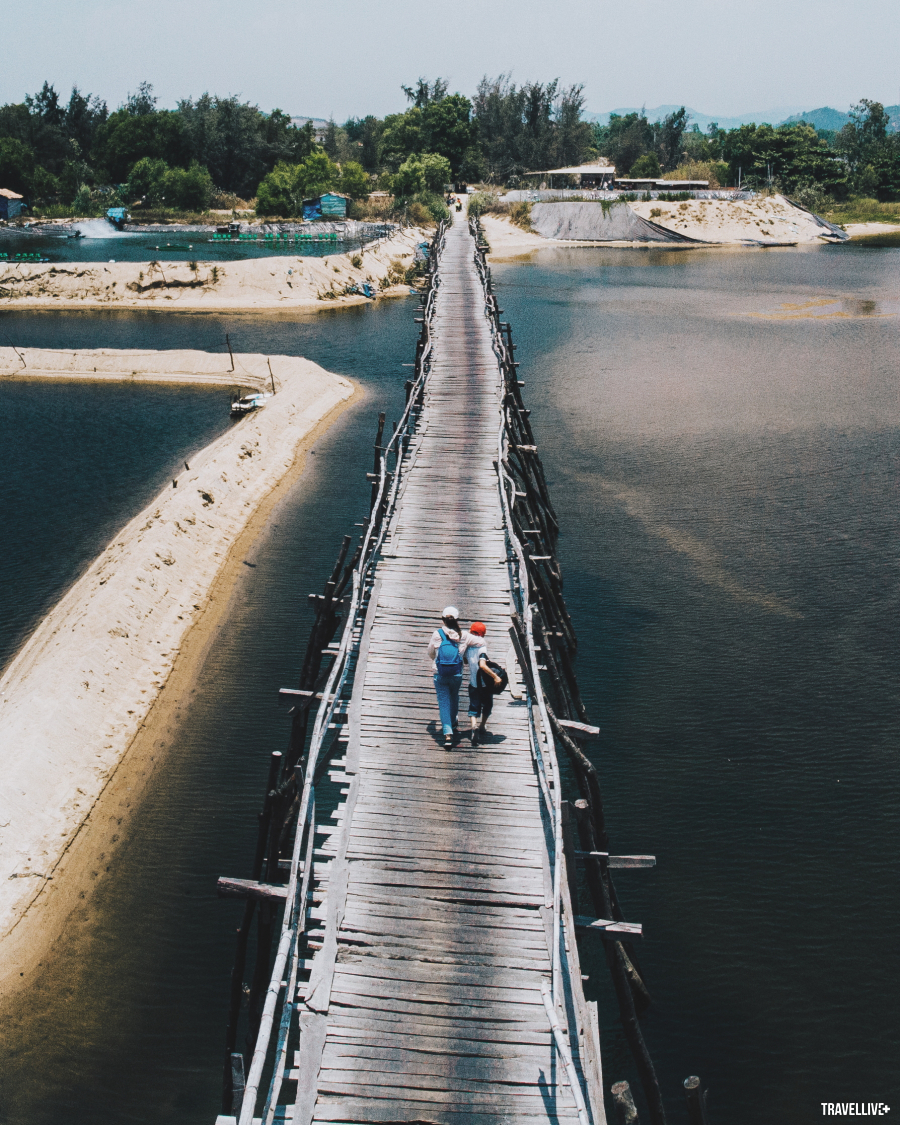
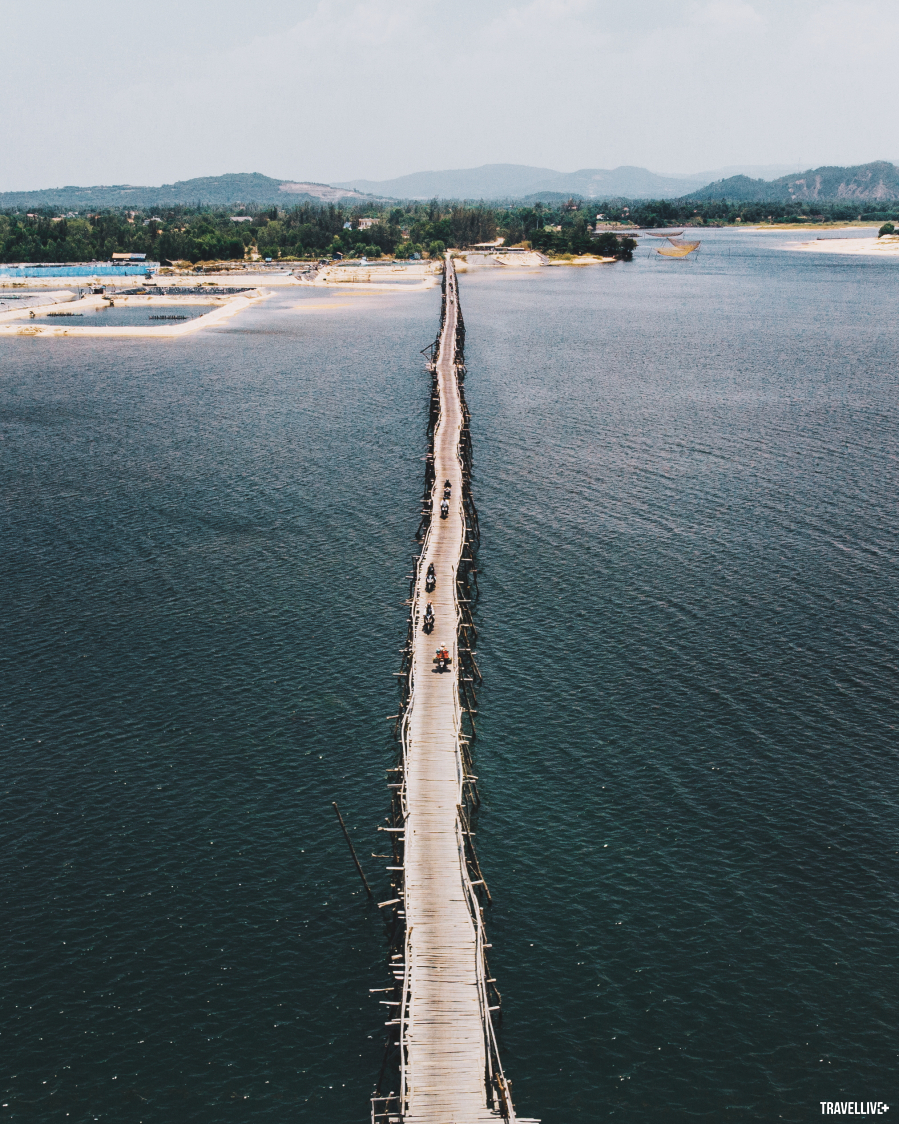
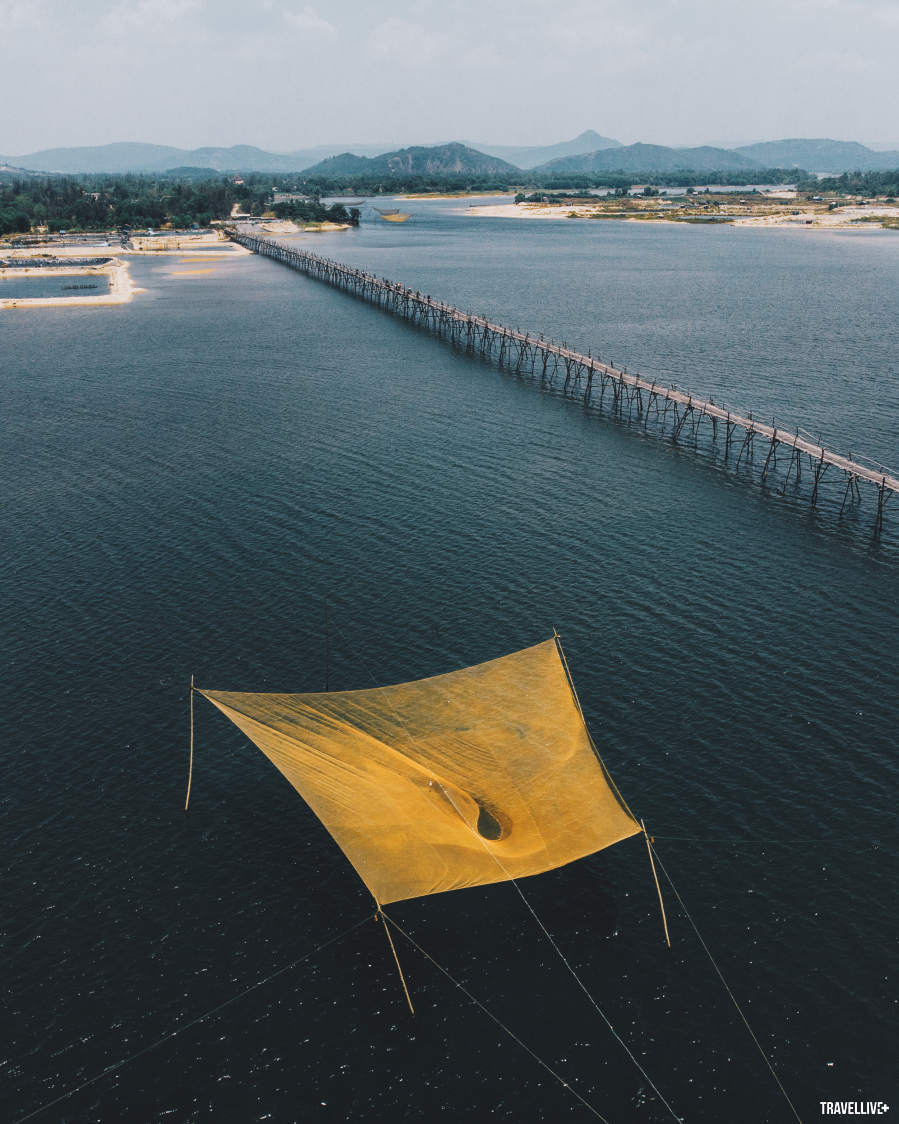
From Hoi An, we continued our journey through Quy Nhon and then to Phu Yen. Along the way, we happened to pass by Ong Cop Bridge – a truly unique landmark in Phu Yen. Few people know that Ong Cop Bridge is the longest wooden bridge in Vietnam, measuring approximately 400 meters in length. Spanning the Phu Ngan River, it's a vital transportation link connecting small coastal villages to National Highway 1A. The old bridge was destroyed by natural disasters like storms, but now the people and authorities have worked together to build a new, more robust bridge to ensure the continued livelihoods and socio-economic development of the area.
Viewed from above, the Ong Cop Bridge resembles a thin thread spanning the Phu Ngan River, with a few vehicles and pedestrians carrying goods scattered across its surface. Crossing the bridge is not easy, especially for women. The bridge's surface is made of wooden planks, some raised, some lowered, some slanted to the right, and some tilted to the left, making it very uncomfortable. Therefore, when driving a motorbike across, we had to be very careful and slow. In addition, the bridge also leads to shortcuts to famous landmarks such as Ganh Da Dia and O Loan Lagoon...
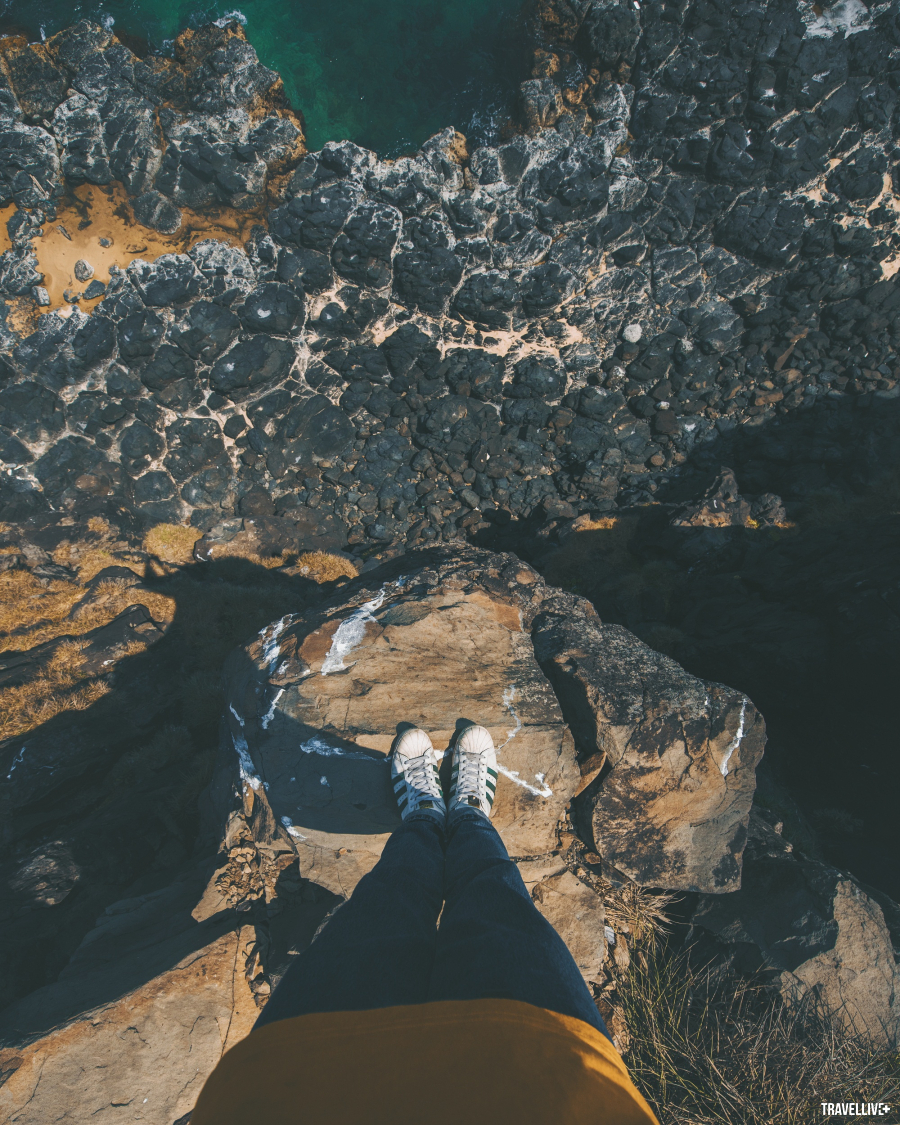
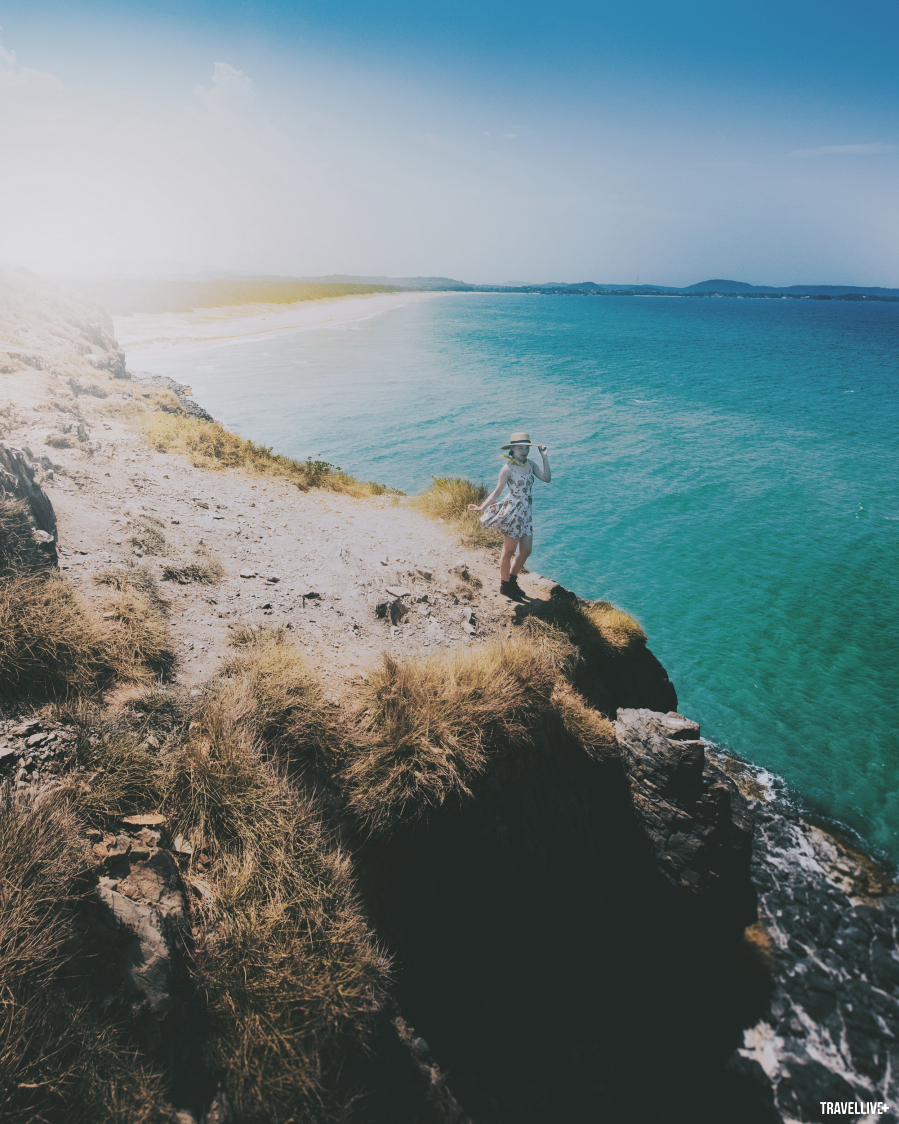
Our next stop in Phu Yen was Bai Xep, the filming location of the famous movie "I See Yellow Flowers on Green Grass." Compared to a few years ago, the place has lost some of its original pristine beauty; the cactus bushes are still there, but the lush green grass has disappeared, leaving only barren yellow soil and rocks...
Standing halfway up the Ganh Xep cliff, gazing out to the horizon, I saw only a clear blue expanse, the ocean and sky merging into one. The Vietnamese sea is truly beautiful; perhaps no words can adequately describe my feelings at that moment. After such a long journey, I will never forget moments like these.
Scuba diving in Nha Trang
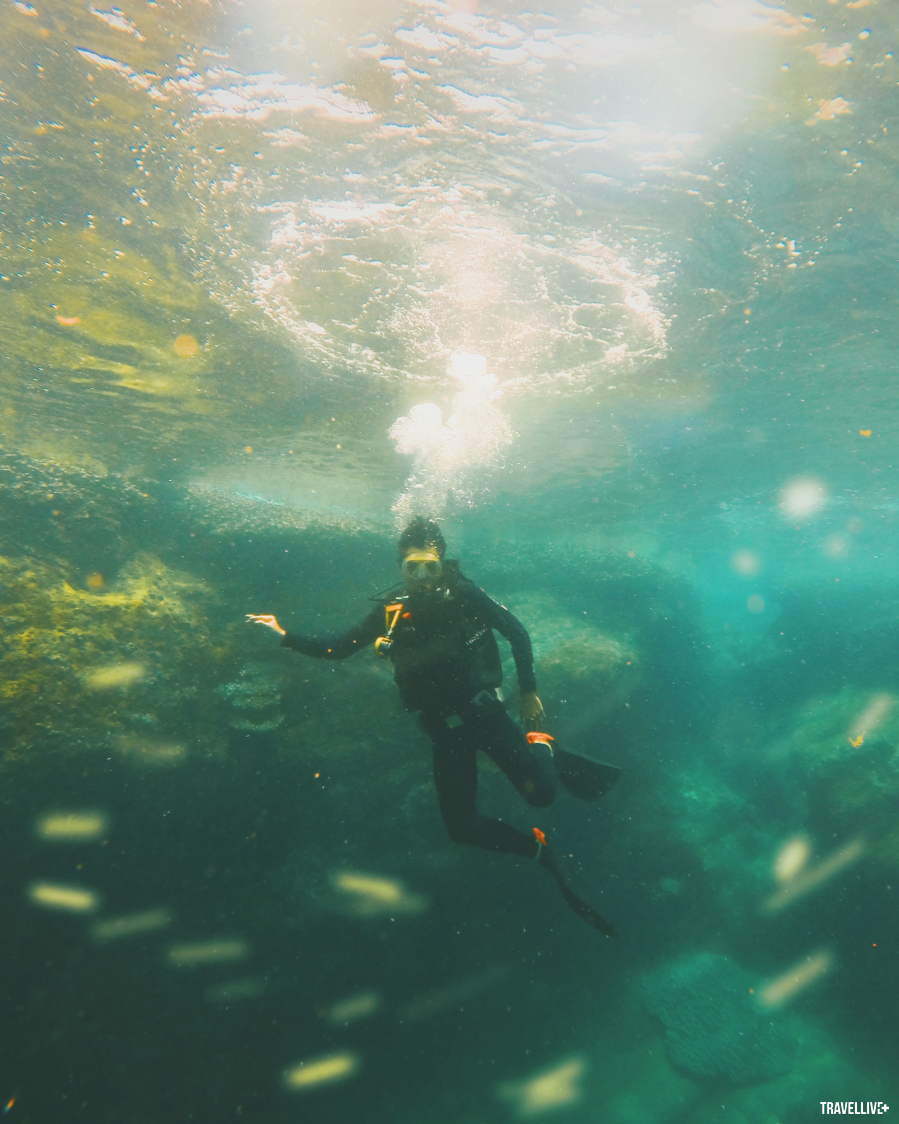
The sunrise in Nha Trang that day wasn't beautiful; a light rain made the sky less blue, and the sea less clear. But this couldn't stop us from doing the most exciting thing on our trip – scuba diving.
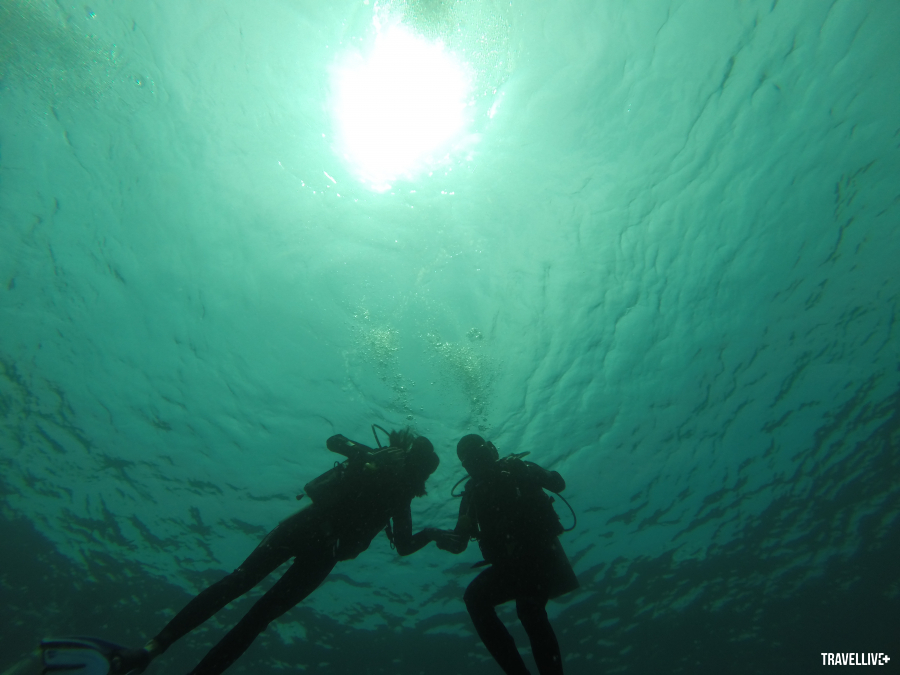
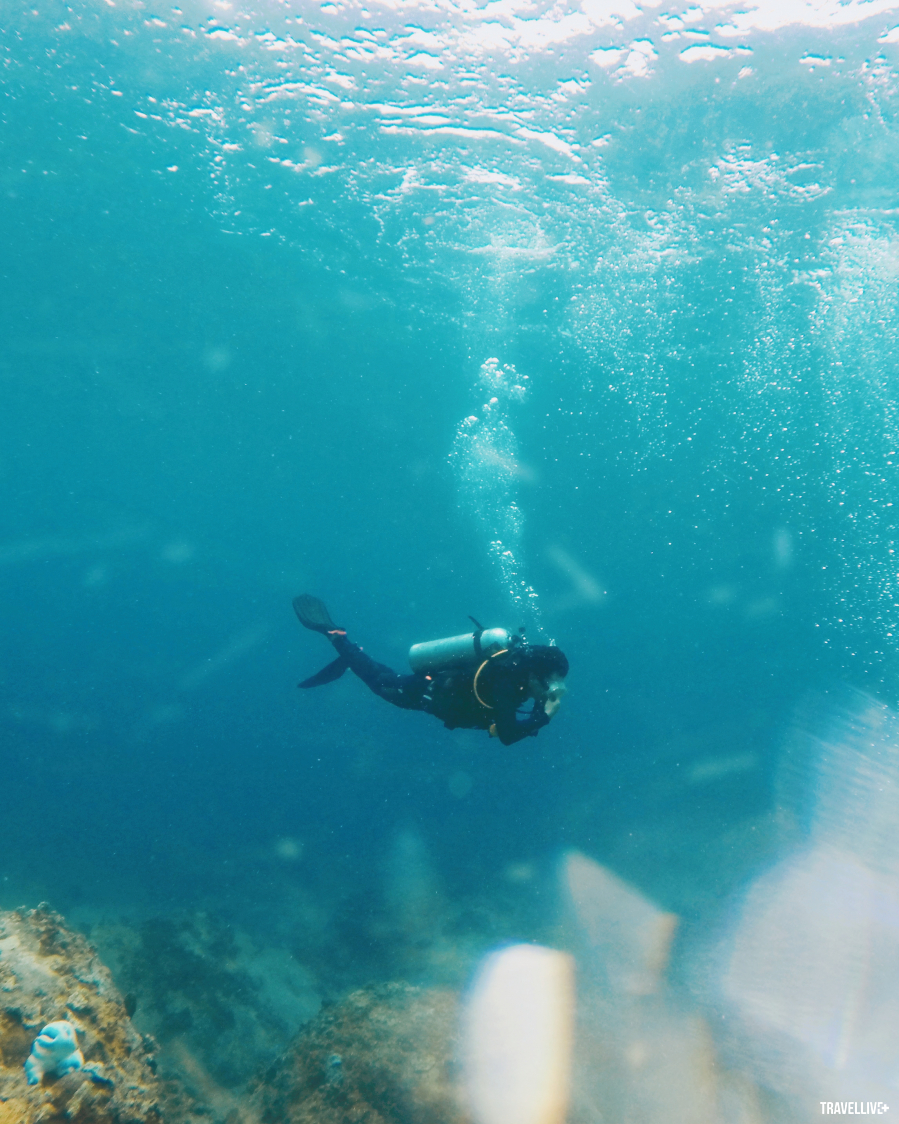
The wooden boat took us from the harbor to Hon Mun Island. There, we participated in a scuba diving course, guided and practiced in a very systematic and professional manner, with the ultimate goal of helping each person to fully and safely explore the beauty of the ocean.
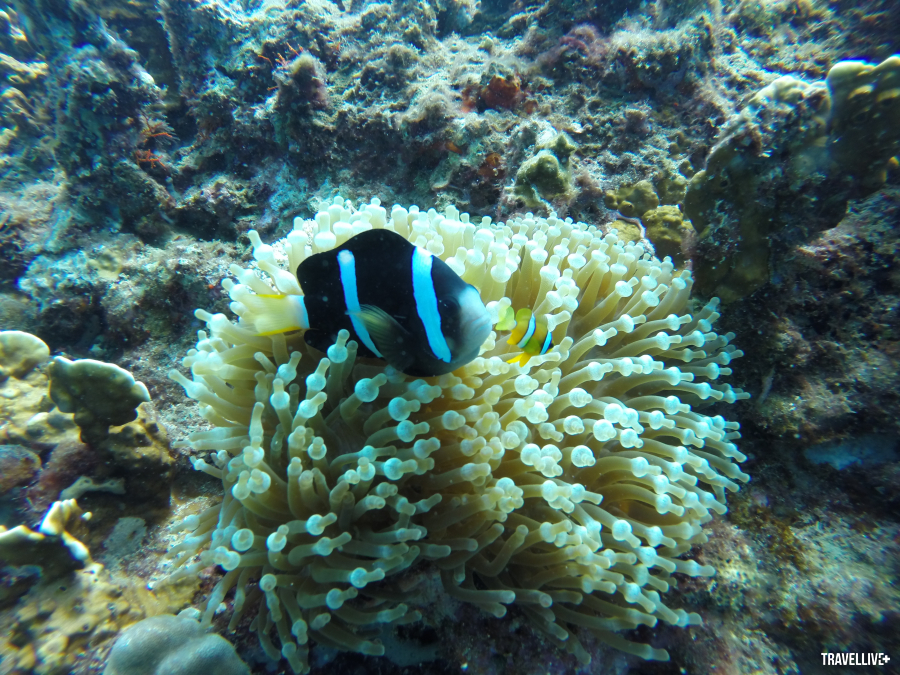
Once you've mastered the technique and can control yourself, that's when you'll experience the most exciting part of scuba diving. It's the feeling of freedom, of conquering the vast ocean. It's the exhilarating feeling of being able to swim freely in the sea, admiring up close the beauty of the fish, the colorful coral reefs, or any other marine creature. It's truly an unforgettable experience!
Coastal mountain passes
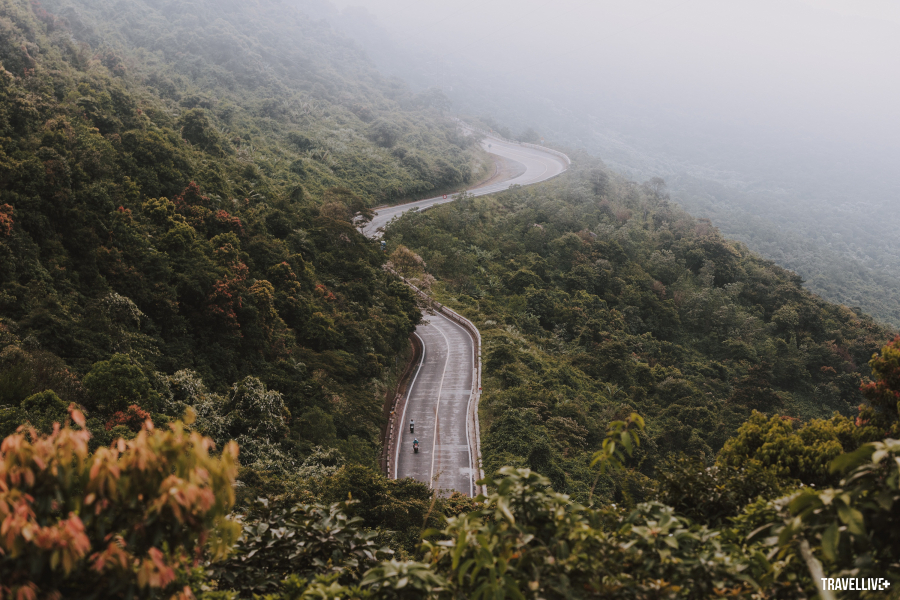
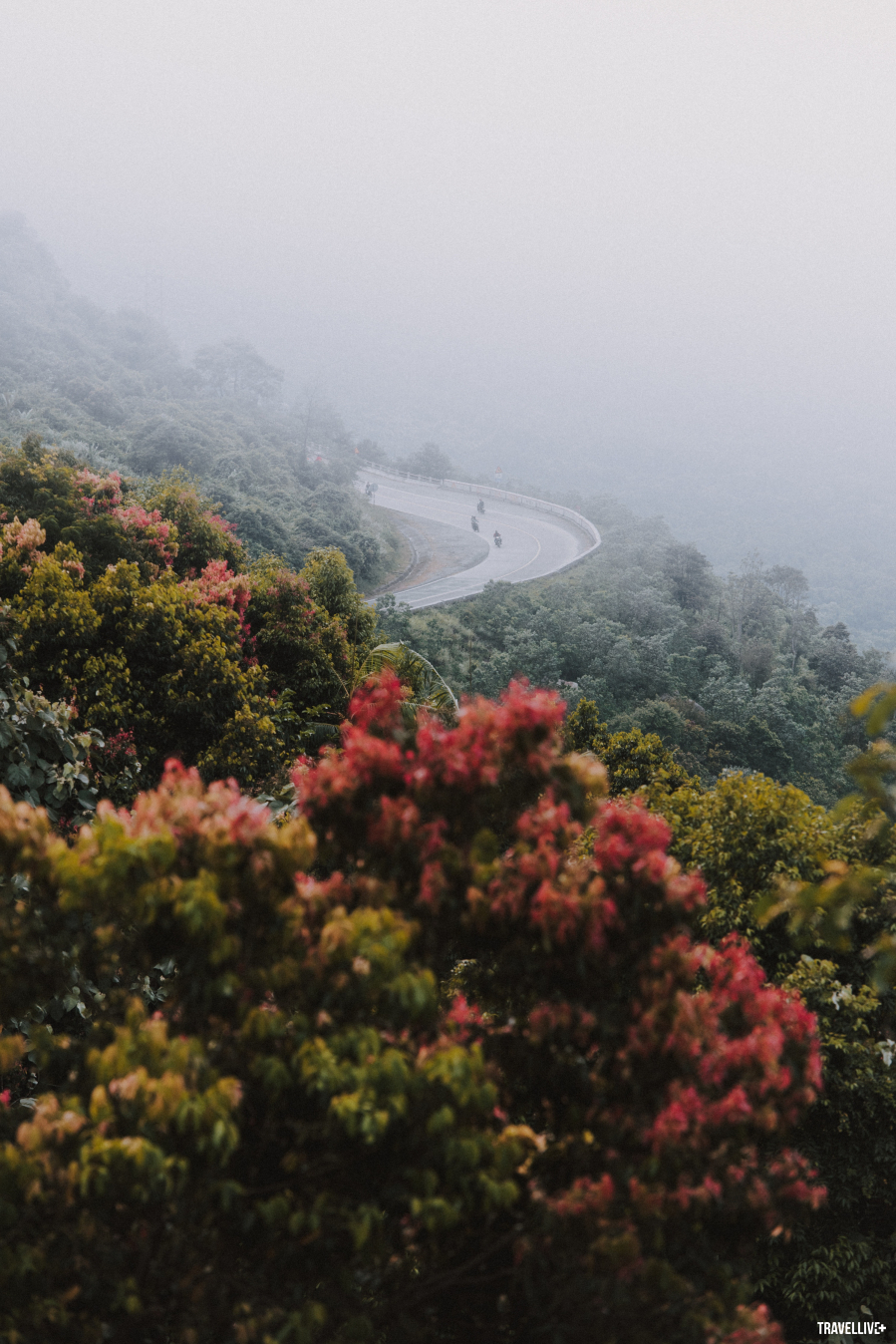
If Northwest Vietnam boasts the famous "Four Great Mountain Passes," then the passes along Central Vietnam are equally stunning. The first pass we crossed on this journey was Hai Van Pass – the most majestic pass in the coastal region. The "Most Majestic Pass Under Heaven" was strangely peaceful that afternoon. The summer sun was still sweet, but clouds cascaded down from the pass like a waterfall, sometimes fierce, sometimes a pure white, gentle stream.
Each time I twist the throttle, I feel the salty sea breeze of Central Vietnam surrounding me. Each time I twist the throttle, I accelerate up the precarious slopes, the wheels gliding and tilting as I navigate the treacherous hairpin bends of this "heroic pass." Each time I twist the throttle, I feel myself hurtling forward like an arrow on a road with towering rocky mountains on one side and the deep blue sea on the other. I'm not sure what captivated my recklessness more—the majestic, pristine landscape of my homeland or this feeling of ultimate freedom.
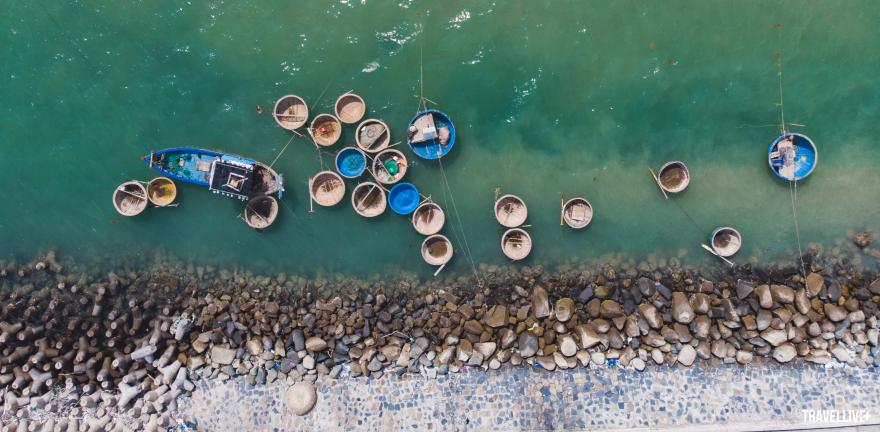
In the following days, we were greeted by the Ca Pass, then the mountain passes of Van Phong Bay, Phan Rang Bay, and more. At each of these places, we stopped at the summit, gazing as far as we could, looking back at the winding, treacherous roads we had traversed, and in the distance, the Vietnamese coastline with its waves gently lapping day and night. With mountains on one side and the sea on the other, the beauty of these coastal passes was etched into the hearts of the travelers, whispering to us that we would return one day.
Some things to keep in mind when traveling across Vietnam by motorbike.
- Plan your travel, accommodation, and meals in as much detail as possible. Unexpected situations can arise on long journeys, but careful planning will help you better manage your time and distance, ensuring a better trip.
- Learn more about the local culture, people, customs, etc., before visiting any place.
- Prepare your vehicle thoroughly. Maintenance, oil changes, and checks of components like brakes, tires, and chains before setting off are crucial. Ensure your vehicle is in perfect working condition when you depart.
- Equipping yourself with basic social knowledge, skills for handling situations along the way, first aid skills in case of accidents, etc., is especially necessary.
- Essential safety equipment includes protective gear and a helmet when riding a motorcycle, a repair kit, a first-aid kit, a rain suit, and rain boots...

 VI
VI