VI
VI


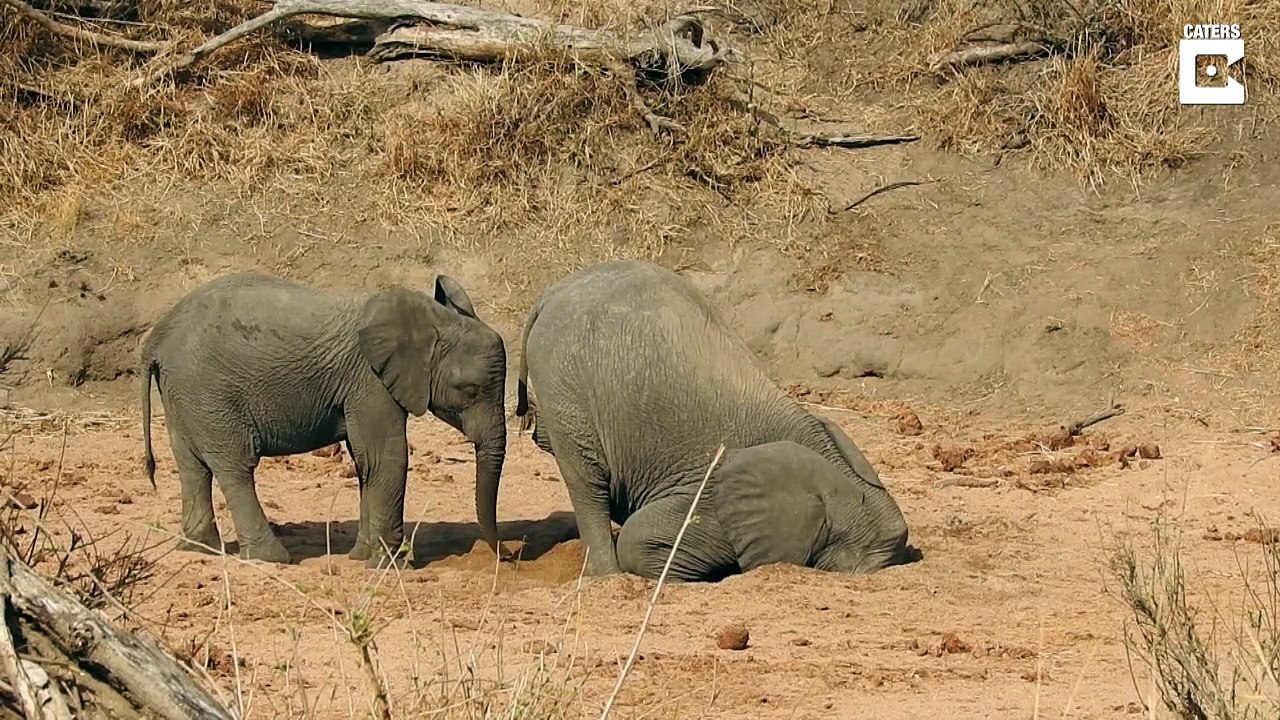
"The problem is really serious and the situation is very bad," Tinashe Farawo, spokeswoman for Zimbabwe's National Parks and Wildlife Service, said in a statement, according to AP.
According to Ms. Farawo, Hwange National Park was designed for 15,000 elephants, but currently the African elephant population there has reached 53,000. This overcrowding has led to the elephants not having enough food during droughts. National park staff have had to drill very deep wells to find water sources for the elephants.
"The biggest threat to our animals is habitat loss. We have significantly reduced poaching. In previous years, we lost hundreds of elephants to poaching, but last year the number was just over 20," said Ms. Farawo.

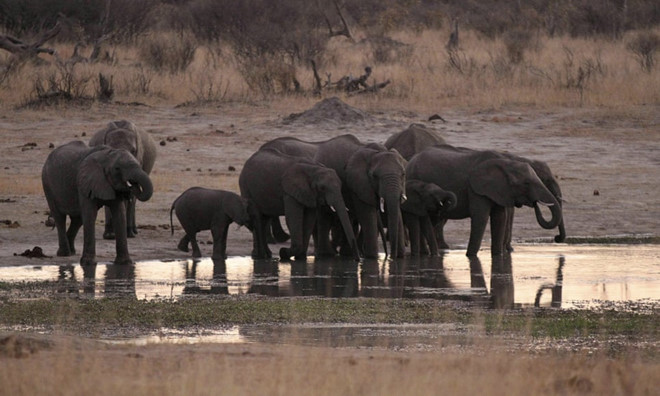
A herd of elephants drinks water at Hwange National Park, Zimbabwe (Photo: Reuters)
While its economy remains dire, the southern African nation is facing its worst drought in decades. Shortages of clean water and food are severe in many parts of the country, even in the capital, Harare.
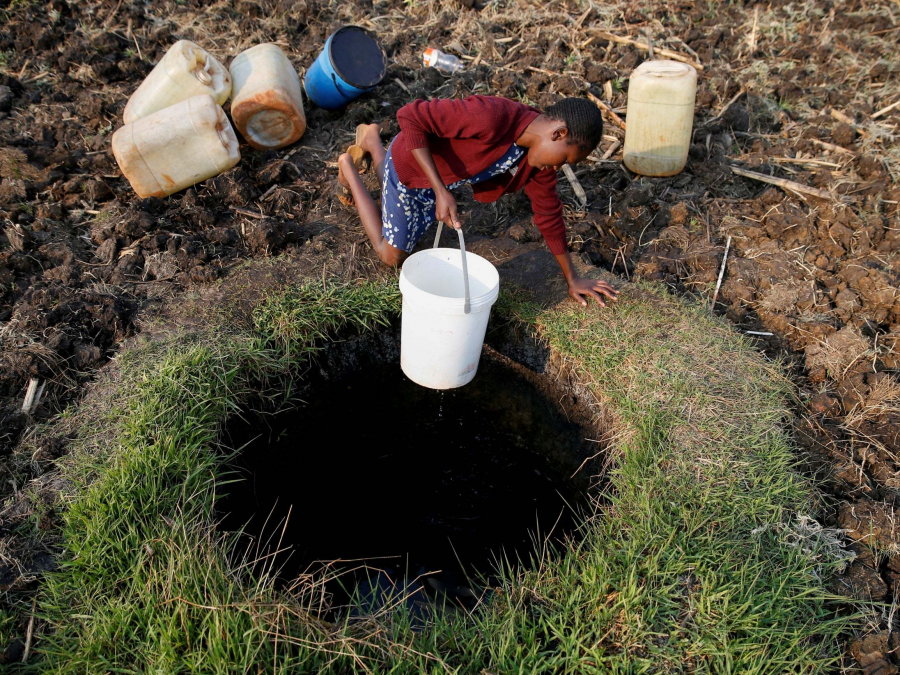
People in Zimbabwe are facing the worst drought in decades.
And the wild animals share the same fate; unable to find enough food in the park, they wander off, destroy crops, and repeatedly clash with humans. Ms. Farawo said that more than 20 people have died from encounters with wild animals since the beginning of the year.
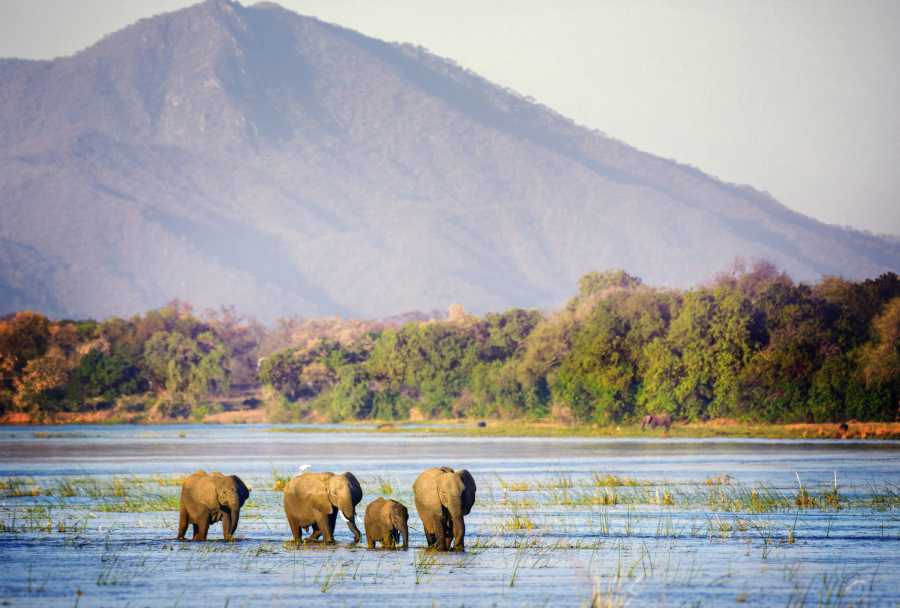
Zimbabwe has one of the largest elephant populations in Africa.
Reportedly, Zimbabwe is seeking to allow recreational hunting and the export of elephants to alleviate pressure on the species' increasingly shrinking habitat, and also to generate much-needed foreign currency for conservation efforts.
This view has met with opposition from conservationists and wildlife protection organizations. Last week, activists launched a protest campaign calling on the Zimbabwean government to postpone the sale of 35 baby elephants to China and Pakistan.