VI
VI


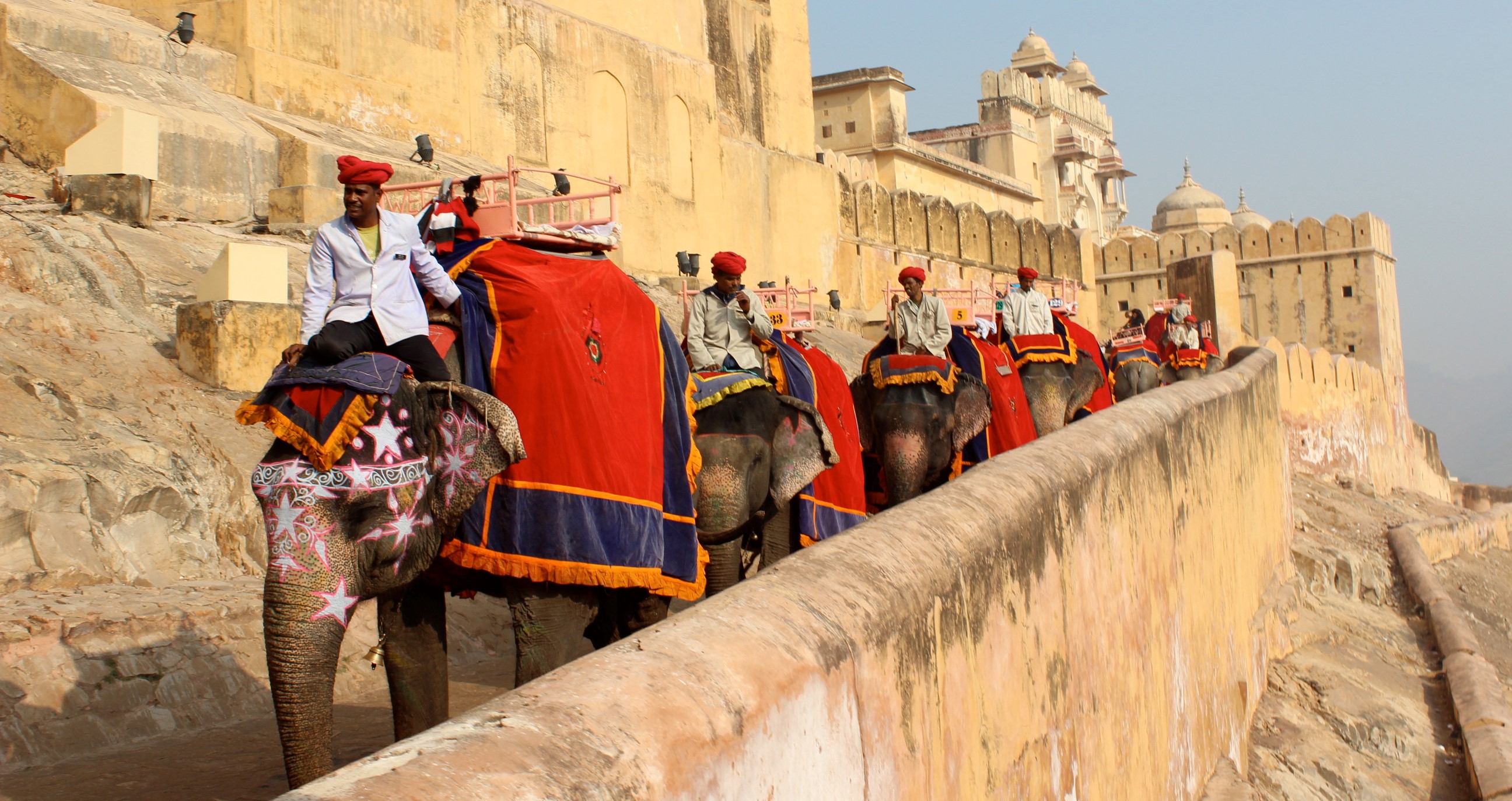
Leading up to World Elephant Day on Monday (August 12th), World Animal Protection held a bicycle protest through the streets of Jaipur the previous Sunday, August 11th. The aim of the protest was to urge tourists to stop using elephants as a means of transportation to Amber Fort and instead use bicycles.
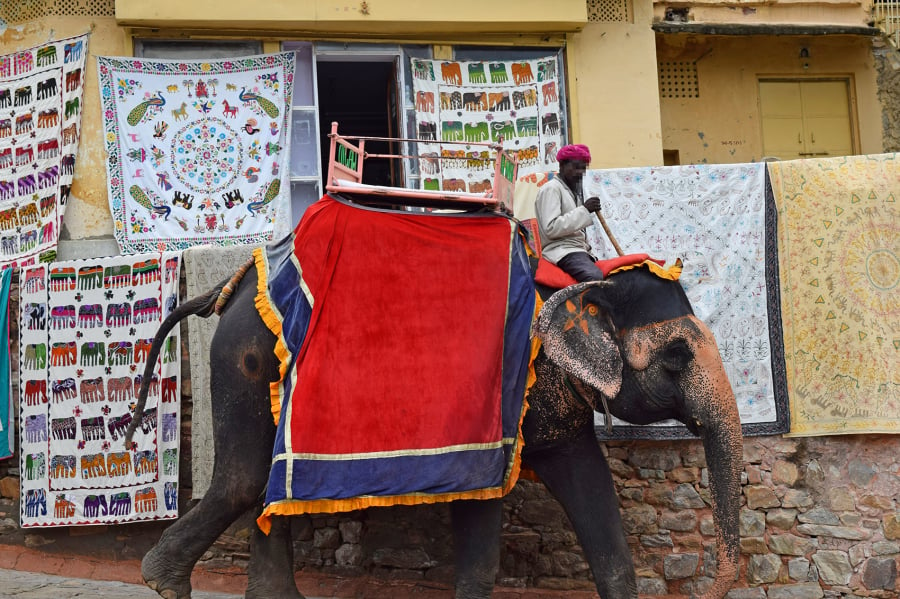
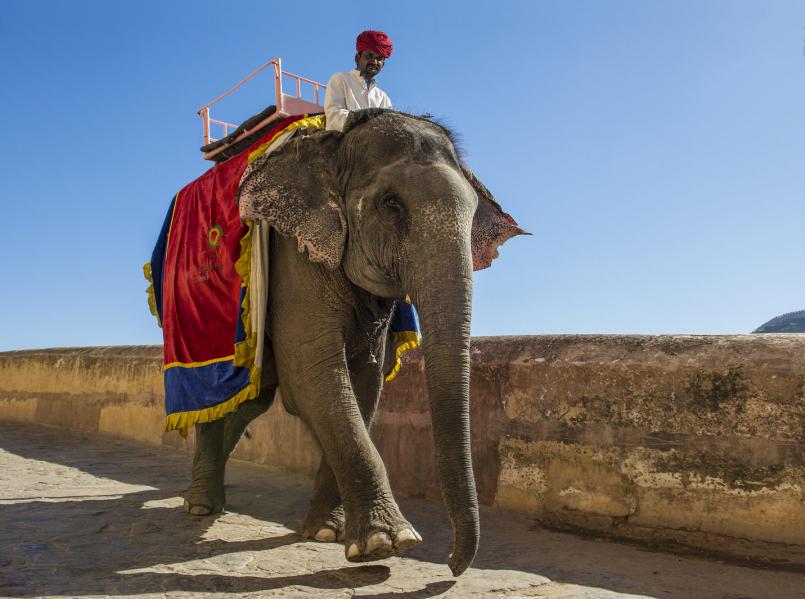
Elephants are the "means of transportation" for tourists visiting Amber Fort, India.
According to The Guardian, around 100 elephants are used to carry tourists on the kilometers-long route to the fort. The average total weight of tourists, elephant handlers, and wooden chairs can reach 300 kg, while the path to the fort is very steep and covered with hard rocks.
"The story isn't just about the cruel methods used to train them, but also about the fact that many of the elephants are experiencing health problems. Many suffer from tuberculosis, blood diseases, blindness, malnutrition, and leg injuries from walking on rough surfaces," said Kirsty Warren from the organization.

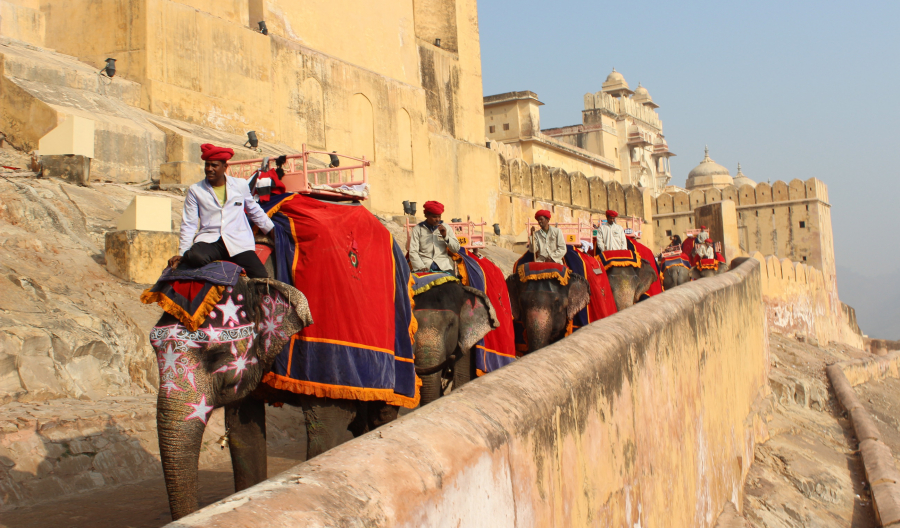
Despite their large and sturdy appearance, elephants are not necessarily healthy or enjoy this work.
The World Animal Protection organization has also proposed several alternatives to the local authorities. "Instead of elephant rides, we want tourists to use bicycles, but not on that steep road, but on a flatter path to the fort. We are also lobbying the authorities to open an elephant sanctuary near the fort so that tourists can visit them in their natural environment. This could be a new tourist attraction."
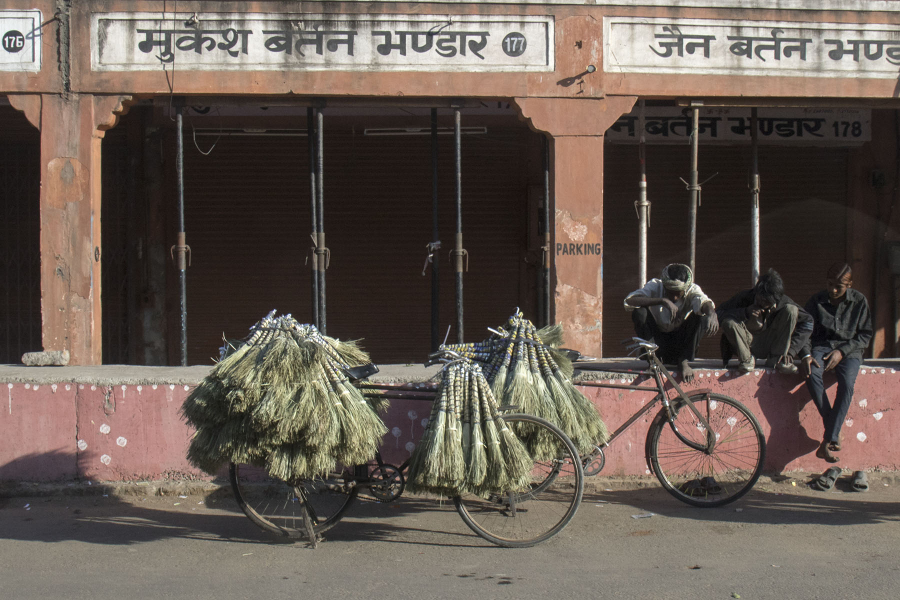
Bicycles have always been a familiar means of transportation to the Fort.
However, the elephant owners say they need to maintain this activity because it is their livelihood. The Indian Ministry of Tourism considers elephant riding a form of tourist attraction. Many tourists choose elephant riding instead of jeep tours because they want to experience something new.
For many years, animal welfare groups in India and PETA have campaigned against the use of elephants as a means of transportation. However, these organizations have only been able to persuade authorities to reduce the maximum number of passengers on an elephant's back from four to two, as well as reduce the maximum number of trips to five per day in winter and three per day in summer.