VI
VI


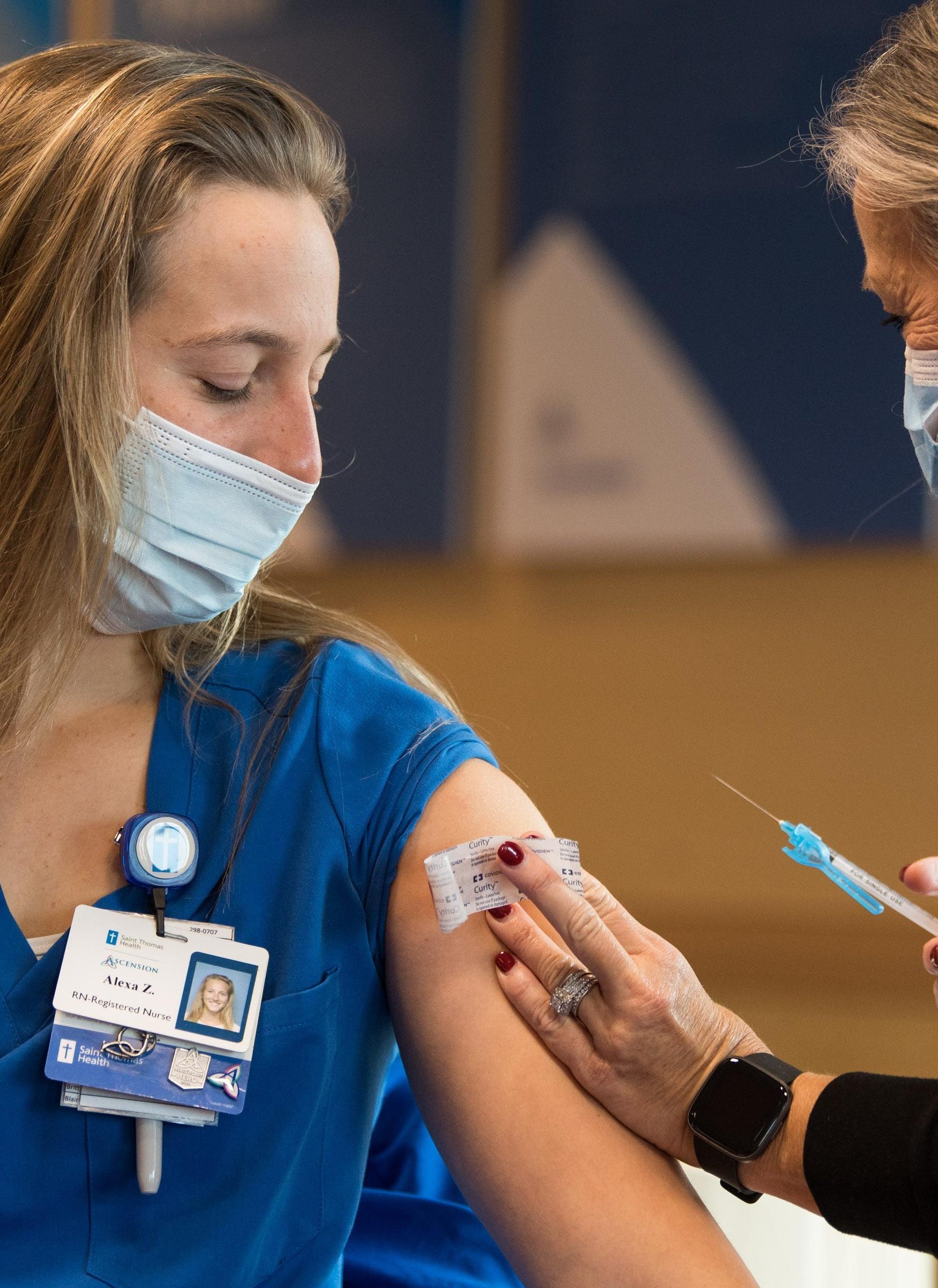
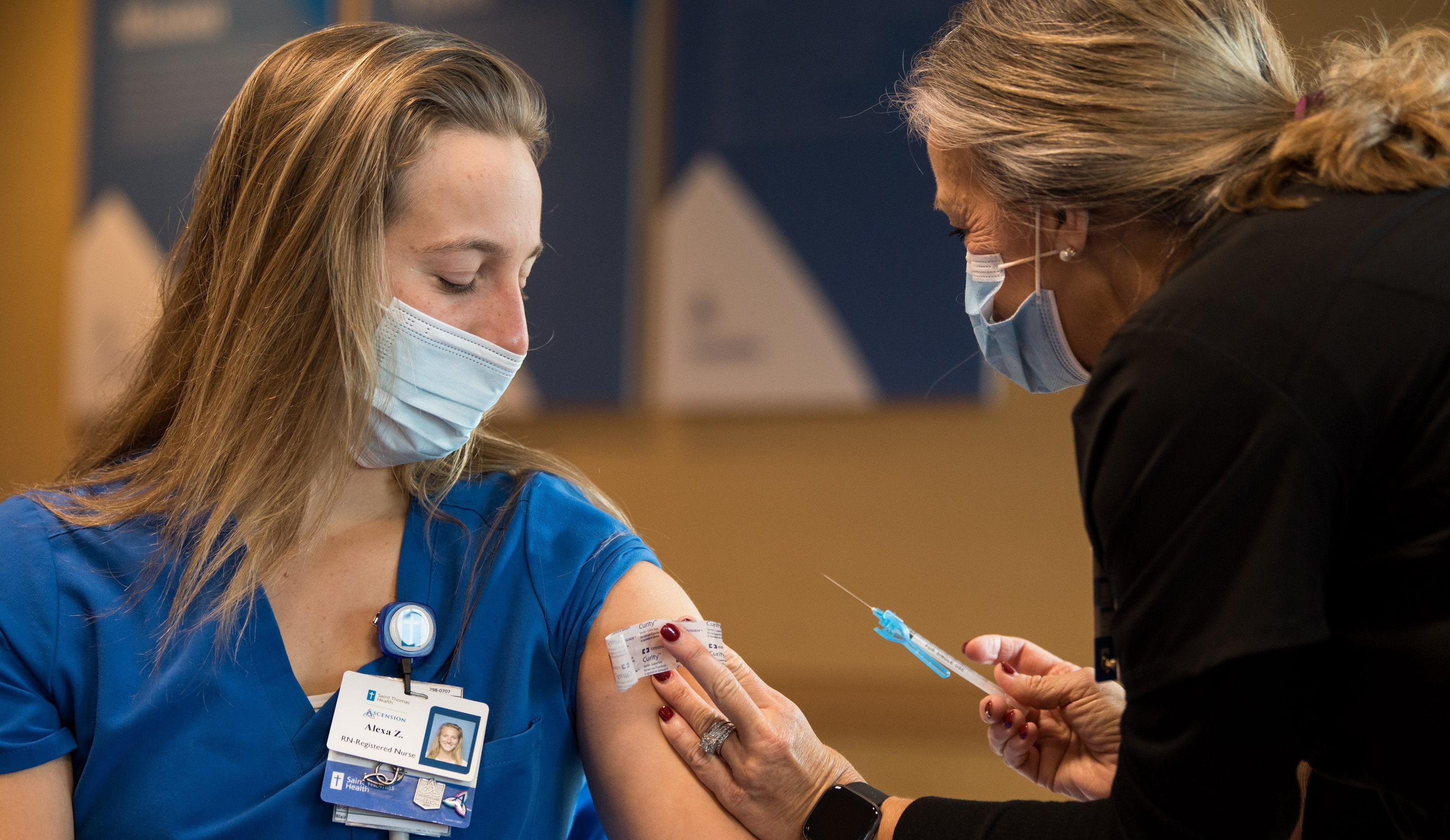
Vaccine manufacturer AstraZeneca, headquartered in Cambridge, UK, said this requirement also applies to employees of its subsidiary Alexion Pharmaceuticals in Boston, USA. Employees can request exemptions for medical, religious, or other reasons, but will still be required to undergo weekly Covid-19 testing.
"To protect the health of our employees and our communities, we must follow the science," a spokesperson for AstraZeneca stated.
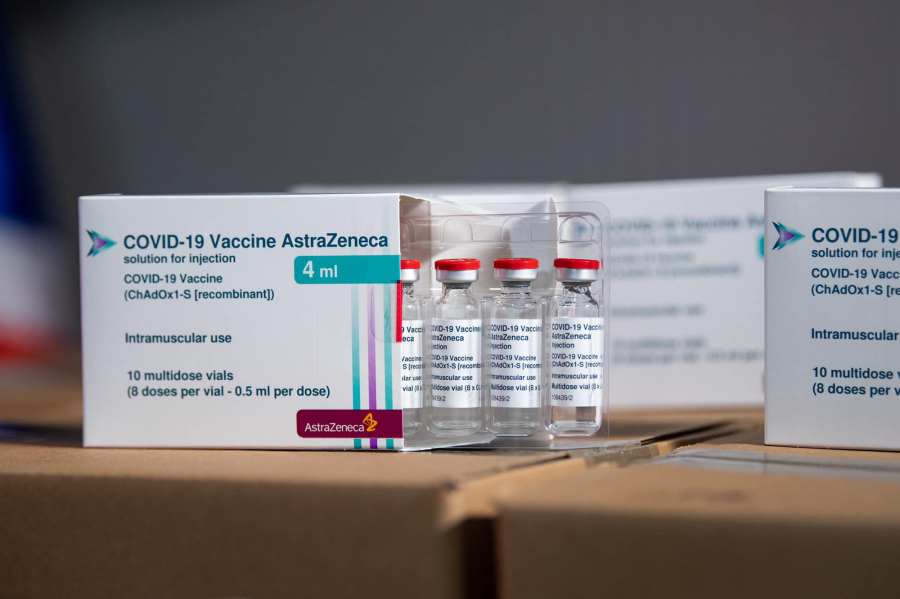
Responding to the pharmaceutical company's announcement, the American online community expressed confusion. Many commented that the decision was unclear as it did not specify which particular vaccine would be used to inoculate employees. "AstraZenecas, Pfizer, Sputnik, or Sinovac—they didn't say what vaccine it was," one comment on The New York Times stated.

Some people expressed skepticism because AstraZeneca is not licensed in the US, meaning their staff might have to receive vaccines from another manufacturer. "It's ironic that AstraZeneca isn't allowed in the US, so they'll be getting Pfizer or some other brand?", many commented.
In fact, AstraZeneca's Covid-19 vaccine has now been licensed in 87 countries, with 913 million doses shipped. However, it has not yet been approved for use in the United States.
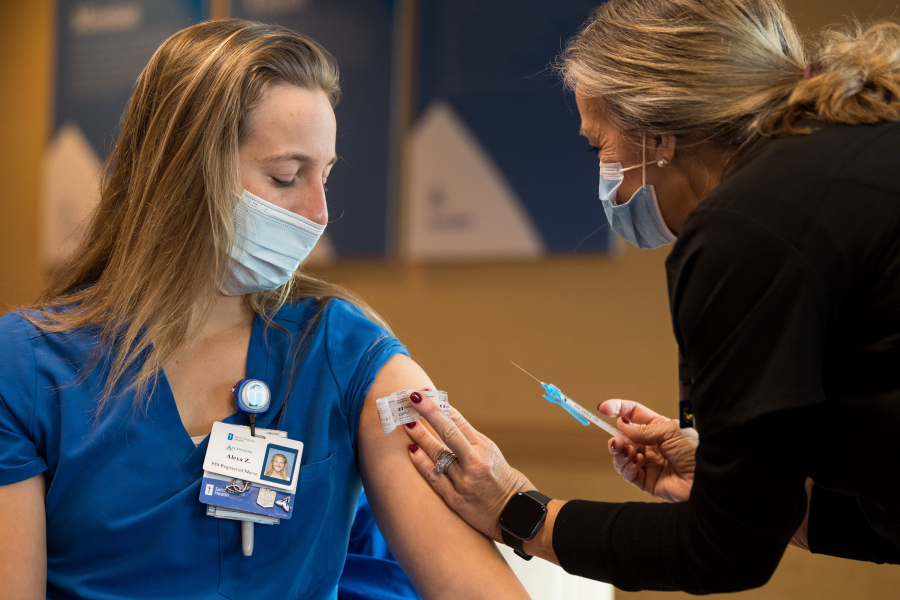
Johnson & Johnson, the company that provides the single-dose vaccine licensed in the U.S., is also requiring its employees and local contractors across the country to get vaccinated, a requirement that took effect on October 4. “A lot of data shows that vaccination is important to help end the pandemic,” a Johnson & Johnson spokesperson said.
Pfizer, the New York-based American vaccine manufacturer, is also requiring all its employees and contractors nationwide to receive weekly Covid-19 vaccinations or tests.