VI
VI


Interestingly, there are two countries named Congo on the world map. One is the Republic of Congo (Congo Brazzaville) and the other is the Democratic Republic of Congo (Congo Kinshasa). Both countries are part of the Francophone Community, have their own political systems, and use their own currencies. Their economic landscapes are also quite different. The Republic of Congo is a developing country; its economy, while primarily based on oil extraction and export, has experienced impressive growth in recent years.
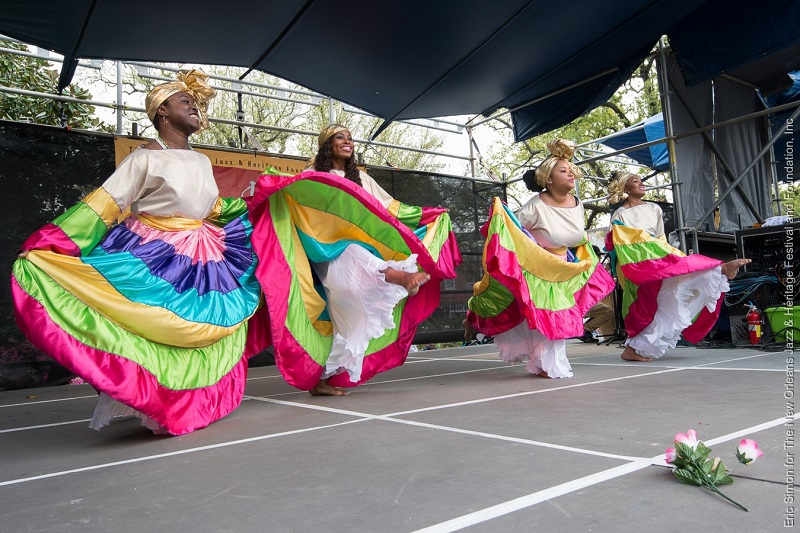
Meanwhile, neighboring Congo Kinshasa, a vast country, consistently ranks among the world's 10 poorest nations. Furthermore, unemployment, underinvestment in healthcare, and education have led to stagnation in economic development over the years.

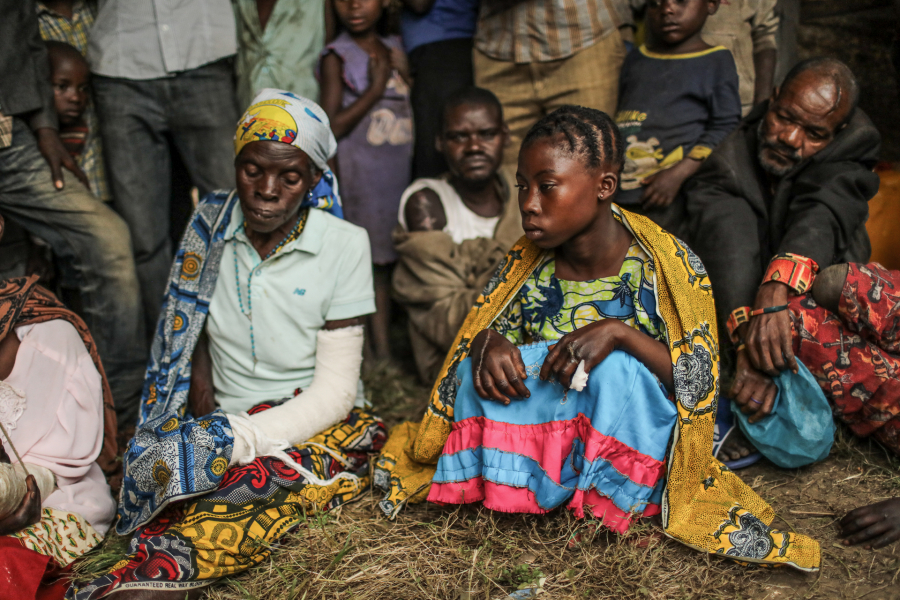
While New Year's Day in Brazzaville, Congo, is widely recognized and celebrated annually, in Kinshasa, Congo, people only get to see fireworks and celebrate the New Year once every 50 years. On New Year's Day, adults and children in the Republic of Congo are given time off from work and school. Families gather together, dancing and singing as a way to bid farewell to the old year. Meanwhile, its "brother" country to the northwest has to wait a much longer time to celebrate New Year's Day. It can be said that a lucky person will only get to celebrate New Year's Day once or twice in their lifetime.
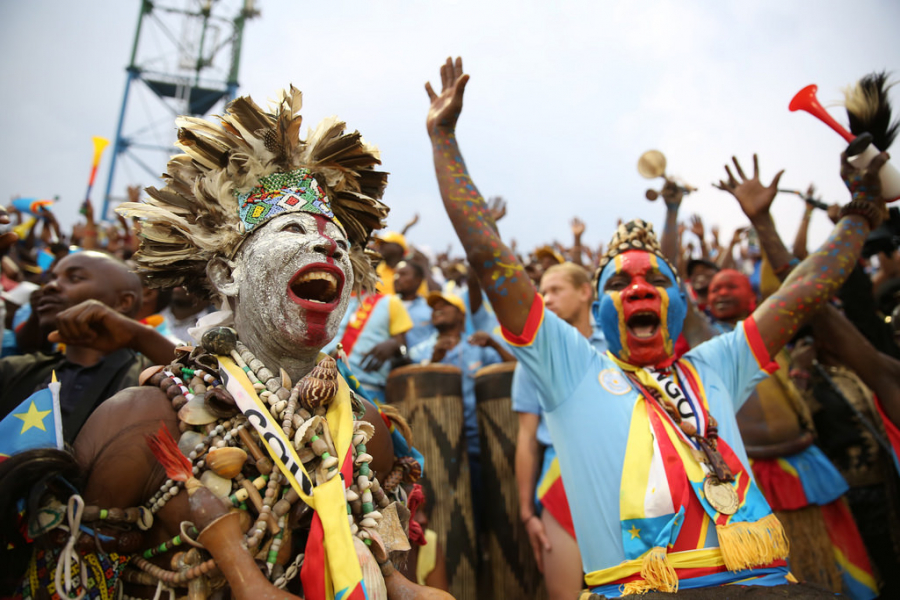
Known as one of the largest, most populous, poorest, and most underdeveloped countries on the "black continent," the New Year in the Democratic Republic of Congo is truly a joyous celebration eagerly awaited by its people. On New Year's Day, the people of Congo Kinshasa decorate their homes brightly and immerse themselves in long, drawn-out feasts that last for three months. Many believe this once-in-50-years event is a unique cultural characteristic of the Congolese people. However, it's also possible that the persistent poverty forces the people here to patiently "wait for the Congo New Year."
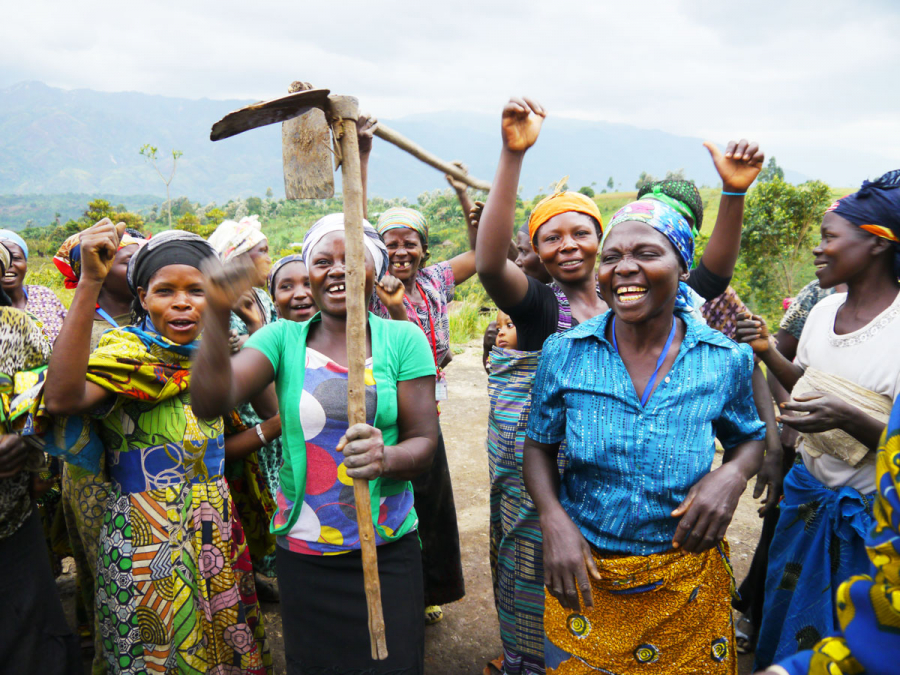
Nevertheless, they still celebrate other important holidays during the year, such as National Day (June 30) or Father's Day (August 1),...