VI
VI


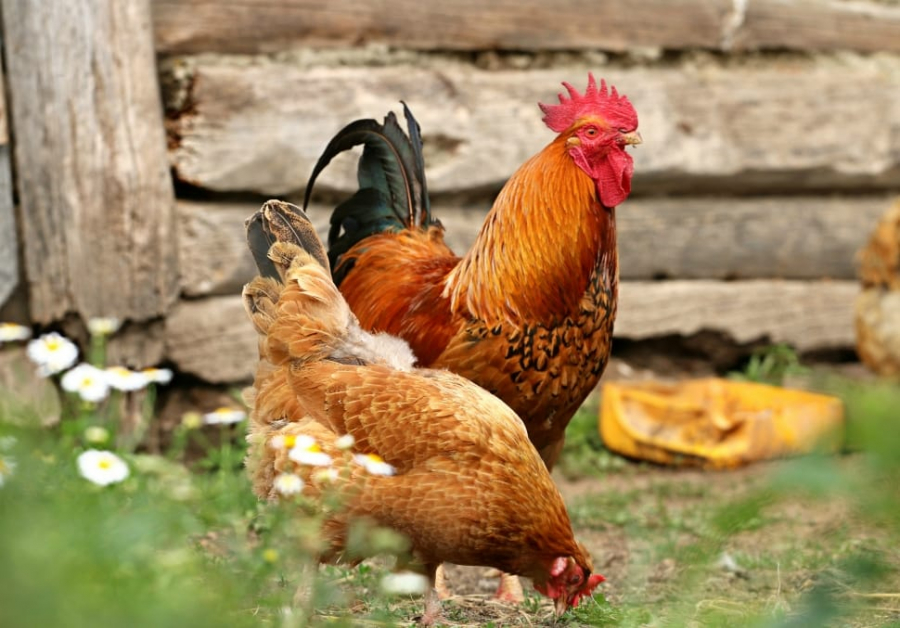
Singing contest with... chickens
"Stealing the rooster's crow" is a New Year's custom of the Pu Péo people in Hà Giang. At midnight, the Pu Péo people keep a close watch on their roosters. When a rooster flaps its wings, preparing to crow, they immediately light a firecracker and throw it into the coop. Startled, the roosters jump up and crow. Immediately, everyone starts singing loudly to drown out the rooster's crow. The Pu Péo believe that the rooster's crow is both beautiful and sacred, waking up even the sun. Therefore, whoever can drown out the rooster's crow will have a beautiful singing voice and experience much luck and happiness in the new year.
Stealing for good luck.
On the first day of the new year, the Dao people in the villages gather at a designated place to perform traditional rituals. Immediately afterward, young and old, men and women alike, parade through the houses to the sound of drums, gongs, and horns, trying to steal something from the families along the way. The Dao believe that the more they steal, the luckier they will be that year.
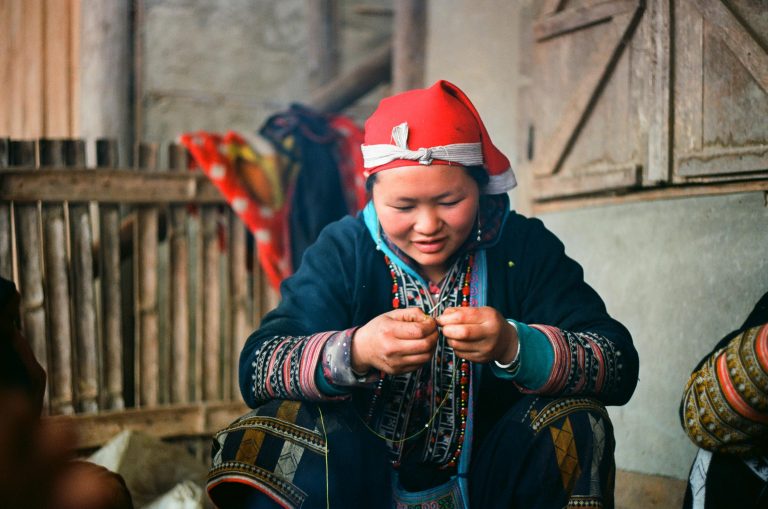
Conversely, if caught in the act by the homeowner, the thief will be punished by having to drink alcohol, and the entire year will be considered unlucky. This custom is not heavily focused on material gain, so the Dao people usually only steal things like vegetables, meat, and eggs from the kitchen as a symbol. At the end of the day, the thieves will return their loot to the families to receive a reward.
Patting someone's butt to express love.
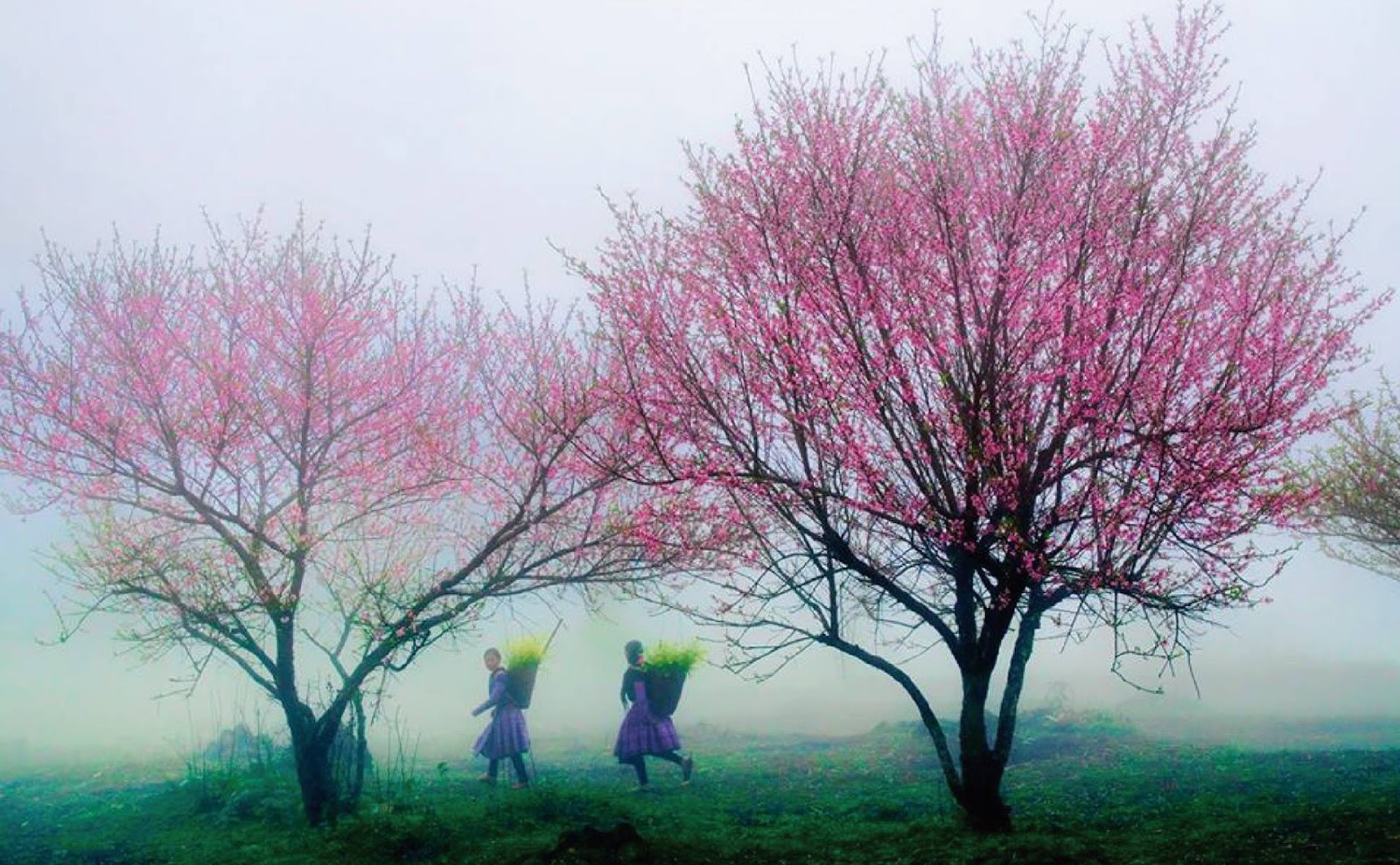
During the Lunar New Year, young Hmong men and women often gather at the foot of the mountain to celebrate the spring festival. When a young man takes a liking to a girl, he will pat her on the buttocks and take her hand to find a place to talk and spend the night together.

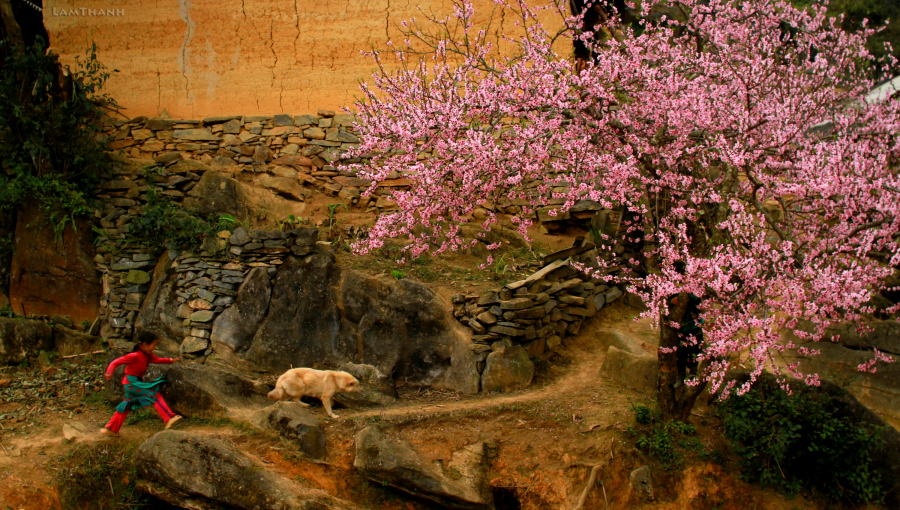
Furthermore, the Sai San or Gau Tao festival (a blessing festival) during Tet (Lunar New Year) is the biggest festival of the year and represents an indispensable part of the Hmong people's unique culture. The festival features many cultural activities such as pao throwing - one of the Hmong people's favorite games, khene flute dancing, umbrella dancing, tube singing, and love duet singing...
Covered in ash, they threw sticky rice onto the roof.
The Gie Trieng people (living mainly in Quang Nam and Kon Tum provinces) celebrate their traditional New Year with a name called Cha Cha, meaning "eating charcoal." According to the Gie Trieng people's belief, whoever gets the most ash from burning charcoal on their hands during the New Year will be lucky and have a bountiful harvest.
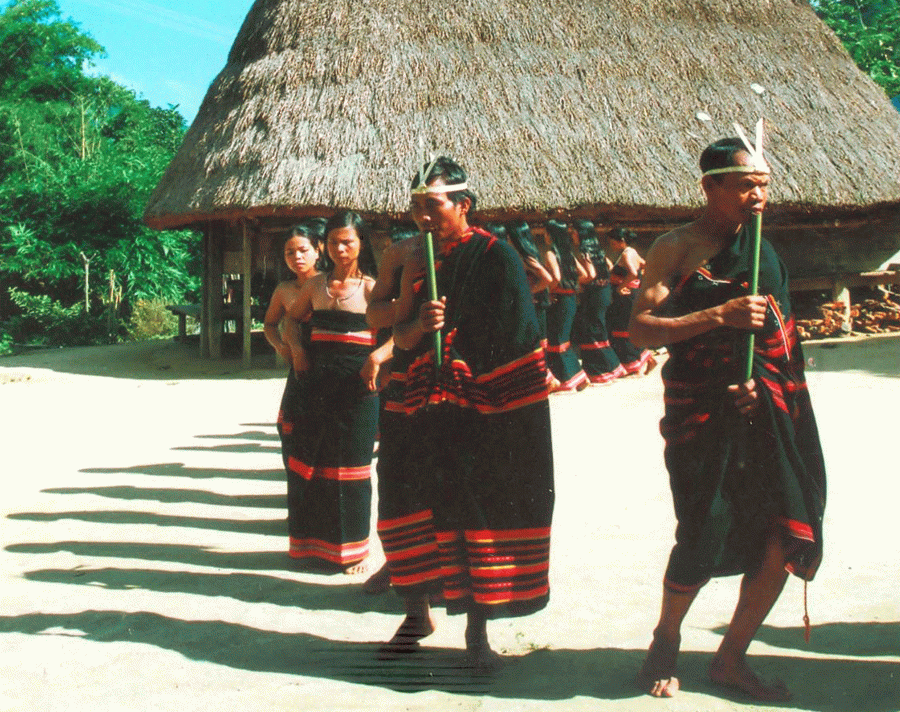
To get the ashes, three days before Tet (Lunar New Year), tall, strong young men are sent to the forest to burn firewood into large piles of charcoal and bring them back to the village. In addition, villagers cook sticky rice, smear it onto dry rags, and then burn them to ashes. These two types of ashes are then tossed high into the air, and whoever gets the most ashes on them is considered the luckiest. The Gie Trieng people also throw a handful of sticky rice onto the roof of their house on New Year's Day. Whoever's sticky rice gets stuck on the roof will have a very lucky year.
Sealing the house
Like the Kinh people, the Cao Lan people celebrate Tet (Lunar New Year) from the end of the twelfth lunar month to the beginning of the first lunar month. About two days before Tet, the Cao Lan people bring red paper (called "Chi dit" in the Cao Lan language) to paste on doors, gates, ancestral altars, millstones, pigsties, buffalo sheds, chicken coops, etc. The entire house is suddenly dyed a vibrant red. According to the Cao Lan people's belief, red paper symbolizes joy and good fortune. Pasting red paper on important places marks the beginning of a new year with wishes for peace, prosperity, and good health.
worship with a bowl of plain water
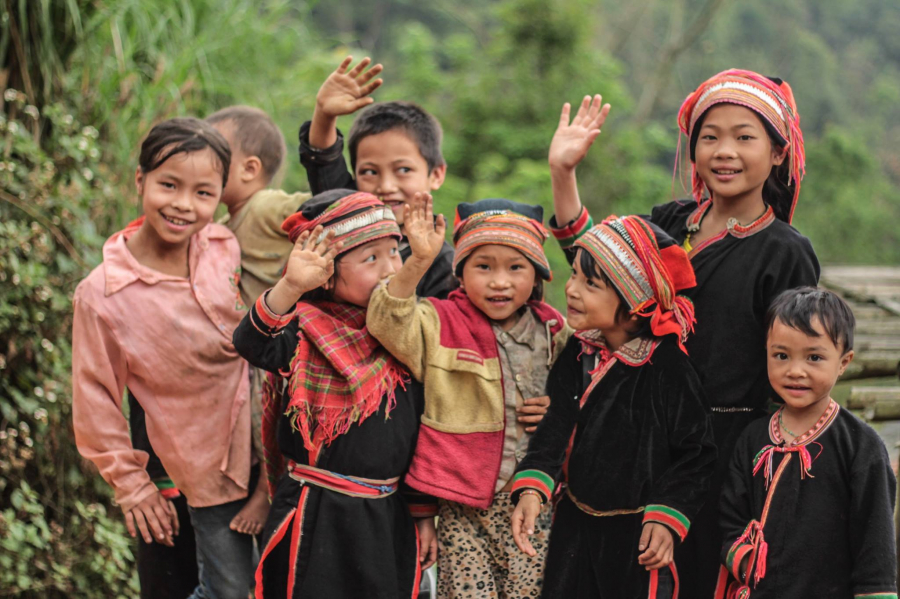
For the Pà Thẻn ethnic group in Hà Giang, each ancestral altar has a bowl of plain water for worship throughout the year. This bowl must always be kept covered and never allowed to dry up. Every year in June, the homeowner must open the lid to add more water to the bowl.
On New Year's Eve, every house is tightly closed, from the front door, windows, back door... carefully bolted shut to seal any openings. Inside, the homeowner will take down a bowl of water to clean the house and replace the water with fresh water to welcome the new year.
These actions must be kept secret within the family. The Pà Thẻn people believe that if these things are revealed or seen by others, the whole family will experience bad luck, misfortune in business, and persistent illnesses in the following year.