VI
VI


"Seeing the flowers bloom tells you that Tet (Vietnamese New Year) is coming soon."
During the feudal era, daffodils were considered a symbol of nobility and elegance, often appearing in the living spaces of Hanoi's upper class and intellectuals. Records from the Le Dynasty (15th-18th centuries) show that daffodils were once considered a precious flower, usually reserved only for royalty or wealthy families. The flower's delicate yet proud beauty made it a "muse" during the traditional Lunar New Year celebrations.
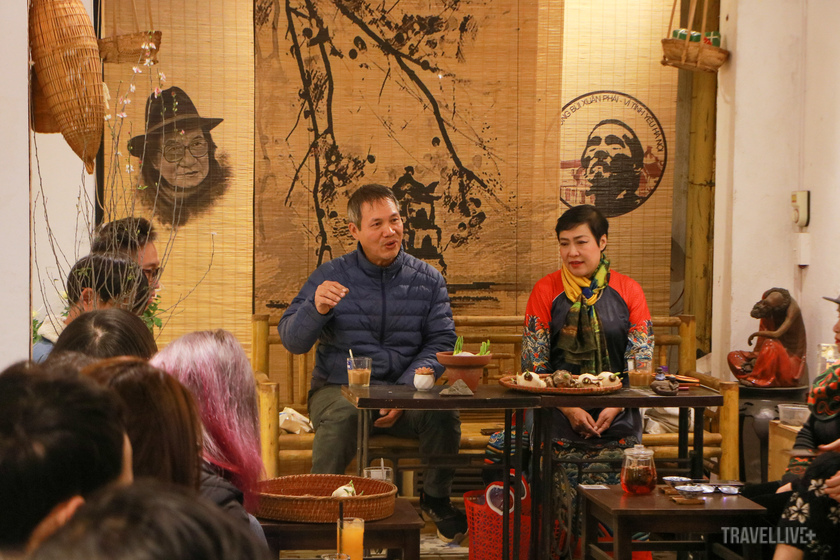
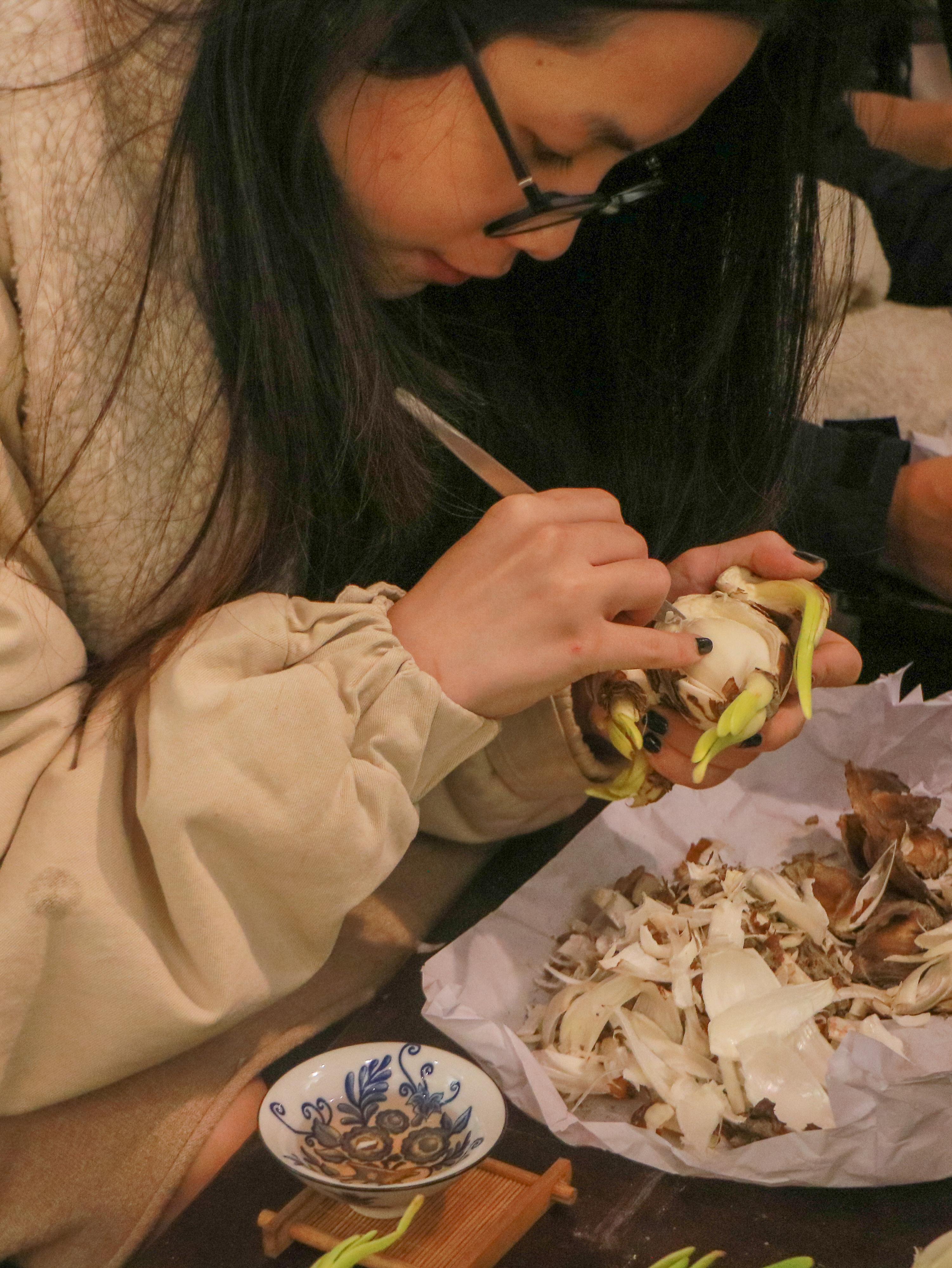
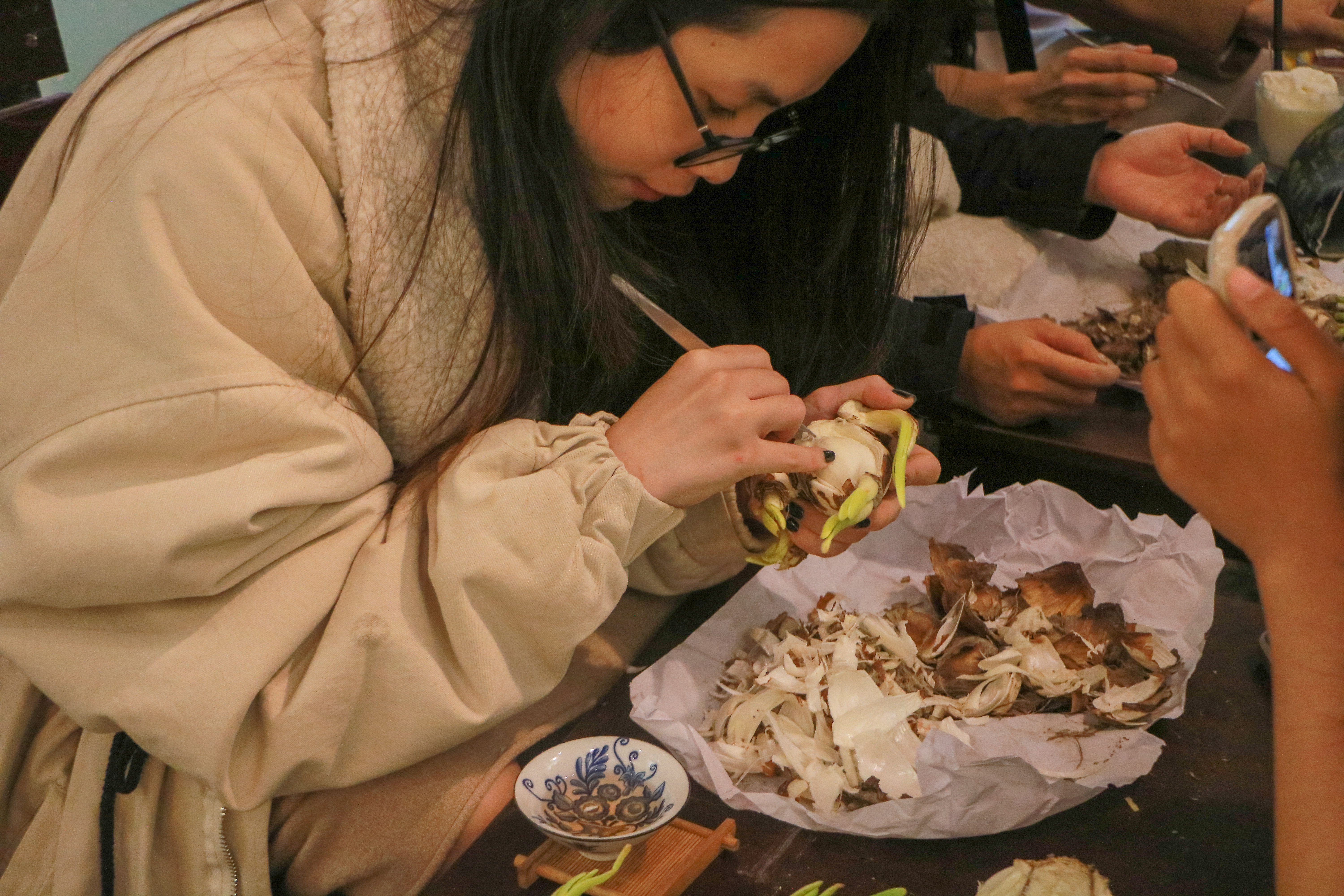
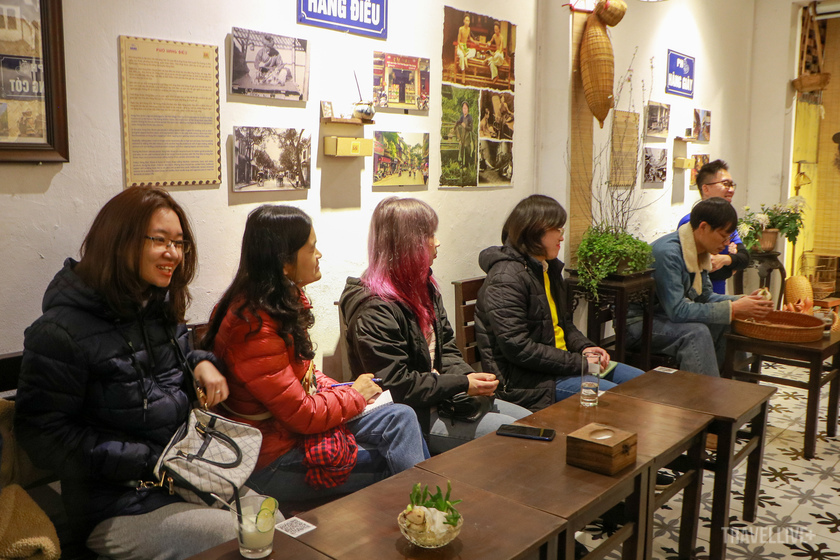
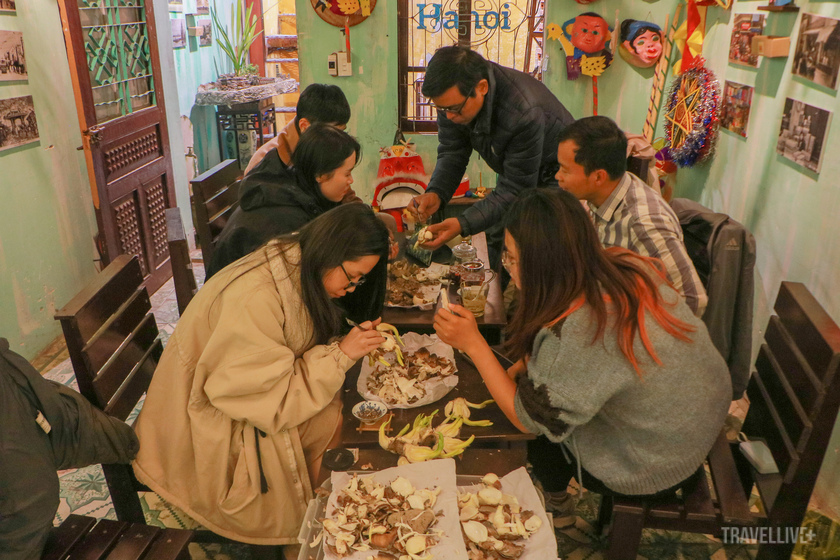
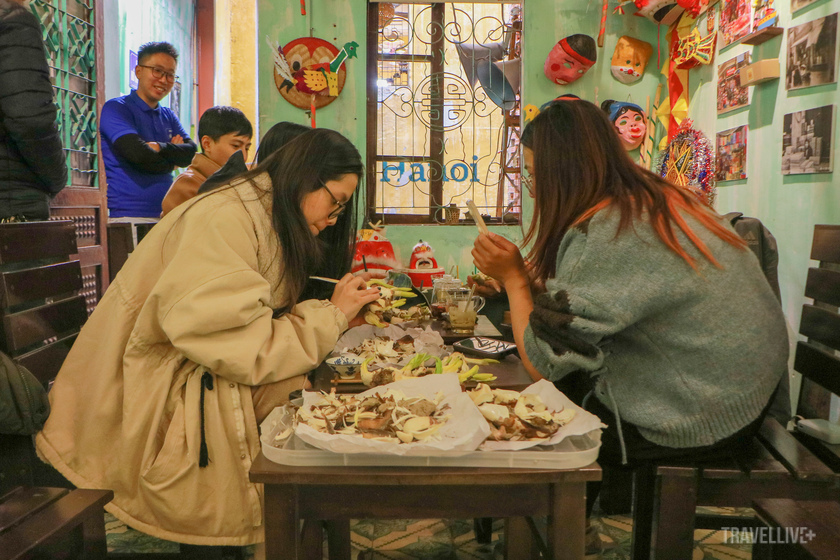
Daffodil carving workshop at Cafe Pho Hang
The hobby of growing daffodils is not simply about arranging flowers for decoration, but an art form requiring meticulous care, from selecting the bulbs, trimming and pruning, to nurturing them until they bloom. Each daffodil bulb is carefully trimmed to reveal the sprout and roots, preserving its natural shape while maintaining its aesthetic appeal. In the past, people in Hanoi often organized daffodil display competitions at sacred places such as Bach Ma Temple, Fujian Assembly Hall, or the Temple of Literature, where the most beautiful flower arrangements were respectfully offered to ancestors on New Year's Eve.
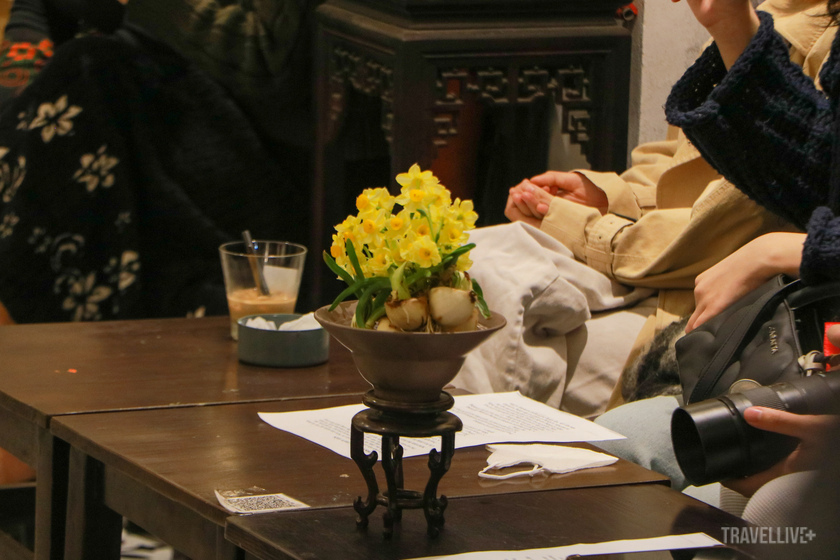
Nguyen Tuan's work "Echoes of a Bygone Era" once described narcissus flowers as a way for people of the past to measure time. "Looking at the flowers blooming, one knows Tet (Lunar New Year) is approaching," he wrote, as a reminder that the transition between the old and new year is not only reflected in the calendar but also in the beauty of the flowers.
An elaborate and highly artistic hobby.
Daffodils, belonging to the lily family, are delicate and graceful flowers, possessing a beauty that is both simple and elegant. Ancient people described daffodils as "a tray of jade and a golden cup," with their jade-like white petals, vibrant yellow stamens, slender, lush green stems and leaves, and pristine white bulbs. The bulb, stem, leaves, flowers, and roots of this plant all possess high aesthetic value, creating an irresistible allure. However, to cultivate a beautiful bowl of daffodils, flower enthusiasts must invest a great deal of time and dedication.

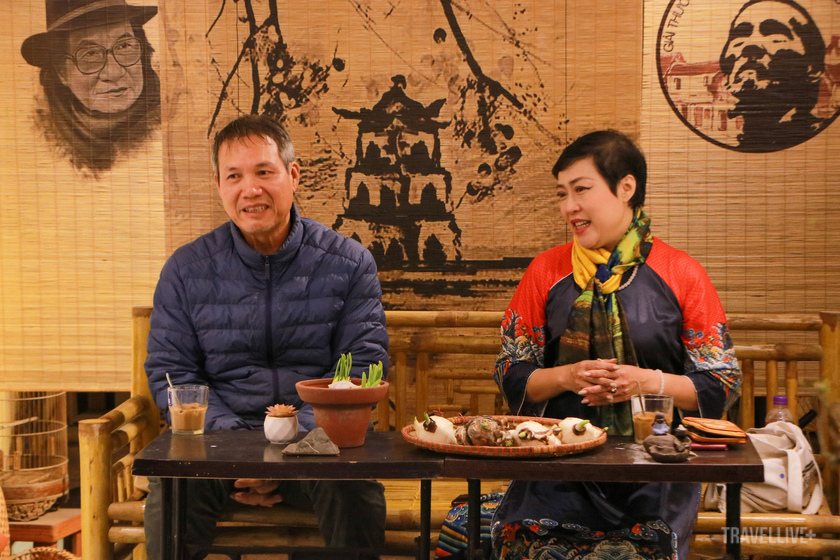
Nguyen Trong, a daffodil enthusiast with seven generations of experience in the ornamental plant and flower trade in Nghi Tam village, shared his knowledge and experience with Bui Bich Ngoc at the workshop.
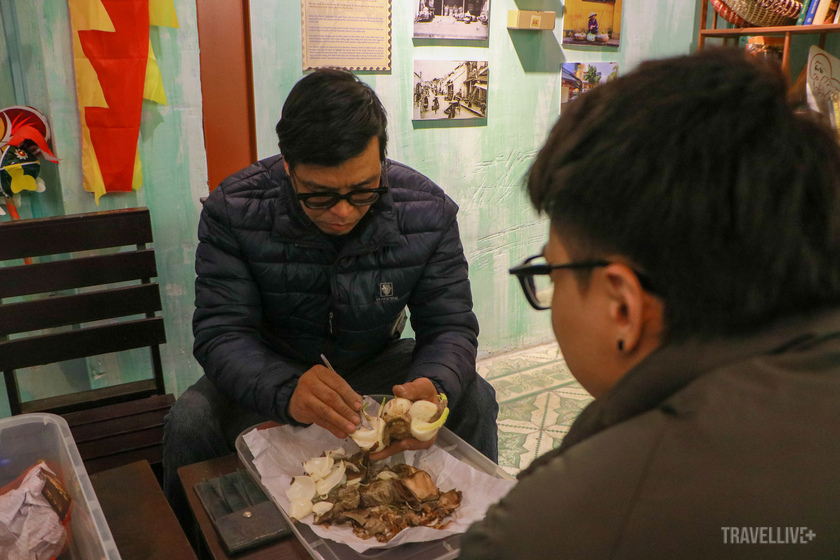
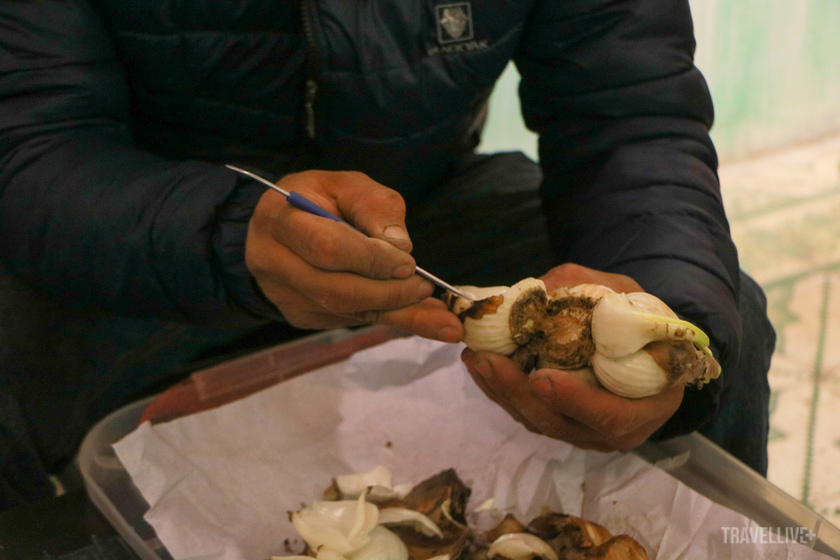
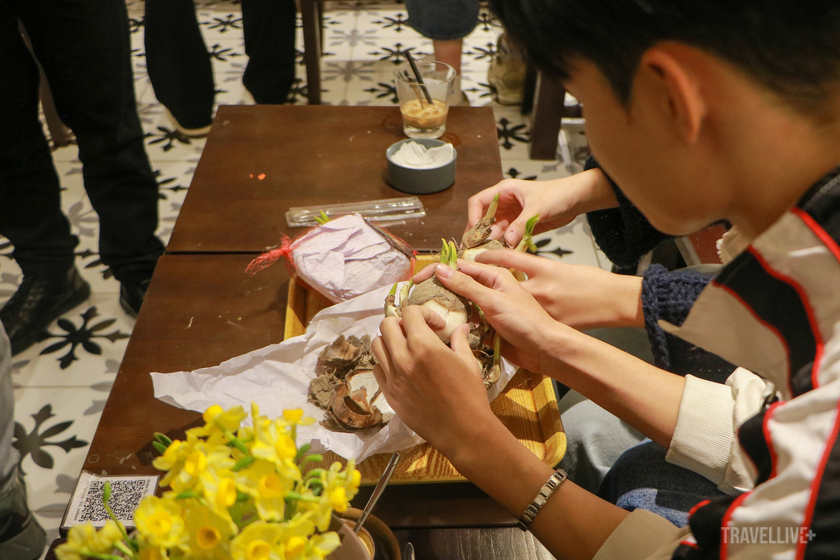
First, choose the bulbs – they must be large, firm, have many sprouts, and be free from damage. Then comes the process of peeling the bulbs, a task requiring skill and patience. The daffodil peeling knife is a special tool, designed with two ends – one sharp for trimming and one trough-shaped for scraping and cutting leaves. The person peeling the bulbs must master the technique to reveal beautiful flower sprouts without damaging the stem and roots.
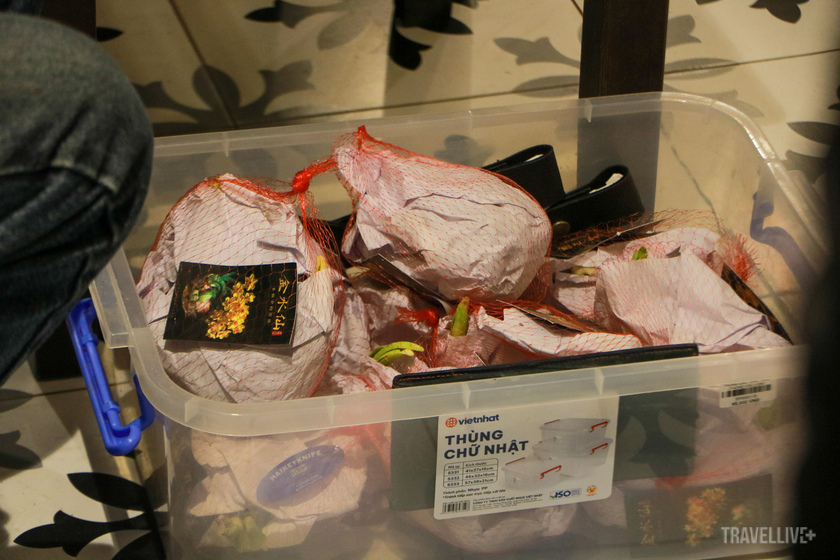
The process of caring for the flowers is equally elaborate. After peeling, the bulbs are placed in a bowl of clean water, in a place with natural light and suitable temperature. Through careful steps of "sun-drying" and "dew exposure," after 20-30 days, the flowers will bloom precisely at the moment of New Year's Eve.
Daffodils in modern life
Nowadays, the hobby of growing daffodils is no longer as popular as it once was, partly due to the elaborate preparation process and partly due to the increasingly hectic pace of modern life. However, in Hanoi, there are still flower lovers who persistently preserve this hobby as a way to connect with tradition. Every Tet (Lunar New Year), Hang Luoc flower market – considered the oldest flower market in the Old Quarter – still sells daffodil bulbs to those who appreciate nostalgia. While not as vibrant and eye-catching as peach or apricot blossoms, it possesses a unique charm thanks to its simple, elegant beauty and delicate fragrance.
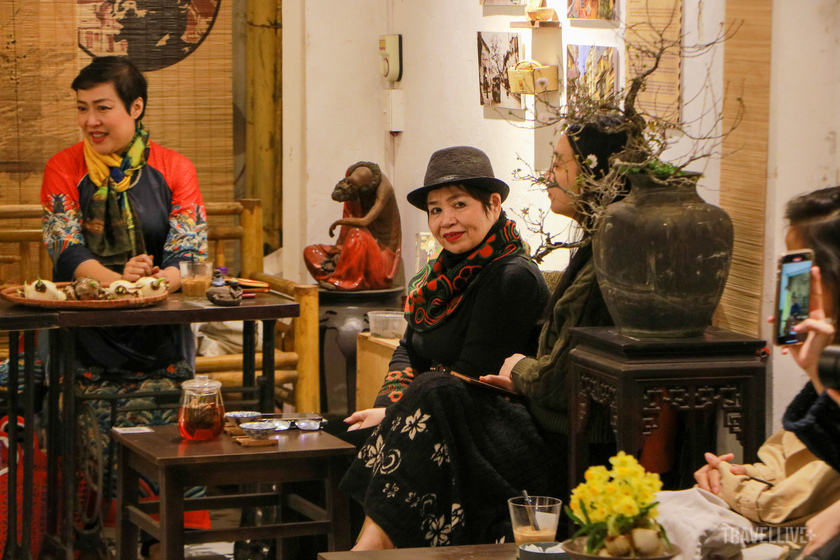
The tradition of decorating homes with daffodils during Tet (Vietnamese New Year) in Hanoi is therefore not just a hobby but also a connection between people and nature, between the present and old values. In the fast-paced modern life, where everything is hectic and hurried, meticulously preparing daffodils reminds people of the importance of tranquility, subtlety, and patience.
Amidst the hurried flow of time, the quiet tradition of cultivating daffodils retains a touch of the elegance and profoundness of old Hanoi. The delicate fragrance of the pure white petals seems like a whisper from the past, guiding the soul back to days when Tet (Lunar New Year) was imbued with refinement and grace. In the soft light of spring, a bowl of daffodils resembles a mirror, reflecting the enduring beauty of Thang An culture—a beauty that is both simple and noble.
The hobby of cultivating daffodils is not loud or ostentatious, but quietly cherishes the way Hanoians preserve old values. Each bulb is meticulously trimmed, each drop of water is regularly changed, and each bud that opens carries the dedication of the grower. Even though life has become more hectic, the bowl of daffodils silently emits its fragrance, a reminder of the elegant beauty of a bygone era. Each petal, each delicate white root, each pristine vase... all combine to form a wordless song, a hymn to the enduring nature of cultural values.