VI
VI


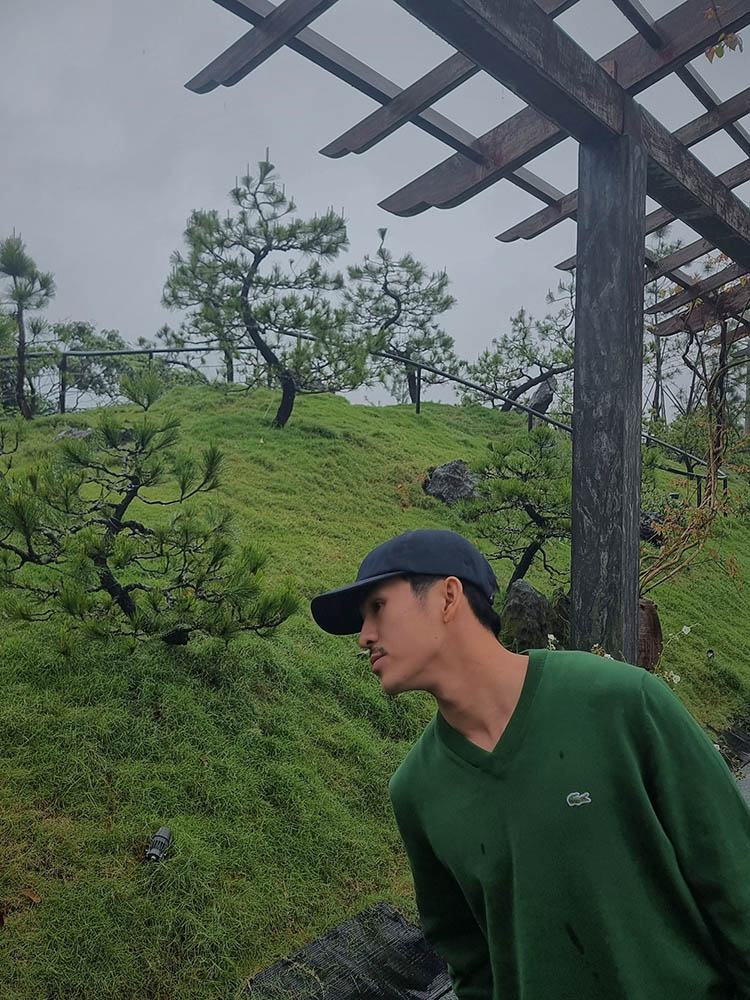
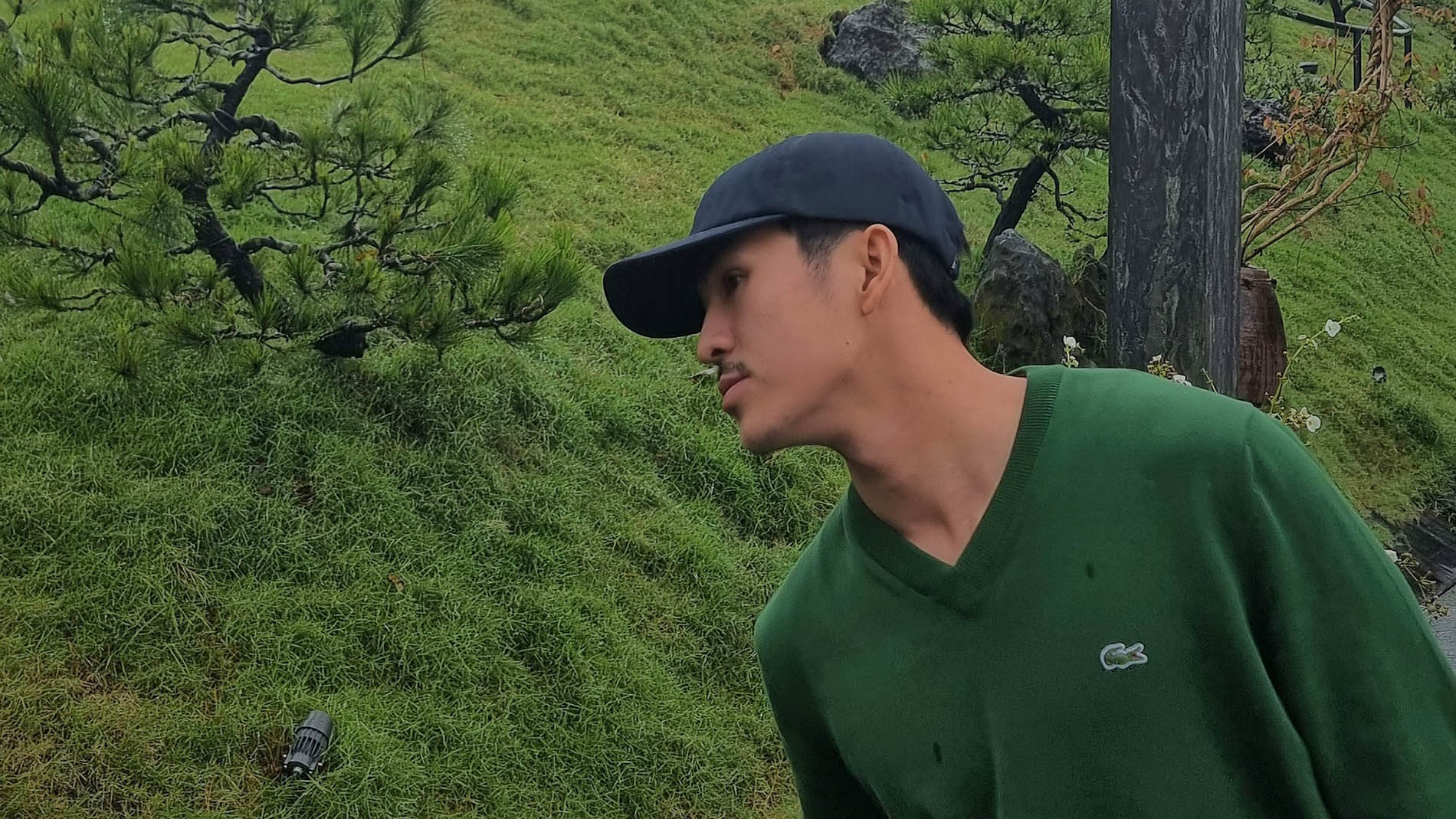
Speaking to Travellive, Thien Minh said this was only his second time visiting Hue, and his trip, which started the Year of the Tiger, lasted 7 days. "This 7-day trip was very special, helping me understand and love Hue even more. Partly because during the trip I got to meet and interact with many Hue people living here."
Photographer Thien Minh further revealed that the photos from the trip were taken with his phone camera (not professional cameras). Perhaps that's why the scenery of Hue, as captured by him, is both dreamy and poetic, yet also intimate and authentic.
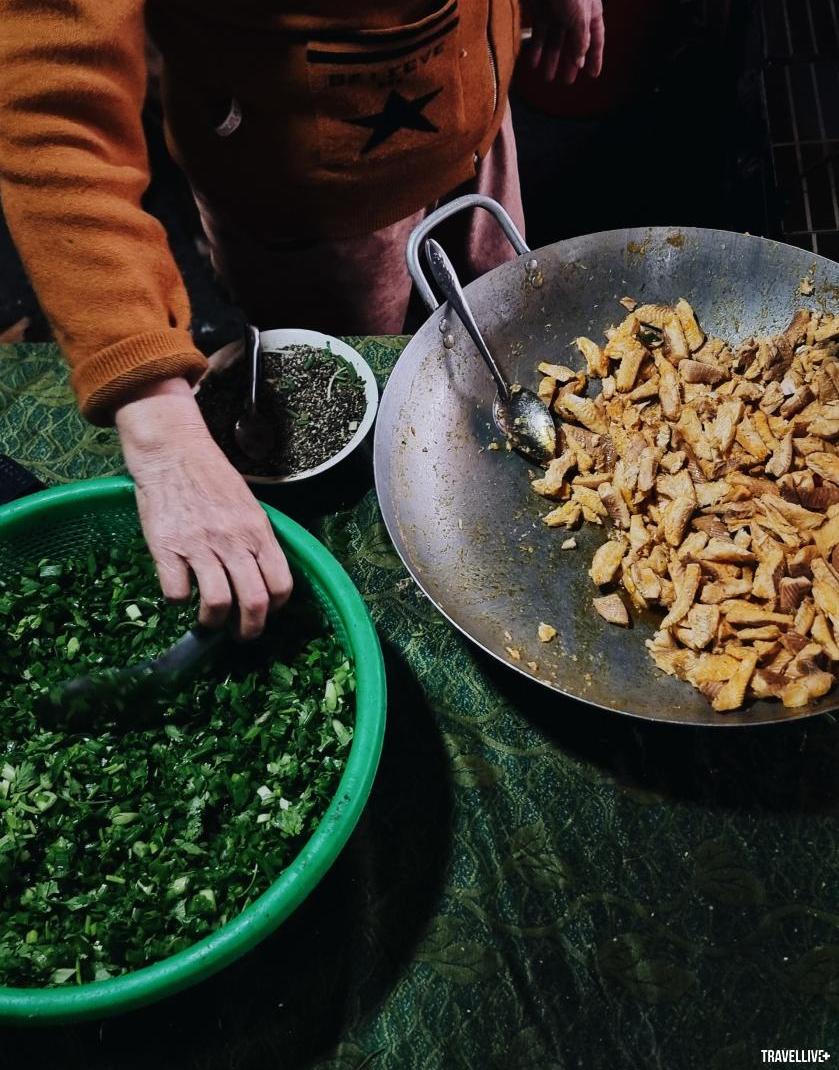
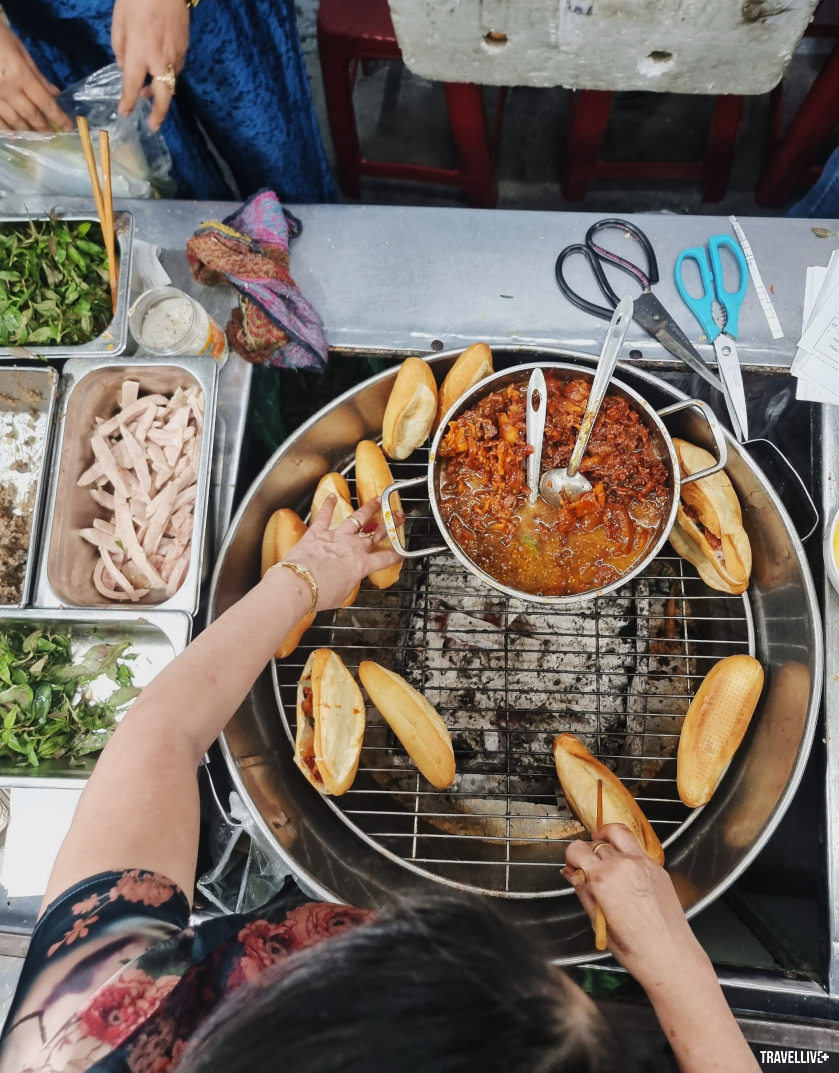
Are you ready to take a tour of Hue with Thien Minh?
Welcome the spring rains.
Of course, no one wants to travel during rainy days. Therefore, tourists visiting Hue usually choose the dry season, even though the sun is still scorching, to avoid the incessant rain.
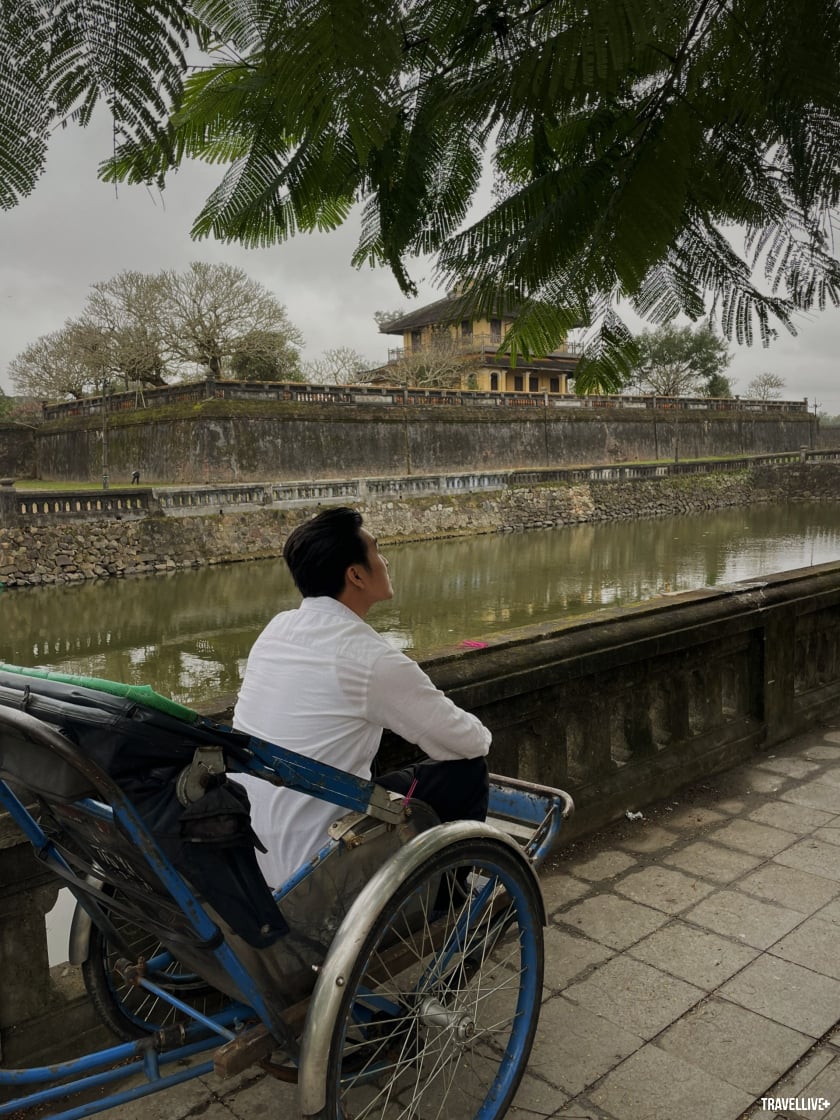
Photographer Thien Minh arrived in Hue in early January, which meant he had to endure the spring rains. But through the eyes of someone who loves Hue, that wasn't a hindrance.
"I heard that Hue's 'specialty' is drizzle, and now I've finally experienced it. It rains every day. Strangely enough, Hue is beautiful when it's sunny, but even more beautiful when it rains."
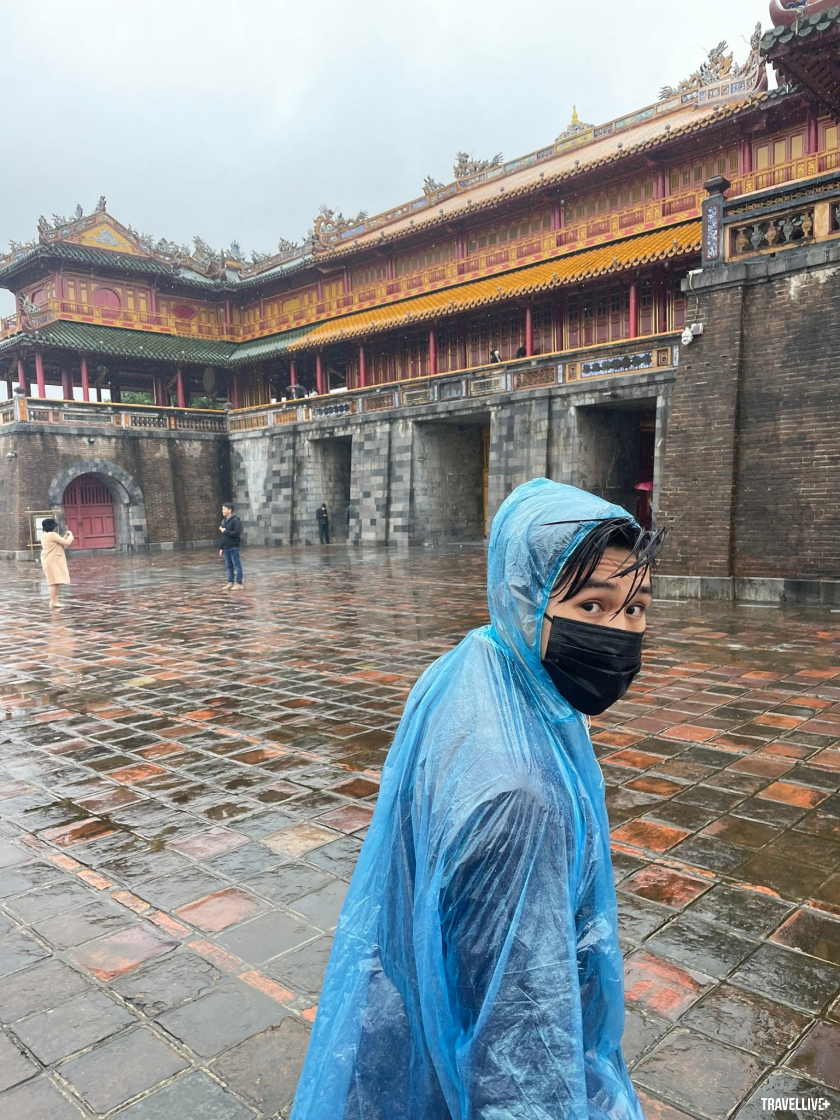
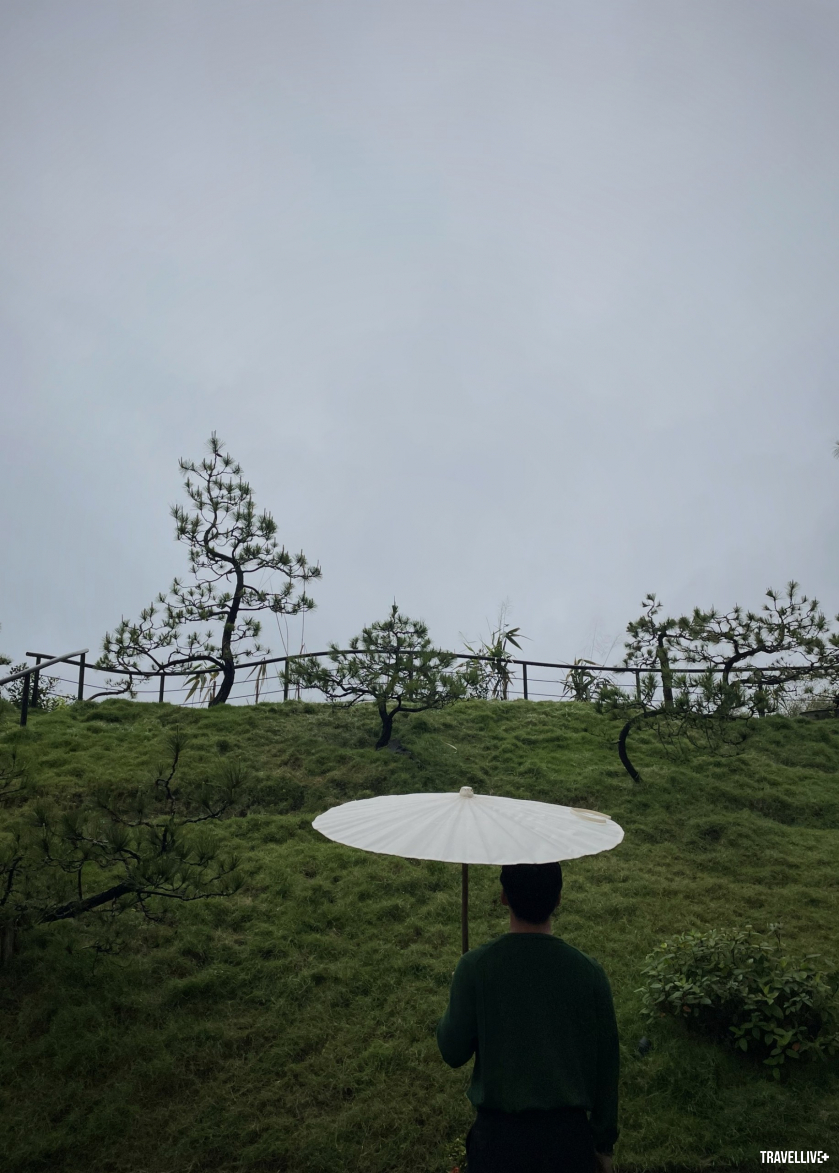
Walking along the heritage route
"One way I explore Hue is by walking along Chi Lang Street. This is Chinatown, with many old houses in the Hue style that, in my eyes, have a shy, profound, and very attractive charm."
The Chi Lang road mentioned by photographer Thien Minh is located east of the Hue citadel, within the boundaries of three wards: Phu Cat, Phu Hiep, and Phu Hau. While Hue's heritage is associated with the tombs and citadel of the Nguyen dynasty, this small Chi Lang road bears the distinct mark of the ancient Chinese community.
In the early 19th century, when Hue became the capital of Vietnam (under the Nguyen dynasty), a large number of Chinese people gathered in the eastern part of the citadel to do business and live. Chi Lang thus became the area with the largest Chinese community in Hue, with countless elaborate architectural works built by them: Chieu Ung Temple, Ba Pagoda, Quang Dong Pagoda, Chaozhou Assembly Hall, Fujian Assembly Hall, etc.

"Most of the old houses here have gardens. Every house has ancient apricot trees, and when the spring rain falls gently, the falling blossoms are breathtakingly beautiful."
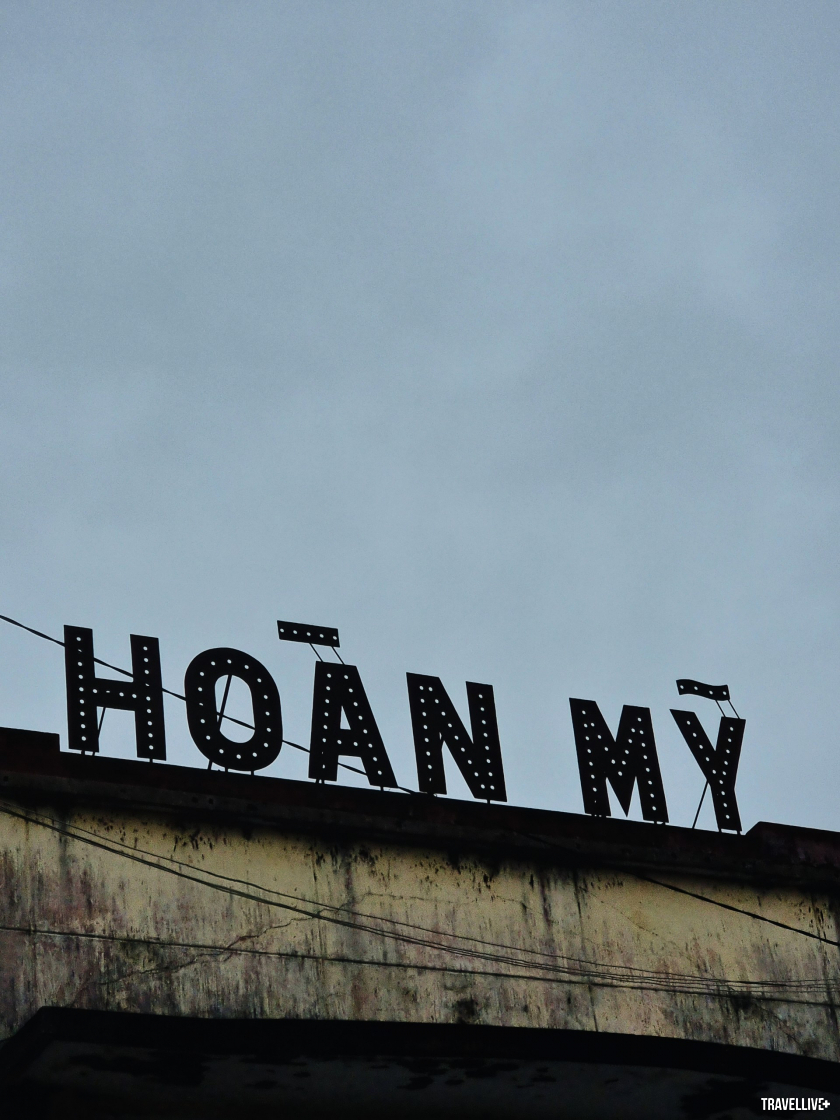
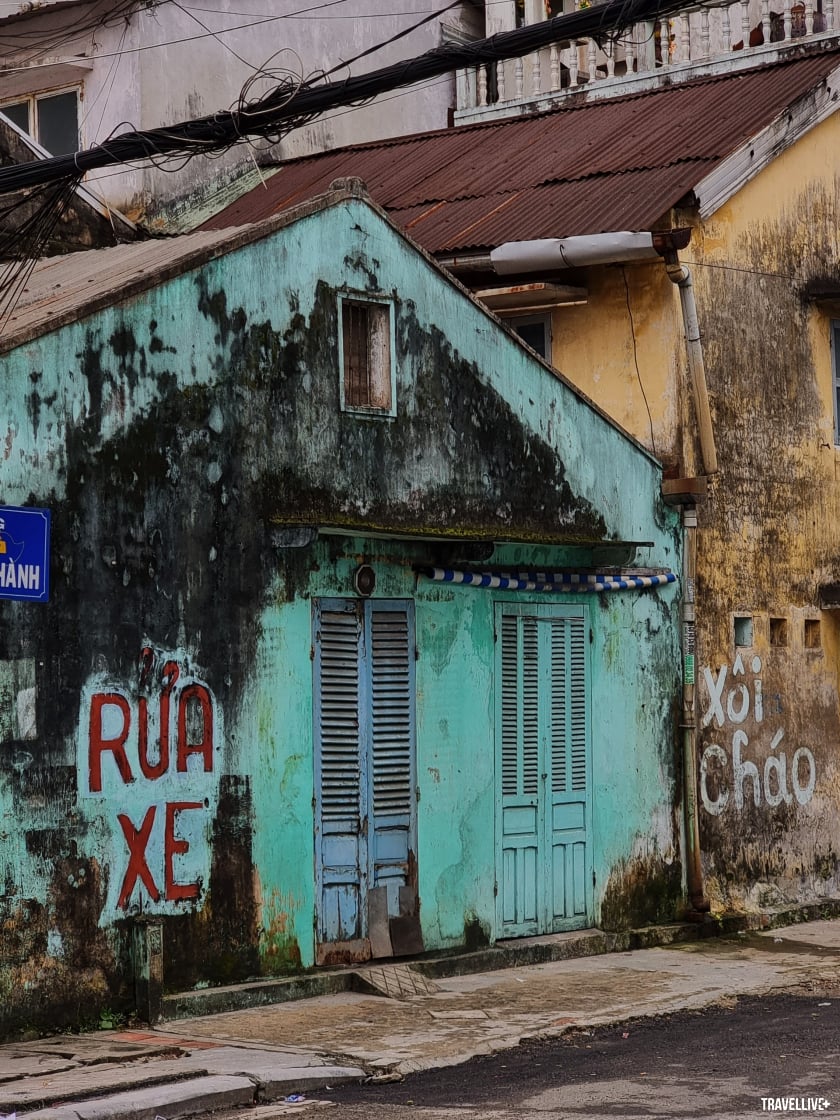
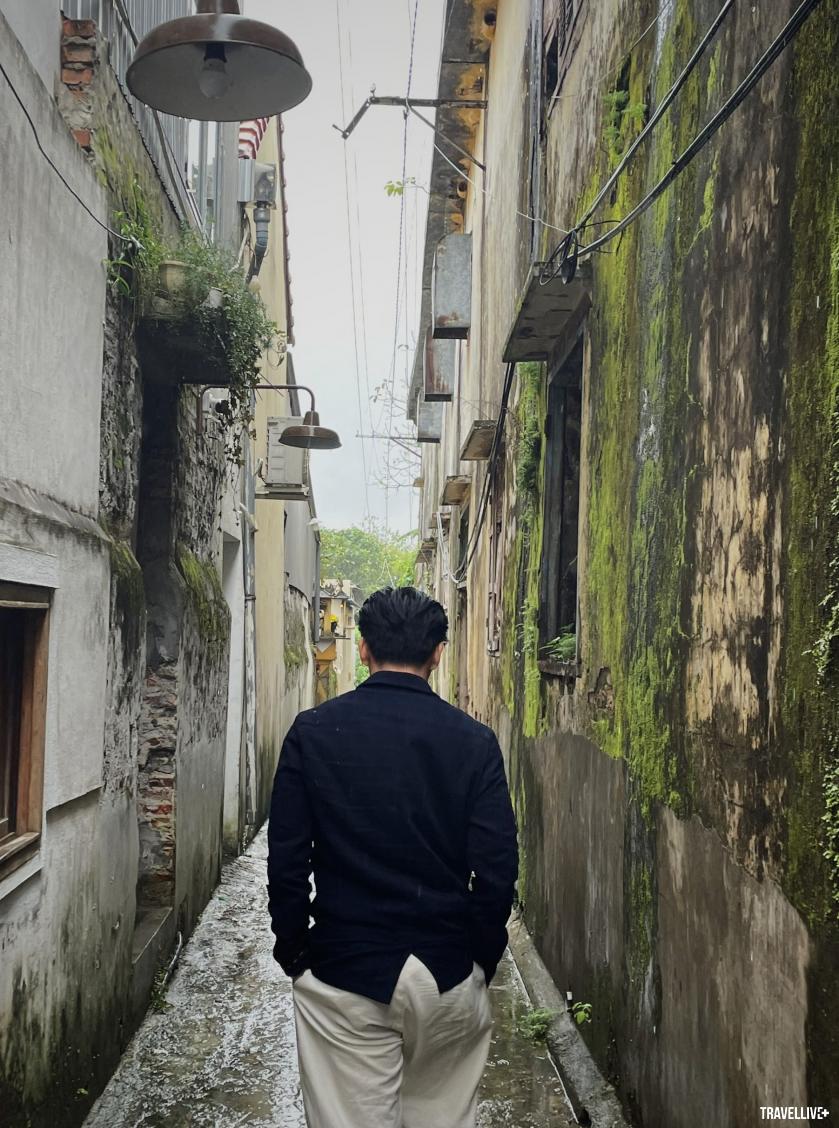

As Thien Minh suggested, Chi Lang Street is not only for sightseeing but also a great spot to explore the local cuisine. "Along Chi Lang Street, there are many old and new cafes, along with local eateries serving Hue dishes. Take a stroll, admire the sights, then head to Mrs. Do's restaurant. If you're feeling adventurous, walk a little further into the alley and try Mrs. Cai's restaurant..."
Visit the garden, drink tea, and admire the paintings.
Perhaps, without Thien Minh's sharing, few tourists would know about Boi Tran Gallery.Boi Tran Garden) in Hue.
Located on Thien An Hill, Boi Tran Gallery is a more than 100-year-old mansion, blending the history of the ancient capital of Hue with French colonial architecture. It is also a privately owned art and antique exhibition space, featuring works by renowned Vietnamese artists such as To Ngoc Van, Nguyen Sang, Hoang Tich Chu, and Nguyen Trung. Notably, it was visited and featured on Anthony Bourdain's television program.Anthony Bourdain Parts Unknown(Part 4, Episode 4 - Vivacious in Vietnam).
Speaking of the Garden of Treasures, Anthony Bourdain once described it as follows:Bội Trân is an artist, a woman from the distant past of the former imperial capital. She lives on Thiên An Hill, in a magnificent, recently restored house. These traditional wooden houses were once built in the style of royal architecture, with slanted eaves to suit the "specialty" of Hue's rain. But more importantly, she added a garden in the middle of the house, following the Eastern concept that everything begins from a central point, then expands in all directions..
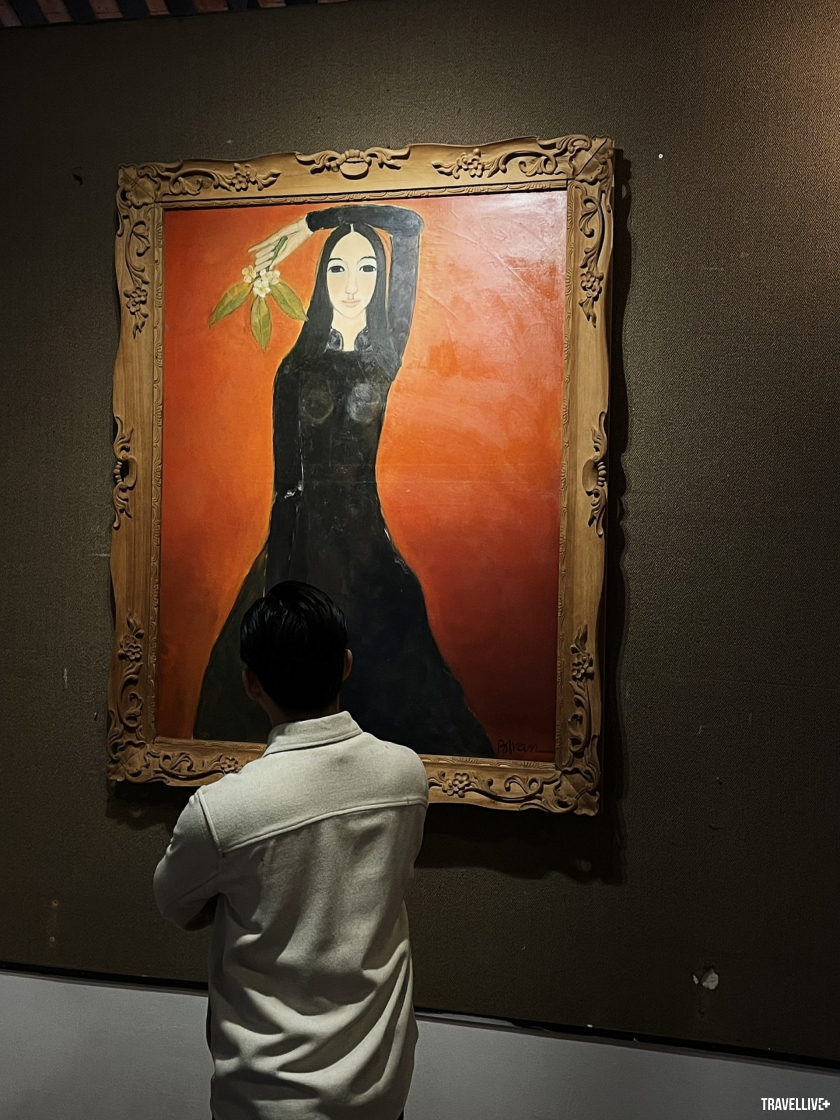
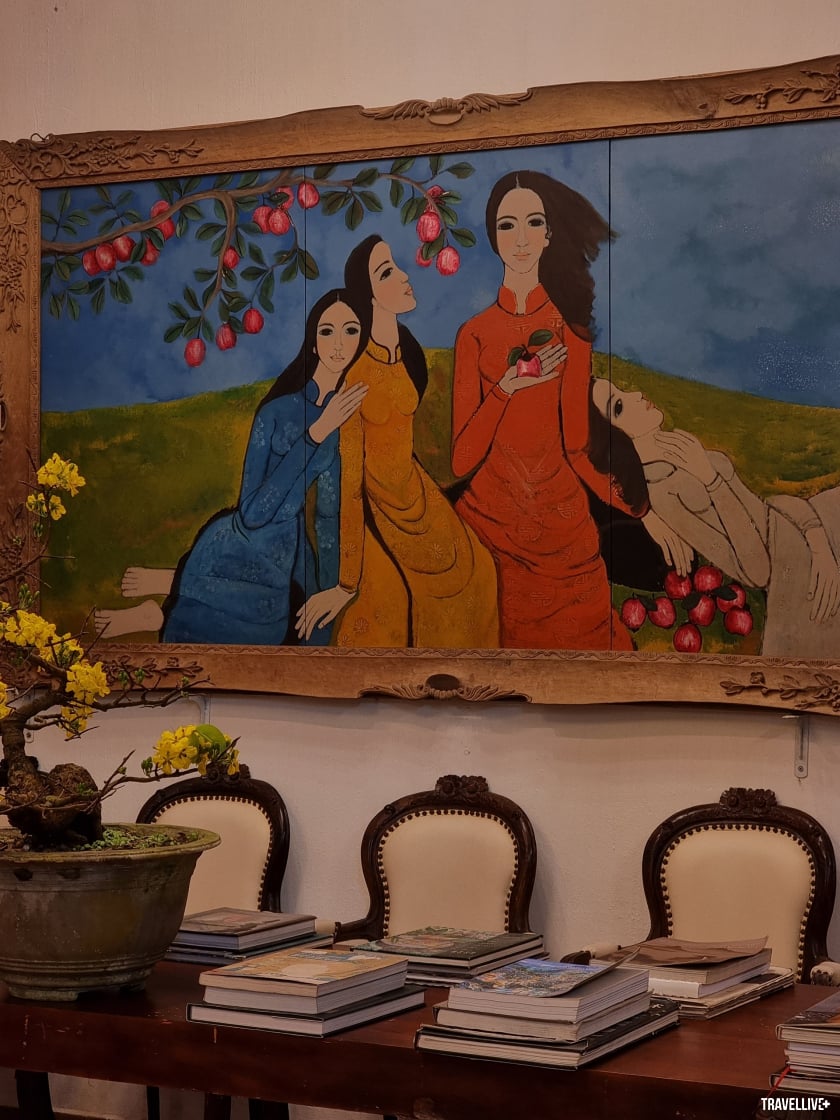
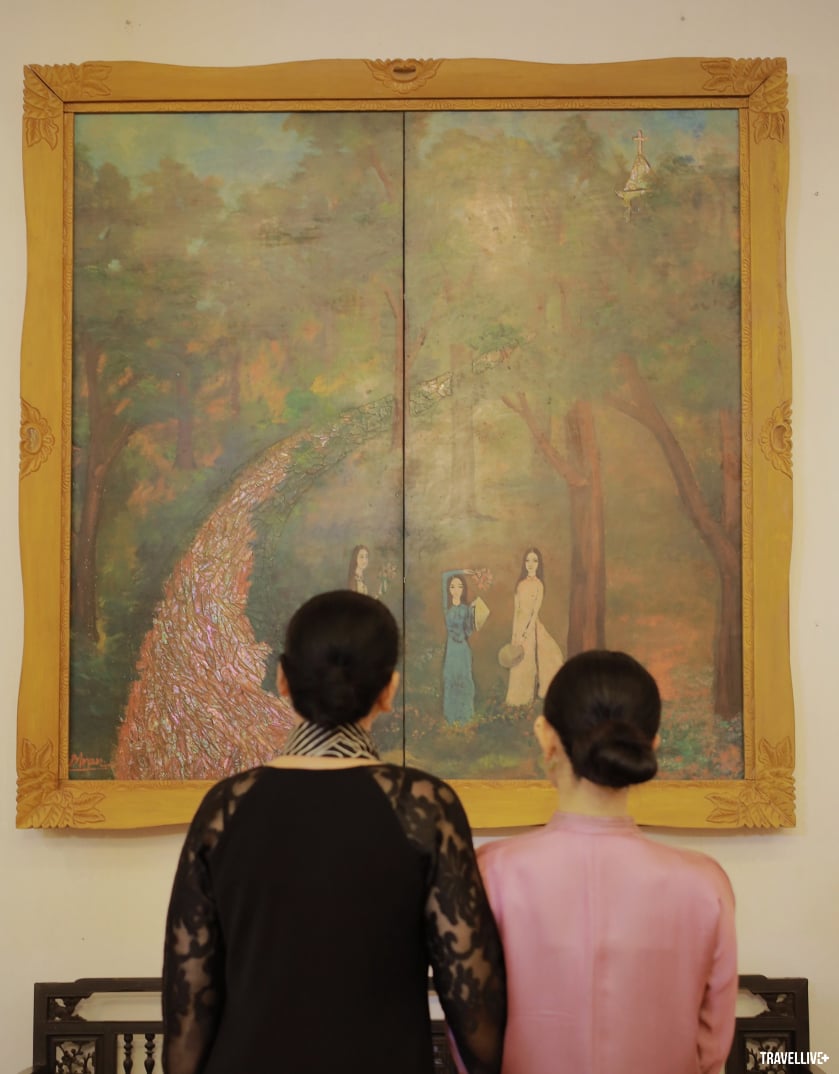
Boi Tran Gallery is not the only art "treasure" in Hue. If you haven't had the chance to visit this private gallery, there are still several other destinations open to the public, including the private museum of the late painter Le Ba Dang (Lebadang Memory Space).
Le Ba Dang (1921-2015) was an internationally renowned painter, with artistic activities spanning five continents, but Hue was chosen as the final "memorial" location for the artist after his death. Within the 16,000 m² grounds...2Located on a quiet hill, the Le Ba Dang family displays paintings, sculptures, and other works imbued with his Buddhist spirit and expansive vision, as well as works donated by some international artist friends.
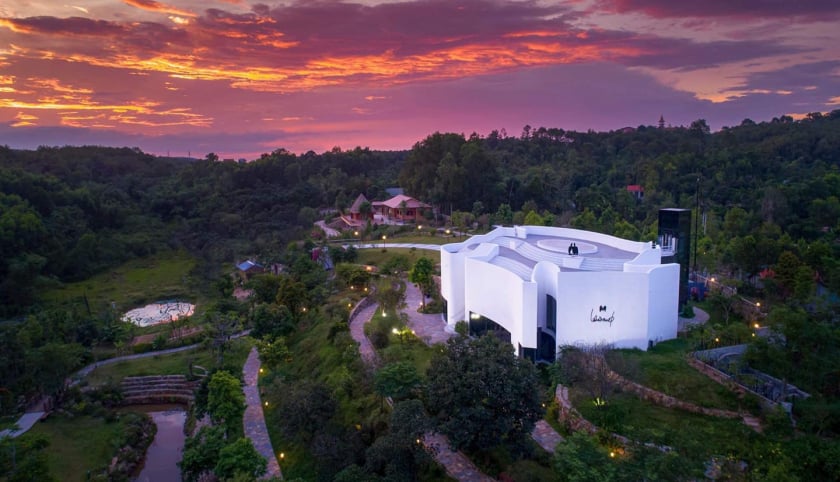
Photo: Lebadang Memory Space
Stay in the "golden" setting of the ancient capital city.
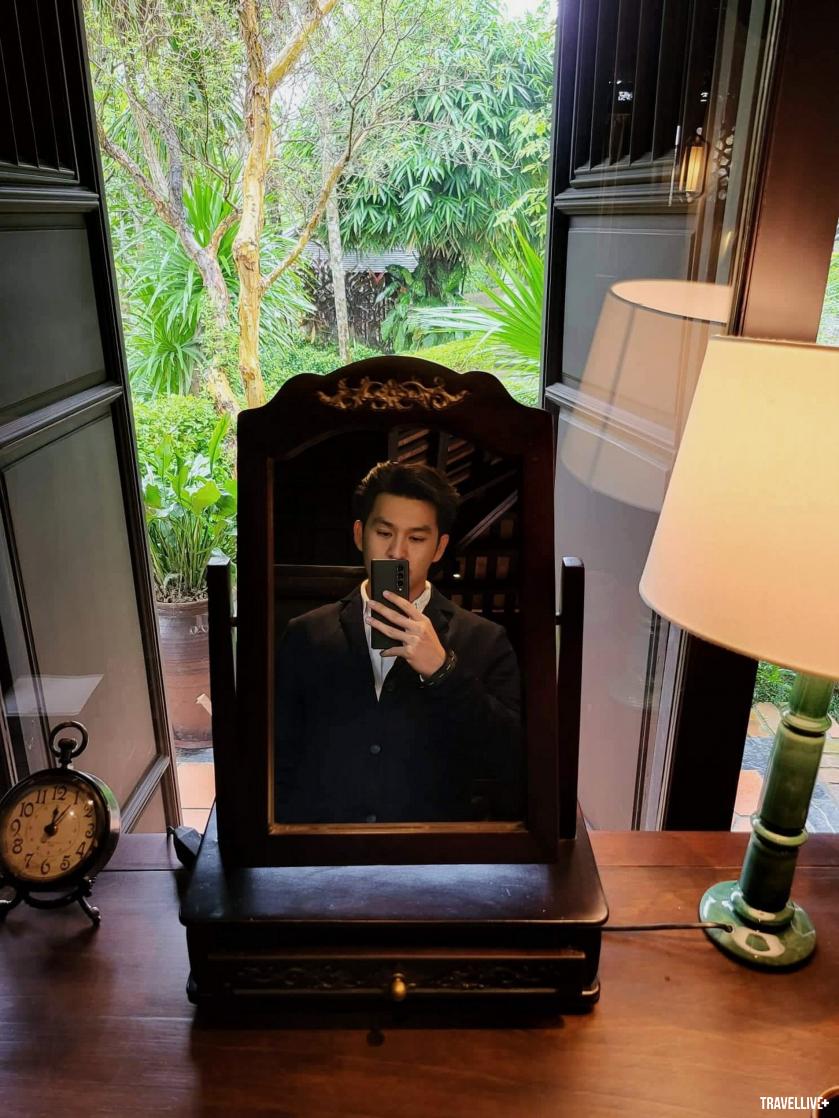
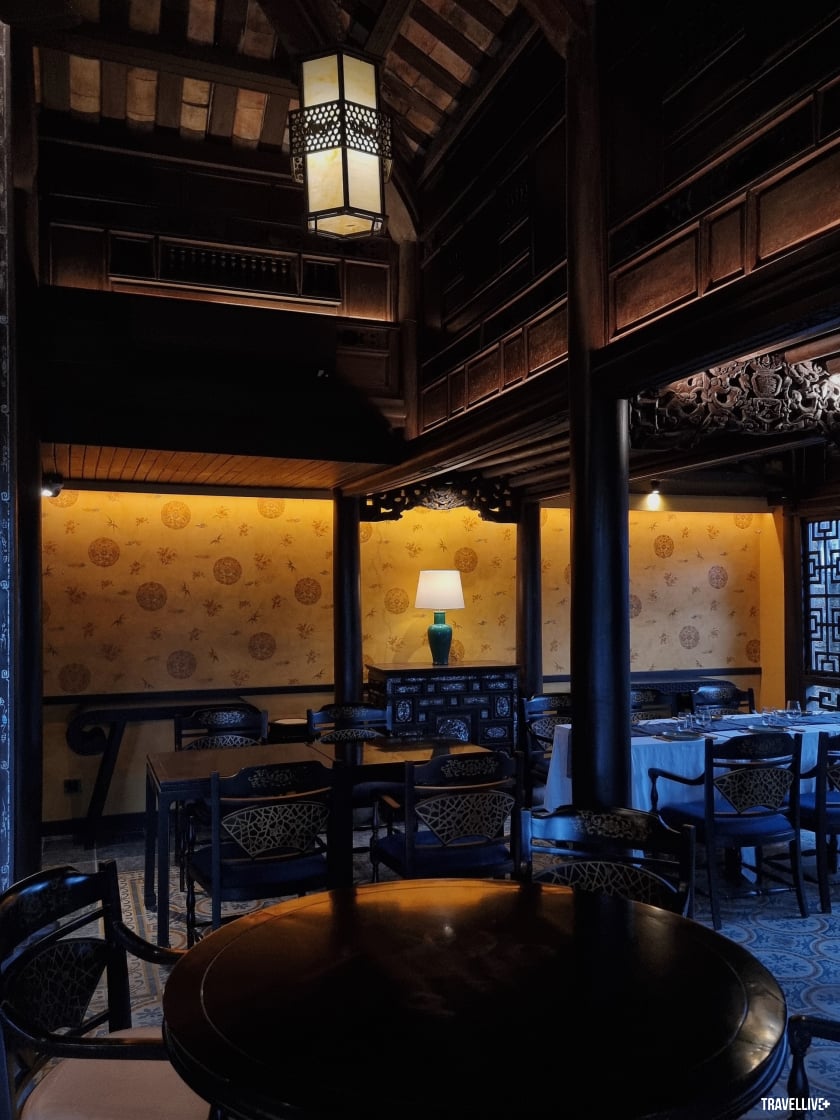
One of the places photographer Thien Minh chose to stay during this trip was Ancient Hue Garden Houses. Located in the peaceful Kim Long village, Ancient Hue Garden Houses is designed like a mansion of the ancient aristocracy, recreating the style of the Hue royal family. It features five ancient wooden houses surrounded by lush gardens, along with a restaurant, lounge/bar, and spa.
"It's like I've traveled back in time, returning to the golden age of Hue's imperial city with its centuries-old wooden mansions," Thien Minh shared. "These ancient houses paint a picture of Hue's aristocracy of the past, as well as honoring tradition and preserving the most beautiful aspects of the former imperial capital."
Even if you're not staying at Ancient Hue Garden Houses, you can still explore the area by dining at Kim Long restaurant, located within the ancient house complex. The main dishes served here are Hue specialties, as well as Vietnamese cuisine in general, which, according to Thien Minh's assessment, are "super delicious".

Following in the Footsteps of Mindfulness
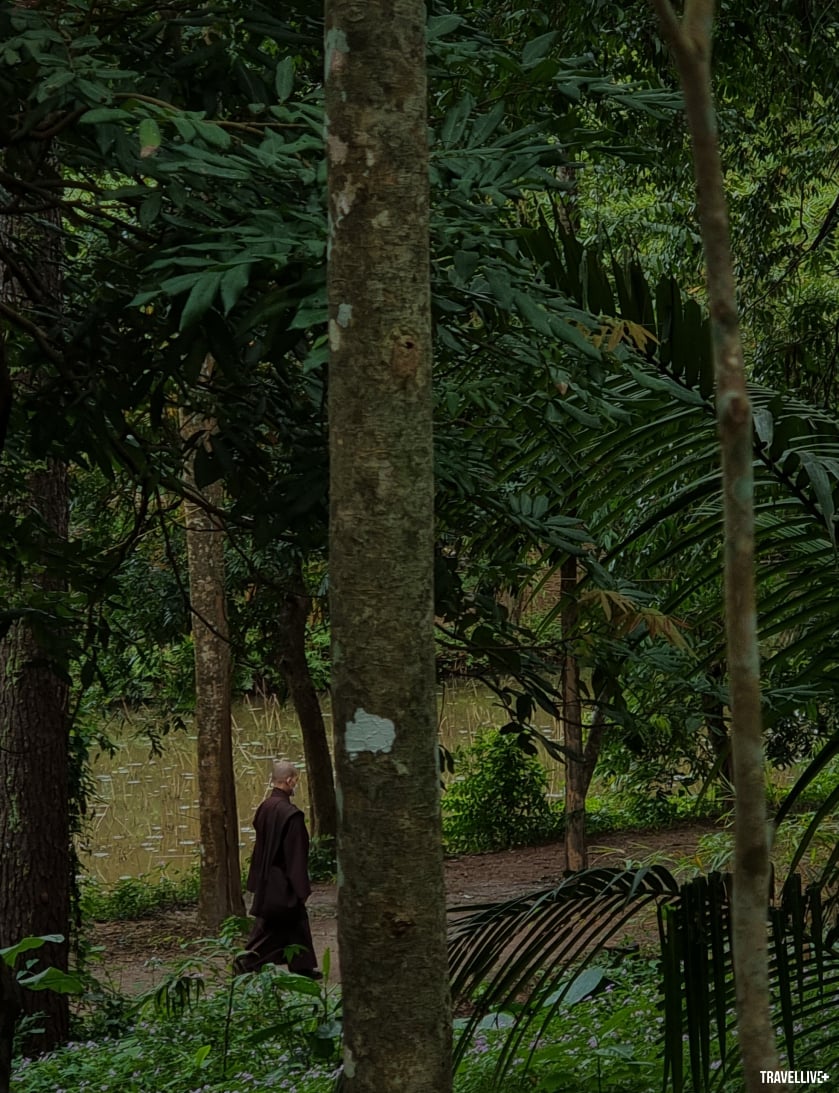
Before visiting the Imperial Citadel, strolling through heritage streets, or exploring art galleries/museums in Hue, the first place Thien Minh actually went to was Tu Hieu Pagoda.
"What I most want to do on my first trip of the year is to visit Tu Hieu Pagoda, where Zen Master Thich Nhat Hanh entered monastic life at the age of 16. It's a place where every inch of land has become ingrained in his memory, shaping his character and spreading throughout the world through his mindful steps..."
Tu Hieu Pagoda, or Tu Hieu Ancestral Temple, was originally just a thatched hut called An Duong Hermitage, founded by Patriarch Nhat Dinh in 1843. He practiced Buddhism while also caring for his elderly mother. After his death, Emperor Tu Duc named the pagoda Tu Hieu Temple, which in Buddhist terms means Tu Hieu Temple.Filial piety between parents and children.
Later, the temple became the place where Zen Master Thich Nhat Hanh began his monastic life. It was also here, after many years of practicing and teaching abroad, that Zen Master Thich Nhat Hanh returned to rest (and passed away).
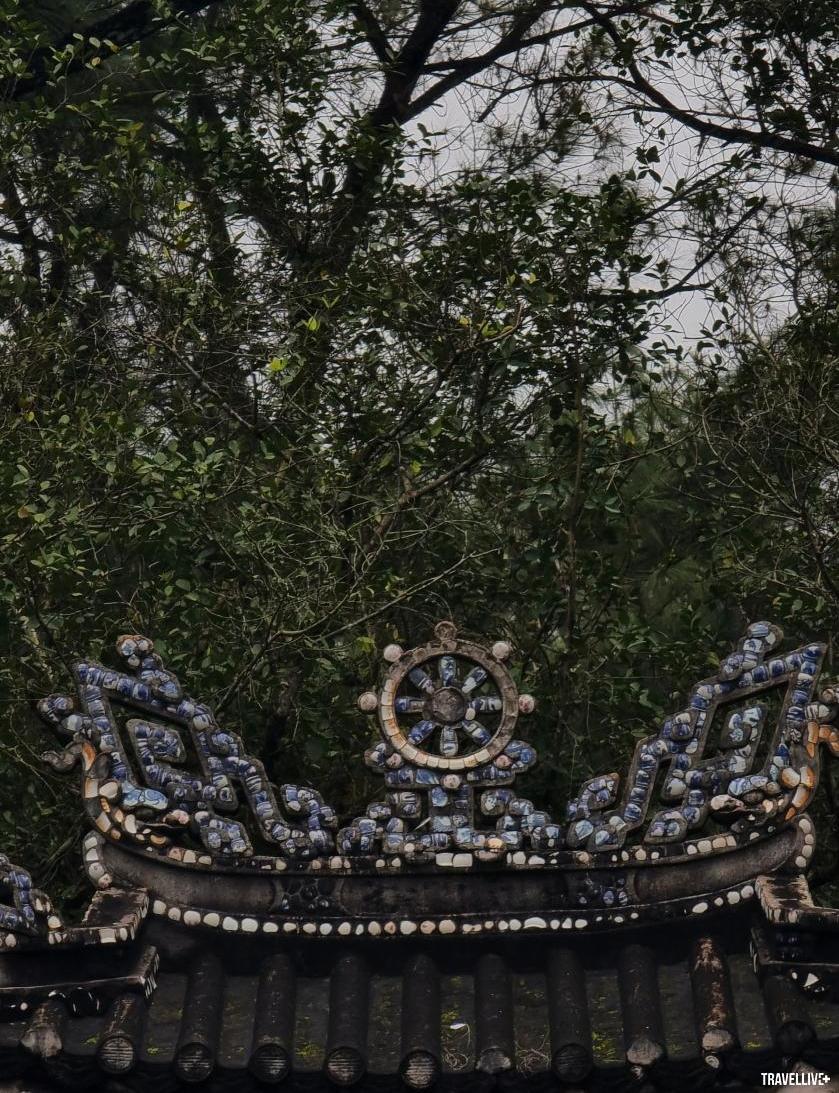
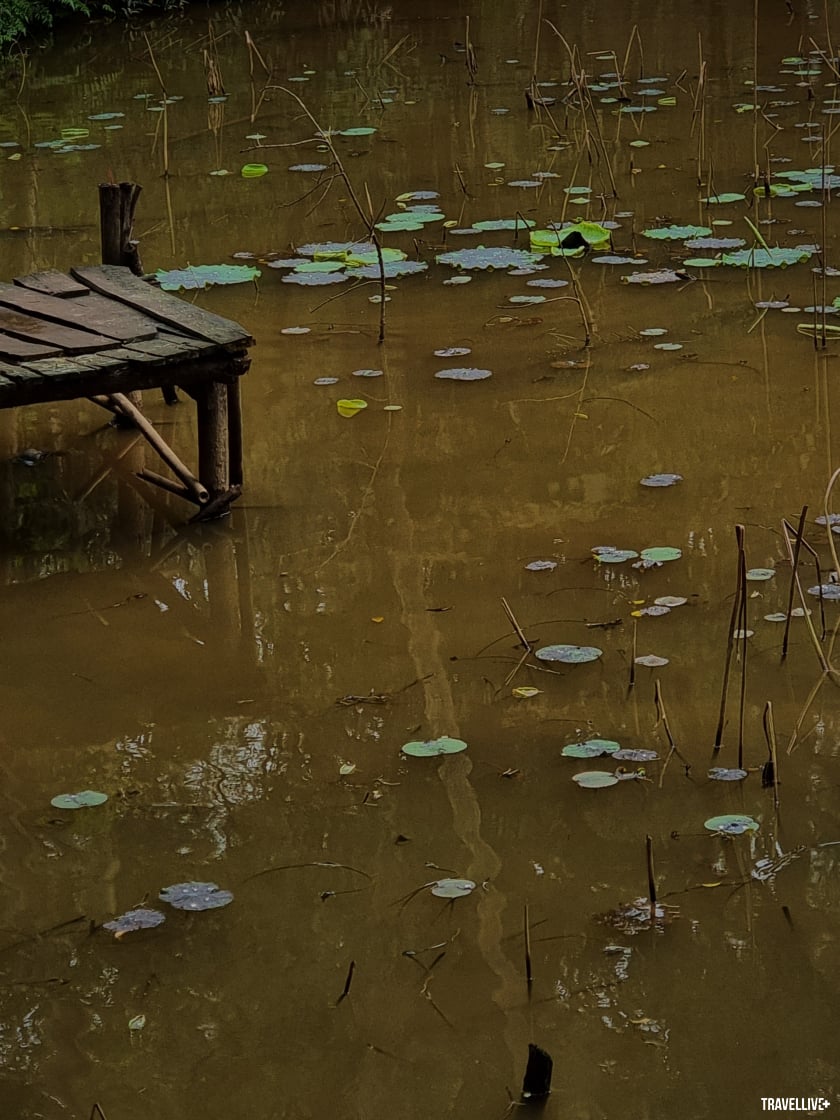
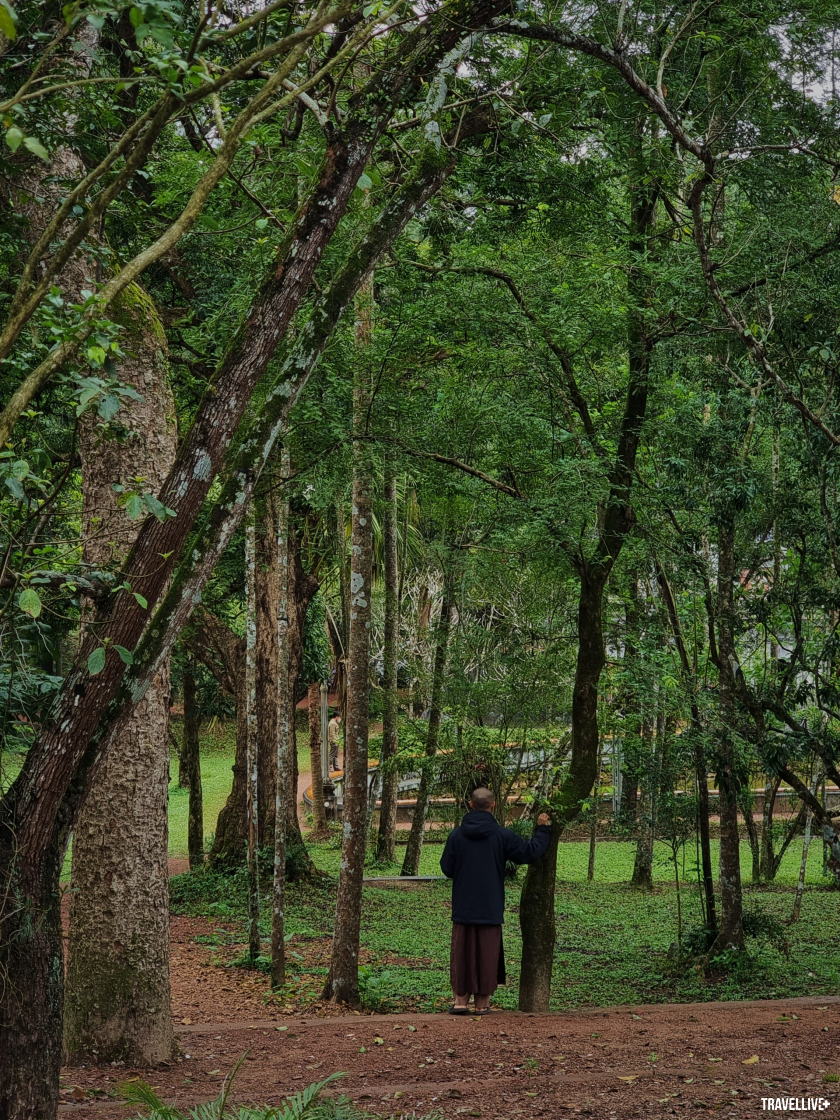
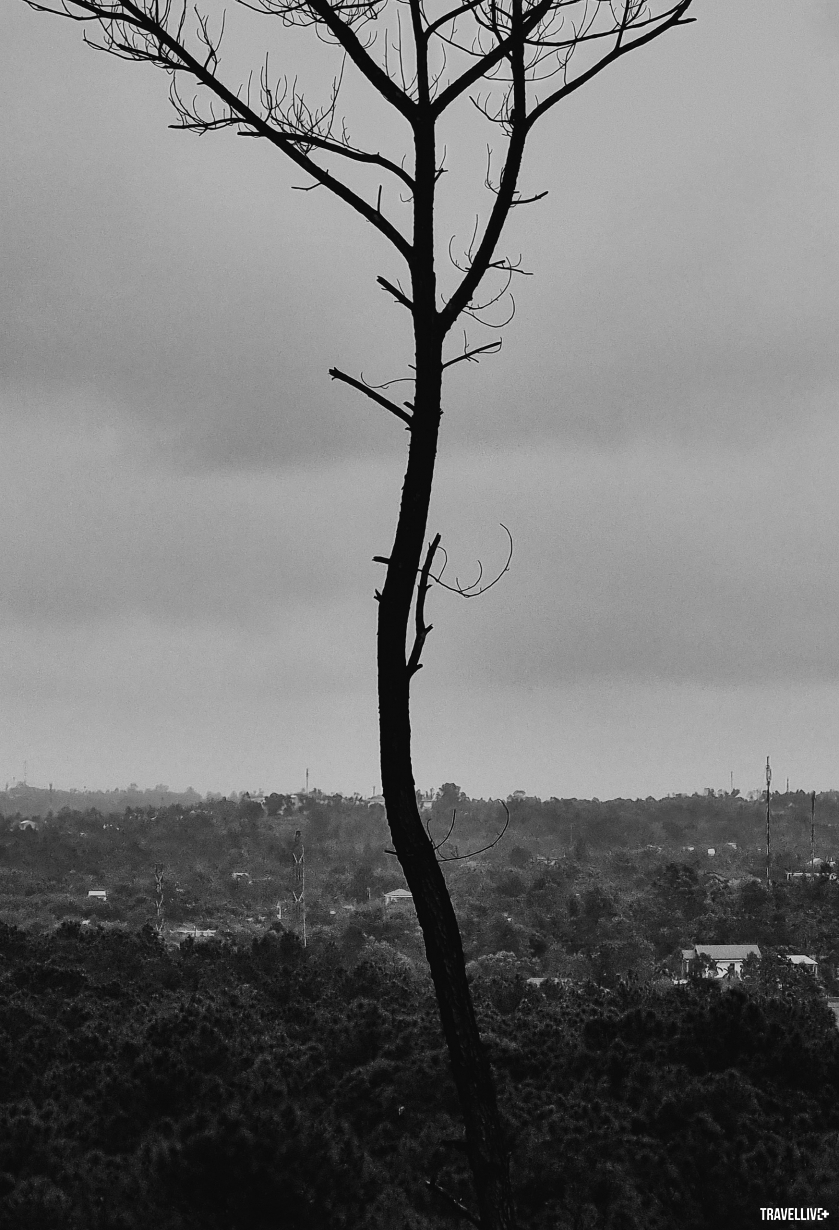
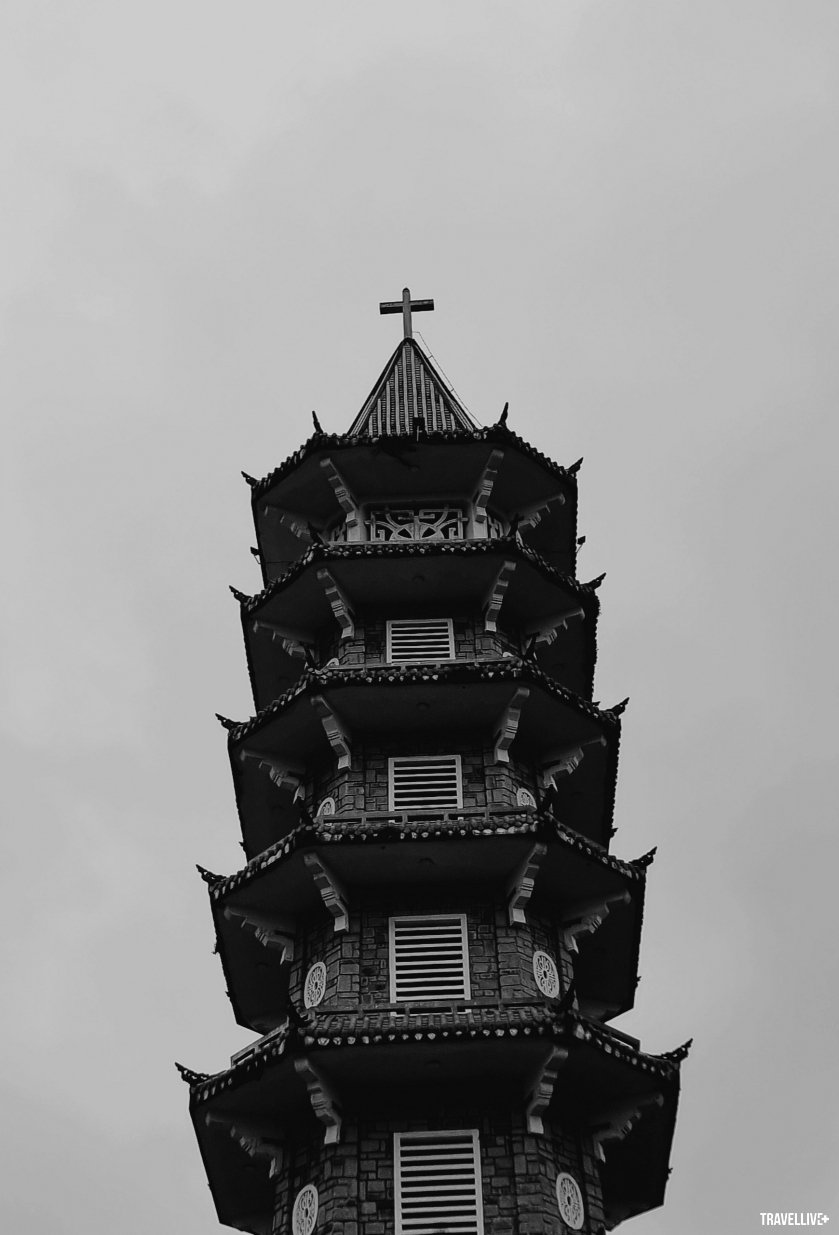
During his travels through the ancient capital, photographer Thien Minh also visited Thien An Monastery, nestled deep within the pine forests of Thien An Hill. "The monastery possesses a beauty that blends Eastern and Western styles," he said, "where the monks work, pray, and live according to God's word every day."
"This place isn't really a tourist attraction, much less a resort, but it has a strange allure. Coming here is like stepping into another space, where time stands still. That's why I wanted to add it to my list of must-visit places in Hue."
"If you have the time, please visit Thien An Monastery, whether you believe in God or not."