VI
VI


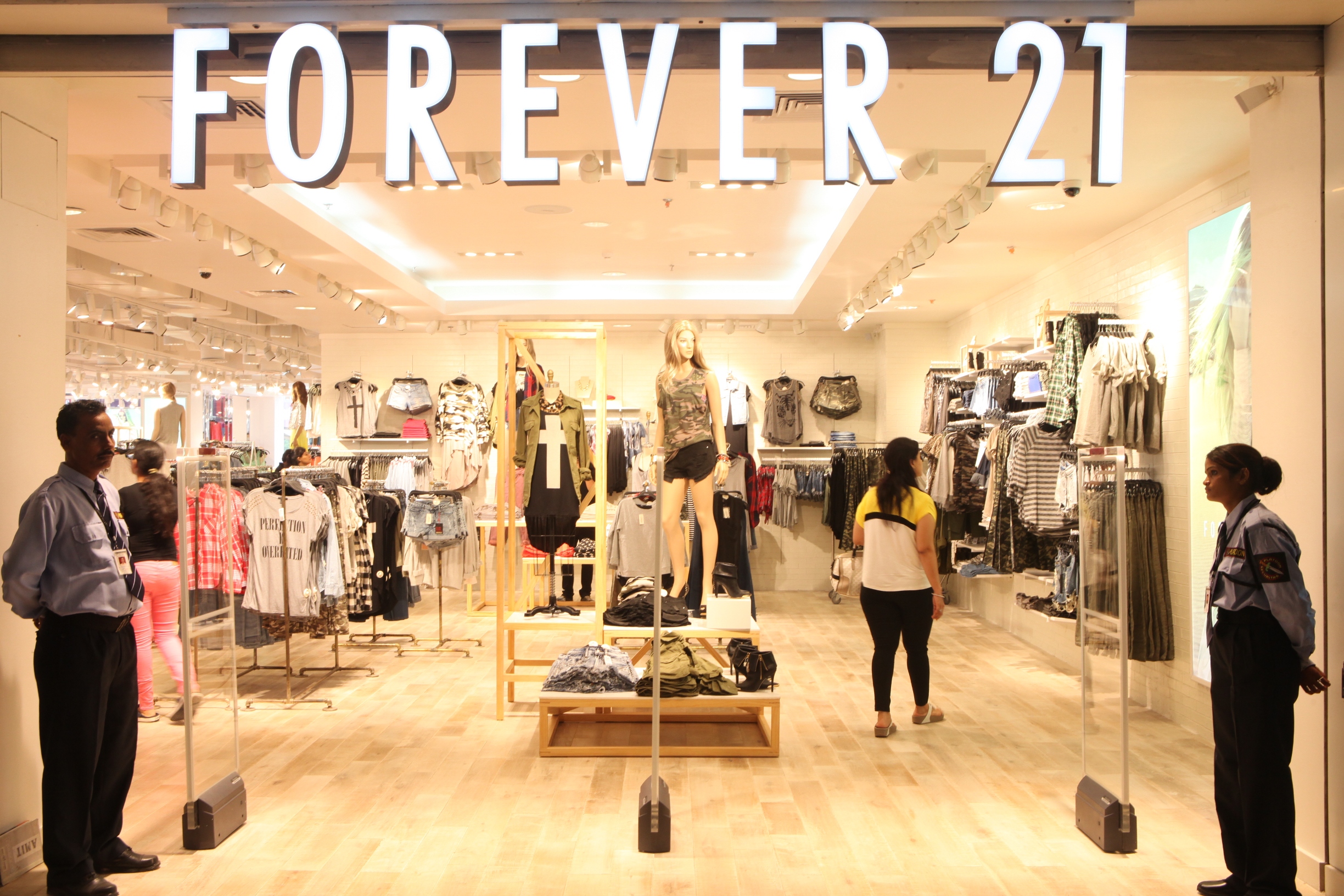
On September 29th, fashion retailer Forever 21 announced it had filed for Chapter 11 bankruptcy and would close over 170 of its more than 800 stores as part of a business restructuring. The company also received several funding rounds, including $275 million from JPMorgan Chasse and $75 million from a new fund, TPG Sixth Street Partners.
However, the California-based retailer insists that filing for bankruptcy does not mean it will leave the US market.
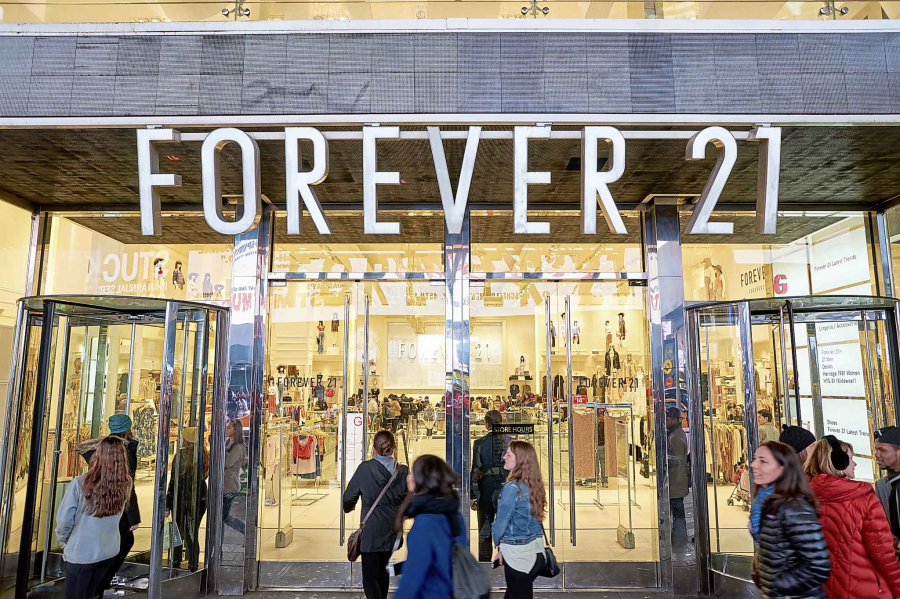
"On the contrary, filing for bankruptcy protection is a deliberate and correct step for the company's future...", quoted from Forever 21's letter to customers.
"This is an important and necessary step to secure the future of Forever 21, and it will give us the opportunity to restructure our business and reposition the brand," said Linda Chang, Executive Vice President of Forever 21.

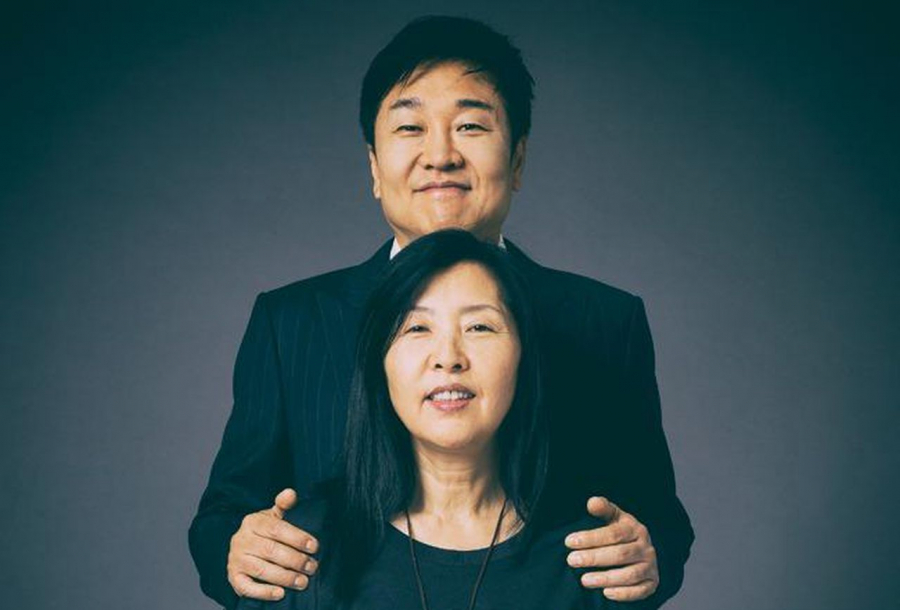
The husband and wife co-founders of Forever 21 are Jin Sook and Do Won Chang.
Chang stated that the company had expanded too rapidly – covering 47 countries in less than six years – inadvertently creating "complexity in profitability and management." Furthermore, the rapid changes in the retail industry and the rise of e-commerce have presented the business with numerous challenges.
Forever 21 was founded in 1984 by husband and wife Jin Sook and Do Won Chang. The chain quickly expanded to shopping malls, primarily catering to young female customers with affordable, basic fashion items. Today, they have over 800 stores in the US, Europe, Asia, and Latin America.
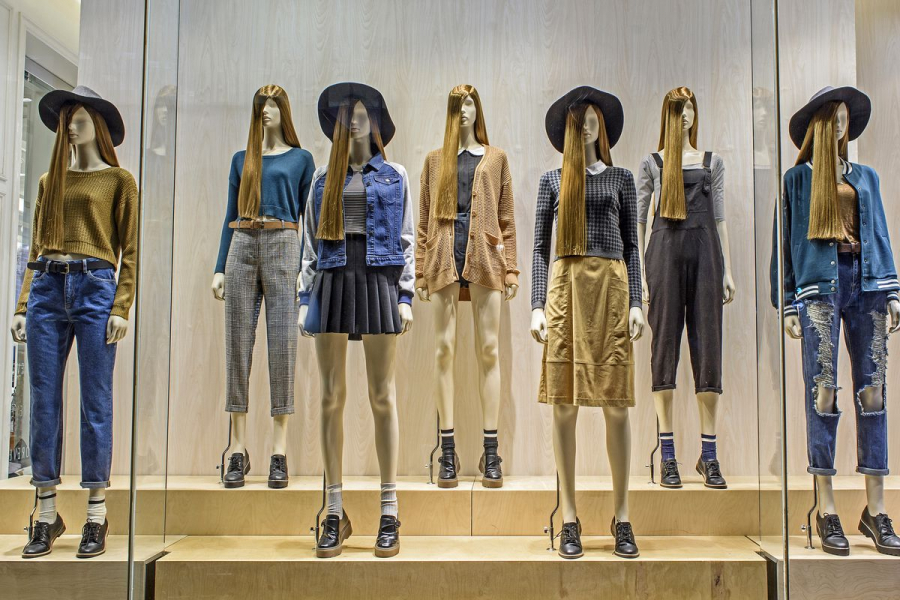
Forever 21 offers trendy fashion items and accessories at affordable prices. Its main target audience is young people who appreciate stylish, youthful, and fashionable designs. Since its inception, the brand has experienced strong growth and expanded its market globally.
However, in recent years, the Forever 21 fashion brand has faced difficulties. Business in shopping malls has been extremely sluggish. Sales have plummeted, but the high cost of renting retail space in malls has left the company in a predicament. Furthermore, the growth of e-commerce has forced the company to compete fiercely with online brands.
In fact, rumors of Forever 21 facing bankruptcy surfaced a year ago, when the company hired a team of financial consultants to find a way to restructure the brand.
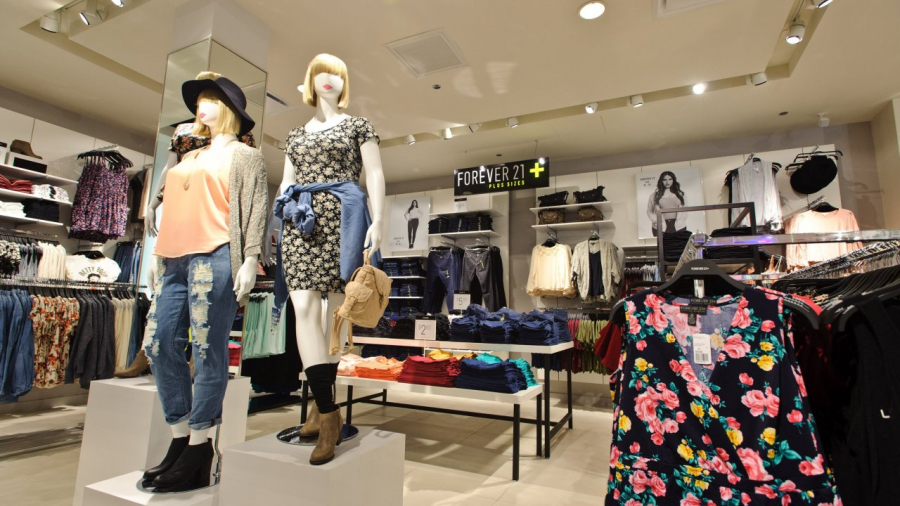
Forever 21 is still owned by its co-founders. According to Forbes, Won and Chang currently have a net worth of $1.5 billion. Forever 21 has annual revenue of $3.4 billion and employs 30,000 people.
The final decision on which domestic stores will close depends on negotiations with landlords. "We expect the majority of our stores to remain open and operating as normal, and we do not wish to leave any major markets in the U.S.," the company announced. Additionally, while there are plans to close most international branches in Asia and Europe, the company will continue operations in the U.S., Mexico, and Latin America.
Since the beginning of 2017, more than 20 US retailers, including Sears Holdings Corp and Toys 'R' Us, have filed for bankruptcy, succumbing to fierce e-commerce competition from Amazon. In mid-May 2019, Arcadia Group, the parent company of Topshop and Topman (UK), also filed for bankruptcy protection in the US. Other fast-fashion brands like H&M are also struggling, with declining profits and share prices halving in the past four years.