VI
VI



At the G7 Summit (held in Biarritz, France, at the end of August), 32 companies owning 150 influential luxury fashion brands globally signed a climate commitment, promising to minimize the negative impact of the fashion industry on environmental pollution.
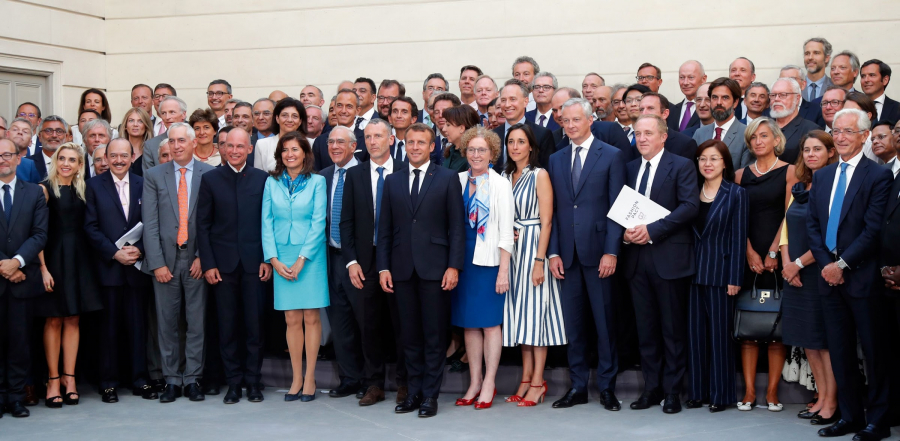
Leaders of fashion brands signed the "Fashion Impact" pledge, guaranteeing that they will take steps to minimize the negative impact of the fashion industry on the environment.
The pledge, led by French President Emmanuel Macron and CEO Francois-Henri Pinault of the Kering group, aims to achieve zero emissions by 2050.
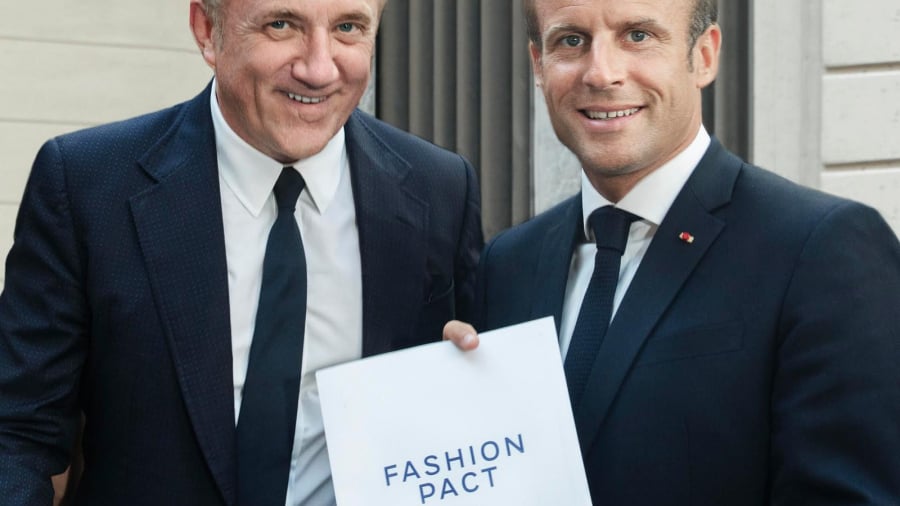
CEO Francois-Henri Pinault of Kering Group (left) and French President Emmanuel Macron (right).
According to the French Ministry of Ecology, the fashion and textile industry accounts for 6% of global greenhouse gas emissions, 10-20% of pesticide and dye use in production processes, and one-fifth of water pollution; the fashion industry's waste discharge accounts for 20-35% of total ocean emissions.

The fashion industry, worth €1.5 trillion a year (equivalent to $1.66 trillion USD), is one of the world's largest and most influential industries. Therefore, changes within the fashion industry will play a pivotal role in driving global change towards a more sustainable future.

The transformation of the fashion industry will play a pivotal role in driving global change toward a more sustainable future.
To mitigate global warming while protecting biodiversity and the oceans, the commitment focuses on successfully reducing single-use plastics by 2030 and limiting ocean pollution from microfibers when consumers wash clothing made of synthetic materials. The commitment also requires fashion brands to embrace the "circular economy" trend, which includes innovative recycling and reuse practices, creating designs that allow for the reuse of old garments.
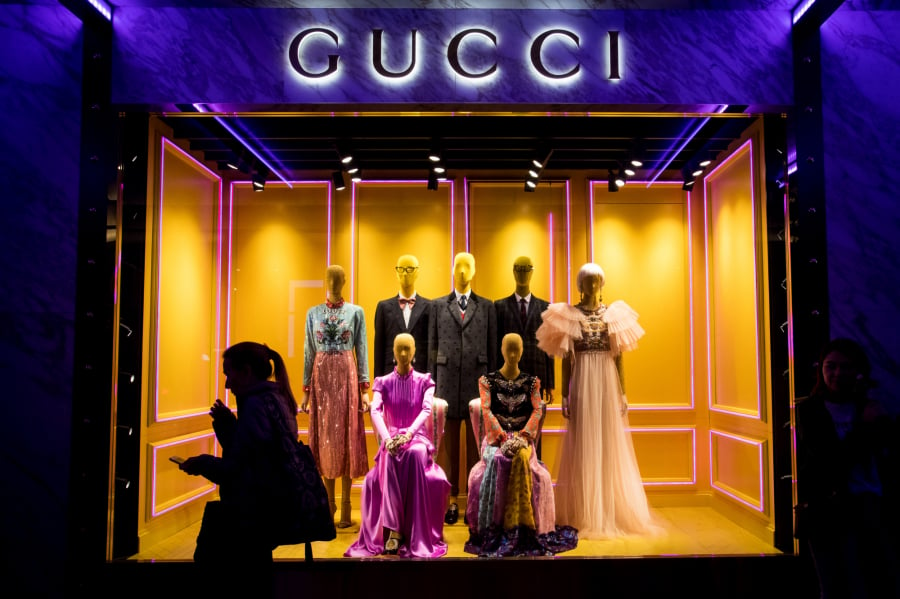
The "Fashion Impact" commitment itself is not legally binding but serves as a guideline, a promise from globally renowned fashion brands to consciously change and contribute to reducing environmental pollution.
The brands that have committed include Chanel, Hermès, Versace owner Capri Holdings, Calvin Klein (owned by PVH Group), Adidas, Nike, Inditex, H&M, Selfridges, Galeries Lafayette, Nordstrom, and others.