VI
VI



With a desire to protect nature, the island nation of Palau has taken a firm step by requiring all visitors to affix a stamp in their passports pledging to treat the environment well during their stay.

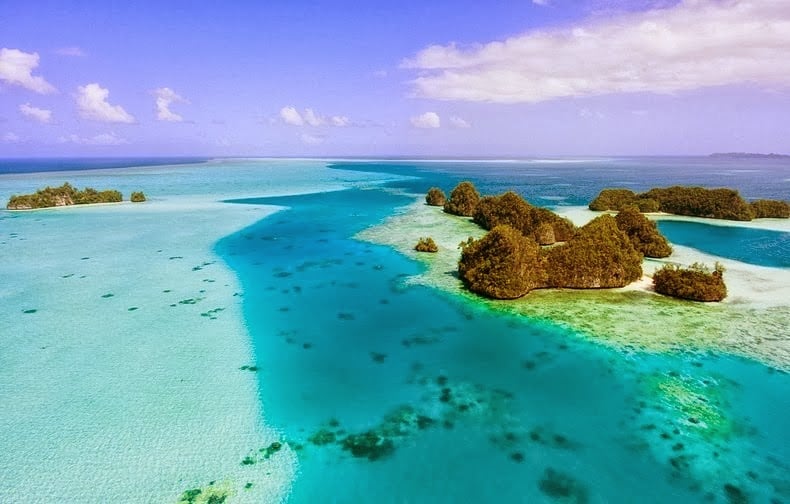
The Palau archipelago comprises 250 islands located in the western Pacific Ocean, belonging to the Republic of Palau. It is a stunning tropical paradise, possessing a pristine yet mysterious beauty. Most are coral islands, rising only a few meters above sea level, with only nine inhabited. The country's population is approximately 21,000 people, scattered across the 250 islands that form the western chain of the Caroline Islands.
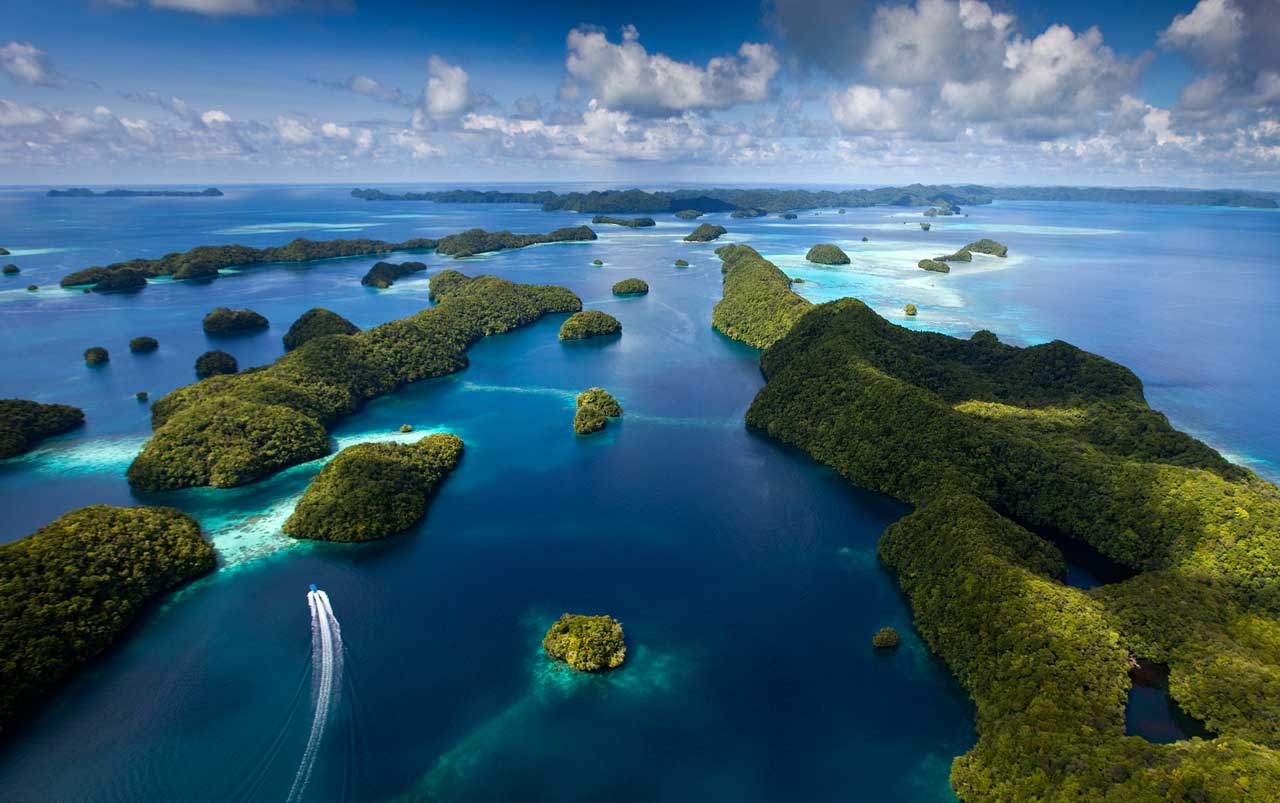

Like many other Pacific island nations, Palau relies on tourism as a major driver of its economy. Each year, a large number of tourists from around the world flock to explore the island. In recent years, the average number of visitors to Palau has been nearly seven times the local population. As the number of tourists continues to increase, problems are beginning to arise, such as a lack of respect for the ecosystem and nature by many visitors.
Recently, upon landing in Palau from Guam, travelers were required to undergo a completely different procedure than before. Instead of the usual entry stamp on their passports, travelers received a commitment stamp in the form of a poem. To enter Palau, everyone had to sign a pledge to “travel gently, act courteously, and explore responsibly.” The Palau Pledge initiative included a mandatory video played on flights to Palau educating all travelers about their environmental responsibilities, along with a list of things to do and not to do during their time in the island nation.

Many locals feel that the Palau Commitment is a small initiative but an important step in changing tourists' attitudes about the natural and ecological value of the country. It is still too early to assess the effectiveness of the initiative, but many hope it can be a tool to encourage local communities to have a similar awareness of nature conservation.
THU TRA