VI
VI



Gothenburg in 2019 is a place where an old warehouse has been renovated into a food market, a boiler room into an art gallery, and a slaughterhouse into a modern winery. The bleak past now serves as a canvas upon which the people of Gothenburg can freely paint new ideas.
The city still retains some old factories and industrial buildings, but it is now also a vibrant university city, a high-tech research center, and most importantly, a model of sustainability, with a population projected to increase by one-third in the next 15 years.
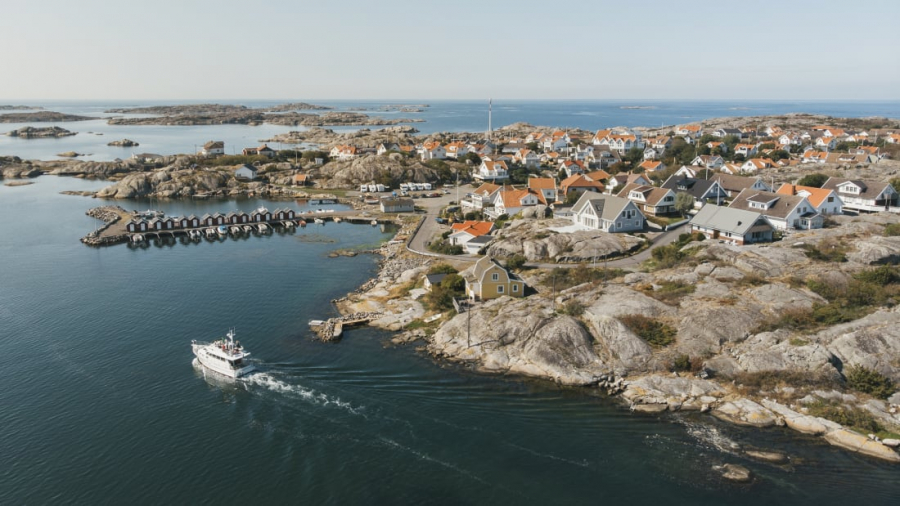
It's no surprise that Greta Thunberg's hometown leads the world in sustainability. And this is an area where Goteborg truly excels over Stockholm, the capital of Sweden.
The Global Destination Sustainability Index has ranked Gothenburg as the world's most sustainable destination (just above its neighbor Copenhagen) since 2016. In fact, it significantly outperforms other cities on the list: Gothenburg ranks 22% higher than the city in 10th place (Brussels).
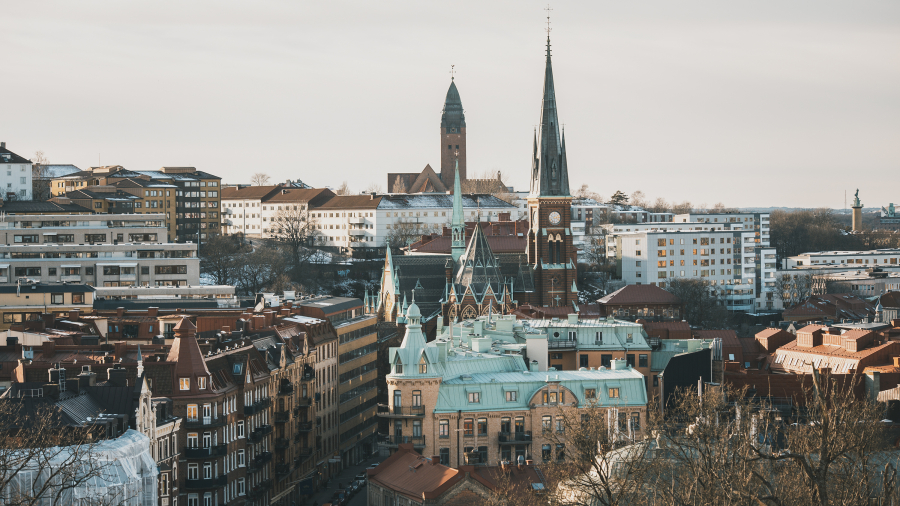
Gothenburg is a green city, not only because of its forests and numerous parks, but also thanks to its well-planned infrastructure and extensive public transport system, 65% of which runs on renewable energy.
Gothenburg's Landvetter Airport has received the highest level Airport Carbon Certification (Level 3+) since 2011. Simultaneously, the local authorities have strongly promoted eco-innovations since 2013 when Gothenburg became the first city in the world to issue green bonds for investments that benefit the environment and climate.
So what does this eco-city look like in reality? Here are some of the best places to eat, stay, have fun, shop, and explore Gothenburg.
What to play?
Goteborg claims that, on average, each resident has 274 square meters of green space.2Indeed, there are countless parks here worth visiting on a sunny day.
Vast Slottsskogen is an ideal spot for forest walks, while Keillers Park offers hilltop walking trails with breathtaking views of the bustling harbor.

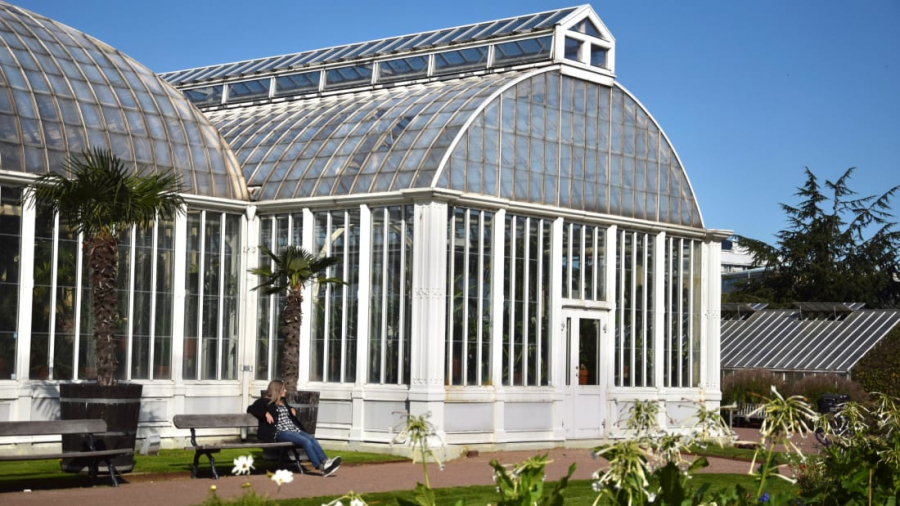
Sinewy Kungsparken is a central park located on land that was once a fortress protecting the city of Gothenburg from Danish invaders.
Jubileumsparken is a new park in the Frihamnen area. Anyone can come here to swim in the public pool, sunbathe at a city beach, grow vegetables in the garden, roller skate or go boating, or just relax by the water – all free of charge.
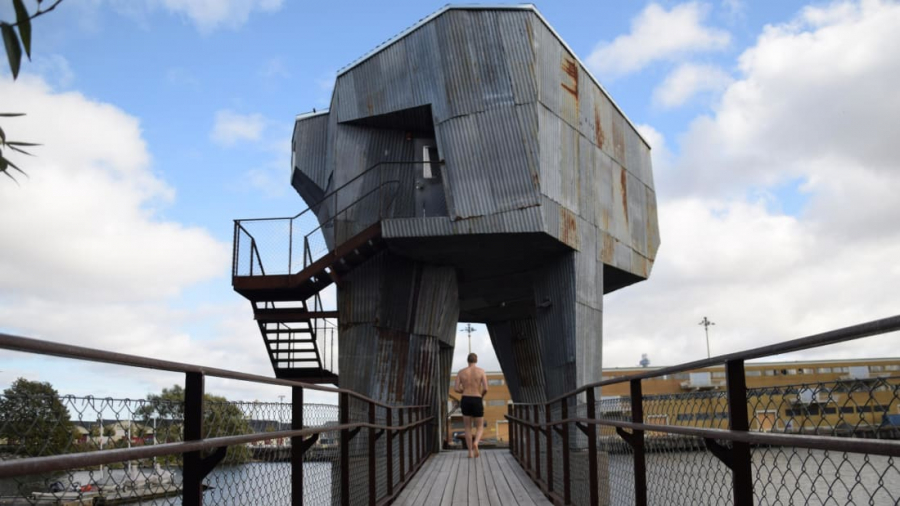
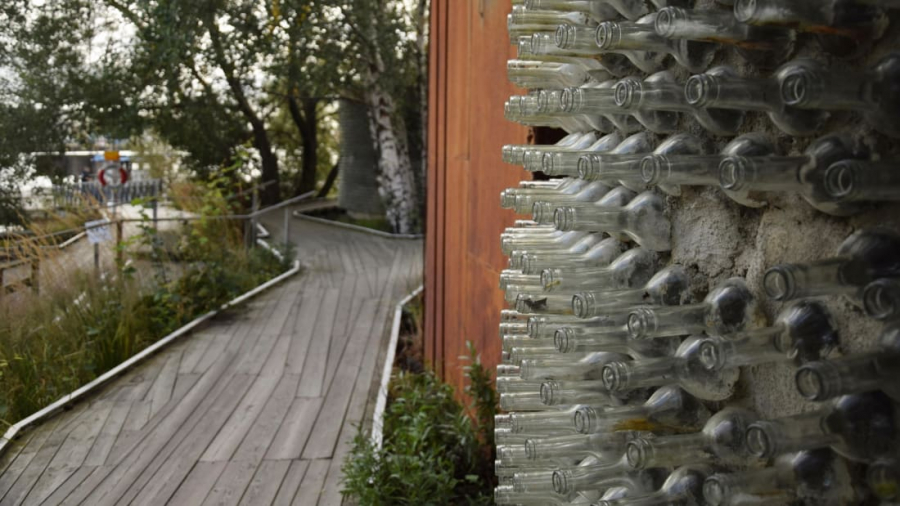
Additionally, there's a public sauna that's perfect for Instagram photos (and it's free), with changing rooms made from 12,000 recycled bottles.
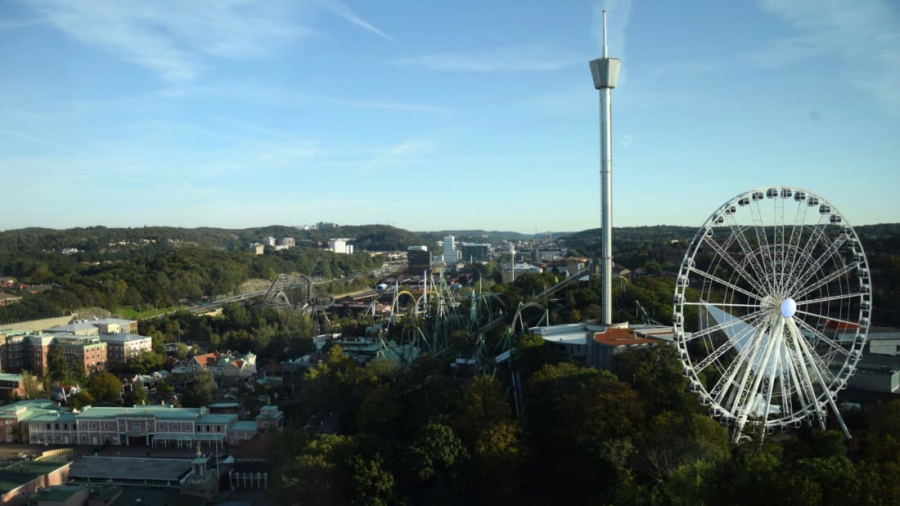
If you enjoy theme parks, you can choose Liseberg, located right in the heart of Gothenburg, which offers over 40 thrilling rides. All the electricity used here comes from renewable wind energy.
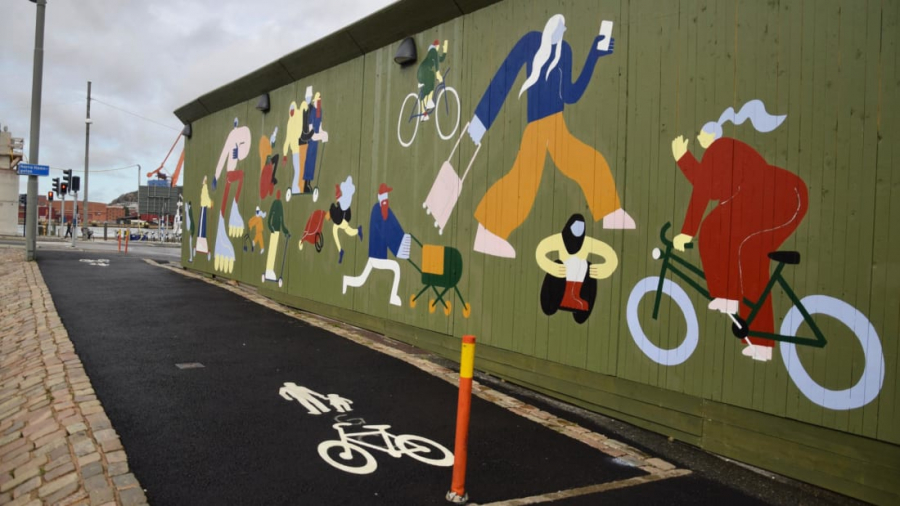
In addition to its parks, Gothenburg boasts an extensive network of bike paths, as well as the bike-sharing program, Styr & Ställ, with the first 30 minutes of use being free.
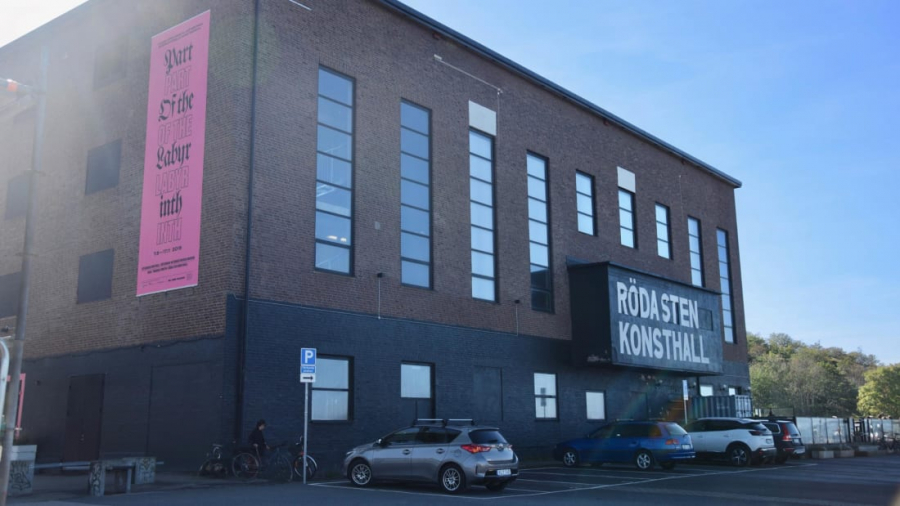
Visitors can grab a bike and cycle west along the canal to Röda Sten, a modern arts center spread across four floors of a boiler room dating back to the 1940s.
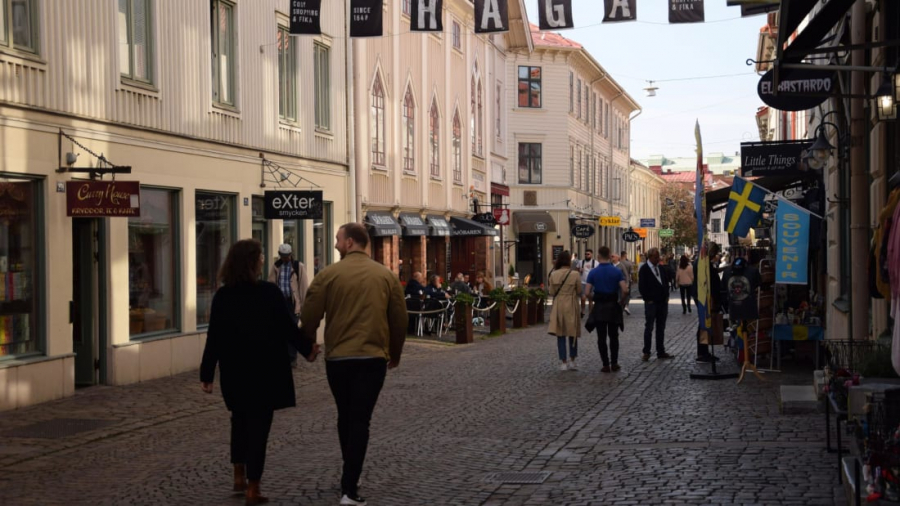
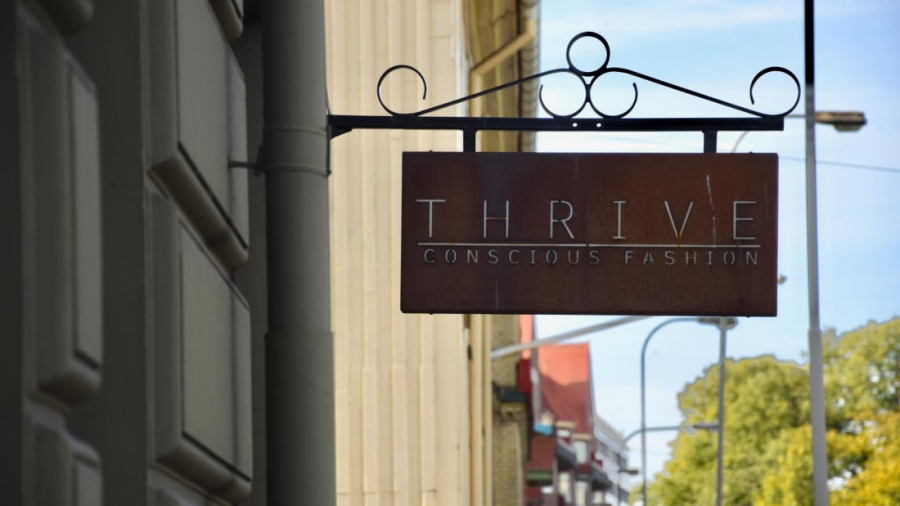
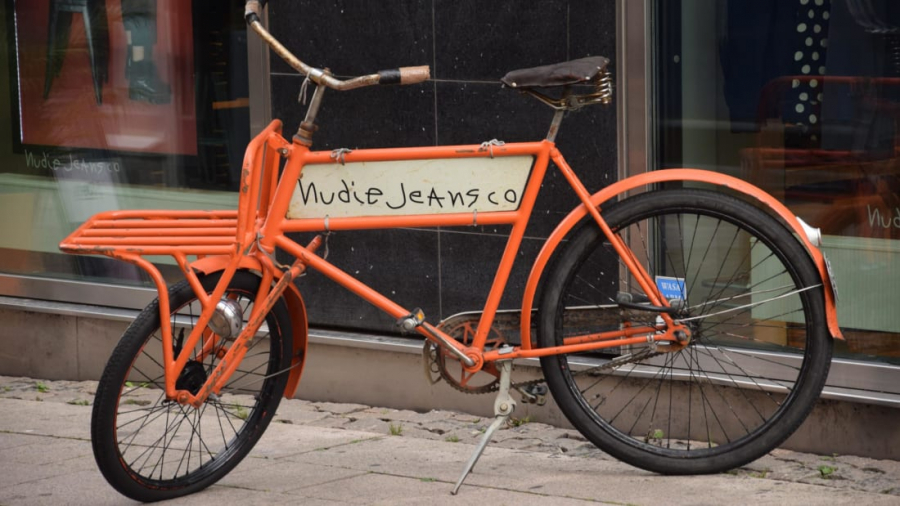
Next, cycle to the Haga shopping and café district to visit shops like Thrive, which showcases 45 brands committed to prioritizing workers' wages, using innovative and non-toxic materials over quantity and revenue. Gothenburg is also home to the global denim brand Nudie Jeans, with jeans made from 100% organic cotton and a promise of free lifetime repairs.
What should we eat?
If Swedes have a national obsession, it's...fikaFika, meaning "a cake and coffee," is actually much more than that. It has become a daily social ritual, an attitude and a state of mind in Sweden. It's also a delicious dose of caffeine and sugar that keeps the country going.
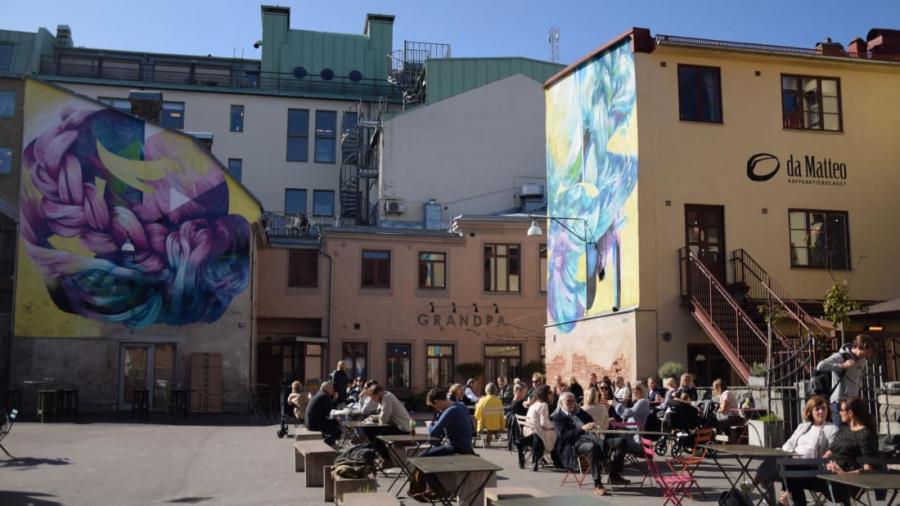
The best place to experience fika is Da Matteo, a beloved bakery and café in the trendy Magasinsgatan area, with seating spread out on the patio amidst street art.
Da Matteo promotes a better coffee culture by sourcing coffee beans from producers who care not only about quality, but also about farm health and the livelihoods of their workers. Their superior espressos, brewed using V60 and Chemex machines, pair perfectly with kardemummabullar (cardamom pies, similar in taste to cinnamon rolls).
The city of Gothenburg has many establishments certified by regional organizations such as Krav (specializing in animal care, pesticide-free farming, and social responsibility), Swan (monitoring the environmental impact of products and services), and MSC (ensuring sustainable fishing practices).
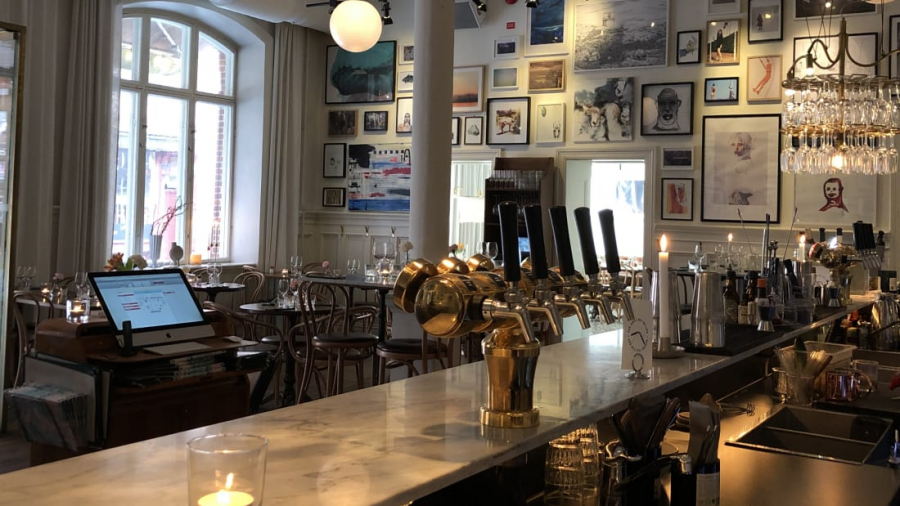
Taverna Averna, a Krav-certified producer, offers organic produce for salads and thin-crust pizzas, along with a remarkable selection of organic wines to pair with them.
Nearby, in the Linné district, the Folk bar serves natural wines along with an innovative semi-vegetarian pescatarian menu (for example, cod with celery root, dill and lemon butter), red lights and Swedish electronic music.

Wherever you eat, shellfish like crayfish and lobster from the nearby Bohuslän coast are the best choice for tasting local cuisine. The seafood here is so fresh that you only need lemon and butter for seasoning.
A trip further outside the city to enjoy Edible Country (a new concept from Sweden that transforms forests into restaurants) is also a great option. Simply book online and you'll receive directions to your outdoor table, recipes prepared by a Michelin-starred chef, and advice on how to prepare mushrooms and other ingredients. There are three such restaurants near the city, the closest being at Gunnebo House and Gardens, just a 30-minute public transport ride away.
Where?
92% of accommodation in Gothenburg is eco-certified by regional sustainability organizations.
This includes the Gothia Towers, with 1,200 rooms, the largest hotel in Europe, and a "very good" rating from Breeam, a leading global sustainability certification organization. This luxury hotel by Liseberg not only uses wind energy but also recycles 94% of its waste (leftover food is sent to a local charity, while scrap materials are sent to a biofuel incinerator).
The Clarion Post Hotel also has an organic vegetable garden on the rooftop (fertilized with leftover food from the hotel).
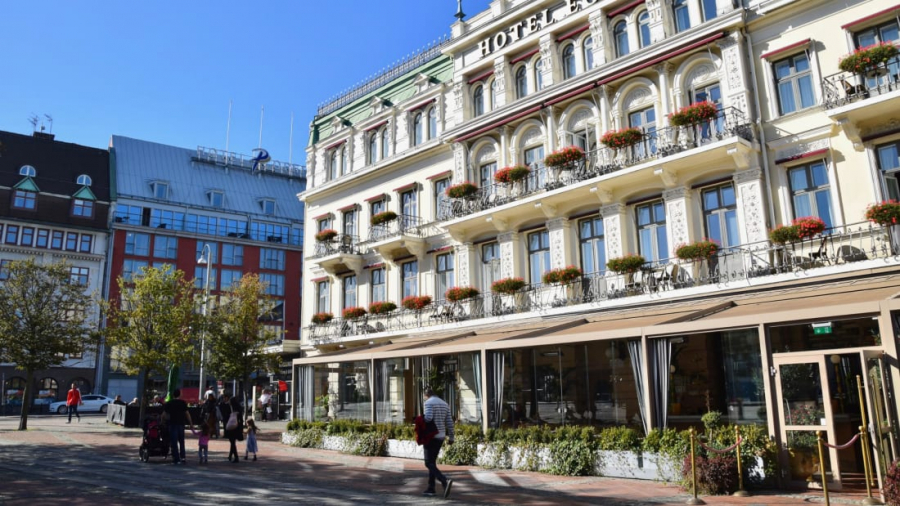
The Eggers Hotel is the third oldest hotel in Sweden (part of the building dates back to 1820).
This elegant and historic Eggers Hotel draws all its electricity from wind turbines, and also reduces waste by offering 50% off unsold dishes at the end of the day on a food rescue app.





.jpg.jpg)