VI
VI


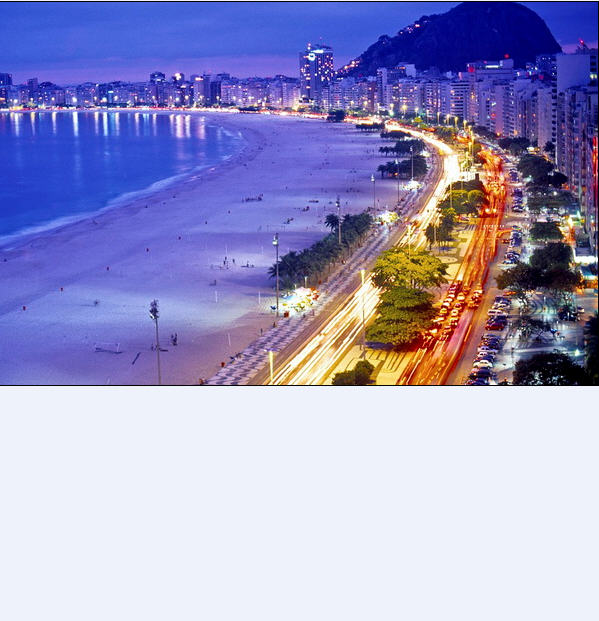
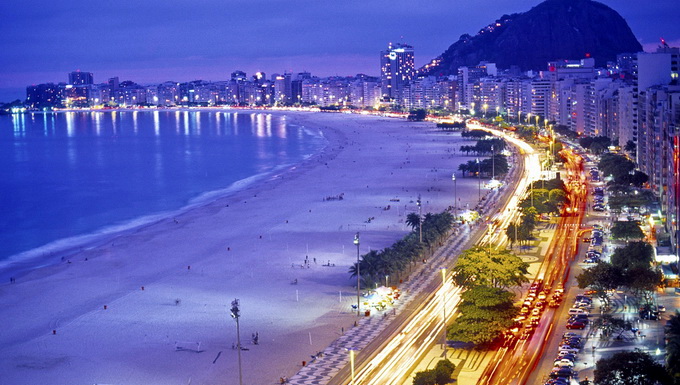
Romantic nighttime on Copacabana beach in Rio de Janeiro - Photo: wordpress
A recent report by TripAdvisor, a reputable social media platform in the travel industry, indicates that the average price of a hotel room in the Copacabana tourist district of Rio de Janeiro will be 1543.99 Brazilian real, approximately $658 per night, representing a 229% increase compared to the period outside of the World Cup.
In Rio, the gateway to Brazil's tourism industry, the average hotel room price will be around 1,077 real per night (over $458 USD) during the World Cup (a 107% increase), with the extent of the price increase varying depending on the neighborhood.
Meanwhile, according to G1, a website of the statistical research company Globo, a hotel room in the Times Square neighborhood of New York City, considered the most expensive area in the world, is cheaper to stay in than in Rio at this time.

The above statistics are compiled from studies on hotel room prices in 12 cities hosting football matches during the 2014 World Cup in Brazil. The city of Salvador in Bahia state saw the sharpest increase, rising by 212% compared to other times of the year.
Commenting on the skyrocketing hotel room prices during the World Cup, Alfredo Lopes, president of the Rio Hotel Industry Association, said this was not good for the city's tourism industry.
He said the association had advised hotels to clearly display room rates, and that these rates should be the same as those on December 31st or during the street festival season (which are the times of year when room rates are highest).
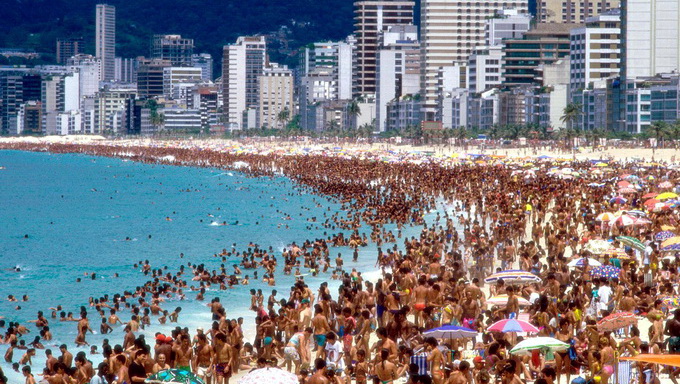
Tourists may find themselves with exorbitant hotel room prices on Copacabana Beach, Rio de Janeiro - Photo: wordpress
The Brazilian government expects that during the World Cup in Brazil from June 12th to July 13th, 2014, the country's tourism industry will boom, with 600,000 foreign visitors and three million Brazilians flocking to the cities hosting the world's biggest football tournament.
According to Brazil's Minister of Sports, Aldo Rebelo, hotel occupancy rates were lowest in Natal at 50% of its capacity, while Rio was the highest at 90%.
In the last 10 years, Brazil's tourism revenue has increased by 168%, largely from domestic tourists. Despite possessing many dreamlike beaches and a distinctive lifestyle, this South American country only receives 6 million foreign tourists per year, a far cry from the 80 million foreign tourists that visit France, currently the world's leading tourist destination.