VI
VI EN
EN


The royal tombs are the quintessential beauty of Mount Ngu and the Perfume River. Hieu Lang, one of the elements contributing to that quintessential beauty, was built near the Bang Lang intersection – the very source of the wild and poetic Perfume River. Later, the site of Hieu Lang, Cam Khe Mountain, was also renamed Hieu Son.
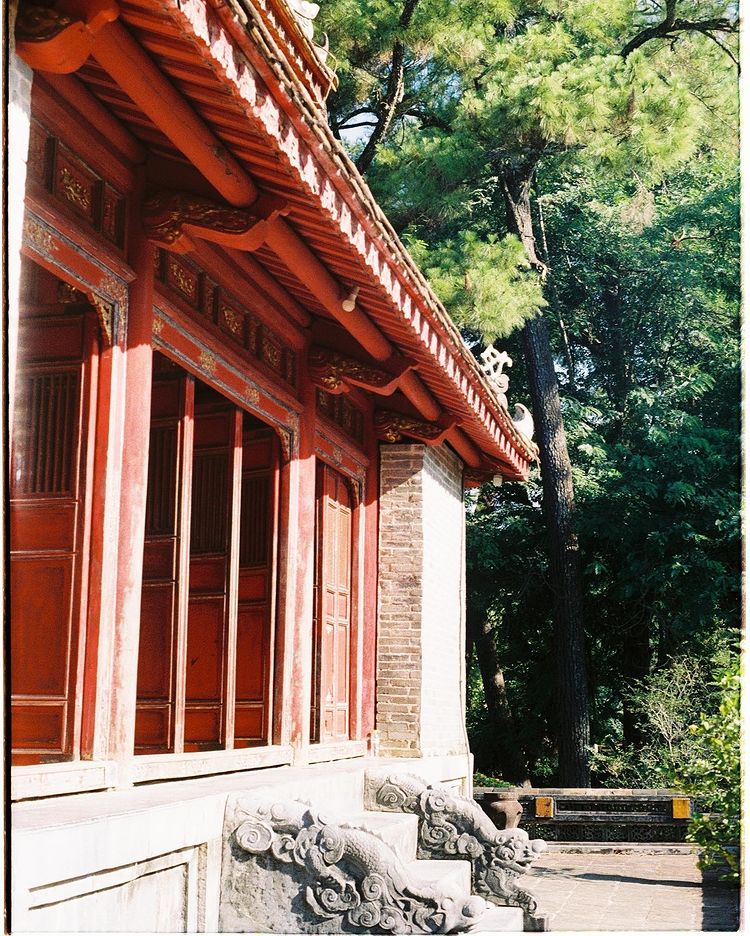
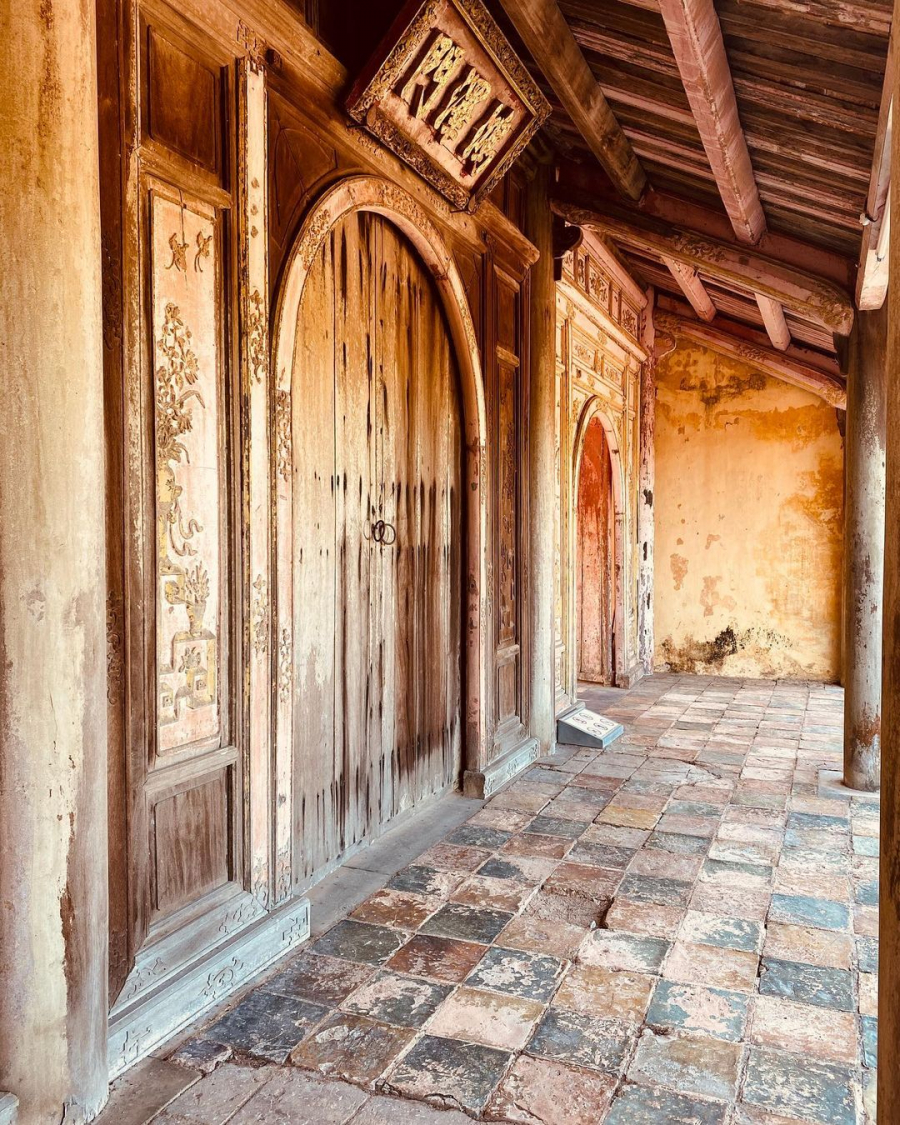
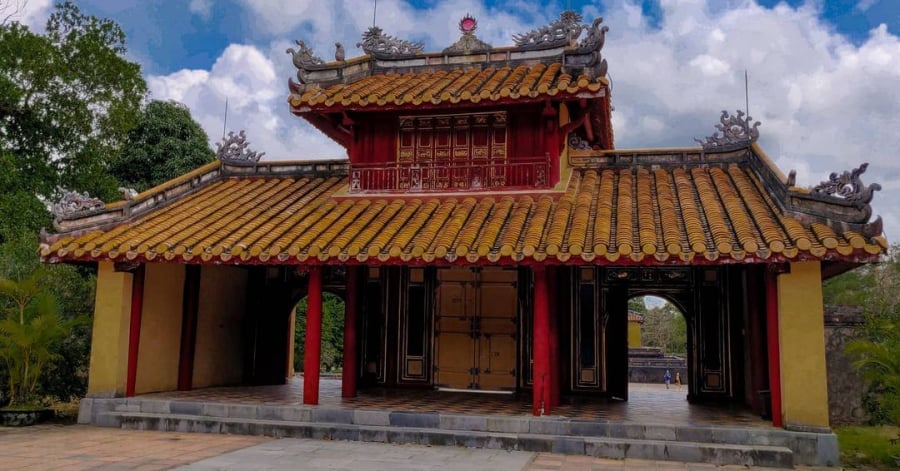
The architecture of Hieu Lang Mausoleum is deeply imbued with the spirit of Confucian scholars, as during his lifetime, Minh Mang was the most devout Confucian emperor of the Nguyen dynasty. The mausoleum is serene, reflecting the philosophy of "Heaven and Man in Unity," far removed from the hustle and bustle, where man and nature are in harmony, emphasizing inner cultivation. This stringent requirement led Minh Mang to spend 14 years selecting the most auspicious resting place, preparing for the longest period of spiritual practice in his reincarnation.
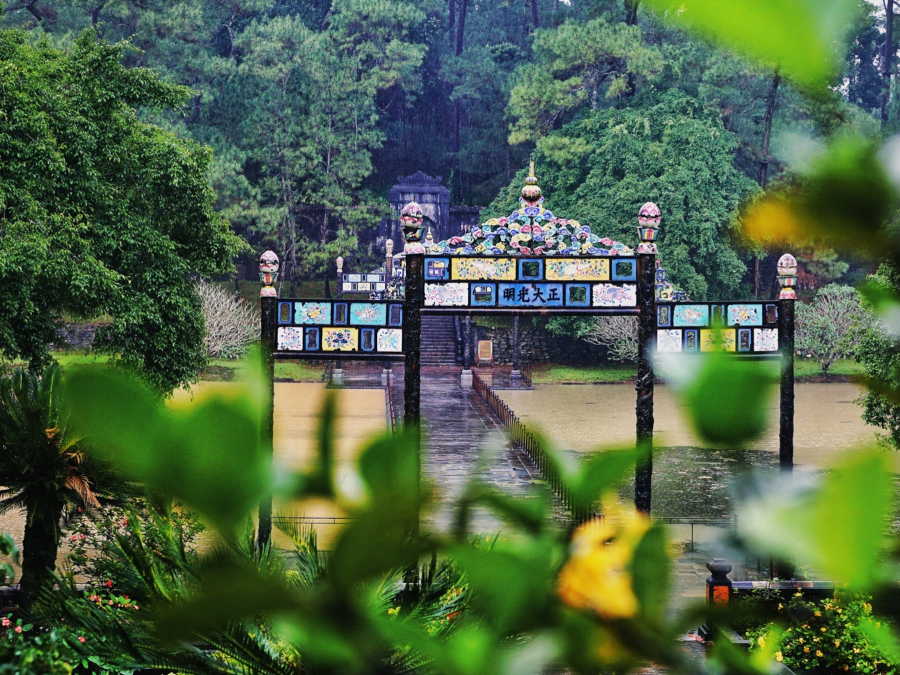
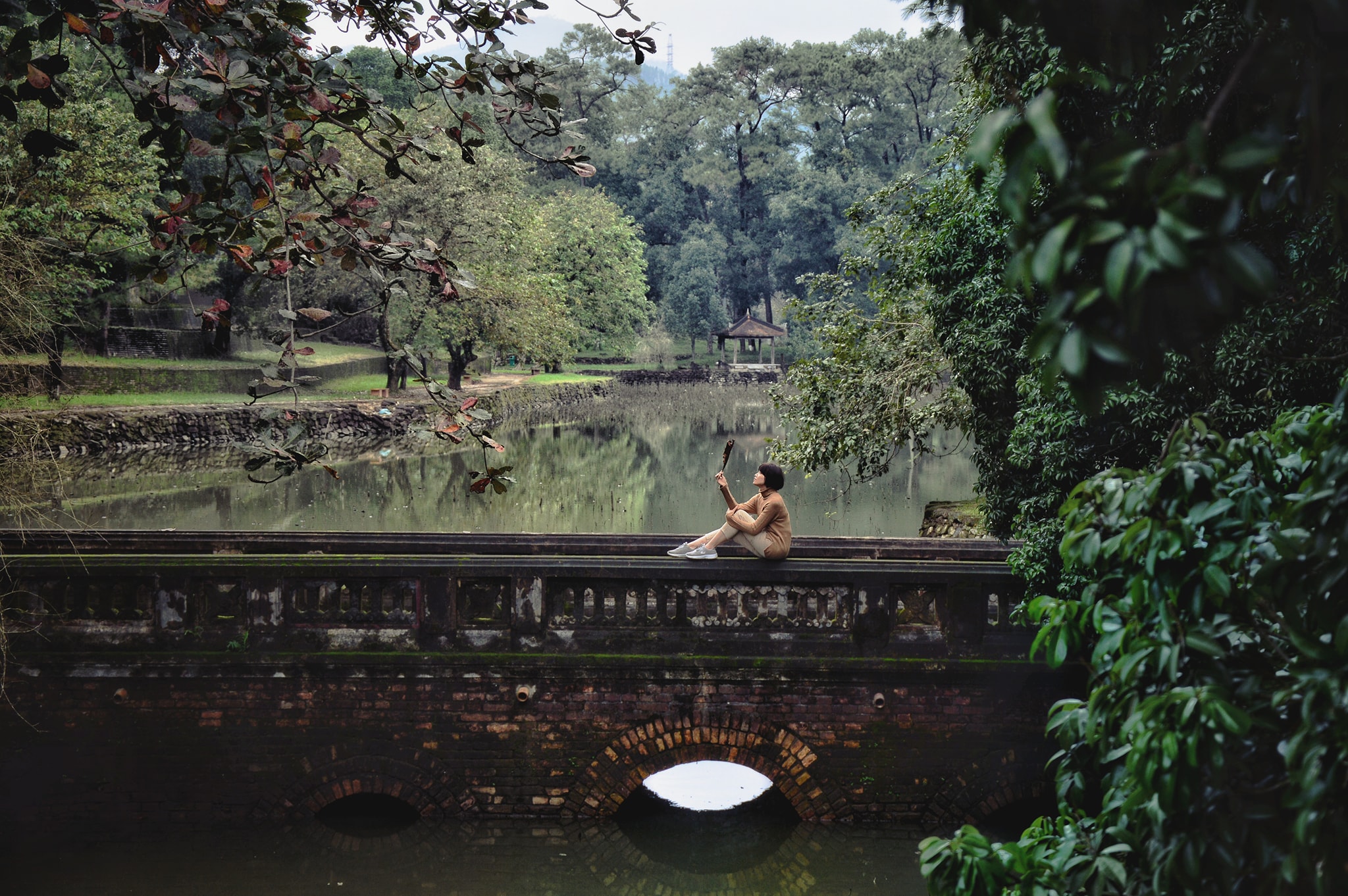
The Minh Mang Mausoleum is serene and peaceful, with tree-lined paths. Photo: Nguyen Duc Tam
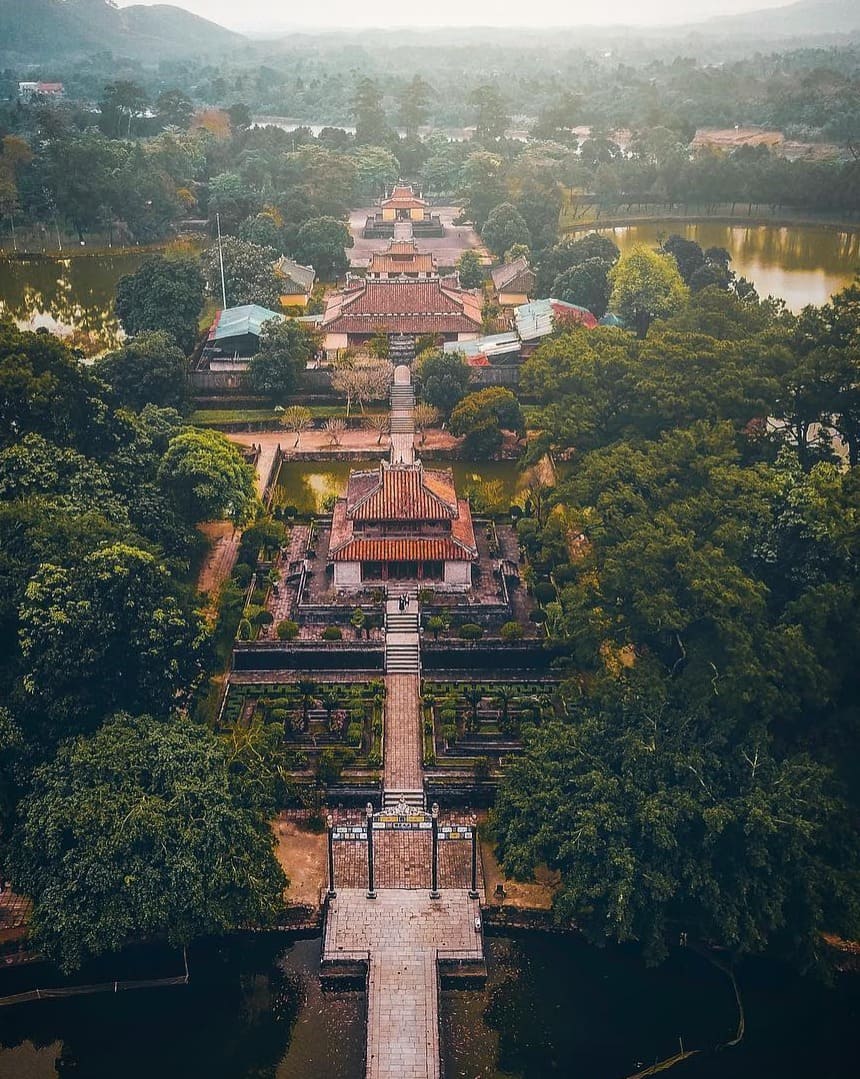
Minh Mang Mausoleum is a large-scale complex comprising approximately 40 structures of varying sizes, arranged symmetrically along three major, parallel axes centered around the Sacred Path. Viewed from above, the mausoleum resembles a person lying comfortably at rest: its head facing Kim Phung Mountain, flanked by Truong Minh Lake, and its feet resting peacefully at the confluence of three rivers. Upon entering Minh Mang Mausoleum, visitors do not feel a somber or mournful atmosphere; instead, they experience a sense of ease and tranquility amidst picturesque scenery. The quiet, solemn atmosphere of the mausoleum is characteristic of Hue, yet it evokes the vitality of the plants, trees, and fish pond, as if entering a grand house, and behind the city walls, the king is simply resting and reading after years of continuous court sessions.
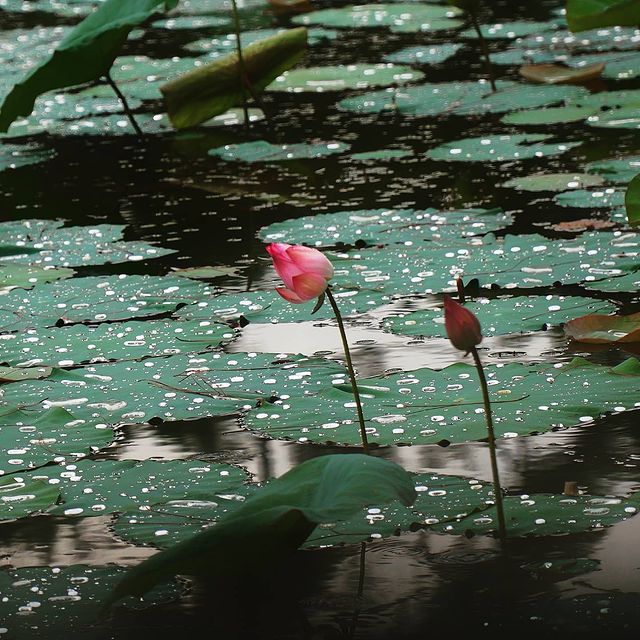
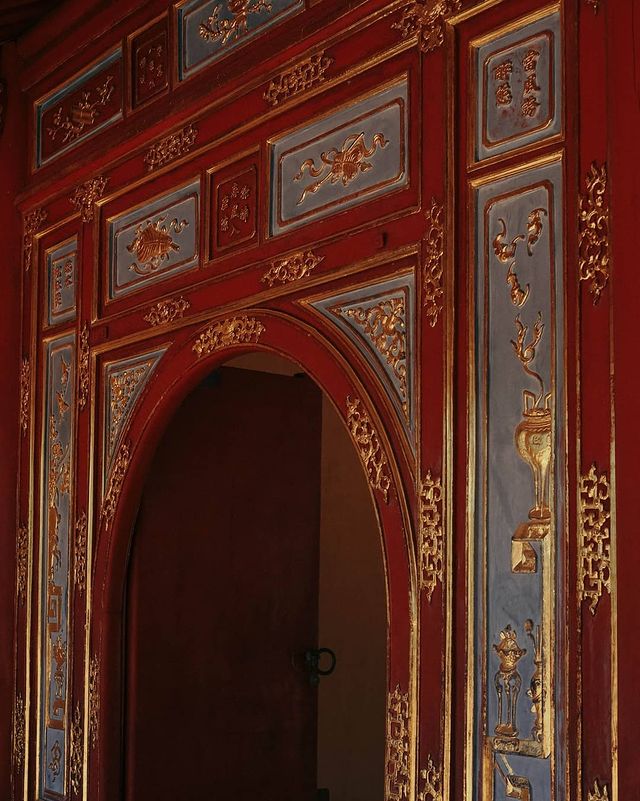
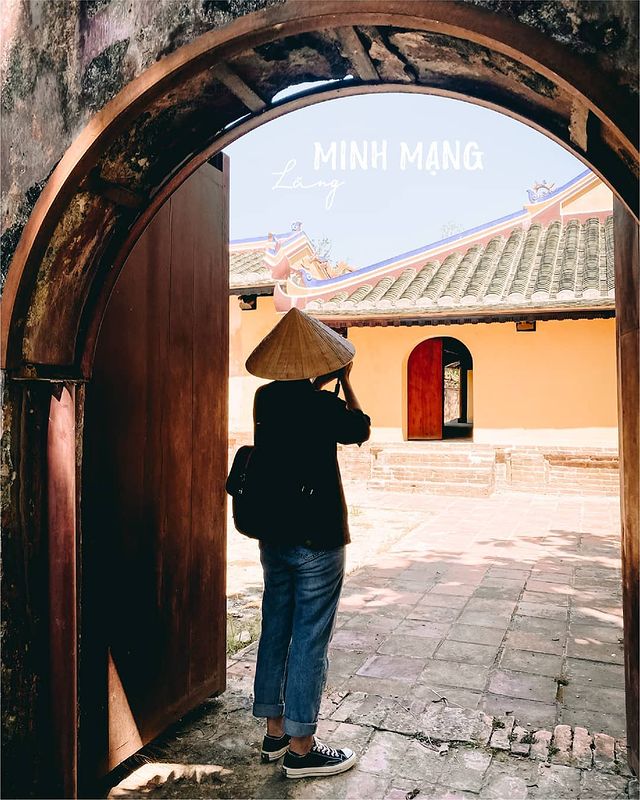
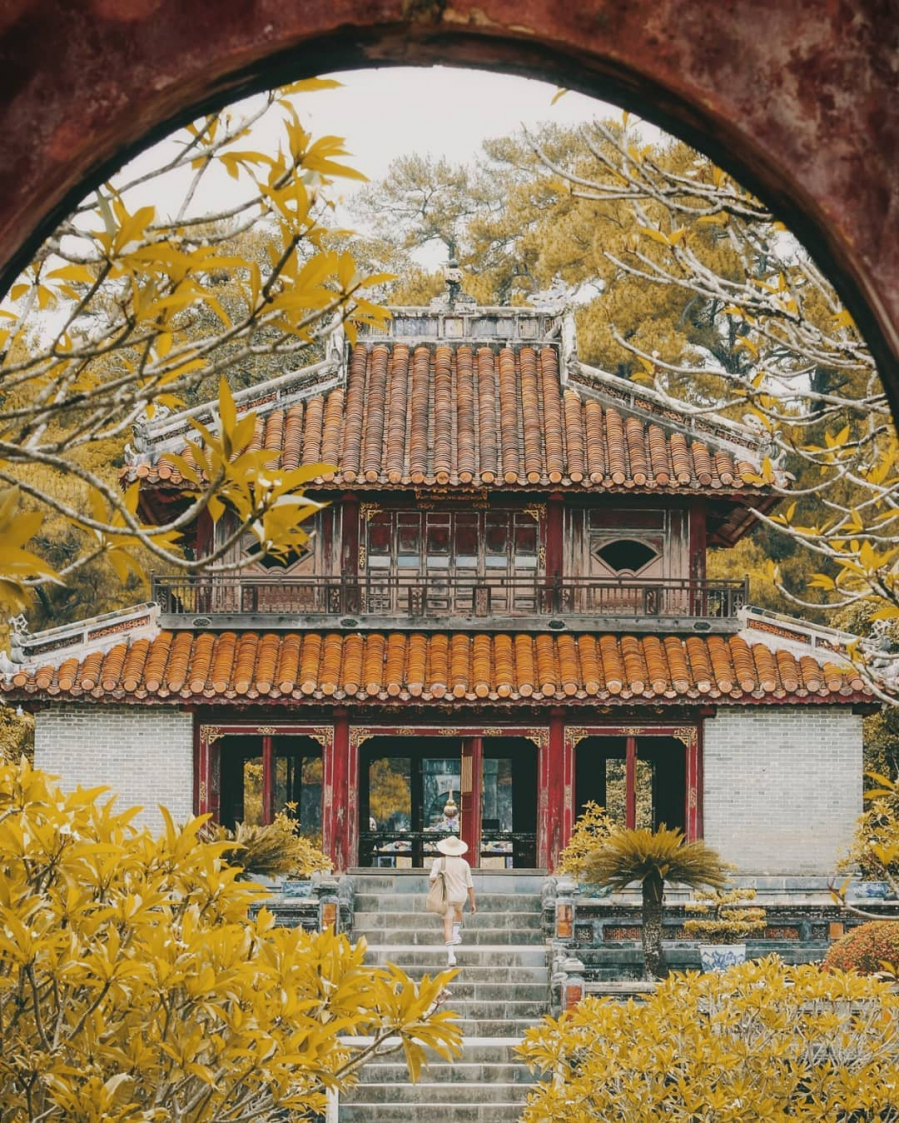
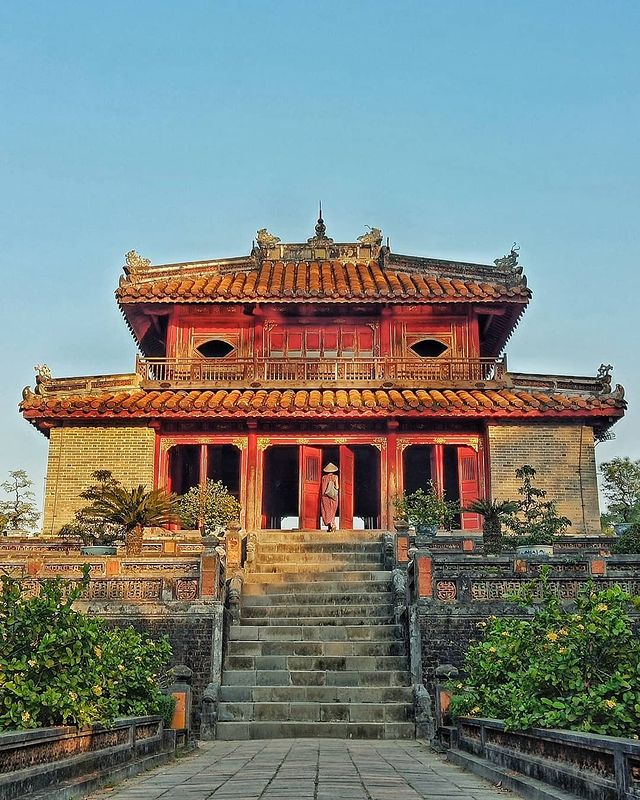
The Minh Mang Mausoleum began construction in early April 1840, mobilizing 13,000 laborers and soldiers, but it remained unfinished until the king's death. It wasn't until 1943, when the mausoleum was finally completed, that the king was buried within the citadel. The central gate, the Great Red Gate, was only opened once – the day the king's remains were brought through – and has remained closed ever since.

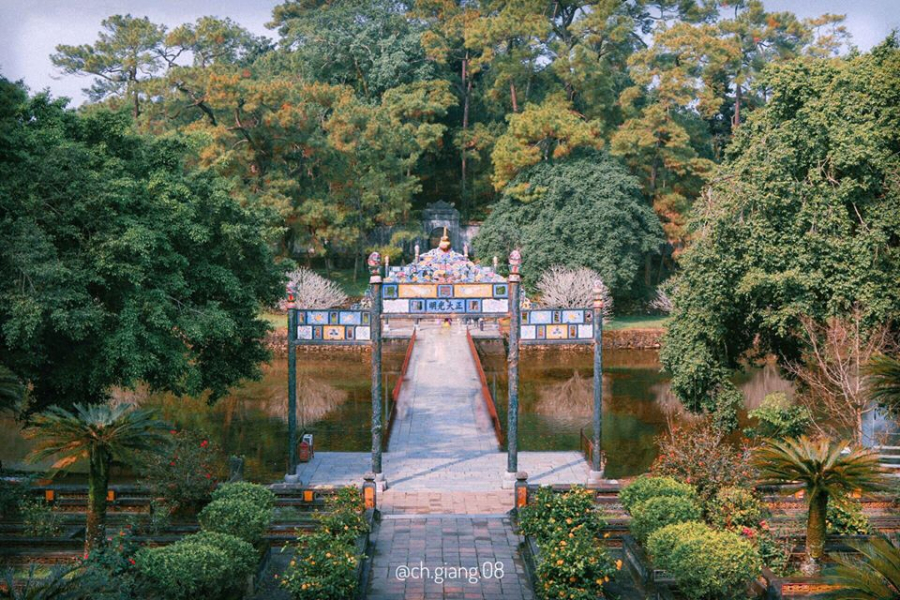
Buu Thanh, a circular pine-covered hill surrounded by city walls, holds the king's tomb deep within. In the center of Tan Nguyet Lake is a bridge called Trung Dao Bridge, connecting Minh Lau with Buu Thanh and the walking path around the mausoleum.
Today, along with Gia Long Mausoleum, Tu Duc Mausoleum, and Khai Dinh Mausoleum, Minh Mang Mausoleum has become one of the most prominent tourist attractions in the system of royal tombs in Hue.
Location of Minh Mang's tomb: Cam Khe Mountain, Huong Tho commune, Huong Tra district, Thua Thien - Hue province.
Entrance fee to the mausoleum:
But100,000 VND per person for adults.
- 50,000 VND per visit for senior citizens.
- 20,000 VND per child.