VI
VI


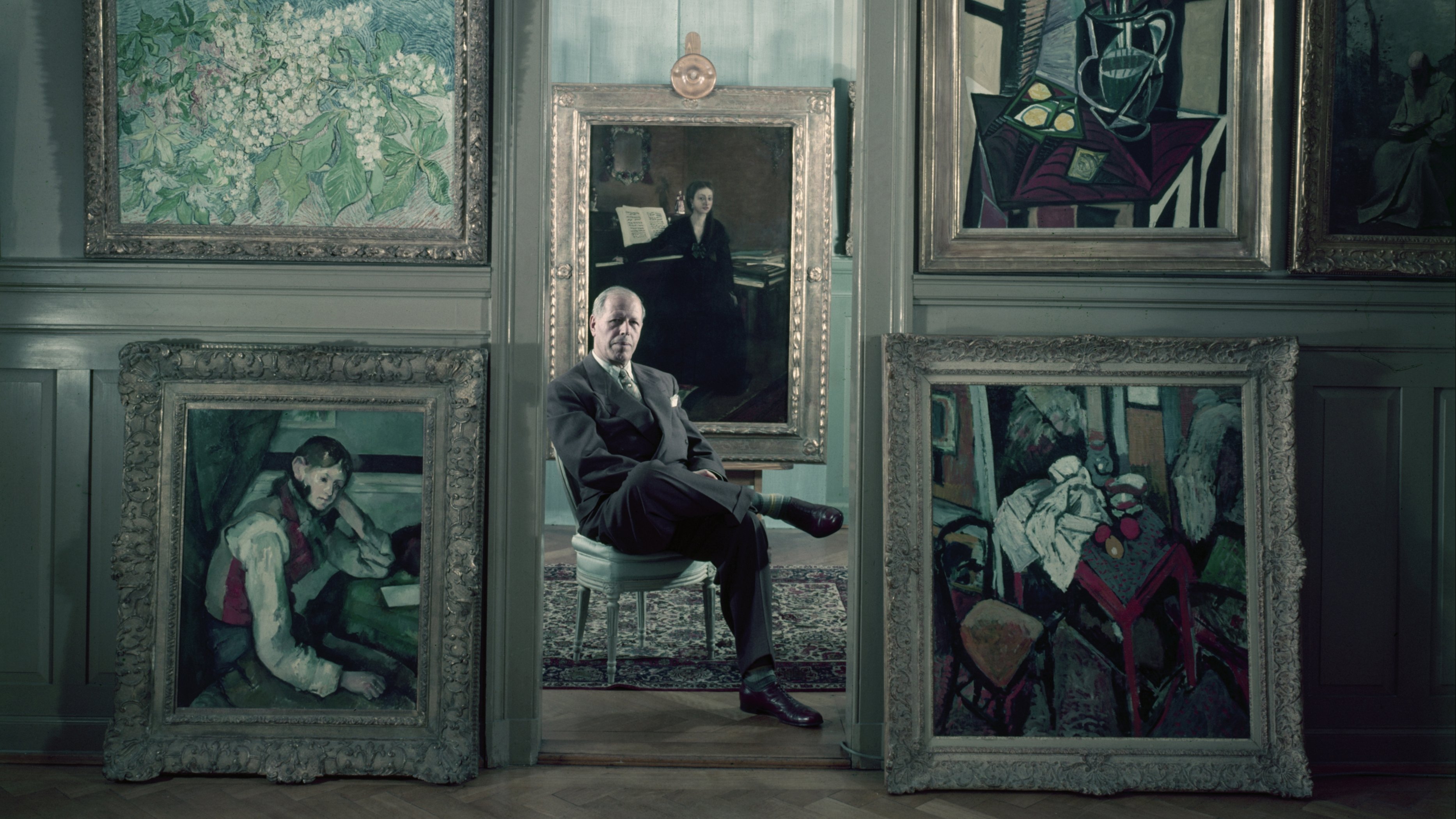
To become the largest art museum in Switzerland.
Kunsthaus Zürich (German for "Zürich House of Art") is an art museum in the city of Zurich, Switzerland, founded in 1787. It displays a diverse collection of European paintings from the Renaissance to the modern era, along with sculptures, drawings, and prints. The Kunsthaus Zürich specializes in medieval German paintings, houses numerous wood and stone sculptures, as well as modern paintings by Zurich artists.
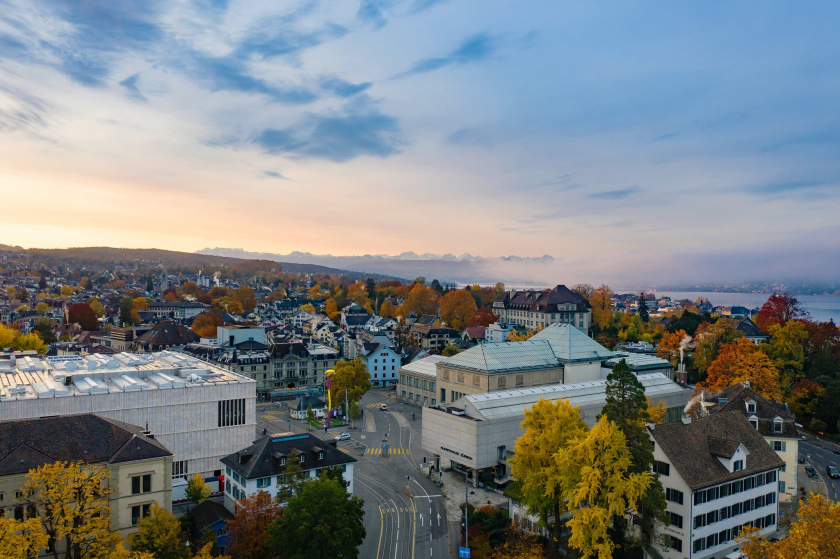
A view of Zurich, where the Kunsthaus Zurich Museum is located.
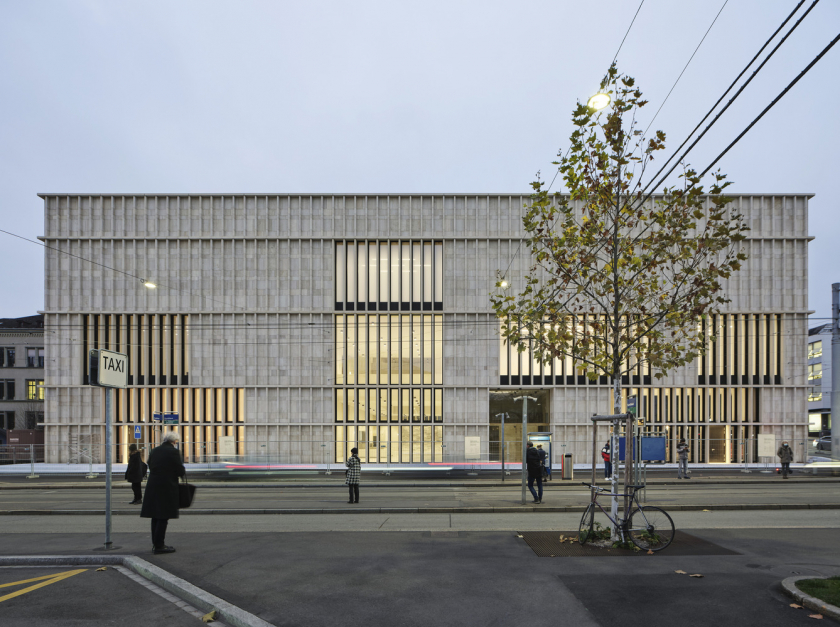
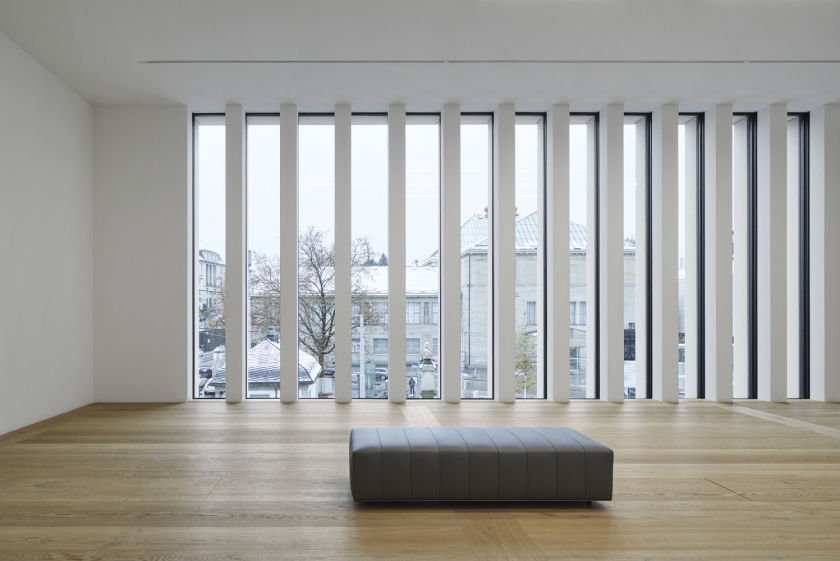
On October 9th, the museum completed its expansion, becoming the largest art museum in Switzerland. The newly constructed cube-shaped building, designed by British architect David Chipperfield, is located opposite the original building in the central square and has doubled the museum's exhibition space. Beyond a breezy atrium and a newly built garden, at the end of a marble staircase are expansive, light-filled galleries with a distinctly modern style.
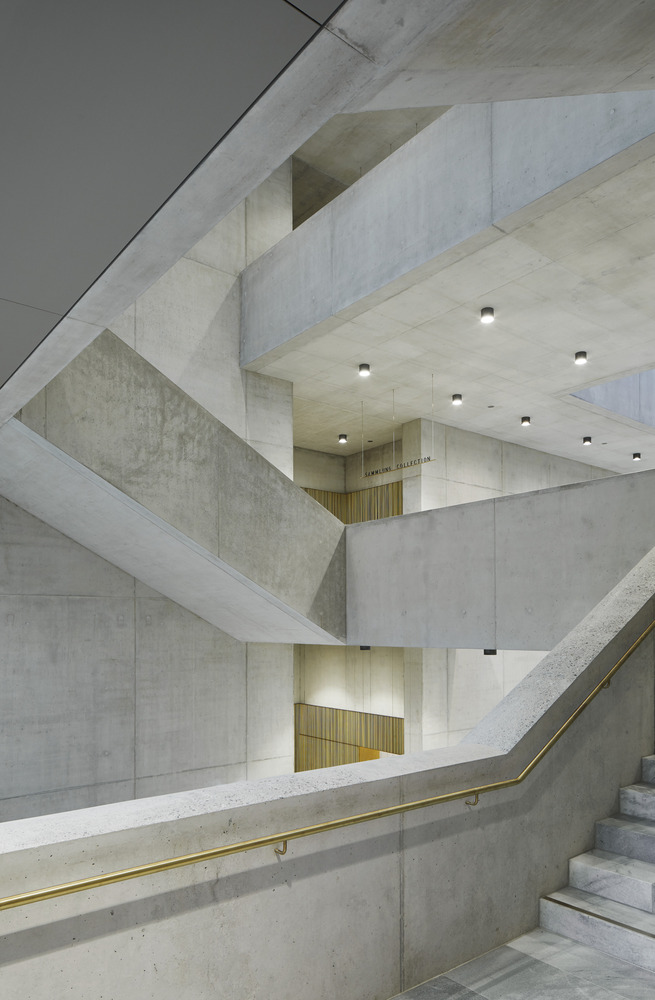

On the second floor, visitors can admire masterpieces by Monet, Cézanne, Gauguin, Van Gogh, and Degas. These works were once owned by Emil Georg Bührle, a Swiss industrialist who died in 1956. Although it has long been known that Bührle amassed his enormous fortune by trading weapons with the Nazis and acquiring famous works of art that had been looted or stolen from their previous owners, new revelations about Emil Bührle are emerging.
Two weeks before the new exhibition area opened, a book about the Kunsthaus Zürich itself by historian Erich Keller was published, with the title translated from German as "The Museum of Filth".
Answering questions at a press conference on October 7, Christoph Becker, Director of the Kunsthaus Museum, said: "It's a difficult situation. But debate is good."
The unclean
Bührle and the Kunsthaus Zürich have had a connection since 1940, when Bührle became a member of the Museum's Board of Trustees. He also funded the Museum's expansion in 1968. Just before the entrance to one of the exhibition rooms is a bust of Emil Bührle and a plaque acknowledging his contributions.

Currently, 203 works of art from the EGBührle Foundation – an organization founded by Bührle's family after his death – have been transferred to the Kunsthaus Museum for a period of 20 years, with approximately 170 of them on display in the museum's new building.
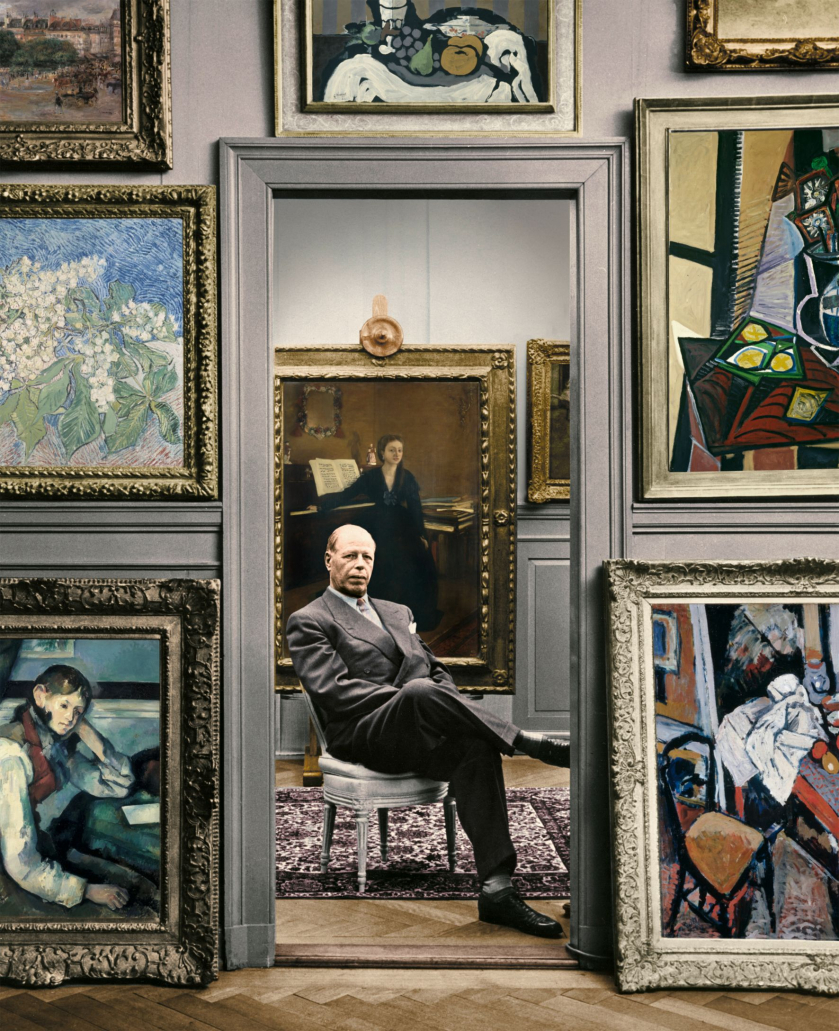
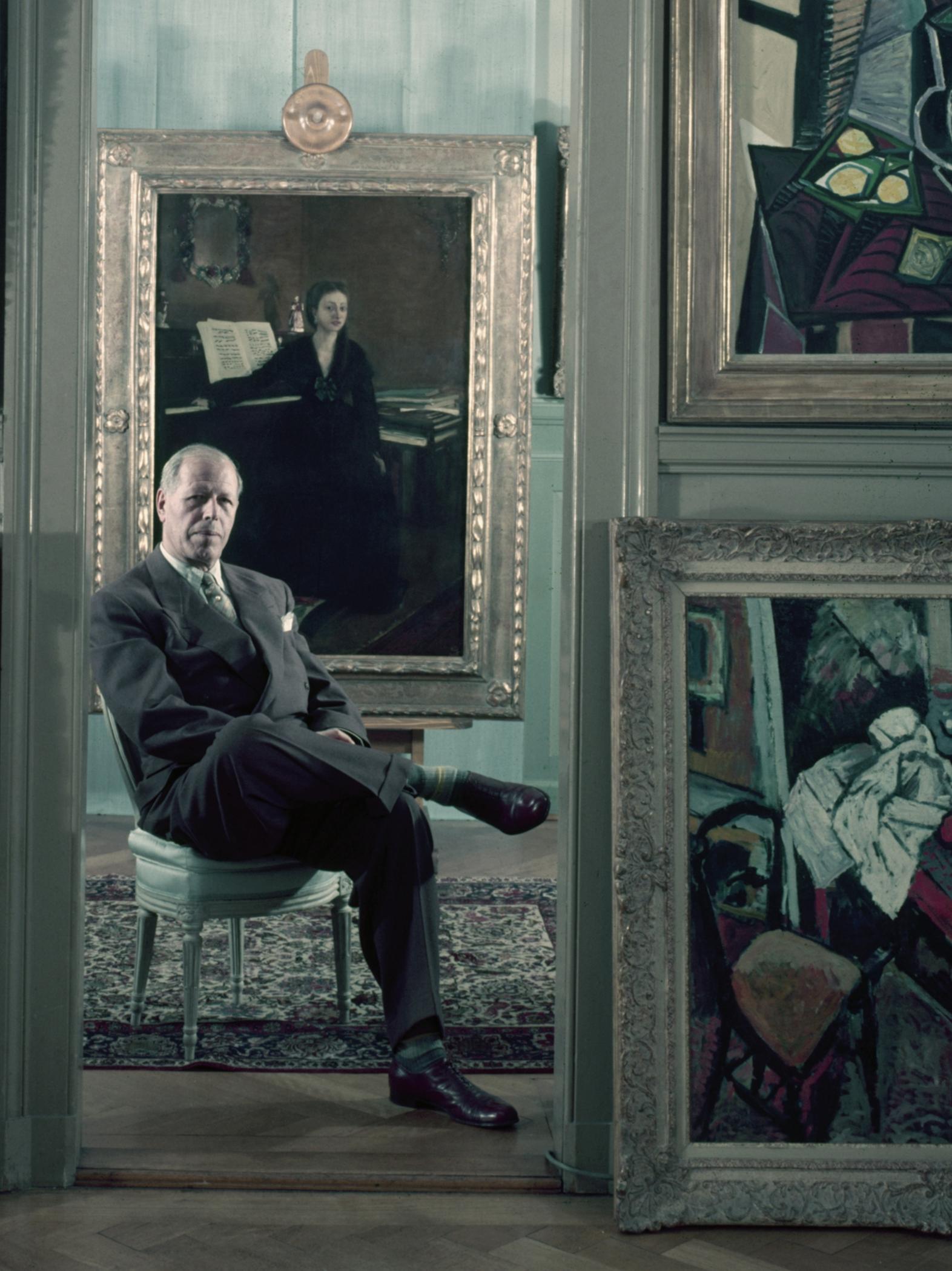
Portrait of Emil Georg Bührle - Photo: Kunsthaus Zürich
In a recent interview, historian Keller argued that the Kunsthaus Museum should never have accepted the Bührle Foundation's offer to display those works. He said, "It's a collection built on money from arms sales, slave labor, and child labor."
Born in Germany in 1890, Emil Bührle served in the Swiss army during World War I, before starting work for a tool manufacturer in Magdeburg. He moved to Zurich in 1924, where he patented and manufactured anti-aircraft guns for sale worldwide. During World War II, Bührle's company produced weapons for both the Allies and the Nazis, making him the wealthiest man in Switzerland. Although the Allies blacklisted Emil Bührle's company after the war, the boycott was lifted in 1946, and his business continued to expand.
Between 1936 and 1956, Emil Bührle purchased over 600 works of art, including those "looted" from Jews by the Nazis. In 1948, the Swiss Supreme Court ordered him to return 13 paintings.
When the Impressionist masterpieces from the collection were exhibited at the National Gallery in Washington in 1990, critic Michael Kimmelman commented in the New York Times that the exhibition “shouldn’t have been done.” “The issue isn’t that these works shouldn’t be seen, but that they should be seen in a meaningful context,” he wrote.
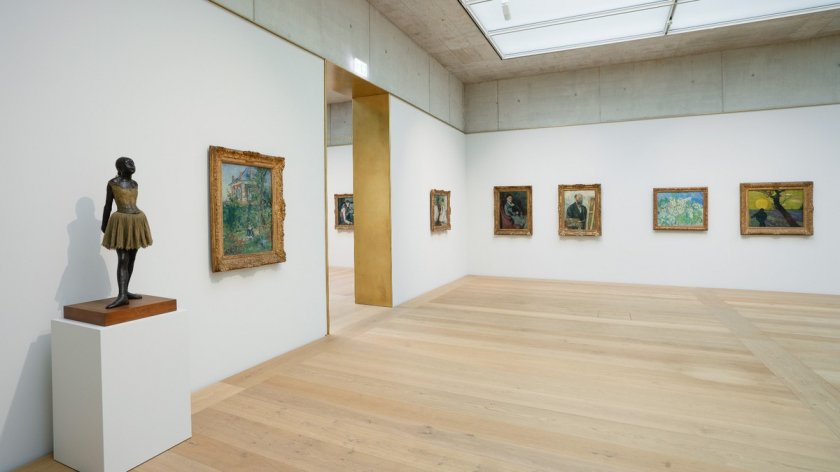
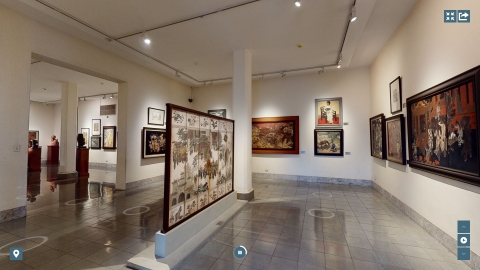
The gallery displays paintings from the collection of Emil Bührle.
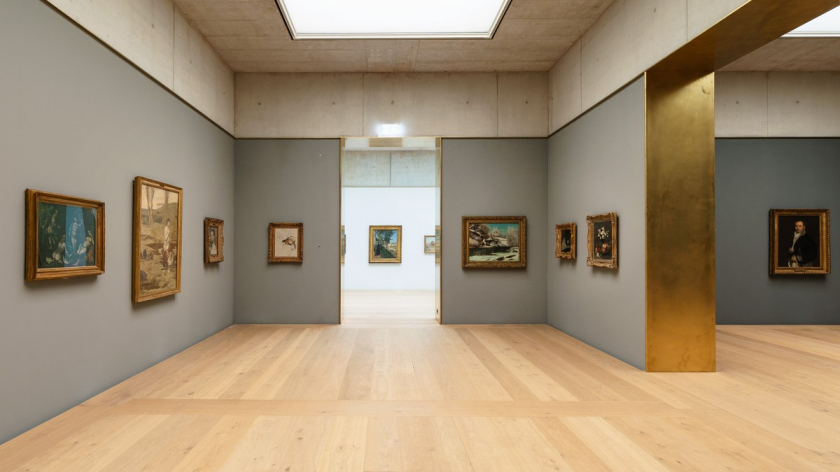
In one (of the dozens of) rooms displaying the controversial collection at the Kunsthaus Museum, they set up a screen introducing his career and the history of his artwork.
When historians seek to reclaim a voice for the past.
Prior to the opening ceremony at the Kunsthaus, Zurich officials commissioned the University of Zurich to review Emil Bührle's biography and investigate the origins of the wealth he used to purchase the artworks. However, the responsibility for determining the individual provenance of each artwork was outside the scope of that study. The Bührle Foundation itself conducted a background check on these works in 2002, the results of which are published on the Foundation's official website.
However, historian Keller expressed skepticism about the study, calling the reports published on the Foundation's website "a filter designed to conceal crucial facts." Keller cited a 1879 work by Cézanne as an example: the paintingPaysageThe Bührle Foundation makes no mention that the painting's previous owners – Martha and Berthold Nothmann – were Jewish. Their website states that the couple "left Germany in 1939," rather than explicitly stating they were fleeing persecution.
"For now, we can be certain that no works were ever looted. But we do not rule out the possibility that new information will come to light in the future," the Director of Collections at the EGBührle Foundation told the media.
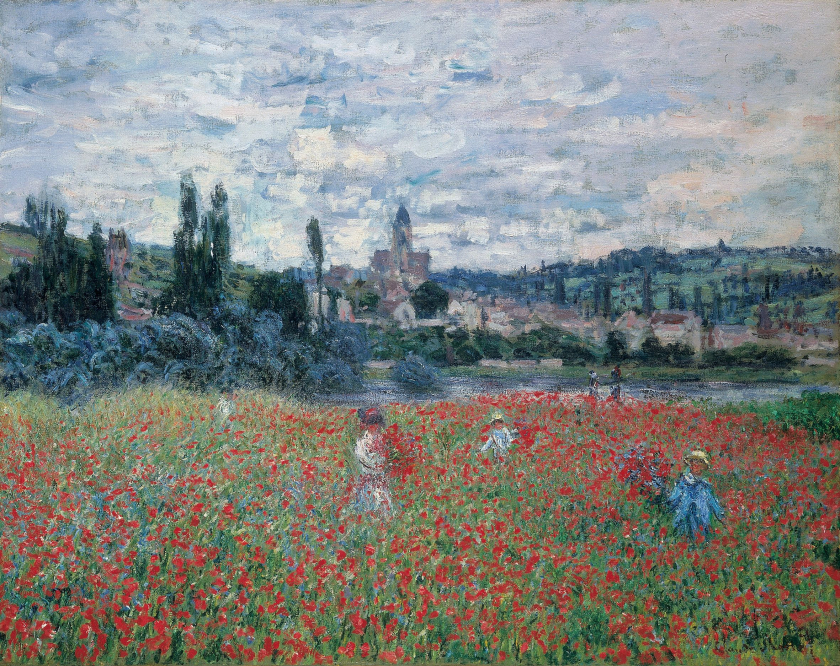
Claude Monet's painting, *Poppy Field Near Vétheuil*, was purchased by Bührle in 1941 at a Swiss gallery for less than half its market value.
And cultural figures want to look towards the future.
Corinne Mauch, Mayor of Zurich, is the driving force behind both the University of Zurich and the Bührle Foundation's research. She shared her hope that the expansion of the Kunsthaus Museum would enhance Zurich's appeal as a cultural destination. "Zürich has always been considered a financial and banking center; in recent years, it has become a cultural center. And this new building is a significant milestone."
Corinne also called the Bührle Foundation a Swiss pioneer in the field of historical research into the ownership of works of art.
"I don't think this debate will end just because we've finished expanding the museum and will be displaying those works," Corinne said. "Publishing these paintings is important, but it's even more important that we publish them properly, meaning we address the aspects that are still being questioned."
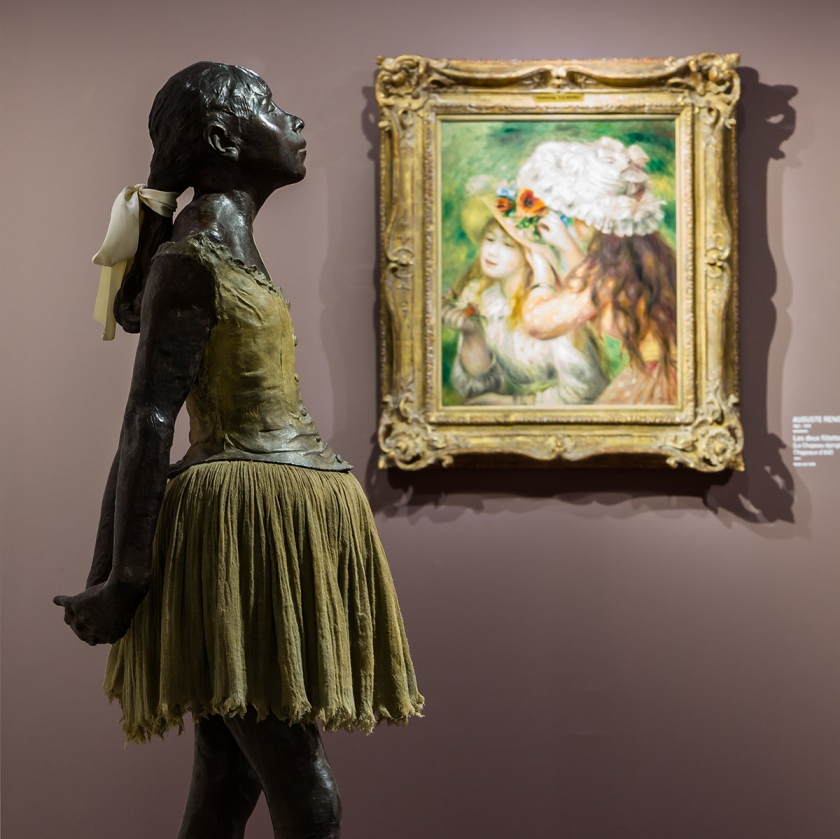
Works owned by Emil Bührle that are displayed in other museums.
Currently, the Emil Bührle Collection gallery at the Kunsthaus Zürich Museum is open to the public, where visitors can admire the works.onlineorbuy ticketson the museum's official website.