VI
VI



The practice of raising animals for fur to create luxury fashion products has long been a controversial issue; however, since the Covid-19 pandemic, the flaws in this industry have become more apparent than ever. This is not just a matter of "animal rights" but also directly impacts the health of humans, animals, and the environment.
In addition, there have been reports of the Sars-CoV-2 virus appearing in mink raised on farms in several countries. While there has been no official announcement on whether they play a significant role in transmitting the virus to humans, they can spread the disease to other animals and still have the potential to affect human health.
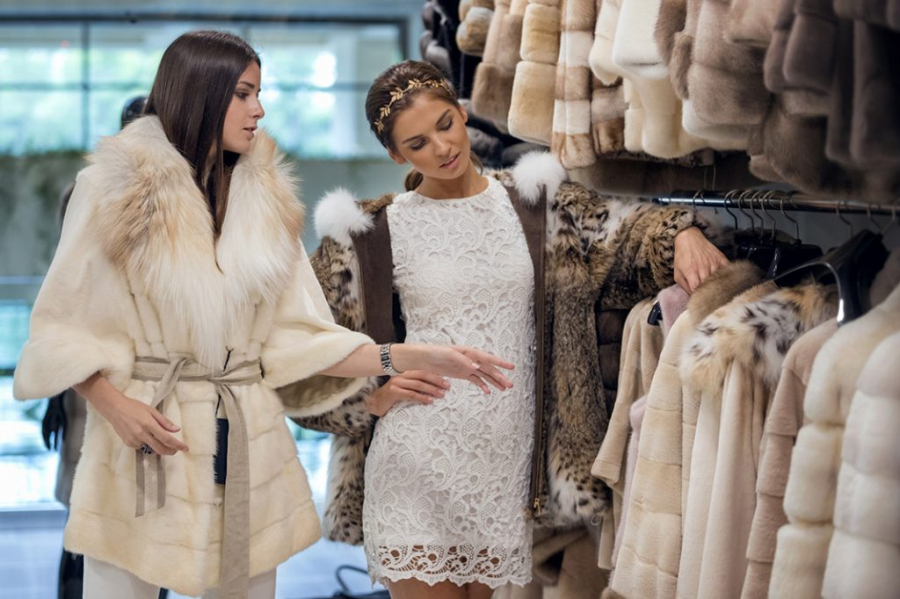
In the past, garments made from fur represented the ultimate in luxury in the fashion industry.
Statements saying "no" to fur
Recently, the luxury fashion group behind brands like Gucci, Yves Saint Laurent, and Balenciaga announced it would stop using animal-derived fur in all its products starting next year, and instead use sustainable materials. Francois-Henri Pinault, Chairman and CEO of Kering, stated: "The world has changed, along with our customers, and naturally luxury needs to adapt to that."
After joining the Fur Free Alliance (an alliance of 40 international organizations protecting animals), Gucci became the first fashion house of the Kering Group to commit to eliminating fur from its designs since 2017, emphasizing social responsibility and considering it one of the core values that define its brand.
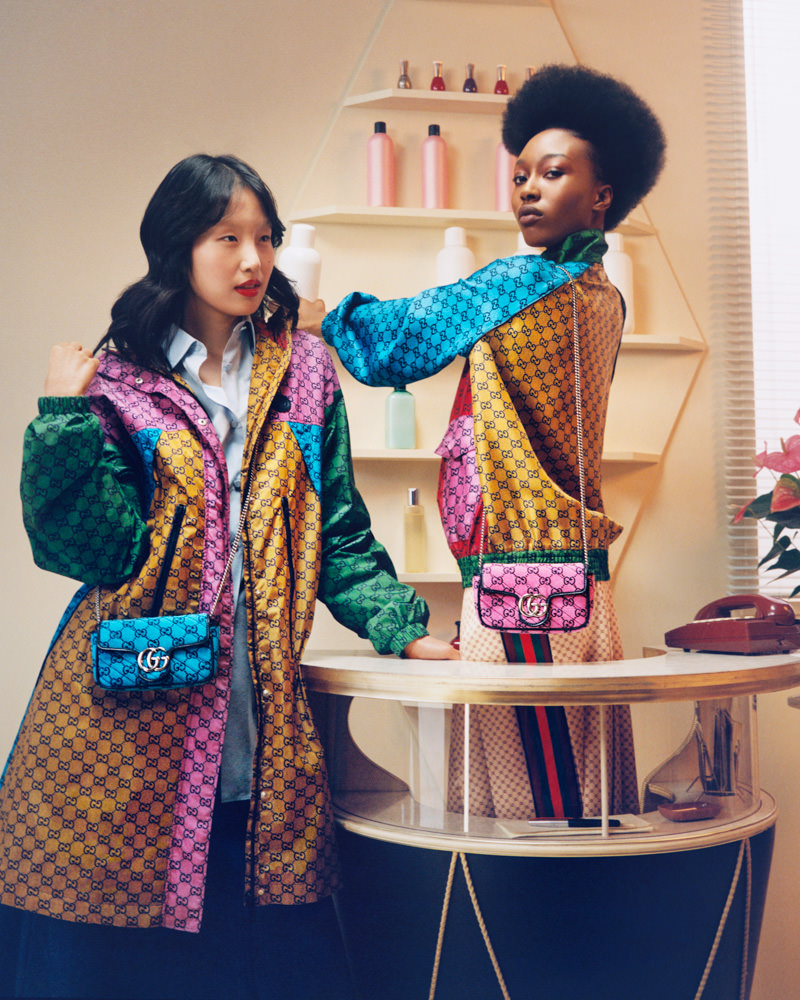
In early 2021, Balenciaga and Alexander McQueen also took similar steps. To date, Yves Saint Laurent is the last Kering fashion house to announce a halt to the use of fur products, starting with its Autumn/Winter 2022 collection. This event marked a new step forward in the fashion industry and is being supported by many animal welfare and humanitarian organizations around the world.

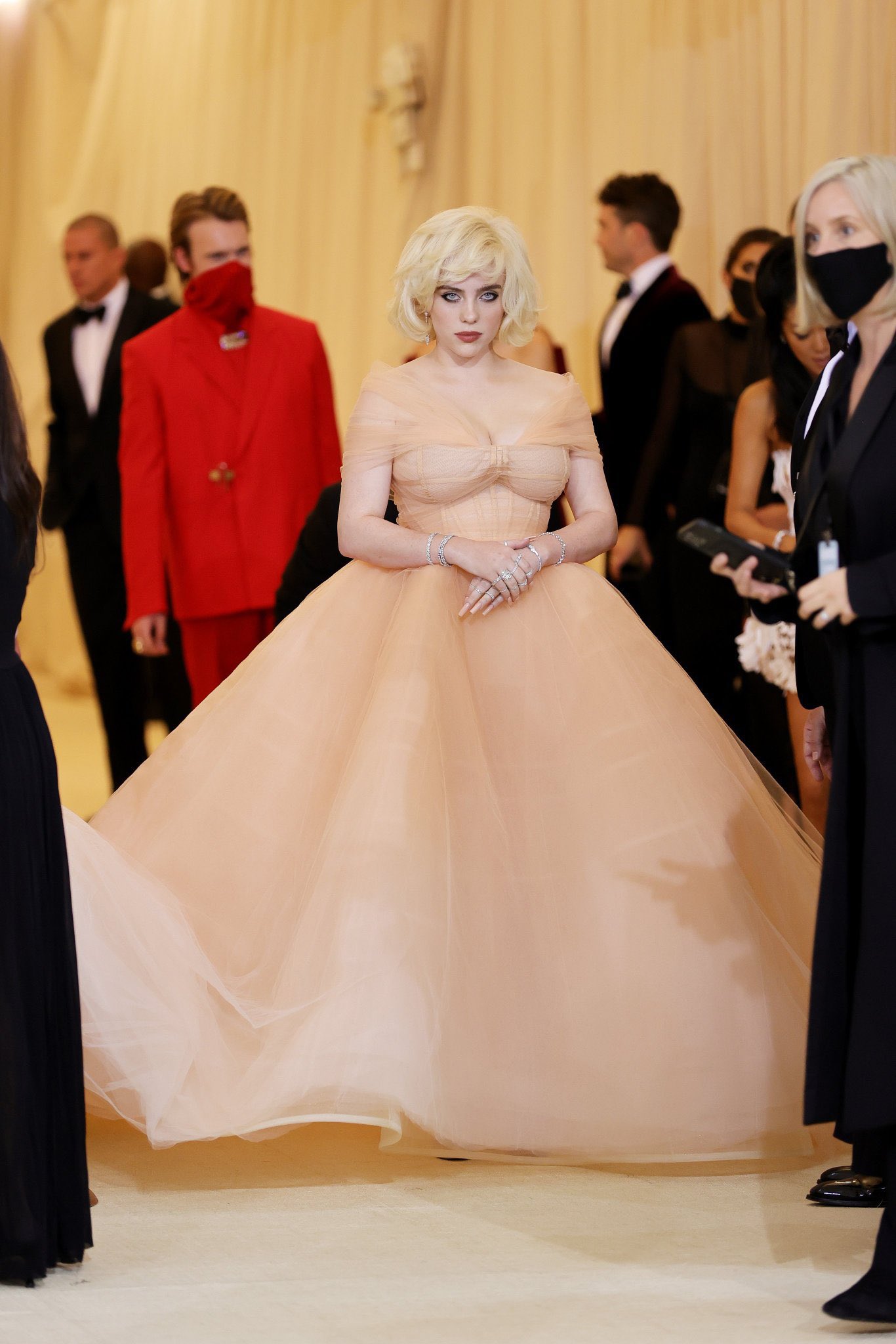
Another significant milestone recently was at the Met Gala, where young artist Billie Eilish once again sparked the "no to fur" movement by successfully negotiating with fashion house Oscar de la Renta on the issue. Oscar de la Renta committed to ceasing the production of fur garments from now on, and instead, Billie Eilish will wear their designs on the red carpet and at prestigious events.

"I am incredibly moved that the entire Oscar de la Renta team has endorsed my wishes and taken action to create more positive change not only for animals but also for the environment and the world," Billie Eilish shared on her Instagram. "I urge all designers to do the same."
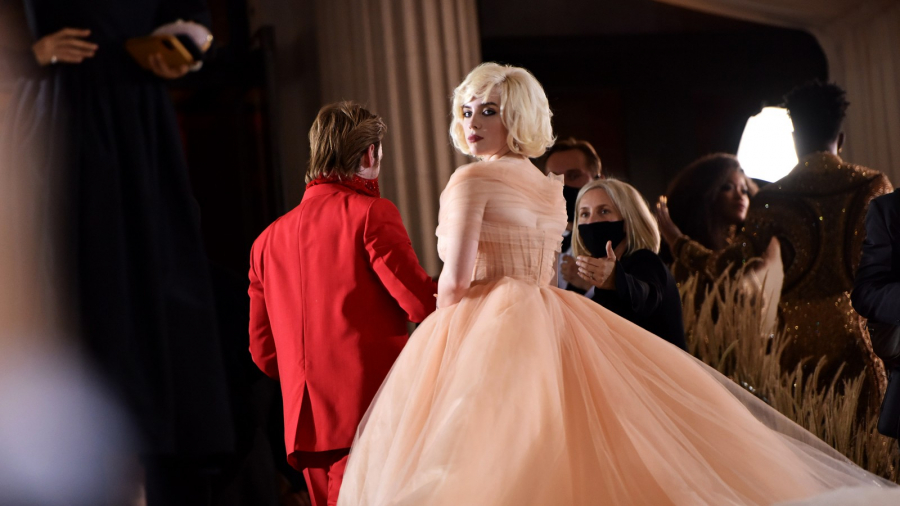
Billie Eilish in an Oscar de la Renta outfit at the 2021 Met Gala red carpet.
The use of fur in design was discontinued by the luxury fashion brand Versace in 2018. This significantly impacted Versace's revenue, as it was a brand renowned for using fur (mink, raccoon, fox) as a key element in its collections from its early days.
Donatella Versace, designer and Artistic Director of Versace, stated: "I don't want to kill animals to create fashion." This decision is part of Versace's plan to focus on sustainability initiatives so that the brand's designs are more relatable and become an environmentally friendly "green fashion" brand.
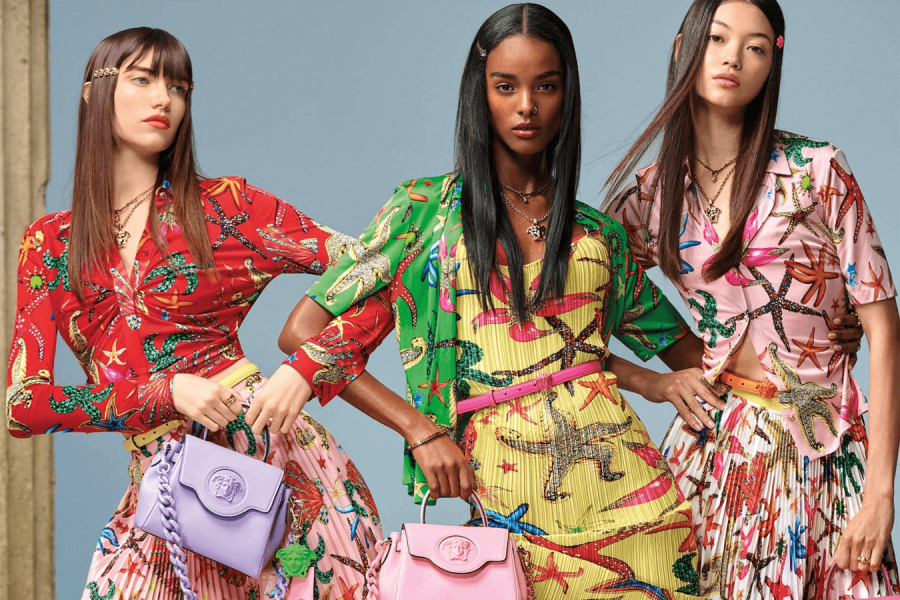
Following this, Chanel also decided to ban fur and animal skins from all of its collections, citing difficulties in sourcing animal hides that met the brand's standards, while also aiming for a "new generation of luxury products" in the future.
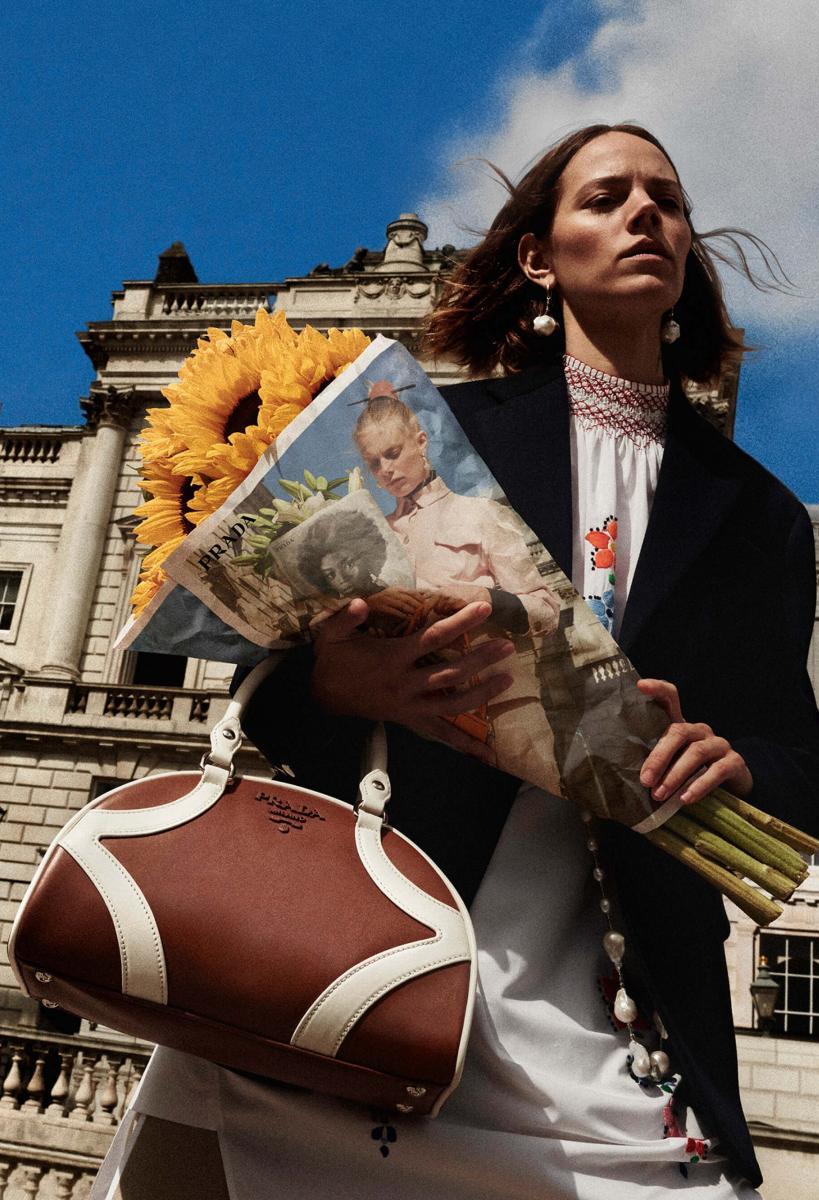
In 2020, Prada began taking similar action, arguing that this was an opportunity for the brand to create new designs that met customer needs without violating professional ethics.

What are the alternative solutions...?
Clothing made from fur has fallen out of fashion in recent years, but it is still used as a luxurious decorative item and accessory, and many people are reluctant to part with such garments. However, to both demonstrate humanity and showcase "status," many brands have created designs from artificial fur.
Although many argue that faux fur will degrade in quality over time and still negatively impact the environment because it is made from materials such as acrylic, polyester, or petroleum-based fibers that take hundreds of years to decompose in nature, many companies have been and continue to strive to create "green" solutions for the future.
Stella McCartney, a British fashion brand, has been committed to never using real fur since its launch in 2001. Instead, they create faux fur using environmentally friendly materials. Stella McCartney has launched products made from Koba faux fur – a plant-based material that reduces the amount of pure polyester in the product. This material won the 2019 PeTA Fashion Awards.
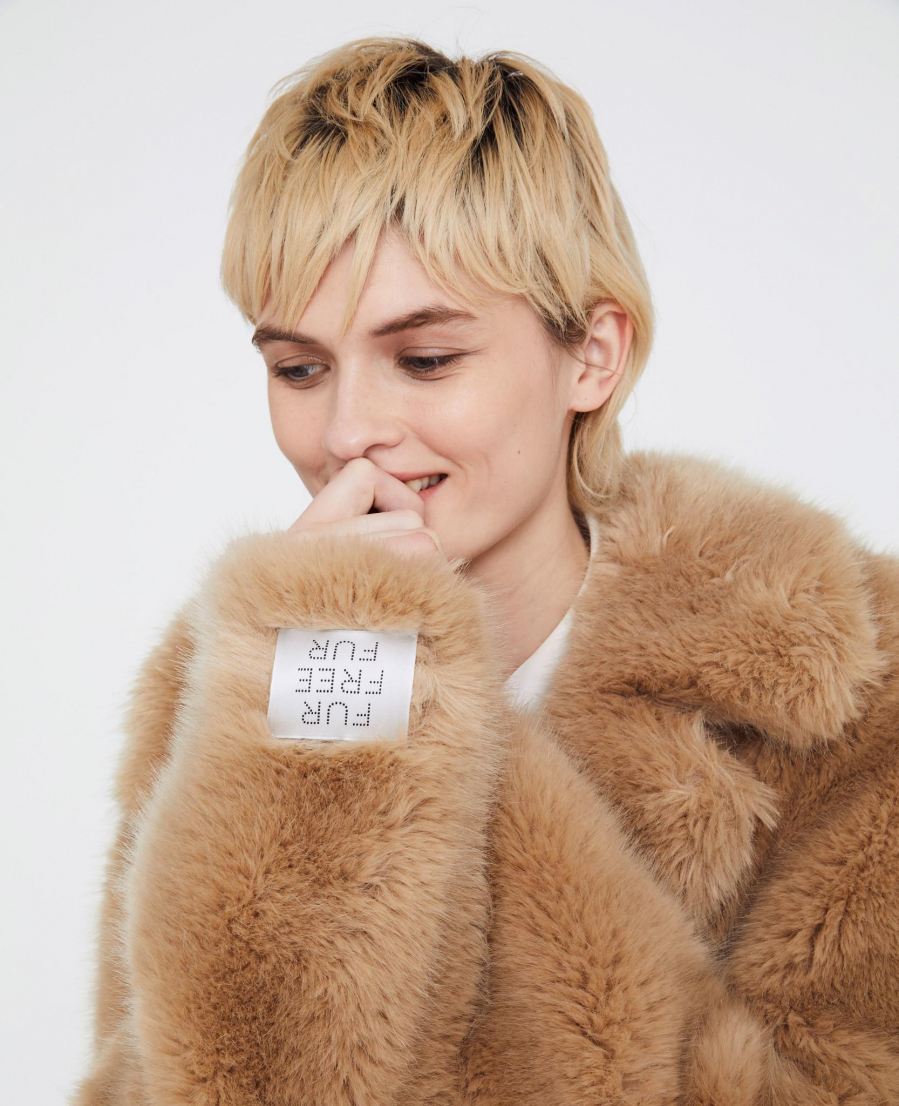
A coat made from plant-based fur by Stella McCartney.
In addition, faux leather products made from Cactus leather, Pinatex, or Mylo mushrooms are becoming increasingly popular. Notably, the luxury fashion house Hermes decided to collaborate with MycoWorks – one of the companies that invented Mylo – earlier this year to create a Victoria leather bag made from mushrooms.
Previously, Hermes had been criticized for openly building the largest crocodile farm in Australia to raise crocodiles for their hides. While the brand has yet to make any announcement regarding the cessation of using animal fur and leather, this new collaboration may mark a shift towards sustainable alternative materials in its collections.
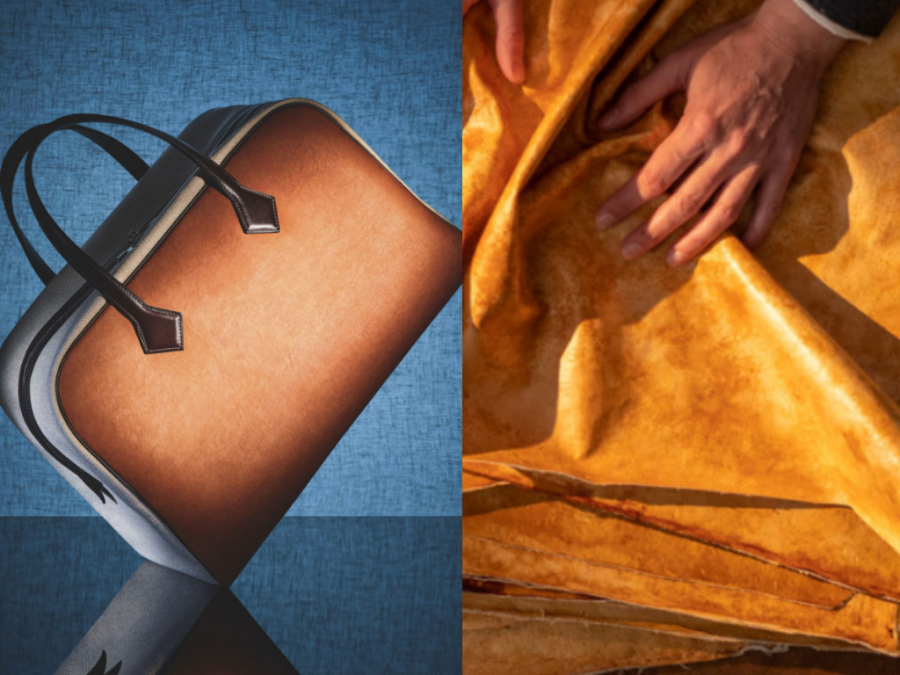
The call to remove animal fur and skin from fashion has been fought for a long time by humanitarian organizations, and their efforts have gradually succeeded in influencing a number of leading fashion brands. This has had a significant impact on other brands worldwide and, most importantly, has strongly affected public awareness. The definition of "luxury" may change over time, but professional ethics and environmental responsibility are what create lasting sustainability.