VI
VI


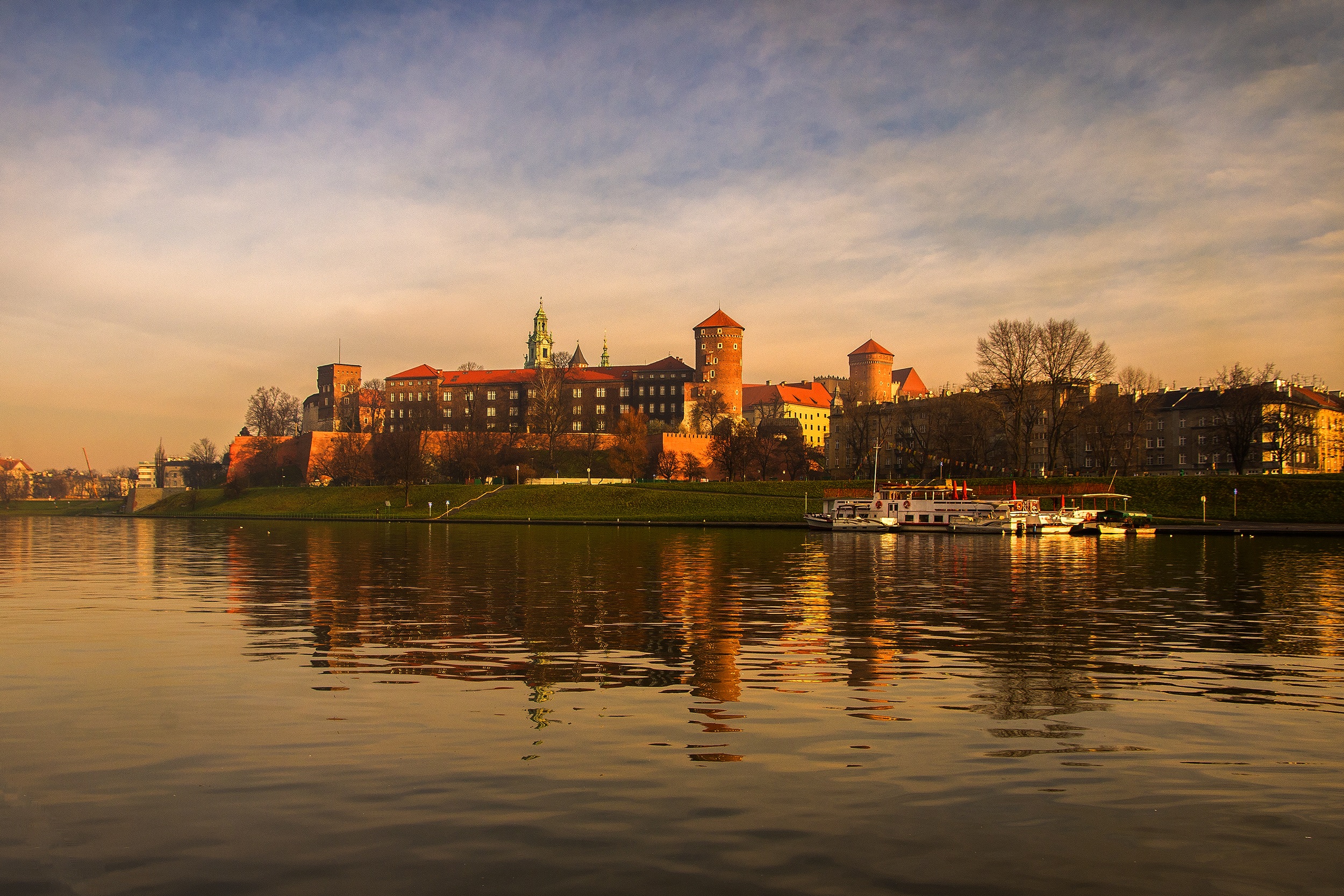
Krakow's city center has withstood numerous wars and maintained its "power" through its intact architectural beauty. Today, its ancient cobblestone streets, magnificent cathedrals, and majestic castles perched on the hills showcase the long history and rich cultural value of a city that was once the capital of Poland until the end of the 16th century.
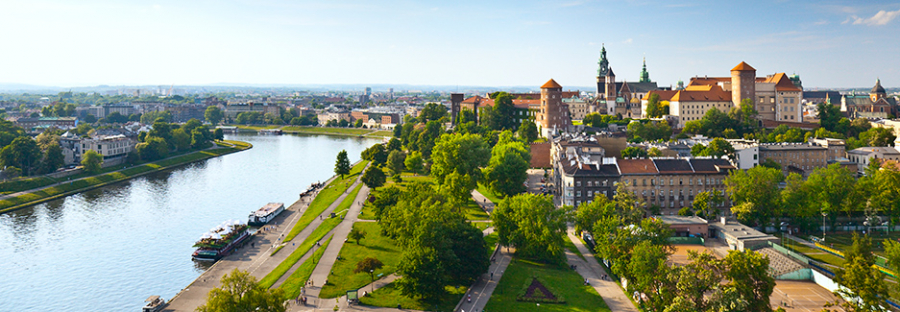
A visit to Wawel Castle and the nearby cathedral is a must-see, as it still preserves the traditional burial customs of Polish kings and displays the intricate carvings on their stone sarcophagi.
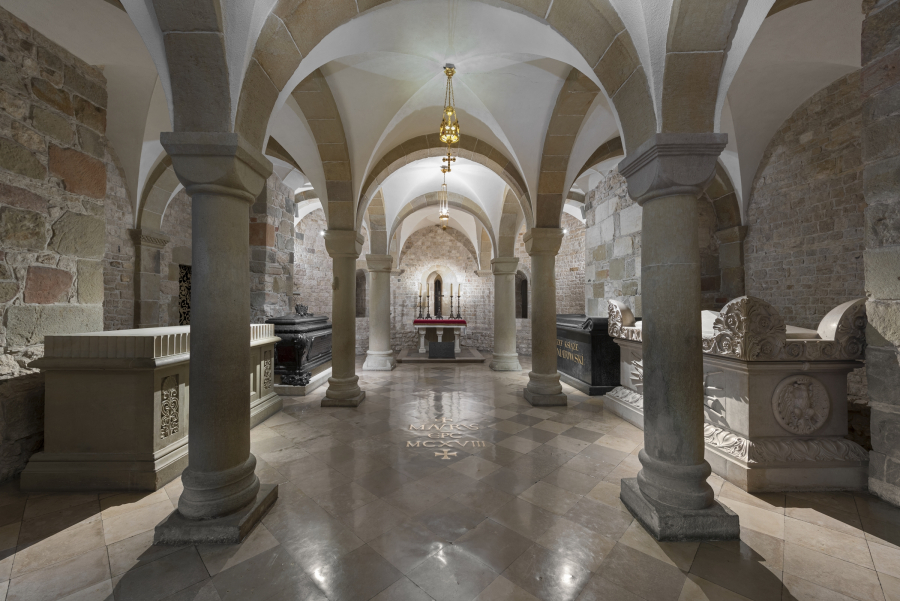
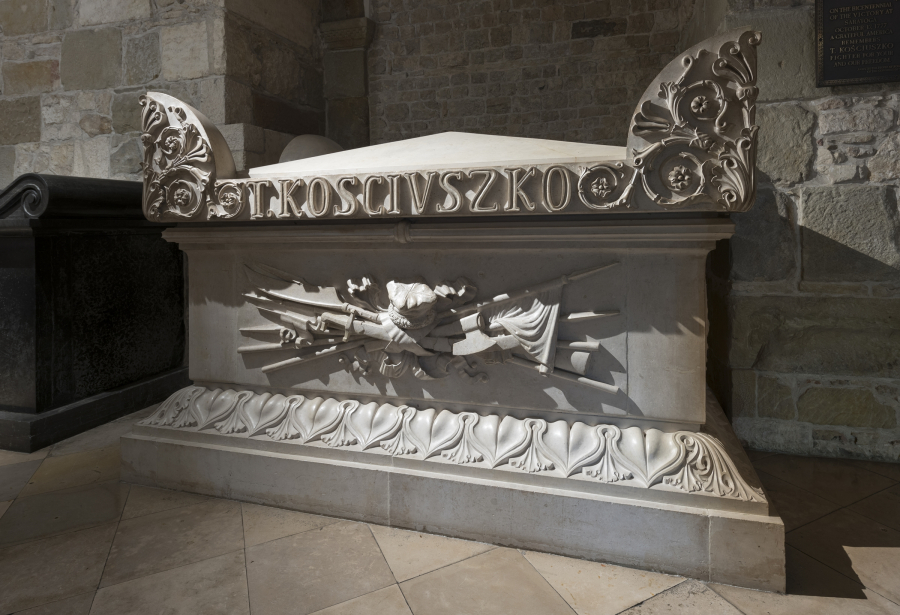
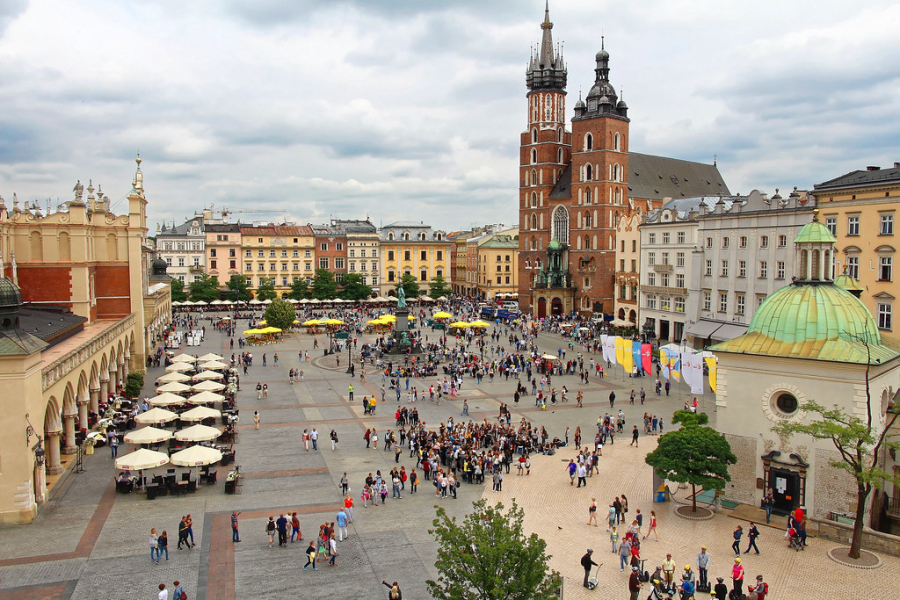
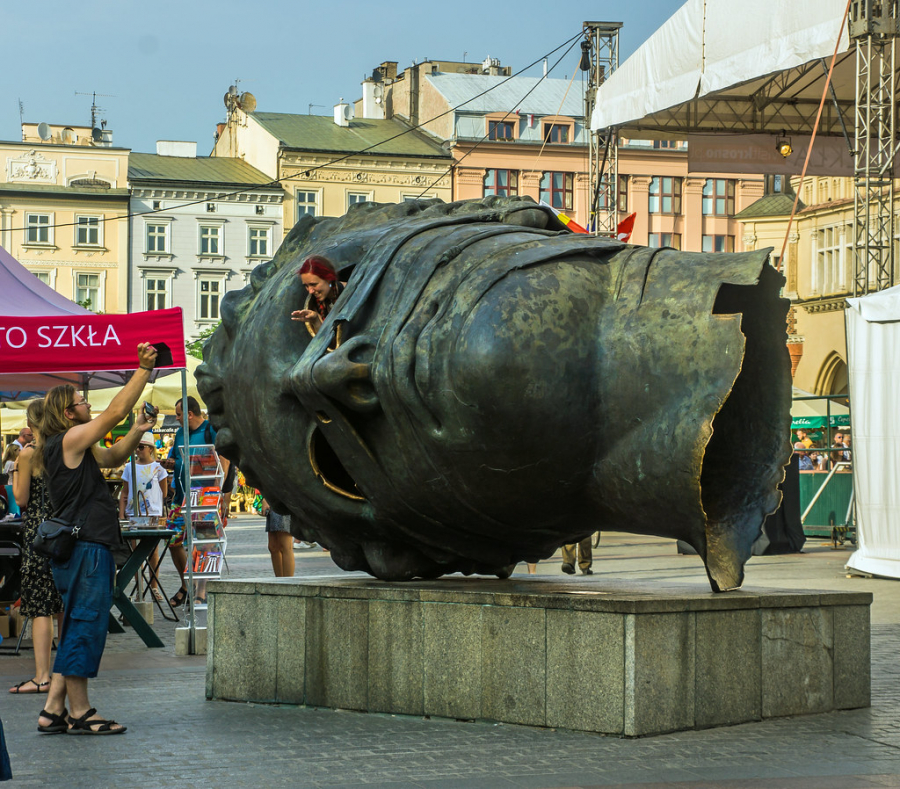
From Wawel Castle, visitors can easily walk to the market in the central square – home to the bronze head sculpture by the famous Polish sculptor Igor Mitoraj and St. Mary's Basilica.

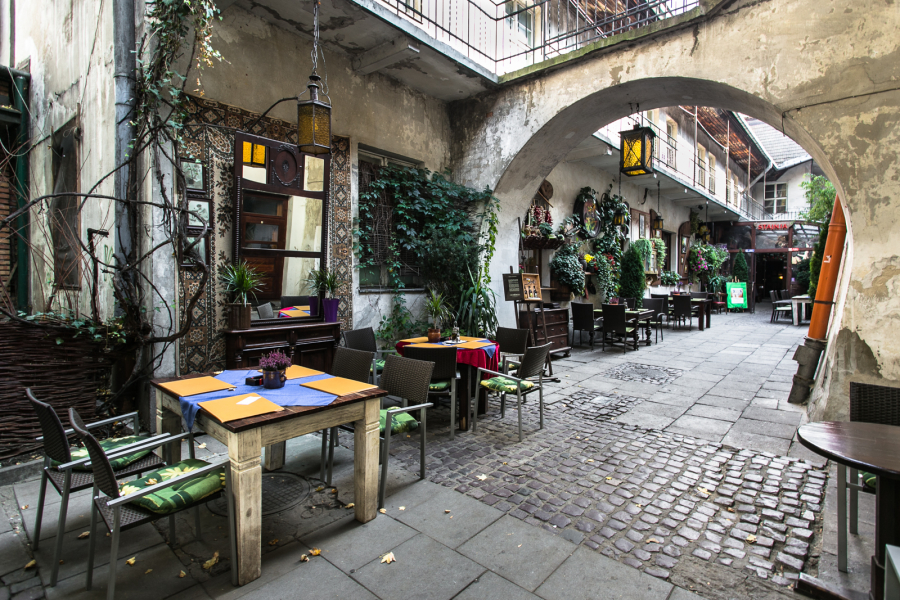
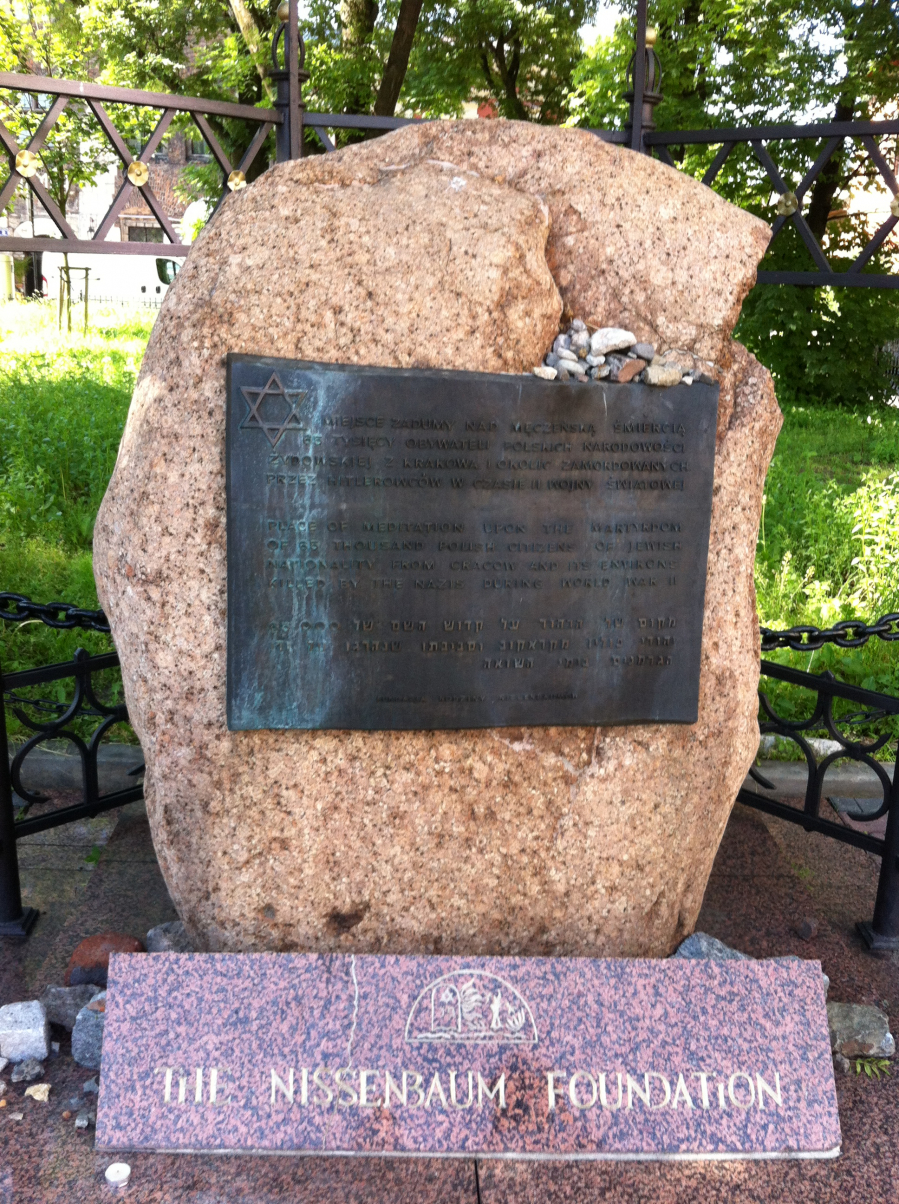
Visiting Kazimierz – the old Jewish quarter in the heart of Krakow – tourists can admire Jewish synagogues and cemeteries commemorating the 1/10th decline in the Jewish population following the Nazi genocide.
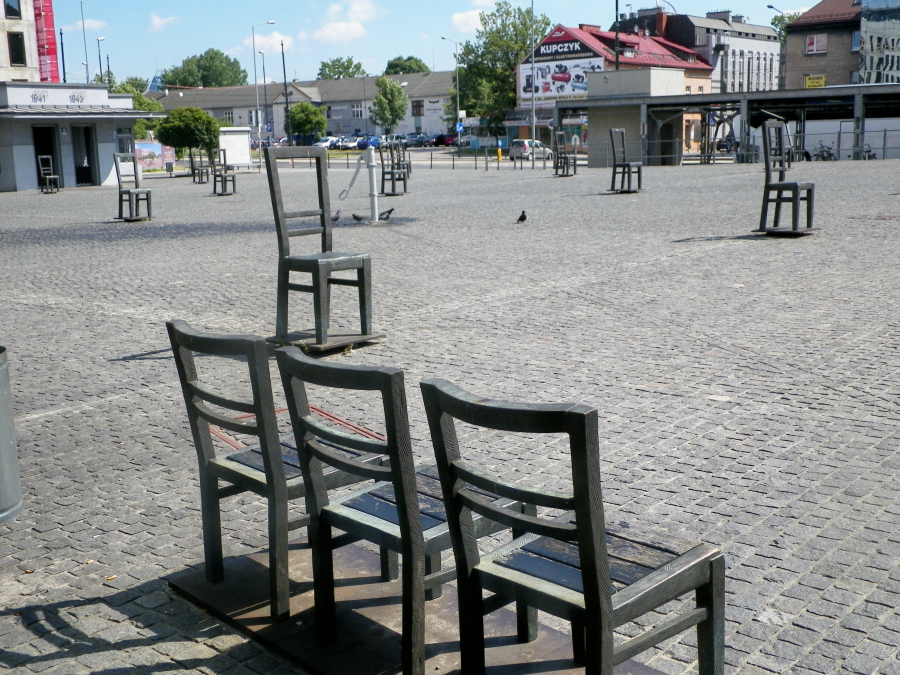
At the corner of Ghetto Street, you'll see a very peculiar sight: empty metal benches placed in the space surrounded by the train station and the main road.
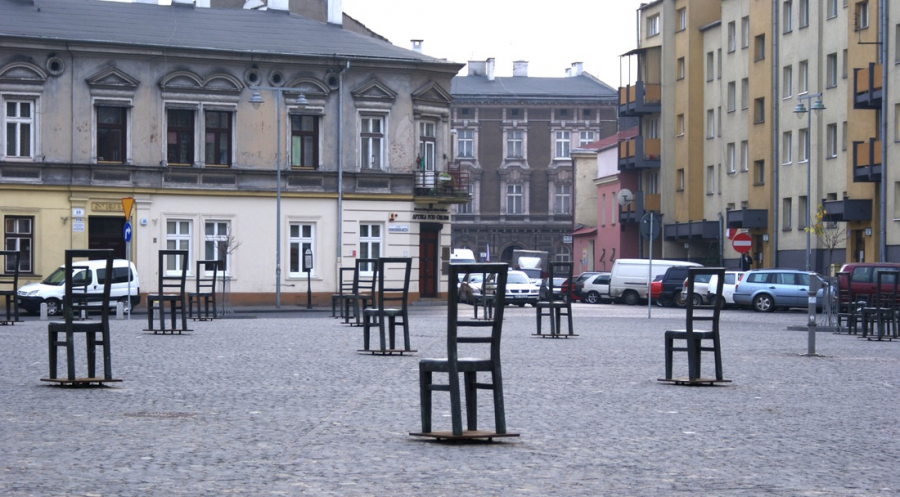
It was here during World War II that Jewish people were forced onto ships to concentration camps. They were forced to leave their homes and abandon all their personal belongings and possessions. Packages of Jewish belongings were left abandoned in the streets. This memorial represents the chairs left behind by Jewish people, waiting for the return of their owners.
You can visit Krakow at any time of year, but be prepared for cold and wet weather if you plan to go in winter.