VI
VI


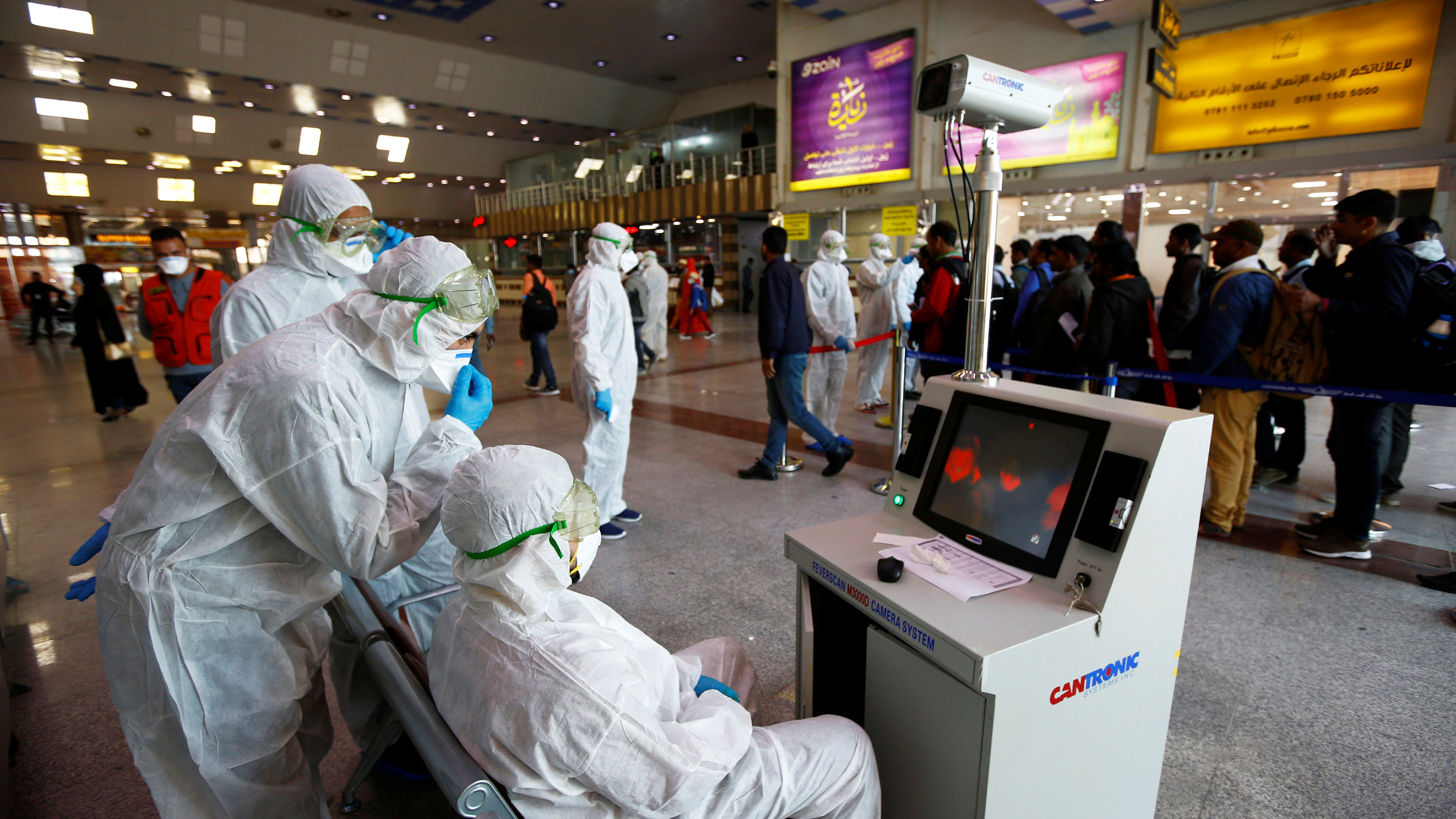
For four consecutive days, Vietnam has not recorded any new COVID-19 cases.
According to the Ministry of Health, as of 6:00 AM on April 20th, the total number of COVID-19 cases in Vietnam was 268. This marks the first time in over a month that Vietnam has recorded no new COVID-19 cases for four consecutive days.
According to the report of the Treatment Subcommittee of the National Steering Committee for Covid-19 Prevention and Control, as of now, Vietnam only has 66 out of 268 Covid-19 patients still undergoing treatment. Of these, 13 cases have tested negative for SARS-CoV-2 once, and 7 cases have tested negative for SARS-CoV-2 twice.
1,064 rapid test samples taken at wholesale markets tested negative for SARS-CoV-2.
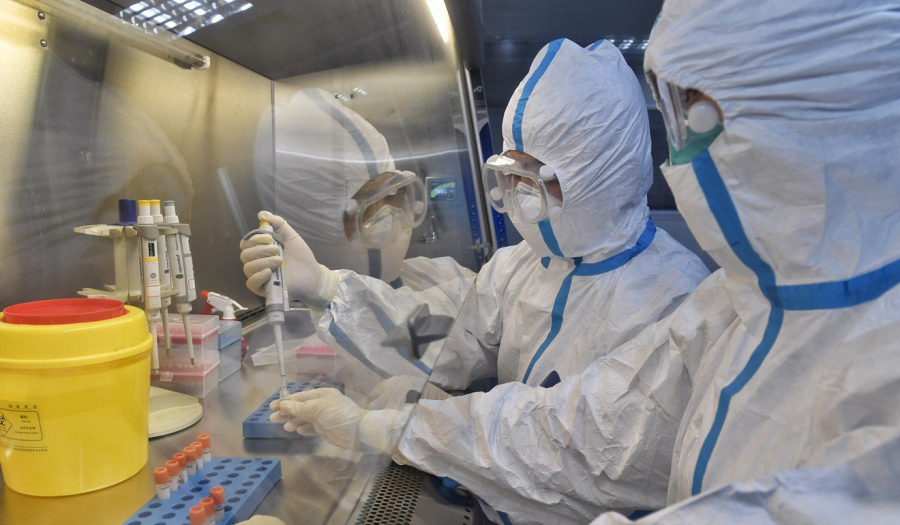
According to the Hanoi Department of Health, on April 18-19, the Hanoi City Center for Disease Control, in coordination with the health centers of districts and communes, conducted random sampling and rapid testing of 1,064 samples from traders at 5 wholesale markets in the city to assess epidemiological factors in the community. The results showed that all samples tested negative for the SARS-CoV-2 virus.
The number of infections in Türkiye has surpassed that of China.
On April 19, Turkish Health Minister Fahrettin Koca announced that the total number of SARS-CoV-2 coronavirus infections in the country had reached 86,306 cases. This makes Türkiye the country with the highest number of COVID-19 cases outside of Europe and the United States to date.
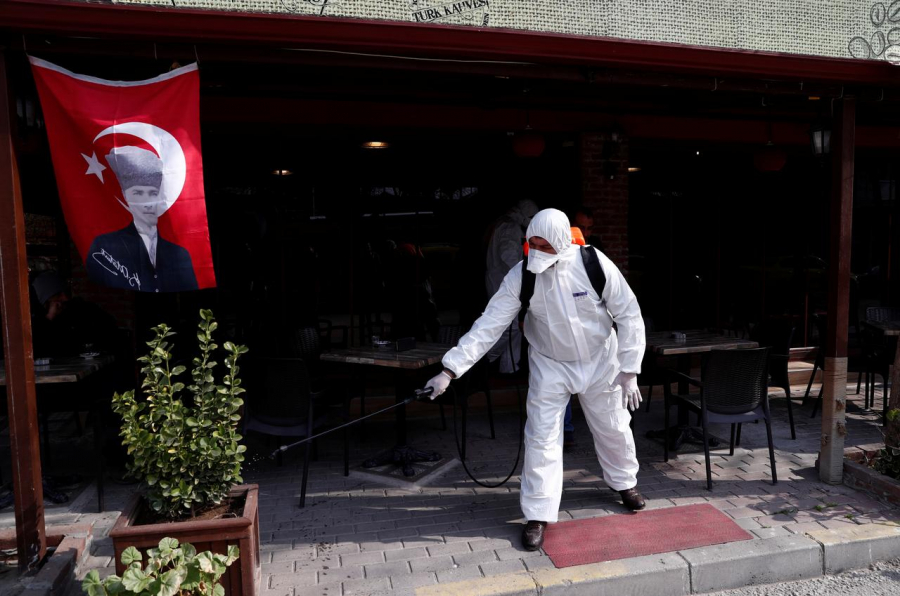
In the past 24 hours, Türkiye has reported 3,977 new cases and has surpassed China in the ranking of countries and territories with the highest number of COVID-19 cases worldwide.
South Korea has recorded fewer than 10 new COVID-19 cases for the first time.
The Korea Centers for Disease Control and Prevention (KCDC) reported on April 19 that the number of new coronavirus (SARS-CoV-2) infections in the country remained in single digits, with only eight people contracting COVID-19 in a single day for the first time in two months in this Northeast Asian nation.
The highest number of new infections in a single day was 909, recorded on February 29, but since then the country has made efforts to gradually reduce the rate of infection with strict quarantine and social distancing measures.
Singapore becomes a hotspot in Southeast Asia.
In Southeast Asia, Singapore has overtaken Indonesia as the region's largest outbreak area with 6,588 infections, an increase of 596 cases in 24 hours, and 11 deaths.
The majority of new infections in Singapore are among foreign workers residing in dormitories. The increase in new infections in dormitories for foreign workers is partly due to Singapore's ongoing testing efforts and isolation of infected workers.
Indonesia, the region's second-largest outbreak area, reported 327 new infections and 47 deaths, bringing the total number of infections and deaths to 6,575 and 582, respectively.

The Philippines reported 172 new infections and 12 deaths, bringing the total number of infections and deaths to 6,259 and 409, respectively.
East Timor and Laos are the two countries with the lowest number of nCoV infections in the region, with 19 cases each. Vietnam, Laos, Cambodia, and East Timor are the Southeast Asian countries that have not recorded any deaths due to Covid-19.
Europe is starting to show positive developments.
The Spanish Ministry of Health announced on April 19th that the country recorded 410 deaths in the past 24 hours, lower than the 565 deaths reported the previous day. This is the lowest death toll since March 22nd and significantly lower than the peak of 950 cases on April 2nd. This appears to be a sign that the rate of spread is slowing after Spain imposed a strict lockdown in mid-March 2020. Meanwhile, the total number of COVID-19 cases recorded is 195,344, an increase of 4,218 cases in the past 24 hours. Although Spanish officials believe the country reached its "peak" on April 2nd, leaders are not yet ready to propose easing the nationwide lockdown.
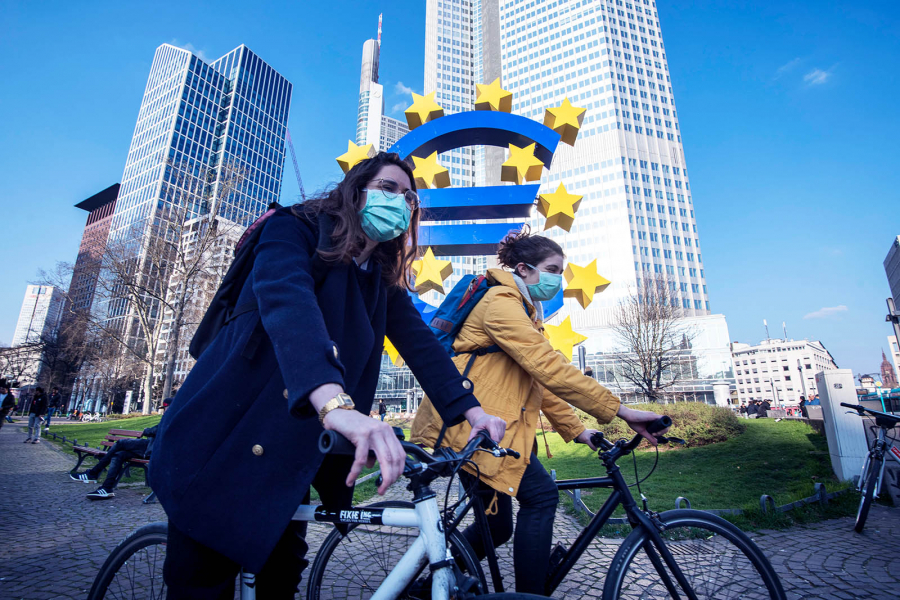
On April 19, the Deputy Chief Medical Officer of the UK, Jenny Harries, stated that it was too early to say whether the UK had passed the peak of the COVID-19 pandemic, but there were signs of improvement. As of April 18, the country recorded an additional 596 deaths – the lowest increase in nearly two weeks – bringing the total number of COVID-19 fatalities to 16,060.
On the same day, French Prime Minister Edouard Philippe affirmed that the health crisis caused by Covid-19 "is not over." However, the situation is gradually improving, slowly but surely. As of April 19th, France recorded 19,718 deaths related to COVID-19, with 30,610 people currently hospitalized, including 5,744 serious cases in intensive care, a decrease of 89 patients compared to the previous day and continuing the downward trend for the past 11 days. France has increased testing in nursing homes, with 50,000 tests conducted in the past week.
Some European countries are gradually easing lockdowns.
After weeks of imposing strict measures to control the spread of the SARS-CoV-2 virus that causes COVID-19, Germany began easing some restrictions on April 20th in an effort to gradually return life to normal.
The regulations agreed upon last week by the federal and state governments serve as a framework for state implementation, but the specific extent of their application varies from state to state. Among these regulations, several points are common nationwide, including allowing the reopening of stores with an area of no more than 800 square meters.2Some schools have reopened, starting with classes that need to take graduation or entrance exams; restrictions on going out remain in place until May 3rd; gatherings in chapels remain prohibited, and large events are banned until August 31st. Also, starting April 20th, wearing masks is mandatory in some states.
Along with Germany, Switzerland, Denmark, and Finland have all begun reopening schools and shops. Meanwhile, Italy is also considering easing its lockdown.
Russia recorded a record high number of new COVID-19 cases in a single day.
Russia's coronavirus crisis response center has reported 6,060 new COVID-19 cases – a record high in a 24-hour period in the country – bringing the total number of SARS-CoV-2 infections nationwide to 42,853.
The number of COVID-19 cases in Russia began to surge in April, despite the country recording significantly lower numbers of infections compared to many Western countries in the early stages of the outbreak. On the same day, President Vladimir Putin declared that Russia had the COVID-19 pandemic completely under control.
He faced difficulties due to a shortage of protective equipment.

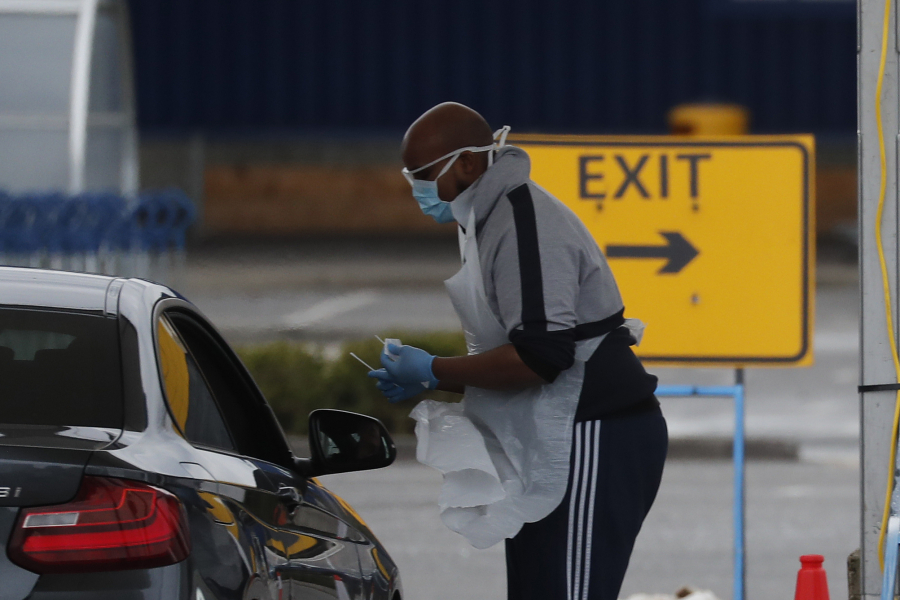
Rob Harwood, chairman of the advisory committee at the British Medical Association, acknowledged the severe shortage of personal protective equipment (PPE). He stressed that if the UK government proposes that staff should reuse PPE, this must be supported by scientific evidence – not based on the availability of supplies.
The shortage of personal protective equipment is so severe that the Unite union says it has told its members they can legally refuse to work to avoid the risk of infection.
France finds SARS-CoV-2 virus in Paris street cleaning water system.
Paris City Hall has just announced the detection of traces of the SARS-CoV-2 virus in the capital's street cleaning water system. The Paris Water Authority's laboratory found the presence of the novel coronavirus in 4 out of 27 sample sites tested.
The city hall immediately suspended the use of this non-potable water system as part of a "precautionary measure." The city government also asserted that the clean water supplied to residents is treated by a "completely independent" system, "free of any trace of coronavirus," and "can be consumed without any risk."
The US surpasses 40,000 deaths, and New York declares the peak of the pandemic has passed.
As of the morning of April 20th, the number of deaths due to the SARS-CoV-2 virus causing COVID-19 in the United States has exceeded 40,000, currently standing at 40,495. The number of COVID-19 cases across the US is now 763,083, accounting for more than 31% of the nearly 2.4 million infections globally to date.
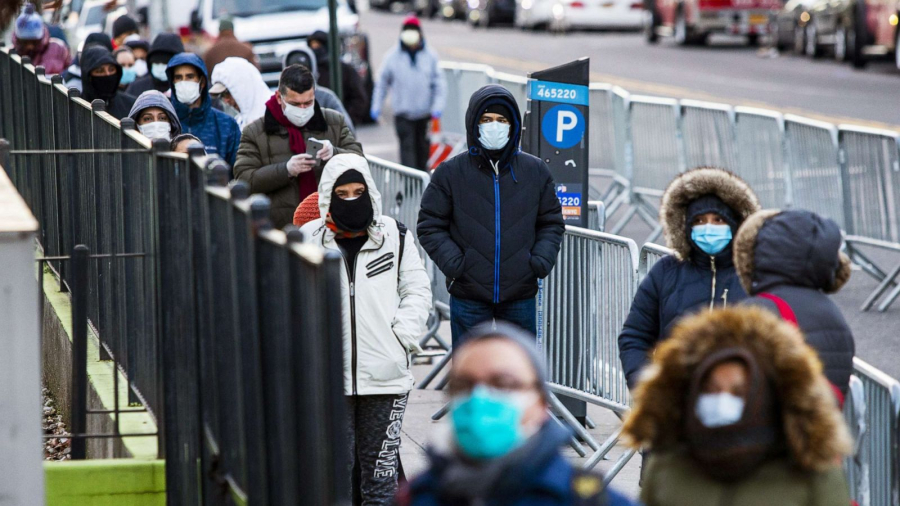
At a press briefing on April 19, New York Governor Andrew Cuomo stated that updated figures showed New York had passed the peak of the pandemic, but warned New Yorkers to remain vigilant, as 1,300 people had been hospitalized with SARS-CoV-2 infections the previous day.
The US Department of Defense has extended its travel restrictions until June 30th.
On April 17, the Pentagon announced that the U.S. military currently has a total of 2,986 confirmed cases of COVID-19, including two deaths among service members.
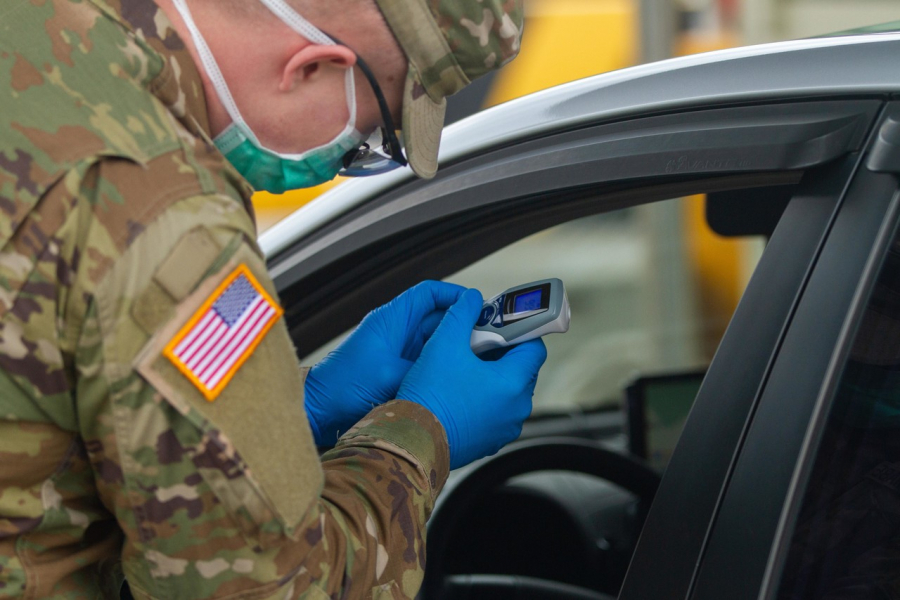
The U.S. Department of Defense announced on April 18 that it will extend travel restrictions until June 30 to prevent the spread of the SARS-CoV-2 virus, but will allow some troop redeployment and repatriation of military personnel serving overseas. The new directive will take effect on April 20.
Three senior Guinean officials have died from the disease.
The government of Guinea announced on April 19 that, in the past 72 hours, the West African nation had recorded the deaths of three high-ranking officials, including a minister, due to complications from COVID-19. The three deceased officials were the Chairman of the National Independent Electoral Commission (CENI), the former director of Interpol in Guinea, and the Minister-Secretary-General of the Government.