VI
VI


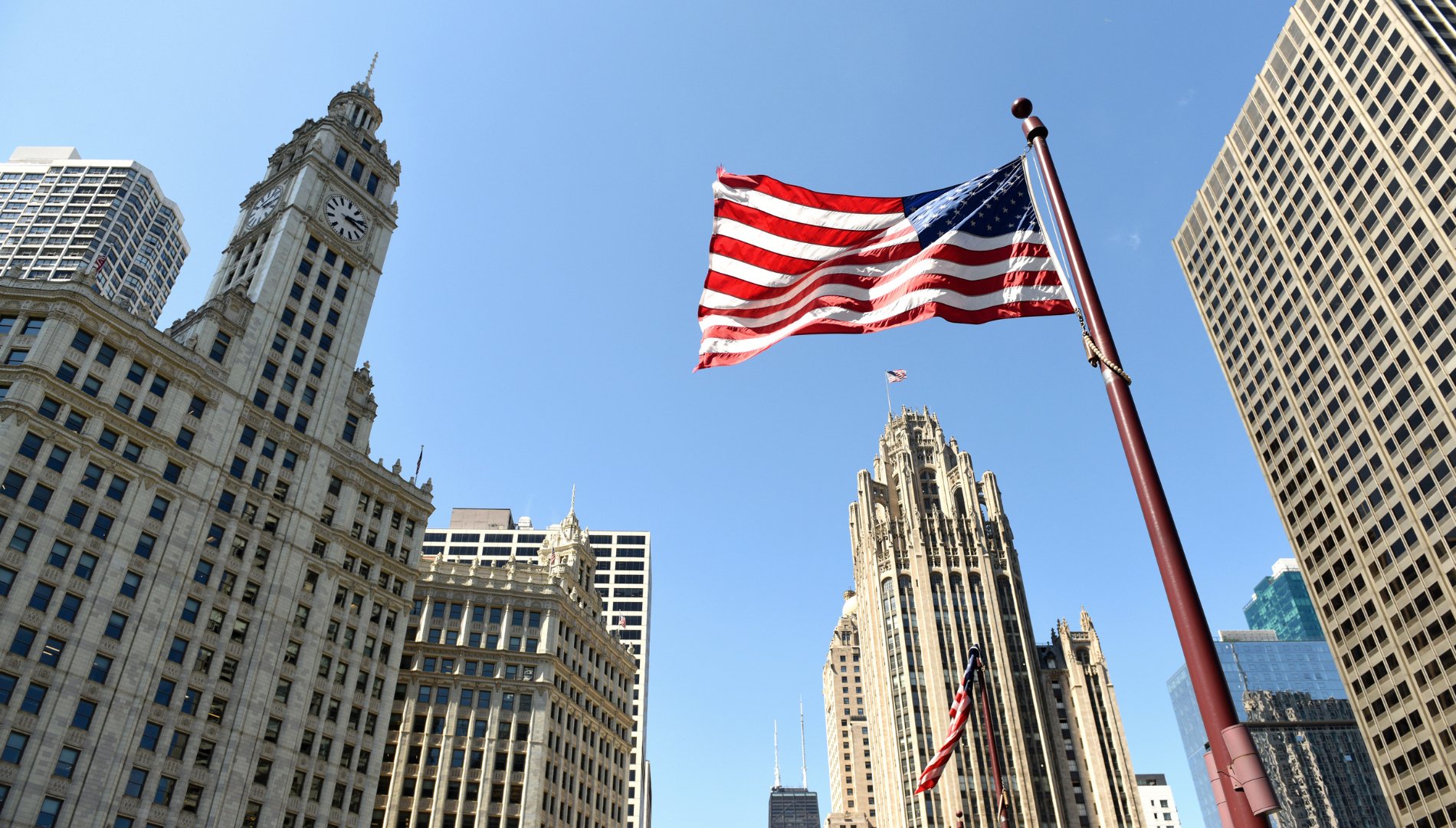
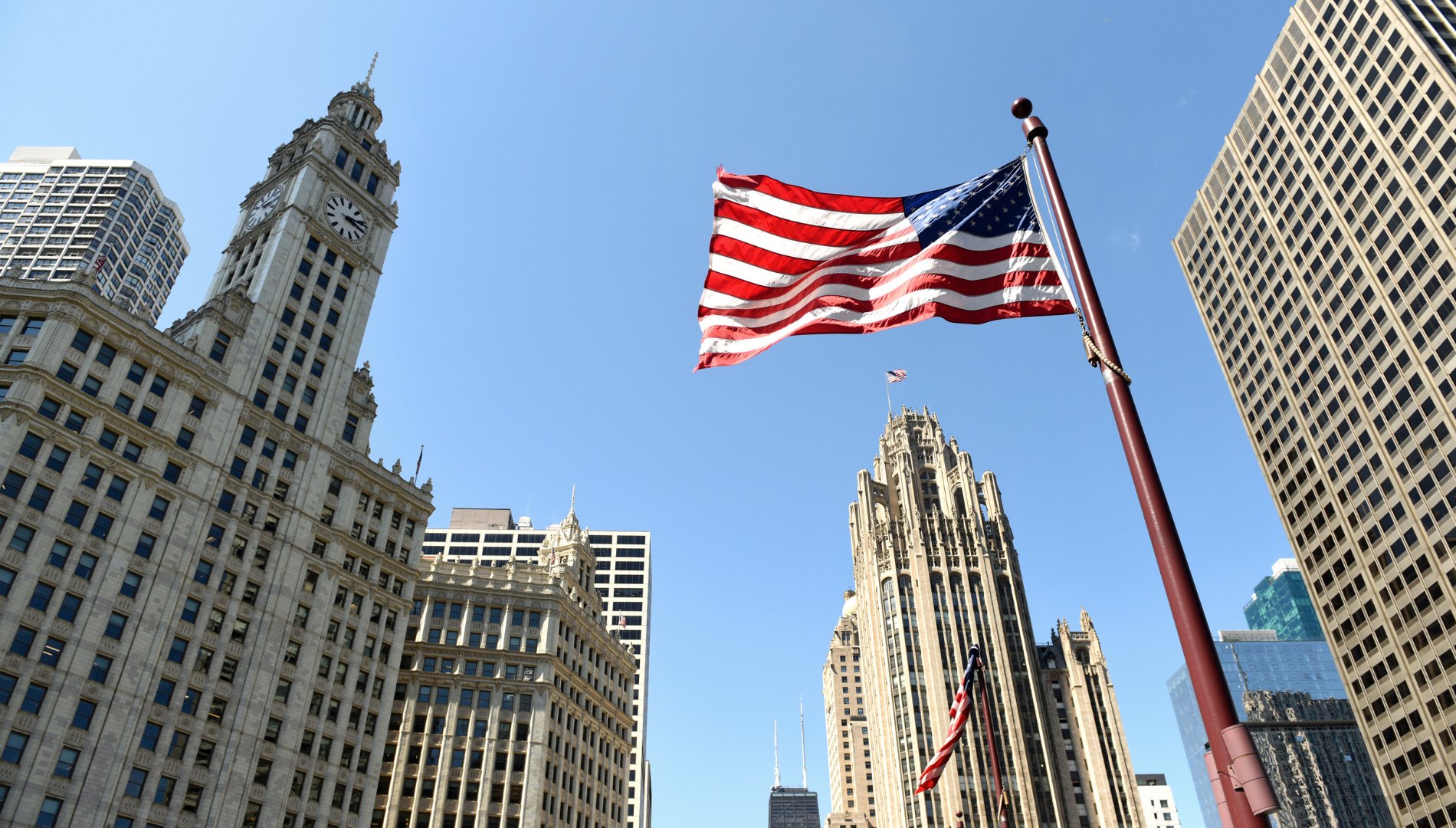
The tourism industry, a vital economic pillar not only for the United States but also globally, is currently facing an unprecedented situation. Specifically, during his term in office, President Donald Trump considered implementing broad-based travel bans and restrictions targeting citizens from 41 different countries. If implemented, this would not only have profound and unpredictable consequences for the US tourism industry but also create ripple effects, impacting many other countries worldwide.


Reuters reported on March 14, citing sources close to the White House and an internal memo it obtained, that the administration of US President Donald Trump is considering issuing a new travel ban on citizens from dozens of countries.
According to the memorandum, the countries on the list are divided into three groups. The first group, comprising 10 countries including Afghanistan, Iran, Syria, Cuba, and North Korea, will have their visa issuance to the United States completely suspended. The second group includes 5 countries: Eritrea, Haiti, Laos, Myanmar, and South Sudan. Citizens from these countries will not be granted tourist, student, or immigrant visas to the United States, except in certain exceptional cases.
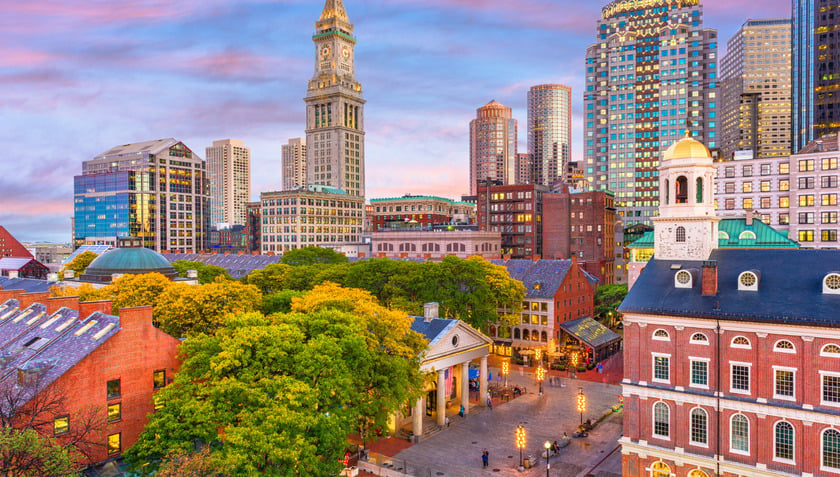
The Trump administration is considering imposing partial and complete travel restrictions on citizens of 41 countries, according to Reuters.
The third group, comprising 26 countries including Belarus, Pakistan, and Turkmenistan, could face a partial suspension of visa issuance to the U.S. if their governments "fail to rectify deficiencies within 60 days." It is unclear what these "deficiencies" are, but they appear to target the security vetting process for U.S. visa applicants.
An unnamed U.S. official said the list of 41 countries could change and that Secretary of State Marco Rubio had not yet approved it. The State Department has not responded to a request for comment.
During President Trump's previous term, Afghanistan was not on the list of countries banned or restricted from entering the United States. However, according to US media, since the Taliban took power in Afghanistan after Washington withdrew its troops in August 2021, Afghanistan may now face a complete travel ban to the United States.

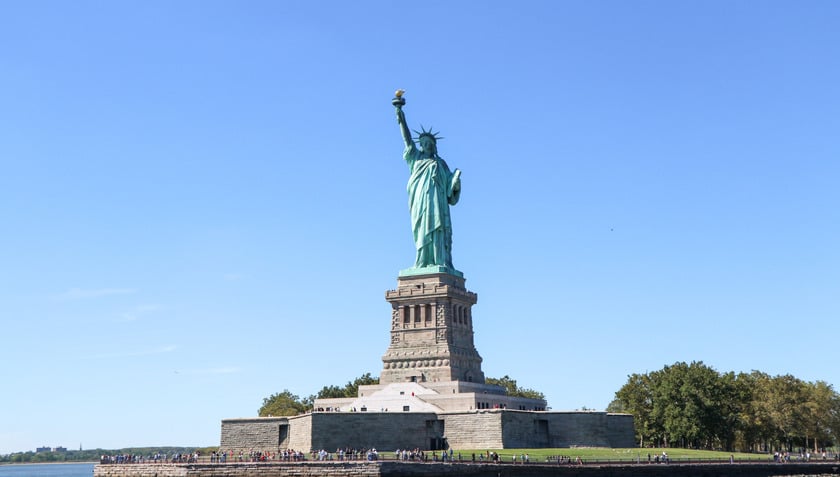
If the visa issue is not resolved, the U.S. could lose nearly $19 billion in spending over the next two years.
In the context of increasing globalization, the tourism industry plays a crucial role as a bridge, promoting cultural exchange and economic development between countries. However, the tourism industry in the US, as well as worldwide, is facing unprecedented challenges stemming from changes in immigration policies and trade relations.
Specifically, changes in visa regulations, from stricter immigration rules to trade war tensions, are making travel to the U.S. more complicated and less attractive than ever. Kristin Winkaffe, founder of Winkaffe Global Travel, likened this situation to erecting a giant "no entry sign" just as the world is recovering and returning to its vibrant travel scene. She emphasized that if obtaining a U.S. visa becomes more difficult, fewer people will choose the U.S. as a travel destination.
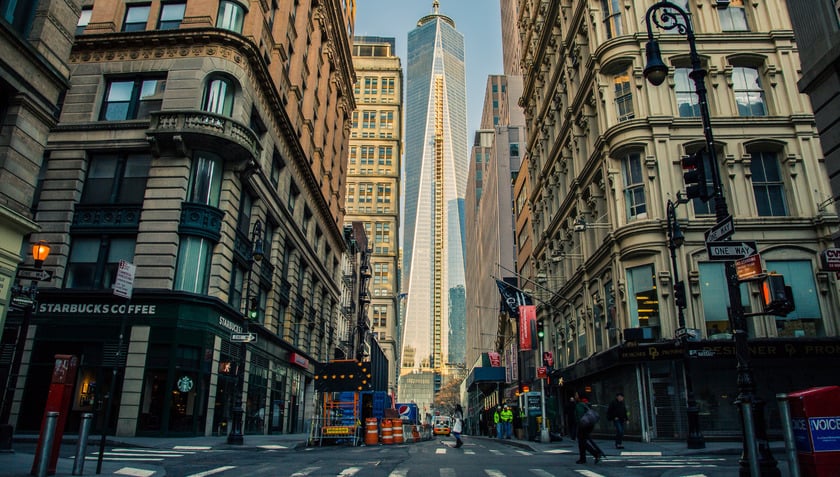
The New York Times, citing sources familiar with the matter, reported that the US State Department had compiled a list of more than 40 countries that could face entry bans several weeks ago.
This reality seems to have been exemplified by the case of Canada, a neighboring country of the United States. During the Trump administration, threats of tariffs and even proposed annexation sparked strong protests from Canadians. Many began boycotting travel to the United States, expressing their discontent and opposition to the US government's policies.
The U.S. Travel Association has also warned of serious consequences if the number of tourists from Canada declines. It is estimated that a 10% drop in Canadian tourists could result in losses of over $2 billion in tourism spending and cause job losses for approximately 14,000 people. These figures clearly demonstrate the negative impact of restrictive immigration policies and trade tensions on the U.S. tourism industry.
Airlines and hotel services are in dire straits.
According to an in-depth study conducted by Oxford Economics, a reputable economic research organization, if the issue of US visas is not adequately resolved, the country risks losing nearly $19 billion in tourism spending over the next two years. This is an alarming figure, especially as the US prepares to enter what is being called a "superdecade" of large-scale international sporting events.
Specifically, during this period, the United States will host or co-host a series of world-class sporting events, attracting the attention of millions of fans globally. In 2026, the United States, along with Canada and Mexico, will co-host the FIFA World Cup, the most anticipated sporting event on the planet, taking place in 11 major US cities. In 2028, Los Angeles will have the honor of hosting the Summer Olympics, the world's largest multi-sport event. Following that, in 2031, the United States will host the men's Rugby World Cup, and in 2033, the women's Rugby World Cup will also be held there. Finally, in 2034, Salt Lake City will host the Winter Olympics, concluding a "superdecade" packed with memorable sporting events.
Tightening visa policies would create a job crisis in the US hospitality industry, leading to escalating service costs.
These sporting events not only bring pride to the American people but also present a golden opportunity to boost the tourism industry, attracting international visitors to spend money and explore the country. However, if the visa issue is not effectively resolved, the United States may miss this opportunity and suffer significant economic losses.
Besides the aviation industry, another economic sector facing serious challenges due to uncertainty in U.S. immigration policy is the entertainment and hospitality industry. This is one of the largest sectors in the U.S. economy, contributing significantly to GDP and providing jobs for approximately 10% of the nation's workforce.
According to Neri Karra Sillaman, an entrepreneurship expert at Oxford University, the hospitality industry, which employs the most migrant workers, will be directly affected if work visas such as the H-2B are further restricted. She added that the labor shortage following the COVID-19 pandemic has already pushed the industry into crisis, and if this continues in the future, the consequences will be severe.
Labor shortages will lead to increased operating costs for businesses in the industry, from recruitment and training costs to salaries and benefits. This will force businesses to raise service prices, impacting consumer purchasing power and reducing the competitiveness of the US tourism industry.