VI
VI


When we think of a "muse," most of us immediately picture a woman of breathtaking beauty who captivated artists and inspired them to create masterpieces. However, "beautiful" is not an adequate description of Emilie Flöge. Not only did she inspire Gustav Klimt, but she also carved out a solid place for herself in the fashion and business world through her talent and forward-thinking personality.
A breath of fresh air in early 20th-century fashion.
Born in 1874 and a graduate of the School of Applied Arts in Austria, Emilie Flöge quickly rose to prominence as a radical fashion designer and successful businesswoman in Viennese society of the late 19th and early 20th centuries.
At that time, the Austrian fashion market was divided into two groups: retail stores selling ready-made clothing to the general public and tailors specializing in bespoke designer clothing for the elite. Unwilling to follow the mass-production path, Emilie and her two sisters, Helene and Pauline, opened a fashion boutique catering to the wealthy in Vienna, named Schwestern Flöge.
The fact that three women ran and managed a business was not common in society at the time, so the shop quickly attracted a lot of public attention. However, what made Schwestern Flöge a favorite destination for the elite of society at the time was its incredibly unconventional and sophisticated designs, clearly showcasing Emilie's distinctive aesthetic.
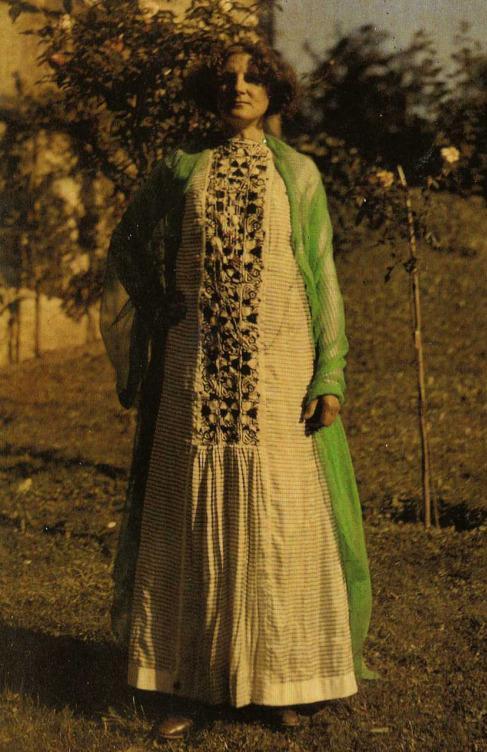
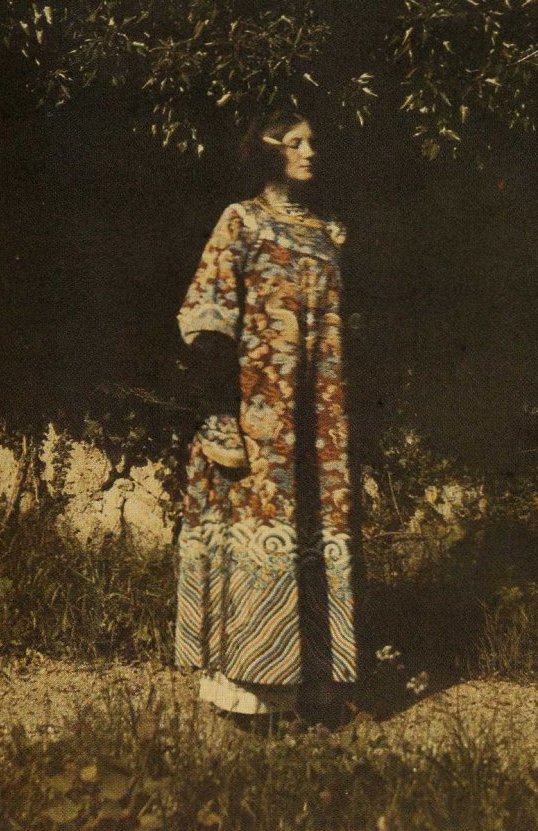
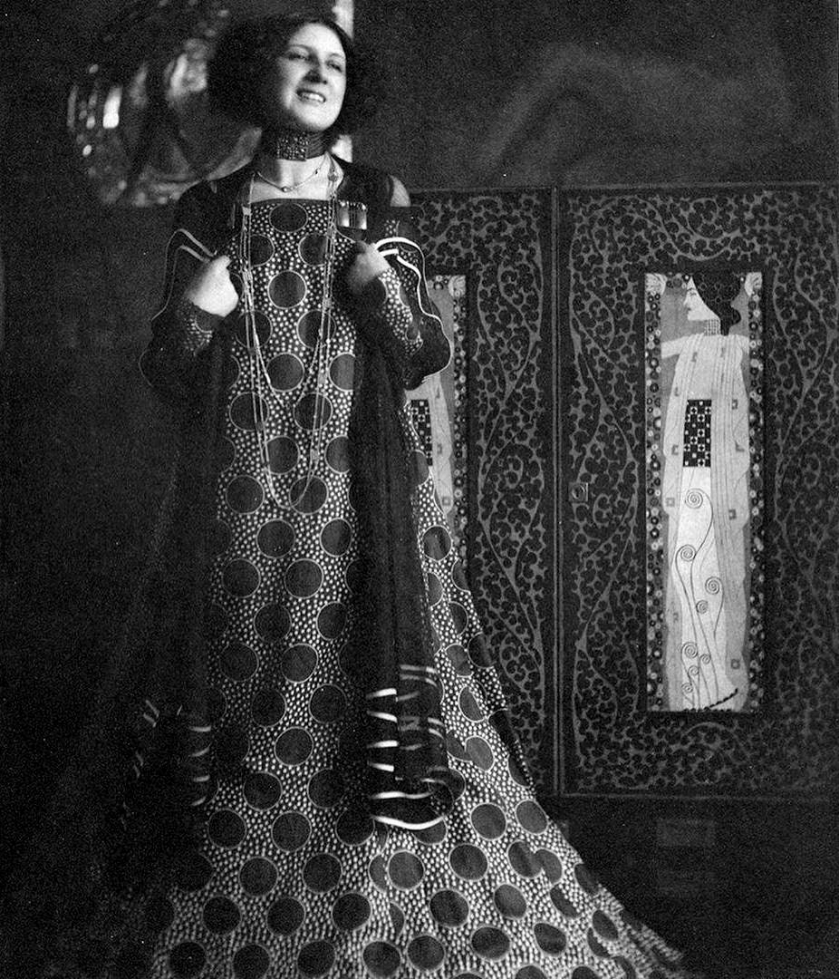
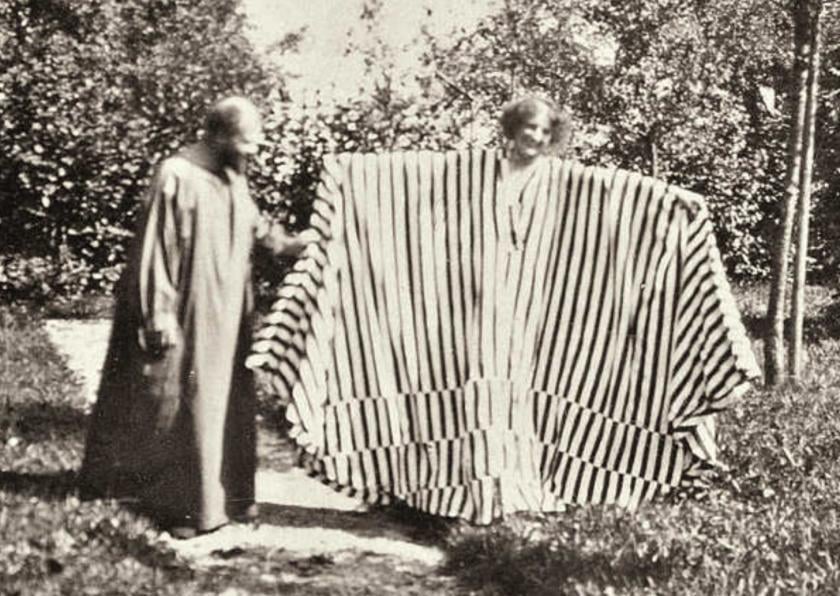
Inspired by the early feminist movement, Emilie aimed to liberate women from the tight corsets and cumbersome dresses that were so commonplace in society at the time. She focused on creating designs that prioritized comfort while maintaining elegance, featuring wide sleeves, flowing silhouettes, and intricate, elaborate embellishments. This was arguably a revolutionary and pioneering step in the fashion industry at the time. To this day, Emilie Flöge's design style and motifs continue to inspire many renowned fashion brands, most notably Valentino.
When mentioning a name that played a significant role in fashion revolution, Coco Chanel immediately comes to mind, thanks to her revolutionary changes in women's clothing, popularizing trousers and blazers for women who were previously accustomed to traditional dress designs. However, few people know that Emilie began this fashion innovation four years before Chanel opened its first store in Paris.
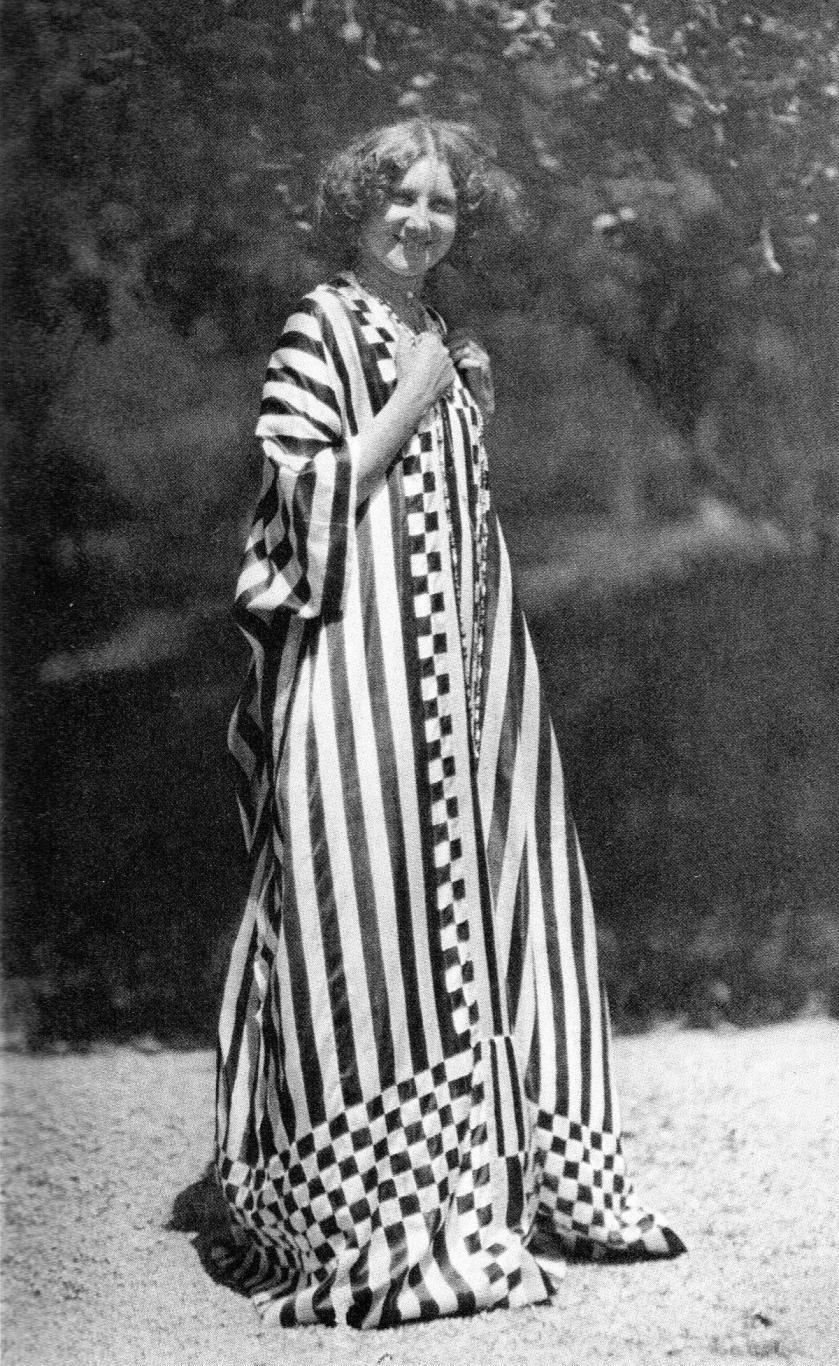
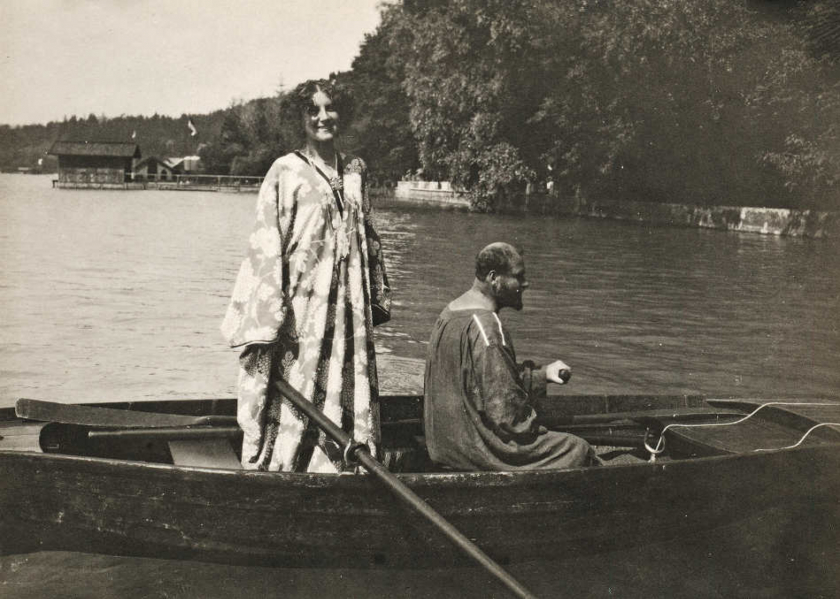
Emilie wore a dress she designed herself.
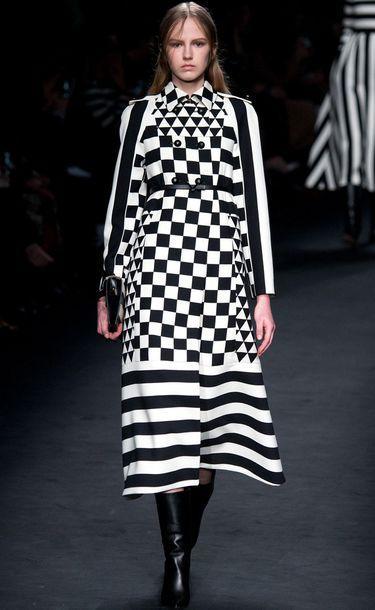
Valentino's designs from 2016

With her intelligence and keen insight, Emilie handled everything from research to creating new trends, managing the production process, and working with suppliers and customers. She also made numerous trips to Paris to source fabrics and accessories. Emilie's shop expanded steadily, reaching 80 seamstresses and consistently receiving orders from the upper class of society.
However, when Nazi Germany invaded Austria, many of Schwestern Flöge's Jewish customers were forced to leave the country or were taken to concentration camps, and the store was forced to close, much to the regret of fashion enthusiasts.
A love affair with the painter Gustav Klimt
The relationship between Gustav Klimt and Emilie Flöge was special, attracting much public curiosity and interest. They met around 1890, when Emilie was 18 years old. At that time, Emilie's older sister was married to Gustav Klimt's brother. Shortly after, Klimt's brother passed away, allowing him to spend more time with the Flöge sisters.
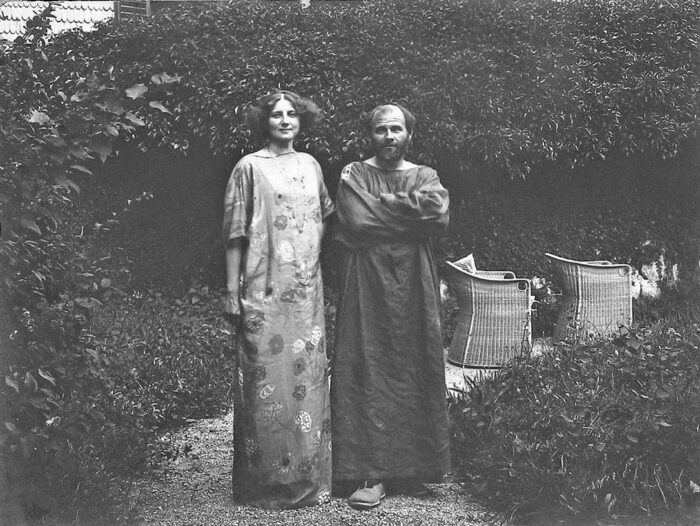
Klimt quickly became close friends with Emilie. They were inseparable, frequently meeting up, going for walks, and supporting each other in their career development.
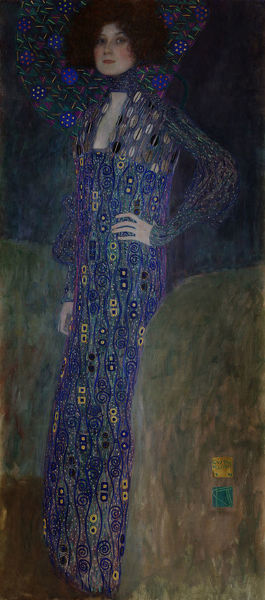
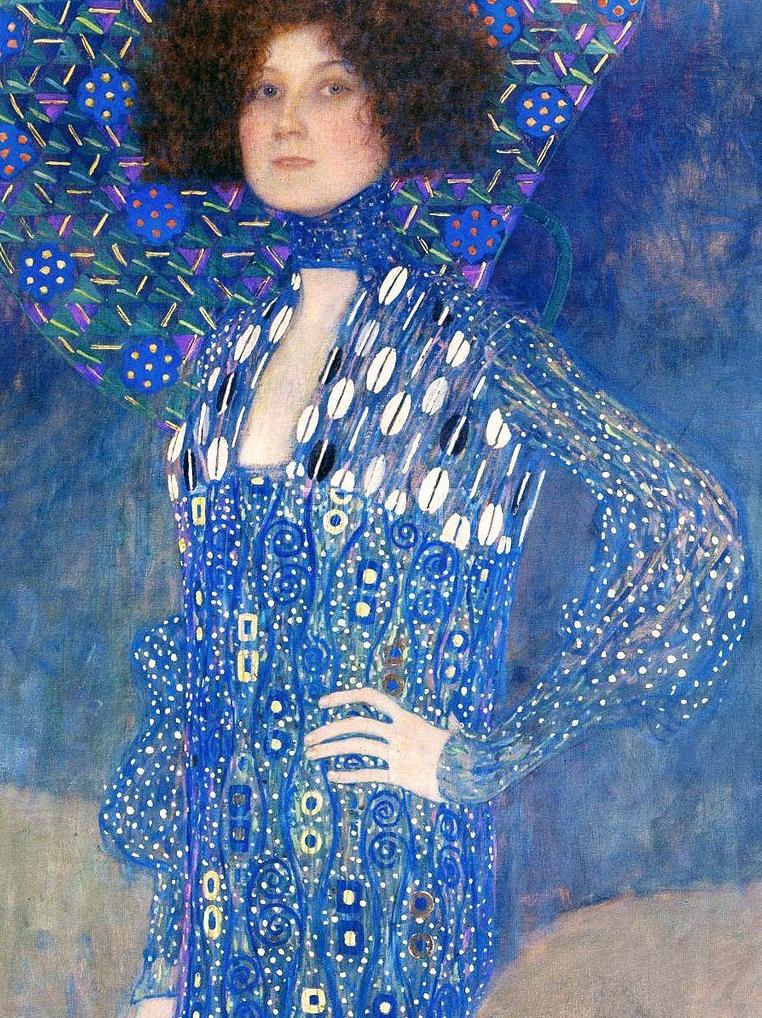
The painting Portrait of Emilie Flöge (1902) - currently on display at the Museum of Vienna, Vienna, Austria
Klimt's first work depicting Emilie wasPortrait of Emilie Flöge(1902), painted when she was 28 years old. The painting depicts an elegant woman in a long dress with intricate, sparkling square, round, and spiral patterns against a mysterious blue and purple background. This was also the dress that Emilie designed herself. After the work was created, many upper-class women came to her shop because they were impressed by this novel fashion style.
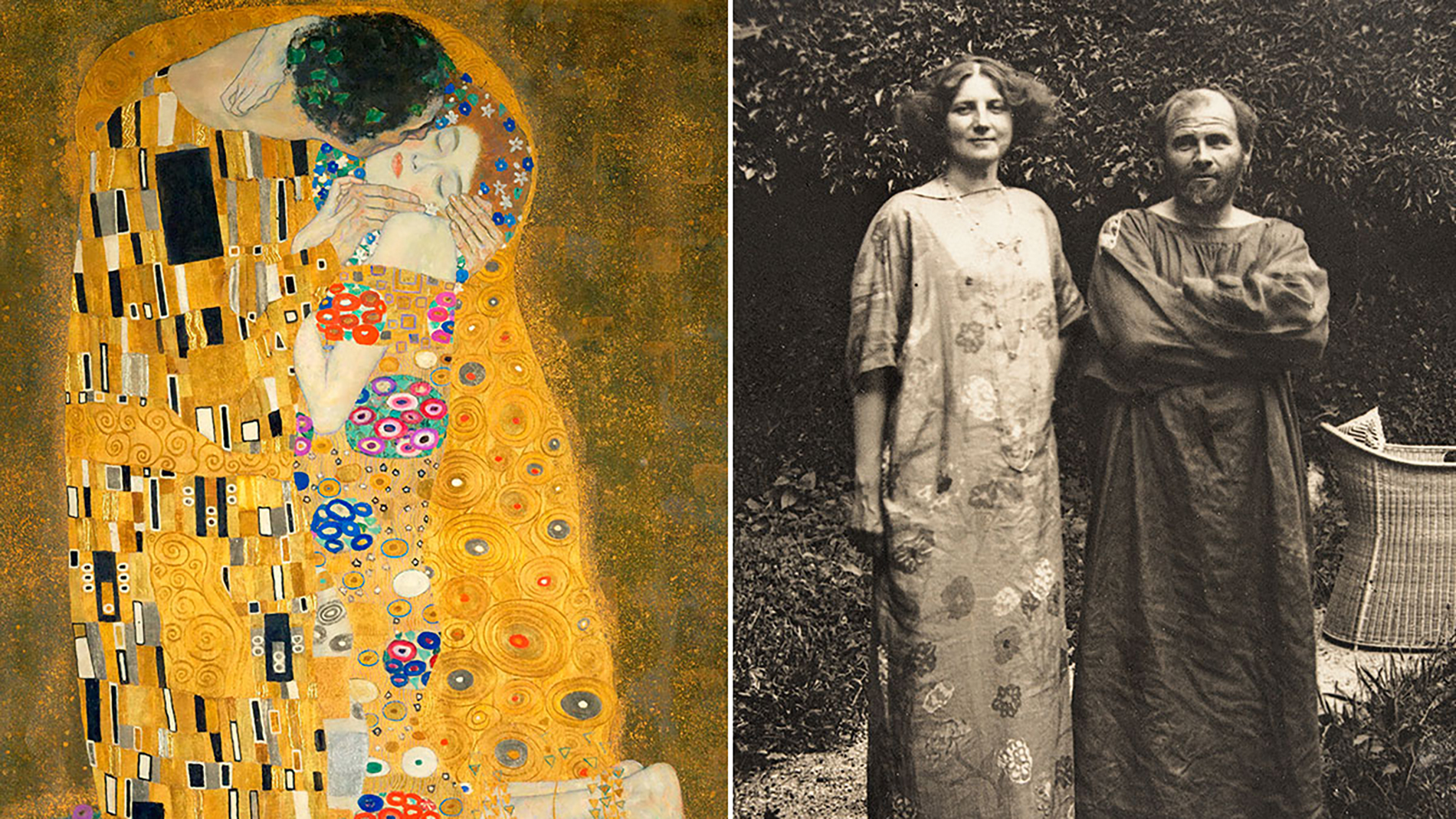
In addition, many people also believe that Emilie appears in the legendary painting.The KissThe artwork depicts a couple embracing and kissing in a vibrant and magnificent setting. It's easy to see the resemblance in form between these two characters and the couple Klimt and Emilie. In particular, the patterns on their costumes are reminiscent of her familiar designs.
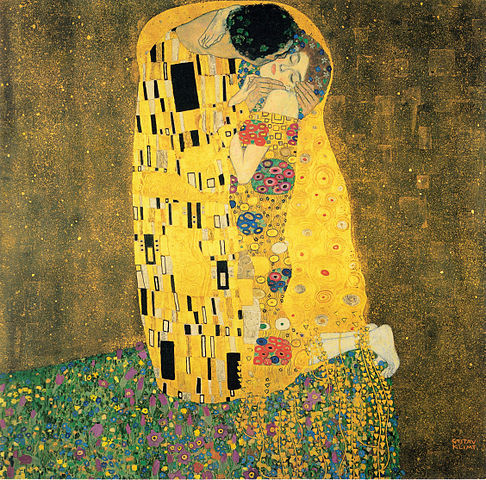
The work The Kiss (1908) - currently on display at the Austrian Gallery Belvedere, Austria
However, this rumor remains unverified to this day. In fact, many other works by Klimt also feature design patterns in the style commonly seen in Emilie. Some examples include:Portrait of Adele Bloch-Bauer IgoodThe Maiden.
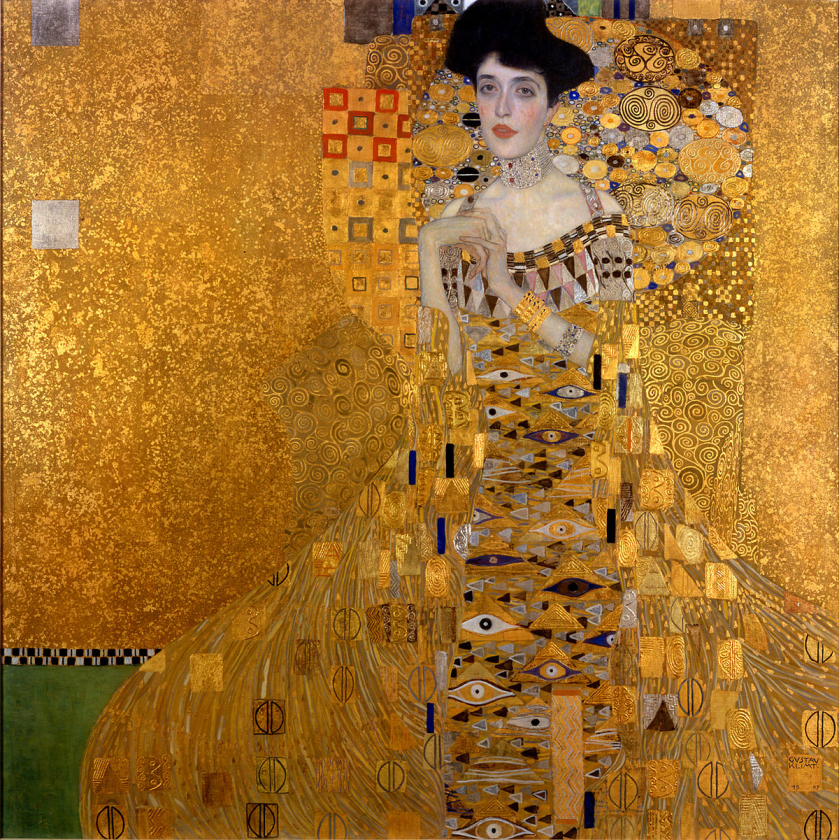
Portrait of Adele Bloch-Bauer I (1907)
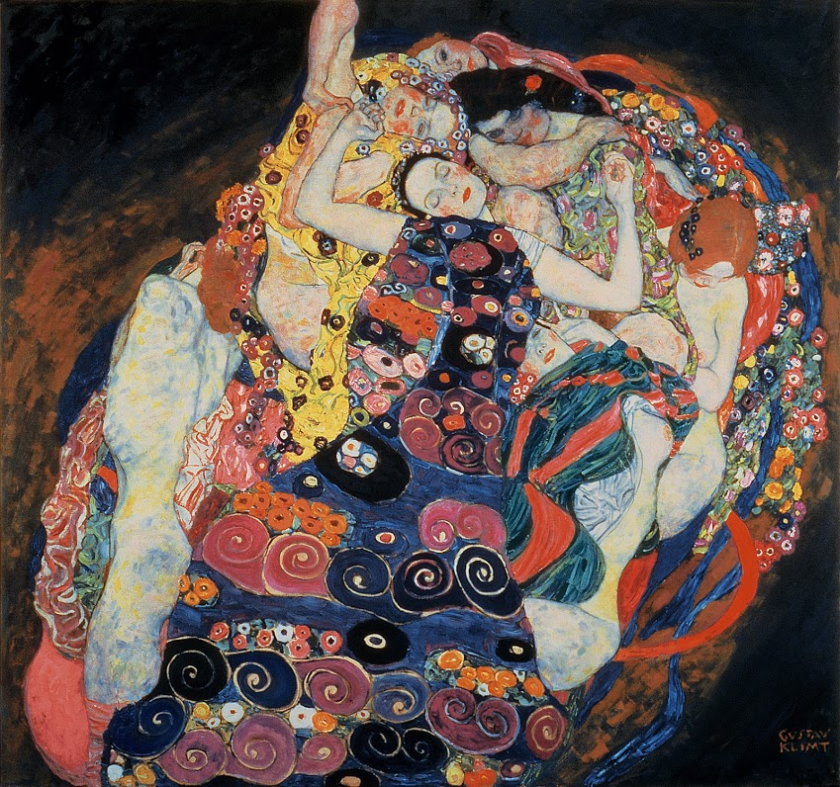
The Maiden (1913)
Klimt enthusiastically supported Emilie's innovative fashion style. Together, they explored colors and shapes. He even occasionally participated in the product design process for the Schwestern Flöge store. Klimt's artistic vision, combined with Emilie's free-spirited and unconventional nature, created a perfect blend of fashion and art.
Regarding the relationship between Klimt and his muse, neither shared much with the public. Perhaps their closeness and bond over 27 years led people to suspect a romantic relationship had developed, but it remained purely speculative. While Gustav Klimt was considered extremely promiscuous and had many lovers, Emilie was very private about her love life. The only fact known is that neither of them married until the end of their lives.
Emilie's role in Gustav Klimt's life and career is undeniable. His last words before his death – "Call Emilie" – are enough to prove the importance of his muse in the artist's life. He even left half of his fortune to his close friend.
____
Read the previous issuehere