VI
VI


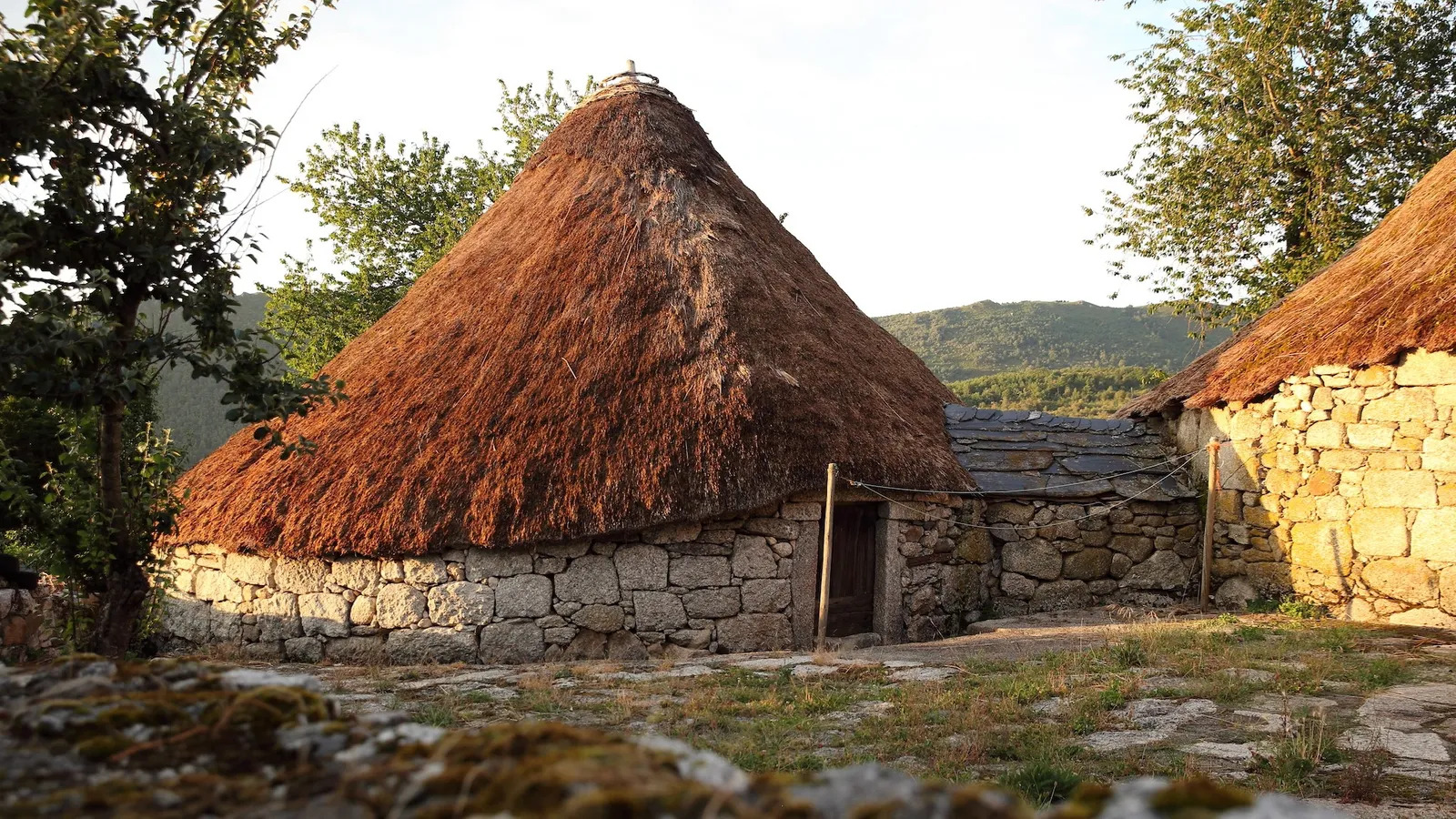

Nestled deep within the canyons of northwestern Spain, centuries-old houses stand scattered across the slopes of the Ancares Mountains. These houses form small villages, where residents live together and breathe life into the cold, harsh landscape of the Galician and Castile-León regions of Spain.
Design that blends seamlessly with nature.
With their unique, time-honored design, the houses here possess a beauty not found anywhere else. Locals call them palloza, built to suit the harsh mountain climate of Ancares.
Palloza houses are circular in design, with roofs covered in rye straw. Additionally, the walls and columns are constructed from granite, limestone, or slate, primarily sourced from the region. With their round shape, few windows, and construction from large blocks of stone, palloza houses help to block wind and maintain indoor temperatures.
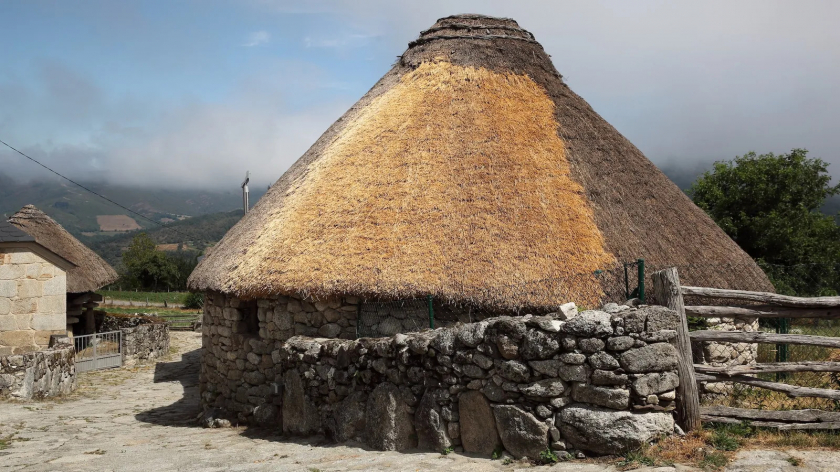
Palloza has a unique design that harmonizes with nature.
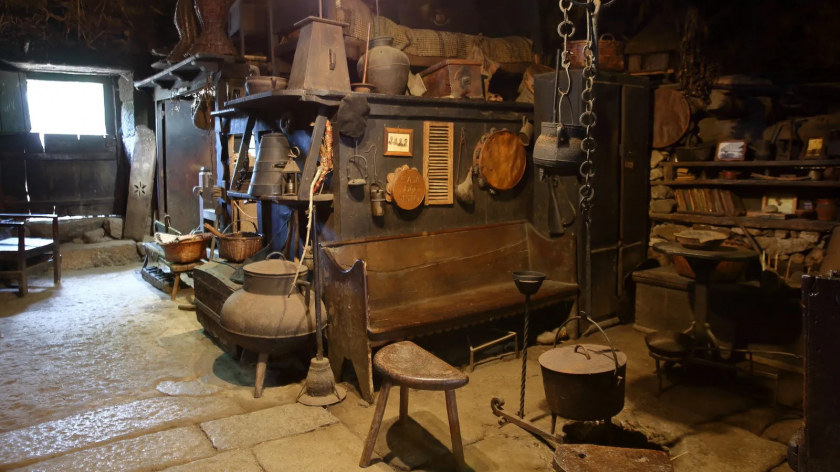
Every family had a fireplace in the middle of the house.
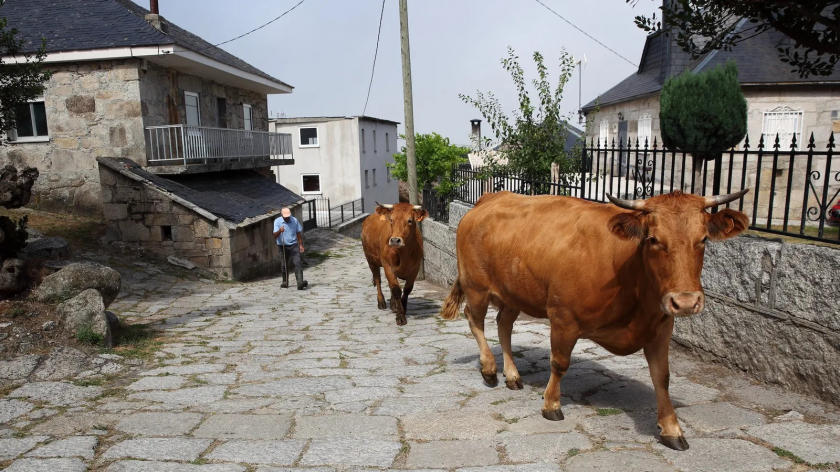
The farmer is herding his cows along the village road.
Jaime Fernández Uria, who was born and raised in the village of Balouta, in the province of León, shared: "Due to the cold climate, each house has a fireplace, placed in the center of the family's common living area. Traditionally, this is where everyone gathers, shares, eats, and spends time together. My family wasn't well-off, but we had very peaceful days here."
Fernández also expressed his nostalgia when recalling his childhood memories in this small village. "My family had three generations living together happily. I grew up listening to my grandfather's stories. He was a truly wonderful and very funny man. I have beautiful memories of the old days when I lived here. However, people gradually left, and my mother was the last person to live in this house until 1984," he added.

Palloza cannot be sustained.
The roofs of palloza (or teitor) houses are primarily made from rye. However, in recent years, the declining population and the scarcity of rye have led to rapid deterioration of the roofs.
This has caused considerable headaches for residents, especially as roof repair technicians are becoming scarce and the profession is declining due to low demand. Consequently, the cost of repairing and renovating roofs has increased significantly.
Isolina Rodríguez López is a former resident of the village of Piornedo. She is the sixth and final generation to live in the palloza before she and her husband decided to turn it into a museum in 1989. Rodríguez says the house costs around $2,000-$3,000 annually to repair the severely damaged roof. “We have to do everything ourselves, from growing the plants to harvesting them. Otherwise, the costs could skyrocket,” she shared.
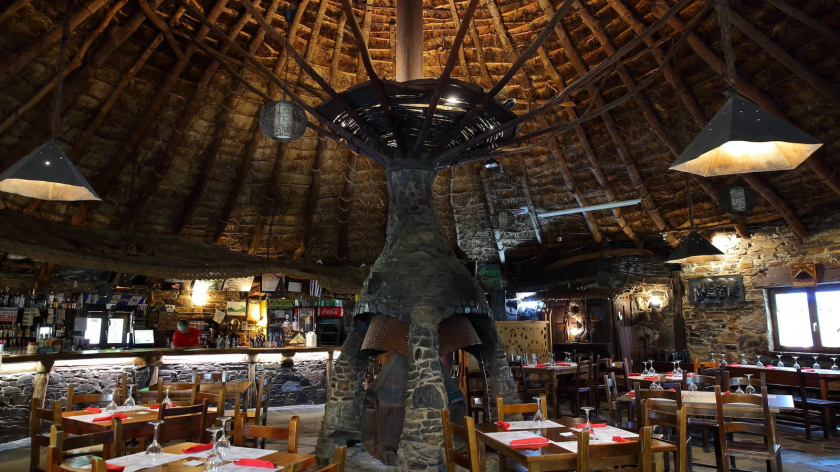
Many households have opened restaurants selling local dishes.
Another palloza owner, Celia Alonso López, who lives nearby, is facing a similar problem. “The roof leaks when it rains. To repair it, I need to spend around $50,000-$60,000, and I certainly can’t afford it without government assistance,” said Alonso.
Faced with exorbitant repair costs, some nearby homeowners have opted to replace rye straw roofing with metal sheets. While nobody wants to do that, it's currently the best and only solution they can choose.
Furthermore, in the face of global climate change, the Ancares mountain region is no exception. The heavy annual rainfall and already harsh climate are becoming even more severe, making the maintenance and restoration of the palloza even more challenging.
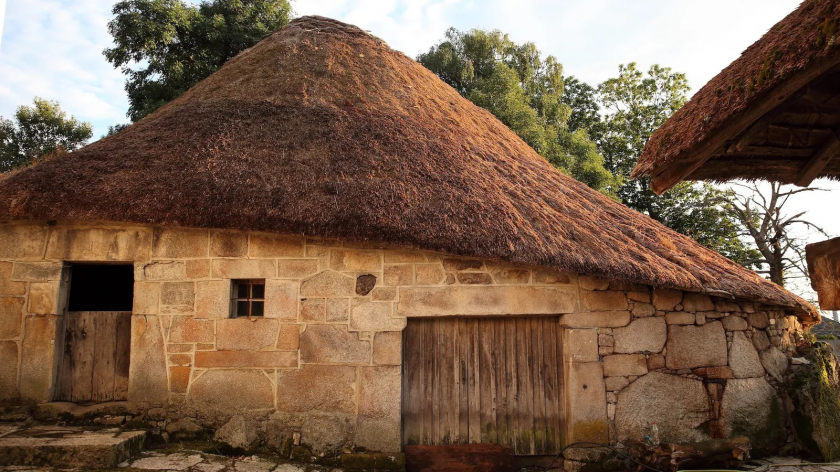
People no longer live in palloza houses.
Therefore, in recent times, people no longer live in pallozas but utilize them for other commercial purposes such as museums, restaurants, and hotels. Natural materials are also gradually being replaced with cheaper metals to minimize renovation costs.
Commercialization means that lighting, heating, ventilation, and other necessary services must also be installed. In a hilly area like Ancares, modernizing the area without impacting the surrounding ecosystem is a difficult task. Soon, these ancient villages will gradually become entertainment and recreation zones, and the fairytale will come to an end. At that point, the challenge of preserving cultural identity and conserving nature will become even more difficult.