VI
VI


The National Museum of Marine Biology and Aquarium in Taiwan covers an area of nearly 1 million square meters.2Located north of Kenting, a small town in southern Pingtung County, this aquarium is considered Taiwan's largest, preserving and nurturing thousands of marine species. It also boasts one of Asia's longest underwater tunnels, stretching nearly 100 meters.
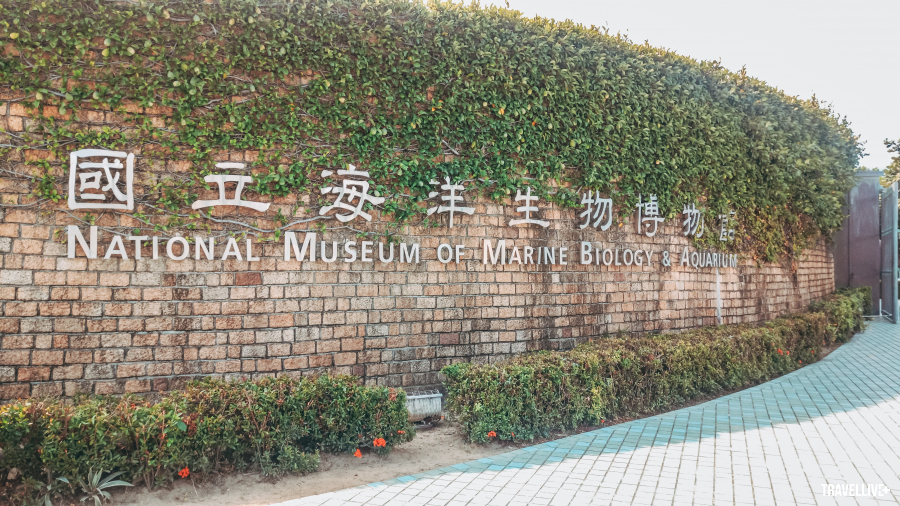
At the Taiwan Aquarium, you can explore countless unique marine creatures in various themed areas such as the Coral Kingdom, Taiwan Oceanography, and World Oceanography. In addition, there are many other fun activities such as feeding the fish, watching them sleep, exploring nocturnal marine life in the museum's outdoor grounds (with a guide), and participating in classes on marine environmental protection. I decided to book an overnight tour at the aquarium precisely because of these "behind-the-scenes" activities. Just think, aquariums are full of fish everywhere. But without the crowds, without the long lines, and enjoying a nighttime museum experience, it feels like being immersed in the tranquil depths of the ocean, surrounded by colorful fish swimming among coral reefs – truly delightful.
You can buy tickets directly at the gate, online through the aquarium's website, or through agencies like Traveloka, Klook, Kkday, etc. If you buy online, you will receive an e-ticket via email, which you can print out or save on your phone for easy barcode scanning at the gate. Daytime admission is 450 TWD per adult (approximately 350,000 VND), while overnight admission is 2,380 TWD per adult (approximately 1,850,000 VND). Although the aquarium is open every day, overnight stays are not available. This service is only offered on certain days of the month to avoid disturbing the marine life's sleep. Therefore, you should check beforehand to arrange your schedule to fit your Taiwan travel plans.
The stormy bus ride
Since there are no direct trains or HSRs to Kenting, visitors to the aquarium can take bus route 918 from Kaohsiung International Airport or route 9189 from Zuoying THSR station to Nanbaoli station; from there, take a local Kenting Shuttle Bus (Orange Line) to reach the aquarium.
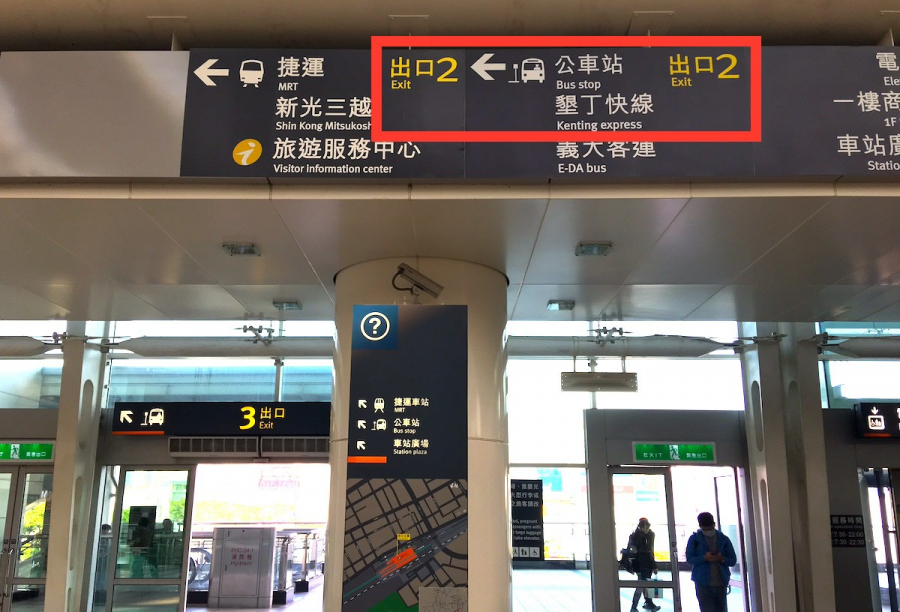
At THSR Zuoying station, take Exit 2 to buy a bus ticket to Kenting.
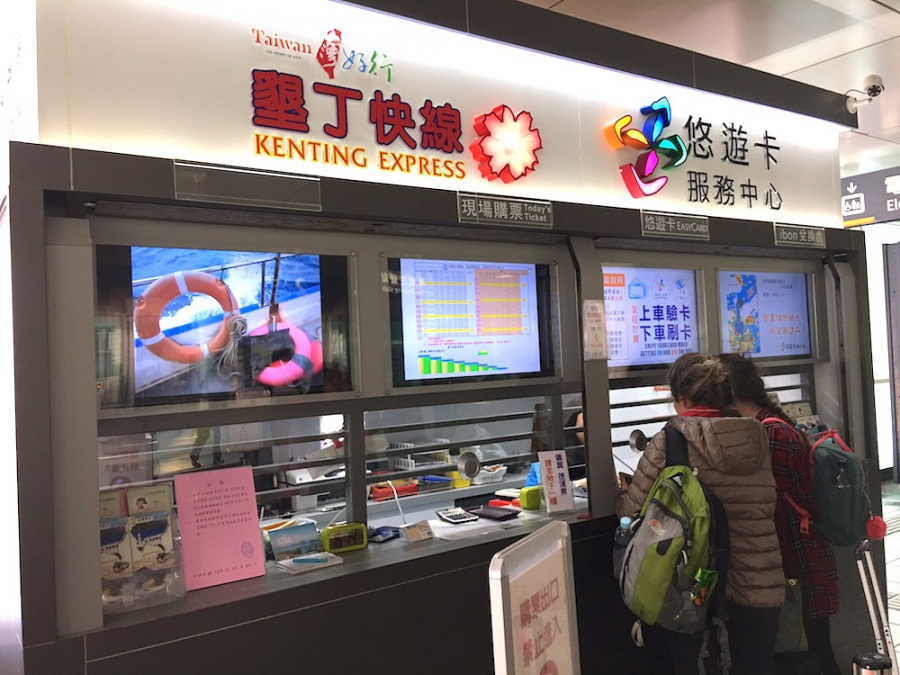
Ticket counter
In theory, it wasn't too complicated, so I was quite confident before setting off. According to the schedule, the aquarium would open at 4 pm, and visitors could explore freely until 6 pm, which was dinner time. We departed at 2 pm, and although public transportation in Taiwan is generally fast, the wait times for buses, trains, and the HSR were quite long, so I didn't reach the ticket counter at Zouying station until 3 pm. The ticket to Nanbaoli was 168 TWD per person one way and 336 TWD per person round trip. When the ticket seller asked, "One-way or round-trip?", in my haste and without thinking, I answered "One-way," thinking to myself, who knows if I'll be back right away or if I'll stay longer, I can buy a ticket later when I want to go back. We didn't realize that this would be our biggest mistake of the entire trip.
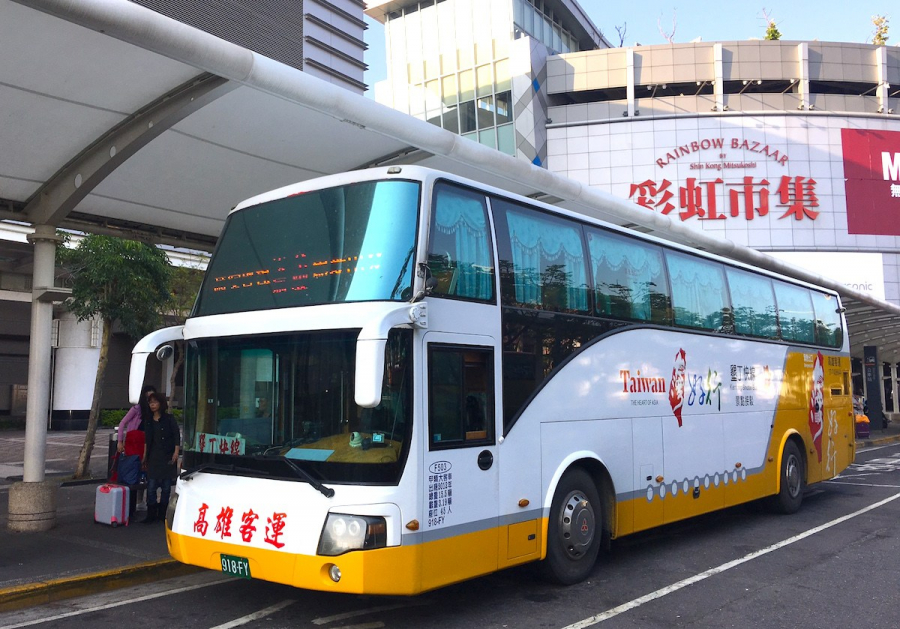
Kenting Shuttle Bus at Zuoying THSR Station, Kaohsiung
Looking at a map of Taiwan, it's easy to see that the road from Kaohsiung south is mountainous, with many mountain passes, which is why there are no trains or the High Speed Rail (HSR). The winding roads, like ribbons around the undulating mountains, look beautiful at first glance, but once you're on the bus and experiencing its incredible speed, you know what motion sickness is like. After more than two hours of intense shaking and jolting, I finally heard the loudspeaker announce a phrase in Chinese with the keyword "Nanbaoli." The next stop was Nanbaoli! I was so relieved, I prepared my luggage to get off! But 10 minutes passed, then 20 minutes, and the bus was still speeding. Then I heard the loudspeaker (still in Chinese) announce the next stop was Hengchun! Because I was so terribly motion sick, I didn't press the stop button, so the bus continued straight ahead. I had already passed Nanbaoli by 7 km. Having no other option, I got off at Hengchun station and tried to find a way back to the aquarium.
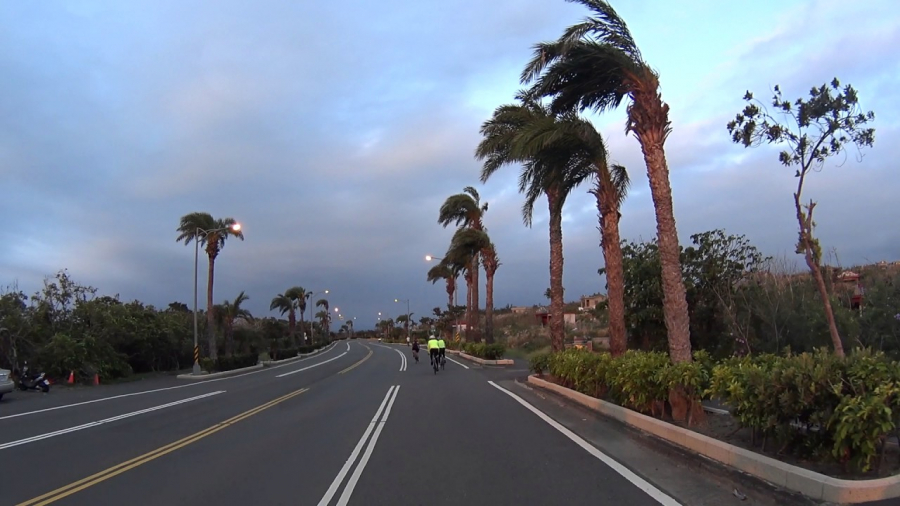
Hengchun Streets are deserted.
Hengchun is a small station, perhaps only comparable to a village bus station in Vietnam. The place where I got off was probably the morning market, but it was already past 5:30, dusk was falling, and the area was almost completely deserted. On either side of the road were vast rice paddies. In the distance, a few houses had their lights on, preparing for dinner. A few people were walking around, mostly simple villagers who didn't speak English at all. After thinking for a moment, I guessed there wouldn't be any buses passing by, at least not for the next half hour. I decided to call an Uber.
The Uber driver was a middle-aged woman who didn't speak any English at all. After some communication using a translation app on her phone and body language, she understood that I wanted to spend the night at the aquarium. We agreed on a price of 250 TWD for the ride. I was dropped off right at the aquarium entrance, and the driver personally explained to the security guard the "unfortunate" circumstances of my friend and I getting lost. A few minutes later, the tour guide for the overnight trip came out and took us inside, ending a bumpy journey.
Night in the museum
Our guide gave us name tags and escorted us to the locker area to store our luggage. Along the way, he briefly showed us the locations of the different areas and gave us some brochures introducing the aquarium's programs. All the brochures were in English, some also in Vietnamese. Afterward, we were led to the dining room. By this time, the other guests in our group had already finished eating and left. Each person could choose a lunchbox according to their preference, which could include meatballs, fish, eel, or simply vegetarian options like vegetables and beans…

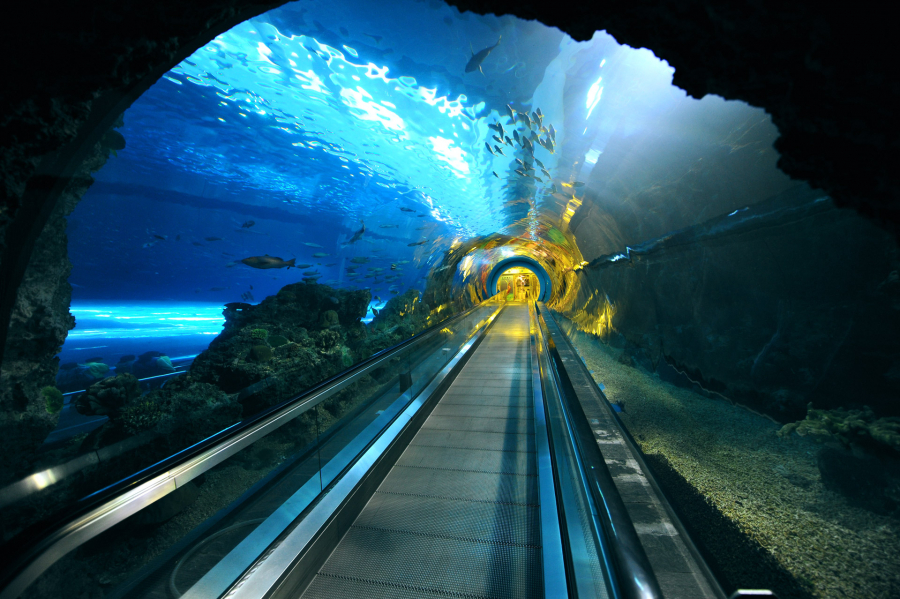
Underwater Tunnel
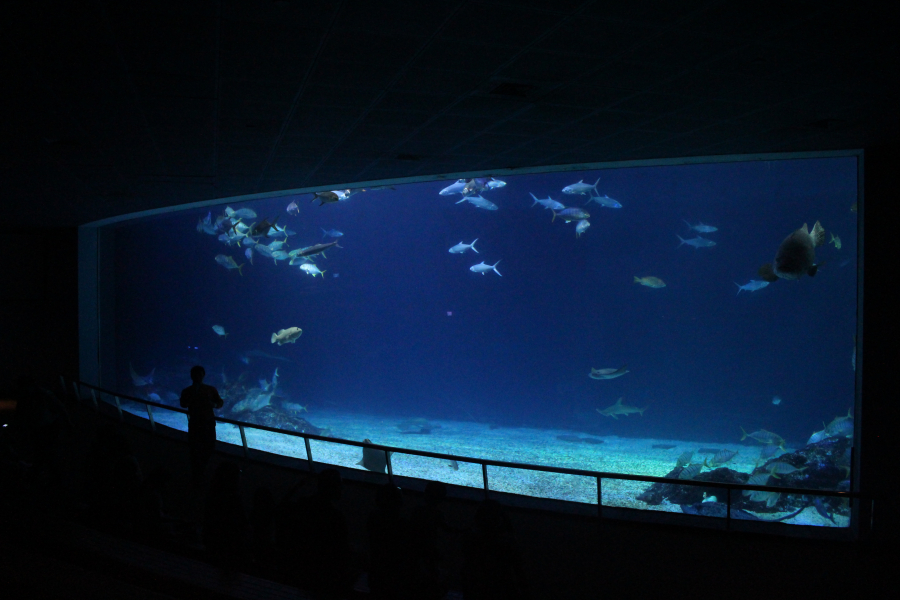
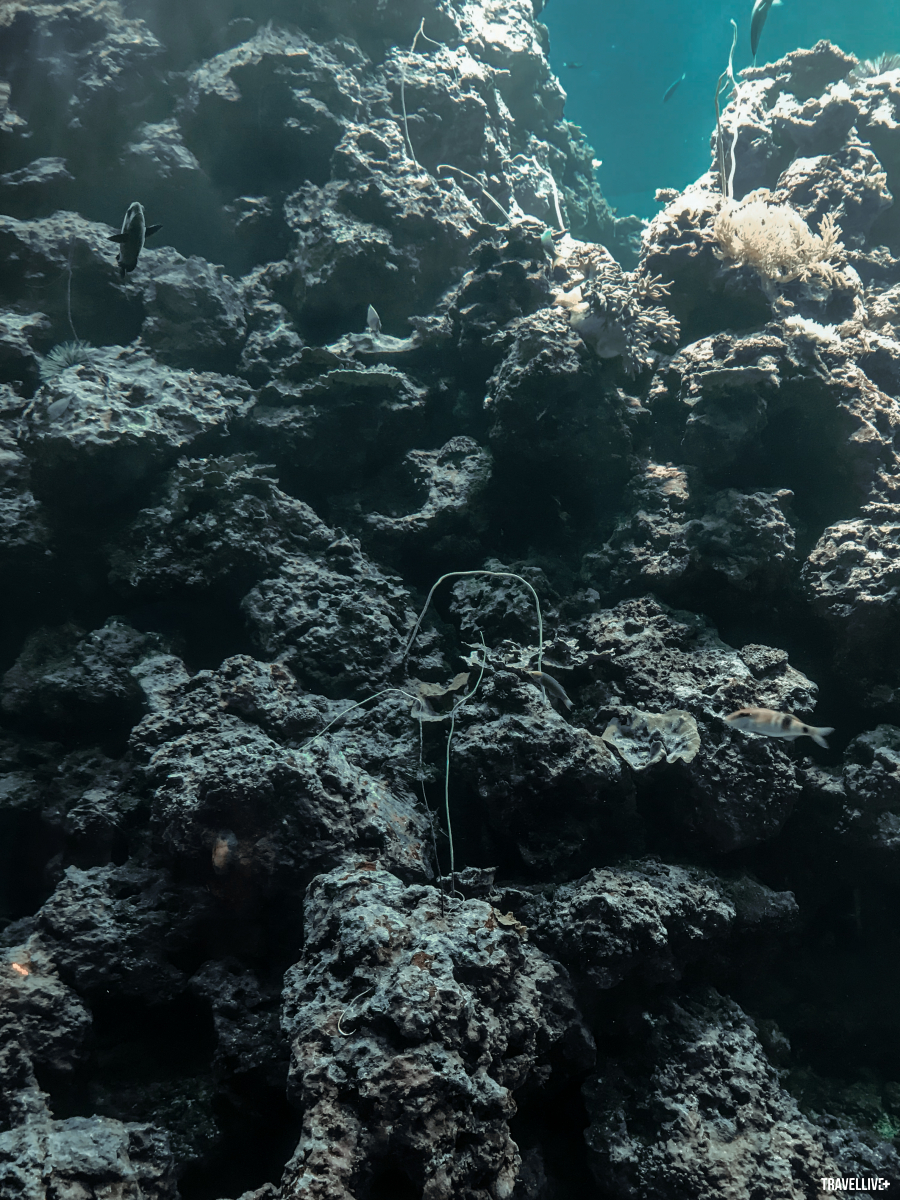
At exactly 7 PM, we and the other guests on the overnight tour gathered in the lobby for an introduction to the aquarium and the program (but only in Chinese). Next, everyone was instructed on how to prepare their mattresses before and after sleeping. After the instructions, we were divided into small groups according to our pre-selected themes, each group having a guide to lead us on a tour of the aquarium. The aquarium, built on a section of the sea off southern Taiwan, has a beautiful design. The underwater tunnel, nearly 100 meters long, is enclosed in thick, transparent glass. Along the way, visitors can admire schools of fish swimming freely and colorful coral reefs, as if they were walking on the ocean floor.
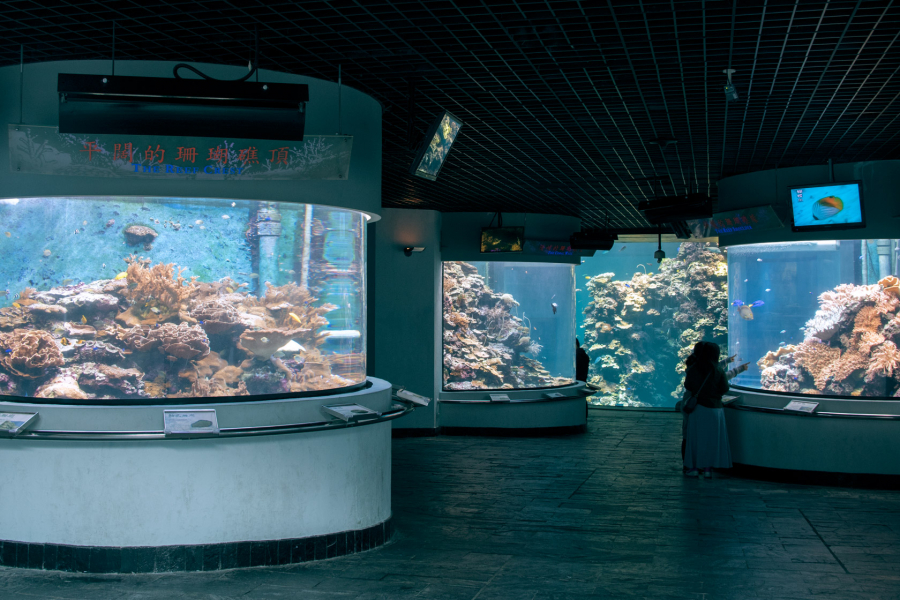
Coral Kingdom
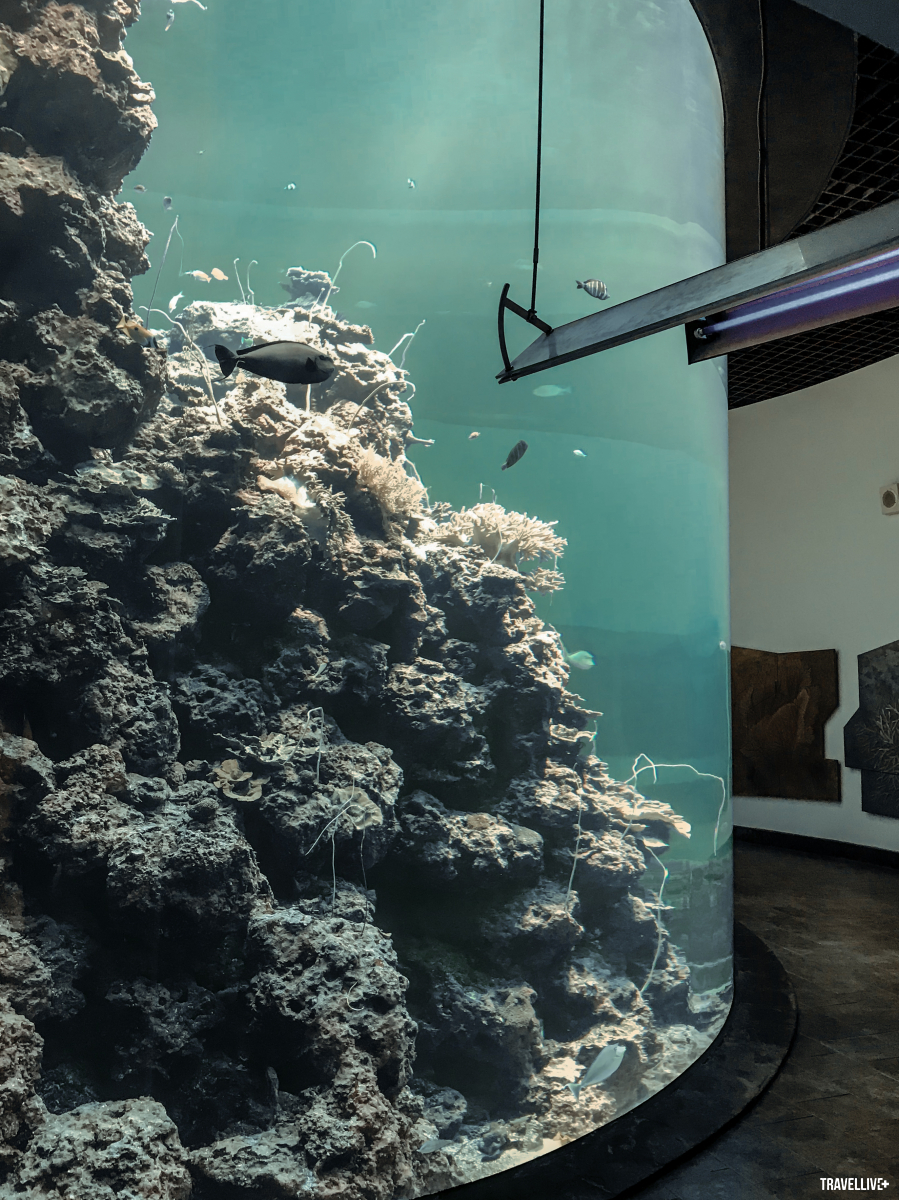
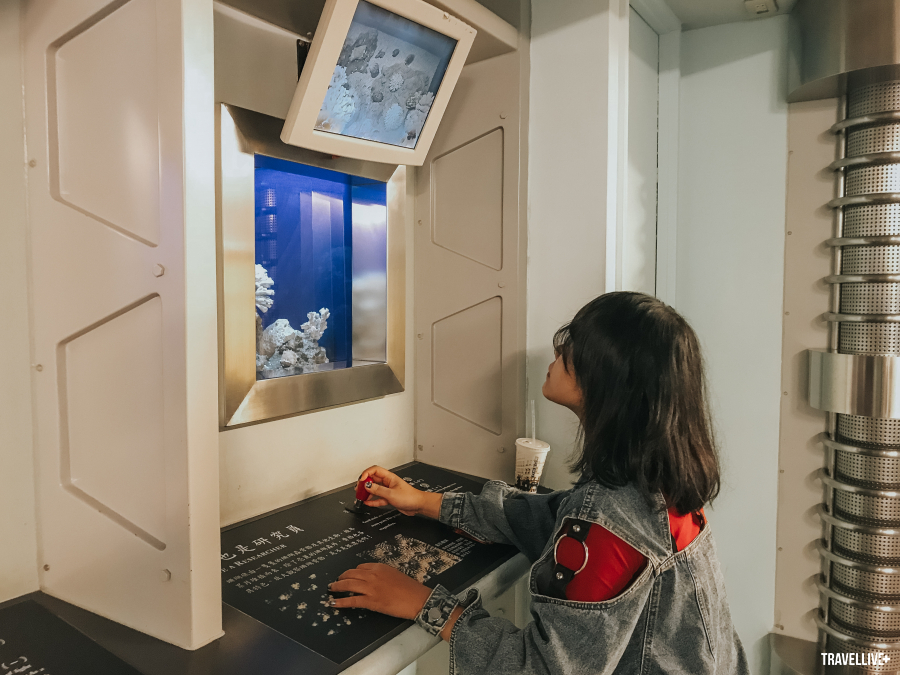
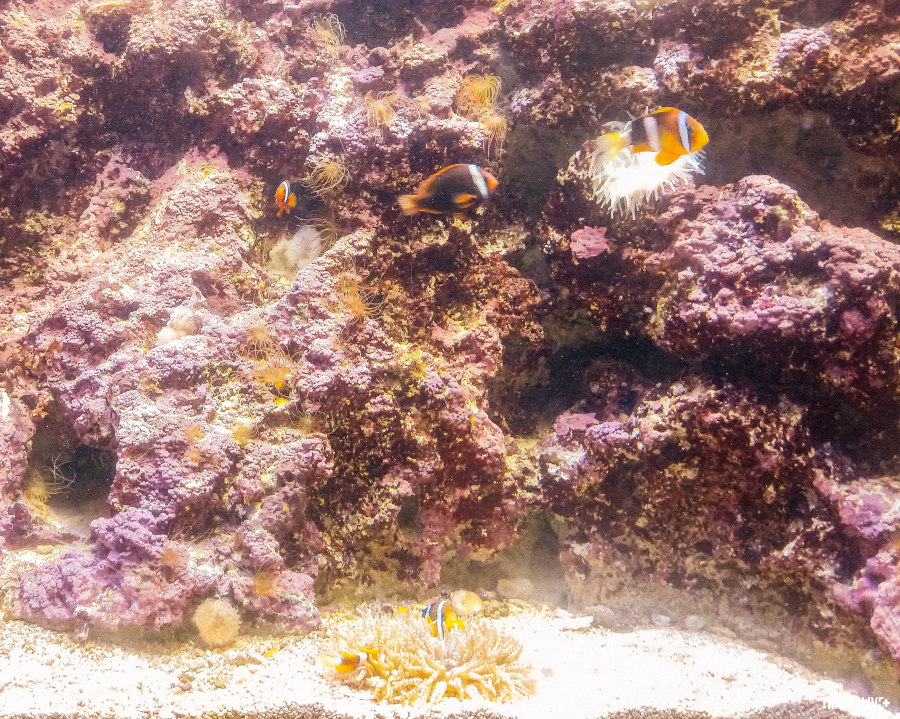
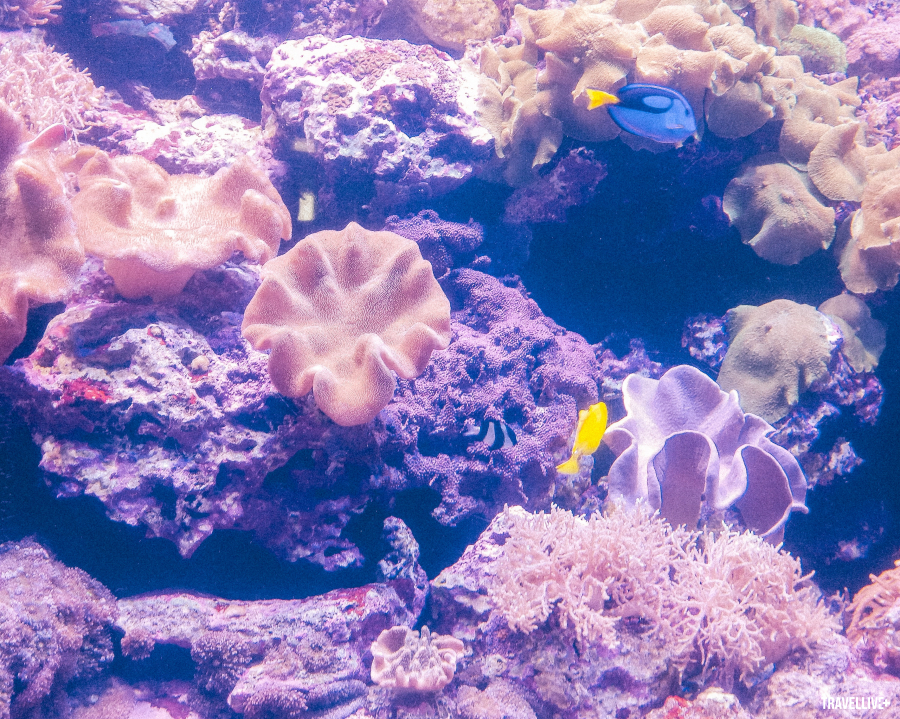
The themed areas within the aquarium are Coral Kingdom, Waters of Taiwan, and Waters of the World. In the Coral Kingdom area, there's a large exhibition hall housing coral reefs from various habitats, ranging from shallow waters to the deep ocean. It's then that you realize how different environments, based on water depth, sea topography, and pressure, alter the shape, color, and species of coral. This is also the area with the most overnight bookings; the feeling of sleeping amidst thousands of vibrant corals is truly exciting. However, the coral tanks are actually dark all night, and you can only view the coral using natural light in the early morning. The Underwater Tunnel extends to this area, where visitors can see artificial shipwrecks submerged at the bottom of the water in The Deck, creating a realistic scene. Here, there's also a large glass enclosure housing very cute and friendly beluga whales, catfish, eels, sharks, stingrays, flounder... and colorful clownfish like "Nemo".
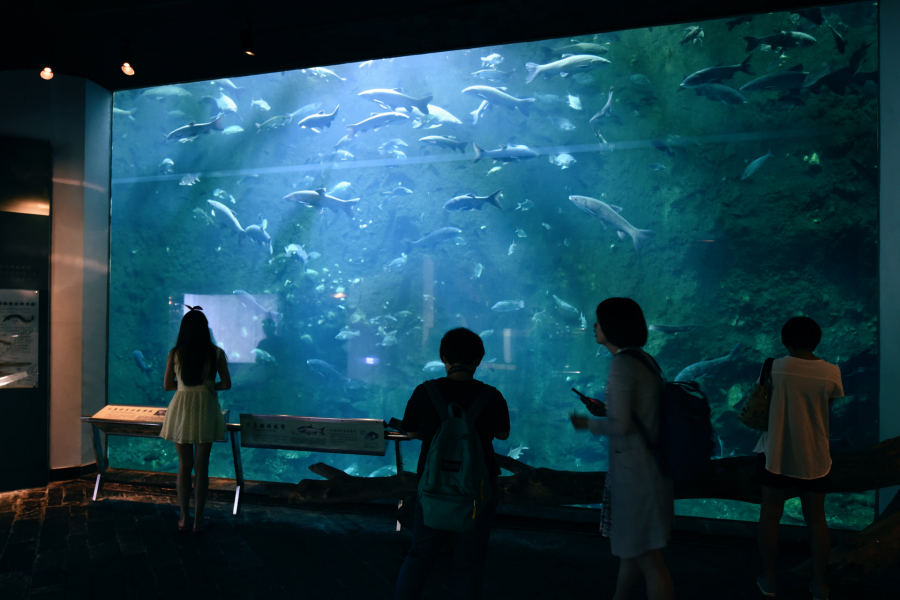
Waters of Taiwan
Waters of Taiwan preserves and nurtures marine life not only in Taiwan's waters but also in the river and lake ecosystems within the territory. Most uniquely, this area features a large glass window from which visitors can admire a vibrant miniature ocean in the eastern waters of Taiwan. Visitors can spend hours gazing at the strange and unique marine creatures swimming around them.
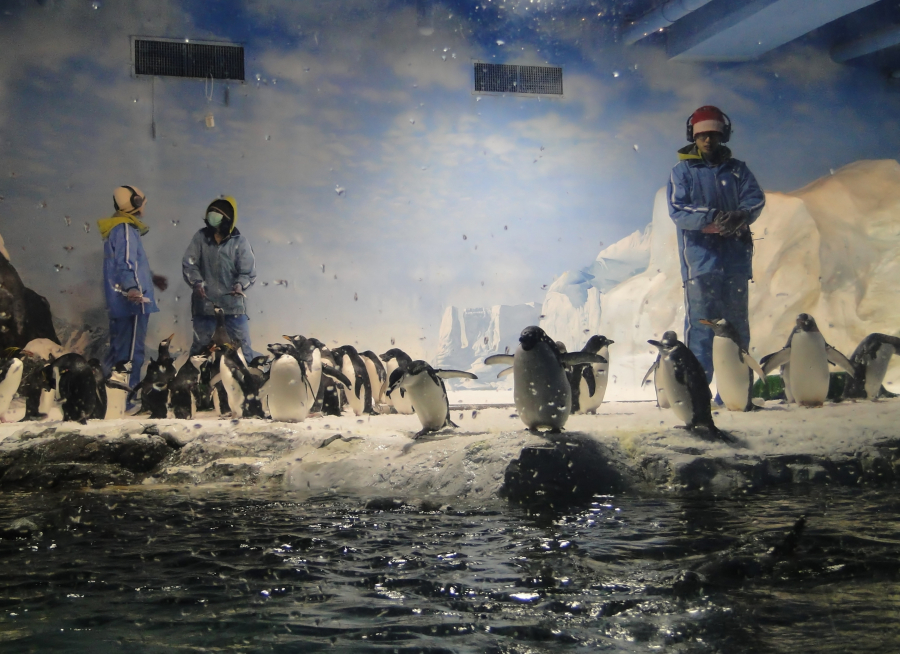
Polar Seas area in Waters of the World
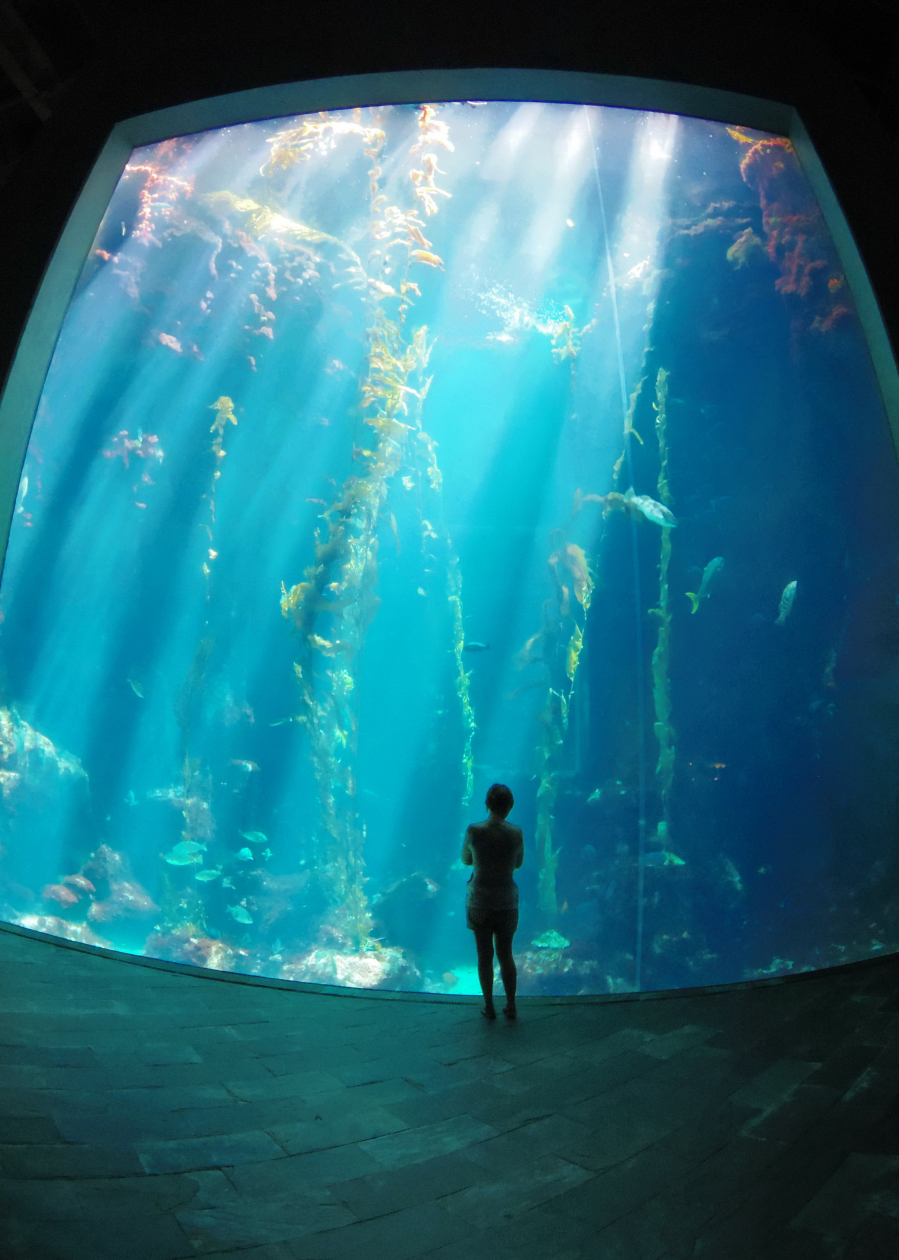
Giant kelp forest in Waters of the World
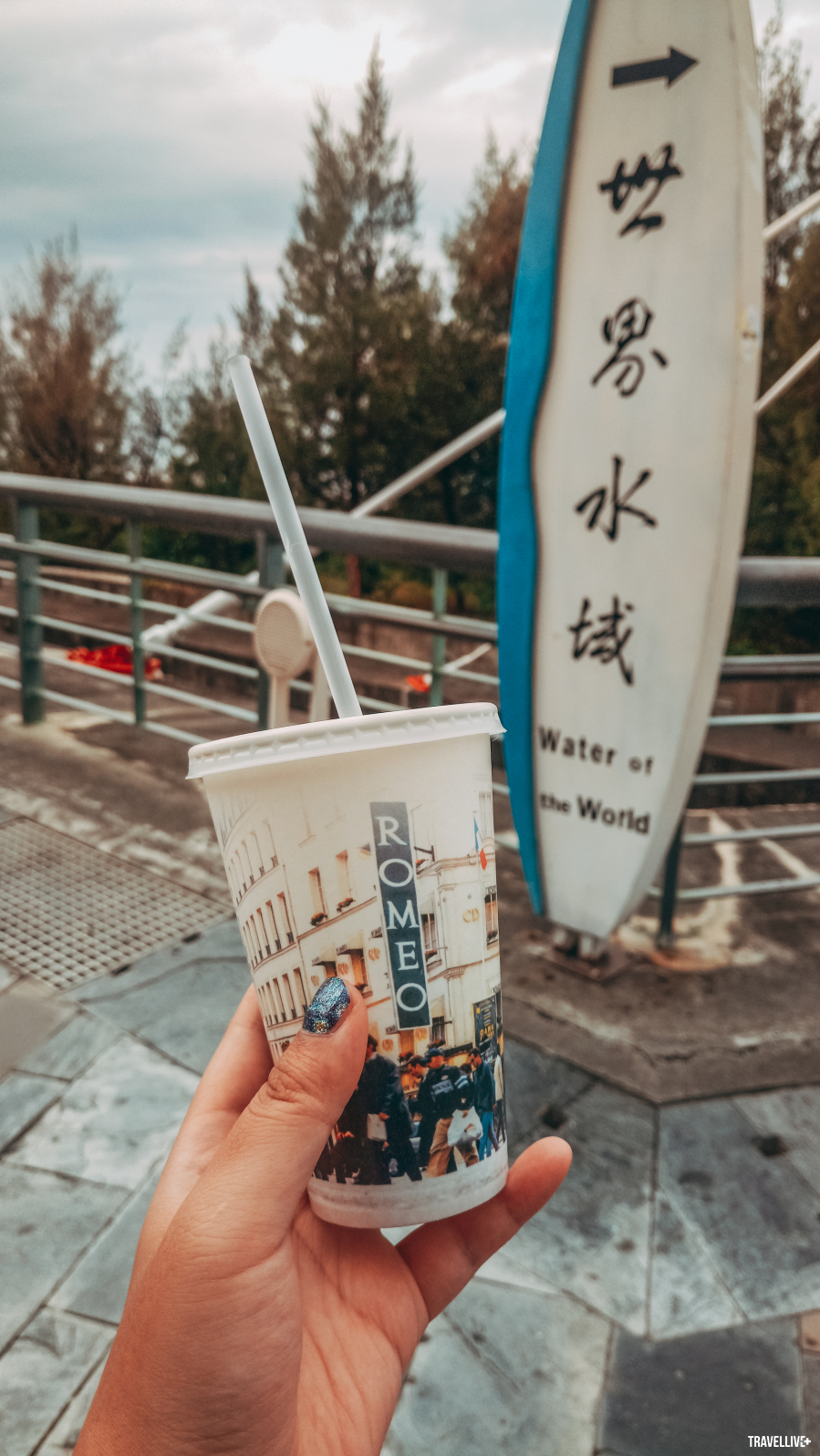
Waters of the World is an area that uses state-of-the-art technology to tell the story of the formation of the world's oceans. Visitors will be guided through different stages and regions of the world's oceans, such as the Polar Seas (Arctic and Southern Oceans), home to various penguin species, the Giant Kelp Forest, and Dr. Shark (deep-sea sharks). The area also provides visitors with cutting-edge technology, such as 3D glasses, to experience a vibrant and lifelike world of marine life. Those who enjoy sleeping while watching penguins should choose the Waters of the World area.
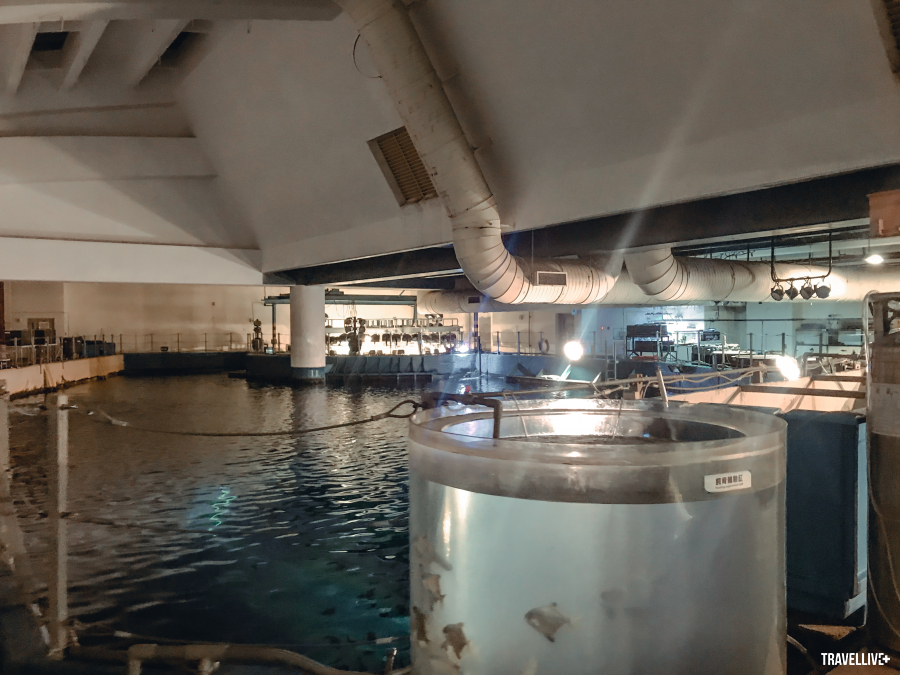
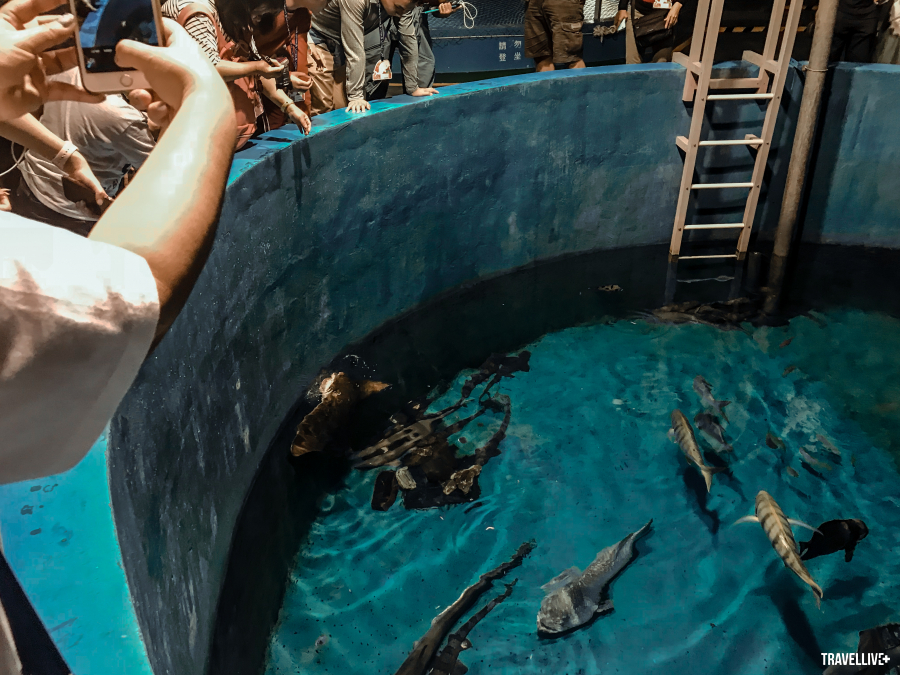
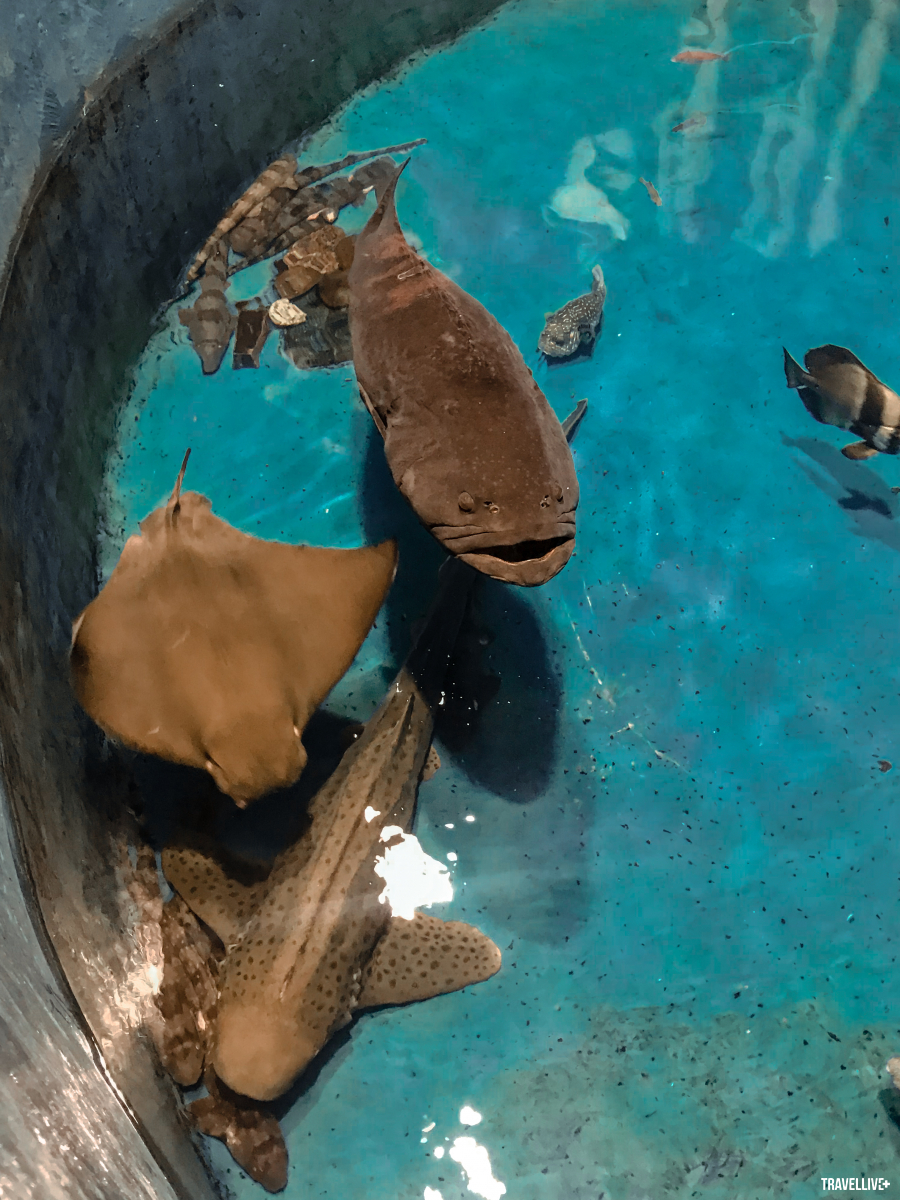
All aquarium visitors can explore these areas, but the unique behind-the-scenes tour and interaction with the incredibly friendly marine creatures are reserved for overnight guests. We were shown how the aquarium operates, how fish are bred, how they are cared for and fed, and how the machinery and equipment supporting the operation of the large tanks are maintained… Although the guide didn't speak English, seeing it firsthand made it easy to understand.
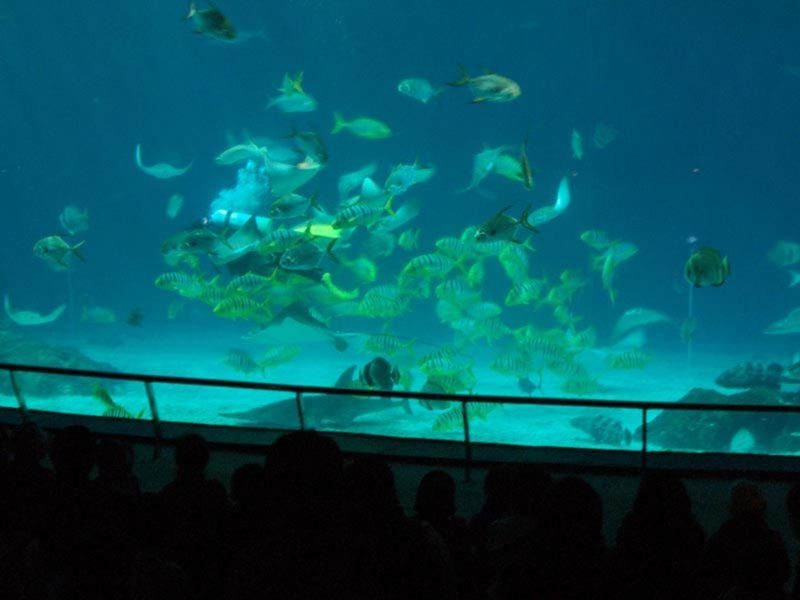
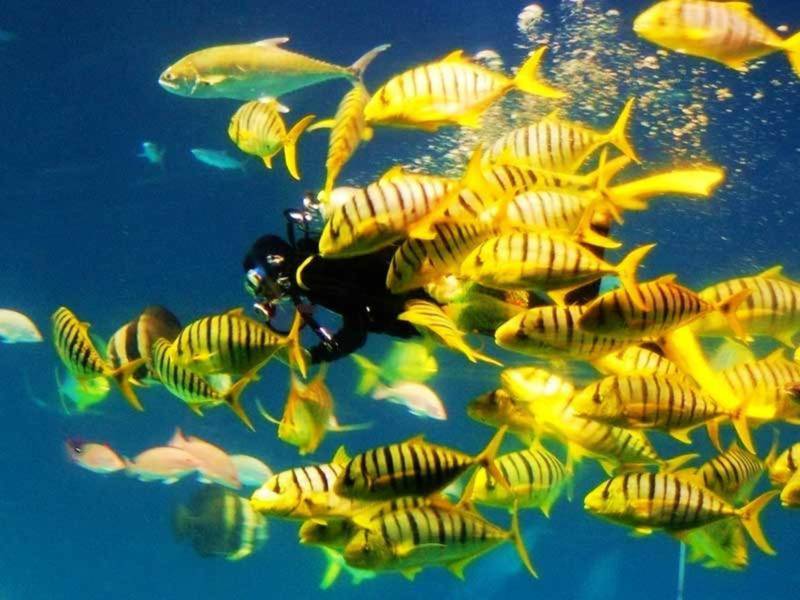
Afterward, we had free time to freshen up, change into our pajamas, and were offered a small bowl of sweet soup for a late-night snack. Around 10 pm, all the lights were turned off, and the guide used a specialized flashlight to lead us on a tour of the areas at the bottom of the tunnel. We were not allowed to use our phones to shine light or take photos with flash at the fish tanks, as this would negatively affect their natural sleep. This was an extremely impressive experience for me. Instead of brightly lit, colorful fish tanks, this level simulated the life of marine creatures at the bottom of the ocean. It was almost pitch black around me, with only a faint light from the guide leading the group through the tunnel. The glass dome above was also dark; I could only vaguely see the swirling seaweed and the fish floating peacefully asleep.
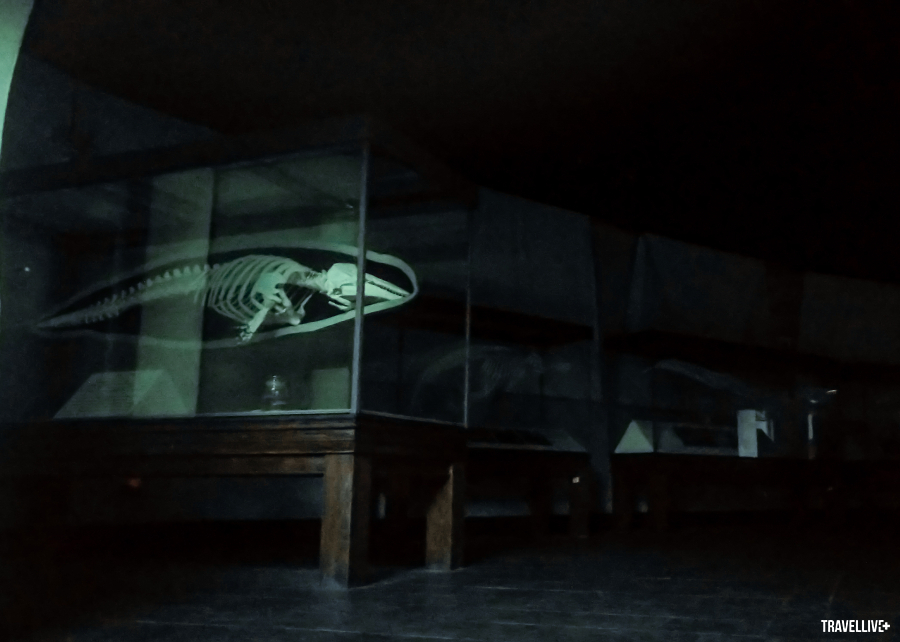
Nighttime in the museum can be a little scary too.
Afterward, we were led to our pre-registered sleeping quarters, which could be one of six locations: Waters of Taiwan, Underwater Tunnel, Beluga Tunnel, and Sunken Ship (in the Coral Kingdom area), The Polar Zone, and Kelp Forest (in the Waters of the World area). I chose the Beluga Tunnel. In front of me was a large glass tank, but it was completely empty. The guide said the whales had gone to sleep. This was the most anticipated part, so I was very disappointed. Aquarium staff brought out blankets and mattresses, and visitors spread them out on the floor as instructed. That day, about 100 visitors slept overnight at the aquarium, but most chose to sleep with penguins and coral; only about 10 chose the beluga whales like me. A little later, the lights went out. Lying in the middle of the vast, silent aquarium, surrounded by darkness, with only a few small green lights indicating the way to the restrooms, I truly felt like I was at the bottom of the deep sea.
Whales call the sun.
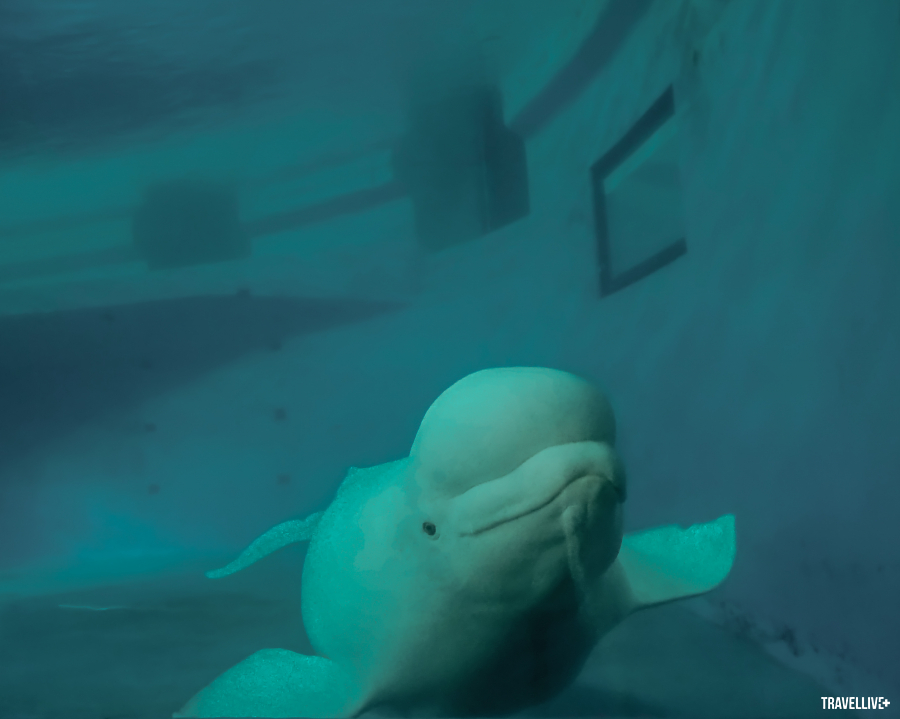
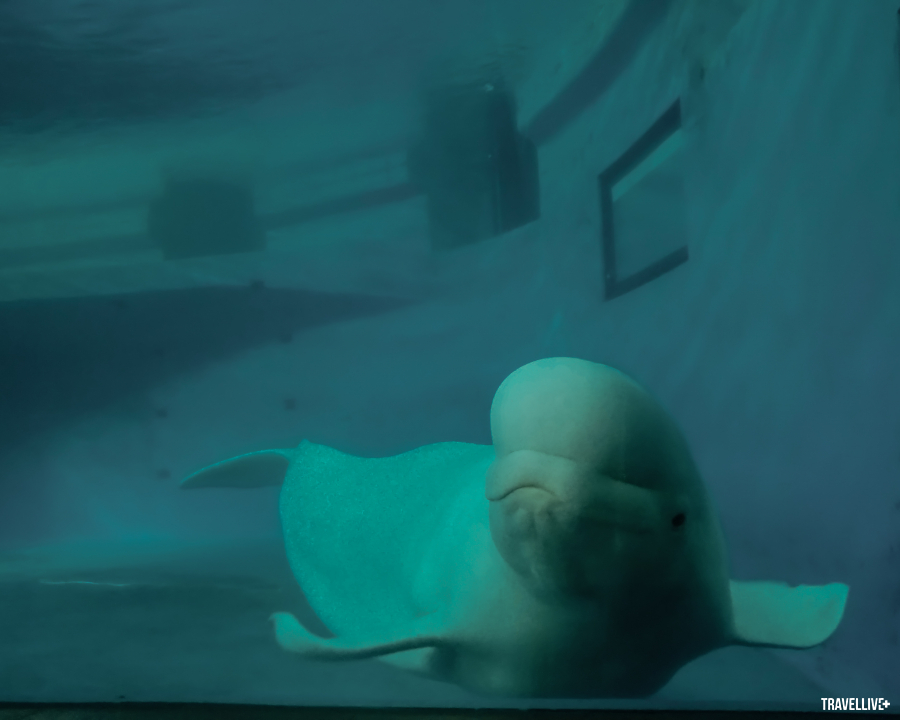
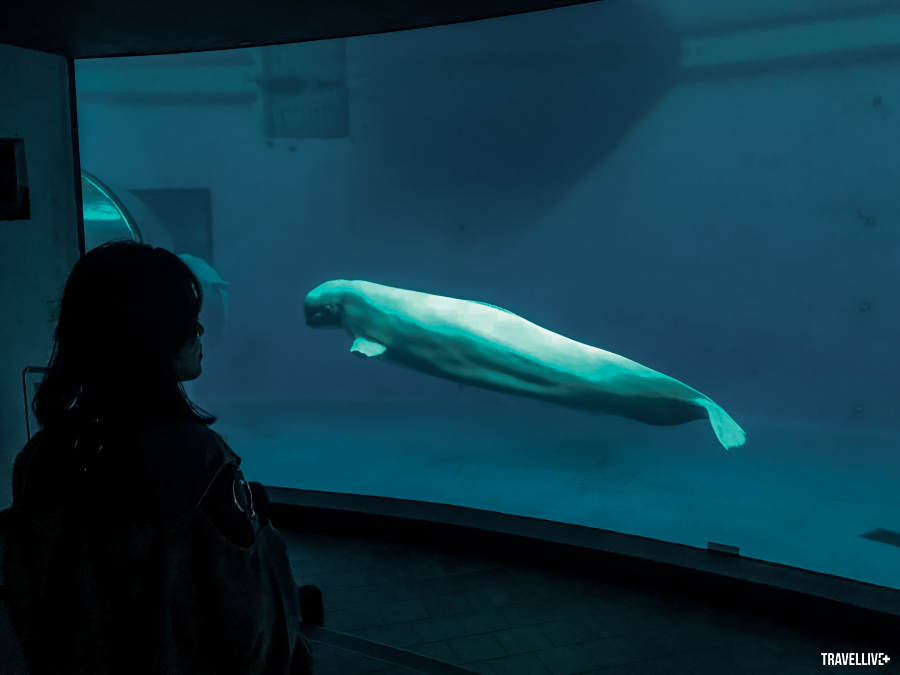
Around 5 a.m., I woke up to the sound of rushing water like a waterfall. Then there was a loud banging on the glass. Opening my eyes, I was startled to see huge dark shadows flashing past my head. They were beluga whales, awakened at dawn and trying their best to get the attention of the overnight guests. I sat there, watching them swim around and do all sorts of silly things in front of me, and I truly felt that all the hard work on this trip was worthwhile. This was much more fun than whale, dolphin, or seal shows. The whales that perform are trained to do funny things according to their trainers' wishes. But these whales in front of me, no one taught them to do these mischievous tricks of spraying water and banging on the glass. They were raised like wild whales, and they teased us because they wanted to, they woke us up because they wanted our attention, like little children.
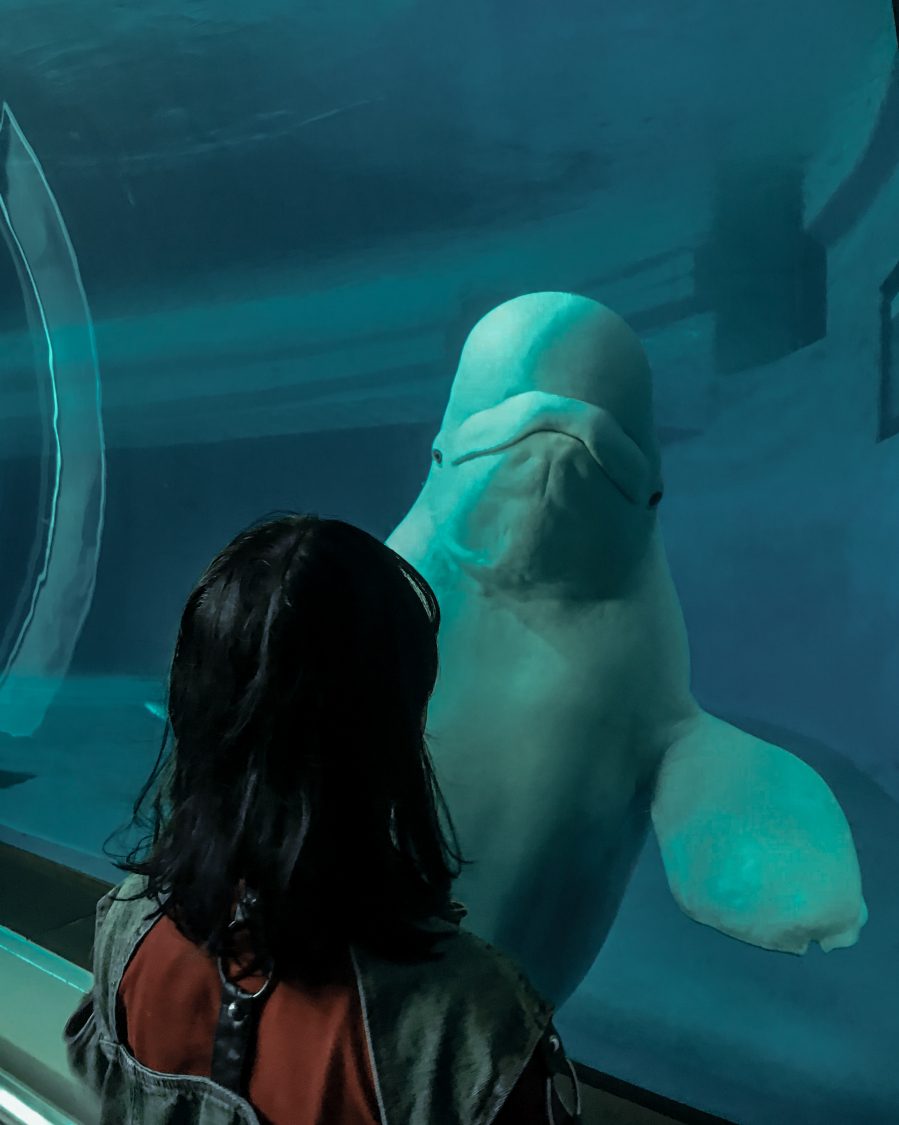
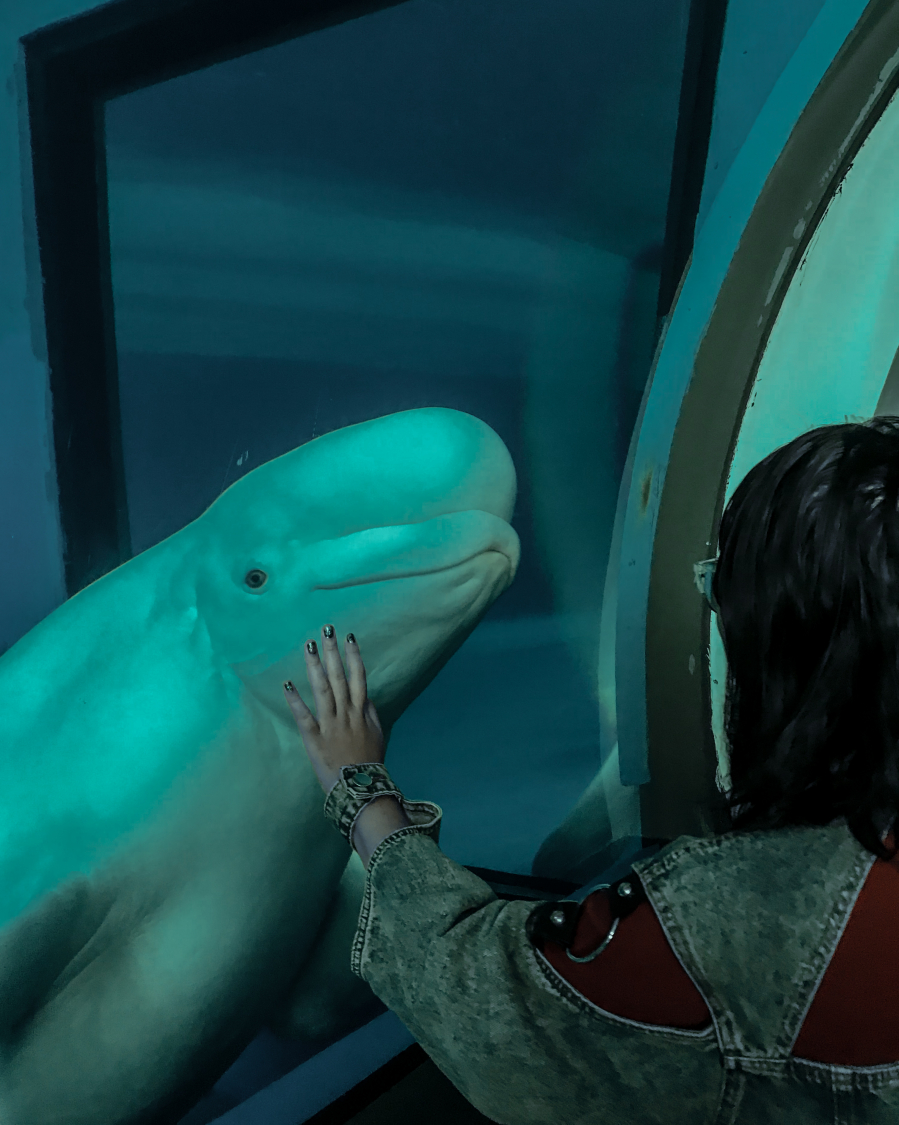
The other guests woke up one by one, and we just sat there watching the fish, or walked closer to the glass and tapped on it to receive their toothy smiles in return. When it was fully light, a frogman swam into the tank to feed the fish. The fish then scattered, no longer paying attention to the guests. Just then, an aquarium staff member came to wake everyone up and gather them together. We had a little time to freshen up and then had breakfast and a drink – not tea or coffee, this is Taiwan – of course, milk tea. Afterwards, we were led through the tunnel and the glass tanks to watch the frogmen feed the fish. Because my friend and I arrived late last night, we only now got to see the schools of fish excitedly swimming and splashing their tails in the natural light. This was also a show only for overnight guests, as the aquarium hadn't opened to new visitors yet.
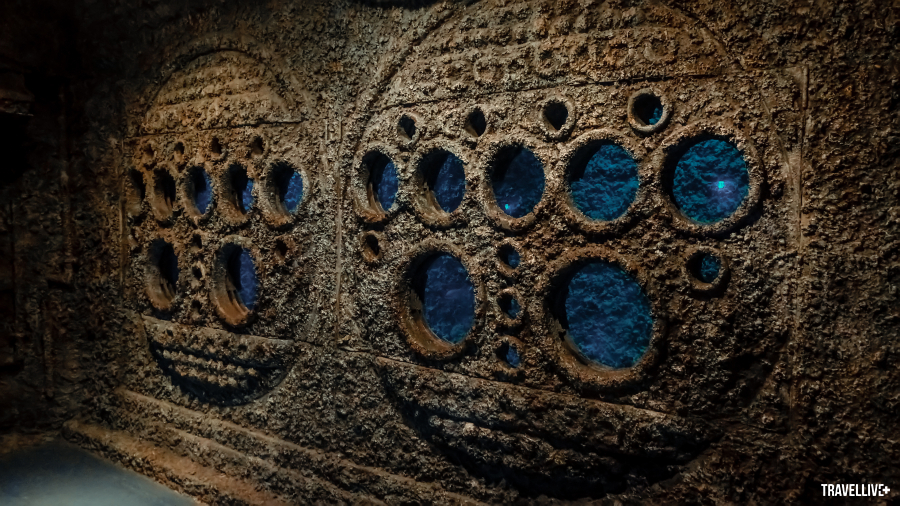
Inside and outside the glass tank are realistic-looking shipwrecks.
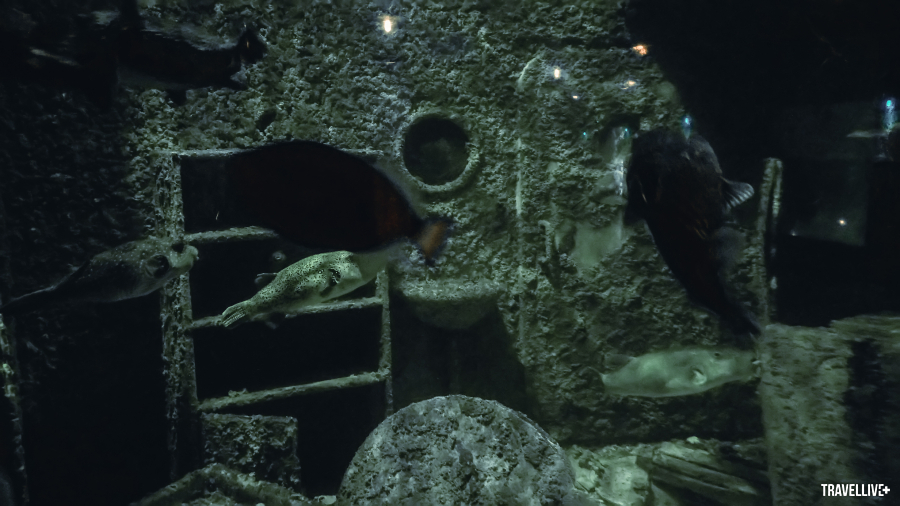
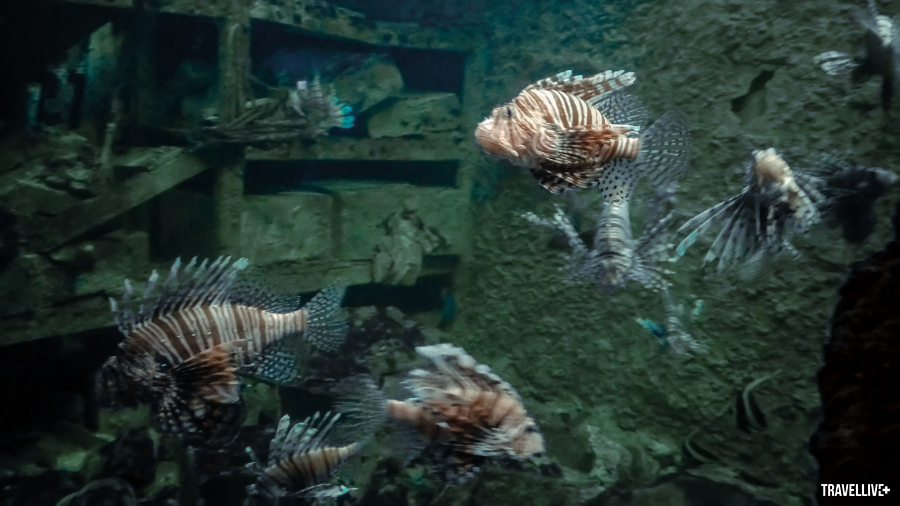
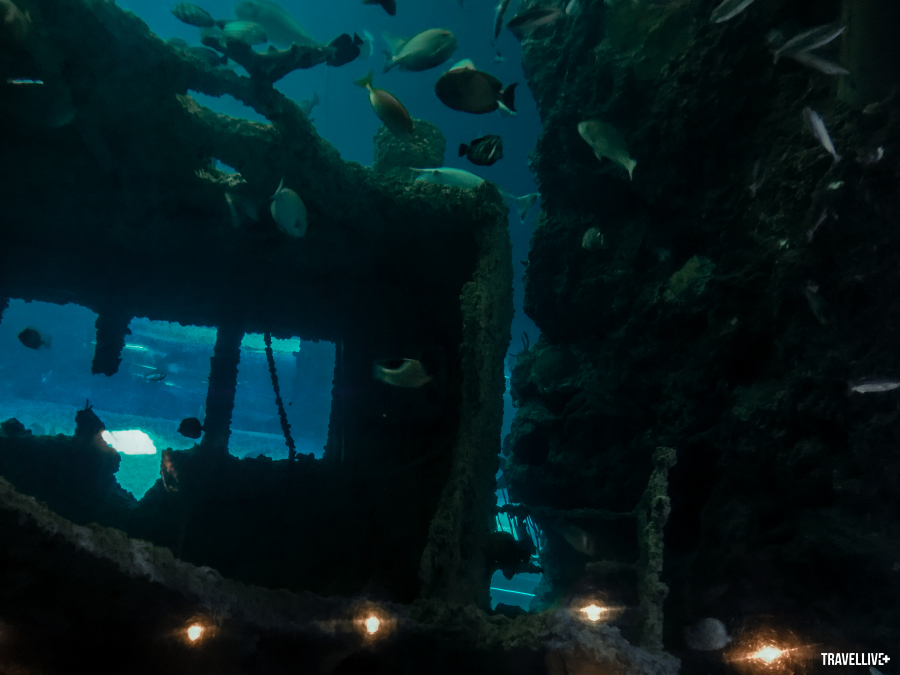
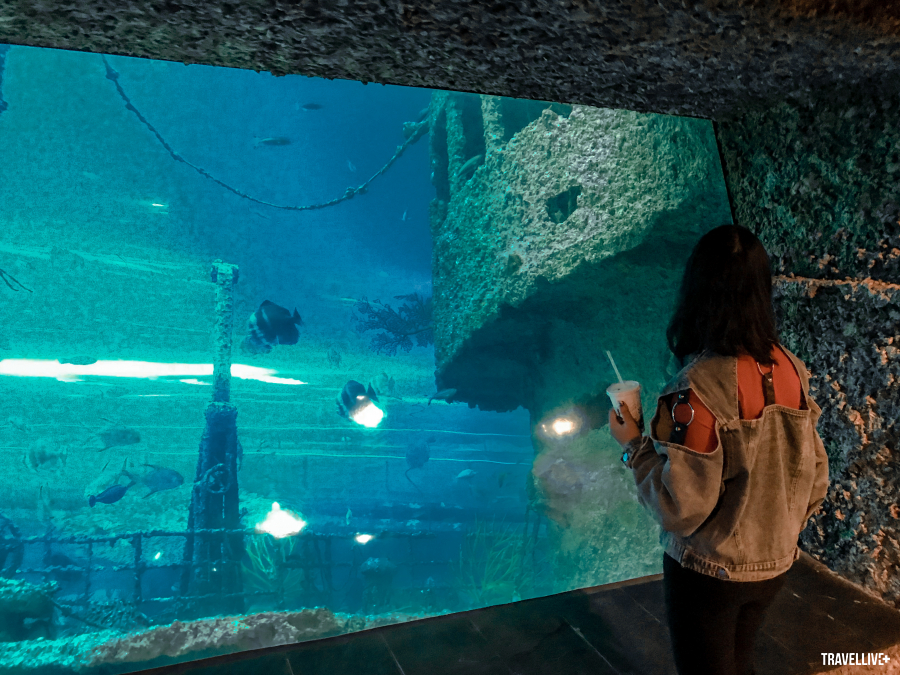
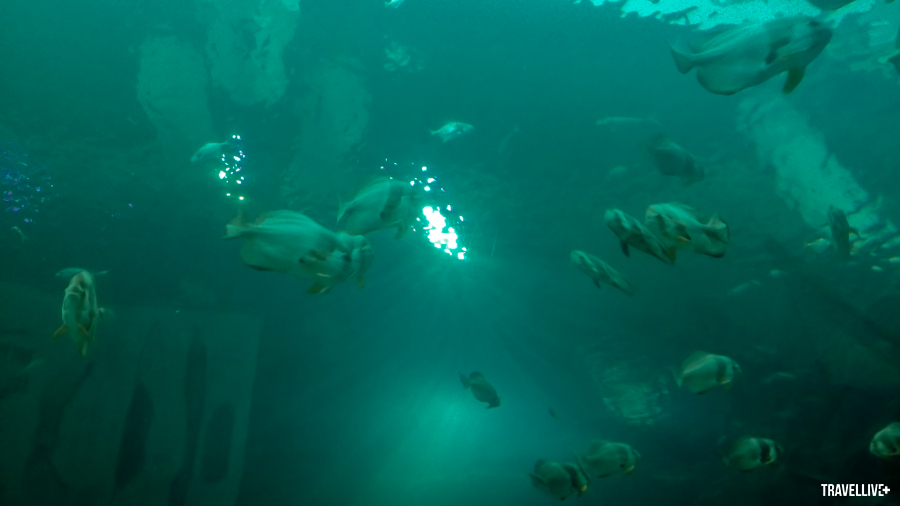
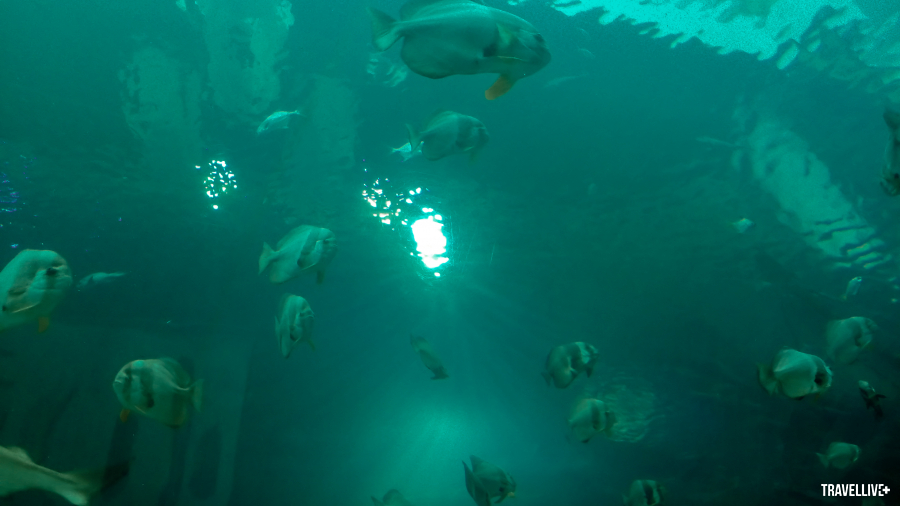
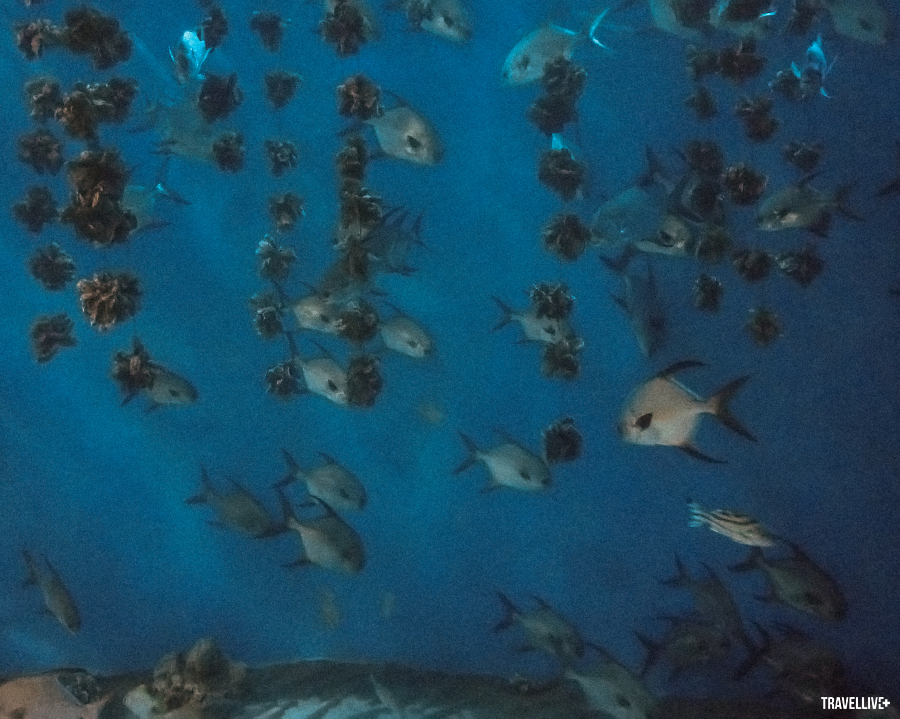
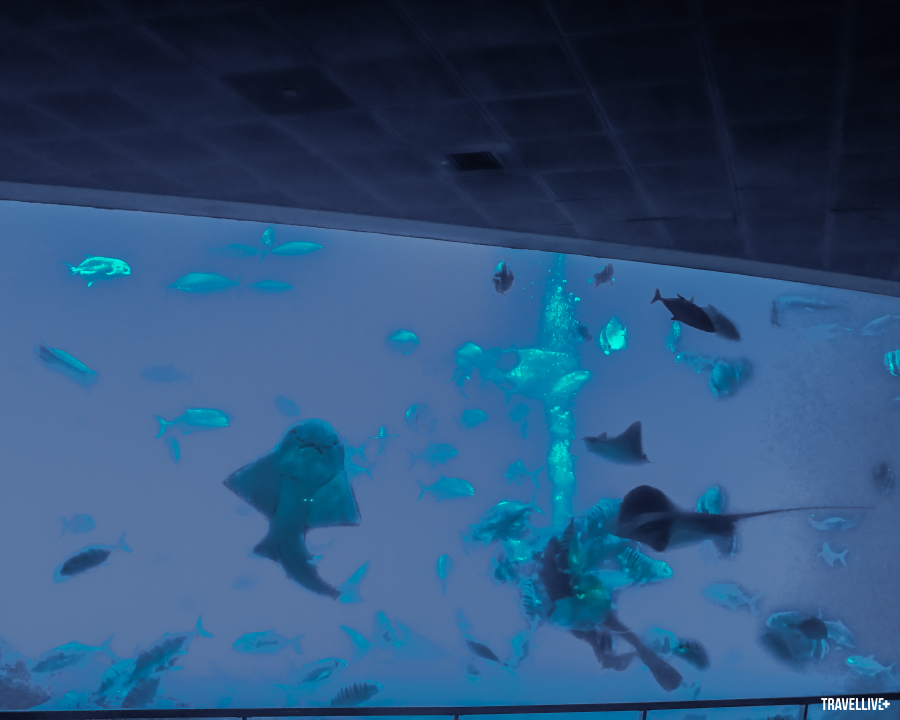
Watch the frogmen feed the fish.
Afterward, the entire group was led to an auditorium to watch and listen to a presentation on environmental protection and marine life. However, the program was in Chinese, as were the accompanying materials, so I didn't find it very interesting. After the "class," we were taken to the beach to see firsthand the structure of the sand and rocks along the coast, to understand the layers of Taiwan's marine ecosystem and tidal zones.
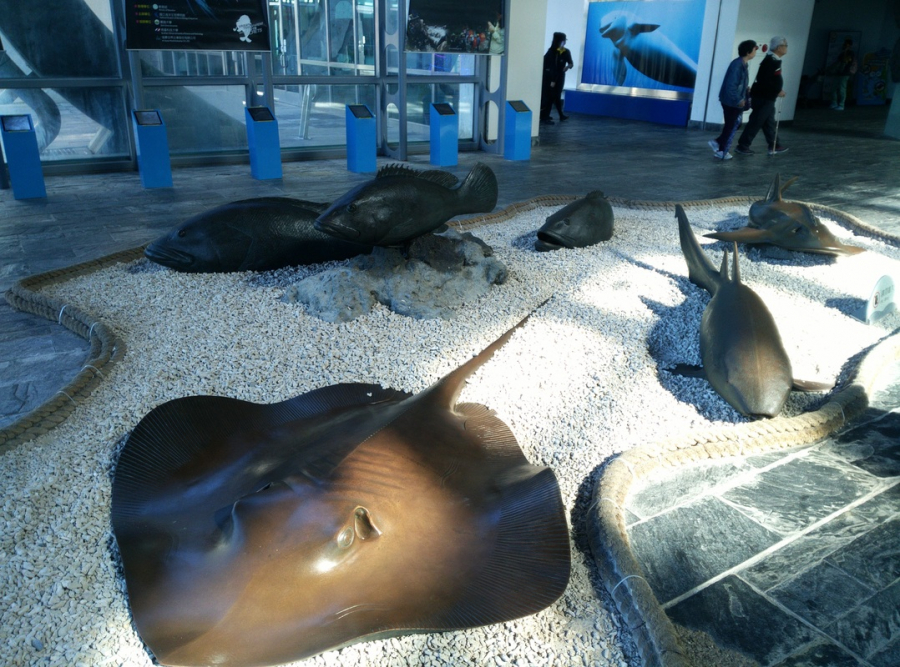
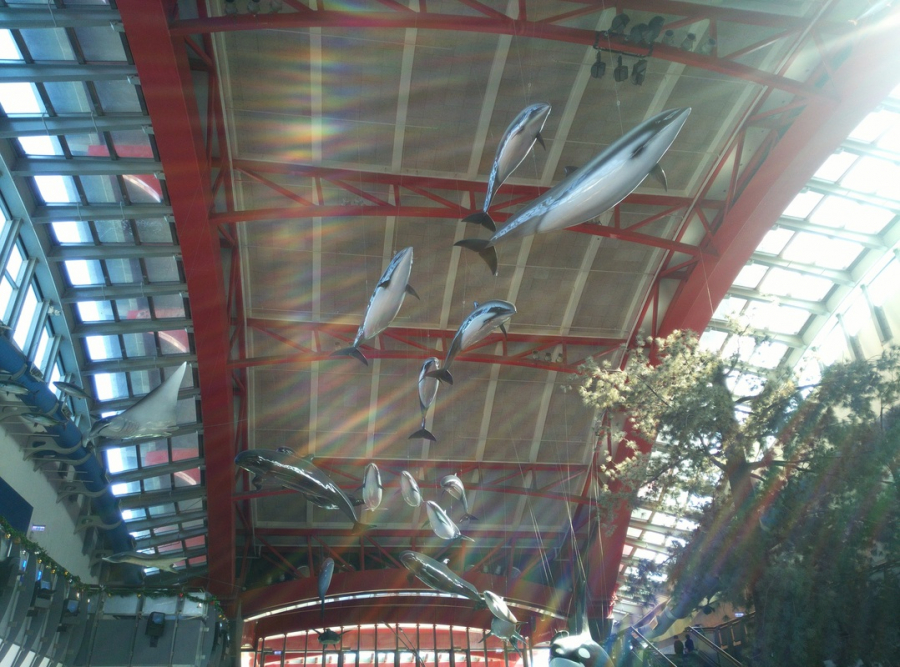
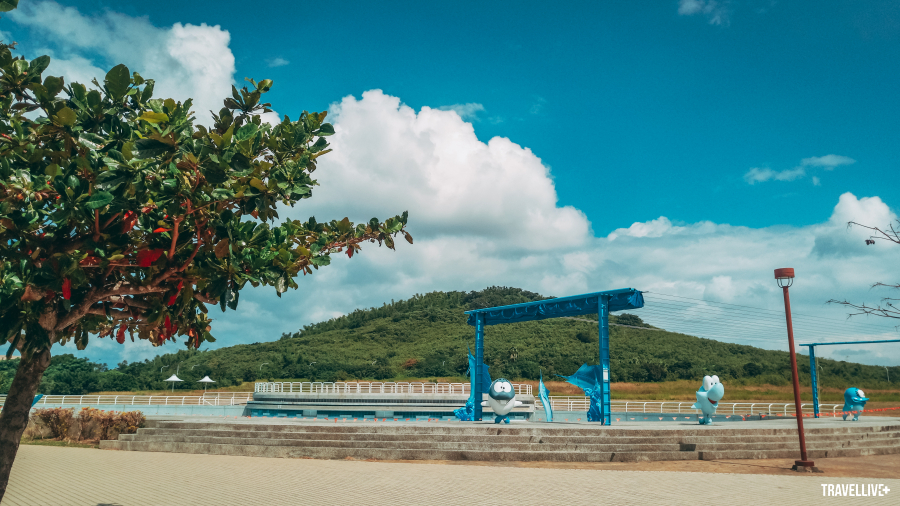
The symbol of Kenting Aquarium
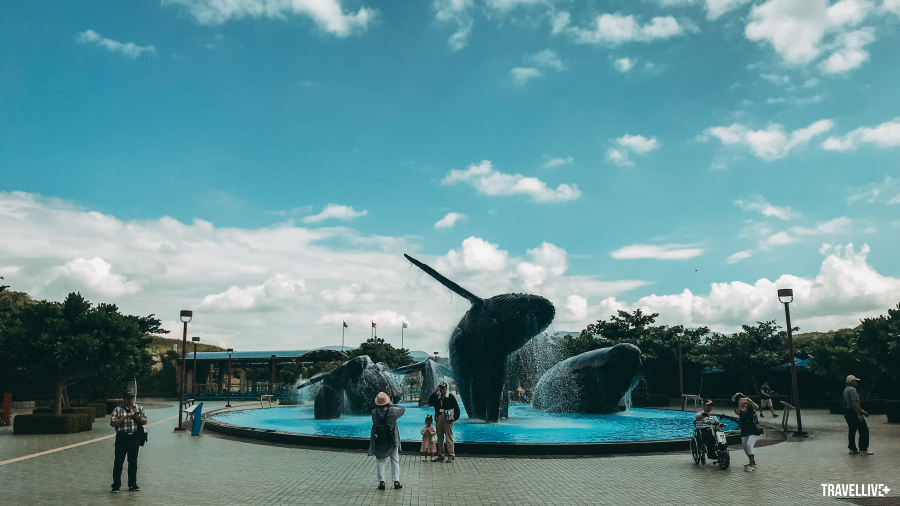
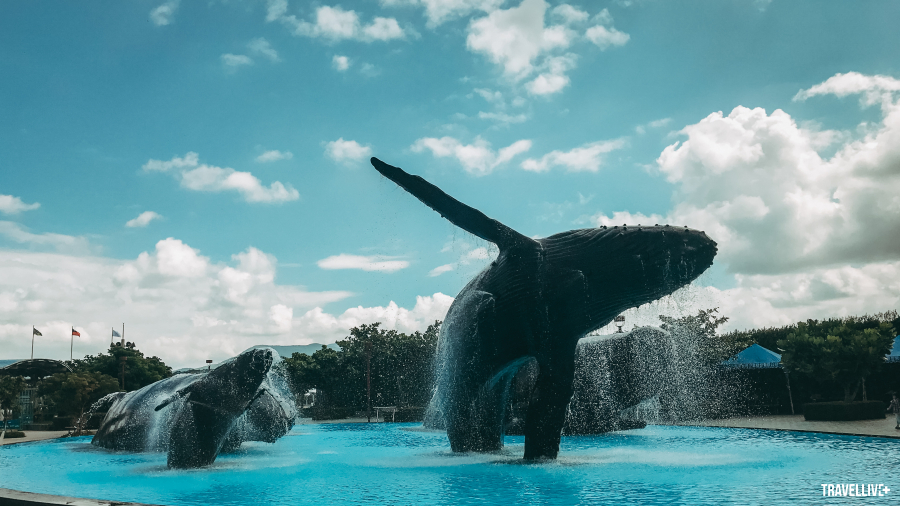
Whale Fountain
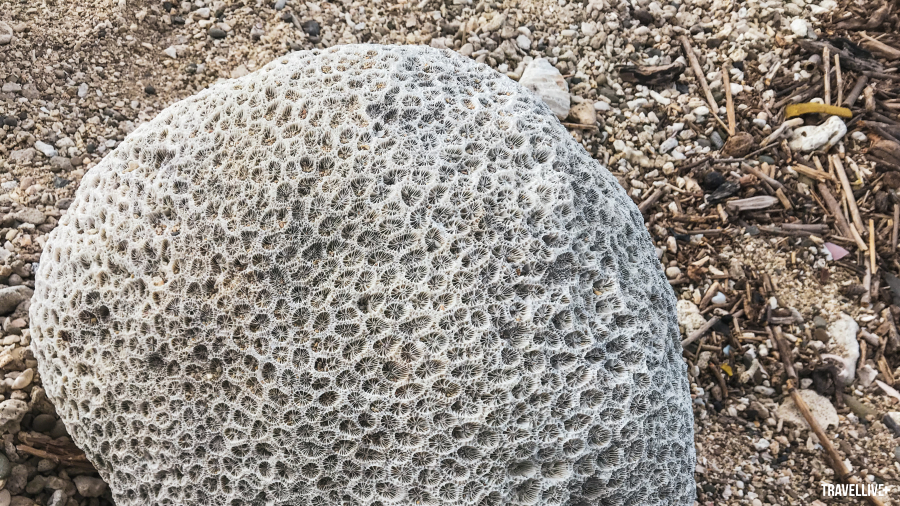
Ancient markings on the rocks
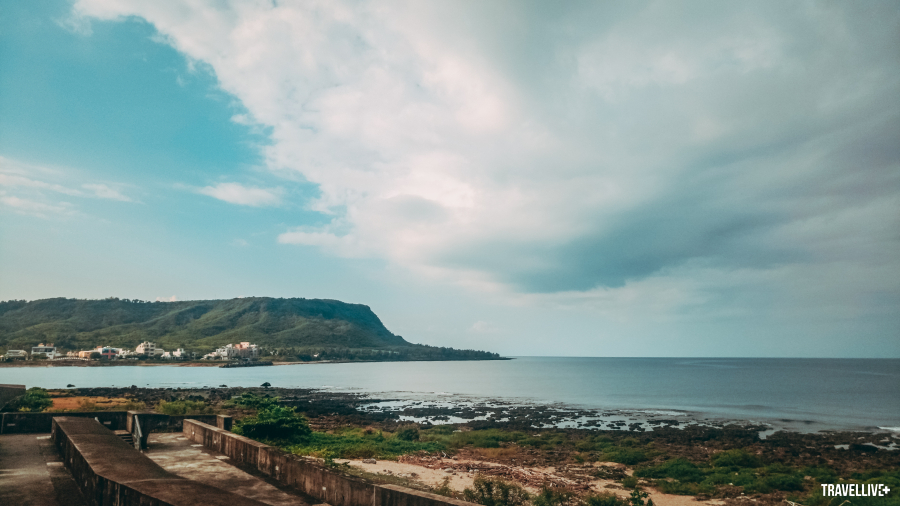
The beach within the aquarium grounds.
By 11 am, our tour was over. Many families with young children stayed to play for the rest of the day, because the aquarium was very large, with a food court and many fun activities like snorkeling, canoeing, and clam digging... But we decided to leave. At the bus station, some of our fellow tour members boarded the shuttle bus to continue their trip to Kenting, while we waited for the bus to return to Kaohsiung. But when the bus arrived, we weren't allowed on because we had only bought one-way tickets the day before. And this was just a stop, not a ticket counter, and they didn't sell tickets on the bus either, unlike the leisurely buses in Vietnam that pick up passengers along the way. Only now did I realize my mistake from yesterday: I hadn't bought a return ticket. Now there was no other way; we had to take a local bus to Kenting city center to find a ticket counter to buy tickets for the bus back to Kaohsiung.
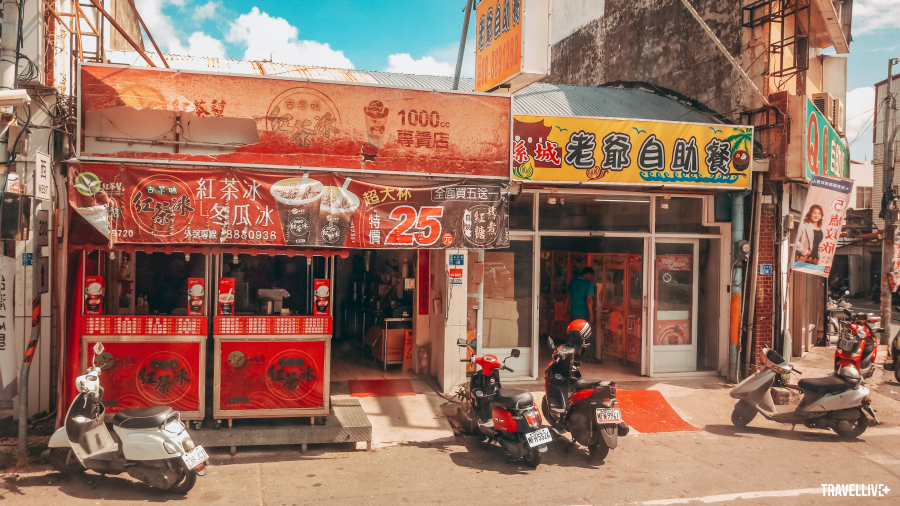
Lunchtime in Kenting
We had to wait a long time under the scorching midday sun, surrounded by a desolate wasteland dotted with only a few coconut trees, before a bus finally stopped. The door opened, and we were startled to see the driver's blood-red smile. It took us a moment to compose ourselves before remembering that Taiwanese people still traditionally chew betel nut. At the bus station, or perhaps the former bus station, we were disappointed by Google Maps' unreliable directions: the ticket counter was closed or had moved long ago, leaving only a dusty vending machine. After nearly two hours of searching and getting lost, we were both exhausted and helpless. But fate wasn't on our side. As we trudged along the deserted road, a car pulled up like a savior. The driver asked where we were going. Kaohsiung? He was also on his way to Kaohsiung delivering goods, and we could share the ride. Only 400 TWD per trip all the way to Zuoying station for two people. Of course, we agreed immediately. It was still the same mountain road, but the ride was so smooth today. So it wasn't because of the bad road or our poor health, but because of that "high-speed" bus. We recalled that stormy 168 TWD per person per way bus ride and laughed and cried at the same time; if we had known this, we would have hired a private car from the start.
The rest of the journey was uneventful, except for one passenger who boarded the vehicle for a short distance and got off before reaching Zuoying station. It was quite a bumpy ride, mostly due to my own carelessness. But was it worth it? Absolutely, it was worth the chance to experience sleeping at the bottom of the deep sea and being woken up by giant whales. Even now, looking back, those detours have become memorable moments, clearly more significant than a smooth, uneventful trip.
National Museum of Marine Biology and Aquarium
Address:No. 2, Houwan Road, Checheng Township, Pingtung County, Taiwan 944
government: https://www.nmmba.gov.tw/En/