VI
VI


Climb the mountain to find "Taiwan's best noodles"
There are no public transport options from Taipei that lead directly to the Shi-ding hillside area in New Taipei City; the only way to get there is by taxi. I stumbled upon this place through a friend who lives in Taipei. Since I decided to go on a Monday and my Taiwanese friend was still in school, all she could give me was the name of the noodle shop in Chinese and its address. However, she enthusiastically bookmarked it on Google Maps to make it easier for me to find.
Along the way, the driver, Wei Li, unexpectedly told us to get off at a steep section of road, which confused us because it didn't seem like our destination. "Get off here, this is a great spot for photos!" the driver urged again, making my boyfriend and I chuckle. But the scenery before us was truly breathtaking; we could hardly believe we had only left Taipei 30 minutes earlier.
It turned out that the landscape before me was Thousand Islands Lake – I had never known of its existence. Sun Moon Lake was probably the only lake in Taiwan I had ever heard of. True to its name, Thousand Islands Lake, tiny islands sprouted up like mushrooms in the middle of the lake. At that moment, I wished I could fly to capture this magnificent scene.
But the main purpose of the trip was the noodles, which were still ahead. After many twists and turns and another half hour in the car, we finally arrived at our destination.
"This is the most famous noodle shop in the area, maybe even the most famous in Taiwan! You guys must be real foodies," Wei Li boasted to us, while I simply smiled, knowing I wasn't one of them. It was my curiosity that drove me all the way here.
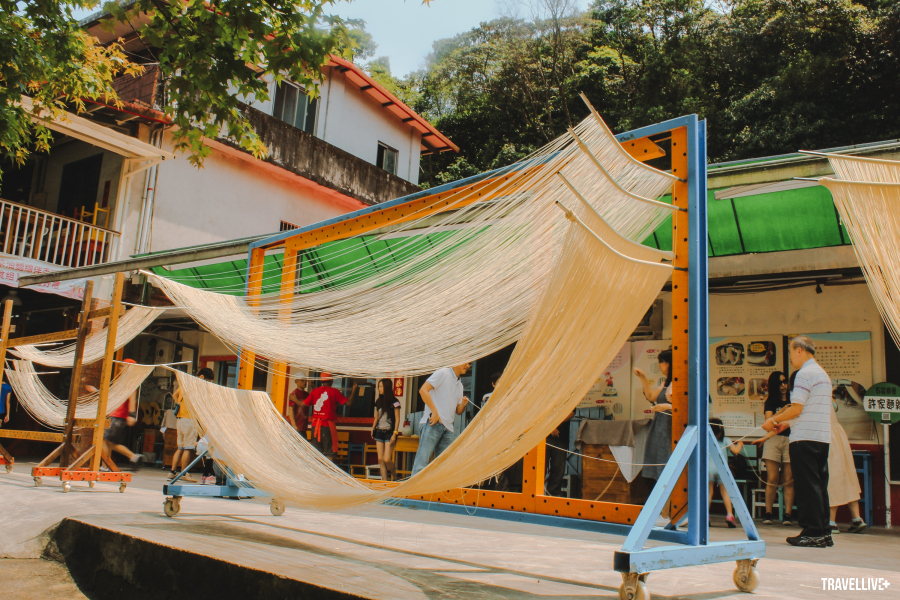
The shop is located on a slope off the main road. It wasn't overly crowded, but considering its hard-to-find location, the noodles must be exceptionally good to attract locals who would drive all the way here to try them. We were the only two foreigners in the shop. The driver even went in before us to order a bowl of noodles for lunch. "Most of the customers here are from Taipei or neighboring provinces; I rarely hear of anyone from Vietnam or any other country wanting to eat here," Wei Li explained.
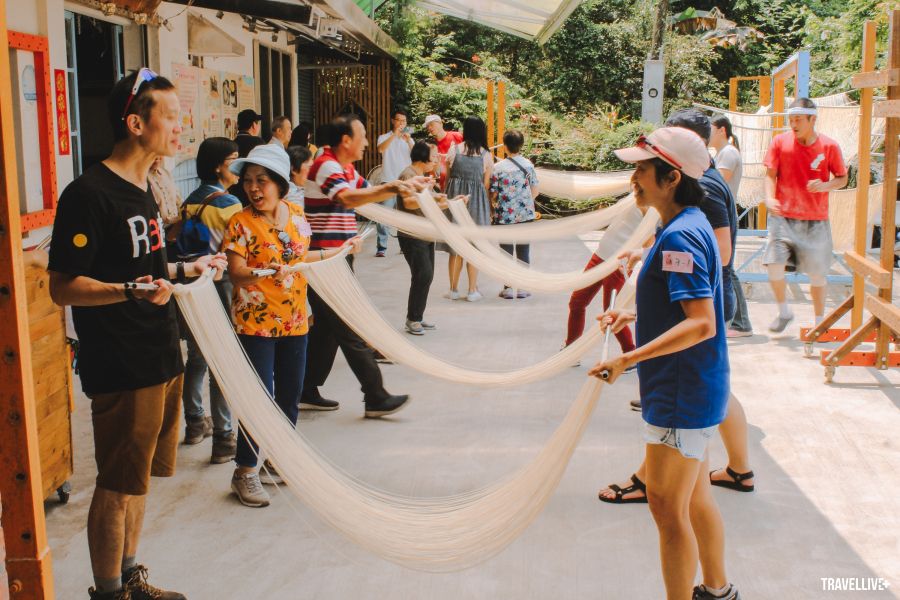
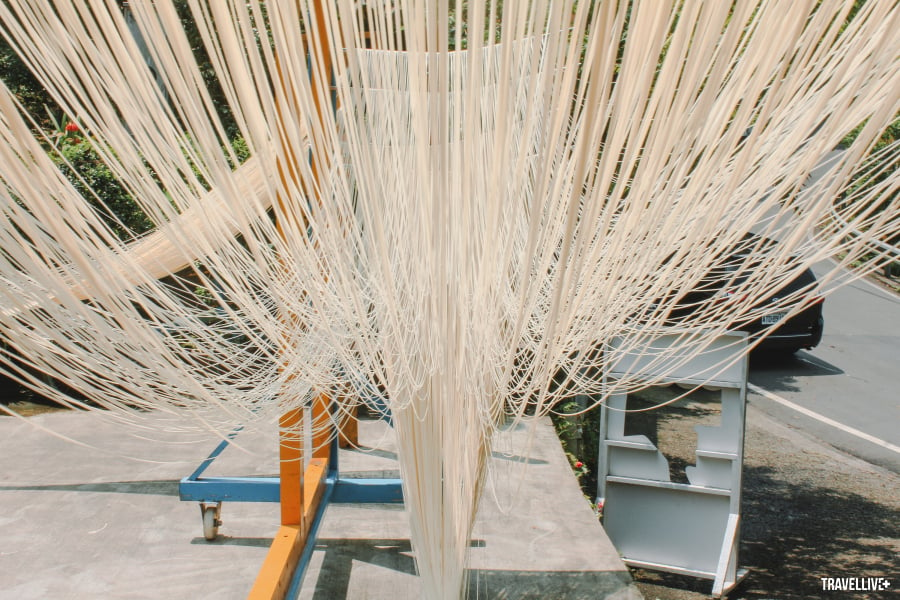
Hsu Noodles is the name of the restaurant, named after the owner. Here, diners not only get to enjoy delicious food but also participate in the basic steps of making the famous noodles. Although I didn't directly participate, I was quite excited watching customers knead the dough or whip it into noodles. But the most important step—kneading the dough to achieve the perfect balance of flavor—remains the responsibility of the sifu (master noodle maker).
To produce the finished noodles, sifu must go through nine elaborate and laborious steps: from mixing the flour with salt water and the fermented dough from the day before, kneading the dough by stepping on it, cutting the dough, stretching the dough, weaving the dough, stretching the dough again, drying, cutting the strands and bundling them, and finally boiling the noodles and soaking them in cold water for 10 minutes.
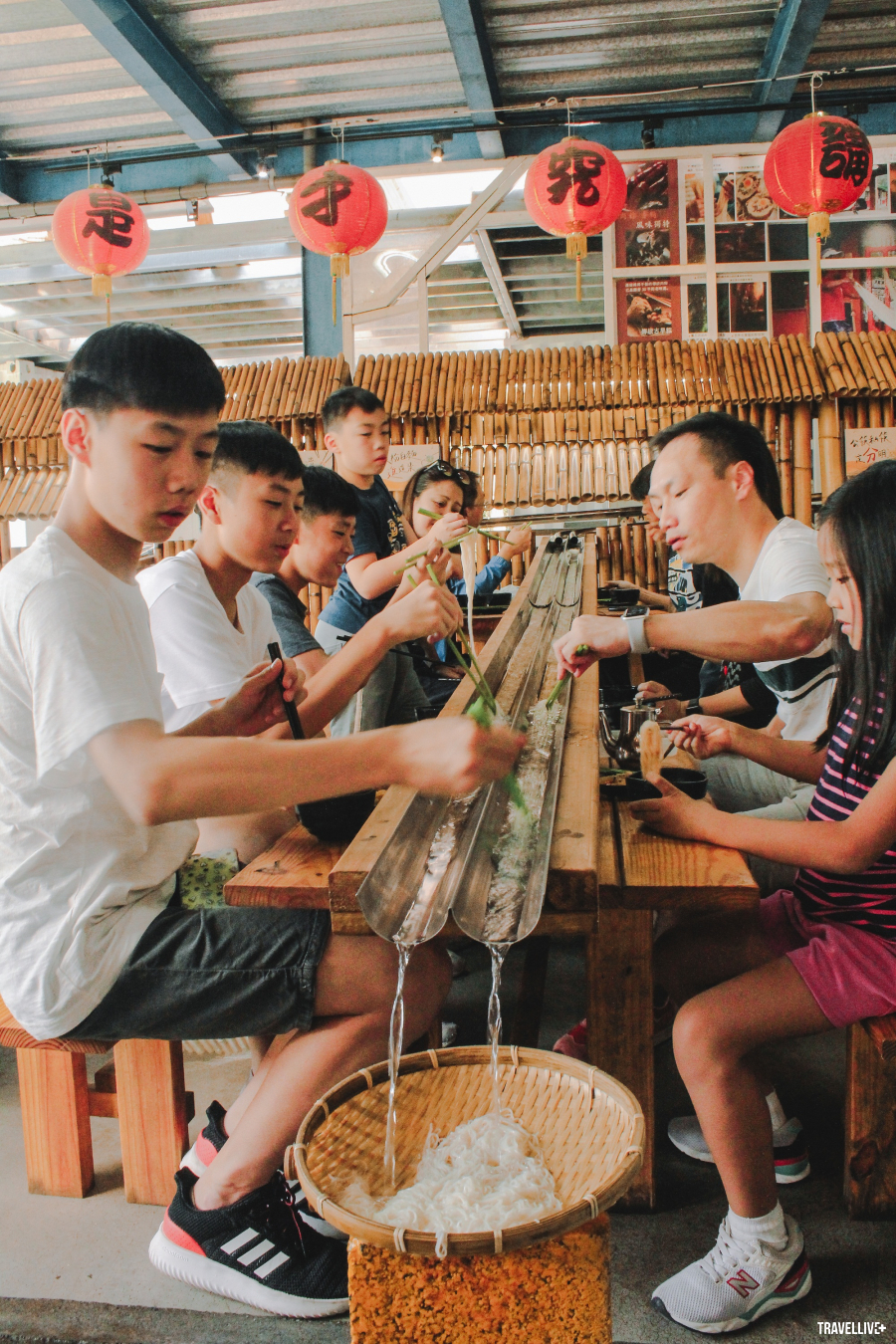
Hsu Noodles offers two main ways to enjoy noodles: in a bowl or in Nagashi Soumen (noodles served with bamboo tubes filled with flowing spring water). While the Nagashi Soumen method is popular in many prefectures in Japan, this is a rare place that incorporates this art form into Taiwanese noodles. A single Nagashi Soumen meal will cost you 250 NTD, but you'll get to enjoy plenty of fresh, delicious noodles served with spring water.
Hsu Noodles offers three types of noodles with three different colors: white (the original), light green made with green tea, and a lovely light pink made with fermented rice. All are natural colors, which reassured me about trying them.

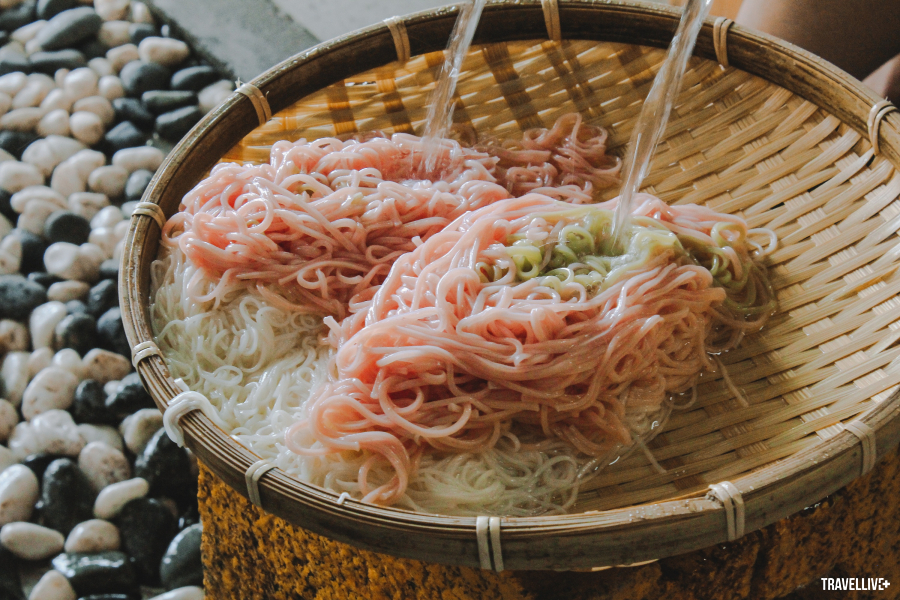
Here, if you order a bowl of noodles, don't expect huge portions with enormous toppings of meat or fish. The noodles are the soul of the dish, and the other ingredients like eggs and seaweed are only there to enhance the flavor. I ordered a bowl of XO sauce noodles for 80 NTD. My initial impression was that the portion was quite small, but when I put it in my mouth, the noodles seemed to melt on my tongue.
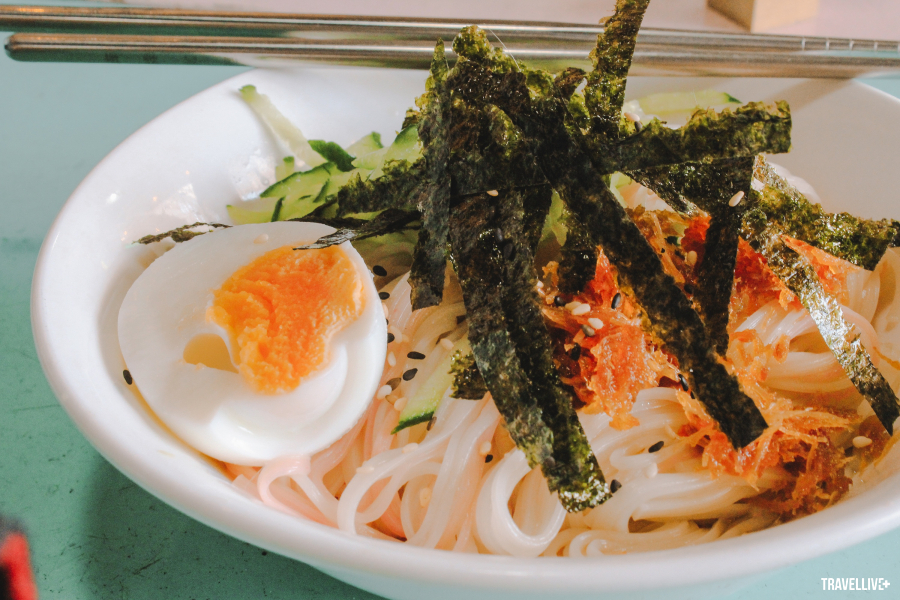
Unable to resist, I ordered another serving. And so, my quest for the best noodles in the mountains was complete. I felt happy to have discovered so much beautiful culture during this trip to Taiwan.
Keelung Port City Cuisine
Keelung is a port city near Taipei, in northern Taiwan. It's famous for its natural deep-water harbor surrounded by mountains. But Keelung is even more renowned for its vibrant night markets. Right at Zhengbin Port, you can enjoy fresh seafood at the most affordable prices.
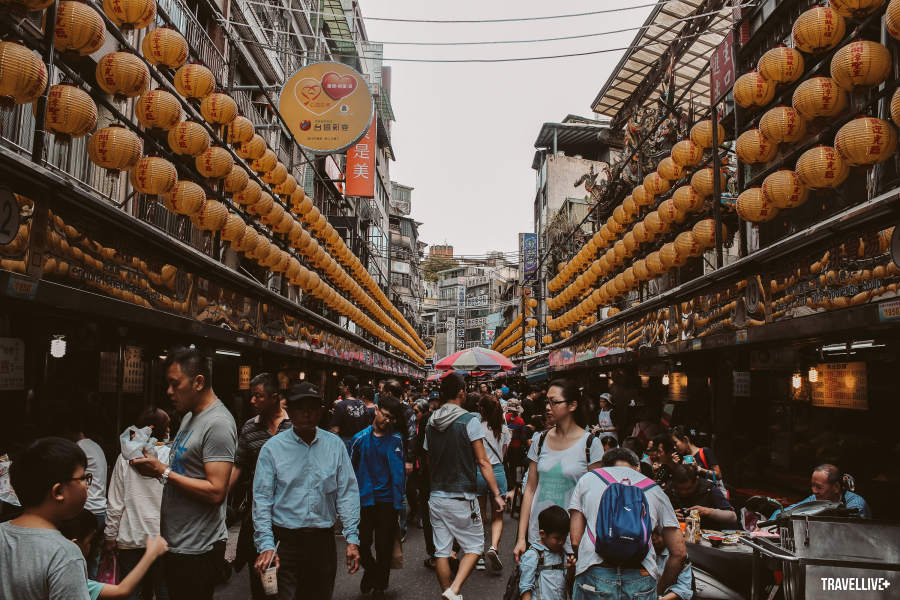
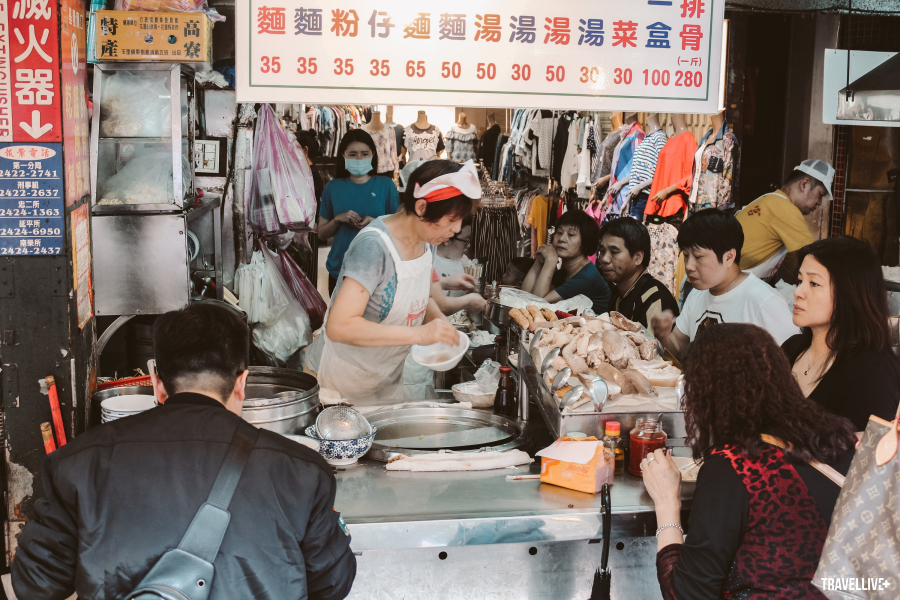
However, my favorite place is Miaokou Night Market, a hub of the city's culinary delights. It's perhaps the most famous night market in Taiwan, boasting a wealth of delicious food from the Japanese colonial era. The moment I stepped into the market, I felt like all my efforts at dieting would be swallowed up by the labyrinth of flavors before me.
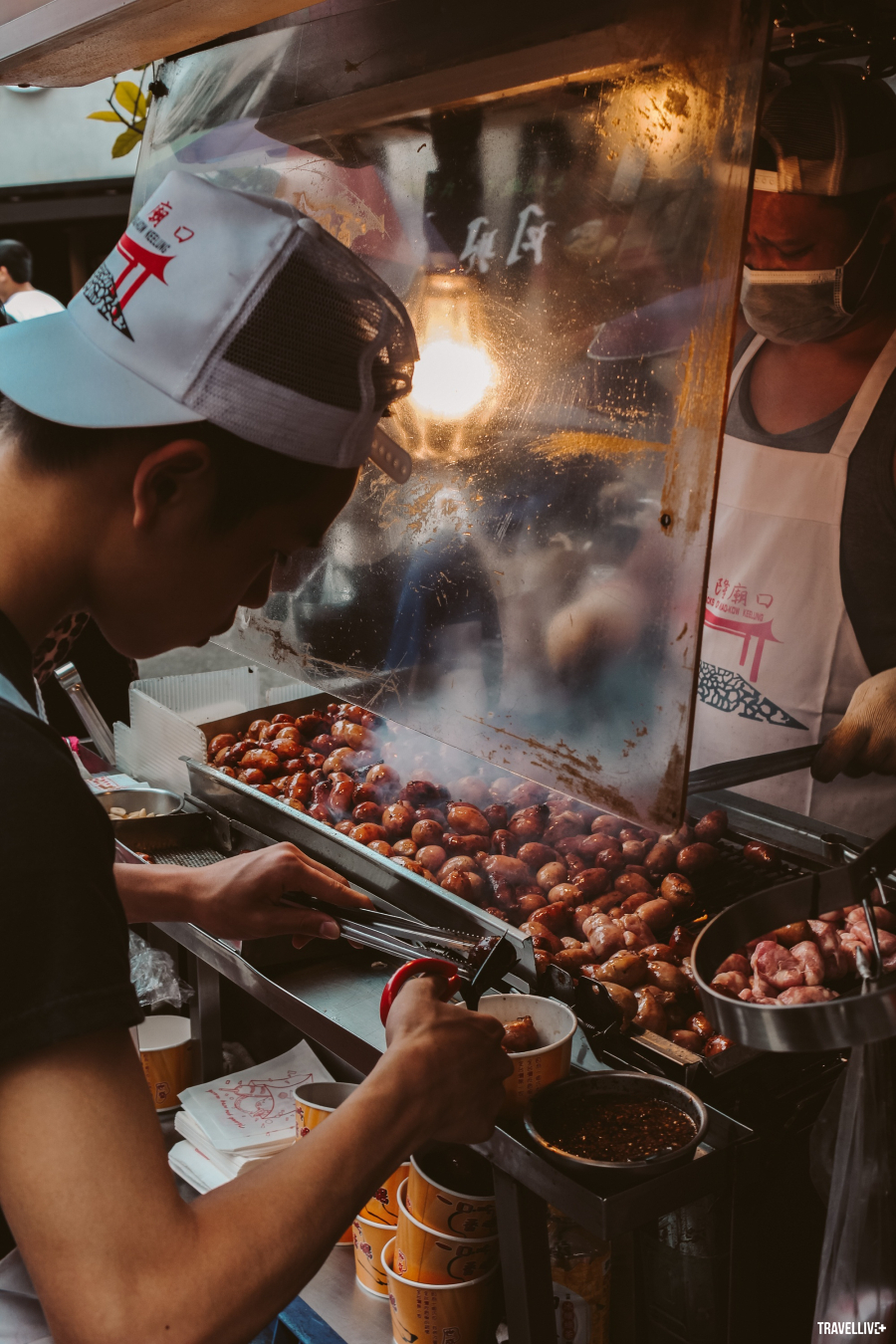
Not only famous for its fresh seafood, Miaokou Night Market also offers a wide selection of quick snacks and countless other delicious treats. Perhaps you've heard of the snack called "small sausage inside a big sausage," also known as "Taiwanese sausage"?! Head to stall 43-1 in the market to savor the chewy, sticky texture of pork sausage wrapped in glutinous rice sausage.
Shenji Paopao shaved ice is a dessert created in 1976, and since then, the stall selling it – Shenji Paopao Ice – has become a popular destination for food lovers. The secret to its popularity lies in its ingredients: ice cream mixed with various flavors and shaved ice. Even in winter, long lines of people wait in front of the stall to buy this shaved ice dessert.
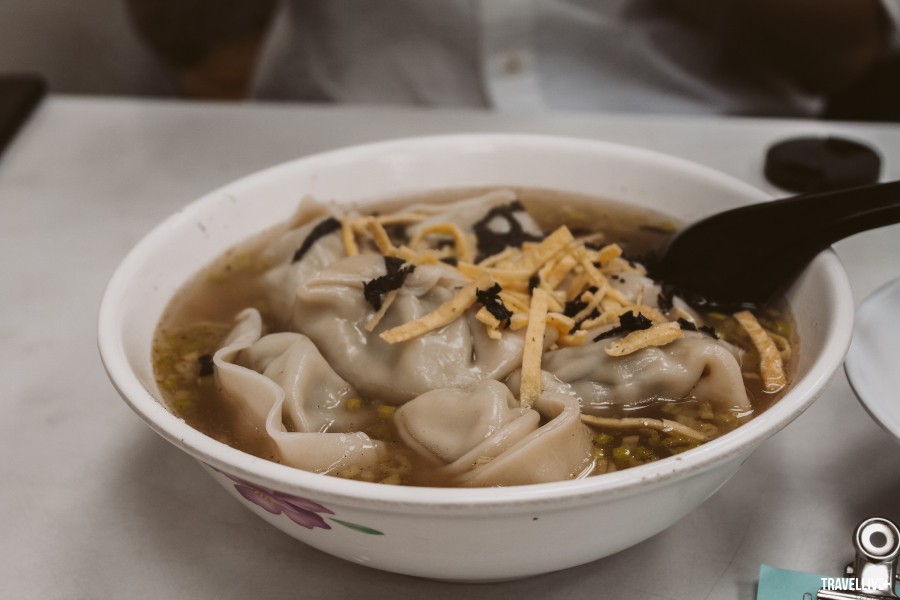
If you're looking for something traditional yet special, I think you should try Bainian Wujia Ding Bian Cuo soup. This is a light dish from Fuzhou made from steamed rice flour, served with meatballs, mushrooms, shrimp, and many other ingredients.
Taipei: A culinary explosion of delicious flavors.
In 2011, I read an interesting CNN article about Asia's most sinful cities. In Christianity, the seven deadly sins are: pride, greed, lust, wrath, gluttony, envy, and sloth. The article compared seven Asian cities to these seven sins. Let me ignore those other sins, but Taipei is the city associated with gluttony because it has more than 20 streets dedicated to the culinary delights of the locals.
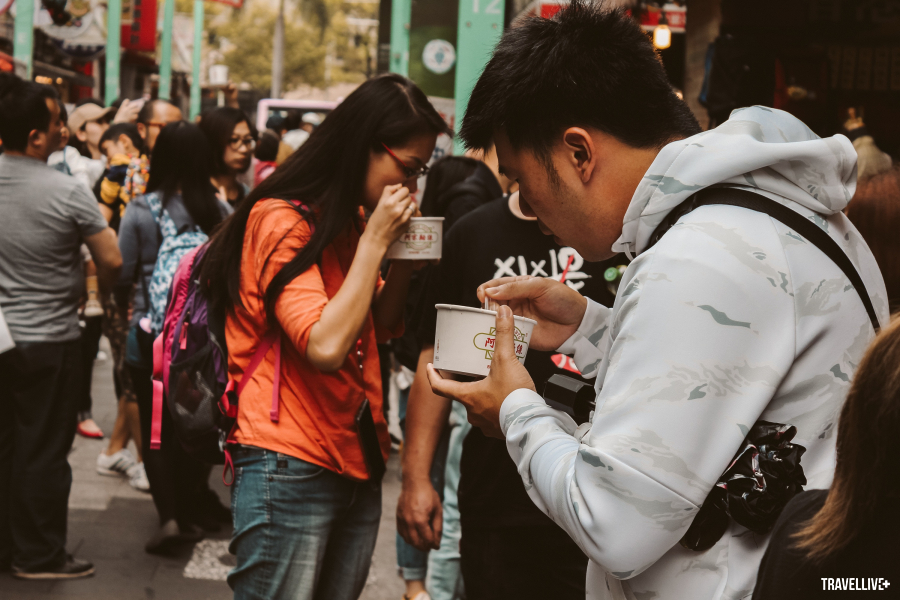
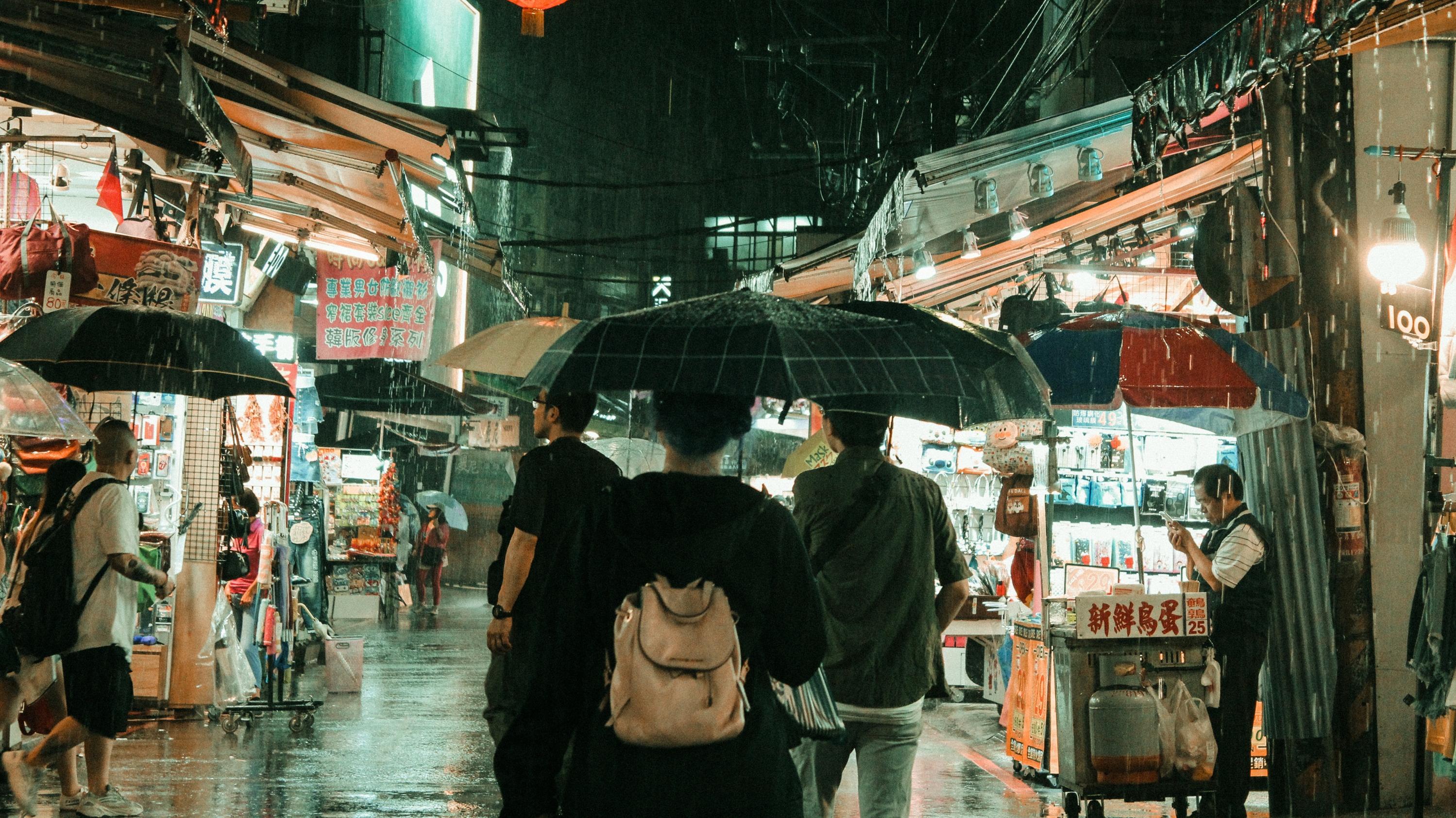
These neighborhoods originally existed to serve only the locals. As tourism developed, visitors were fortunate enough to experience Taipei's culinary culture through the night markets. Many of the shops in Taipei's night markets have been established for decades. These small establishments often retain their original flavors, even though the owners have passed down their businesses through generations. While the increased number of tourists visiting Taipei has undeniably created new, tempting bubble tea shops, the old, traditional establishments remain a charming feature unaffected by changing trends.
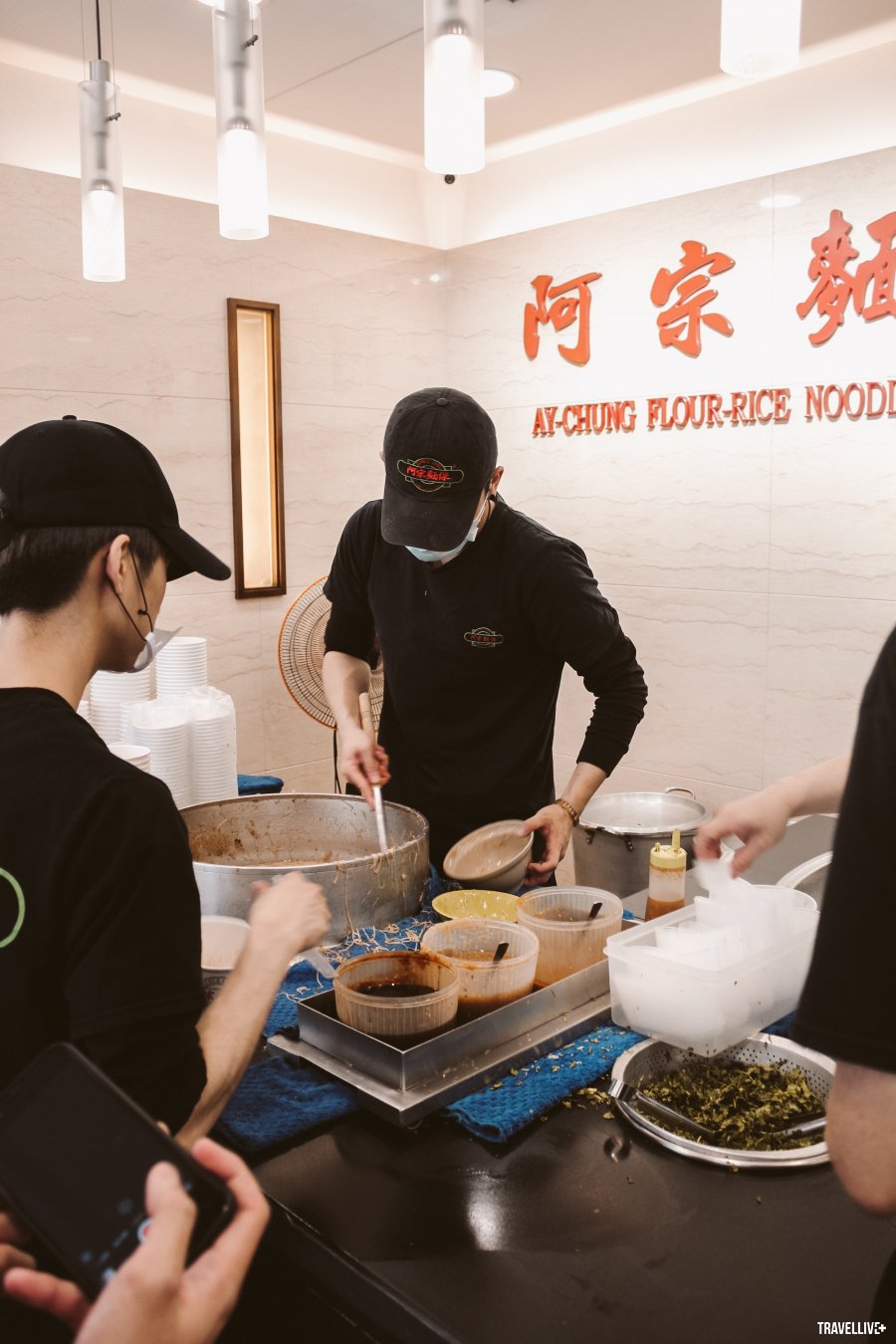
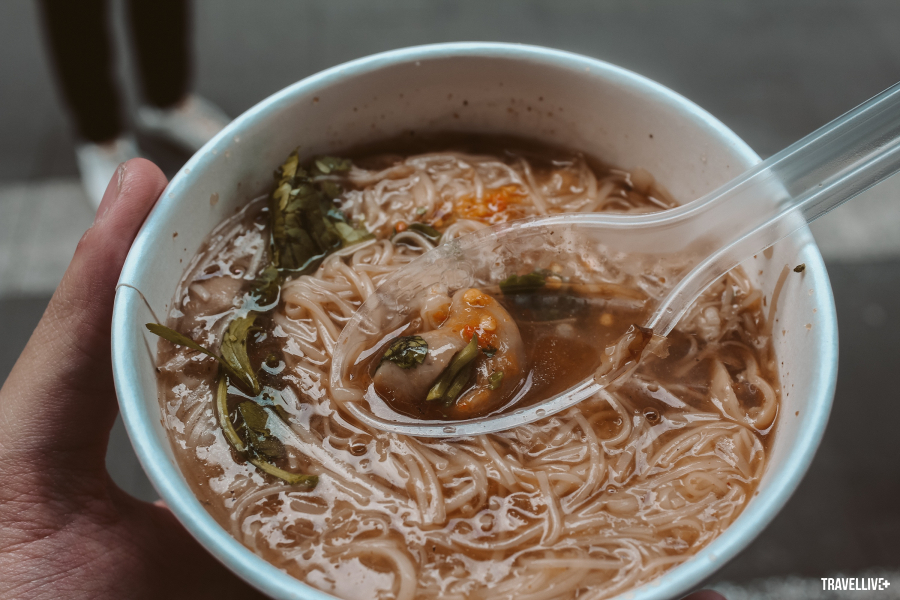
Ximending Night Market is home to many long-standing establishments like this. Ay-Chung Flour-Rice Noodle is a famous spot for its thick, crab-soy sauce-flavored noodles, priced from just 70 NTD. Remember to add chili sauce for extra flavor. Their chili sauce is so famous that they even sell large bottles for customers to take home and use with various dishes like meat, rice, and noodles.
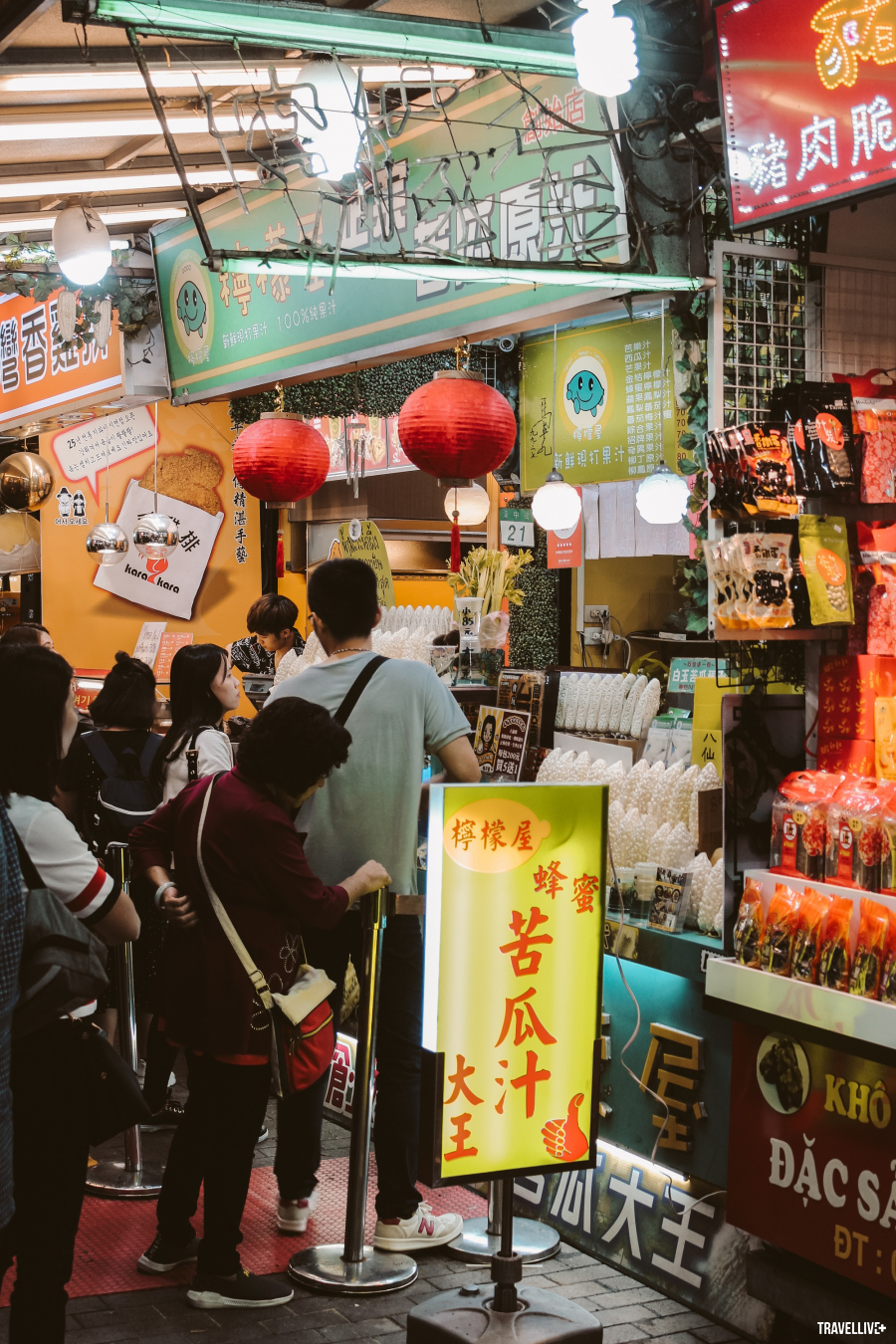
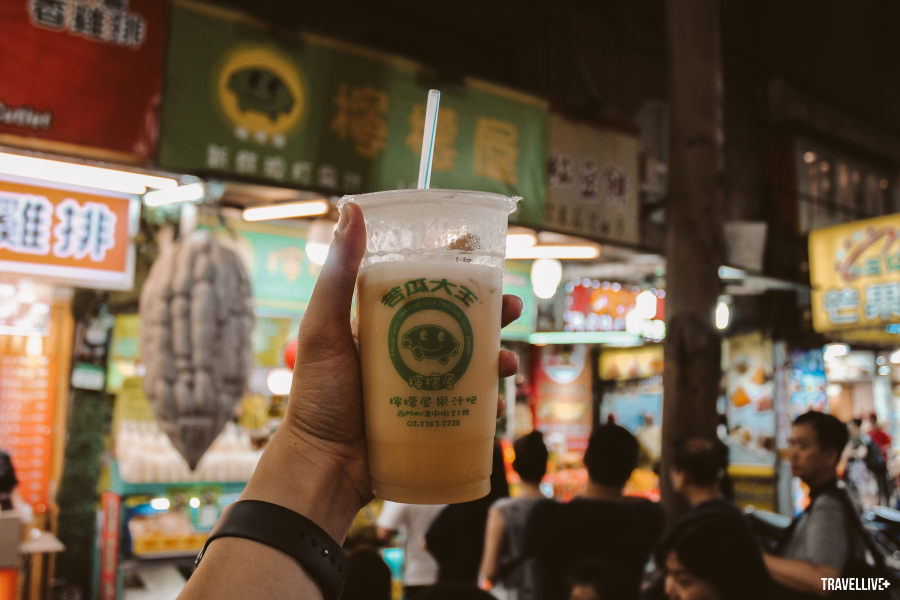
Bitter melon milk is an extremely unique drink. While it sounds bitter, this beverage actually has a sweet taste with a slightly bitter aftertaste. Many shops sell bitter melon milk in Ximending, but you should explore the most famous original shop at 21 Hanzhong Street. A large cup costs 100 NTD and a small cup 85 NTD.
Stinky tofu can be found everywhere, but the best one I've ever tried is on Emei Road, near Ay-Chung Flour-Rice Noodle, and it's only 50 NTD per serving.
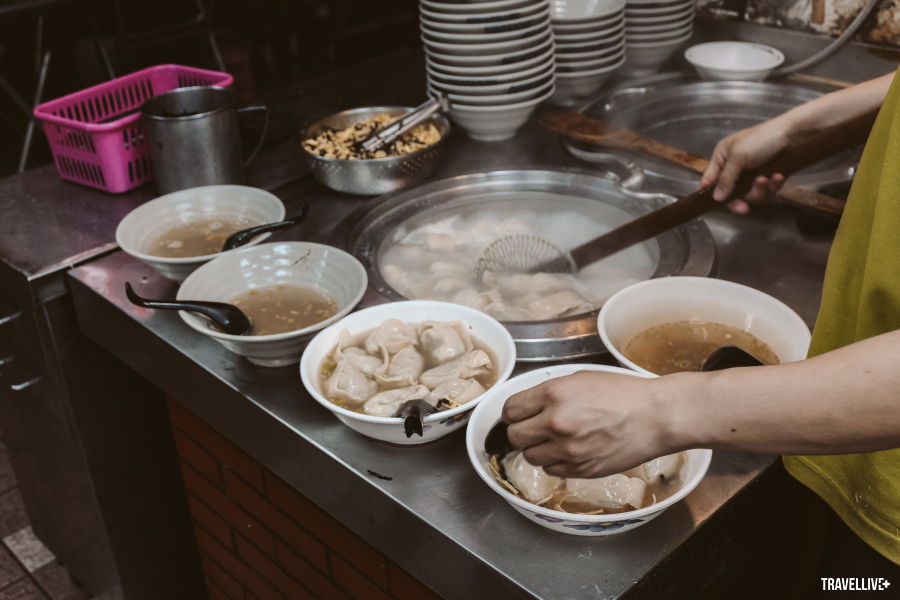
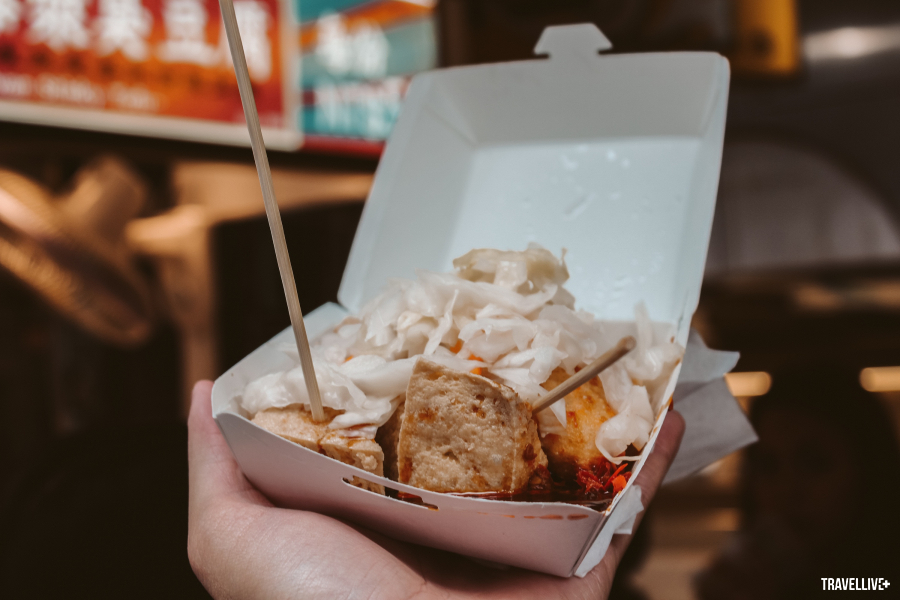
I arrived in Shilin on the night before the end of my trip. After enjoying the delicious traditional Taiwanese cuisine, I started craving something a little more unusual, perhaps not exactly "traditional," but no less tasty.
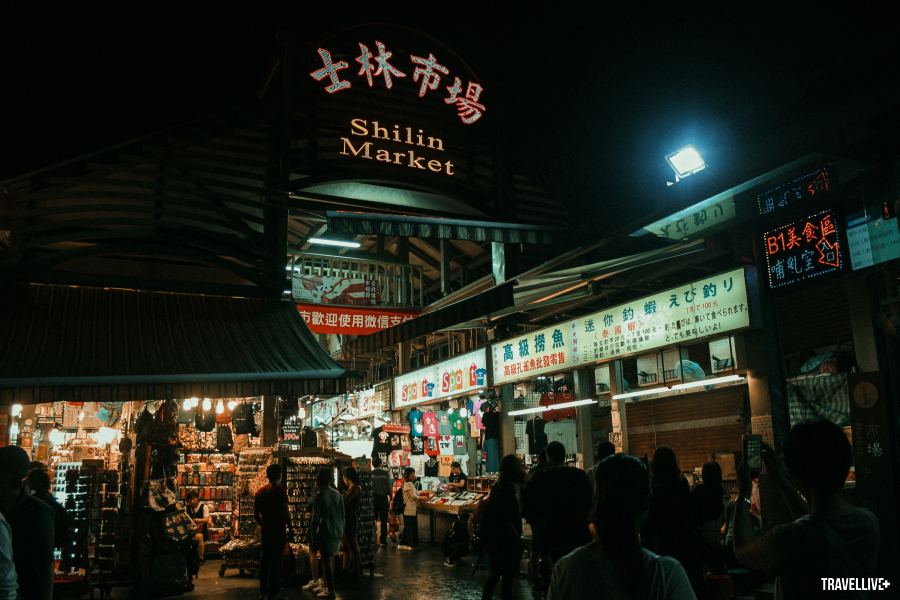
Shilin Night Market in Taipei is one of the largest night markets in Taiwan and also one of Taipei's most famous nightlife spots. Located in Shilin District, just 70 meters from Jiantan subway station, this labyrinthine market comprises two main sections: a merchandise area and a food court, including the underground B1 food court and an above-ground food court along the western edge of the market.
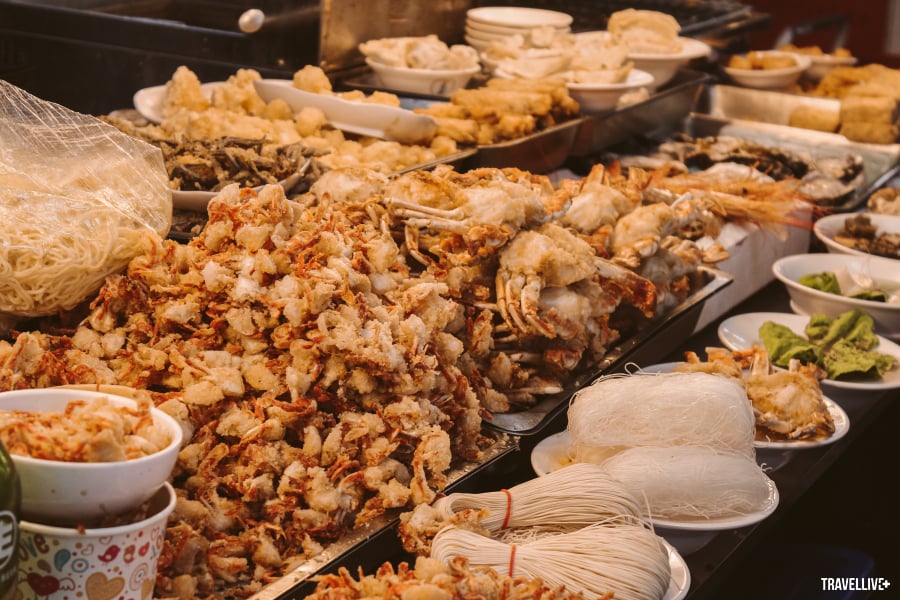
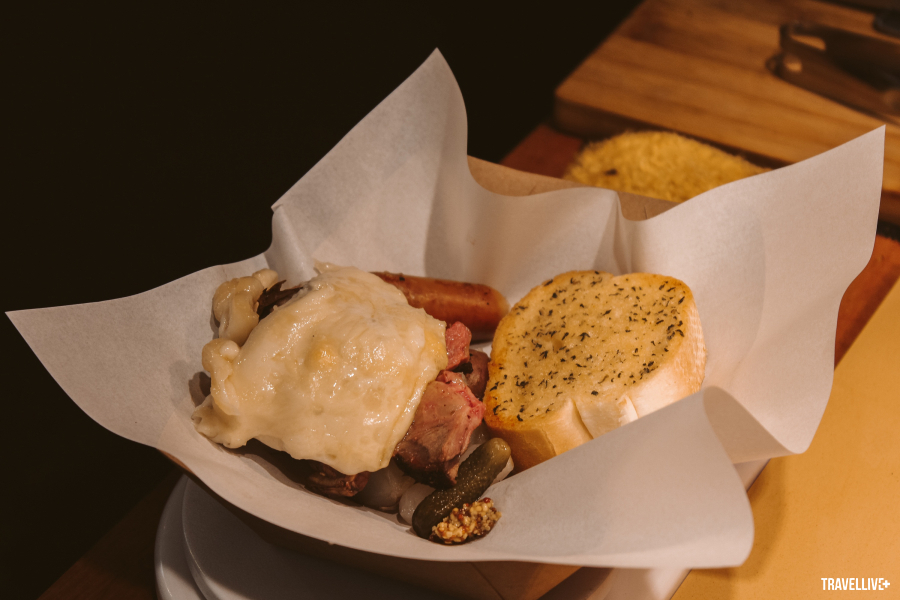
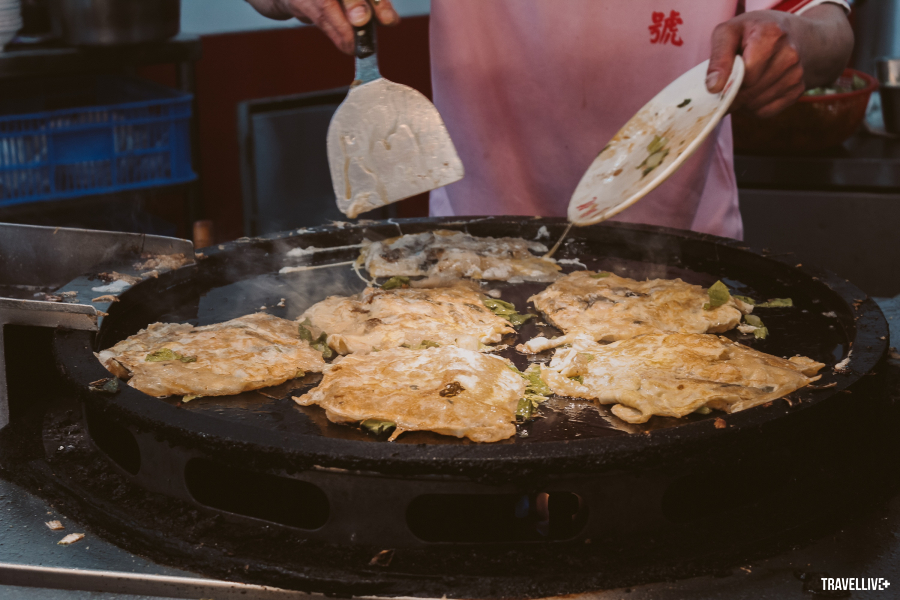
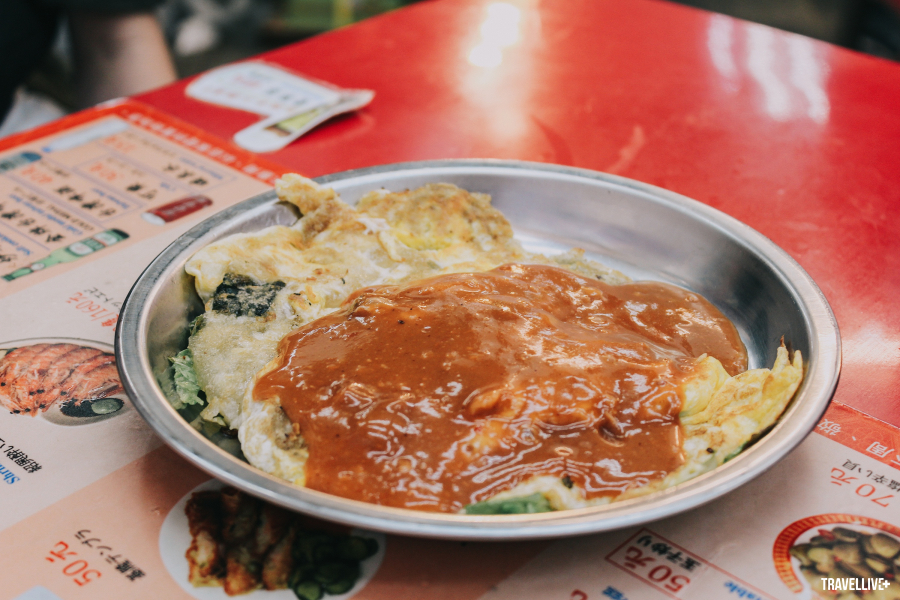
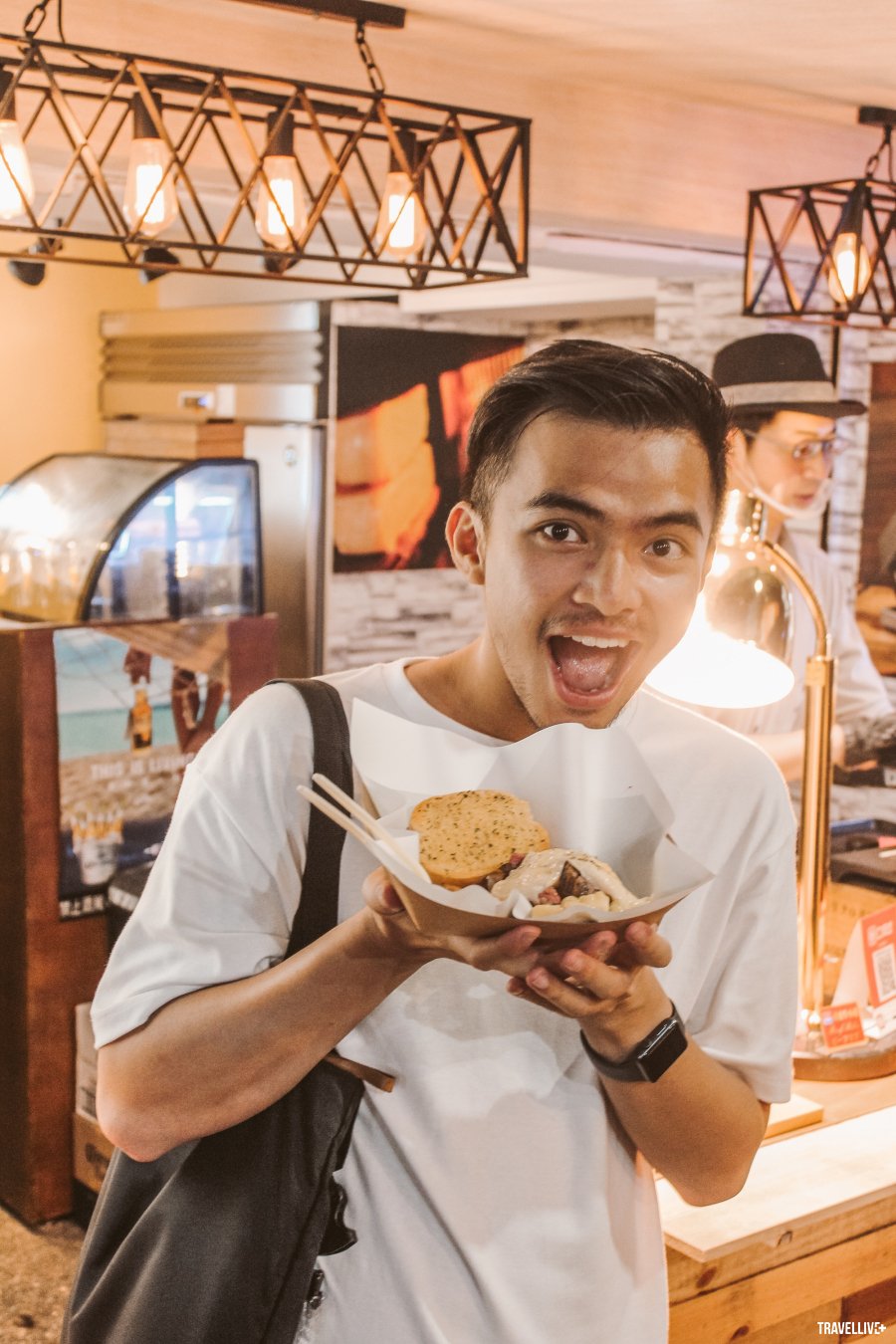
Area B1 only sells popular specialty dishes; you can try fried oysters with egg, stinky tofu, and many classic Taiwanese dishes. But the area on the ground floor at the edge of the market is where the most tempting contemporary food is located. Beefsteak topped with melted cheese sounds completely un-Taiwanese, but that doesn't mean it's not worth trying. At Shilin, this dish costs only 350 NTD and is served in a portable box, perfect for eating on the go – a true Taiwanese street food experience.
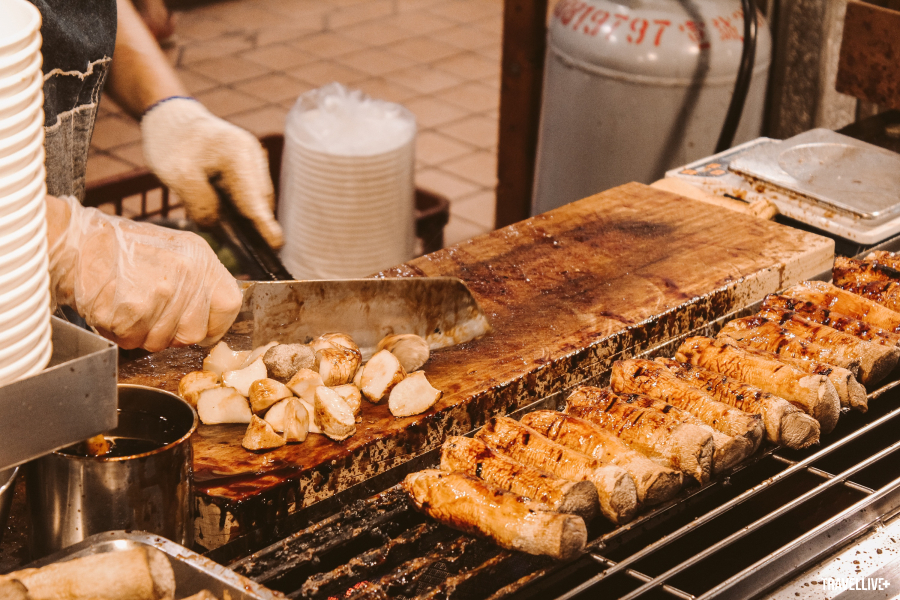
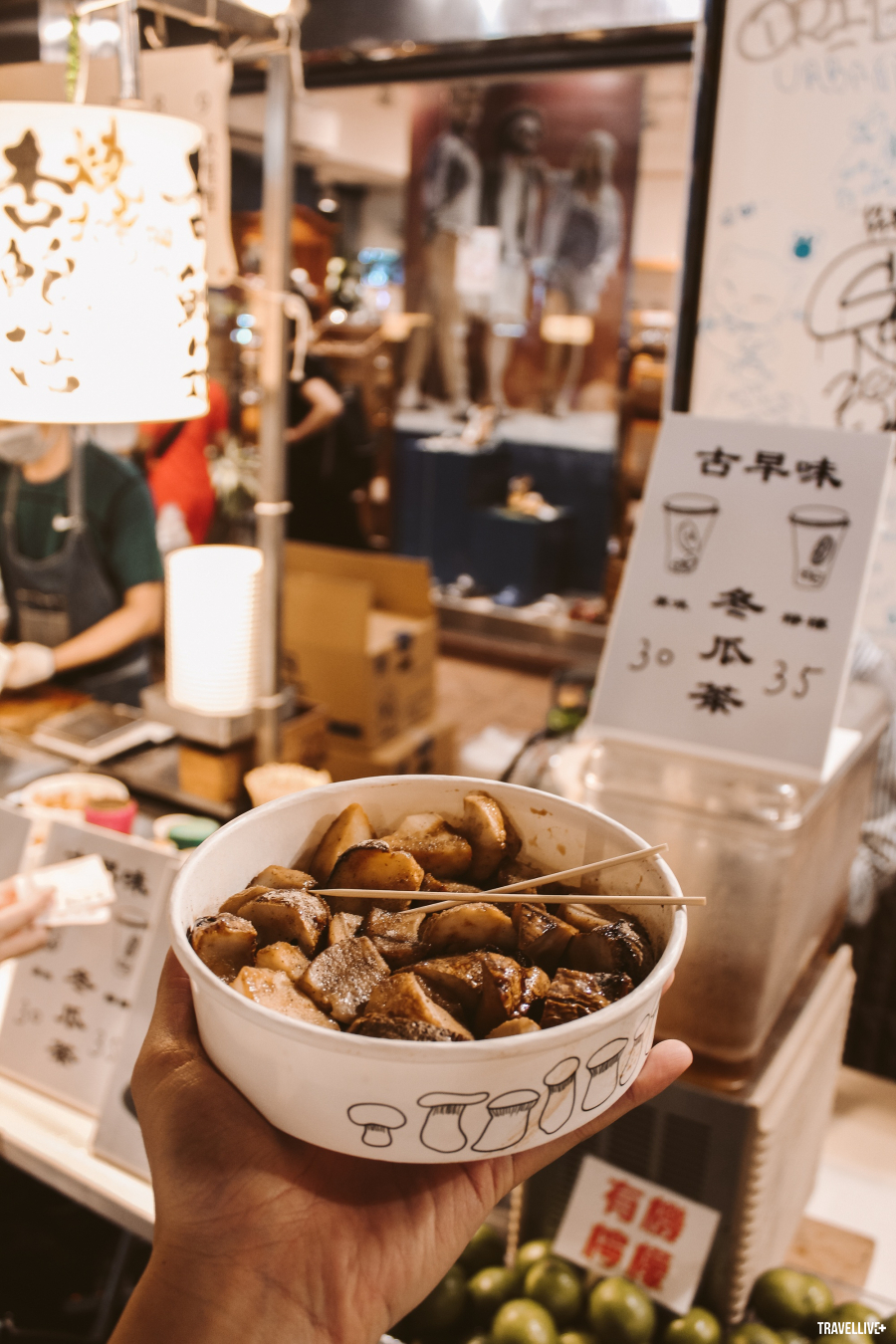
Enoki mushrooms are also a dish that always has long queues. These giant mushrooms are grilled at a roadside stall in Shilin Market, each portion costing only 150 NTD, but they are flavorful and have a crisp texture. The special touch is the flavored batter, which includes seaweed, wasabi, pepper, lime, mustard, and chili, bursting with flavor.
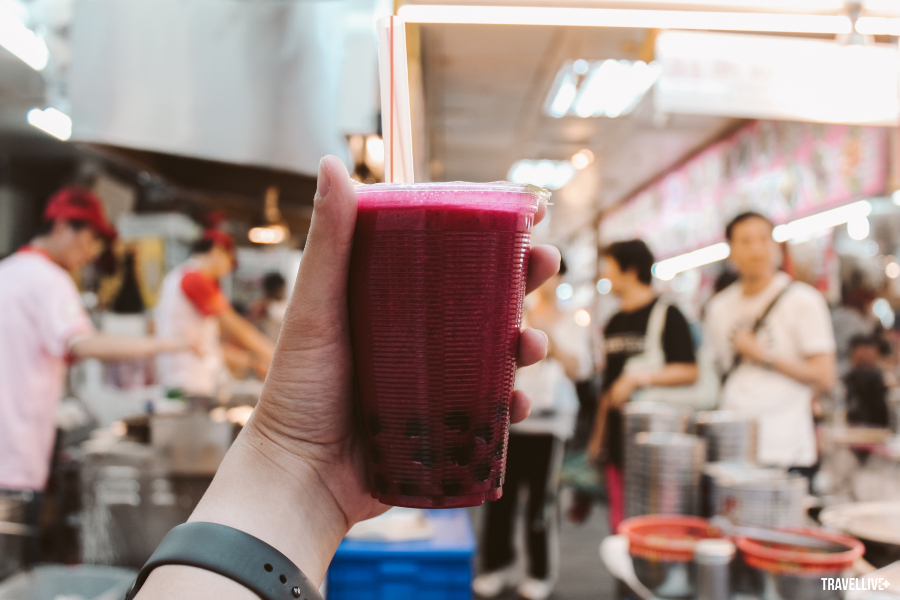
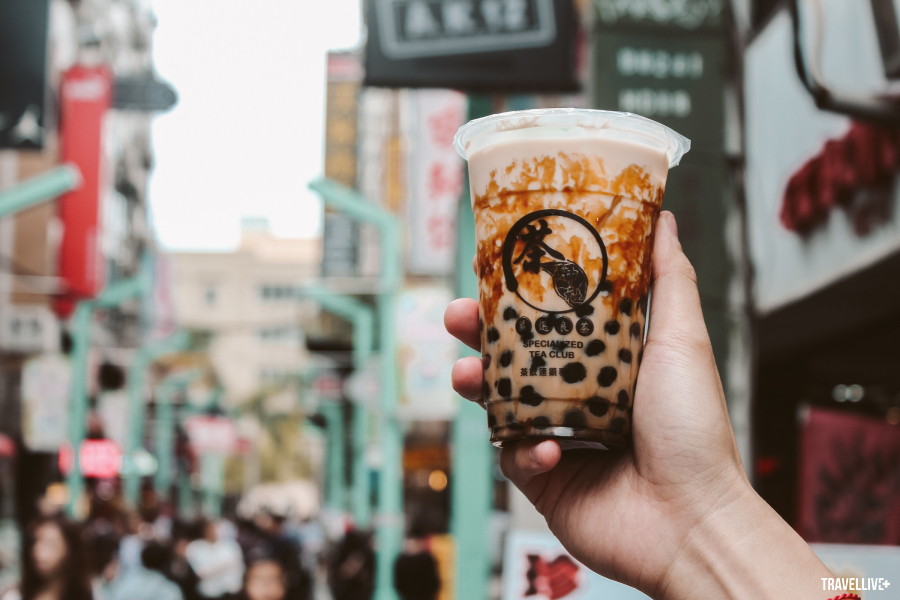
Fruit juice with tapioca pearls is a modern yet distinctly Taiwanese drink. Each cup costs only 90 NTD, but it's delicious and unique enough for bubble tea lovers who still enjoy tapioca pearls but also want to stay healthy and beautiful.