VI
VI


Halo-halo, Philippines
Many Asian countries have their own versions of shaved ice, milk, and mixed toppings, but few are as vibrantly purple as halo-halo. The name "halo-halo" translates to "mix-mix," and no matter what you add, the result is always a delicious cold treat. Many vendors add leche flan, sweet bananas, and sago pearls, while others even use cheese and cereal as toppings.
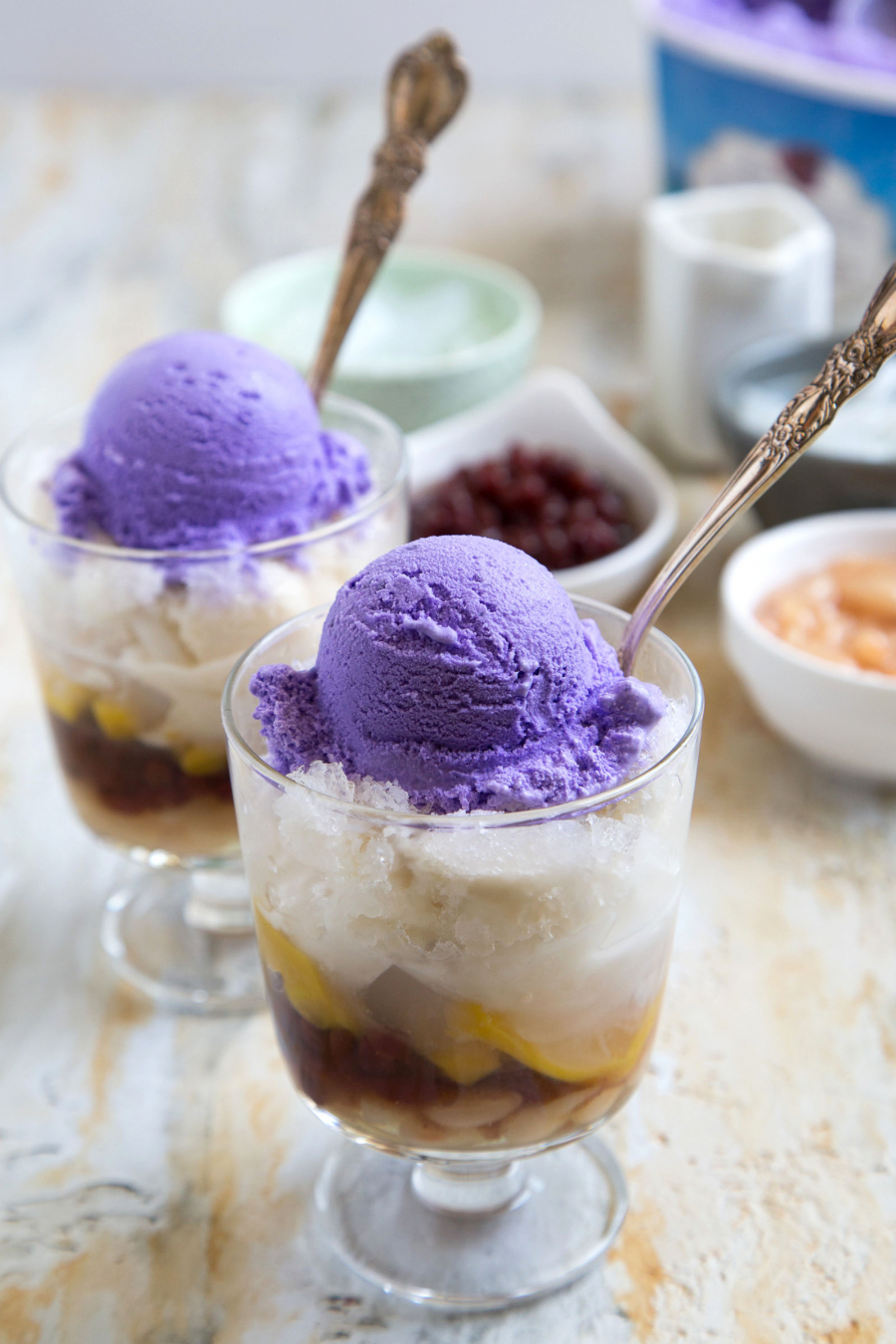
Halo-halo originated from kakigori (shaved ice with syrup and condensed milk) that Japanese immigrants in the Philippines introduced to the locals in the 19th century. After World War II, Filipinos added ice cream to give this shaved ice dessert its distinctive purple color, making it one of the most popular desserts in the country.
Acaí na tigela, Brazil
Made from dates that grow deep in the Amazon rainforest and a staple in local meals for hundreds of years due to its nutritional value, acaí has a huge influence in the health-conscious community. However, it wasn't until it spread south that people considered grinding the dates into a purple powder, tossing it with granola and bananas, and eating it for breakfast. Even more surprising to the locals was when "lazy" city dwellers added sugar and turned it into a dessert.
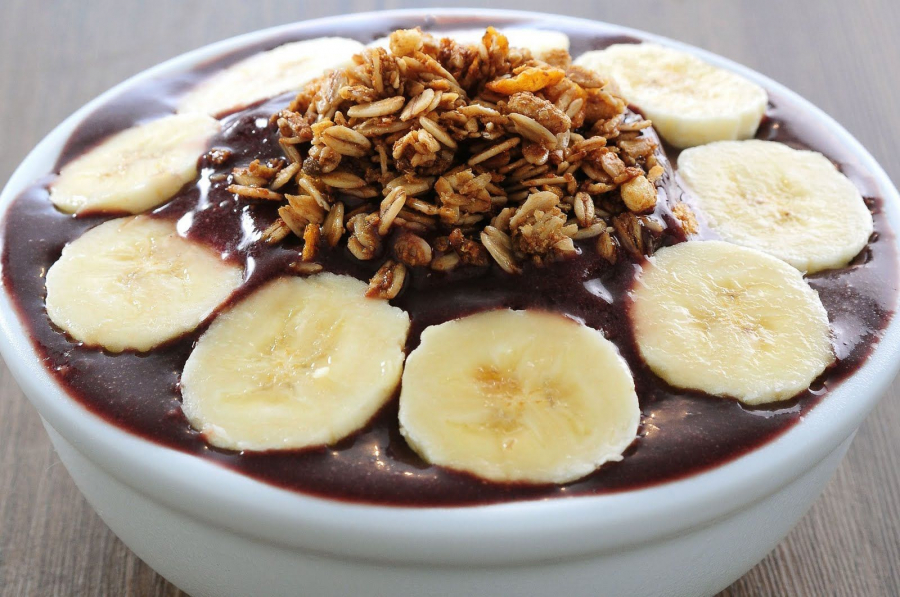
In major Brazilian cities, acaí is often topped with berries such as strawberries, raspberries, blackberries, and blueberries. These fruits are usually frozen to preserve their freshness during transport from the forest to the point of sale. Therefore, when blended, they form a smooth mixture similar to slushie.
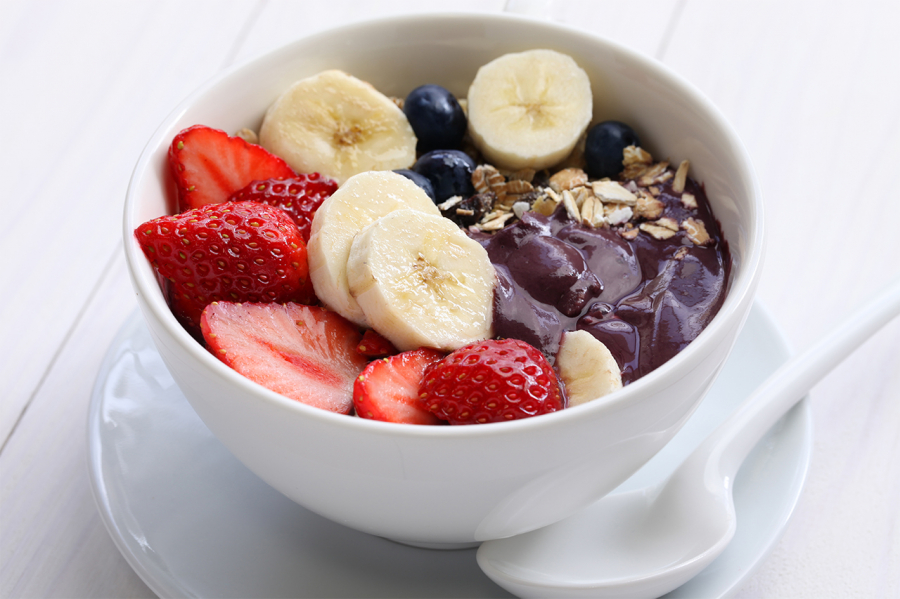
If you're traveling to São Paulo, be sure to visit Acaí Mooca, a colorful bar serving delicious and nutritious bowls of Acaí na tigela.
Coupe Colonel, France
This dish serves as both a dessert and a digestif (an aperitif, like spirits, to stimulate the appetite). Made by adding vodka to lemon cream, it's a popular dinner dish in Belgium, Argentina, and especially France. For the best Coupe Colonel, the lemon cream needs to be smooth and creamy, and the vodka shouldn't be over-added (unless you want to).
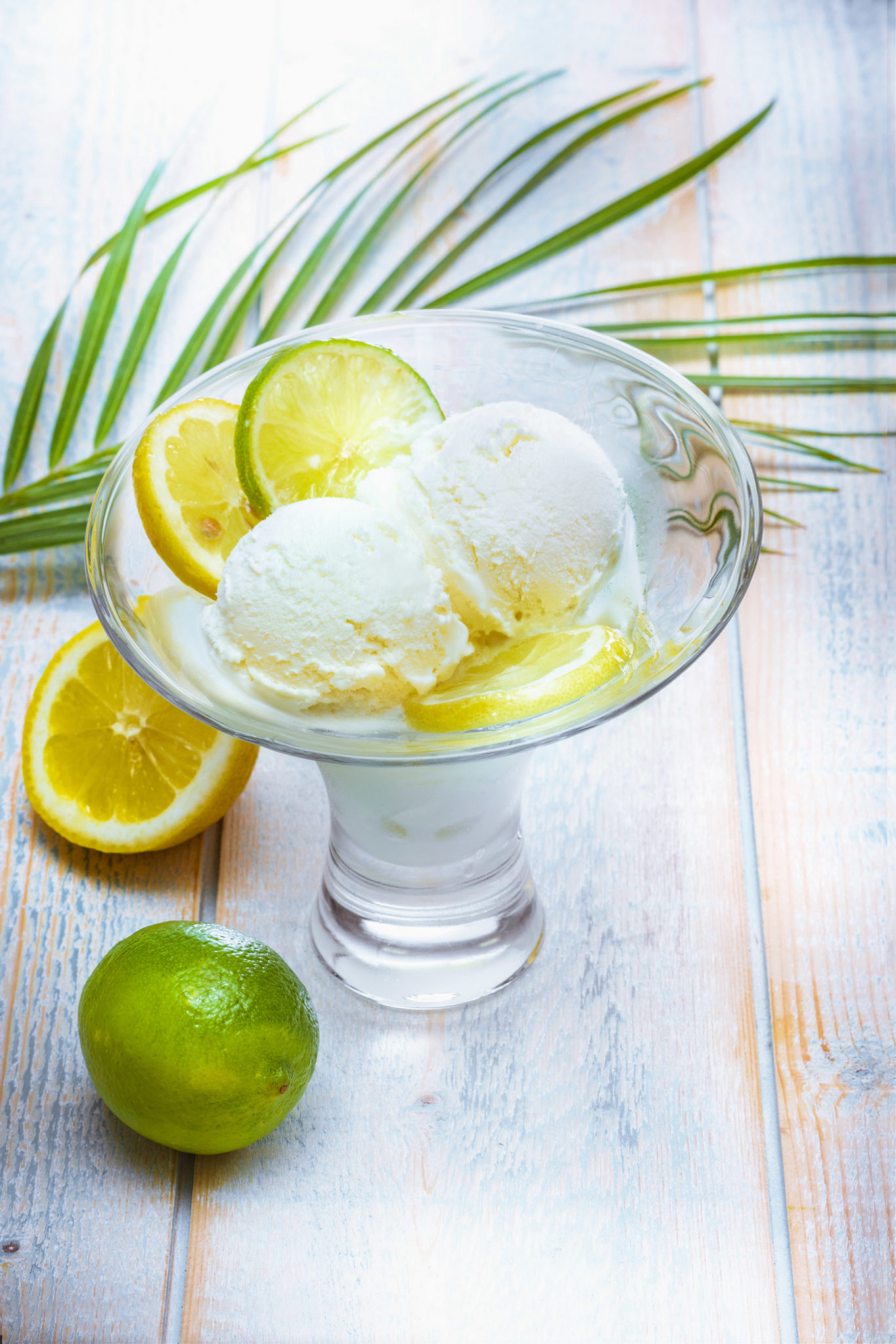
Enjoy a glass of Coupe Colonel after finishing your hearty meal at Le Coupe-Chou restaurant in Paris.
Bastani sonnati, Iran
Iran is considered the birthplace of cool desserts, but it wasn't until 1920 that it created its famous dessert – ice cream. Bastani sonnati ice cream is the oldest type, created by local businessman Akhbar Mashti. His innovation was so impressive that the recipe became a standard in traditional Persian cuisine.
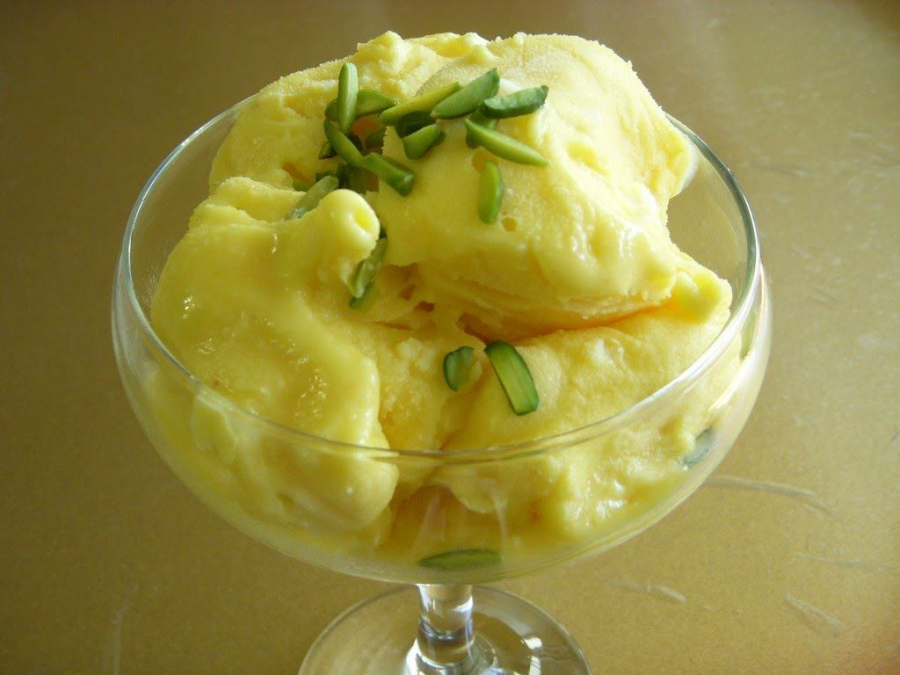
Iranians add saffron to bastani sonnati (often called traditional ice cream) to give it a vibrant yellow color. In fact, this dessert requires many ingredients: rose water, pistachios, sheep's milk, and salep (a powder made from wild orchids) to achieve its distinctive flavor and smooth texture. It's best enjoyed sandwiched between two thin wafers.
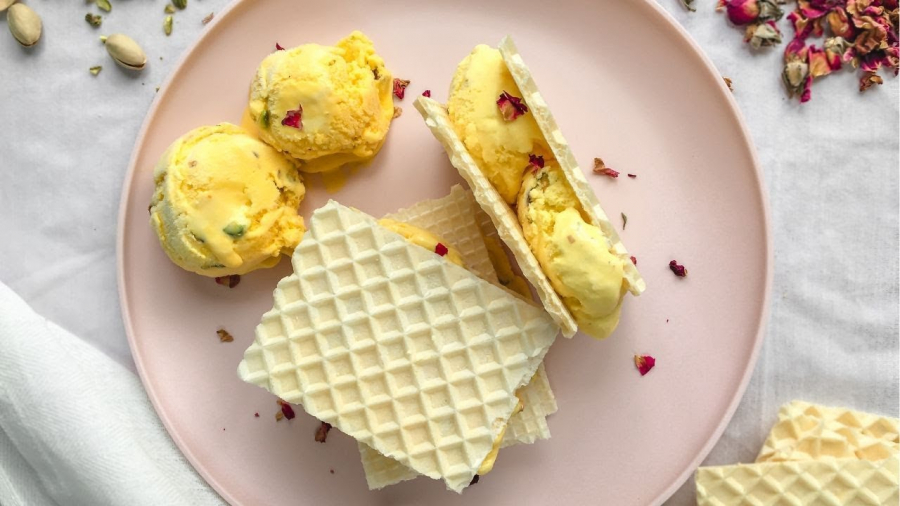
You can enjoy the taste of traditional bastani sonnati at the Akhbar Mashti Bastani stall in Tehran, near Tajrish Square, which is now run by Akhbar's son.

Patbingsu, South Korea
Many Koreans share that they wish they could shrink back to their childhood whenever they enjoy a bowl of Patbingsu filled with shaved ice, condensed milk, and the most important topping: red beans. To make patbingsu, red beans are simmered in sugar syrup for hours to achieve the perfect smoothness, creating an interesting contrast with the dense texture of the shaved ice. Patbingsu is often garnished with tteok (rice cakes) and misugaru barley flour. Without the red beans ("pat" in Korean), you get bingsu.
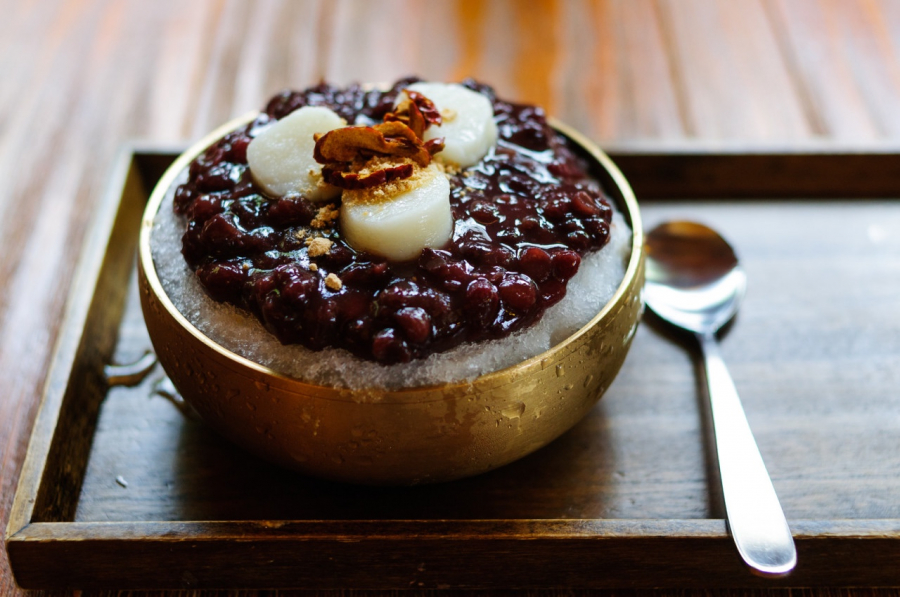
This dessert is a feast for both the eyes and the taste buds. Chains like Sulbing have created larger, more creative bowls of bingsu to encourage customers to take photos and share them on Instagram.
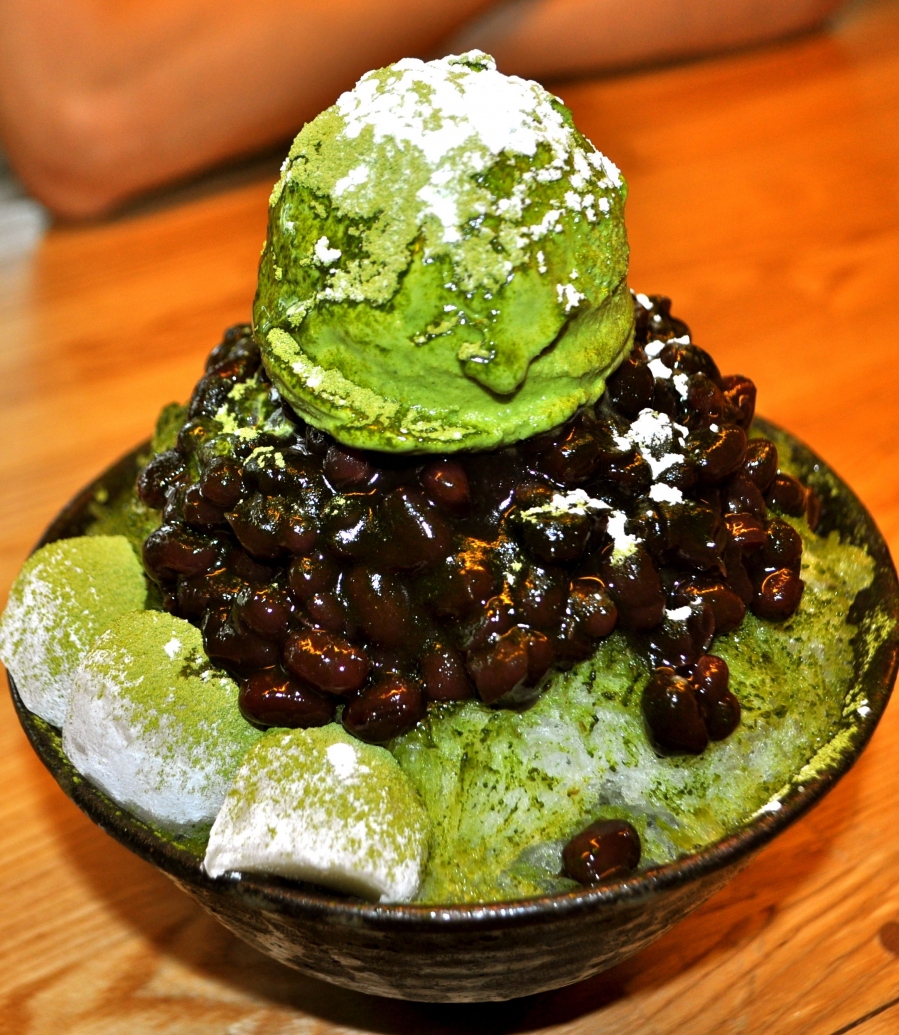
However, if new flavors like black sesame or mango cheese aren't to your liking, try the traditional patbingsu at Mealtop, Seoul.
Banana Spilt, USA
In 1904 in Latrobe, Pennsylvania, 23-year-old David Strickler found a part-time job as a pharmacist's assistant at a local drugstore. Before soda shops and jukeboxes existed, young Americans frequented drugstores to buy ice cream sundaes. Strickler entered a contest and had to come up with a new dessert. He thought of bananas and suddenly had an idea that would completely change the history of desserts.
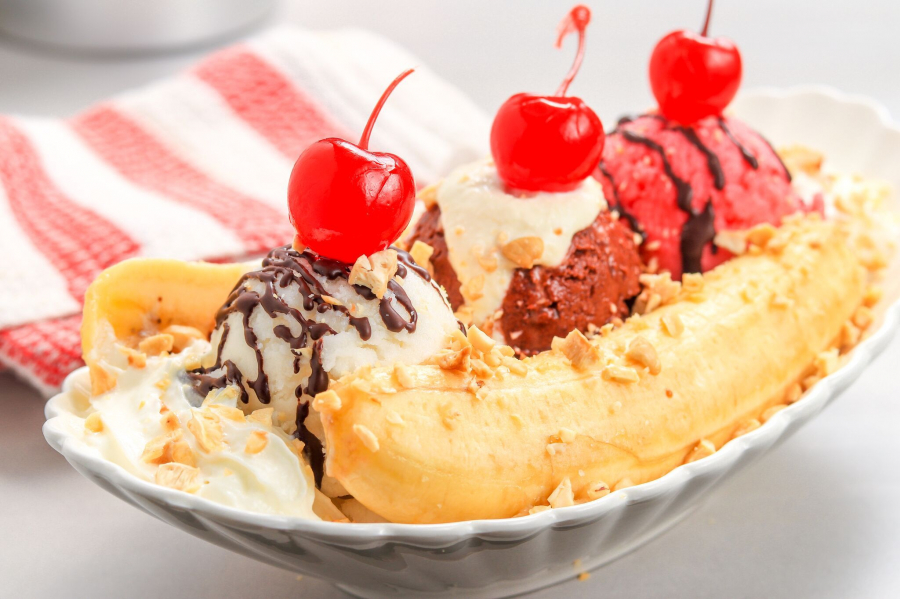
Traditional banana splits have a strict rule: the banana must be cut lengthwise in the middle, chocolate, strawberries, and vanilla ice cream are placed in the center, then chocolate syrup, strawberries, and pineapple are drizzled on top in that order. Finally, whipped cream, nuts, and cherries (a hallmark of traditional sundaes) are sprinkled on top.
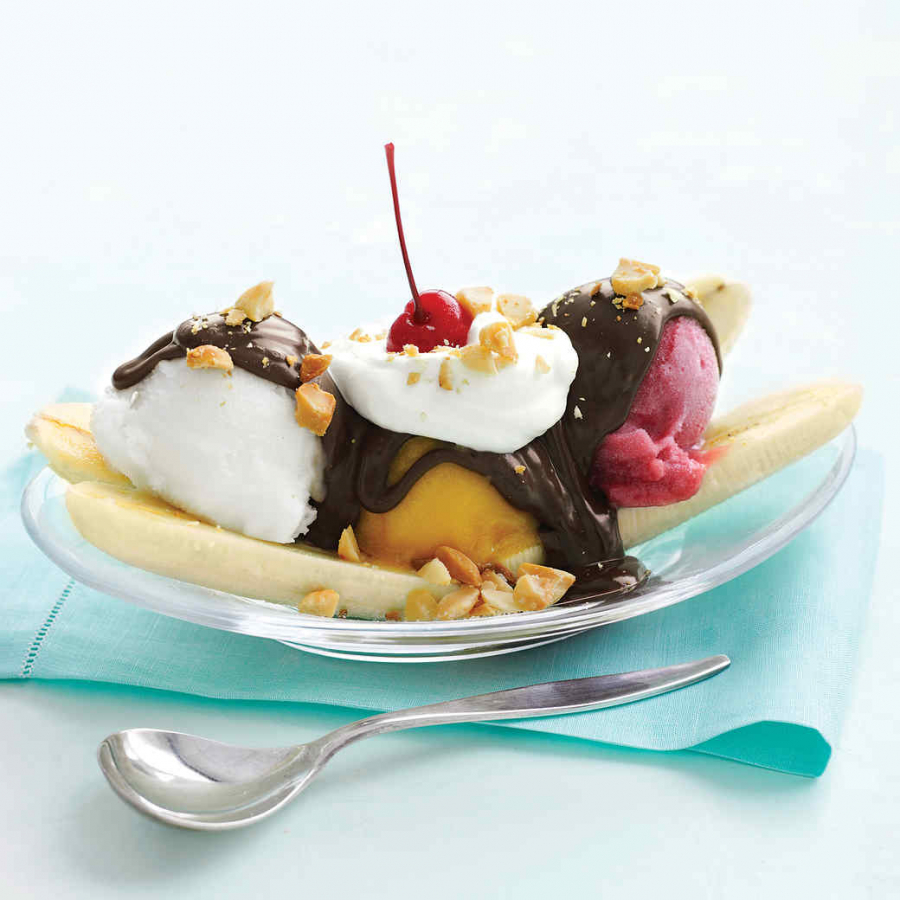
Step into the historic Franklin Fountain ice cream shop in Philadelphia and indulge in Dr. Dovey's classic Banana Split.
Raspados, Mexico
You'll know it's back-to-school season in Mexico when you hear the jingling of raspados from the carts. Children will rush out of class to grab a cup of raspados filled with shaved ice, syrup, tamarind, chamoy (a sauce made with raisins soaked in chili), and rompope (a Mexican drink made from eggs, milk, sugar, and distilled spirits). Parents are also reassured knowing that raspados are made with natural ingredients. Some even have fresh fruit on top.
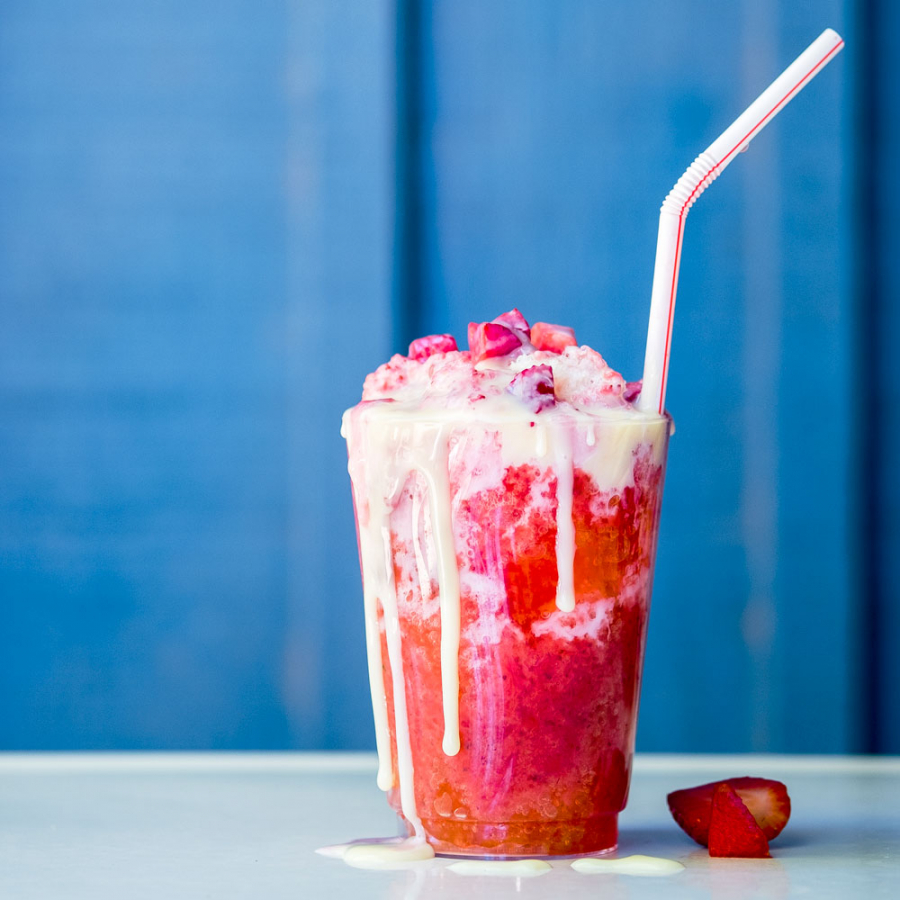
Raspado, meaning "scrape" in Spanish, refers to the large, hard rocks that vendors typically scrape with a spoon. Raspado varies from place to place; the Colombian version is often served with wafers, while vendors in Panama will pour malt syrup over them.
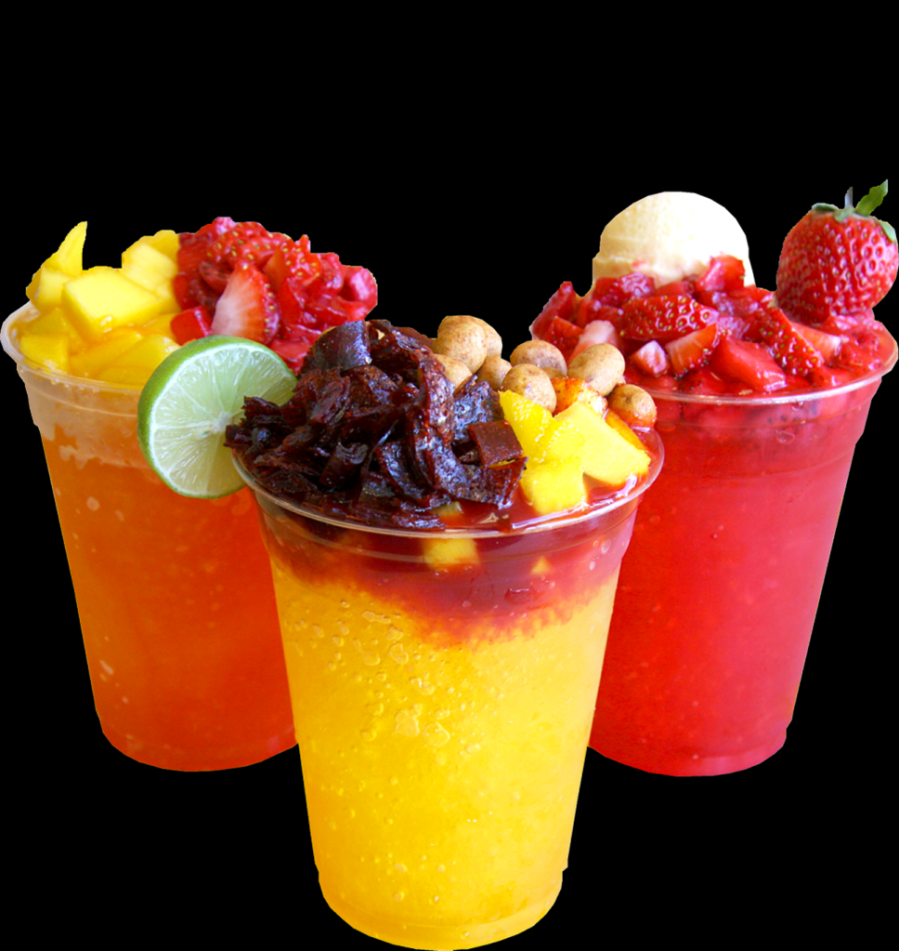
Don't leave Mexico City without trying passion fruit raspado at Eskimo-oz y Raspados Sonia. Ask for extra chili if you have a strong palate.
Granita di Caffe con Panna, Italy
granita is a very popular dish in Italy, and artisans have been continuously striving to perfect the recipe for hundreds of years, resulting in each region having its own unique version.
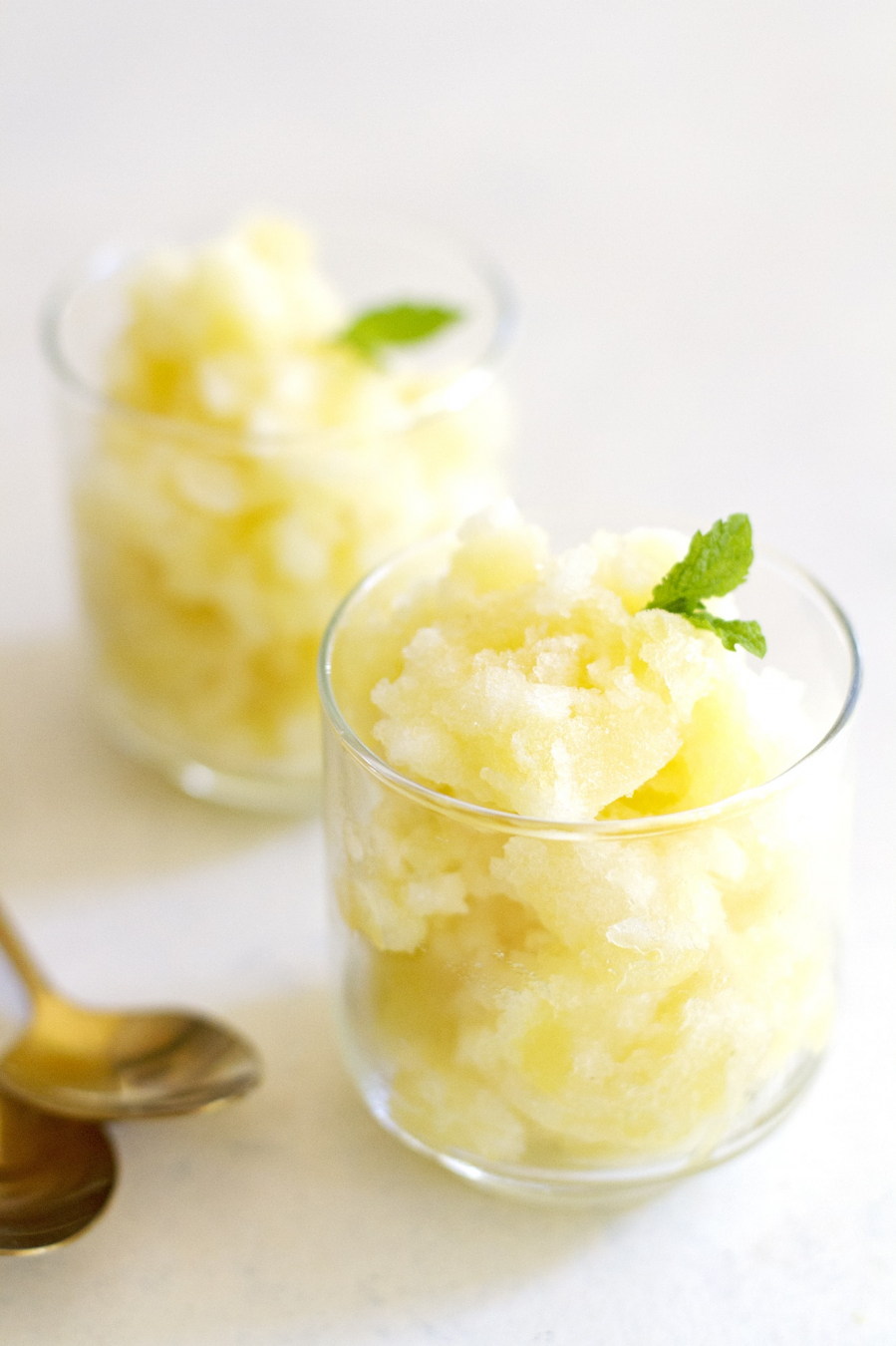
One of the most famous versions is Granita di Caffe con Panna. Strong espresso is added to crushed ice and stirred vigorously, then scooped into a glass with plenty of whipped cream on top. The texture needs to be slightly coarse so the ice has time to melt in your mouth.
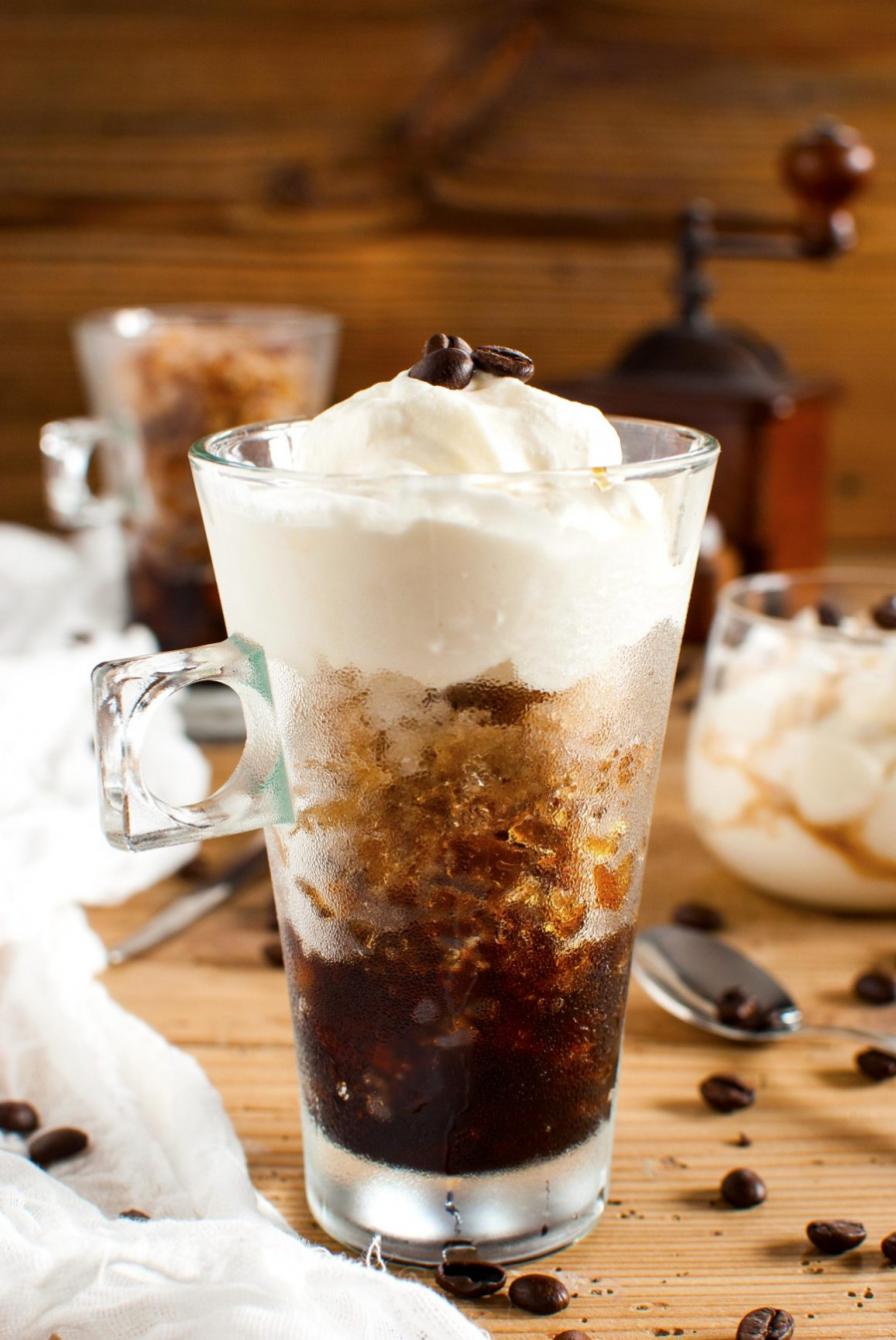
When traveling in Rome, visit La Casa del Caffe Tazza D'oro to enjoy granita that will help you recharge after a long day of sightseeing.
Spaghetti Eis, Germany
This novel dessert was created by Italian chef Dario Fontanella in 1960 in Mannheim, Germany. He put lemon ice cream into a potato cutter, giving it the shape of pasta. Since then, ice cream shops in Italy have created their own "pasta" versions with strawberry sauce and crushed white chocolate for added sophistication. This spaghetti eis is a favorite with children and it's always sure to bring a smile to your face.
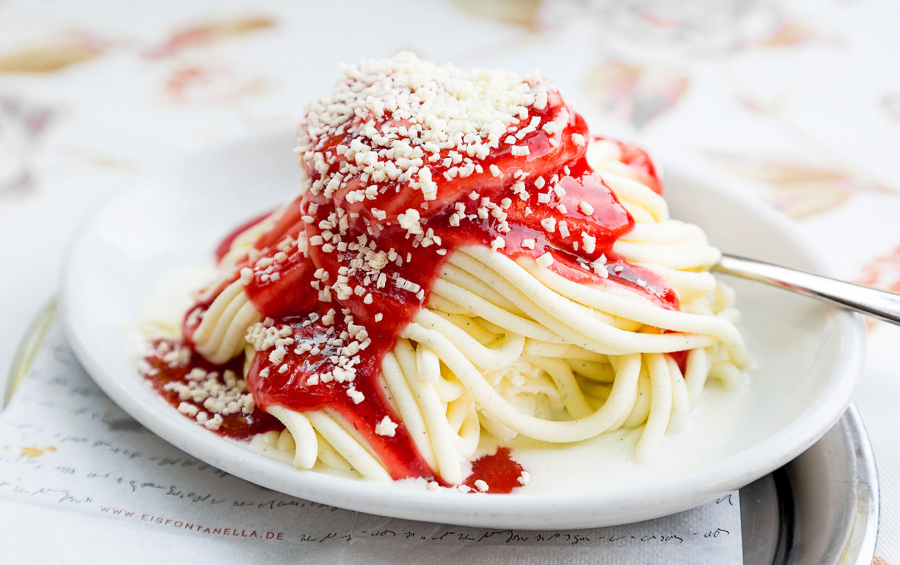
Make your Berlin trip even more spectacular at Eis Lanzarno, a restaurant specializing in spaghetti eis made with a special machine since 1970.
Kulfi, India
As one of the world's most delicious ice creams, kulfi requires a great deal of time and effort from the maker. First, milk and sugar must be boiled and seasoned for about four hours, stirring constantly to ensure the mixture doesn't stick together, until it thickens and the sugar turns brown to create its rich, creamy sweetness.
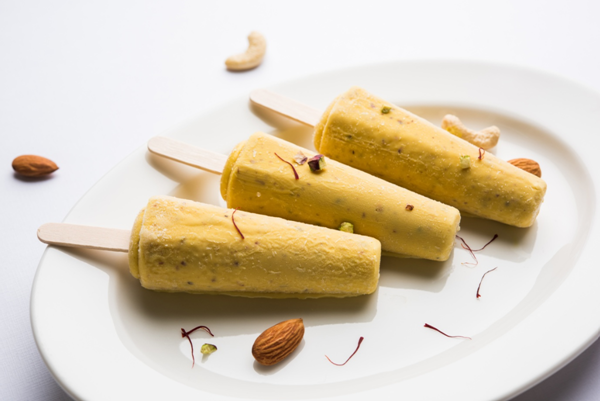
Today, many vendors use machines and cornstarch to speed up the process. Classic versions include rose petals, pistachios, and mango tilla kulfi (on a stick) or faluda kulfi (in a bowl).
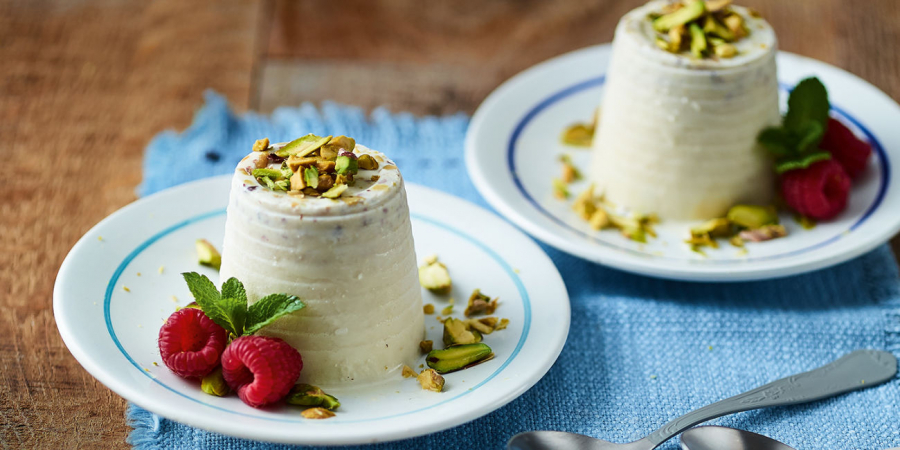
This type of ice cream can be found at Kulfiano in the village of Hauz Khas (Delhi). The kulfi here is served inside a mango and is extremely delicious.