
 VI
VI


"Horses Return to the City," a collection of unique horse sculptures.
The "Horses Returning to the City" exhibition is part of a series of cultural activities celebrating the Lunar New Year 2026 (Year of the Horse) and other key cultural events, aiming to spread the spirit of art to a wider audience. The highlight of the exhibition is a collection of unique horse sculptures, each piece bearing its own creative imprint, showcasing meticulous artistic work and the artist's respect for original values.
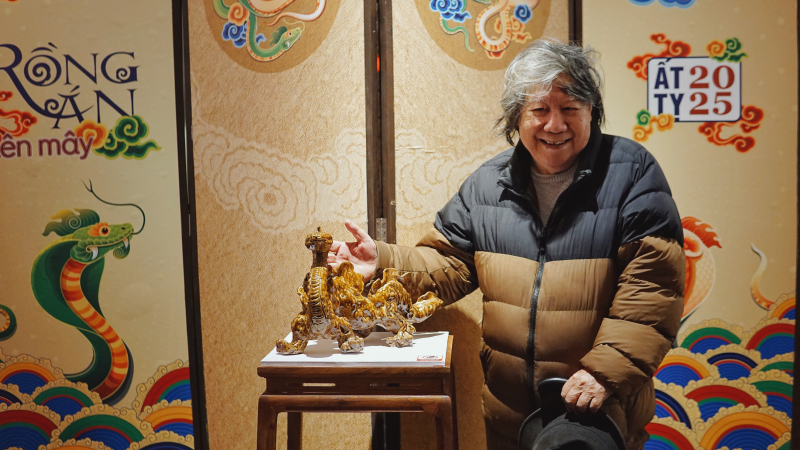
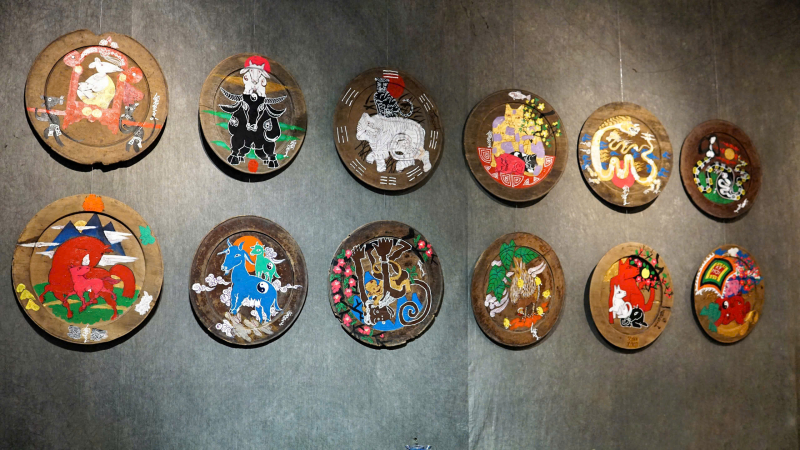


A display corner featuring wooden horse sculptures inspired by folk art.
The artworks are displayed in the ancient setting of the Temple of Literature - National University. The artist has focused on exploring the image of the horse in various states: galloping, standing proudly, bowing in contemplation, or moving with unrestrained freedom. Each sculpture reflects refined sculpting techniques while conveying a message about vitality, journey, and aspiration for greater heights.
Notably, many works in the exhibition are inspired by Central Highlands folklore and indigenous culture, combined with modern visual language. Ethnologist and collector Dang Minh Tam, one of the contributors, spent months meticulously perfecting the set of wooden horse sculptures, adapted in a folk style to recreate the spirit of the vast forest in the form of this familiar mythical creature. The raw, rustic wood, natural grain, and strong lines contribute to a sense of rawness, intimacy, and inner strength.


Each artwork is a unique creation, bearing the personal imprint of the artist.

The artwork "Horse and Plum Blossoms" combines the imagery of a horse and plum blossoms, symbolizing spring and new beginnings.
One of the most eye-catching works at the exhibition is "Plum Blossom Horse," inspired by the image of the horse in Vietnamese folk art and traditional painting. The work is created using modern sculptural language, combining plum blossom motifs – symbols of spring, fertility, and new beginnings. The image of plum blossoms blooming on the horse's body symbolizes the cyclical nature of the four seasons, implying enduring vitality, unwavering spirit, and aspiration for progress. The work conveys a message of prosperity, good fortune, and faith in the future, reflecting the interplay between traditional spirit and contemporary sensibilities.

Some unique horse sculptures attract the attention of visitors.
The exhibition also attracted the attention of many international visitors. Jean-Marc, a French tourist visiting Hanoi, said he was surprised by the cultural depth hidden behind each horse sculpture. “I’ve seen many animal sculpture exhibitions in Asia, but here, each horse seems to possess its own soul. More than just artistic forms, the works tell stories about Vietnamese history, beliefs, and spirit,” he shared.


The intricate details on the horse statue demonstrate exquisite sculpting techniques.
The horse symbol in Vietnamese culture
Beyond its aesthetic value, the exhibition offers insightful perspectives on the symbolism of the horse in Vietnamese culture. Since ancient times, the horse has been associated with warhorses, national heroes, the expansion of territory, and a spirit of loyalty and courage. In the context of the Year of the Horse (Bính Ngọ), the image of the horse takes on additional auspicious meaning, representing good fortune, enduring strength, and faith in the future.

Exhibition space at Van Mieu - Quoc Tu Giam

Visitors take photos to preserve memories.
Many visitors believe the exhibition's appeal lies in the sculptural beauty and emotional depth that each artwork evokes. Some sculptures embody a spirit of freedom and liberation; others are contemplative and profound, seemingly containing the innermost thoughts of people facing the times. This diversity in expressive language makes the exhibition an experiential journey, prompting viewers to reflect on art, culture, and themselves.
The exhibition is scheduled to run until the end of March 2026, open to the public and tourists throughout the spring. The event contributes to connecting fine art with tradition and contemporary life, expanding the public's access to art. The unique horse sculptures impress with their expressive visual language, evoking emotions and associations that transcend the boundaries of sculptural material.












