VI
VI


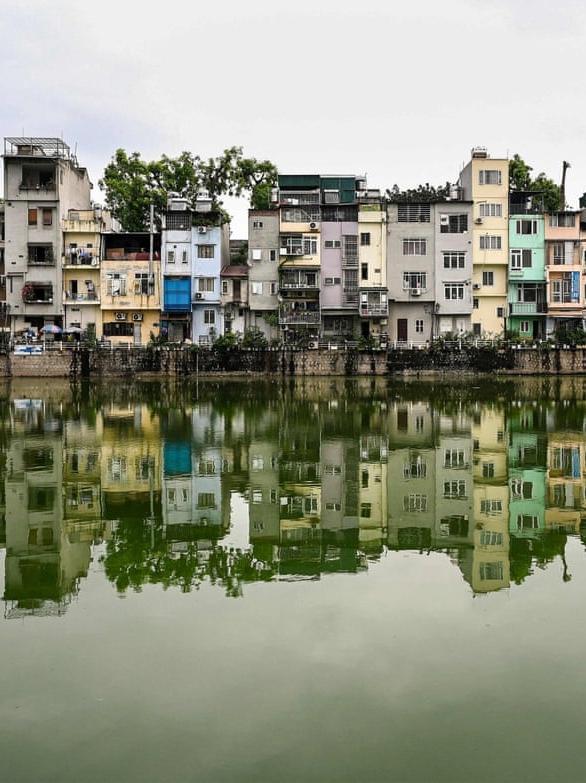
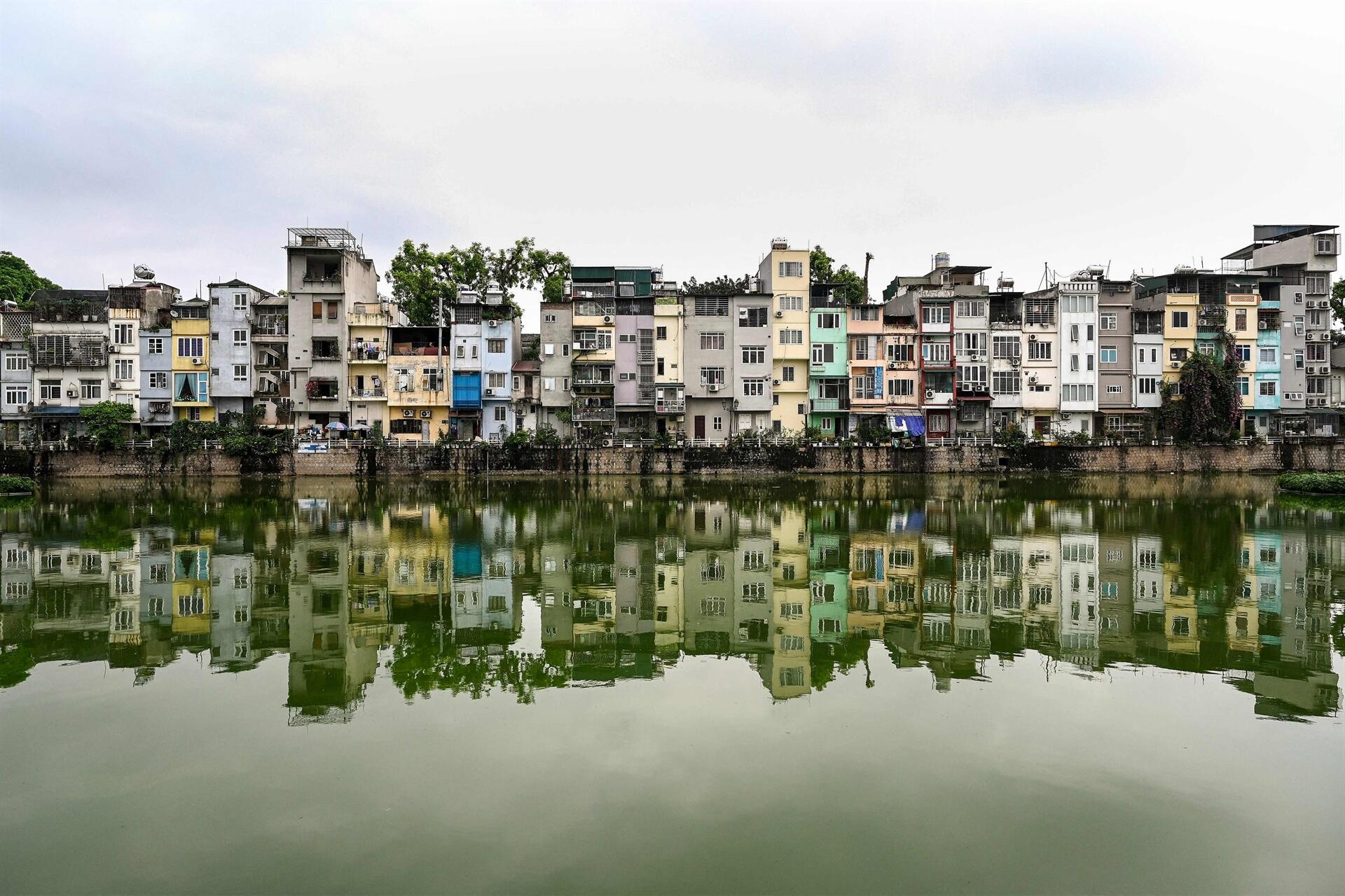
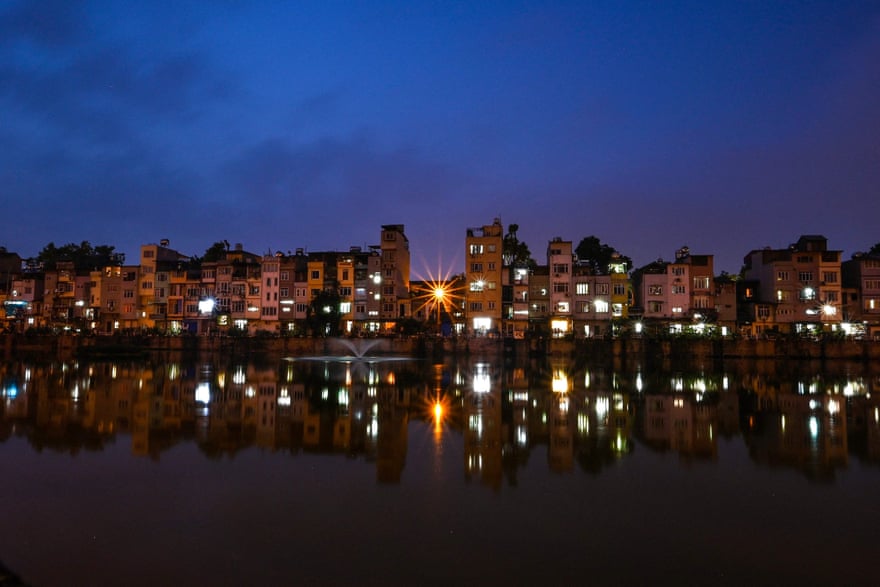
Hanoi is a densely populated city with limited land. As the demand for housing increases, the size of buildings becomes smaller. It's safe to say that rows of narrow, cramped tube houses are a characteristic sight in the capital's bustling streets.
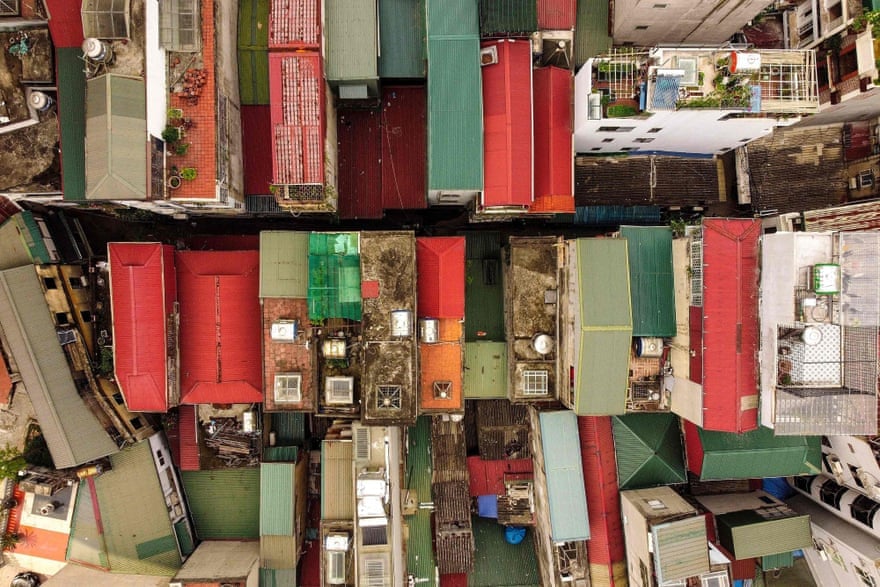
Images of houses built close together in a variety of colors pique the curiosity of foreign tourists. Photographer Manan Vatsyayana has created a series of photos showcasing this architectural style to introduce it to the newspaper's readers.The GuardianUnited Kingdom.
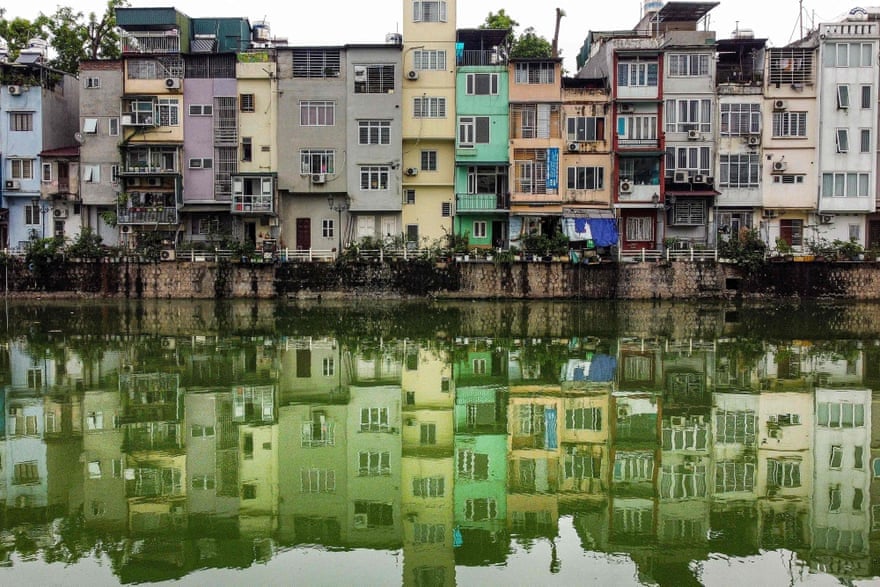
Although each house differs in design, they are similar in size, with a width of only about 4 meters but a depth three times greater (12 meters).
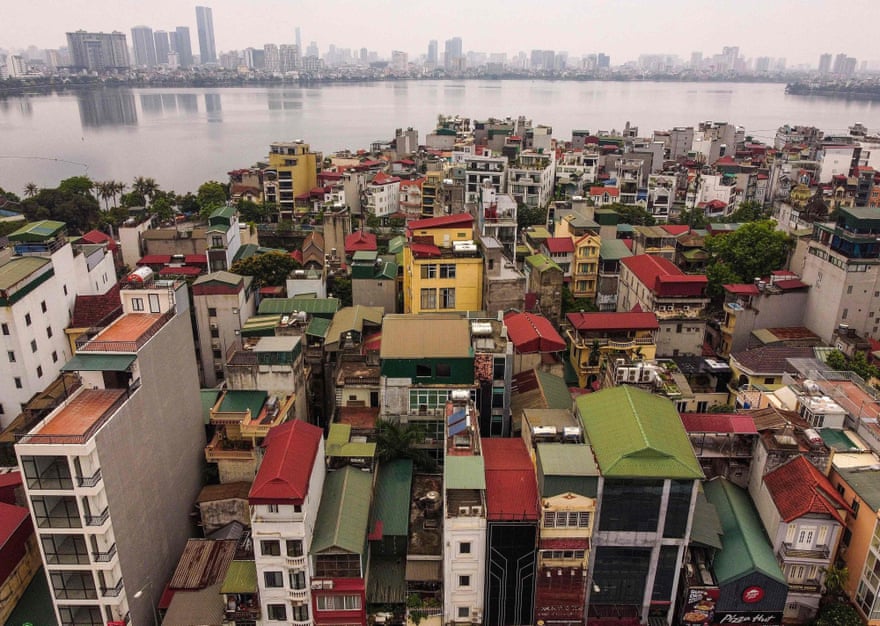
In these narrow townhouses, two to three generations share cramped living space.

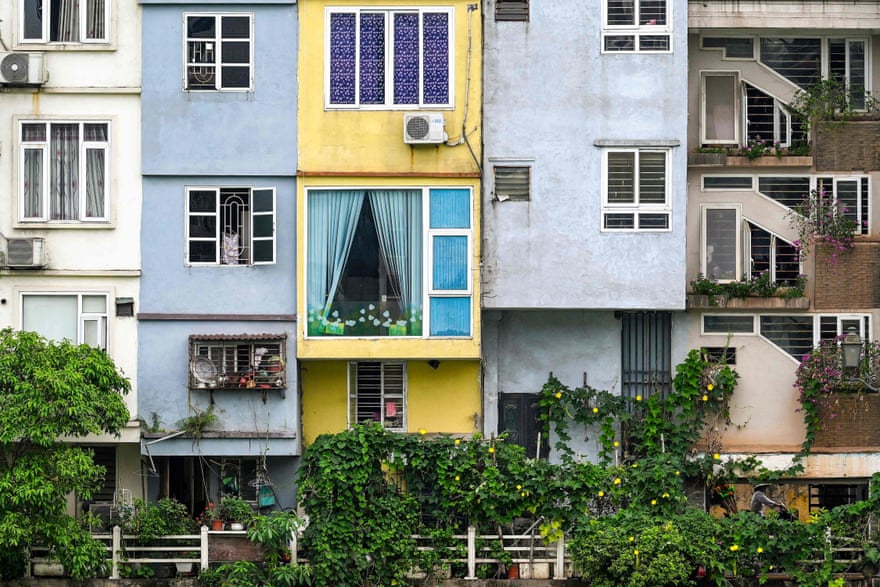
The concept of this tube house first appeared in Vietnam's capital in the late 19th century. This was the time when people from rural areas migrated to cities to establish themselves.
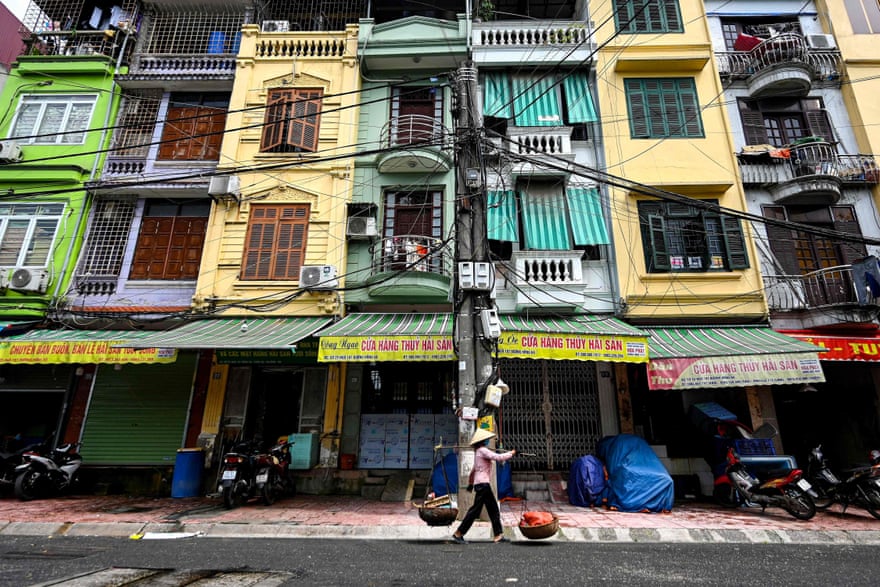
According to Tran Quoc Bao, a lecturer at the University of Construction, this design is a space-saving solution for densely populated neighborhoods in Hanoi. Over time, while the building area remains unchanged, the height has steadily increased.
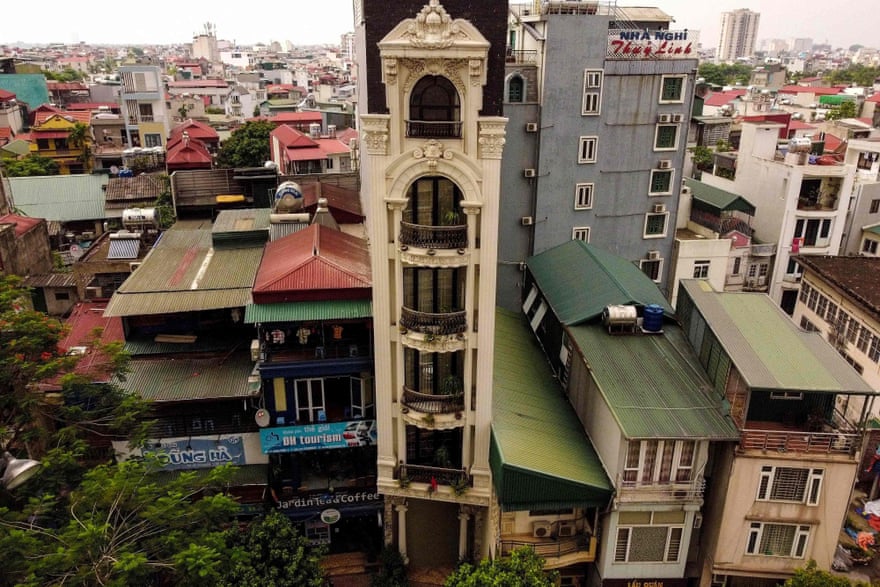
To this day, this design style remains popular and is referred to by architects as "terraced houses".
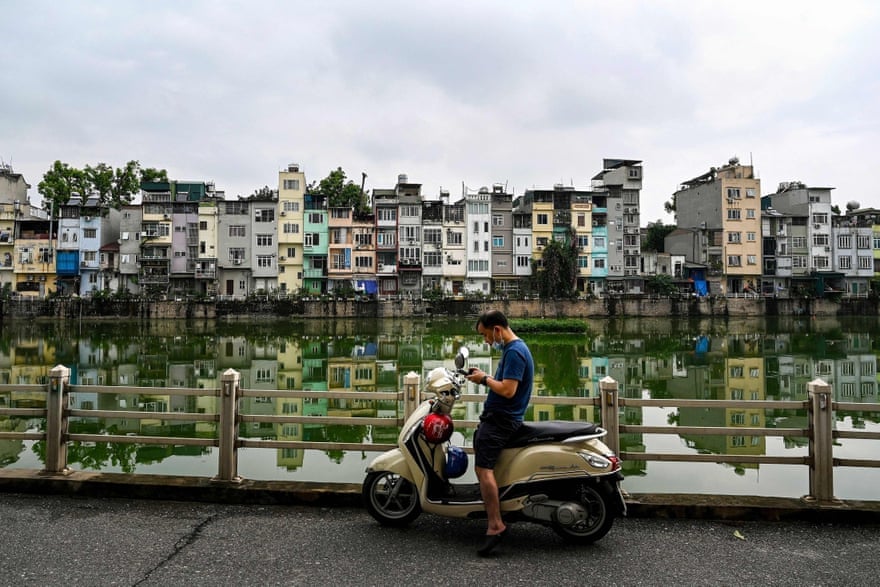
Quoc Bao emphasized that architecture is one of the city's unique cultural identities, combining traditional and modern values.
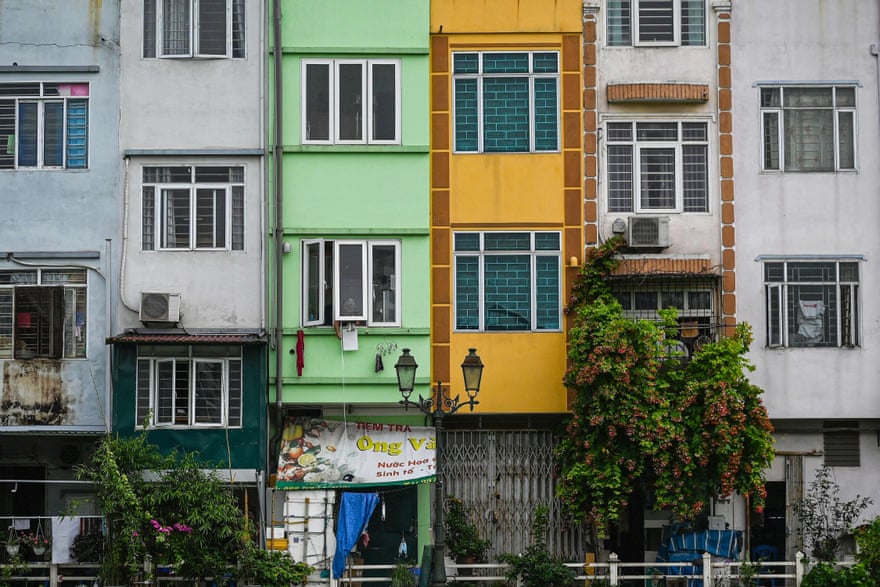
The idea of space-saving homes is gradually spreading and appearing more frequently in densely populated neighborhoods in other cities, not just Hanoi.