VI
VI


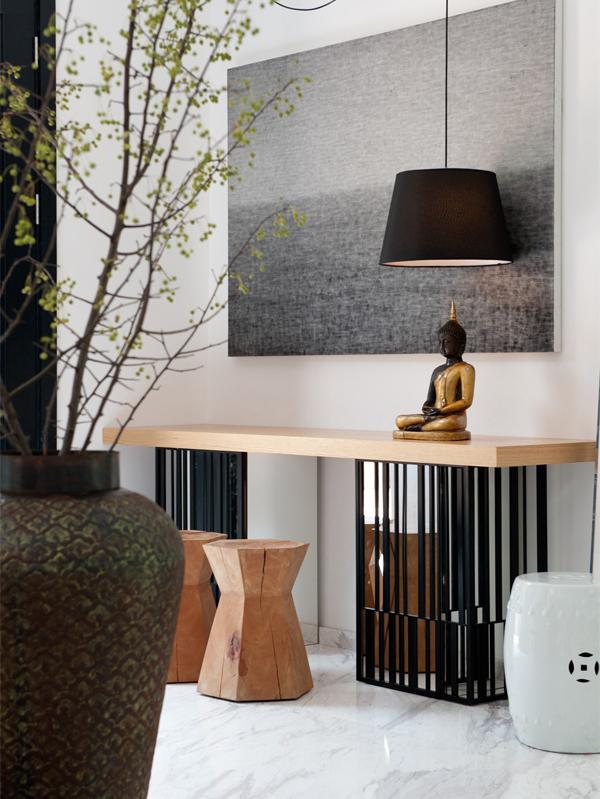
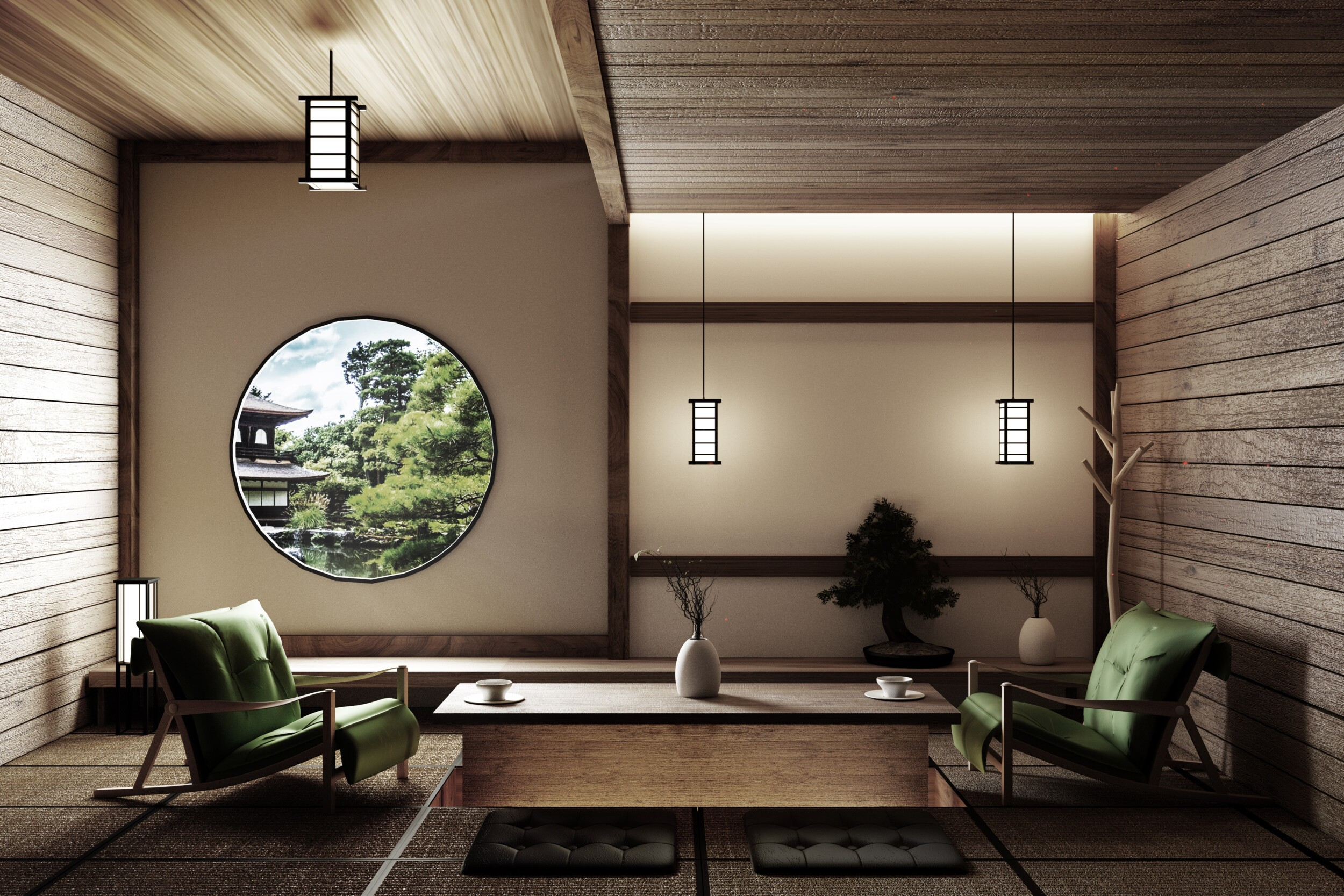
Zen (meaning "meditation" in Japanese) is associated with minimalism, purity, and harmony. Therefore, Zen architectural style creates a peaceful space where people can feel relaxed, balanced, and at one with nature.
To alleviate the stresses of life, more and more people are seeking and adopting the Zen style in interior design. Applying the following 10 ideas will help you create an ideal Zen living space.
1. Choose soft color tones.
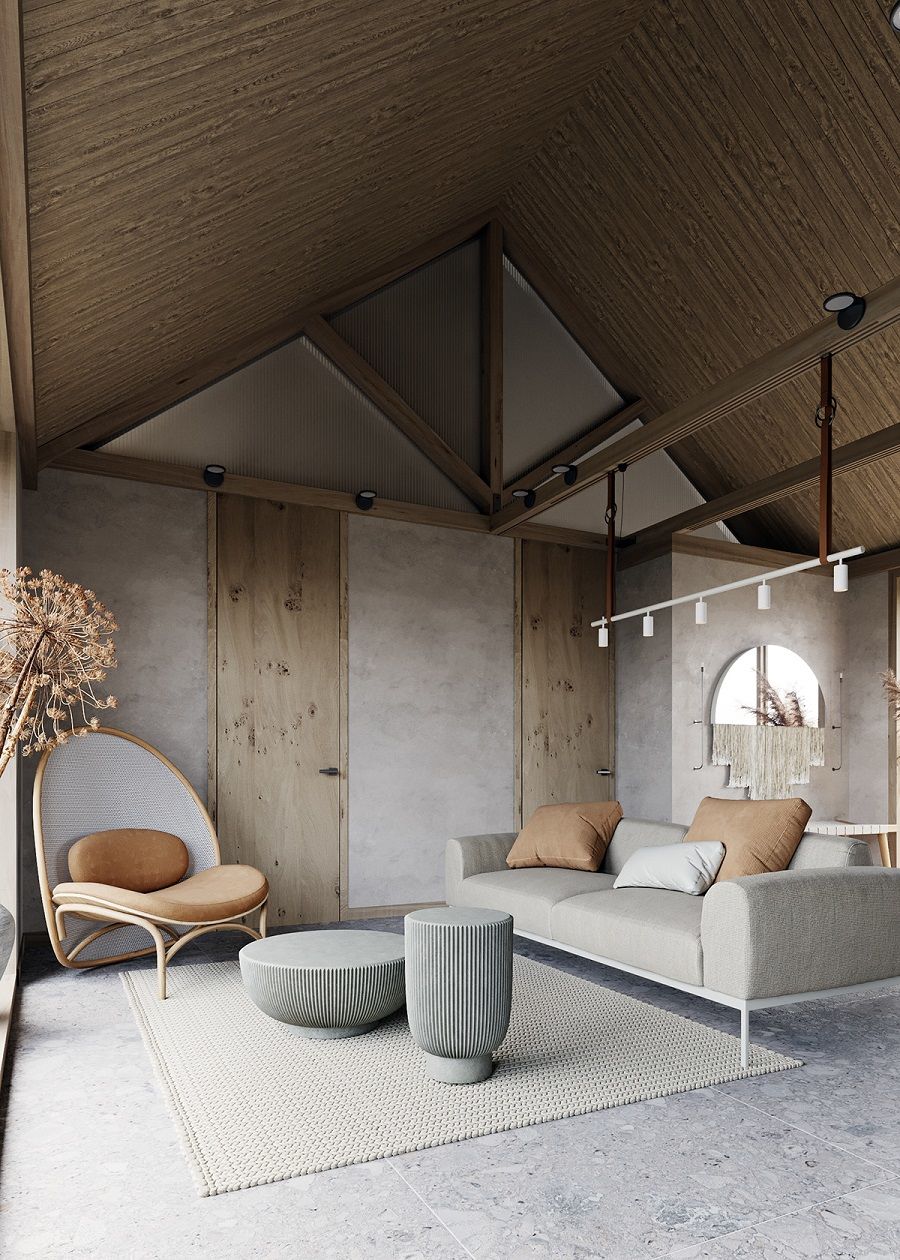
A Zen-inspired space will incorporate natural colors in soft tones such as white, gray, light shades of beige, or pastel pink. These tones effectively create a sense of relaxation and peace. Harmonious color combinations are crucial, as is visual continuity between walls, furniture, and flooring.
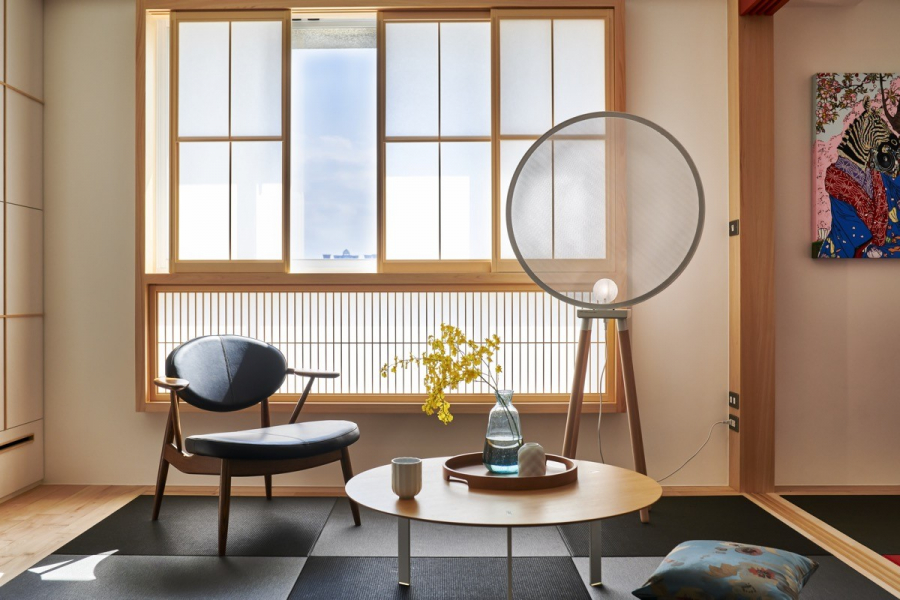
To add detail to a monochromatic room, you should combine the main color with suitable elements, for example, light-colored wood materials paired with gray textile patterns. To create variety in the color scheme, you might want to tone down your favorite colors.
2. Using wood flooring materials
Wooden flooring is always a safe choice, especially for large floor areas. The flooring should be in shades of white, gray, or any light color to create a subtly minimalist look. You can also choose a color that complements the rest of the room.
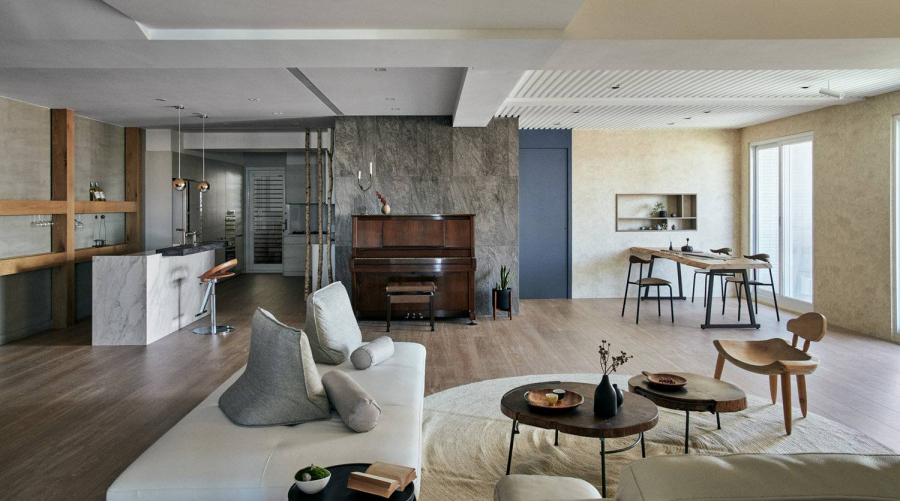
Vinyl flooring also offers a comfortable feel, suitable for a modern Zen-style apartment. You can add a rug for a softer touch, and consider materials like wool or 100% cotton. Pay particular attention to the rug's color to ensure it complements the flooring.
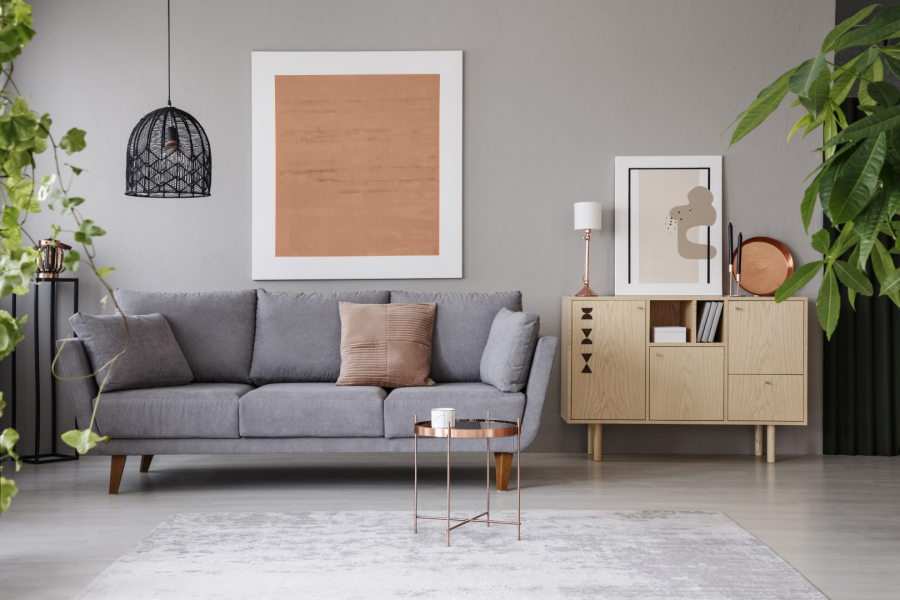
3. Use light-colored curtains made of natural materials.
The fabric material should be comfortable, lightweight, and natural-looking.

One of the key elements in Zen-style interiors is the use of curtains, which create a sense of intimacy while minimizing noise and blocking drafts. Many suitable natural fabric options are available, such as linen, wool, or burlap.
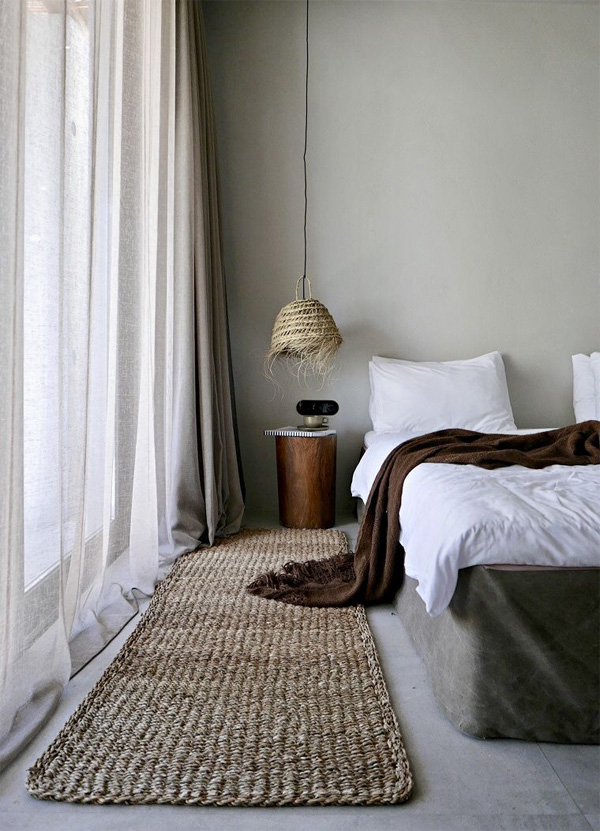
You can also use double-layered curtains to achieve different lighting effects. Also, pay attention to the curtain fixing system; poor-quality or unsuitable curtain rods or tracks can cost you a lot of time to repair.
4. Install a lighting system that is soft and natural.
To create a truly relaxing space, replace conventional fluorescent tube lights with soft-lighting options, candles, or utilize natural light in your living space. Arranging different light sources allows you to adjust the intensity in illuminated areas.
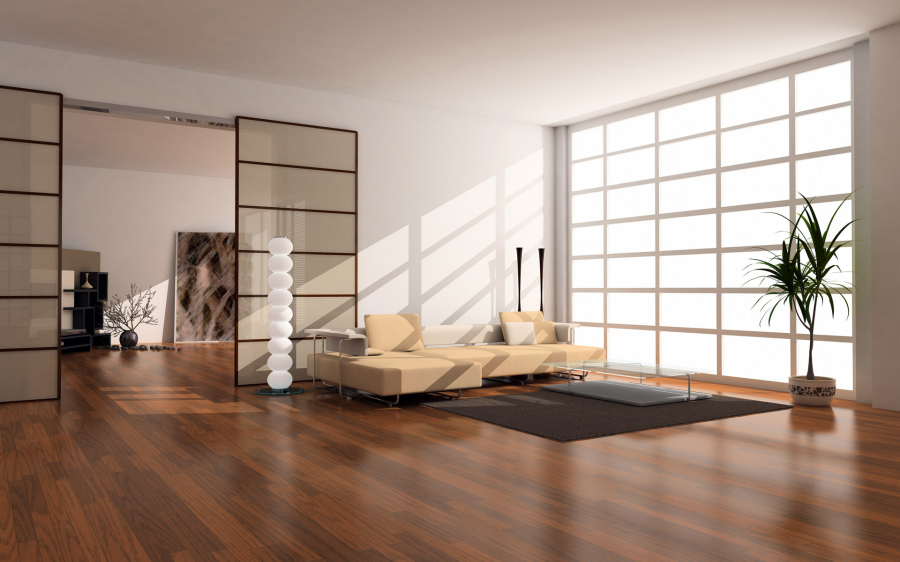
You should limit direct light from the ceiling; instead, use floor lamps or table lamps for indirect lighting. In the bedroom, wall-mounted lamps are ideal as they can create focal points, just like bedside lamps which are often quite versatile. If you prefer diffused light, you can place essential oil diffusers or scented candles on the bedside table.
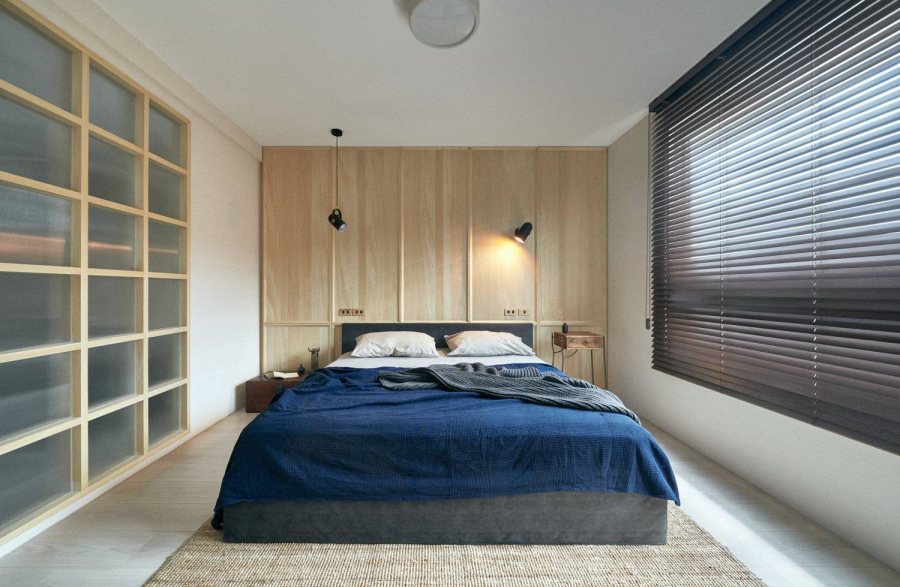
5. Prioritize minimalist furniture.
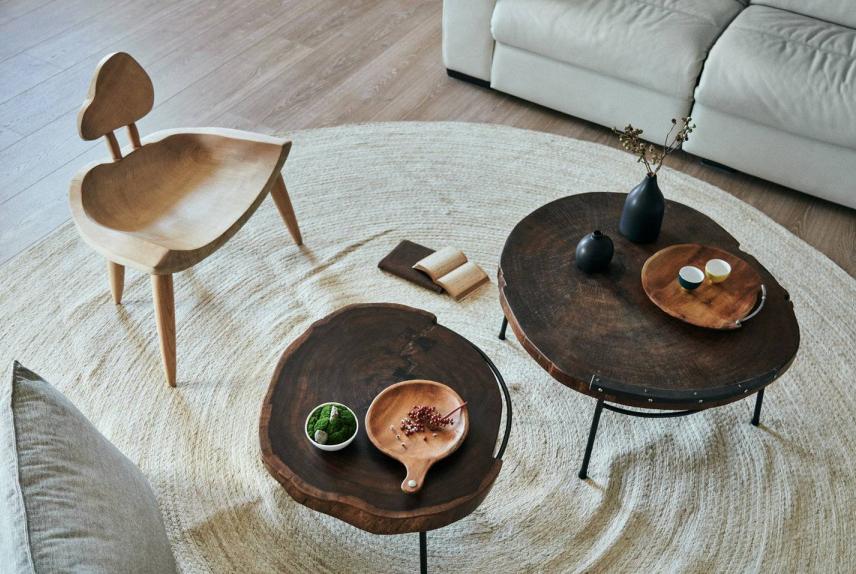
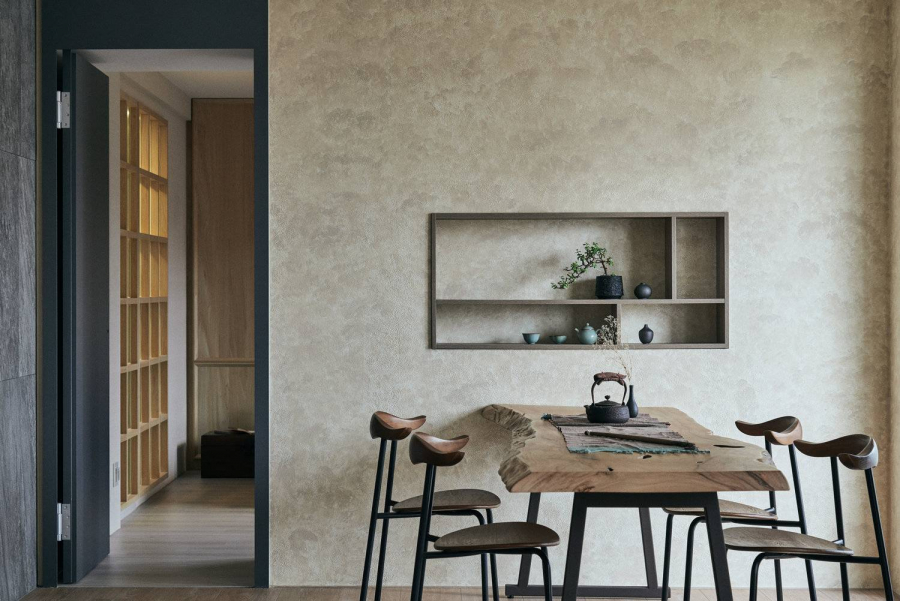
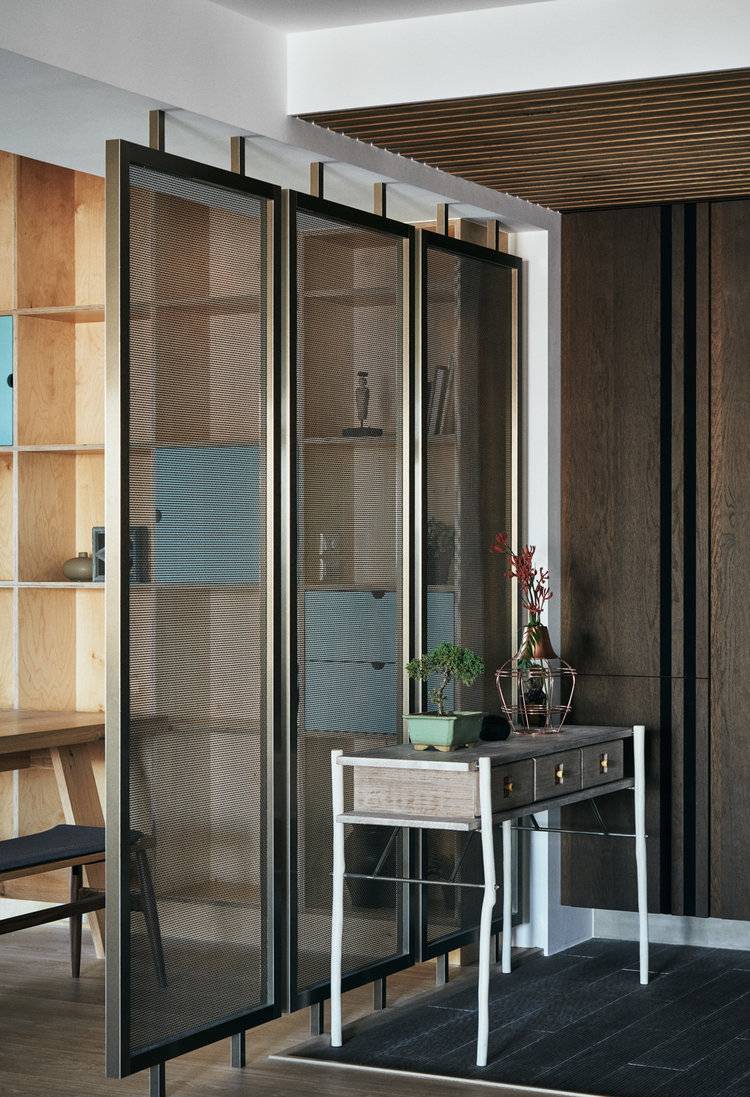
Zen-style furniture typically features simple, clean lines, avoiding intricate details and excessive ornamentation. Items should be of good quality and made from natural materials to create a warm, relaxing atmosphere. Storage cabinets (wardrobes, cupboards, chests of drawers) can be harmonious if painted in a color that complements the rest of the interior.
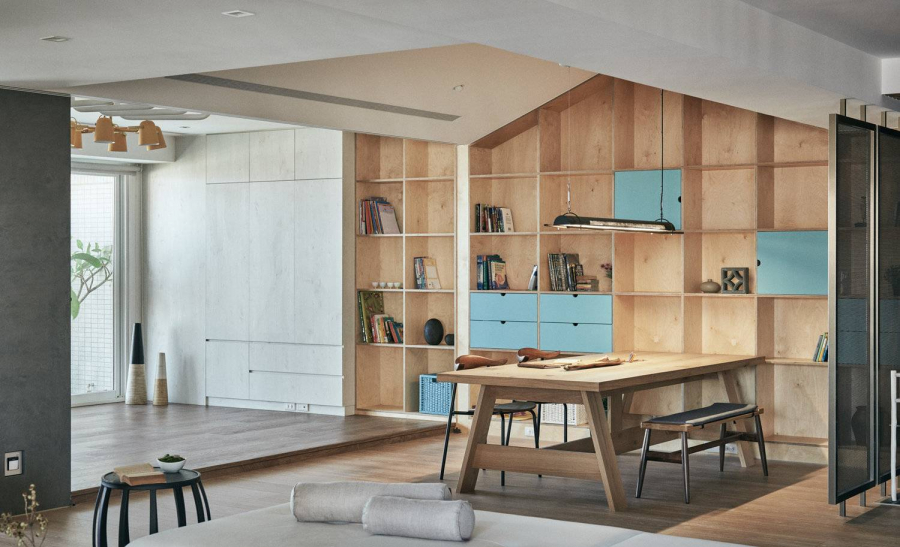
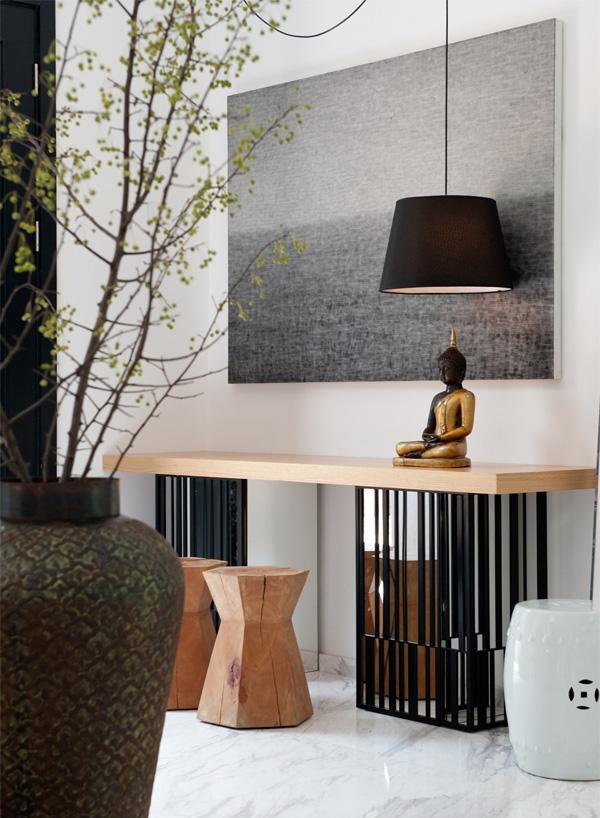
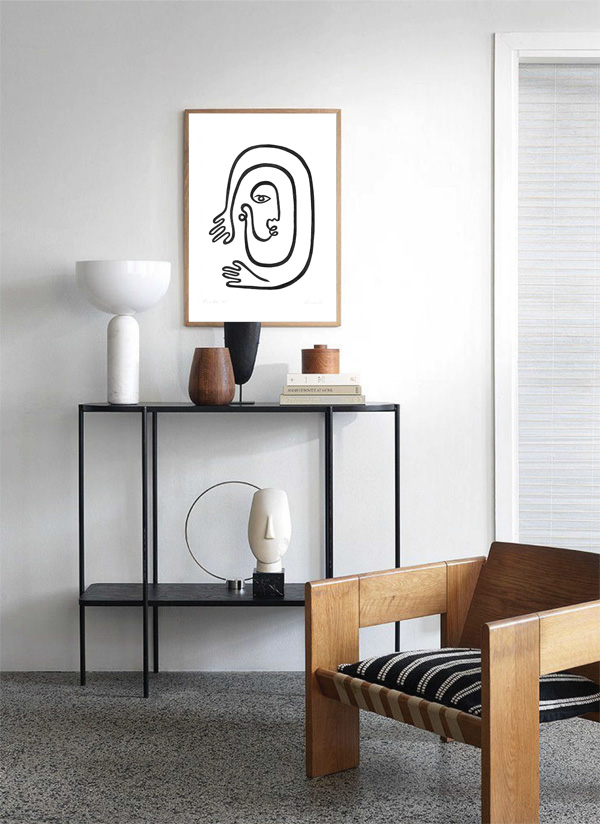
Arranging furniture in just the right amount helps prevent the living space from feeling cramped or cluttered. The elegance of wooden furniture and white items will be further enhanced by natural light. Additionally, when designing furniture and decorative elements, you should utilize the space beneath items to allow energy and light to flow throughout the space.
6. Decorate the bedroom in a gentle way.
To create a relaxing and peaceful atmosphere in the bedroom, you should place the bed near a source of natural light and avoid placing it opposite a door or hallway. The optimal height of the bed (including the mattress) is 55 cm, and the headboard should be upholstered in leather.
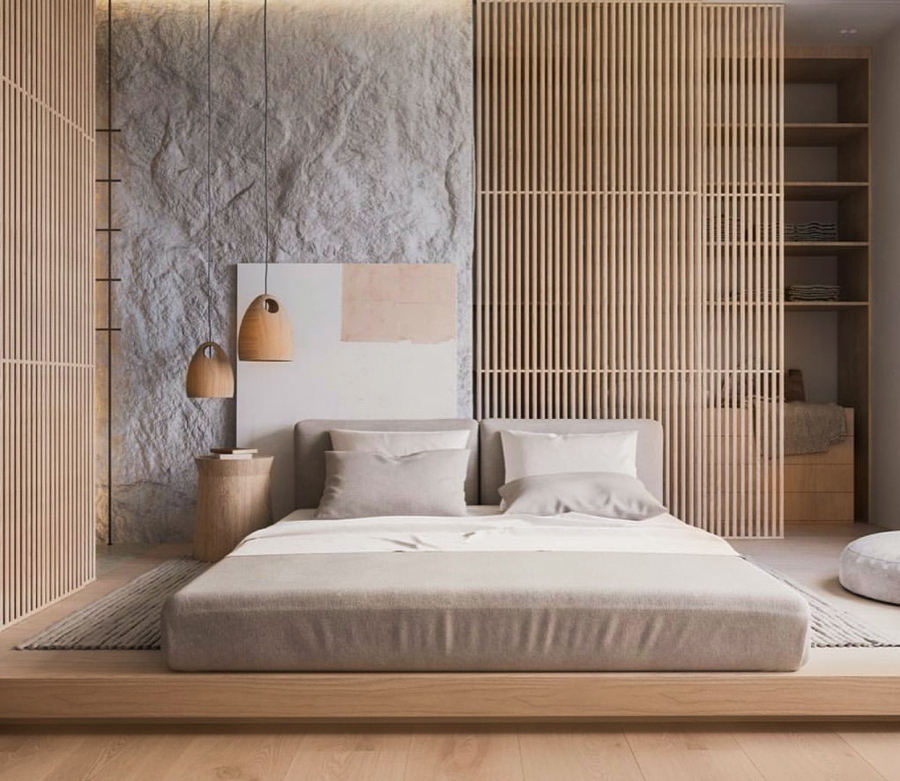
Minimize decorative details on your bed and opt for flannel, wool, or fleece blankets. Avoid using too many pillows of the same size; instead, use pillows of varying sizes and pillowcases, which you can use for sleeping or reading, depending on your needs.
7. Use natural fragrances
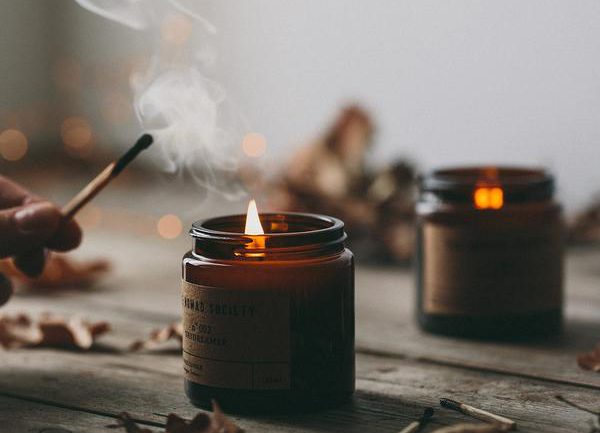
You can use natural scented candles such as soy wax candles, beeswax candles, or essential oils to create a gentle, subtle fragrance in your room. The scent will not only help you fall asleep easily but also energize you when you wake up.
8. Eliminate electromagnetic waves
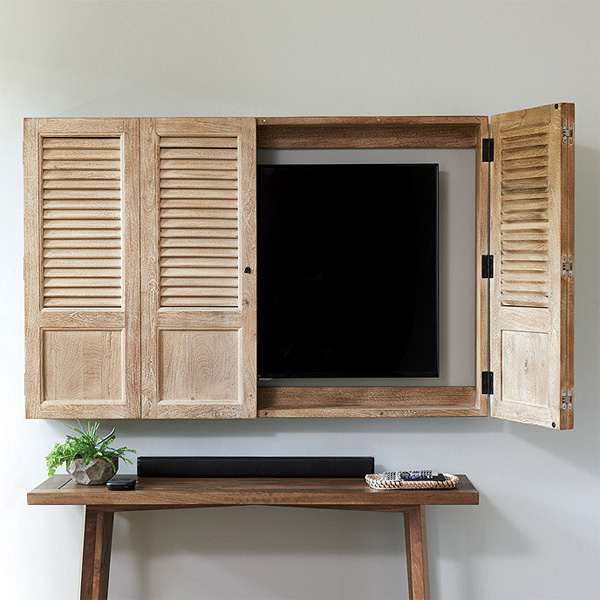
Electronic devices are often a source of distraction, making them unsuitable for Zen-style interior design. However, if you need a TV in the bedroom, ensure it's placed in a designated area or stored in a specially designed cabinet. Additionally, make sure that wiring and cables are carefully concealed to avoid disrupting the peaceful atmosphere characteristic of a meditative lifestyle.
9. Bring peace with greenery.
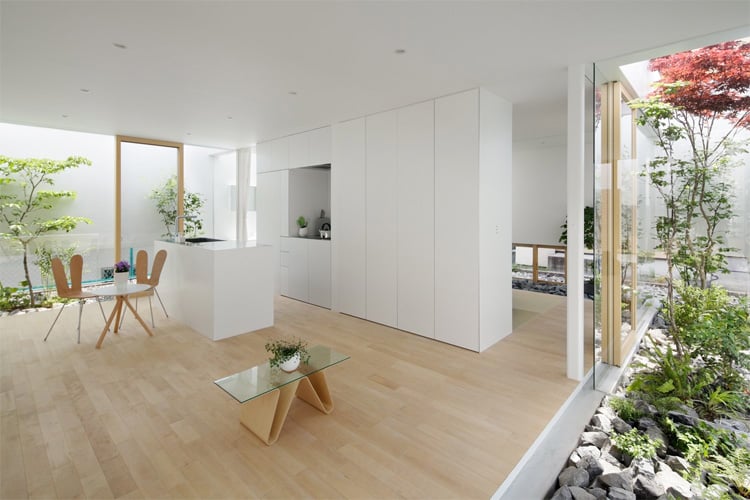
Green plants have a calming effect on the space through their gentle green color and air purification. You can place a few potted plants in the living room, bathroom, or kitchen. However, avoid plants that require special care or emit unusual scents. Japanese rock gardens are a rather interesting home garden model that helps reduce stress and increase positive energy.
10. Eliminate clutter.
Keep accessories and decorations to a minimum or eliminate them entirely, as clutter can hinder relaxation. The fewer items you have, the better, keeping only the essentials; you should only decorate with items that can enhance your sense of calm and comfort.