VI
VI


WHAT IS ZEN?
The concept of Zen originates from Japan, which is the Japanese transliteration of禪(Meditation). Zen emphasizes self-regulation, meditation, and understanding oneself and everything around in a natural and balanced state. The Zen spirit aims for a slow, relaxed lifestyle, in harmony with the universe and nature. Contrary to some views that Zen is about detaching oneself from life, the Zen lifestyle allows people to quiet their minds to enjoy and experience life in the present moment as it is.
As a nation deeply rooted in Buddhism, the Japanese Zen style is heavily influenced by Zen Buddhism, with its spirit of "non-reliance on written words," aiming for minimalism in all aspects of life. Zen Buddhism also emphasizes the importance of purifying the body and mind and living in harmony with the surrounding environment. The Japanese clearly reflect the spirit of Zen in their tea ceremony, bonsai art, architecture, cuisine, and most aspects of life.
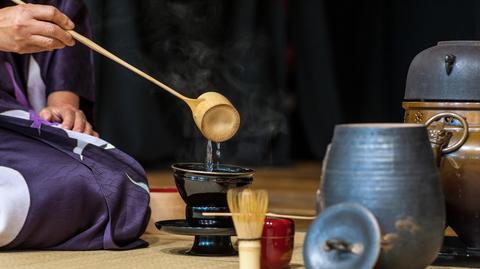
Federico Magonio / Alamy Stock Photo
Zen has entered modern life worldwide, stripping away rituals and customs, retaining only the spirit of minimalism and mindfulness. Therefore, practicing yoga, eating clean, and embracing minimalist fashion and architecture, while not all originating from Japan, are ultimately manifestations of the Zen spirit.
WHY HAS ZEN BECOME A TREND?
2020 and the first half of 2021 saw a wave, not overwhelming but significant, of the Zen lifestyle. In the US, the number of people practicing yoga increased from March 2020 after five years of decline. DietPlay cleanandplant-basedWith organic and natural food options, "slow food" is also on the rise. Additionally, search terms related to "Minimalism" have surged by 140% in Vietnam over the past two years. The question is, why is Zen becoming a new trend at this time?
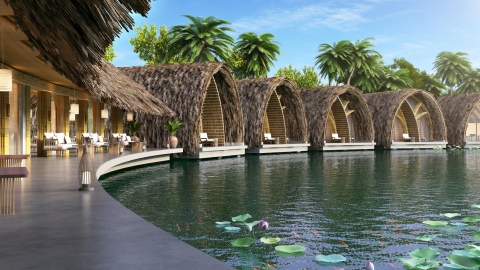
A Zen Hut
Over the past two years, humanity has witnessed a "VUCA world"—a world full of volatility, uncertainty, complexity, and ambiguity caused by the pandemic, natural disasters, political instability, and more. This upheaval has left people feeling insecure and fearful. Furthermore, prolonged periods of social distancing and restrictions on gatherings have disconnected people from the outside world, forcing them to spend more time reflecting on themselves.
Over the years, through countless efforts by corporations and advertising companies, humanity has been "trained" in consumerism, gradually forming the habit of owning more than everything else and equating it with happiness. However, a 2004 study from the American Psychological Association showed that owning many possessions can lead to overload, stress, and easy distraction. In the context of home isolation, facing a mountain of belongings, this frustration is even more evident.
Furthermore, the pandemic has made many people realize the truth of the Buddhist concept of impermanence. The crisis that has gripped numerous economies and led to the bankruptcy of countless long-standing businesses clearly demonstrates the truth that all things are impermanent. In a way, the pandemic has helped people realize the unnecessary need to be overly attached to material possessions; instead, focusing inward, developing one's mind and body, and living in harmony with nature and the universe has become an important path to finding happiness. In other words, the more turbulent life becomes, the more steadfast we must be.

WHERE TO BEGIN PRACTICING ZEN?
Whether you are knowledgeable about the origins and essence of Zen or are embracing it as a trend, practicing Zen will bring you great benefits. Below are ways to find Zen in several areas of life.
1. Zen Eating and Drinking
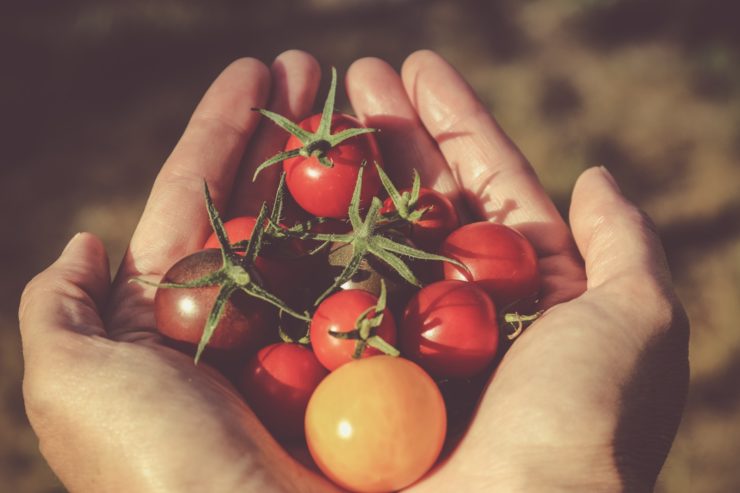
"Eat what's in season" is the core of Zen eating. Foods harvested in season tend to contain more nutrients (because they follow a complete and full growth cycle "designed" by nature) and have fewer pesticide and growth stimulant residues. You can read Masanobu Fukuoka's book, *The One-Straw Revolution*, to learn more.
Pastors.com
2. Wear Zen
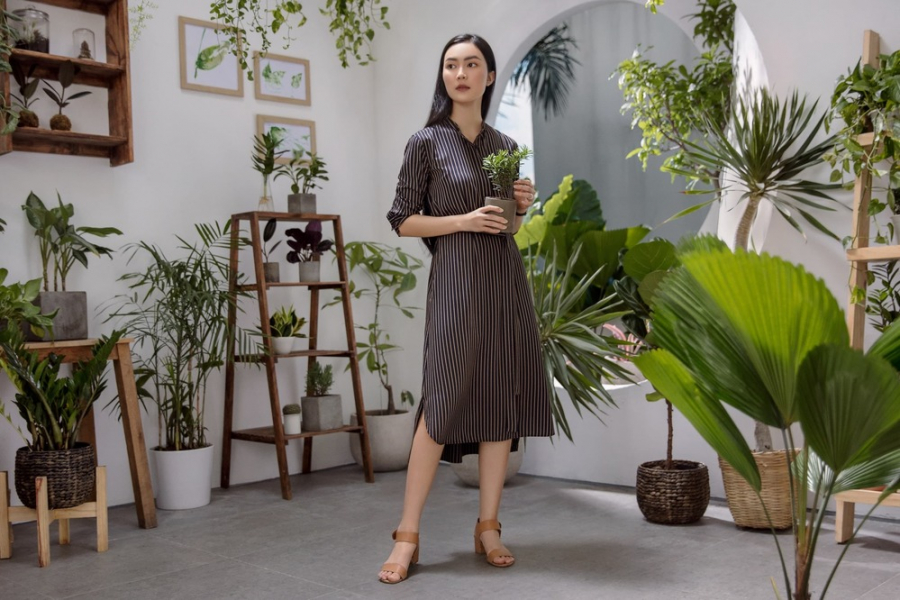
Zen fashion now revolves not only around minimalist designs and prioritizing comfort in materials and tailoring, but also embraces the concept of Sustainable Fashion, focusing on reducing water usage, using environmentally friendly materials, and paying fair wages to workers. This is the answer to the long-term direction of the fashion industry, as it gradually moves towards greater harmony and kindness towards the environment.
Uniqlo Vietnam
3. At Zen
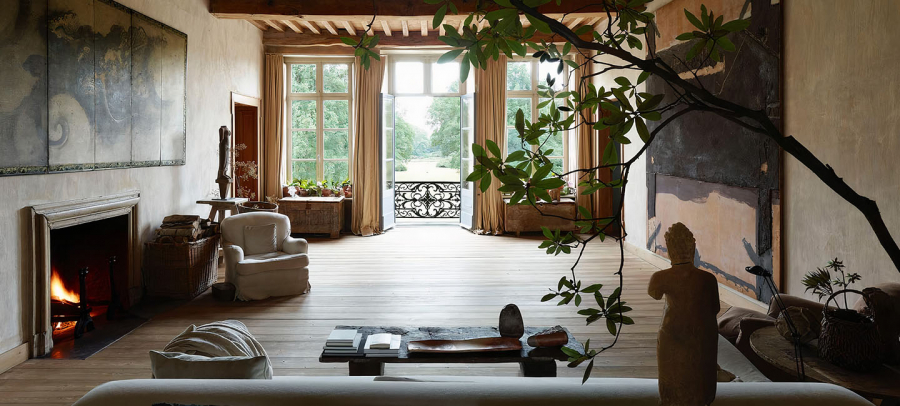
"Minimize clutter and add greenery." Start by asking yourself, "Does this item bring me joy when I pick it up?", declutter unnecessary items, and optimize the functionality of the remaining ones. And don't forget to incorporate some greenery into your home.
Nest Casa
4. Zen Travel
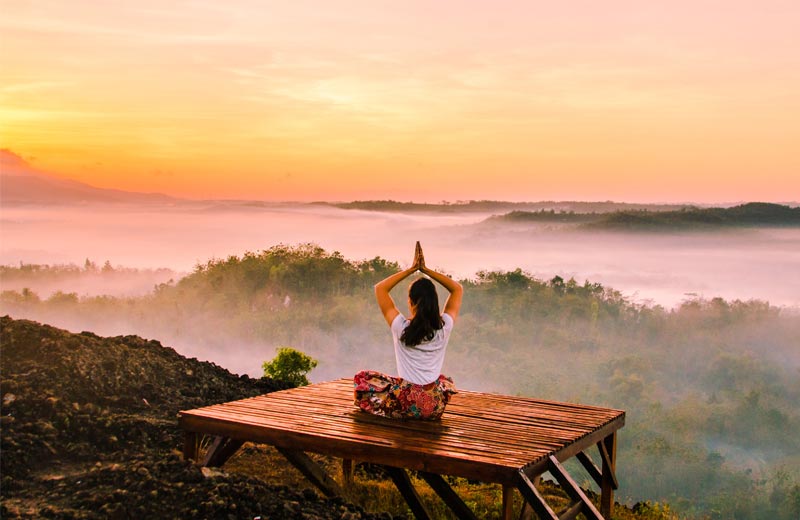
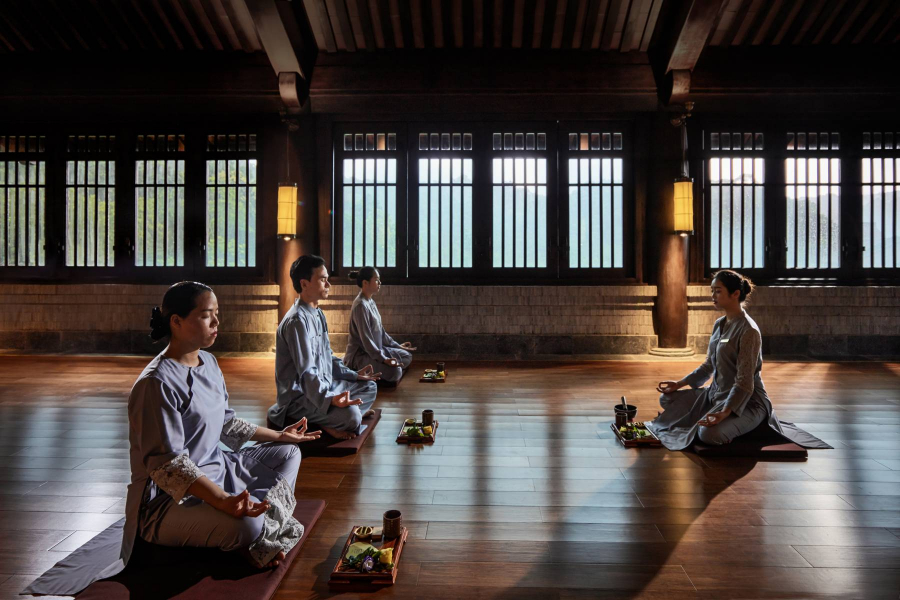
Given the current situation, it's a bit early to talk about travel. However, once the pandemic is under control, a Wellness Retreat or Yoga Retreat would be a good idea. Wellness Retreats offer participants trips that combine relaxation with physical, therapeutic, or spiritual activities. Additionally, some trips allow travelers to experience a cleansing diet that rejuvenates the body. With this new form of travel, besides relaxation, you'll have more time for yourself, immerse yourself in nature, and recharge both physically and mentally.
Legacy Yen Tu
Hopefully, through this article, you will find some inspiration to learn about Zen and apply it to your daily life. Wishing you a peaceful and joyful life, remaining "unmoved" even amidst the potential changes in the world around you.