VI
VI


Society - Human Beings
The Buddha considered craving to be the root of suffering. Two thousand years later, craving has been fueled by the influence of capitalism – now far beyond a mere economic doctrine. It governs all behavior, setting its own measure of happiness. Consumerism leads us to possess more, experience more, travel more, and then we will be happy. It seems we don't believe in – or don't know how to find – happiness within ourselves.
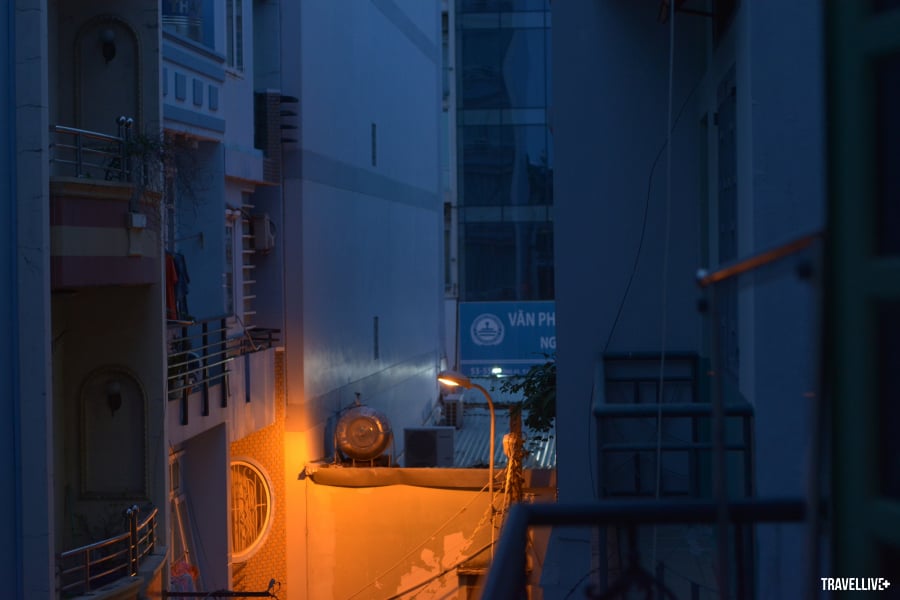
Meditation
One day, a pandemic unexpectedly arrived. The situation forced us to stay home more, seemingly as an opportunity to reconnect with ourselves, to confront our deepest and most genuine emotions. All sorts of emotions will come our way during this time, but perhaps sadness, loneliness, and negativity will be more prevalent. Without knowing how to deal with these emotions, we risk falling into depression, despair, and negativity. But instead of confronting them, we often avoid and push away unpleasant feelings when they arise, fearing that joy will fleetingly pass. This is a manifestation of attachment.
Meditation is a journey of eliminating attachment, of accepting things as they truly are. We observe sadness and joy without chasing them away or clinging to them, which means we are free from attachment. Meditation won't eliminate sadness, but it will alleviate suffering. It won't help us hold onto joy longer, but it will bring peace and allow us to fully enjoy it.
Experience meditation
At the end of 2018, I graduated from university and was very unclear about who I was.WhoThis question led me to a Vipassana meditation course at a temple located in Cat Tien National Park. However, the 10 days of the course didn't answer those questions for me. Meditating 10 hours a day, without communication (in any form), without phones, without the internet, forced me to confront myself. I was surprised to realize that I was noisy, very noisy. It was as if a MyTV television station had its headquarters inside my head, broadcasting 24/7, with all kinds of content and images. And that television station made me tired. The nun who guided me had an interesting story to illustrate meditation like this:
The thoughts in our heads are like weeds. We cannot and should not completely eradicate them. But every time we practice meditation, we are like planting a tree. The more trees there are, the fewer weeds there will be.

Mistake
After the retreat, I incorporated meditation into my daily routine, hoping it would make me stronger and more focused to handle work and life's problems. However, when work pressure increased and crises arose, meditation didn't help me solve the problems; in fact, things seemed to get worse. At that point, meditation felt like an act of abuse to me, both physically and mentally. I stopped meditating indefinitely when I realized I was distorting and corrupting the practice. From the beginning, my purpose in practicing meditation stemmed from attachment and desire. I hoped meditation would help me live more easily and live according to my own will.
Realize
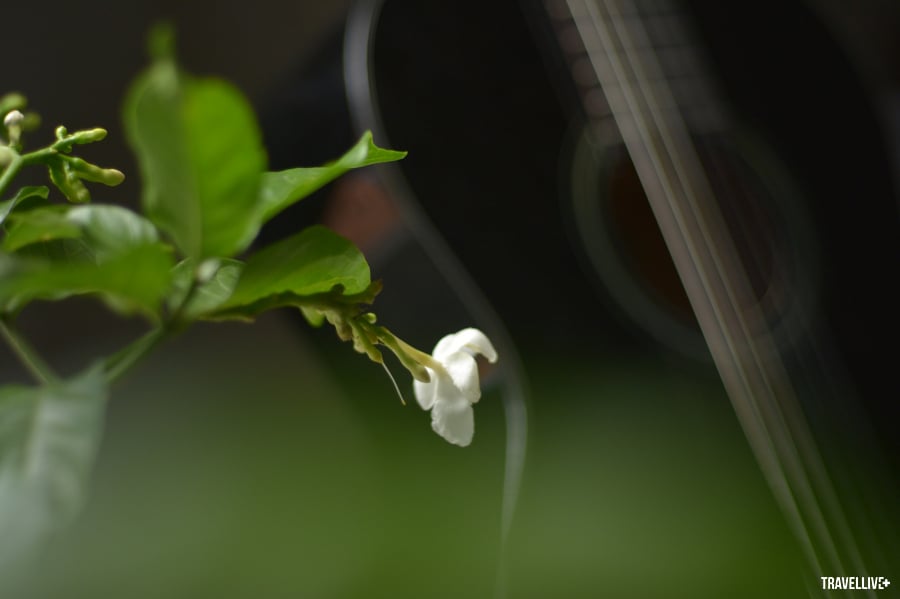
At this point, I've been home for over three months due to the city's lockdown. My job requires constant travel and I rarely get to be home, so these three months have been a rare opportunity for me to reflect on myself since my 2018 meditation retreat. Many health and mental issues have arisen during this time. I believe this is a consequence of a long period of living without mindfulness. If I want to improve myself, I must change. I need to pay attention to my health, listen to the small signals within my body, and enjoy the joys of everyday life. From small things like making a cup of coffee in the morning or watering my jasmine plant. Sadness will inevitably come, but instead of running away from it, I'm learning to observe it and reconcile it with myself. And even though I've been lonely for over three months, my heart remains at peace. I smile because I've finally truly learned to meditate, even though I'm not sitting cross-legged or in the lotus position like before.
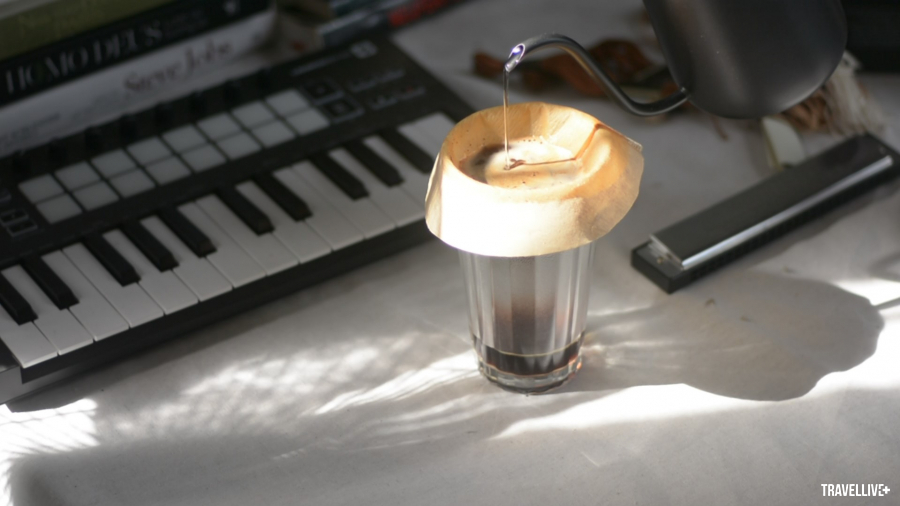
To approach meditation practice naturally, joyfully, and without coercion or self-imposed pressure, you should begin with the smallest and easiest things.
Silence
First, keep your living space quiet and tidy. Stop playing music when you're not really listening to it. This opens up a peaceful space and a quiet energy that will inspire you to find mindfulness. If your living space connects to the outside, a balcony for example, grow a plant, create a garden. If not, try to keep your home tidy. Every small action has the power to remind you to return to yourself.
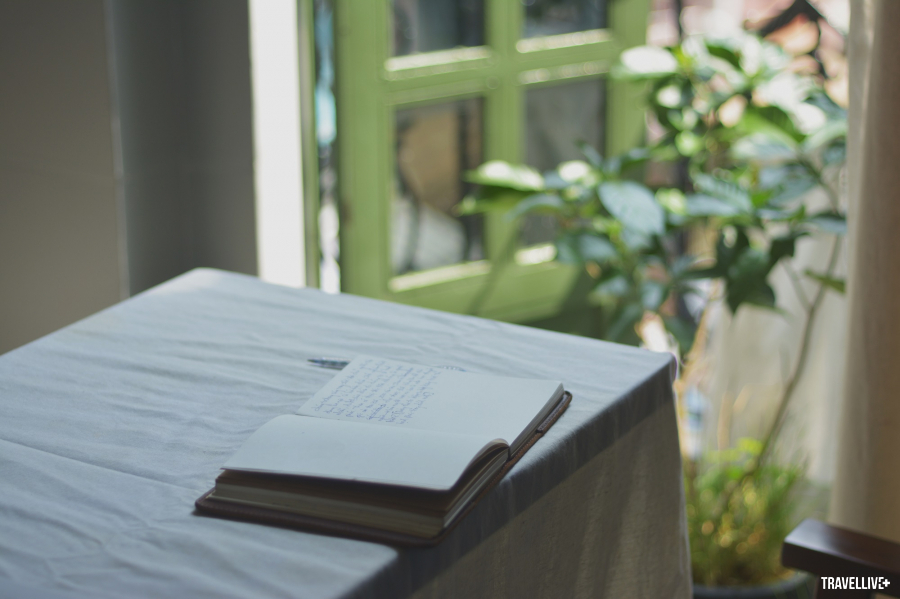
Mindfulness bell
Secondly, set yourself a mindfulness alarm. Three months at home was a test of my ability to maintain my belongings. I accidentally broke most of my dishes and glassware. The dry, shattering sound was like an alarm reminding me that I wasn't present in the moment. The alarm jolted me awake and quickly brought me back to my breath. When working, I set alarms on my phone. When I hear the alarm, I stop what I'm doing and return to my breath; in just a few breaths, I reconnect with myself, knowing that I am alive and present in this moment.
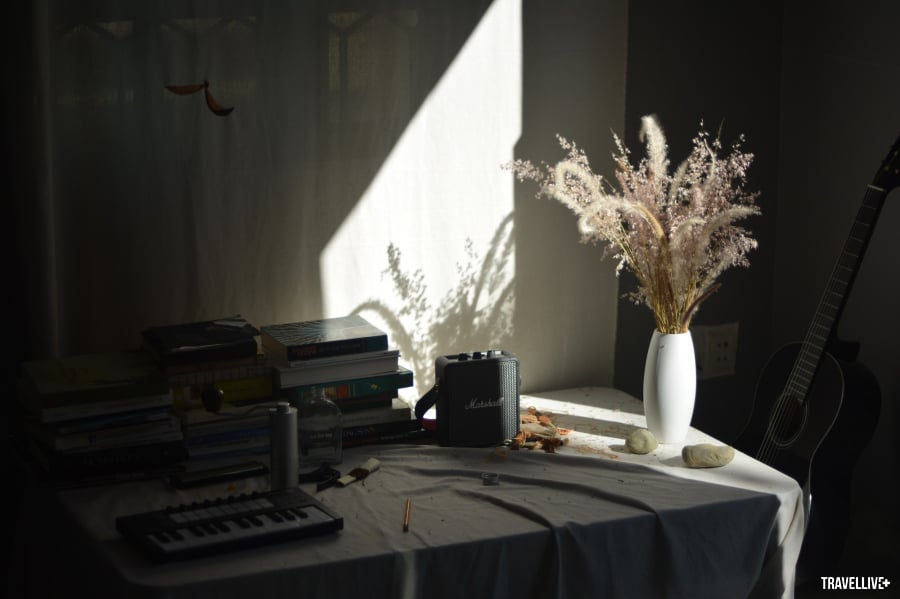
Breath
Third, let's return to the essence of meditation. Meditation doesn't make things easier, it doesn't make us happy, or make us stop being sad. Meditation calls us to live in the present moment, to eliminate attachment and delusion. Doing this isn't difficult; we just need to observe our breath – which is also observing ourselves. This helps us master ourselves, so that we don't cause harm or suffering to ourselves and others through unconscious actions when we are overwhelmed by strong emotions. We can observe our breath anytime, anywhere. We don't wait until we're finished or have free time to sit in the lotus position and listen to our breath. Even just one mindful breath is enough to bring our body and mind back into one, allowing us to be present in this moment.
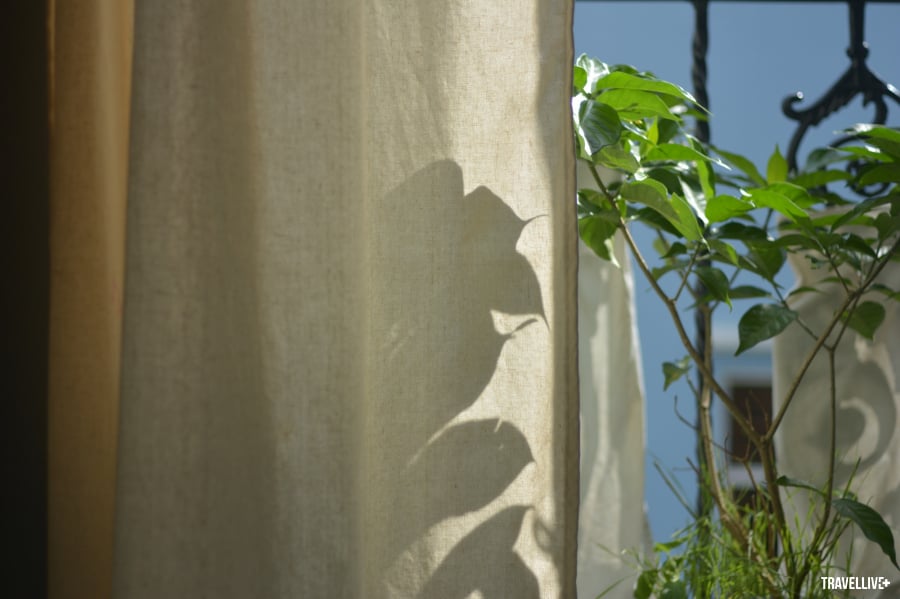
Practicing meditation has helped me gradually change my attitude towards life in a more positive direction. And even in the context of the pandemic and the orders...lockdownDespite the constant drag on in the city, I still find peace and enjoy life in the "new normal."
_____