VI
VI


The story of a doctor removing a pregnant woman's breathing tube from her family has brought many to tears in recent days, but after the information was declared "fake news," it has become one of the most worrying phenomena – in an era where digital technology is increasingly dominating much of daily life.
Social media has revolutionized our lives and how we connect. There are numerous benefits to the widespread adoption of social media: families and friends can connect much more easily; important people, messages, and stories can reach attention at lightning speed; individuals can build and create more than ever before; businesses can connect with their target audience more quickly and cost-effectively…
But we also need to be aware that there can be negative impacts when social media is used and operated without proactive, ethical, and responsible approaches from the users themselves. Without boundaries, we can be bombarded by content from social media (and other competing sources). With overly persuasive content, posters or commenters can even influence our own moods and behavior. This can trigger unpredictable mob reactions and create stress for adult users. Worse still, these factors can have devastating consequences for young teenagers.

Source: Facebook
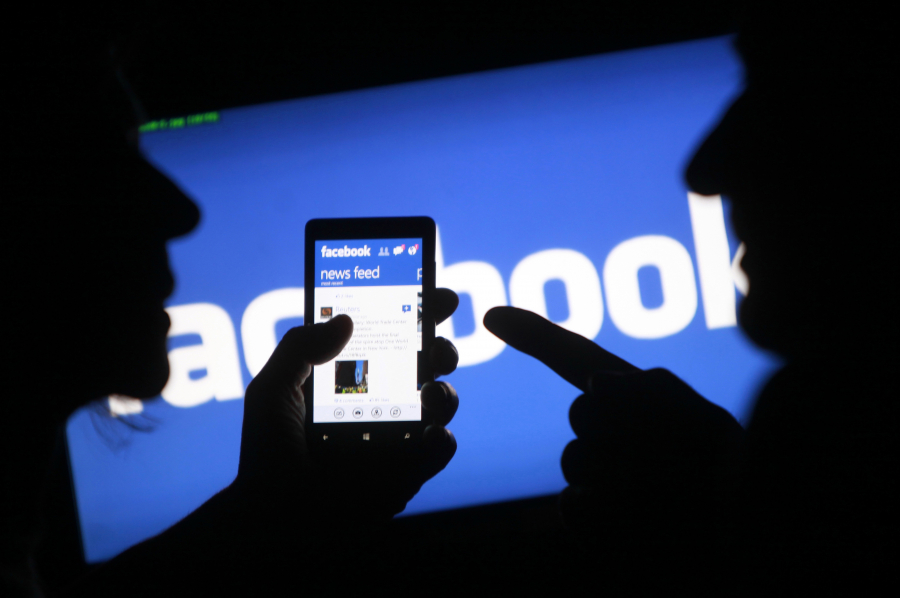
Social media plays a vital role in daily life… but that doesn’t mean you can blindly trust and use it without thinking or caution. Paying more attention to how you use it, why you participate, and limiting your time on social media can be more beneficial for your life, health, and well-being.Here are 10 "guidelines" to help you use Facebook effectively and wisely.
1. Turn off or limit notifications.
Certainly, many of us suffer from FOMO – Fear of Missing Out – which is why notifications keep us constantly bombarded with information. But if you're not careful, it's easy to fall into the trap of being constantly distracted from work, family, and real life. A good framework to follow is: schedule your social media use for more purposeful purposes instead of constantly checking notifications enthusiastically and unconsciously.
2. Take control of your personal schedule.
Researchers have recently identified a key point when it comes to the amount of time you spend on social media. The Journal of Social and Clinical Psychology found that keeping usage to under 30 minutes per day can lead to better health outcomes, reduced loneliness, and decreased depression. So, set limits on how much time you spend on social media. If you have an iPhone, you can easily track your device usage, access real-time reports, and set your own time limits.


Spending less than 30 minutes a day on social media can lead to better health outcomes (Image: Internet)
3. Use social media purposefully.
When scrolling through social media, have you ever asked yourself, “Why am I following this person, and what is my purpose in following them?” If you haven’t, now might be a good time to be mindful of the information sources you’re following. Ask yourself these questions, and if you can’t find a good reason to follow that account, simply unfollow it. Another effective way to manage your feed is to stop following accounts or people who are negative, envious, or bring you bad emotions. It’s important to follow those who bring positivity, inspiration, creativity, joy, and hope to the community. It’s also worth noting that what we see on social media is determined by algorithms that predict what you want to see based on your interests – so, remember...preferOnly include what's absolutely necessary.
4. Stop passively browsing the internet.
"Browsing the internet" has long been an addictive activity. Passive browsing is commonplace, and it's easy to get caught in this cycle of procrastination, especially with so much happening on social media every second. To change this passive behavior, proactively access accounts or people you genuinely want to learn more about; or perhaps set "active" accounts to "Favorites" or "See First." This approach will cut down on passive browsing and make your thinking more positive.
Photo: Internet
5. Beware of clickbait.
In recent years, fake news and clickbait have become a major problem. As people browse various social media platforms, headlines that are unclear in any context cause many to click on links spreading fake content or misleading information. This is what is known as clickbait or clickbait. Sadly, studies continue to show that controversial or negative headlines generate the most clicks on online platforms like Facebook, Instagram, and TikTok. If you happen to see 'news' from provocative headlines, it's best to simply back off, check the link and the authenticity of the account owner posting the information, and gather factual information from reliable sources.
6. Regularly monitor your emotions.
While social media has many positive aspects, it also has some quite negative ones. Humans are inherently social creatures. We seek companionship and understanding from others to thrive in life. Social connection brings a sense of belonging, joy, and self-worth. However, on the other hand, a lack of social connection or comparing one's life to others can seriously threaten our emotional health and well-being. It's easy to get caught up in this social cycle, about what is real and what isn't. It's important to remind yourself that what you see on social media isn't always the real picture. Many people use filters, effects, and Photoshop to enhance the illusion of perfection. But the simple truth is: nobody is perfect.
You might even consider taking a break from social media as a healthy strategy. Digital detox can provide time for introspection, renewal, and help cultivate a fresh mindset that encourages other activities.
Taking a break from social media would be a healthy strategy (Image: Internet)
7. Likes don't reflect your self-worth.
Always try to detach yourself from the results of your social media posts. But studies also show that this is easier said than done. In reality, "likes" are not equal validation. Remember that the number of likes you receive is not related to who you are, nor does it reflect your intelligence, your attractiveness, or how many friends you have. Just remind yourself that you don't need a picture or post to get a lot of likes – this reminder will be powerful and help you feel better.
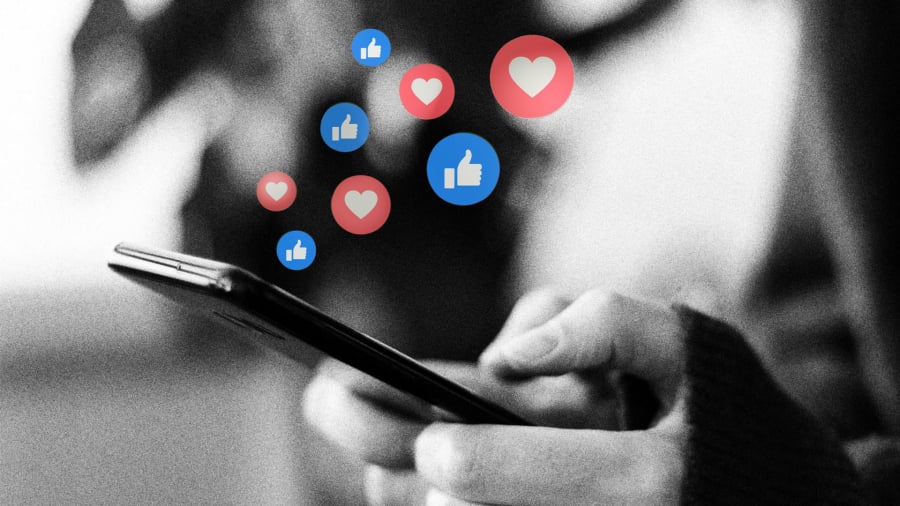
Photo: Internet
8. Privacy settings
Each individual needs to proactively protect their privacy on social media. Each platform has its own privacy settings, and you should understand how each one works. Always keep your settings up-to-date, as platform policies change periodically. Additionally, be mindful of all your publicly available information on social media, as not everyone needs to know everything about you.
9. Contribute to building a positive environment on social media.
Before posting anything on social media, be mindful of what you're about to share with others. Decisions like posting negative or controversial content/images can have a longer-lasting impact on others than you realize. Once you post something on social media, it can remain in someone's mind forever. So, a good rule of thumb is to keep your posts positive, honest, relevant, uplifting, and informative for the people in your community you care about.
Words have immense power - think carefully before you post any negative comments (Image: Internet)
10. Turn off the internet and spend more time with life.
Social media is a part of our daily lives and helps us connect in the vast digital world. But we also have a real life with many experiences out there. So, don't let yourself become too dependent on computers or phones. Obviously, turning off those devices and spending time interacting directly with your loved ones will give you a healthier life, a more stable mind, and a much better mood.

Photo: Internet