VI
VI


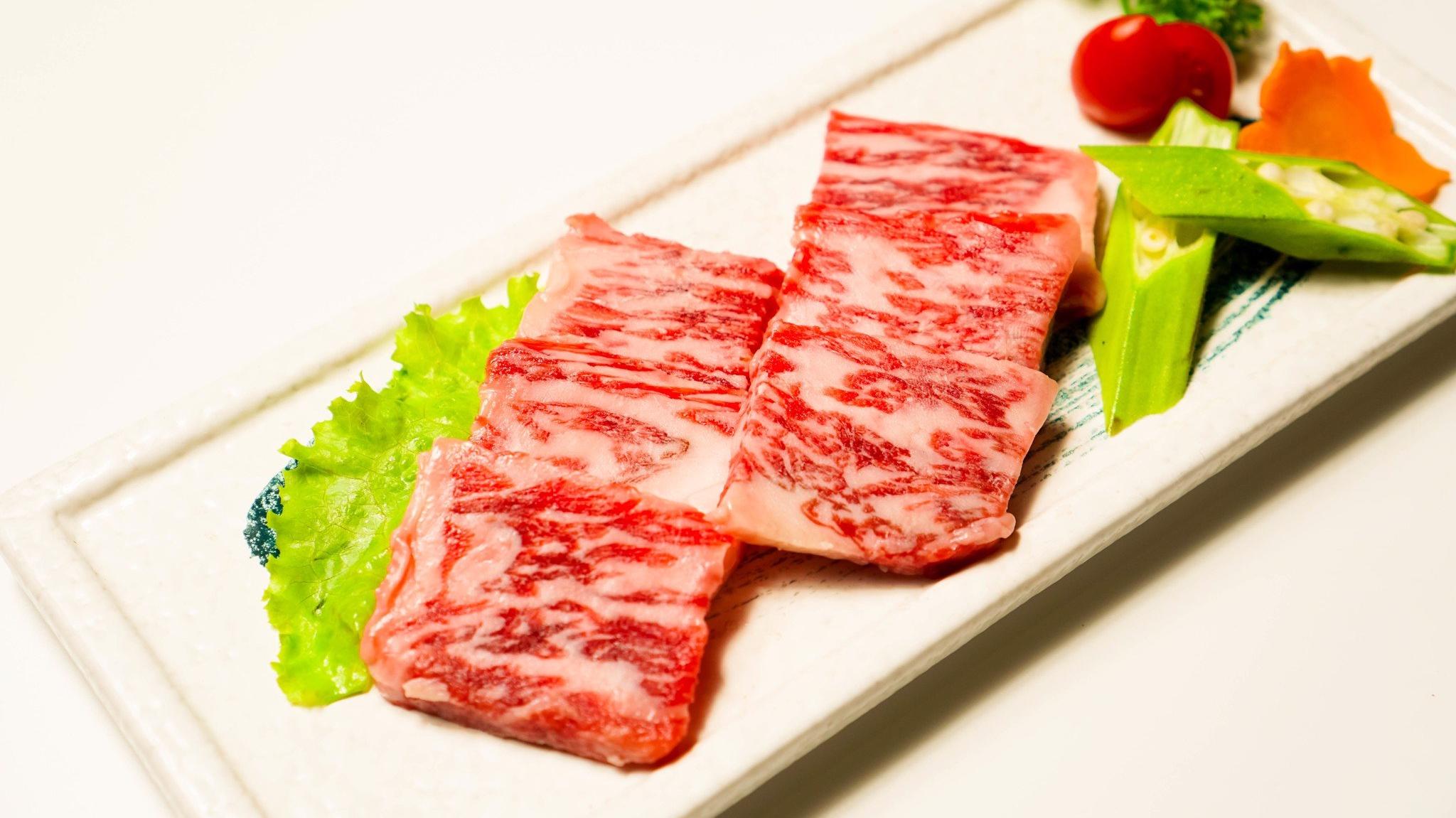
Wagyu beef, also known as "Japanese beef," is a high-quality, extremely expensive type of beef known for its densely packed, marbled muscle fibers and high content of unsaturated fats. These veins not only give the meat a unique texture but also enhance its rich flavor. However, modern livestock farming methods are often considered unsustainable due to the large amount of toxic emissions released into the environment.
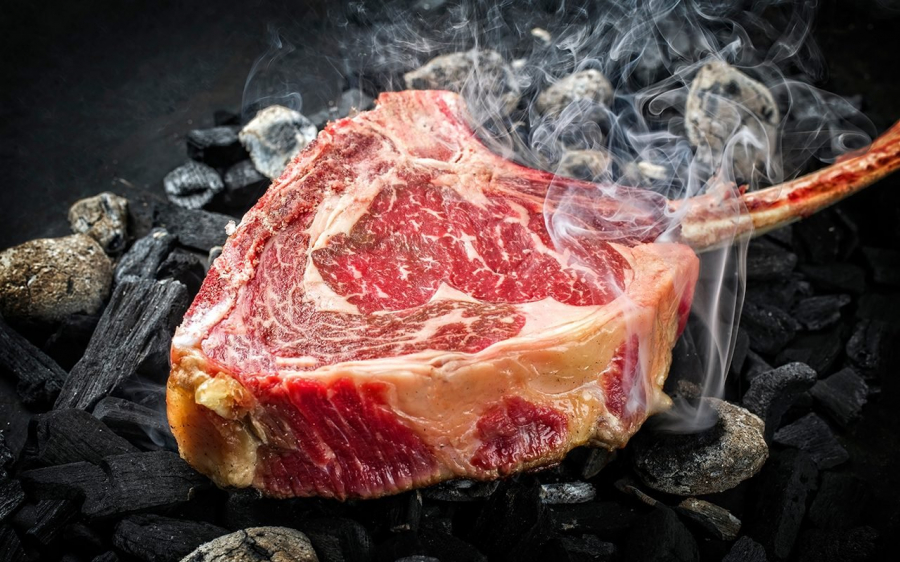
A delicious and expensive piece of Wagyu beef on the grill (Photo: Internet)
Scientists at Osaka University have been researching the cultivation of meat to create a more sustainable product. They used stem cells isolated from Wagyu cattle to create a 3D-printed meat substitute containing muscle, fat, and blood vessels arranged similarly to regular beef.
They isolated beef cells and then arranged the muscle, blood vessels, and fat layers on top of each other, shaping these tissues into a steak-like form using a technique called 3D bioprinting. The cellular structures are layered to resemble real tissues in living organisms.

Michiya Matsusaki, one of the researchers on the project, said that with these technological techniques, one day customers could order a cultured meat product with the amount of fat they desire, prepared to their liking and in a way that is good for their health.
This is considered the first successful 3D printing of Wagyu beef, and scientists have also previously attempted to create a steak using bioprinting. In February of this year, Aleph Farms and the Biomedical Engineering Department at the Technion Institute of Technology in Israel collaborated on bioprinting techniques and cultured a Ribeye steak using real bovine cells.
However, at this time, scientists still don't know the exact taste of 3D-printed Wagyu beef because, according to The Washington Post, the U.S. Department of Agriculture (USDA) and the Food and Drug Administration (FDA) have yet to create a legal framework for these products.