VI
VI


The film tells the story of the boundless sadness and marital instability of a couple in the heart of America. Perhaps they will continue to be deceived by the glamorous New York that they are fine, until they discover that the window of the apartment opposite is uncovered, and the couple there makes love every night and shares affectionate gestures. That is the moment they realize they are lonely in their own home, lonely in the heart of the most luxurious city in the world.
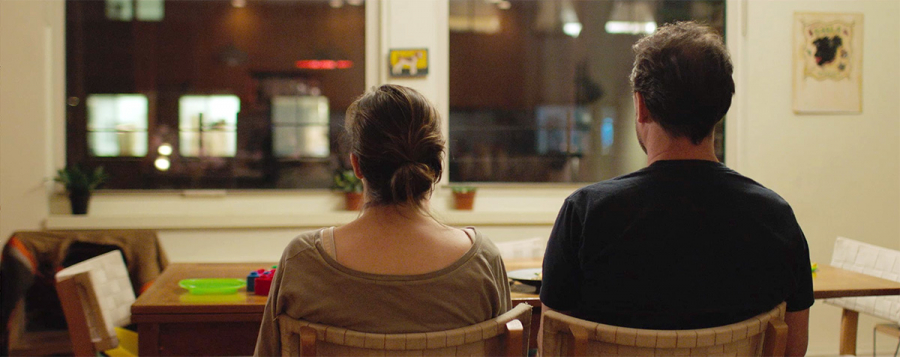
The scene shows Alli and his wife gazing at the apartment across the street through an uncurtained window.
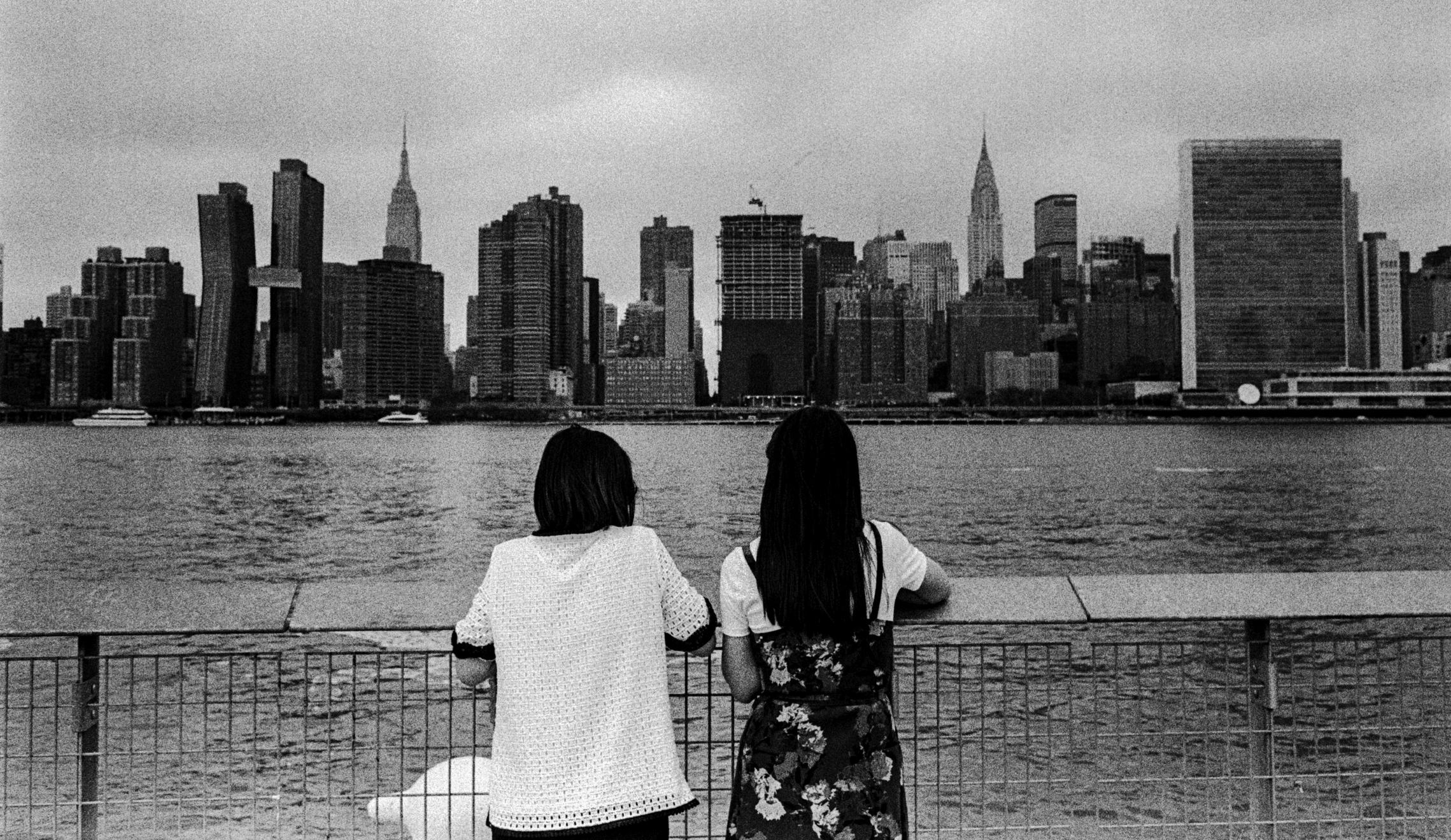
It's not just New York; there's a loneliness, an instability within America that's been discussed long before: the gap between rich and poor, cultural and political disagreements, racial discrimination, and the persistent frustration of comparing oneself to others.
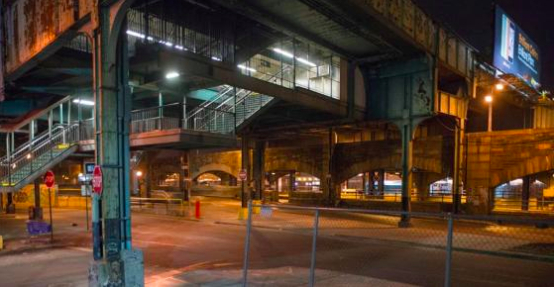
An old subway station in New York.
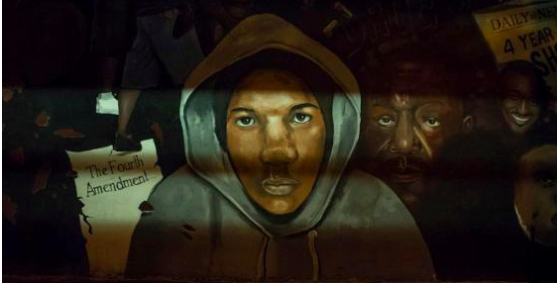
A portrait of Trayvon Martin—a 17-year-old Black boy who was shot and killed—is displayed on Livonia Avenue in New York.
Americans proudly call Pocatello the "Smiling Capital," because there, smiling is considered essential. Any sign of sadness is frowned upon, even considered illegal. It's not just Pocatello; New York City also seems to be cloaking itself in a cloak of false happiness – while a 2014 survey indicated that New York was the least happy city in America.


A bird's-eye view of bustling New York City streets.
Here, people worry about everything. Low-income earners worry about the cost of living, the middle class feels uncomfortable being outmatched by the "upper class," and the wealthy are envious because they haven't been able to buy a private jet. The rich complain and worry about their children's future. And domestic helpers, cooks, and others are always self-conscious about their jobs.

New York City
Somehow, they still have to hide their insecurities and live their lives looking through the "window" of others – as Marshall Curry depicted in his work, The Neighbors' Window.

The scene shows Alli trying to peek into the apartment across the street.
It's only when Alli, the protagonist, realizes that behind the window of the house opposite, a couple is also silently observing and wishing for a life like hers that things become clear. Alli is more content with her current life.
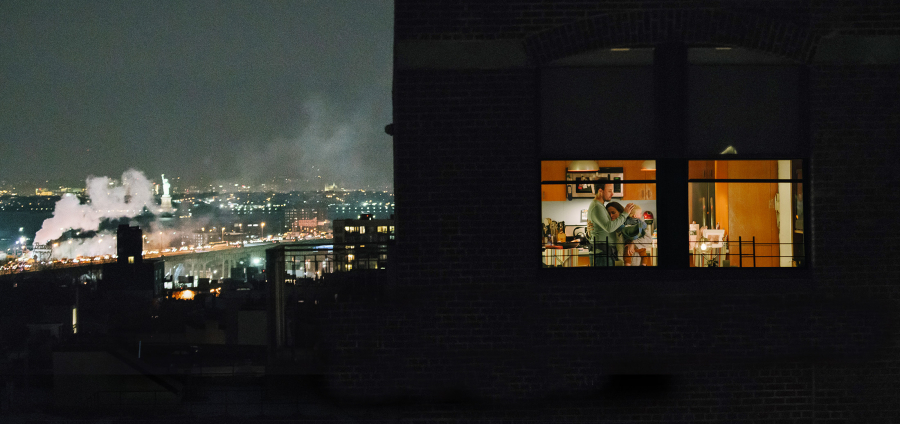
The final scene of The Neighbors' Window
The film concludes with a scene of Alli's family seen through an open window. It's unclear whether this view is from the apartment across the street, or from another family continuing the cycle of unrest in New York City. But one thing is certain: this film resonated deeply with many Americans, those who were calm or anxious, those standing on one side or the other of the window. And a film like this deserves an Oscar…