VI
VI


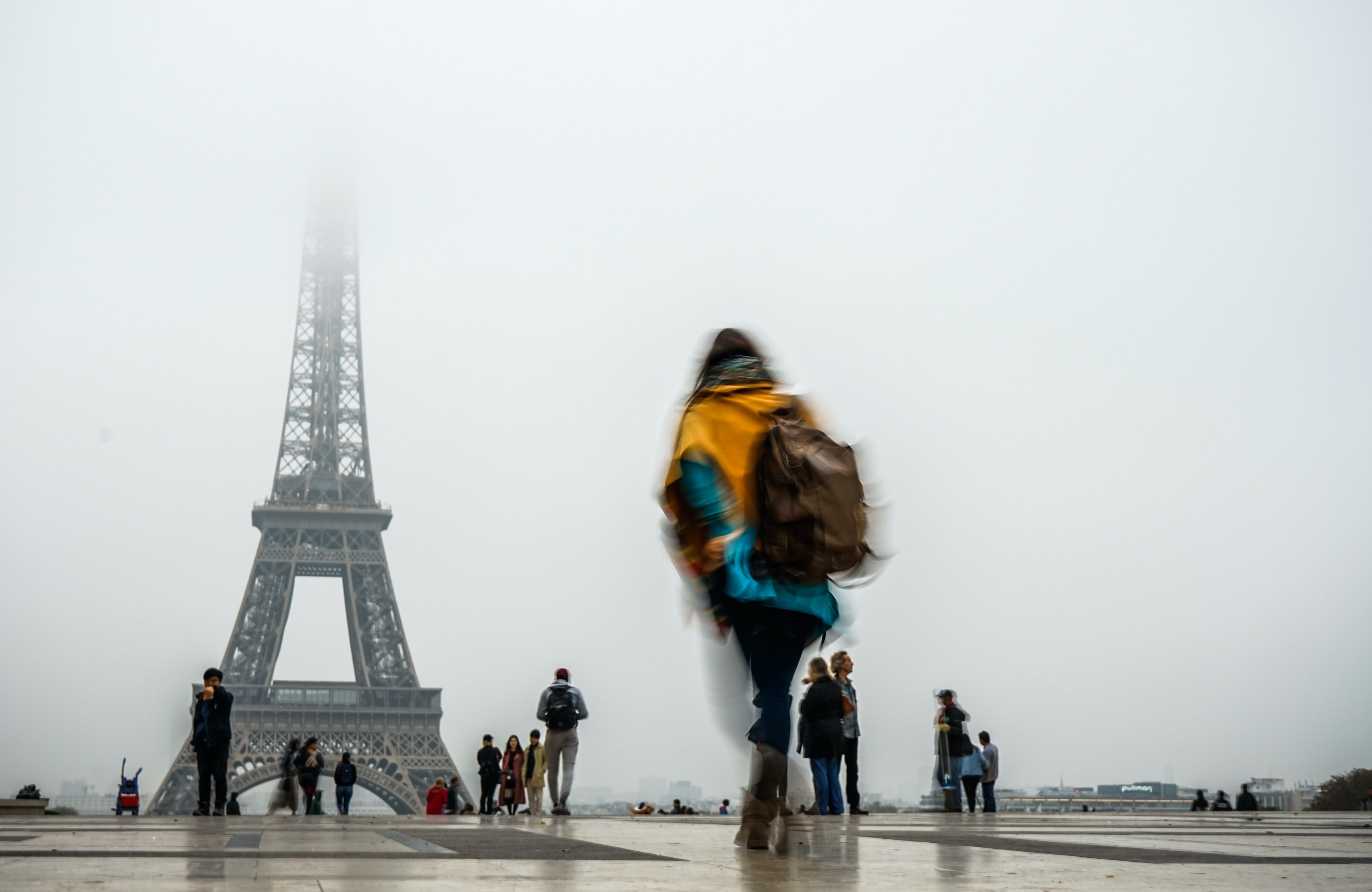
Traveling means embarking on a journey to discover new places, cultures, cuisines, rituals, and lifestyles. We travel with the desire to bridge distances and explore the diverse aspects of life – things we cannot observe while staying at home. Travel itself has advantages, as it allows people to forget their worries, sadness, and disappointments.
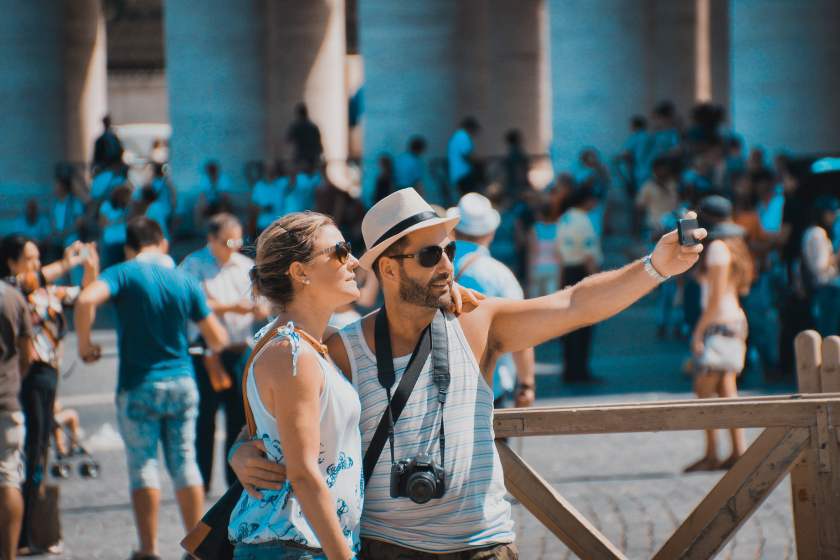
According to a survey by Cntraveler, the majority of modern travelers are motivated by the desire to "check in" on social media. This trend encourages people to visit all the famous places to keep up with their friends. Therefore, traveling to two places at once is an essential experience if travelers wish to develop their awareness and personal lifestyle.
Build a unique, personalized experience.
Before traveling to a destination, people often tend to "scour" Google. They constantly search for reviews, restaurant reviews, and guides to make their trip more comfortable. Articles with provocative titles like "You haven't really been to Quy Nhon if you haven't been to Ky Co," "10 things to do when visiting Hanoi," or "If you're in love, you must eat beef noodle soup in Thi Nghe" make you overlook your personal perspective. They unintentionally create pressure, making tourists feel they must complete all the to-do lists to be considered to have completed their trip.
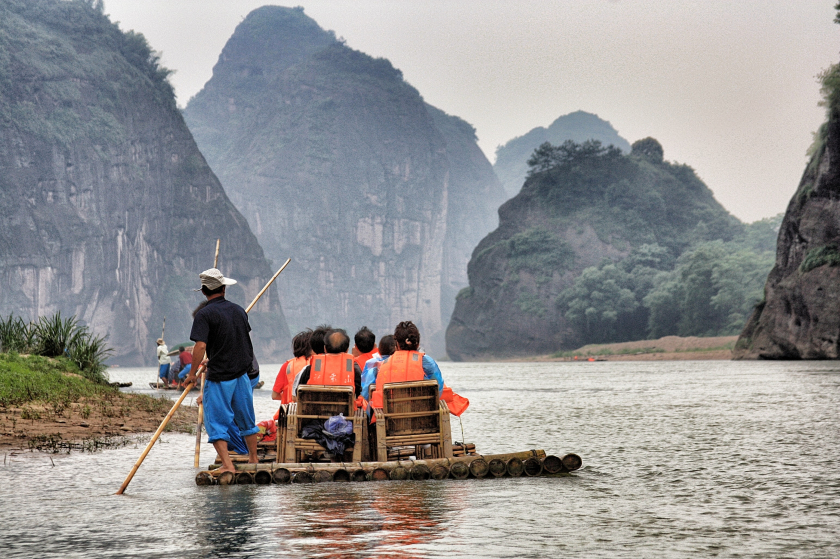
After experiencing someone else's trip for the first time, a second trip to the same destination allows you to explore different paths. For example, on the way to Ky Co, you might spontaneously turn onto a small road leading to a secluded, little-known beach. Or, strolling through Hanoi's Old Quarter at sunset without using Google Maps, you might venture into an alley and discover a hidden cafe. Alternatively, you could try wandering through Chinatown and eating at a street food cart. It's all a personal experience.

Increase happiness index
Popular tourist destinations are often the most crowded. Precious vacation time can be wasted due to long queues and travel. Therefore, travelers often plan multi-day trips, allocating hours to all attractions and activities. However, scientists point out that shorter, repeat trips can lead to better travel experiences.
A 2010 study by Dutch researchers indicated that tourists may find greater satisfaction from several smaller trips throughout the year rather than one large vacation. Another 2010 study by researchers at the University of Tampere in Finland even identified the perfect length of shorter trips: after observing 54 travelers and recording their happiness levels during their vacations, the team found that eight days was the ideal length for a holiday before people felt exhausted.
Find peace in familiarity.
Traveling to new places brings us fresh mental and emotional experiences. However, returning to a familiar destination gives us a sense of security, like being with old friends. This isn't just your imagination. In psychology, there's a term called the "mere exposure effect," which posits that a person, place, or thing becomes more pleasant after we become familiar with it.
"We tend to feel more at peace when we are in contact with things we are familiar with. If you encounter a strange animal and it doesn't attack you, then it's harmless to you," says Dr. Raj Raghunathan, professor at the University of Austin's McCombs School of Business in Texas.
Dr. Raghunathan stated that a similar standard could be applied to travel experiences. For example, if you feel apprehensive or insecure the first time you visit Vietnam, you will likely feel more confident the next time. This sense of familiarity and comfort can also last a long time, even after vivid memories of the place have begun to fade.