VI
VI


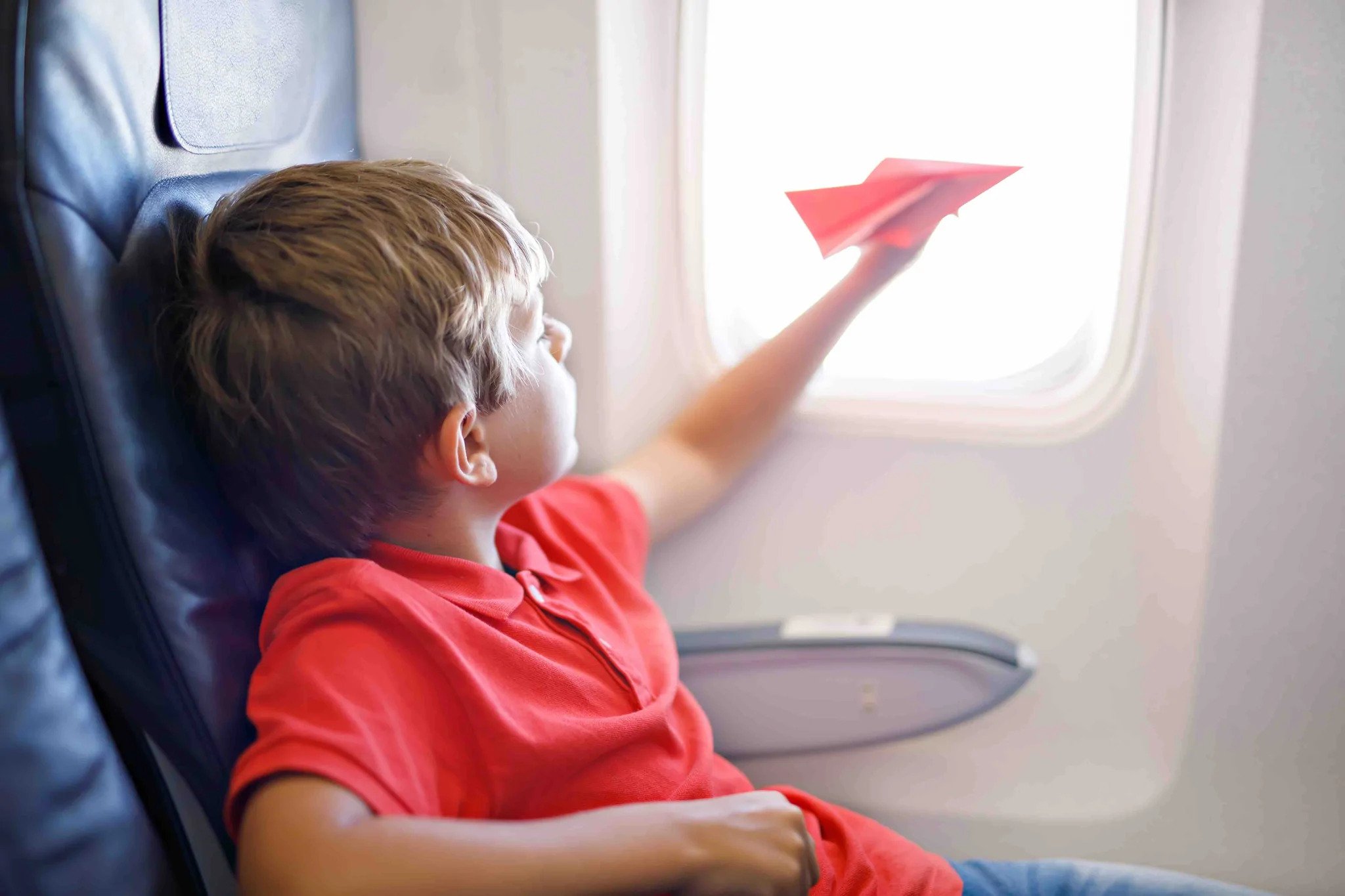
Flight attendants have witnessed many mistakes made by passengers. According to Business Insider, here are some things they advise against doing while you're flying.
Don't go barefoot on the plane.
In a place with a high volume of people coming and going, like an airplane, the toilets and floors contain far more bacteria than we realize, making it extremely dangerous to take off your shoes.
Many people choose to take off their shoes to allow their feet to breathe, feel more comfortable, and improve blood circulation, but you should reconsider this practice if you are aware of the potential safety risks.
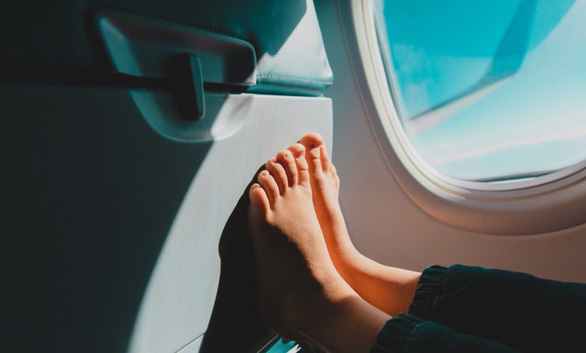
Passengers must always wear shoes, even on long flights.
Many people have a habit of walking barefoot in the aisles, even into the restrooms. According to flight attendants, airplane floors are probably dirtier than you think.
In emergencies, the shaking and impact of the aircraft's furnishings can scatter debris. If you're barefoot, you could step on this debris and get injured.
In short, while taking off your shoes and going barefoot might feel comfortable, the best approach is to still wear shoes when walking around.
However, a piece of advice for air travel is to choose the softest, most comfortable shoes possible. Avoid high heels or shoes that are too tight. If you need to take off your shoes, you can bring a pair of soft slippers, the kind you wear indoors. These allow for ventilation while still protecting your feet.
Think carefully before putting anything in the airplane seat pocket.
After each flight, the plane is cleaned. But they don't have enough time to thoroughly clean the inside of the seat pockets between flights.

Flight attendants have also revealed that they've seen soiled diapers and underwear in seat pockets. So, think twice if you plan on putting food in your seat on your next flight.
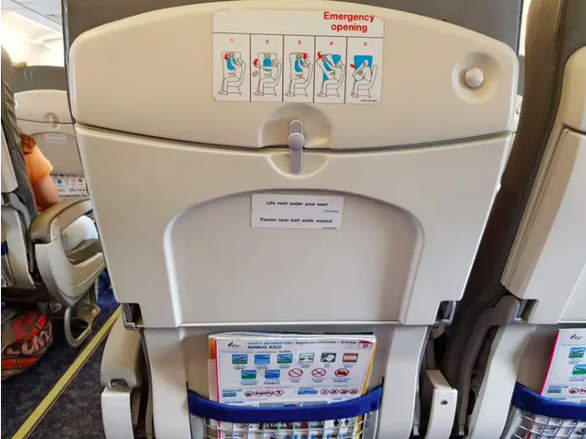
Think carefully before storing any food in the seat pocket.
Don't ignore the safety instructions from the flight attendants.
Frequent flyers have probably heard the safety briefing hundreds of times. The repetition can be irritating. But the flight crew is just doing their job, trying to keep passengers safe.
Flight attendants ask passengers to fasten their seatbelts and identify emergency exits for important reasons. They typically don't go into detail or describe worst-case scenarios to avoid causing panic.
In addition, not all aircraft have the same exits or emergency exits. You should listen to the instructions on each flight.
Stick with bottled water.
Maintaining humidity on an airplane is essential, but according to flight attendants, you should avoid drinking water directly from sealed bottles.
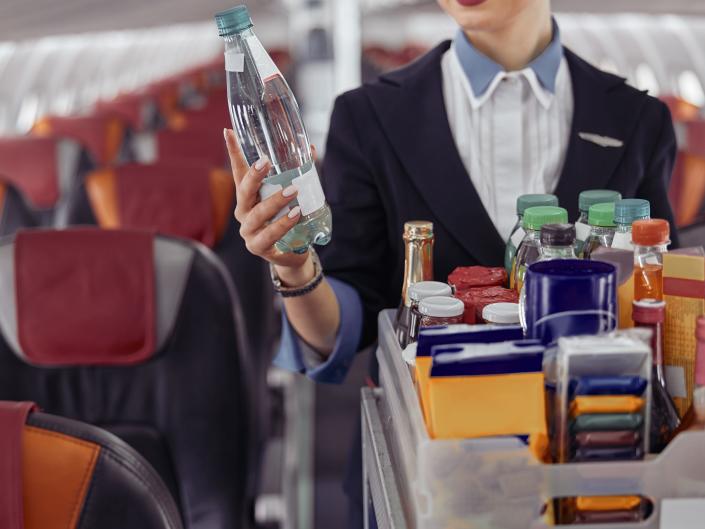
Bottled water is a safe option for you when traveling by plane.
Many studies in recent years have questioned the inconsistent quality of tap water on airplanes across airlines. Bottled water, which is usually provided on board, is a safer option.
Disrespecting the personal space of other passengers.
When boarding a plane, you should be mindful of your surroundings and the personal space of others. It's unpleasant if the passenger in front of you reclines their seat just as you're about to eat. Nor is anyone happy if you rest your feet on the armrest in front of you to relax.
Also, think twice before you start painting your nails or eating anything. The air conditioning system will carry the smell throughout the entire plane.
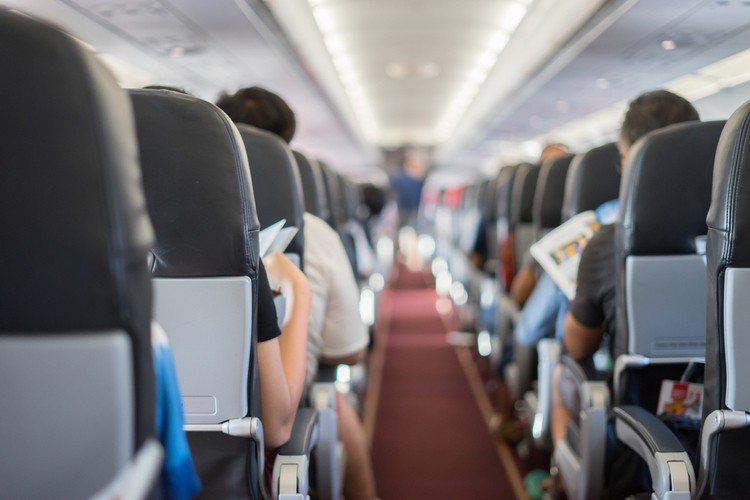
From the moment you board the plane, you should pay attention to your surroundings and be mindful of other people's personal space.
Behaving rudely towards crew members.
The entire waiting period and flight itself can be stressful and tiring. But venting your frustration on those who are trying to provide you with a comfortable and safe flight is not the right solution.
You just need to understand that flight attendants are probably awake twice as long as you are. They might have served on another flight, or even two flights on the same day.
Kindness and goodwill are always helpful in any situation.
A dedicated call button for emergencies.
You press the button when you need the flight attendant's attention and they are happy to assist you. However, you shouldn't press the call button during meal service just because you want the flight attendant to retrieve your luggage from the overhead compartment. If you really need immediate assistance, you should press the button several times.
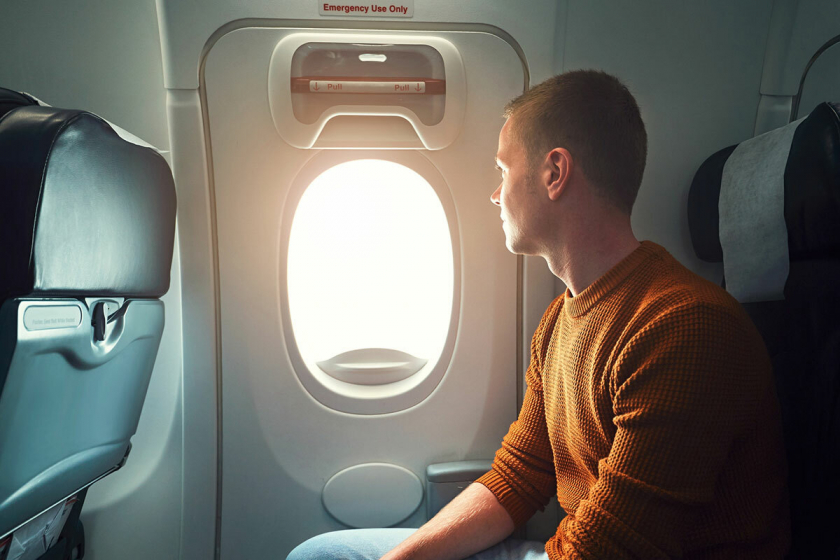
Passengers should only press the call button for emergencies.
Limit alcoholic beverages.
Low humidity on airplanes can cause dehydration, and low cabin pressure can reduce blood oxygen levels, so people tend to feel the effects of alcohol more quickly on a plane. In many cases, the alcohol takes effect so fast that you don't have time to stop drinking before you're already drunk.
According to flight attendants, excessive alcohol consumption contributes to many health problems on airplanes, especially when passengers are drinking alcohol and taking medication at the same time.
Many intoxicated passengers behave aggressively, are restrained, arrested, and banned from flying. Drink slowly, in moderation, and drink plenty of water. You'll feel much better upon landing. Also, passengers are not allowed to drink their own alcoholic beverages while on a plane. Think again if you're planning to open a bottle of wine you just bought at the duty-free shop.