VI
VI


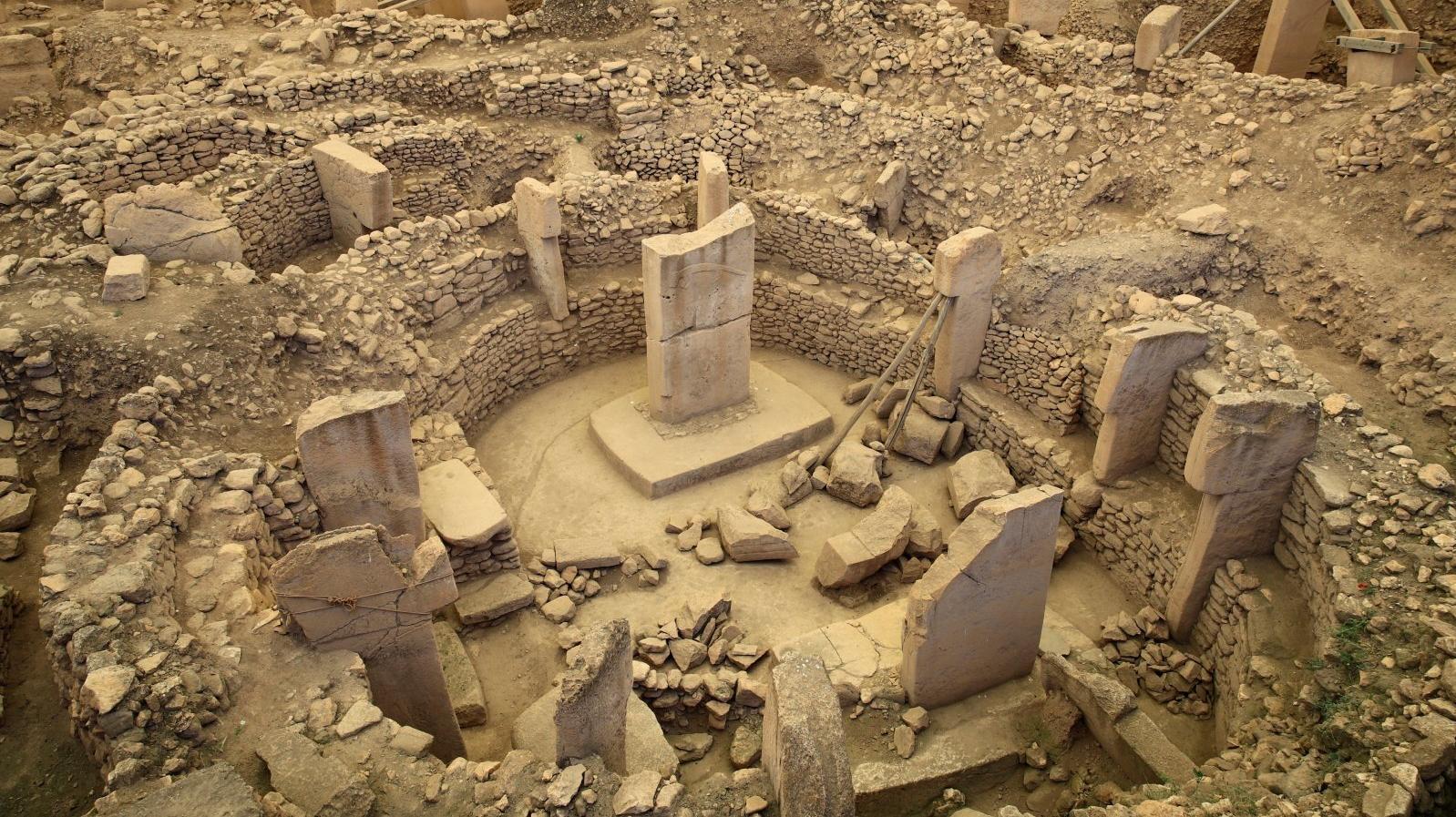
According to Daily Sabah, the Turkish government has just announced the discovery of 11 mysterious man-made hills, each approximately 15 meters high and 300 meters in circumference, found around the ancient Göbeklitepe site. Inside each hill is a cluster of structures identical to Göbeklitepe, forming a chain of 12 mysterious archaeological sites located in southeastern Türkiye.
According to Mehmet Ersoy, Türkiye's Minister of Culture and Tourism, 11 artificial hills are scattered along a 100-kilometer route around Göbeklitepe. "Until now, this area will be known as the site of the 12 hills, perhaps even as the 'pyramid' of southeastern Türkiye," Ersoy stated.
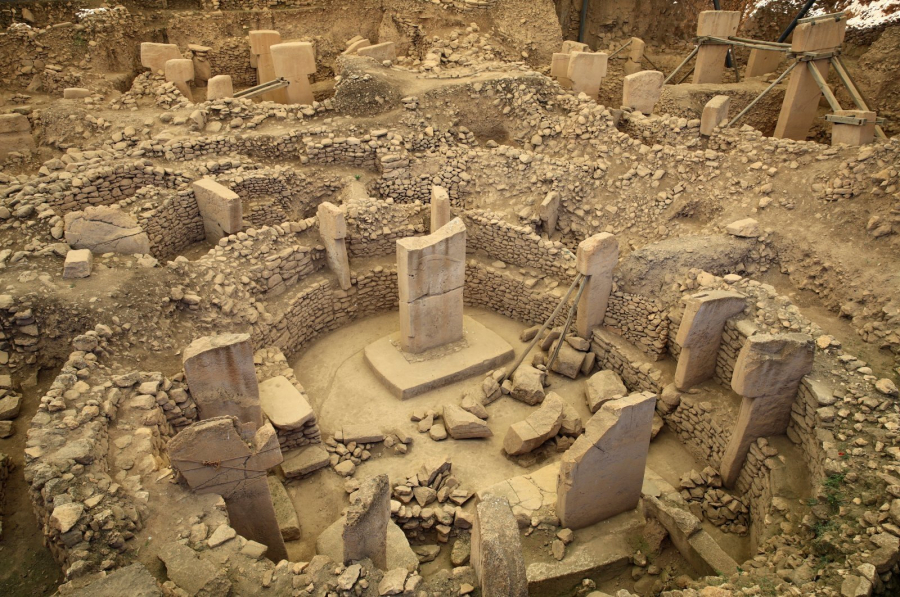
Göbeklitepe dates back more than 12,000 years, approximately 7,000 years before the pyramids of Egypt appeared (Photo: Reuters).
The Göbeklitepe site was recognized as a UNESCO World Natural Heritage Site in 2018. The temple was first discovered in 1963 when researchers from Istanbul and Chicago universities came to work there.

Göbeklitepe is a complex of structures comprising a magnificent megalithic monument hidden within an artificial hill, dating back approximately 12,000 years, about 7,000 years before the Egyptian pyramids appeared. The structure consists of a circle of rectangular stone pillars up to 6 meters high and weighing between 7.7 and 11 tons, with two of the largest pillars in the center, shaped like the letter T.
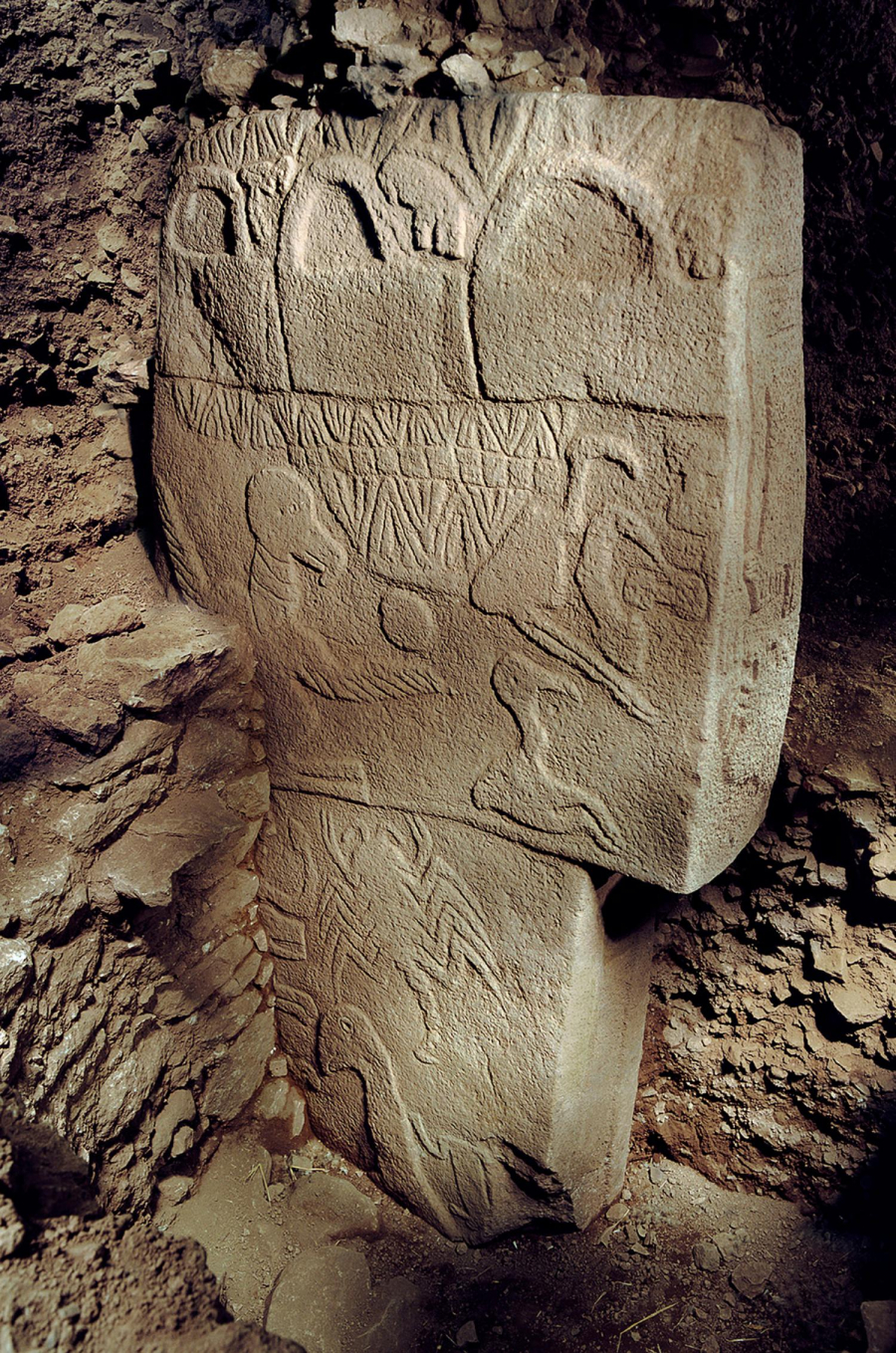
The stone pillars are carved with images of various animals and mysterious hieroglyphs (Photo: Internet)
The stone pillars are carved with images of various animals such as foxes, scorpions, vultures, and lions (animals that inhabited the green valley at that time), as well as mysterious hieroglyphs.
The purpose of the ancients in building Göbeklitepe and the other 11 pyramids remains a mystery. The most widely accepted hypothesis is that they created a pilgrimage site, viewed by ancient worshippers as a place to communicate with the gods.